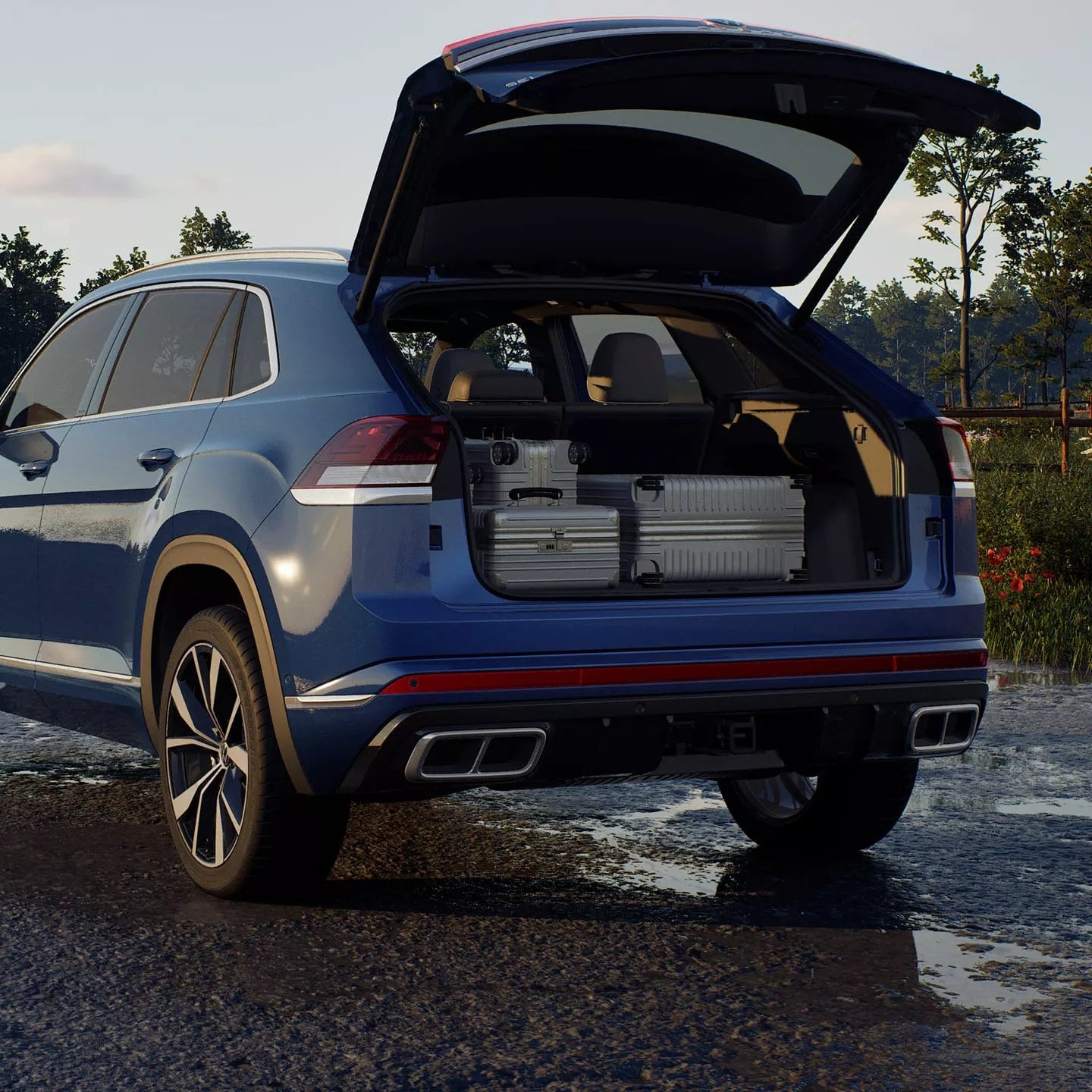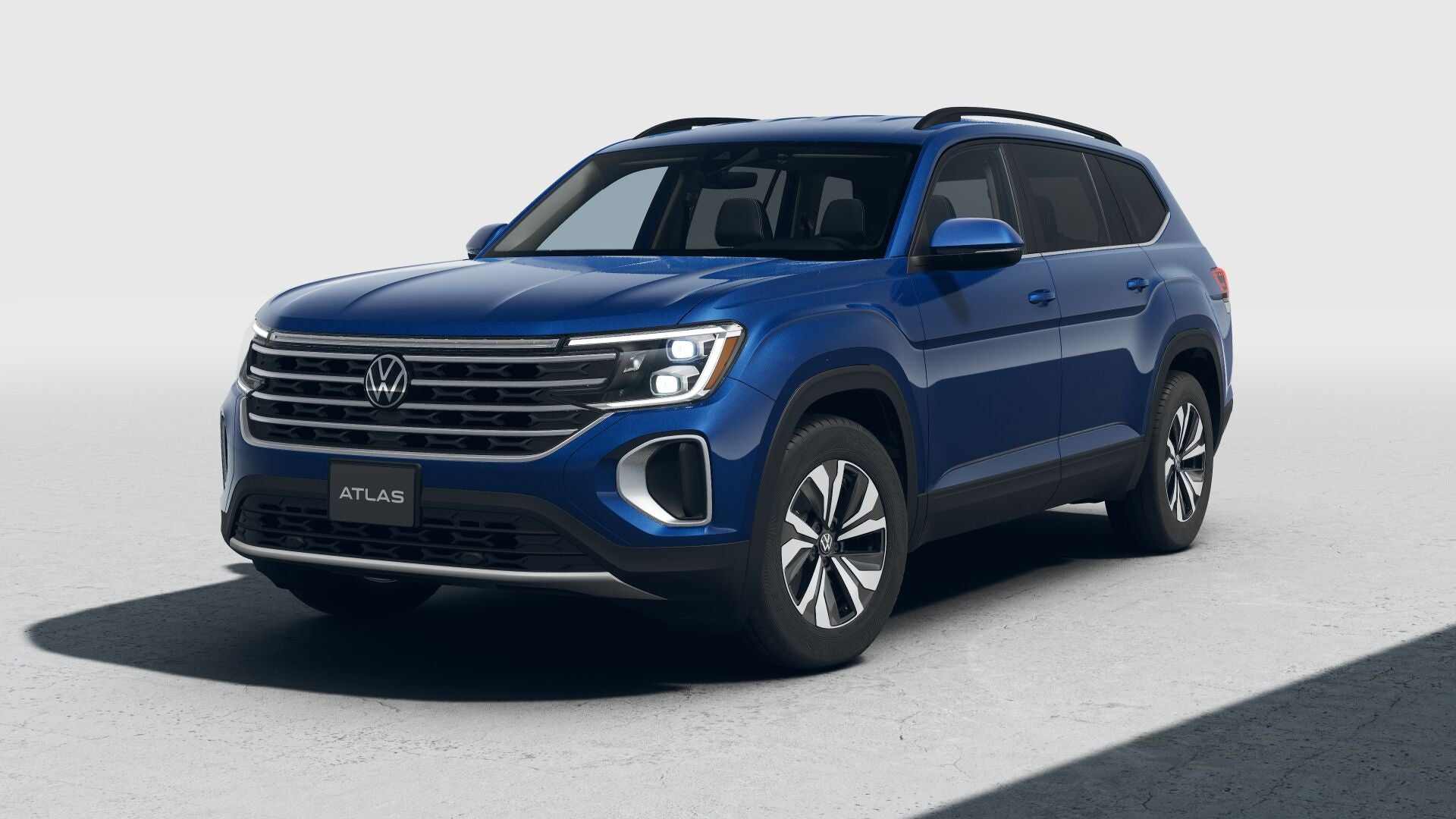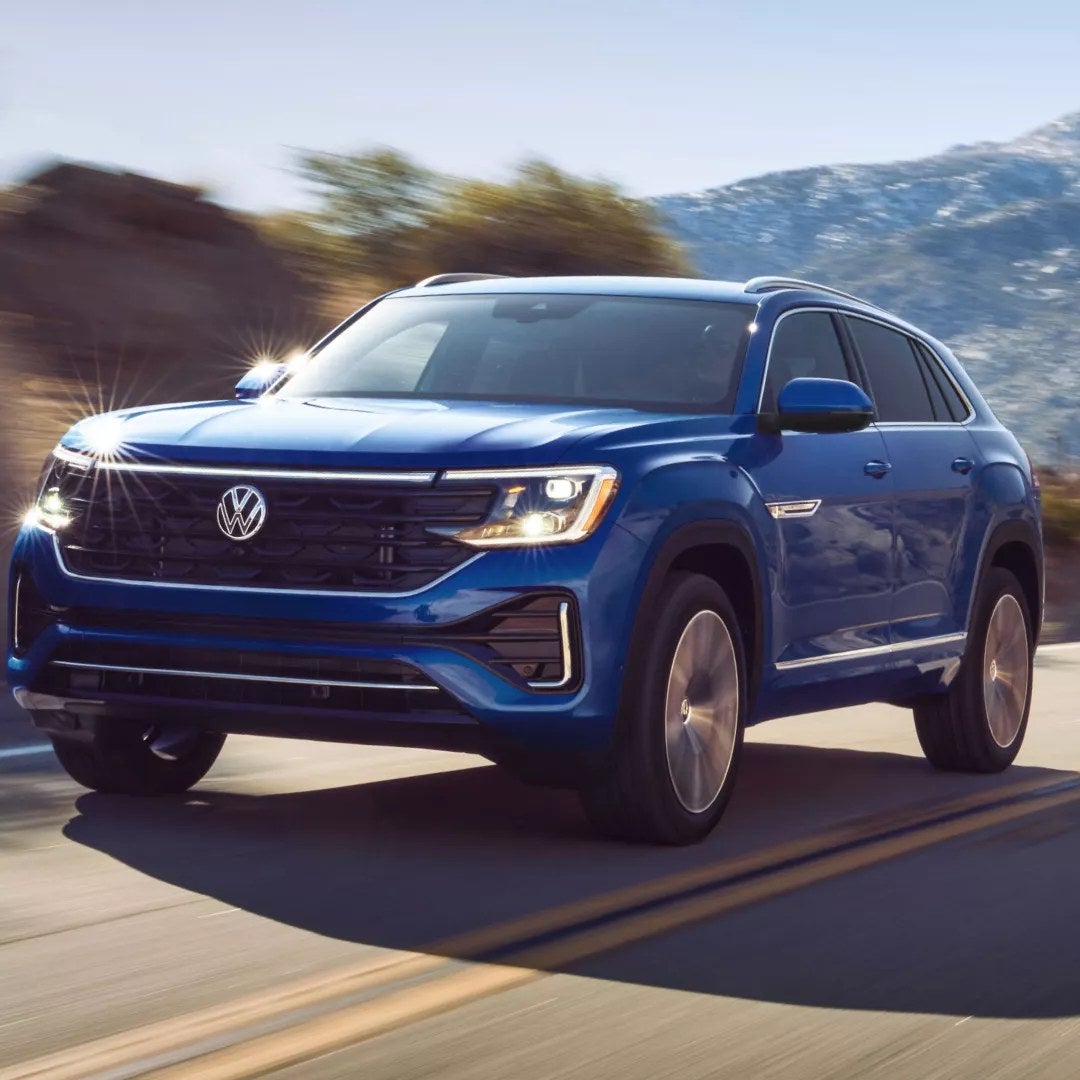

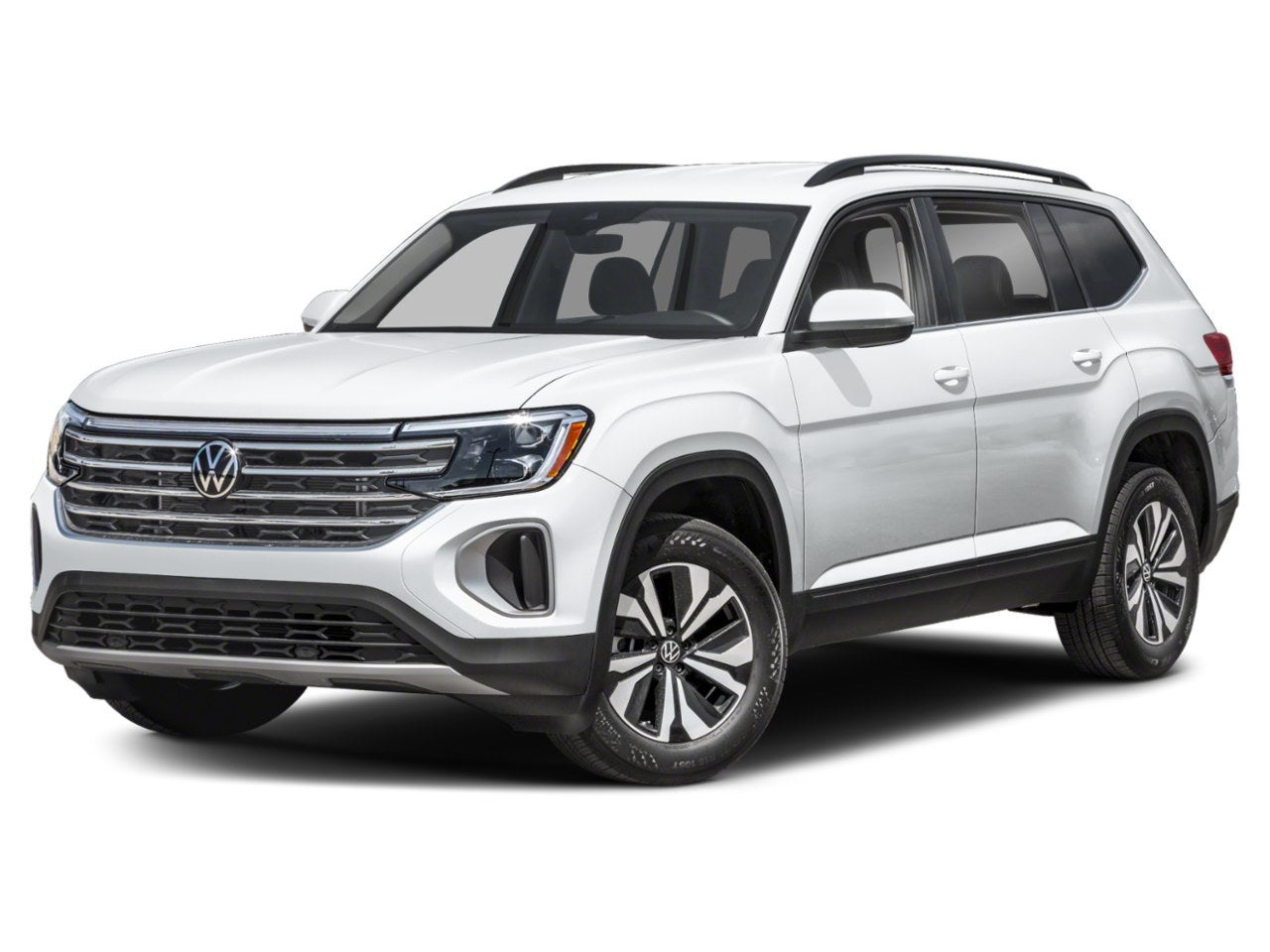
THE SHORT ANSWER The Volkswagen Atlas handles big-family packing well because several 2027 trims seat seven, and the cargo area grows more than four times over when you fold the rear seats. Pick your trim for seat count and drivetrain first. Then pack heavy items low and forward and give each passenger their own zone. Packing for a big family is part puzzle and part crowd control. You've got car seats, sports bags, a cooler, and at least one kid who insists on bringing a pillow the size of a beanbag. At Smithtown Volkswagen in St James, we talk with families every week who want to know whether the Volkswagen Atlas can handle all of that. Here's how it works in real life, from school runs on Route 347 to Thanksgiving trips off the island. IN THIS POST Why the Atlas Suits a Crowd Choosing a Trim With Your Family in Mind Cargo Space: Rear Seats Up vs. Folded Packing Smart for Holiday Road Trips Seating Plans, Car Seats and Who Sits Where All-Wheel Drive, Fuel and Long Island Roads New, Used or Certified Pre-Owned Keeping the Family Hauler Ready Key takeaways Why the Atlas Suits a Crowd Packing for five or six people isn't really a space problem. It's an order-of-operations problem: who needs what first, what can ride under something else, and where the snack bag goes so nobody climbs over a cooler at a rest stop on the Long Island Expressway. A good family SUV makes that easier, and that's why the Volkswagen Atlas lands on so many shopping lists. The 2027 Atlas is a large three-row SUV. Several trims seat seven, including the SE, SE w/Technology and SEL Premium R-Line. That third row changes daily life more than people expect, because carpool weeks no longer require two cars, and grandparents can ride along to the game instead of following behind. We hear from a lot of St James families moving up from a midsize SUV or a sedan. Most say they didn't need a bigger vehicle until the second car seat showed up, and then they needed it yesterday. Others are tired of playing Tetris every time relatives visit from upstate. If either of those sounds like your house, it helps to think about how you actually pack rather than how a brochure photo looks. That means real strollers, real hockey bags and real kids who need a juice box at the worst possible moment. The rest of this comes from what we've seen families do well, and what they wish they'd known sooner. Choosing a Trim With Your Family in Mind Start with the trim lineup, because seating isn't identical across it. The SE opens the range at an MSRP of $39,310 with all-wheel drive, seven seats and a turbocharged four-cylinder. For a lot of families, that's the sweet spot between price and room. From there, the SE w/Technology comes in front-wheel-drive and all-wheel-drive versions. The Peak Edition, SEL and SEL R-Line fill out the middle, and the SEL Premium R-Line tops the range with a 282-hp engine. If a third row is non-negotiable for you, confirm the seat count on the exact trim you're considering before you fall in love with a color. Here's a quick way to narrow it down: Seven seats on a budget: SE or SE (2WD) More tech, still seven seats: SE w/Technology, in 2WD or AWD Top of the range with a third row: SEL Premium R-Line You can check what's on the lot right now in our new Volkswagen inventory. When you come in, ask us to park two trims next to each other. Opening the doors and folding the seats on both, back to back, tells you more in ten minutes than an afternoon of scrolling. One more tip: bring the people who'll ride in the back. Kids have strong opinions about legroom, and it's better to hear them in the showroom than an hour into a holiday drive. Cargo Space: Rear Seats Up vs. Folded Here's the number that matters most on a busy weekday: with the rear seats up, the Atlas gives you 20.6 cubic feet behind them. That's enough for a grocery run, a couple of backpacks and a folded stroller if you stand it on its side. It won't swallow a family vacation with everyone aboard, but it's a genuinely usable space with a full house. Fold the rear seats and you're working with 96.6 cubic feet. That's your mode for warehouse-store runs, college move-ins, a new crib still in its box, or hauling bikes and beach chairs to Sunken Meadow. Plenty of families tell us they bought the Atlas for the seats and ended up loving it as a weekend hauler. Making the in-between work Most big-family trips land somewhere between those two extremes. You might need four seats and a long lane for a cooler and fishing rods, or six seats and one extra suitcase. Think through your most common week before you buy, not your most dramatic one. Practice folding and raising the seats once in your driveway before a trip. Nobody wants to hunt for a release strap in a dark parking lot with a tired toddler on one hip. A two-minute rehearsal at home makes the real-world fold feel automatic when it counts. Packing Smart for Holiday Road Trips November is when the Atlas really earns its keep. Thanksgiving means relatives in New England, Pennsylvania or upstate, and a car full of people, pies and folding chairs. A little planning at the curb saves a lot of stress on the Throgs Neck. Load in the right order Heavy and flat goes first, low and pushed forward against the seatbacks: coolers, boxed gifts, suitcases with wheels Soft duffels and coats go on top and into the gaps, so nothing shifts in a turn A first-hour bag goes in last, right by the hatch: wipes, snacks, chargers, a spare set of kids' clothes Keep anything heavy below the top of the seatbacks, where it can't slide forward in a hard stop Give everyone a zone Assign each kid a seatback pocket or small bin for their own stuff. When the tablet goes missing, you'll know exactly whose zone to search, and the arguments over borrowed headphones get a lot shorter. If you're still short on room, a rooftop carrier is the classic fix for bulky, light items like sleeping bags and pillows. Before you buy one online, ask our parts team what works with your trim and roof setup. A carrier that fits properly is quieter, safer and much easier to load in a hurry. Seating Plans, Car Seats and Who Sits Where A three-row SUV is only as good as your seating plan. Think about who needs to get in and out most often, who needs help buckling, and who's old enough to climb into the third row without supervision. Getting this right once saves you from reshuffling at every stop. Most families we work with put the youngest kids and bulky car seats in the second row, where a parent can reach them from the front seat or the side door. Older kids, teens and sometimes a flexible grandparent take the third row. That way nobody has to unbuckle a sleeping baby just so someone can get out of the back. Test it with your own gear Car seats vary a lot in width and shape, and two seats that fit side by side in one vehicle might crowd each other in another. The only way to know for sure is to try your actual seats. Bring them along when you book a test drive, and we'll give you time to install them in the parking lot without anyone rushing you. While you're at it, have your kids climb in and out of each row on their own. Watch how easily your oldest gets to the third row with a car seat already in place. Five minutes of real testing tells you whether your daily routine will feel easy or like a fire drill. All-Wheel Drive, Fuel and Long Island Roads Our corner of the island throws a little of everything at you. You get wet leaves on Route 25A in November, slush on the Northern State in January and sandy lots at the beach in July. With a full load of kids aboard, steady traction is a comfort, not a luxury. Much of the Atlas lineup uses all-wheel drive, including the SE, SE w/Technology (AWD), Peak Edition, SEL, SEL R-Line and SEL Premium R-Line. It helps the SUV put power down cleanly on slick pavement and pull away from a snowy curb with less drama. That said, all-wheel drive helps you go, not stop, so good tires still matter most in winter. Fuel economy matters when you're covering school, practice and work every day. The all-wheel-drive SE is rated at 27 mpg highway and 23 mpg combined. Interestingly, the front-wheel-drive SE (2WD) rates slightly lower, so going with AWD doesn't cost you at the pump in this lineup. For families who mostly stick to plowed main roads, front-wheel drive with a solid set of winter tires can still work well. If you live on a hilly side street in St James or head out east to snowy country roads, we'd lean toward AWD. Either way, it's worth driving both on roads you know before you decide. New, Used or Certified Pre-Owned Big families tend to be practical about money, and an Atlas doesn't have to be brand new to fit your life. At Smithtown Volkswagen we sell new Volkswagen, used and Volkswagen Certified Pre-Owned vehicles, so you can weigh all three in one visit. How the choices compare A new 2027 Atlas gets you the latest trims and the full choice of features, plus that first-owner feeling. A used Atlas can stretch your budget further, which is a big deal when you're also paying for braces, travel teams and a growing grocery bill. Somewhere in between, a certified pre-owned Atlas gives you a newer used vehicle that has gone through Volkswagen's certification process. When you're shopping used for a family, look past the mileage and check the details your crew will actually use: Third-row condition, including seat belts and how the seats fold Cargo area wear from strollers, sports gear and pets Service history, especially tires and brakes Whether the seat count matches what you need If you're financing, our team can walk you through options for new, used and certified vehicles. Approval and terms depend on your credit and the lender, so we'll show you real numbers once we've talked through your situation. No pressure, just a clear picture so you can decide what fits. Keeping the Family Hauler Ready A family SUV works harder than almost anything else in your driveway. It does short school trips, long holiday hauls and stop-and-go errands, often with a full load. That kind of use makes regular maintenance worth staying on top of. Our service department handles Volkswagen maintenance and repair, from routine work to complex diagnostics. That covers the oil change you've been putting off and also the dashboard light that only comes on when you're merging onto the LIE. It's one place to bring your Atlas whether the job is small or puzzling. Before a long trip A quick pre-trip check before Thanksgiving or a summer drive can save your weekend. Here's what we'd look at: Tires: tread depth, pressure and any slow leaks, since a full load adds stress Wipers and washer fluid, because November rain and road spray arrive fast Brakes, especially if you've noticed noise or a softer pedal Any warning lights you've been meaning to ask about Give yourself a week of lead time before a big trip so any parts that need ordering arrive in time. You can book service online and pick a slot that works around school pickup. Then pack the car, buckle everyone in and hit the road knowing the Atlas is ready for the miles. Where 530 NY-25 St James, NY Call (631) 652-9887 KEY TAKEAWAYS Confirm the seat count on the exact Atlas trim you want, since seven seats aren't standard across the whole lineup. Load heavy, flat items low against the seatbacks, soft bags on top, and keep a first-hour bag by the hatch. Bring your own car seats and gear to a test drive so you know your family's setup fits before you buy. FAQ Common questions Can I fit a stroller in the Atlas with the rear seats up? Usually, yes. Most folded full-size strollers fit behind the rear seats if you stand them on their side, which leaves room for a few grocery bags next to them. Jogging strollers and double strollers vary a lot, so bring yours when you visit and try it in the trim you're considering. Do I really need all-wheel drive on Long Island? Not everyone does, but it's a comfort with kids aboard in snow, slush and heavy rain. If you mostly drive plowed main roads, front-wheel drive with good winter tires can work. If you live on a hill or head east in winter, AWD is worth a serious look. Should I get a roof carrier for holiday trips? If you regularly travel with every seat filled, a roof carrier frees up interior space for the things you need during the drive. Put light, bulky items up top, like sleeping bags and pillows, and keep heavy bags inside and low. Make sure the carrier fits your trim's roof before you buy. How do I know which Atlas trim seats seven? The SE, SE (2WD), both SE w/Technology versions and the SEL Premium R-Line all seat seven. Seat counts differ on some other trims, so confirm the exact vehicle with us before you commit. We're happy to show you the third row in person. How should I split seats between little kids and teens? Car seats and younger kids usually do best in the second row, where a parent can reach them easily. Teens and older kids who can buckle themselves are a good fit for the third row. Test the setup with your own car seats so everyone can get in and out without a shuffle at every stop. Want to see it in person? Come by for a test drive, or browse what is on the lot right now. Schedule a test drive Browse new inventory Or call (631) 652-9887 · 530 NY-25, St James Or keep browsing Current offers Financing Value your trade Book service Contact us Used cars
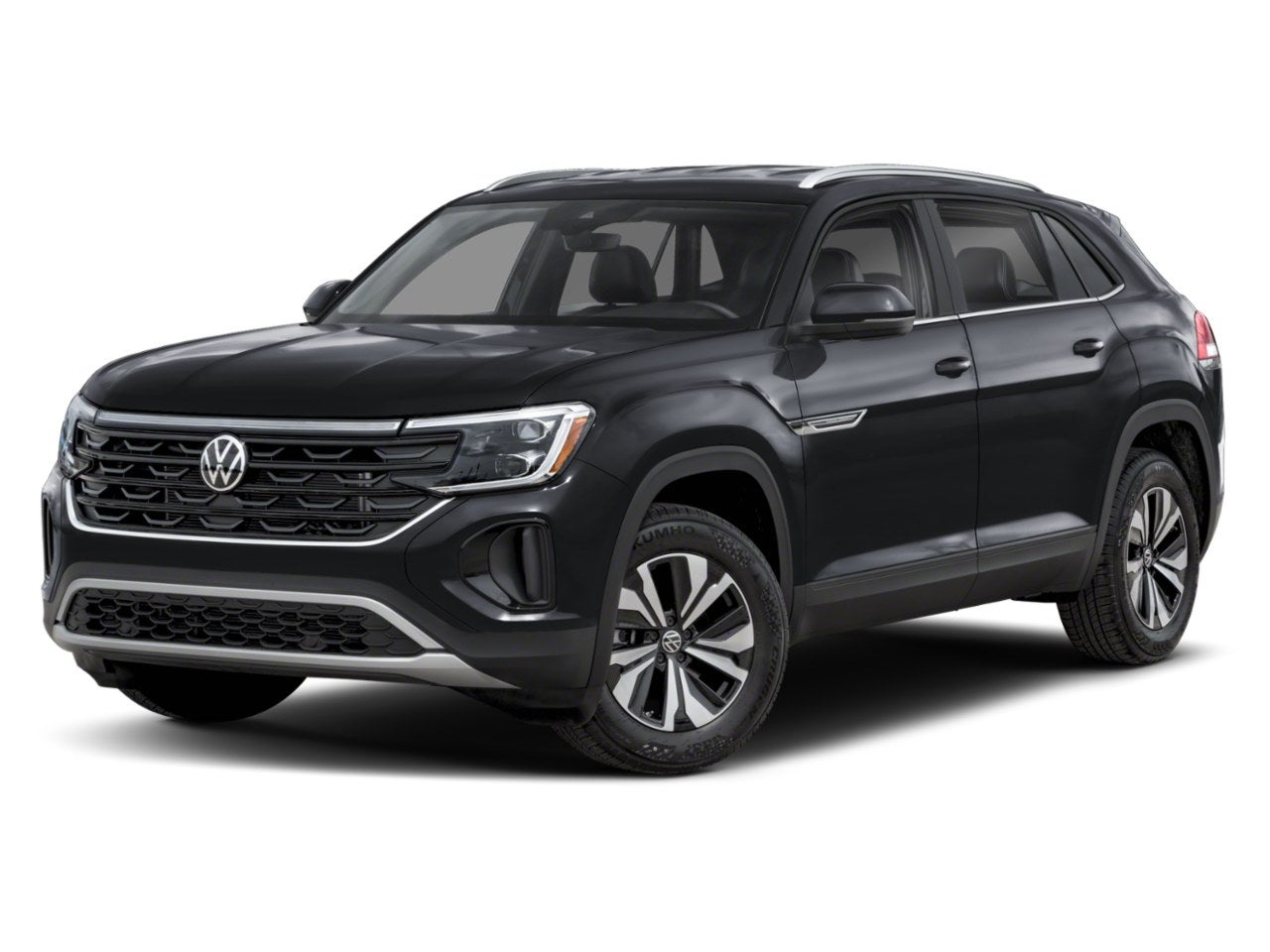
Getting the Volkswagen Atlas Cross Sport Ready for Long Island Winters
THE SHORT ANSWER Getting an Atlas Cross Sport ready for a Long Island winter comes down to four things: the right tires at the right pressure, a tested battery with fresh wipers and winter-rated fluids, steady protection against road salt, and a small emergency kit in the cargo area. All-wheel drive helps you get moving in snow, but your tires do most of the work when it comes to stopping and turning. Winter on Long Island rarely means steady, fluffy powder. More often it's a nor'easter that dumps heavy, wet snow on a weekday, a hard freeze that night, and weeks of salt brine on everything you drive. At Smithtown Volkswagen in St James, we hear from a lot of Atlas Cross Sport owners each fall who want to know what to do before the first storm. This is how we'd get yours ready, from the tires up to what rides in the back. IN THIS POST Know What Your Drivetrain Can and Can't Do Tires Do the Heavy Lifting Battery, Wipers and Fluids Fighting Salt and Brine Packing the Cargo Area for Winter Driving When the Snow Starts Choosing a Cross Sport Before Winter Used, Certified and Your Current Car Key takeaways Know What Your Drivetrain Can and Can't Do Most 2027 Atlas Cross Sport trims send power to all four wheels. That includes the SE, SEL, SEL R-Line, SEL R-Line Black, SEL Premium R-Line and SE w/Technology (AWD). Two versions, the SE (2WD) and SE w/Technology (2WD), are front-wheel drive, so it's worth knowing which one sits in your driveway before the snow flies. All-wheel drive helps you get moving. When one tire spins on a slick spot, power shifts to the wheels that still have grip, and that makes pulling away from a stop sign or climbing a snowy driveway much easier. What it won't do is help you brake or steer on ice. Plenty of overconfident AWD drivers find that out on the first icy off-ramp of the season. Front-wheel drive isn't a handicap, either. With the engine sitting over the driven wheels, a front-drive Cross Sport on good tires handles most Suffolk County storms just fine. You'll feel the difference mainly on unplowed side streets or a steep driveway after a heavy snowfall. Still deciding between the two? You can book a test drive and we'll line up both versions so you can drive them back to back and compare. Tires Do the Heavy Lifting Winter tires or all-seasons All-season tires get stiff once temperatures hang around the mid-40s, and stiff rubber grips poorly. Dedicated winter tires use a softer compound and thousands of tiny slits, called sipes, that bite into snow and slush. Lots of Long Island drivers run all-seasons year-round and get by in mild winters. If you head down the Northern State at 5 a.m. or park outside, though, winter tires are the single biggest safety upgrade you can make. A second set of wheels with winter tires already mounted makes the spring and fall swap quicker and cheaper. It also spares your regular tires and wheels a season of salt. Tread and pressure Check both before the first storm and then once a month: Push a quarter into the tread with Washington's head pointing down. If you can see the top of his head, the tread is too shallow for snow. Cold air drops tire pressure, often by a pound or so for every ten-degree dip, so recheck after a cold snap. Inflate to the number on the driver's door jamb, not the maximum printed on the sidewall. Check pressure in the morning, before the tires warm up from driving. Battery, Wipers and Fluids Cold is hard on batteries. One that cranked fine in August can quit on the first frosty morning in Head of the Harbor, and it almost never happens at a convenient time. A load test takes a few minutes and tells you whether the battery is fading before it leaves you stuck. Most batteries last somewhere around three to five years, so an older one deserves a close look. These are the items we'd check before December: Battery and terminals: load test, clean off corrosion, make sure the connections are tight. Wiper blades: replace any that streak or chatter. Winter blades resist packing up with ice. Washer fluid: swap summer fluid for a formula rated for freezing temperatures. Plain summer fluid can freeze in the reservoir and lines. Coolant: confirm the level and mix so it protects against a deep freeze. Cabin air filter: a clogged one slows the defroster just when you need clear glass. Lights: it's dark by 4:30 in December, so check every bulb and clean hazy lenses. You can do some of this in your own driveway. If you'd rather have it all done at once, schedule a winter service visit and our technicians will go through the list and tell you what needs attention now and what can wait. Fighting Salt and Brine Long Island road crews spray brine before storms and spread salt after them. That mix clings to brake lines, suspension parts and the underbody long after the roads dry. Left alone all winter, it speeds up rust in places you never see. Outside Wax the paint in late fall to give it a protective layer. Through the winter, aim for a car wash with an underbody rinse every couple of weeks and after every storm, ideally on a day above freezing so water doesn't lock up your doors. A light coat of silicone spray on the rubber door seals keeps them from freezing shut overnight. Mud flaps help keep slushy spray off the lower body and rocker panels too. Inside Salt and slush get tracked in on every boot, and the white crust works its way into the carpet. All-weather floor mats and a cargo liner catch the mess and rinse clean in a minute. We carry Volkswagen accessories through our parts department, including mats and liners shaped to fit the Atlas Cross Sport, so nothing slides around under your feet. Spring cleanup gets a lot easier when the carpet never got soaked in the first place. Packing the Cargo Area for Winter The Cross Sport has 40.3 cubic feet behind the rear seats and 77.6 with them folded. In practical terms, a winter kit fits easily without crowding your groceries or hockey bags, and you can still fold the seats for a ski weekend at Hunter or Windham. This is what we'd keep back there from November through March: A snow brush with an ice scraper, plus a small folding shovel A bag of sand or cat litter for traction if you get stuck Jumper cables or a portable jump pack A warm blanket, spare gloves and a hat A flashlight with fresh batteries A phone charging cable Water and a few snacks that won't freeze solid A small jug of ice melt for your own steps or a stubborn spot Pack it all in a lidded plastic bin so it doesn't slide around on hard turns, and keep the bin tucked against the rear seatbacks. Most days you won't touch it. When a storm leaves you sitting on the Sunken Meadow Parkway behind a jackknifed truck, though, you'll be glad you packed it. Driving When the Snow Starts Smooth is the whole game. Accelerate gently, brake early and steer without jerking the wheel, because sudden moves are what break traction. Double your following distance in snow, and add more in sleet or freezing rain. Bridges and overpasses freeze before the road around them, so the Sunken Meadow Parkway overpasses and the LIE ramps can be slick even when Route 25A looks wet and harmless. If you feel the tires slip, ease off the gas rather than pressing harder. Before you pull out, clear the whole roof. A sheet of packed snow can slide onto your windshield the first time you brake, or fly off onto the car behind you on the highway. If you get stuck Straighten the front wheels and press the gas lightly. Hard throttle only digs you deeper. Gently rocking between drive and reverse can work you free, and that sand or litter from your kit goes right in front of the drive tires. If you're waiting it out with the engine running, clear snow away from the tailpipe first so exhaust can't build up inside the cabin. Lifting the wipers off the glass before an overnight storm also saves you from chipping them loose in the morning. Choosing a Cross Sport Before Winter If you're shopping now, start with how and where you drive. Commuting mostly on plowed roads like Route 347 and Jericho Turnpike works fine in a front-drive version on winter tires. A steep driveway, a back road in Nissequogue that gets plowed late, or an early shift before the trucks come through makes a stronger case for all-wheel drive. Every Cross Sport seats five, with two rows and a big cargo area instead of a third row. In the all-wheel-drive lineup, MSRP runs from $38,300 for the SE up to $53,620 for the SEL Premium R-Line. The SEL, SEL R-Line and SEL R-Line Black fill the space between with more equipment as you move up. Think about which features matter on a dark, cold morning and let that guide your trim choice, rather than buying the top model by default. You can browse our new Atlas Cross Sport inventory to see which trims and colors are on the lot. Setting it up for winter before you take delivery is simple: mats, a cargo liner and winter tires can be in place on the day you drive it home. Used, Certified and Your Current Car We sell new Volkswagens along with used and Volkswagen Certified Pre-Owned vehicles. So if a brand-new Cross Sport isn't the right fit, you've got other good paths to one before the snow arrives. Buying any used SUV going into winter calls for a few extra checks: Tires: note the tread depth and age, and budget for winter tires if they're worn. Underbody: look for heavy rust on brake lines and suspension parts, a sign of salt that never got washed off. Battery: ask how old it is. Service history: regular maintenance tells you a lot about how the vehicle was treated. A certified vehicle has been through Volkswagen's certification process before it reaches the lot, and many shoppers find that adds peace of mind. Take a look at our Certified Pre-Owned Volkswagens to see what's available. If you're trading in a car that struggled last winter, we can appraise it and put its value toward your Cross Sport. We'll also walk you through financing options. Rates and approval depend on your credit and the lender, so we'll explain what you qualify for once we see the application. Where 530 NY-25 St James, NY Call (631) 652-9887 KEY TAKEAWAYS Tires matter more than drivetrain, so check tread and pressure and consider dedicated winter tires. Test the battery and swap in winter-rated washer fluid before the first cold snap, not after. Wash the underbody regularly to fight salt brine, and keep a basic emergency kit in the cargo area. FAQ Common questions Do I still need winter tires if my Atlas Cross Sport has all-wheel drive? Not required, but we strongly recommend them if you drive early, late or in storms. All-wheel drive helps you get moving, while tires handle braking and steering. Winter tires stay soft in the cold and grip far better on snow and ice than all-seasons. Is a front-wheel-drive Atlas Cross Sport okay for Long Island winters? For most drivers, yes, especially with good winter tires. Long Island main roads get plowed and treated quickly. Unplowed side streets and steep driveways are where you'll notice the difference compared with all-wheel drive. When should I put winter tires on and take them off? Around here, most people switch in mid to late November and swap back in late March or early April. A good rule is to mount them once daytime temperatures stay in the 40s and remove them once they're consistently warmer. How often should I wash my SUV during winter? Every couple of weeks, plus after each storm once the roads dry out. Pick a wash with an underbody rinse to get brine off the brake lines and suspension, and go on a day above freezing so the doors don't freeze shut. Can I get floor mats and other winter accessories from you? Yes. Our parts department carries Volkswagen accessories, including all-weather floor mats and cargo liners made to fit the Atlas Cross Sport. Stop by or call ahead and we'll check what's in stock. Want to see it in person? Come by for a test drive, or browse what is on the lot right now. Schedule a test drive Browse new inventory Or call (631) 652-9887 · 530 NY-25, St James Or keep browsing Current offers Financing Value your trade Book service Contact us Used cars