


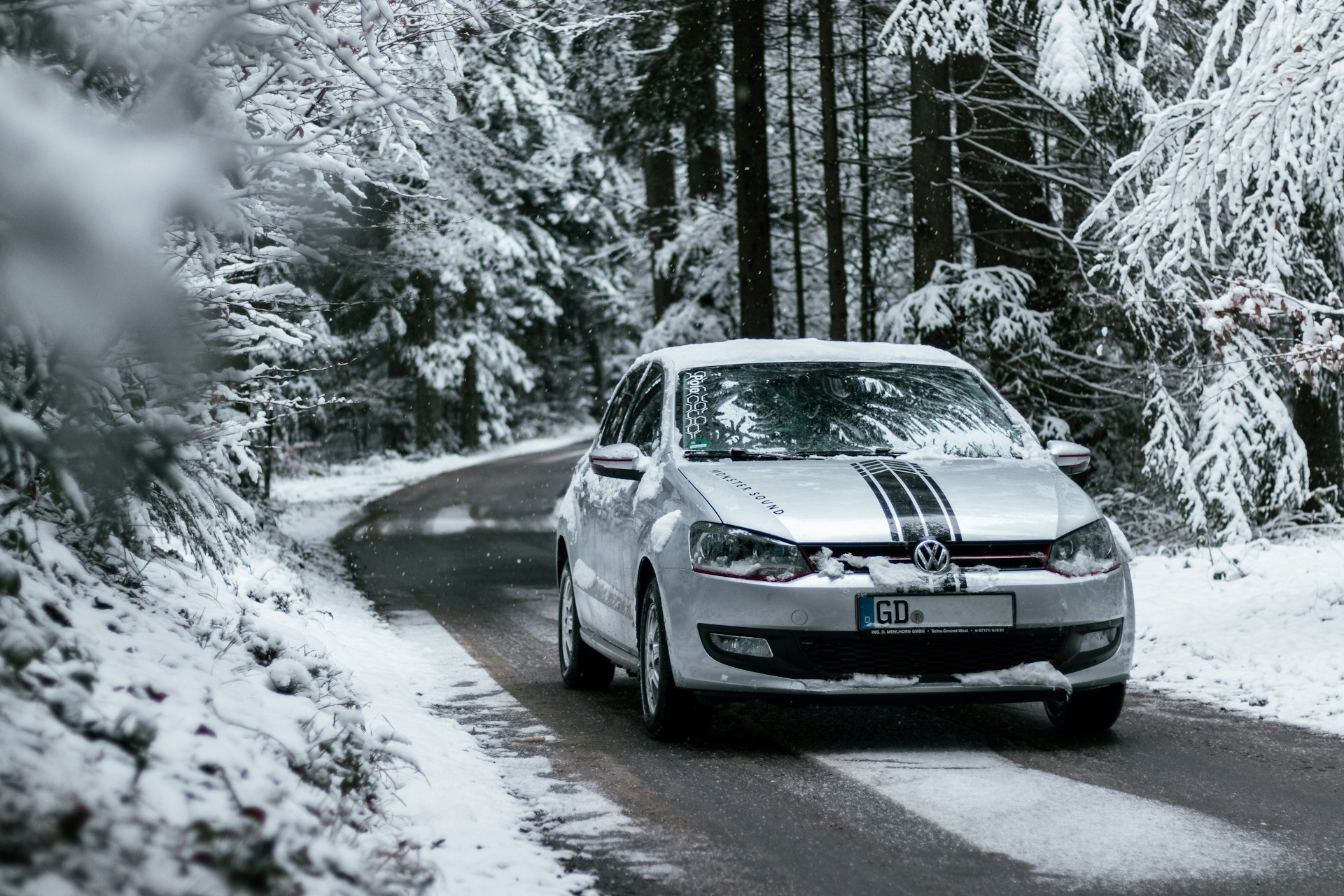
Winter brings more than just snow and freezing temps to Long Island. It also brings added responsibility when you’re driving a used vehicle. If you’re behind the wheel of a used Volkswagen, there are certain areas you should check before the cold really sets in. Cold weather puts extra pressure on older parts and systems, and catching issues early can help avoid bigger problems down the road.
Volkswagens are built to be durable, but a used model may have hidden wear that warmer weather doesn’t show. Heating performance, tire traction, battery health, and clear visibility all become more important once the temperature drops. Whether you’re driving on the LIE, making weekend trips out east, or just shuttling around town, some quick checks will help you feel more confident this winter. Here’s what to look for.
Check The Heating System
A functioning heater isn’t just about comfort—it also affects safety. Long Island winters can be long, cold, and wet. If your car’s heat is inconsistent or weak, defrosting your windshield becomes a challenge, and daily drives turn frustrating.
If you’ve recently purchased a used Volkswagen or haven’t checked the heating system since last winter, now is the time. Turn the heat on during your next drive. Does it warm up quickly? Is there a musty smell or strange sounds like gurgling or hissing? Issues like air bubbles in the coolant or a clogged heater core might be to blame.
Confirm that both the front and rear defrosters are working. These are especially important for maintaining visibility on cold mornings. Heating issues often come from things like low coolant, blocked ducts, or broken air blend doors. These aren’t always easy to spot but can get worse quickly if left alone.
A technician should inspect the system before the cold sets in. That way, you won’t be stuck shivering behind the wheel or struggling with fogged-up windows when the first storm hits.
Inspect The Tires
Tires are your first line of defense against slick or icy roads. Used Volkswagens might come with tires that look okay but aren’t ready for winter conditions. Even minimal wear can make it harder to stop or steer in bad weather.
Look at the tread depth. Deep tread channels are important for grip in slush or snow. Worn-out tread can increase stopping distance and reduce control. Check for cracks or bulges too, which may signal old age or unseen damage. These issues can lead to sudden blowouts or sliding on icy roads.
Air pressure is another thing to stay on top of. As the temperature drops, so does your tire pressure. Underinflated tires don’t handle well and can wear unevenly over time.
Think about your tire type. All-season tires can be alright for lighter conditions, but some parts of Long Island see enough snow and sleet to make winter tires a smarter choice. These offer better grip and shorter stop times in colder weather.
Have a technician look at your tire condition, especially if it has been a while since a professional check.
Evaluate The Battery
Your car battery works harder in winter than it does in any other season. Cold temperatures slow down the chemical process inside the battery, requiring more energy to start the engine. If the battery is already old or weak, it might not survive the first deep freeze.
If you’re noticing slow starts, dimmed interior lights, or corrosion around the terminals, your battery may already be on the way out. It doesn’t take much for an older battery to quit when the temperature drops below freezing.
A professional can test your battery’s charge capacity and also check the alternator to make sure it’s keeping the battery powered properly. If your battery is nearing the end of its expected life span, consider replacing it now instead of risking a no-start situation on a freezing morning.
Also, look at the battery cables. Corroded or loose cables can affect performance, especially when your vehicle’s electrical demands increase. Heaters, defrosters, headlights, windshield wipers, and your entertainment system all put added strain on an already stressed battery.
Examine The Brakes
When the roads get slick, there’s no room for brake trouble. Brakes that work fine on dry pavement might not respond as well on ice, snow, or puddles. If your Volkswagen is used, you need to know the brakes can handle any condition winter throws at you.
Pay attention to grinding or squealing when you press the pedal. If the car pulls to one side, the brake light flickers on, or you find yourself pressing harder to stop, you might need service.
Brake pads wear out, and rotors can become rusted. These problems are harder to detect without taking the wheels off, which makes a pre-winter inspection even more worthwhile.
Salt on the road, freezing temps, and increased moisture all speed up the wear process. Catching brake issues early not only helps prevent breakdowns but also makes routine stopping smoother and safer.
Assess The Defroster And Wipers
Once the windows fog up or snow starts falling, good visibility becomes a top priority. Faulty defrosters or old wiper blades can make it hard to see, which can be dangerous during a storm or even just on a cold morning.
As fall winds down, test your front and rear defrosters. If they take a long time to clear the windows or airflow feels weak, there could be a problem with vents, fans, or your HVAC system.
Wiper blades should move evenly and clean the windshield without streaks. If they leave water behind, skip across the glass, or look worn, it’s time for fresh ones. Summer heat can make wipers dry out or crack, and they won’t hold up well through snow and ice.
Run through this checklist:
- Are the blades torn or brittle?
- Does fluid spray evenly across the windshield?
- Is your washer fluid winter-grade so it won’t freeze?
Old fluid can freeze inside the lines or leave behind streaks when you need it most. Swapping for a winter-ready mix is easy, and it makes a big difference during icy mornings.
Ready For Winter Driving
Driving a used Volkswagen on Long Island during the colder months comes with its own challenges, but a little prep can go a long way. Taking time now to check your heater, tires, battery, brakes, defrosters, and wipers will help keep your daily drives predictable and safe as conditions get worse.
Even reliable used vehicles need a check-up when the seasons change. Winter has a way of making small problems harder to ignore. You’ll save time and money by letting a trained professional handle inspections and fixes before they turn into bigger headaches.
Getting these systems in good shape now helps give you peace of mind—not to mention a much warmer and clearer ride. Winter roads can be tough, but with the right checks, your Volkswagen can handle them smoothly.
Ready to drive through winter comfortably and confidently on Long Island? Explore our selection of used Volkswagen cars for sale on Long Island and find the perfect match for your needs. At Smithtown Volkswagen, we make sure our vehicles are ready to handle whatever the season throws your way. Get the peace of mind you need for every cold morning and snowy road ahead.
Connect with us


