


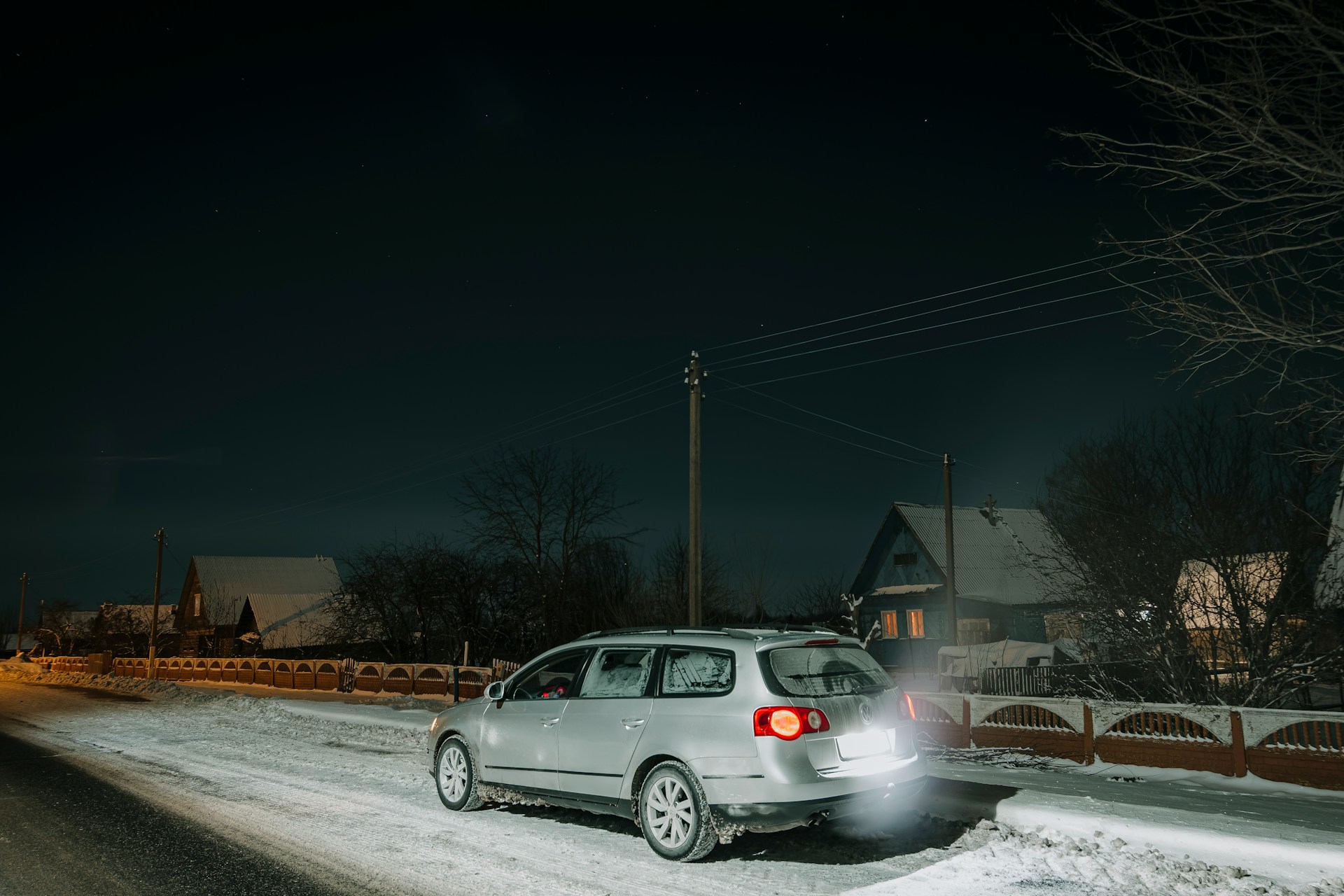
Long Island winters are no joke. Between sudden snowstorms and icy roads, your Volkswagen faces some rough conditions each time it leaves the driveway. What many don’t realize is that the underside of your vehicle takes a beating too. While you might be focused on staying safe up top, making sure your windshield is clear and tires are suited for the weather, the undercarriage is often the part that gets hit hardest.
Road salt, slush, and moisture tend to build up underneath, which can lead to rust, corrosion, and mechanical problems if left unchecked. That part of your car might be out of sight, but ignoring it through winter could bring expensive headaches down the road. Taking small steps now to protect your undercarriage can keep your Volkswagen running better and lasting longer.
Understanding the Risks to Your Undercarriage
Winters on Long Island bring more than just chilly weather. Streets turn into salt-covered lanes designed to prevent accidents on icy roads, but that safety measure carries some hidden effects. Salt sticks to everything and gets kicked up underneath your vehicle. Over time, it can wear down the integrity of your underbody parts.
Here’s what your undercarriage deals with during a typical winter season:
- Road Salt: Useful for melting ice but tough on brake lines and metal parts. Salt holds moisture and prolongs exposure to dampness, which is when rust begins to form.
- Ice and Slush: These can pack into the wheel wells and take a long time to melt away. Salt can remain trapped in this slush, allowing it to stay in close contact with your vehicle longer.
- Moisture Buildup: Pools of water formed from melted ice or rain can settle in low areas under your car. Repeated freezing and thawing can cause cracks or accelerate deterioration.
- Sand and Grit: Used to improve traction on icy roads, these materials sneak into joints and moving components, leading to unnecessary wear and reduced performance.
If these elements are left unchecked, they can lead to extensive undercarriage damage. It’s not just rust. Exhaust parts, brake lines, and suspension mounts can all suffer long-term harm. What’s worse, these problems often go unnoticed until a part fails or strange sounds start cropping up during drives.
Regular Cleaning and Maintenance Matter
One of the most effective ways to protect your Volkswagen during winter is surprisingly simple: keep it clean. Regular washing prevents buildup of salt and grime that eat away at your undercarriage.
Undercarriage care throughout the winter should include:
- Visiting a local car wash equipped with an underbody rinse after a snowfall or whenever you know roads have been salted.
- Avoiding long-term parking in slush, puddles, or melting snowbanks. If your car sits in these conditions, it allows saltwater to sit and seep into crevices for extended periods.
- Performing a quick inspection every few weeks. Using a flashlight, look underneath to check for rust areas, hanging parts, or compacted snow and dirt. You don’t have to know how to fix these things, just recognize when something looks off.
Of course, not everyone has the ability or desire to get under their vehicle to do these checks or cleanings themselves. That’s perfectly okay. In those cases, having a seasonal maintenance check at a trusted service center is the best alternative. A service technician can clean and treat the undercarriage correctly, spot corrosion early, and apply preventative products to keep it from spreading.
Protective Coatings and Treatments
Beyond cleaning, another way to reduce winter wear is by applying protective coatings. These create a barrier between your undercarriage and everything it faces during those cold, salty drives around Long Island.
Here are some of the most common options:
1. Rubberized Undercoating
This heavy-duty option sprays on thick and dries into a rubber-like layer. It’s flexible, sound-deadening, and offers strong protection against moisture and small debris. Given Long Island’s frequent winter slush and road salt, this type often works best.
2. Wax-Based Undercoating
This option is thinner and doesn’t fully harden, allowing it to quickly seep into hard-to-reach seams and bolts. The downside is durability. This type may need reapplication after frequent high-salt exposure or gravel roads.
3. Electronic Rust Inhibitors
These are small devices installed on the vehicle that aim to prevent rust using low-voltage electrical currents. Although some drivers see results, they generally work better when combined with physical coatings like rubber or wax-based products. On their own, they may not fully handle the rough winter road conditions Long Island serves up.
The best time to apply these coatings is just before winter starts, but it’s not too late even if the season has already begun. Just ensure the undercarriage is clean and free of rust before applying. Like sunscreen, earlier is better, but some protection is better than none.
Additional Winter Care Tips for Long Island Drivers
Protecting your undercarriage might seem like something only a mechanic would worry about, but simple changes in your routine can make a noticeable difference in your Volkswagen’s durability.
Here are a few care tips worth following through the winter months:
- Mud flaps and splash guards help limit the amount of muck flung up into the undercarriage. If you drive on the highway often, they can be especially effective.
- Store your vehicle in a garage or under a carport when you can. Keeping snow and freezing rain off it helps reduce long-term water exposure below.
- Try to avoid driving through large puddles or snowbanks. They’re usually loaded with a mix of water, salt, and oil residue that sticks to your underbody.
- Look underneath the vehicle occasionally when parked. Watch for new rusty spots, drips, or discoloration. Water that drips rusty streaks on your driveway might signal corrosion under the vehicle.
- Make time for professional inspections. A trained eye can spot rust in its early stages, make repairs if needed, and even apply touch-up treatments that help prolong your car’s structure.
One customer thought they had an exhaust issue because of a rattling sound. It turned out to be a rusted heat shield under the car that had come loose. Fixing it early saved them from a much more expensive repair a few months later. Little issues underneath the car don’t go away—they grow.
Why Now Is the Time to Pay Attention
Long Island winters don’t take it easy on vehicles, and your Volkswagen’s undercarriage ends up with most of the mess. Salt, snow, and grime all play a role in eating away at the parts that keep your car safe and running smoothly. You might not spot these problems while driving, but they have a way of showing up later when it costs more to fix them.
That’s why it’s smarter to take action now. By rinsing off salt more often, checking under the vehicle, and applying the right kind of protection, you help your Volkswagen stay strong through the tough season and beyond. And if any signs of damage appear, having trained professionals take a look ensures nothing serious gets overlooked.
The undercarriage may be out of sight, but giving it the attention it needs can prevent more than just rust. It keeps your ride safer, smoother, and more reliable—no matter how long the winter sticks around.
Ensuring your Volkswagen is ready to face Long Island’s winter conditions doesn’t have to be a solo effort. Keeping up with routine checks and applying protective measures can go a long way in extending your vehicle’s life. For expert care and reliable support, trust our team for Volkswagen maintenance on Long Island. At Smithtown Volkswagen, we’re committed to helping you keep your car running strong through every season.
Connect with us


