


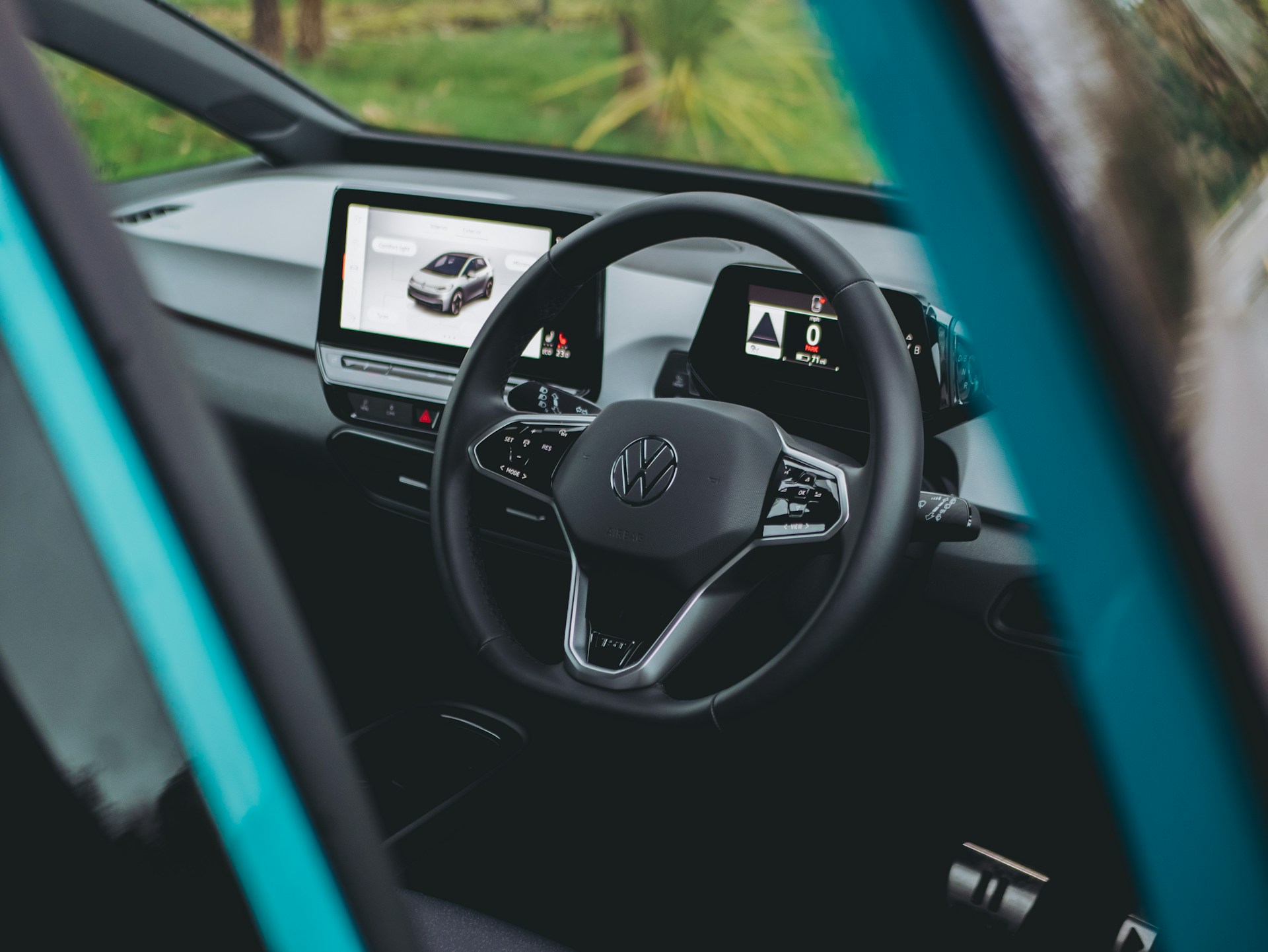
Winter weather on Long Island can be tough on vehicles, especially when it comes to electric components. With more people switching to electric models for lower emissions and fewer moving parts, it’s important to think about what seasonal maintenance looks like for these cars. Cold conditions bring unique challenges for electric vehicles, mostly because the way they store and use energy can be affected when temperatures start to drop.
Being proactive can help prevent a lot of stress. Whether it’s keeping the battery warm or making sure your car charges without interruption, a few key adjustments can go a long way. For drivers of Volkswagen electric vehicles on Long Island, understanding how winter impacts your car’s components can help you stay on the road and avoid unexpected problems when it’s icy or snowing.
How Cold Weather Impacts Electric Vehicle Components
Cold air affects electric vehicles differently than gas-powered ones. That’s because electric systems rely heavily on battery performance and clean energy transfer. When temperatures hit freezing, the battery can lose power faster, which leads to reduced range and slower charging. It may not be visible on the outside, but what’s inside matters most when winter rolls in.
Here are the parts most affected by winter cold:
- Battery: This is the core of your vehicle’s electric system. Cold weather makes it harder for the battery cells to transfer energy, which means reduced mileage and sluggish power output.
- Charging Ports: Snow, salt, and even freezing rain can block or damage the ports you use to charge your car. If moisture gets in, it can cause corrosion or even stop the port from working.
- Electrical Contacts: These are the connectors that keep your systems communicating with each other. Cold can stiffen the cables and increase wear when the system is working harder than usual.
Let’s take an example: imagine trying to head out early in the morning, but the car takes longer than usual to unlock, start, or accept a charge. That’s often your car telling you its electric systems weren’t ready for the temperature drop. And if that becomes a daily issue, it could start wearing out the components sooner than expected. Simple things like regularly checking seals or carefully wiping moisture from ports can already avoid those kinds of problems. This makes it easier for the entire vehicle to perform better in less-than-ideal weather.
Protective Measures to Help Your Volkswagen Through the Cold
Now that we’ve looked at how cold affects your electric vehicle, let’s talk about what you can do to make things easier. There are some straightforward steps that help limit wear and keep your Volkswagen running like it should, even on freezing days.
- Use a garage or covered area: Parking your vehicle in a sheltered space helps maintain battery temperature. If a garage isn’t available, consider using a thermal car cover to reduce direct exposure.
- Precondition your battery: Many electric vehicles, including Volkswagens, allow you to preheat the battery while the car is still plugged in. That way, you warm up the components without using extra battery power once you’re driving.
- Stay on top of charging routines: Don’t wait until the battery is almost empty before charging. Cold batteries charge slower, especially when they’re near depleted. Aim to keep the charge between 20% and 80% during extreme cold.
- Keep the charging port clean and dry: It only takes a little bit of moisture or buildup to interfere with a steady charge. Carry a small, non-metal brush to gently clear snow or dirt if needed.
- Book regular checks: Just like any other car system, electric components need periodic review. Software updates, cable inspections, and thermal barrier checks are small but meaningful services that help during high-stress winter driving.
These actions don’t require overhauls. They’re simply seasonal habits worth picking up. Most of them only take a few minutes but can save a larger problem from showing up when you least expect it. When winter hits Long Island hard, these steps can make sure your Volkswagen electric vehicle stays reliable all season.
Benefits of a Professional Winter Inspection
Nothing beats a hands-on check from someone who knows what to look for. A professional inspection during the winter months can help uncover small issues with your electric vehicle before they snowball into larger problems. When cold weather is involved, there’s an extra layer of stress on the parts that power your Volkswagen. Getting it looked at by a qualified technician adds peace of mind, especially if you rely on the vehicle for a regular commute or errands.
Many winter inspections begin with a thorough look at the battery. This isn’t just about checking voltage levels. It’s about making sure the thermal management systems are working as they should and that the battery housing is clean and sealed. From there, technicians usually move on to the connectors, cable insulation, and charging units to check for signs of wear, corrosion, or moisture issues. If there’s a software update that supports cold-weather charging or performance, they can handle that too.
It’s easy to forget about certain components when the car seems to run fine. But in winter, hidden trouble can show up fast. Slower start times, warning lights, even weaker interior heating can sometimes signal problems with electric systems. A full inspection helps keep all of those systems running smoothly and can often prevent a surprise from happening at the worst possible time like when you’re trying to start your car after a Long Island snowstorm.
Winter Driving Advice for Long Island Volkswagen EV Owners
Even with a well-maintained vehicle, local weather can throw you a curveball. Knowing how to adjust your day-to-day habits can extend the life of electric components and improve safety. Long Island winters might not always be consistent, but freezing nights, slushy side streets, and icy parking lots are common enough.
Here are a few helpful tips for local EV drivers:
- Avoid short trips whenever possible: Electric vehicles use more power to warm up than they do to maintain heat. If you’re only going a mile or two, the vehicle doesn’t have time to reach a steady state.
- Use heated seats and steering wheels instead of full cabin heat: These use less battery and still keep you warm.
- Charge during the warmest part of the day: If possible, plug in during mid-morning or midday instead of late at night. Warmer temps can help the battery accept and hold a charge better.
- Watch for ice build-up on sensors: Snow and slush can freeze on backup cameras or driver assist sensors, which can affect how safety systems work.
- Plan for slower regenerative braking: In cold conditions, regenerative braking sometimes turns off or slows down until the battery heats up. Give yourself extra space between cars just in case.
During storms or colder weeks, double-check that your charging station is accessible and the power supply is consistent. A blocked or snowed-in charging point adds another layer of stress no one wants when they’re late in the morning.
Getting Your Volkswagen Ready Before the Snow Starts Falling
Winter driving demands a little more attention to detail, especially for electric vehicles. The cold isn’t just an annoyance. It changes how your car charges, drives, and responds. By learning how lower temps affect battery life, electrical connections, and performance, you take an active step in keeping your car in good condition.
Maintaining steady cold-weather habits, like preconditioning the vehicle, charging consistently, and getting the electrical systems checked out, leads to a smoother winter experience in Long Island. It’s not about doing everything at once. It’s about watching for changes, keeping small things in check, and getting the right help when something seems off. Taking the time now means fewer surprises ahead. And if your Volkswagen is already showing signs of slower performance or cold-weather struggle, that’s a sign it’s time to get it looked at.
Protecting your vehicle from the winter chill doesn’t have to be arduous, especially when expert support is available. For drivers interested in maintaining peak cold-weather performance, our technicians are here to help with all the necessary seasonal checks for Volkswagen electric vehicles on Long Island. Let Smithtown Volkswagen help keep your EV in top condition so that even the toughest winter days feel like a breeze.
Connect with us


