


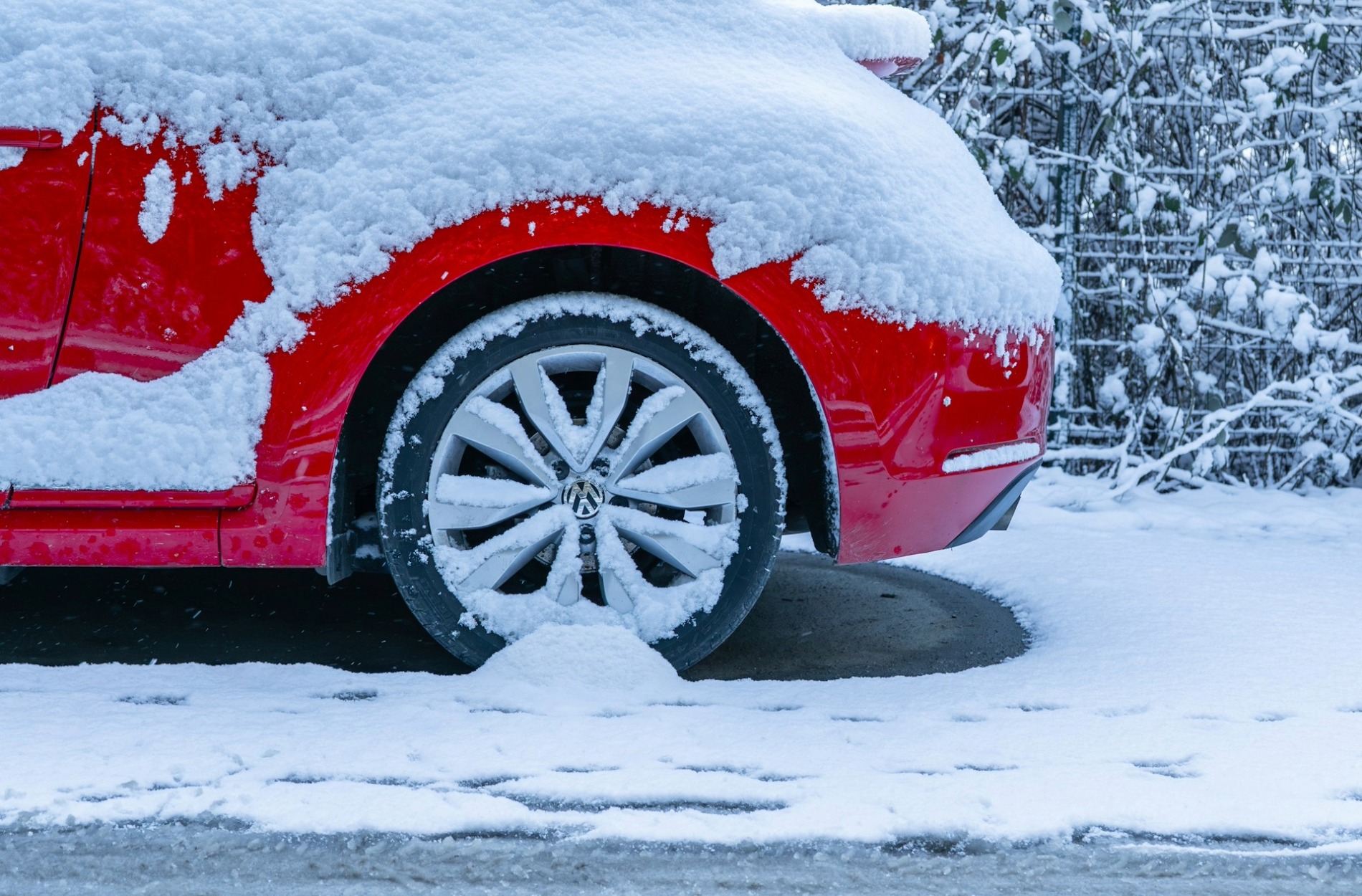
Winter weather on Long Island can be tough on your vehicle, especially when it comes to your tires. Your Volkswagen depends on those four rubber contact points to grip cold, wet, snowy roads and get you where you need to go safely. This is exactly why keeping an eye on tire wear during these months matters more than ever.
If your tires are wearing down or showing signs of damage, you’re at a higher risk for poor handling, longer braking time, and even sudden blowouts. And let’s be real, no one wants to deal with tire problems when it’s freezing outside or when there’s slush on the road. So grabbing a blanket and ignoring the issue isn’t the move. The good news is, with the right know-how, you can spot tire wear before it becomes a bigger problem.
Visible Wear And Tear
With winter tires working hard to grip cold, slick roads, they take more of a beating than summer or all-season tires. That’s why giving them a quick glance every week or two is worth your time. You’re not just checking to see that they’re still round and inflated, you’re looking for actual signs of damage.
Here’s what to watch for:
- Cracks along the sidewall: These can suggest the rubber is drying out and may be weakening over time.
- Bulges or bubbles: These usually pop up from hitting potholes or curbs. They mean the inner structure of the tire could be failing.
- Cuts or punctures: Even small ones can grow in low temps, especially if moisture gets in.
- Exposed cords: If you’re seeing cords poking through the rubber, that tire is long past overdue for replacement.
Most drivers don’t study their tires up close unless they’re already dealing with a flat. But catching these signs on your own can help you avoid bigger issues later on. For example, one customer came in last winter thinking they had a slow leak. Turns out they had major sidewall cracking after parking near rock salt piles for months. That stuff eats away at tires faster than you’d expect.
If you see any of these warning signs, don’t wait. Cold weather won’t fix rubber. And it definitely won’t keep those problems from getting worse.
Tread Depth
When driving through slush, snow, or icy puddles, the grip your tires have makes a big difference in whether your car stops when you need it to. That’s where tread depth comes in. Once the tread wears down too far, your tires are almost like ice skates, slick and hard to control.
Checking tread depth doesn’t require any fancy tools. Here’s the easiest way to do it at home using a penny:
- Turn Lincoln’s head upside down.
- Insert the coin into the tire tread.
- If you can see the top of Lincoln’s head, your tread is too low for winter driving.
It’s a quick trick, but it works. If you’re anywhere close to that mark, your tires probably aren’t giving you the grip you need for cold-weather conditions. Driving on shallow tread means longer stopping distances, weak cornering, and a higher chance of hydroplaning or slipping on icy patches.
Winter tires are made with deeper treads and softer rubber, which helps them work better in cold weather. But if that tread’s worn down, you lose all those benefits. You might even end up feeling like your car is slower to respond when you accelerate or brake.
If you notice uneven tread levels across the tire or patches that are balder than others, it could mean something else is going on rather than just normal wear. We’ll cover that next.
Uneven Tire Wear
Not all tire wear happens evenly. Sometimes you’ll notice one side of the tire looks smoother than the other, or there might be a noticeable ridge pattern around the tire. This kind of wear can creep up without warning, and it often points to a different sort of problem, one that goes beyond simple driving habits.
Uneven wear usually means something underneath isn’t aligned the way it should be. That could be wheel alignment being slightly off, suspension issues, or inconsistent tire pressure. Winter weather on Long Island doesn’t help either. Potholes, icy shoulders, and curb hits are pretty common when snow starts to pile up, and they can all knock the alignment out of balance. If left unchecked, uneven tire wear can shorten the life of your tires and make your Volkswagen feel more unstable during turns or braking.
Some patterns to look for:
- Feathering (a saw-tooth pattern): Often caused by poor alignment.
- Cupping (dips in the tread): May suggest suspension problems.
- Inner or outer edge wear: Common with incorrect camber settings.
- Center tread wear: Could mean the tires are overinflated.
Even if your tires look fine at a glance, uneven wear can still cause odd feedback while driving. If your steering wheel starts pulling left or right, or your car feels shaky at certain speeds, your tires could be trying to tell you something. Don’t put off getting them looked at. It won’t fix itself, and you’ll likely wear through tires faster if you wait.
Decreased Traction On Snowy Roads
When winter hits hard, traction is everything. It’s what gives you control when you brake, steer, and take off from a stop. But tires that have lost grip will start to slip more, even when roads look clear. Once your winter tires lose the edge in traction, it’s not just about comfort anymore, it’s about keeping you and others safe.
Worn-down winter tires have less bite. That makes it tougher for them to push through snow or hold tight on ice. You might notice your vehicle fishtailing coming out of a turn or spinning out slightly when starting uphill. Even light snow can feel more hazardous if your tires are slick.
Here are some signs that traction is dropping:
- Noticeable skidding or sliding when braking
- Slower response when turning the wheel
- Spinning wheels when accelerating from a stop
- Reduced confidence while driving through slush or packed snow
Tires that feel different in cold conditions, like they’re not sticking to the road the way they used to, are likely worn out. Don’t wait for a serious weather event to realize you’ve lost control. If stopping distances are increasing or simple maneuvers start to feel dicey, the tires could be the reason. Even if they passed the penny test, worn rubber compounds in winter tires can lose grip ability long before the tread depth looks low.
Strange Noises And Vibration
Unusual sounds or a shaky steering wheel can be easy to brush off. Maybe it’s just the road, or maybe it’s the cold. But if that growling or humming continues after your car warms up, or the vibration kicks in every time you get to a certain speed, it’s time to give those tires some attention.
Some of the most common noises that point to tire issues include:
- Thumping noises that rise and fall with speed
- Constant droning or humming, even on smooth roads
- Clicking or tapping sounds while turning
Vibrations, especially through the steering wheel or the seat, often come from tire imbalance or uneven wear. And winter weather likes to throw these problems into the spotlight. Cold rubber stiffens up, hidden chunks of ice get stuck in wheels, and any misalignment becomes much more obvious when the roads are extra slick.
If you’ve been feeling more vibration or hearing more road noise than usual, it’s worth having a professional take a look. Staying on top of these early symptoms helps avoid worse problems down the line, like damaged wheel bearings or premature tread separation.
Stay Safe On The Roads
Winter driving on Long Island brings its fair share of challenges. From icy backroads to surprise sleet in the middle of your commute, your tires work overtime in these months. That’s why being familiar with the early signs of tire wear isn’t just helpful. It can make a real difference in how your car handles and how confident you feel behind the wheel.
Knowing what to look for, whether it’s shallow tread, cracking sidewalls, or unusual noises, gives you a leg up before problems get worse. That kind of insight can save you from picking the worst possible time for a tire issue, like during a freezing rainstorm or a snow-covered hill.
Even tires that look okay might not be performing well anymore. Traction slips, response time drops, and road feel becomes unpredictable when winter tires wear out. Getting ahead of those issues now means smoother, safer driving through the heart of winter and into spring. If anything seems off, don’t guess. Get your tires checked by someone who knows exactly what to look for.
Stay ahead of winter tire troubles and keep your drives safe and smooth. If you’re due for a Volkswagen tire replacement on Long Island, schedule an appointment with Smithtown Volkswagen. Our team is ready to help ensure your vehicle is equipped to handle whatever winter throws your way.
Connect with us


