


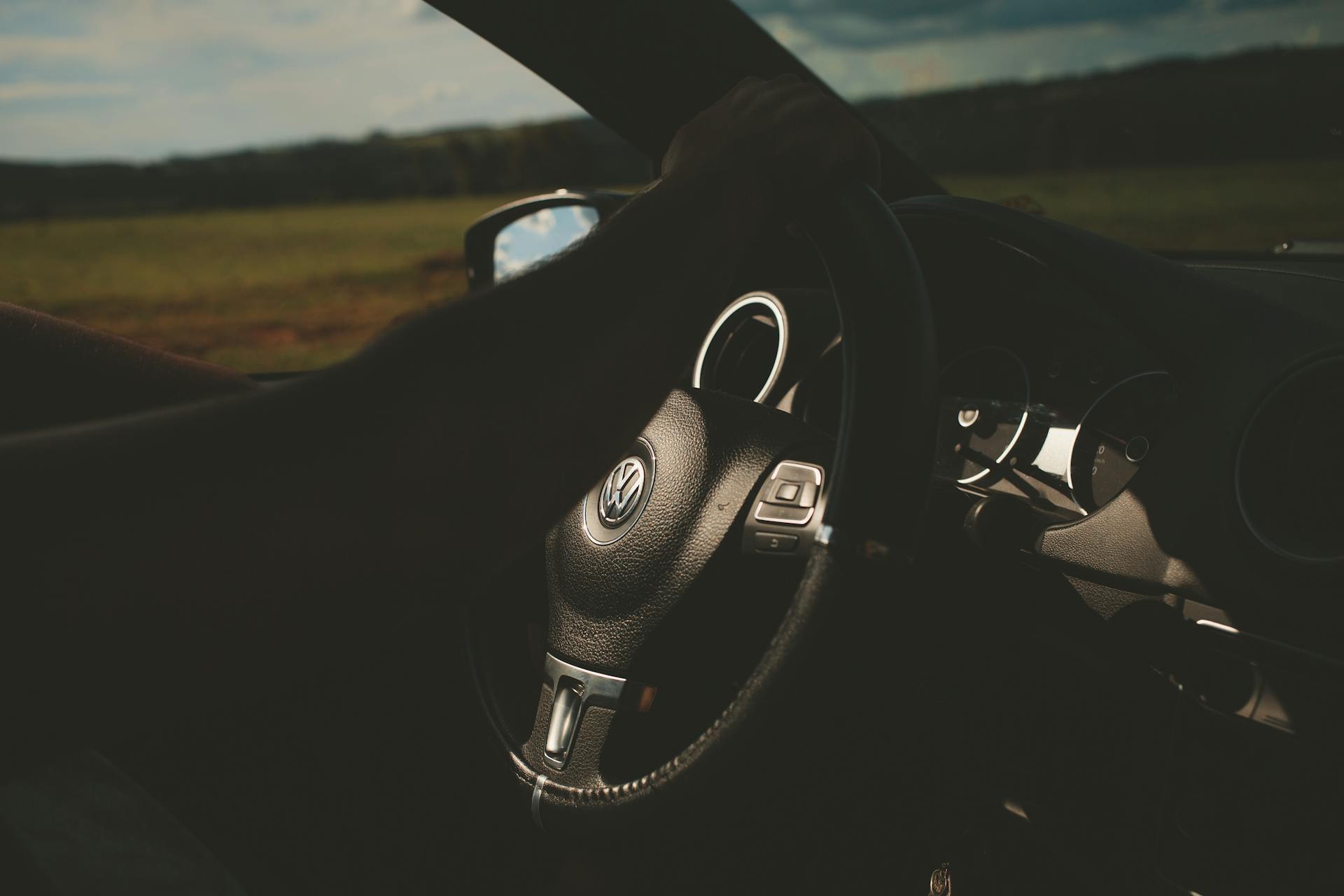
Winter gets tricky on Long Island, especially once the roads start freezing and the temperature keeps dipping. If your Volkswagen isn’t ready for that kind of weather, small problems can turn into big, expensive ones pretty fast. That’s why fall is the perfect time to give your vehicle a little extra attention. A proper inspection before winter settles in can help you dodge the headache of unexpected breakdowns or poor performance when you need your car the most.
Think about the last time you went on a cold morning drive and something just didn’t feel right. Maybe the engine sounded different, or the brakes made noise, or your tires didn’t grip the road like they used to. It’s easy to brush those things off until they catch up with you when conditions get worse. If you’re not sure whether your car is ready for cold-weather driving, here’s how to tell if a pre-winter inspection needs to be on your to-do list.
Increased Engine Coolant Consumption
Your coolant doesn’t just keep your engine from overheating in the summer. It also protects it from freezing in the winter, making it just as important when the weather flips. So if you’ve been topping off your coolant more often than usual, that shouldn’t be ignored. It’s not normal, and it’s one of the first signs that your vehicle might need attention before colder days show up.
More coolant use can point to several things. You might have a leak somewhere in the system, even a small one that’s hard to see. Or maybe your coolant mix isn’t right anymore, especially if it hasn’t been checked in a while. Either way, if your coolant level keeps dropping, your engine isn’t being properly protected. When temperatures plummet, a weak or low coolant system can lead to frozen engine parts or expensive overheating damage, even when it’s freezing outside.
Also, make sure your dashboard isn’t lighting up with a low coolant warning after short drives. If it is, that’s a clear signal something’s going on. And if there’s a sweet smell inside the car or around the hood, that could be coolant leaking into places it shouldn’t be. These clues are often overlooked, but catching them now means you can correct the problem before winter adds more stress to your engine.
Battery Health And Performance
Long Island winters can be brutal on car batteries. Cold temperatures make it harder for your battery to deliver power, and if it’s already weak, it may struggle to start your car at all. A pre-winter inspection is the easiest way to avoid the sinking feeling of turning your key on a cold morning and getting nothing in return.
There are a few things to watch for that might mean your battery’s on its last legs:
- The engine cranks slower than usual
- Headlights or interior lights seem dim, especially when starting up
- You’ve had to jump-start the car recently
- It’s been more than three or four years since your last battery replacement
These signs might not bother you much when the weather is mild, but once the cold sets in, they’ll only get worse. That’s because batteries lose strength when temperatures drop, so small issues grow into major problems. It’s better to know now than deal with a dead battery in a grocery store parking lot or while you’re rushing to work during a snowstorm.
Professional battery testing can clue you in to how much life your current battery has left. In some cases, a quick charge might help, but if your battery’s fading, replacing it before winter hits is a smarter move. You’ll save yourself the stress and the tow truck fee.
Tire Condition And Pressure
Your tires really matter when snow, ice, and cold rain start covering the roads. Worn tires or low pressure might not stand out during summer or early fall, but once winter gets serious, it can make your drives risky. You’ll want tires that get full road contact, give you a solid grip, and handle slippery surfaces well.
Here’s a checklist to keep in mind before winter driving:
- Check for uneven tread wear. This could signal alignment or suspension issues
- Make sure you’ve got enough tread depth. Bald tires don’t work well in wet or icy conditions
- Look for cracks or bulges in the sidewalls. These are weak points that could lead to blowouts
- Keep an eye on your tire pressure. Cold weather causes it to drop, and low pressure reduces traction and fuel efficiency
Even if your tires seem fine now, they might not be winter-ready. Some folks choose to switch to winter tires, and while that’s not always needed, it does give better traction in snow or slush. If you don’t plan on making that switch, then making sure your current tires are in top shape is even more important. You don’t want to be the car spinning its wheels at the bottom of a neighborhood hill after the first big icy night.
Inspecting Brakes And Suspension
When winter hits Long Island, your brakes and suspension do more than just keep you comfortable. They make sure you’re able to stop safely and keep control over your vehicle during turns or on uneven pavement. If your brakes or suspension aren’t working the way they should, snowy or icy roads can quickly turn regular driving into something risky.
One of the first things you might notice with a brake issue is noise. Squeaking, grinding, or a pulsating pedal could mean the brake pads are wearing out or there’s a problem with the rotors. Brake fluid can also thicken in colder temps, and if there’s any air or moisture in the lines, it can mess with how firm the brake pedal feels. That’s the last thing you want to deal with when you’re trying to stop on a slippery road with limited traction.
Then there’s the suspension system. It helps absorb bumps and keeps your tires connected firmly to the ground. If your suspension is worn, you might notice bouncing after hitting a pothole or the car pulling to one side while driving. That can mess with steering too, which isn’t ideal when snow or slush covers the roads. Roads on Long Island can get rough after snow melts and refreezes, so whatever wear you already have in the suspension will feel worse by winter.
Issues with either system tend to come on gradually, so drivers often adjust without realizing something’s wrong. But heading into winter with any uncertainty about your brakes or shocks is never worth the gamble. Getting them checked before conditions get worse gives you some peace of mind, especially if you’ve already noticed small signs or changes in how your car handles.
Getting Peace of Mind Before the Snow Falls
Running through this checklist and recognizing early signs gives you a better shot at stress-free driving once temperatures drop. Your Volkswagen doesn’t need to be acting up in a big way to justify an inspection. Little things, like hearing new noises, slower response times, or fluid levels changing between fill-ups, often point to fixes that are easier and cheaper before the cold snaps hit hard.
Whether it’s making sure your brakes won’t let you down on ice, or getting ahead of a weak battery that’s already having trouble, early action is what saves time and trouble later. A good winter inspection focuses on what’s most important for cold-weather safety. Tires, brakes, fluids, the battery, and even smaller things like wiper blades or heat output all come together to make sure your car handles the season, not the other way around.
Getting your vehicle checked by a professional on Long Island before winter fully sets in is a smart move. Delaying might mean getting stuck or facing high repair costs down the road. Even if your Volkswagen seems fine now, having someone give it a once-over means you can head into the season knowing your vehicle’s ready for what lies ahead.
Get ahead of winter’s challenges by ensuring your Volkswagen is ready for the season. Whether you’re looking to fix small issues now or prevent larger ones later, getting your vehicle checked is key. Schedule a professional Volkswagen service on Long Island today to make sure you’re prepared for whatever winter throws your way. Smithtown Volkswagen is here to help you drive through the season with confidence.
Connect with us


