


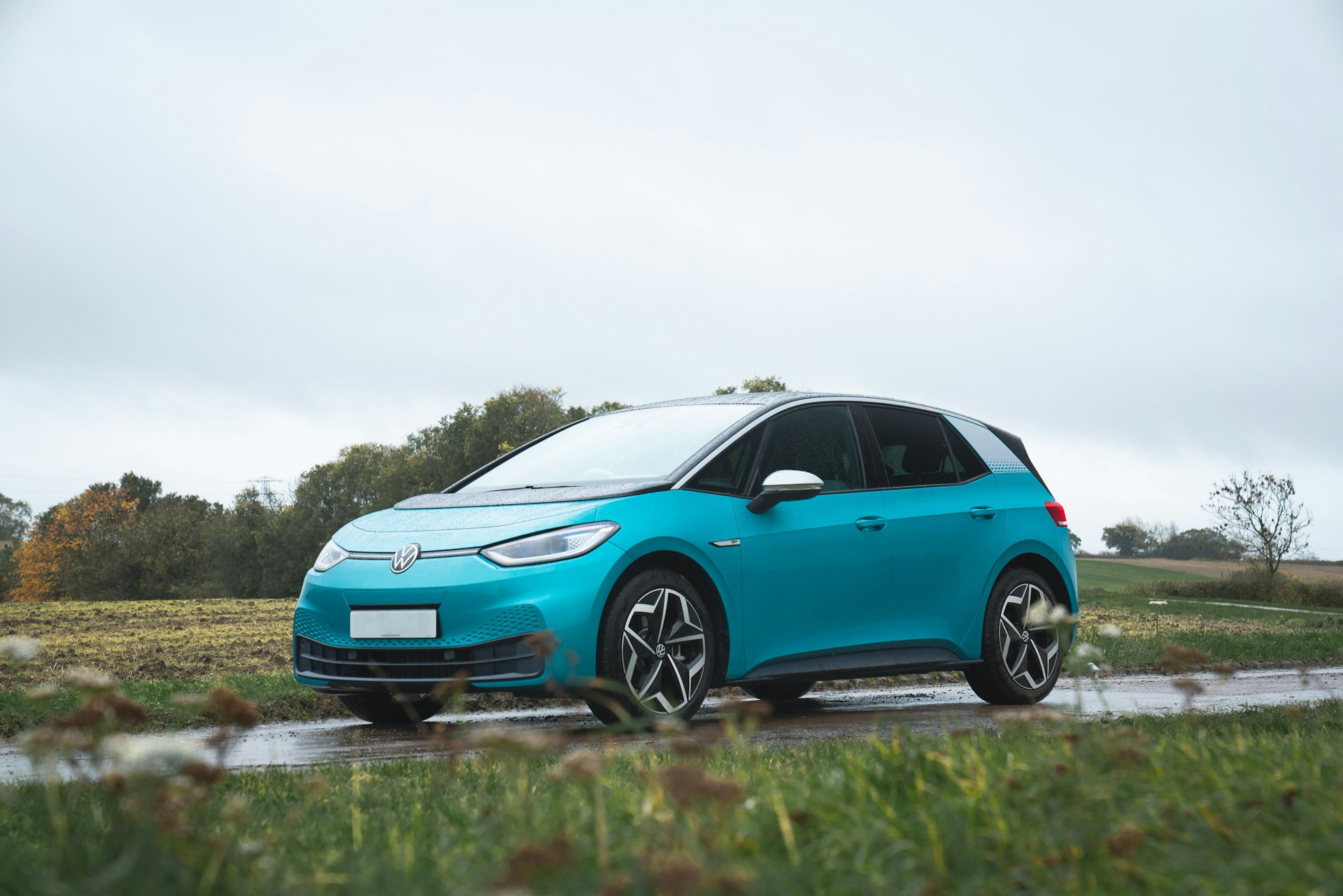
Electric vehicles are picking up speed on Long Island, and more drivers are starting to take notice. Around Suffolk County, seeing a charge port has become as normal as a gas station pump. With spring on the way and more people planning weekend drives, understanding how and where EVs get their power matters more than ever. Whether you’re heading out on errands or thinking about a longer trip, knowing what Volkswagen EV charging on Long Island looks like can help keep your ride simple and stress-free.
Charging stations are showing up in more familiar spots lately. Shopping centers, local libraries, and nearby rest stops now offer plug-in options where we used to only have parking. But even if you’ve seen them before, a lot of people still wonder how EV charging really works. The good news is, it’s not as complicated as it sounds. As spring driving picks up across Long Island, now’s a smart time to learn how local charging fits into your everyday trips.
What EV Charging Looks Like in Suffolk County
Drivers around Suffolk County might come across three different types of chargers. Each one fits into life a little differently:
- Level 1 chargers are the slowest. They use a standard wall outlet, and while they’re easy to find at home, they aren’t great when you’re out and need a quick top-up.
- Level 2 chargers are more common outside the house. These are found in public spots like shopping plazas, parks, or community centers. They take a few hours to fully charge but are handy for mid-day errands or longer stops.
- DC fast chargers offer the quickest boost. They’re usually found at rest areas and highway stops. In less than an hour, they can get your battery close to full, making them great for road trips or tight schedules.
We’ve noticed the places offering these chargers often line up with where people already go. Some stations sit in parking lots, just a few steps from grocery stores or coffee shops. That means your car powers up while you’re running errands. As spring kicks in and people spend more time outside or start weekend travel, chargers in these everyday places come in handy. The less time spent waiting in chilly weather, the better.
Charging Speed and What It Means for Your Drive
Each charging level works for a different type of plan. Depending on how far you’re going or how much time you have, the right charger makes a big difference.
- Level 1 chargers are slow, often taking more than 24 hours for a full charge. They work best for people staying home for long periods and only driving short distances now and then.
- Level 2 chargers can take about four to eight hours. That’s useful if you’re at work all day or spending the afternoon at the mall. You can park, go about your plans, and come back to a much fuller battery.
- DC fast chargers usually add a lot of power in 30 to 60 minutes. They’re built for pit stops or when your battery is running low and you need to get moving again fast.
Planning based on charger speed helps avoid slowdowns later. For people riding around Suffolk County during spring, fast chargers near highways or parks can be useful. Level 2 options are great for shopping trips or gym stops. Once you’re familiar with how long your car takes to charge at each level, it becomes easier to line up your stops with your energy needs.
Understanding Range and Station Access on Long Island
Knowing how far you can go before needing another charge makes driving feel less like guesswork. On Long Island, most EV trips are short, but spring brings longer plans. Visits to family, day trips to the shore, or events up the island all stretch your range.
It helps to get familiar with how far your EV battery will take you and where stations are along the way. Some drivers use built-in car systems, while others lean on navigation apps that list public charging spots. Look for filters that show only active chargers, not just planned ones.
Spring traffic adds a new twist. Some days bring road work or detours near parks, especially when winter damage still lingers. If a charger you’d planned on is blocked or busy, it helps to have a backup stop in mind. Places like downtown centers and beaches may have popular chargers that fill up fast on weekends. Checking ahead avoids the surprise of pulling in and finding every port already occupied.
If you’re new to driving an EV, planning ahead is a skill that makes your time on the road more enjoyable. Try keeping an updated list of the stations you’ve used and noting which ones tend to be occupied during busy weekends. Asking neighbors or friends who drive EVs about their favorite stops can provide even more helpful shortcuts. Staying connected to local EV groups or social media pages can also keep you up-to-date on any station changes or new openings popping up throughout Suffolk County.
How Volkswagen EV Charging on Long Island Fits Your Routine
Many EV drivers on Long Island don’t just rely on chargers for long trips. We use them during errands, before school pickups, or while catching a bite to eat. That’s why Volkswagen EV charging on Long Island can feel more like part of the day than a special stop.
If your weekday includes short drives between Smithtown and nearby neighborhoods, you might only need a brief top-up here and there. Some people like to plug in at work or during a gym visit. On the weekend, quick charges during lunch in Riverhead or before taking Route 27 out to the Hamptons can make sure the rest of the trip goes smoothly.
Thinking ahead matters. If we know we’ll be out longer or hitting a park without any nearby stations, it’s smart to plug in earlier in the day. On the other hand, knowing there’s a fast charger near a favorite restaurant makes it easy to relax and let the battery catch up. Once we build a rhythm, charging becomes something we plan around without even thinking about it.
Seasonal changes in temperature can also play a part in how quickly your EV battery charges and how far you can drive. Warmer spring days generally let batteries work a bit more efficiently than cold winter mornings. That means your charge will last longer, and unexpected drop-offs in range are less likely. But still, watching your battery percentage and not pushing it to the limit will save you from last-minute surprises as your schedule gets busier with spring activities.
Staying Charged Through the Season Ahead
As winter fades and more people head outside again, chargers become part of what helps the drive stay easy and comfortable. Whether it’s a few minutes at a rest area or a couple of hours while going through errands, the right type of charger in the right place can make spring driving across Suffolk County more relaxed.
By now, most of us who drive EVs know how small planning choices can shape the whole day. Thinking about weather, traffic, and range helps avoid last-minute rushes and unexpected waits. Getting to know your local station flow makes the difference between a smooth trip and one slowed by missed spots or full chargers.
Extra preparation can go a long way, keep a charging cable handy in your trunk, and double-check hours for less-frequented stations before heading out on a longer drive. A portable phone charger or a simple snack stash can make a short charging wait feel more like a planned break than a lost moment. While it’s rare to face a true emergency, giving yourself that bit of buffer can prevent frustration and keep every trip running smoothly.
Learning more about Volkswagen EV charging on Long Island helps make spring feel simpler. With the right mix of charger access, range awareness, and season-ready timing, we can all keep our EVs road-ready without too much guesswork.
Planning more electric trips around Long Island this spring is easier with support from Smithtown Volkswagen. We know how important it is to have reliable options that fit your driving routine, whether for quick errands or longer excursions. Having convenient access to Volkswagen EV charging on Long Island helps keep your plans on track. Reach out to us today so we can help you find the right solution for all your electric driving needs this season.
Connect with us


