


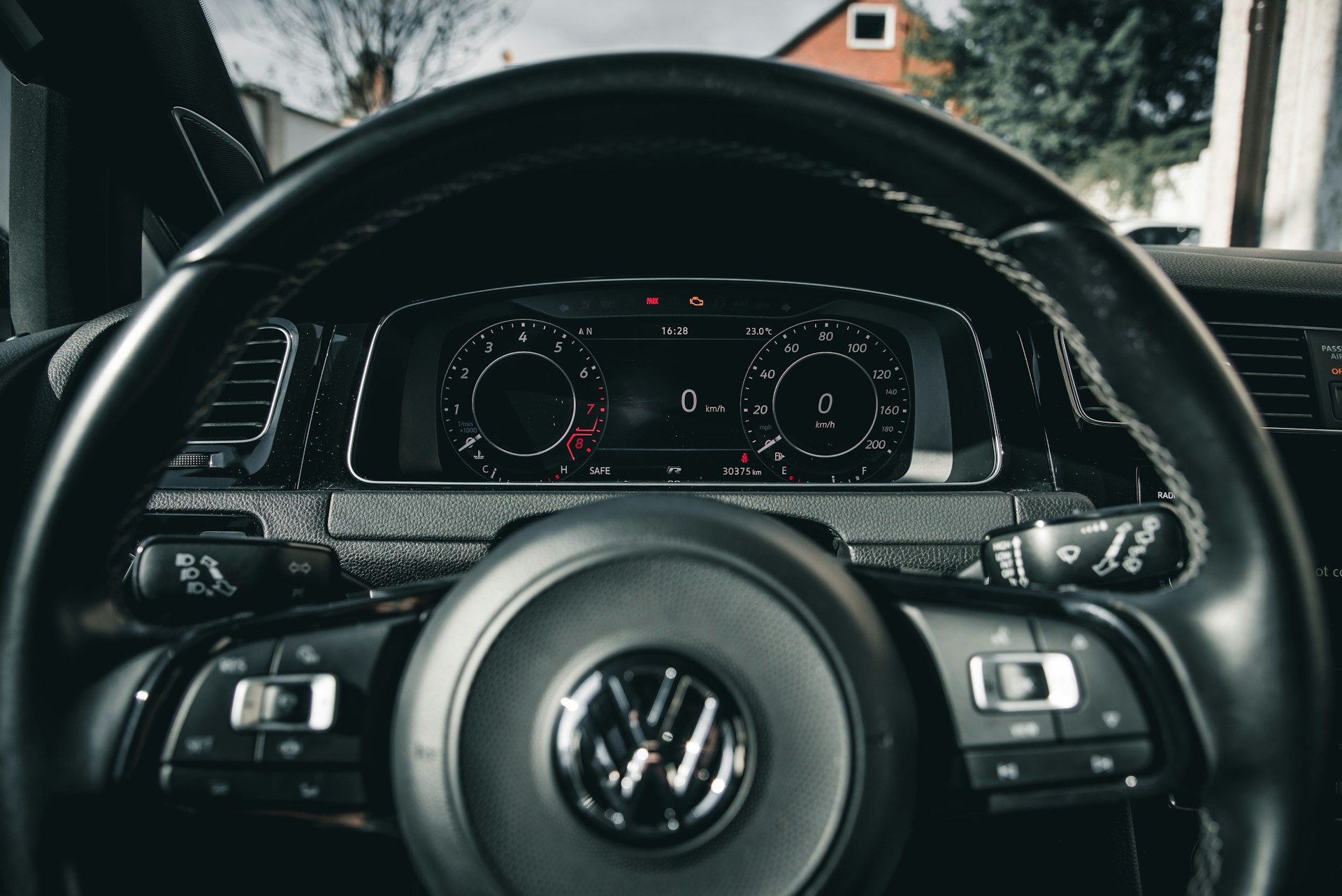
Coolant isn’t something most drivers think about until there’s a problem. Yet it plays a quiet but important role in keeping your Volkswagen’s engine running at the right temperature. As the name suggests, coolant helps pull heat away from the engine so it doesn’t overheat. When levels drop too low, things can go sideways pretty quickly.
November on Long Island usually brings falling temperatures, and those colder days can put more demand on your car’s systems. That’s why spotting issues early matters. If your coolant level is running low, your car might give off signs before serious damage kicks in. Recognizing those warning signs can help prevent breakdowns and expensive repairs during the colder months ahead.
Understanding The Importance Of Coolant In Your Volkswagen
Coolant, also called antifreeze, is a fluid that runs through your car’s engine and radiator. Its job is to regulate your engine’s temperature, especially during major shifts in weather. On hot days, it keeps the engine from overheating. On cold days, it helps prevent the liquid in your engine from freezing. This makes it even more important to pay attention to it as the seasons change.
When the coolant level drops below where it should be, your engine can’t keep itself at a safe operating temperature. That adds stress to parts like the cylinder head, head gasket, and water pump. If ignored, engine components can wear out faster or break entirely, which usually leads to expensive repair work. Simply put, low coolant won’t just make your ride uncomfortable. It can shorten the life of your engine.
A common example would be someone who drove their Volkswagen for a short trip, parked for a few hours, then found a puddle of greenish fluid under the car. That’s often coolant, and catching that early could keep you off the side of the road later.
Top Warning Signs Of Low Coolant
Your car won’t always flash a big red sign saying “low coolant,” but it has ways of letting you know. Here are some of the main things to watch for:
1. Engine overheating
This is one of the first issues that shows up when the coolant level drops. If your engine runs hotter than normal or you see smoke from under the hood, that’s a red flag. Overheating can lead to warped engine parts and mechanical breakdowns.
2. Coolant warning light
Most Volkswagens are equipped with a dashboard warning light that looks like a thermometer floating in liquid. If this icon turns on, pull over safely and check your engine coolant level once the engine has cooled down.
3. Visible coolant leaks
Coolant leaks often show up as bright-colored puddles, usually green, pink, or orange, under your parked car. That fluid shouldn’t be dripping, and even a slow leak will eventually lower your coolant to dangerous levels.
4. Fluctuating temperature gauge
If your temperature gauge bounces around or reads much higher than usual, it may be trying to warn you of issues with your coolant level or flow. A stable gauge is a good sign. Spikes probably aren’t.
5. Poor heater performance
Your Volkswagen uses warm coolant to produce heat in the cabin. If the air isn’t getting warm, it could be from low coolant that’s not reaching the heater core. So if your heat isn’t kicking in like it should, start by checking the coolant level.
Each of these warning signs can point to a larger problem if overlooked. Paying attention early makes a real difference, especially with colder weather moving in. Long Island winters aren’t gentle, and your car’s cooling system needs to be in solid shape to get through it.
What To Do If You Suspect Low Coolant
If you’ve noticed one or more of the warning signs, it’s worth acting quickly before things get worse. The good news is that there’s often time to fix the problem before real damage sets in.
First, wait for the engine to cool completely before popping the hood. Checking coolant when the engine is still hot is dangerous and can lead to burns from steam or fluid. Once the engine has cooled, look for the translucent reservoir tank under the hood. Most have min and max lines on them, making it easy to tell whether you’re running low.
If the coolant level is below the minimum line, that’s not something to ignore. Adding coolant might seem like a simple fix, but it may not solve the root problem. Low coolant could be a sign of a leak, a faulty component, or a pressure issue inside the cooling system. In those cases, the level will keep dropping until the bigger issue is repaired. That’s why it’s better to have a trained technician inspect the system.
On Long Island, the colder months can create more strain on your vehicle’s heating and cooling systems. If you’re heading out on a daily commute, or even just weekend errands, it’s a bad time for surprises under the hood. Addressing coolant-related issues early helps you avoid needing roadside assistance when the temperature dips below freezing.
Preventive Maintenance for Volkswagen Cooling Systems on Long Island
Coolant problems often develop slowly, which means they can be caught with routine maintenance. If you’re scheduling regular service, a technician can check your coolant level, test the mixture, and look for signs of wear in the hoses or connections. All these steps help prevent breakdowns when you least expect them.
A little prevention goes a long way. Here’s how to stay ahead of coolant trouble:
- Have your coolant level checked during seasonal service
- Ask your service provider to inspect for leaks or aging hoses
- Replace coolant at recommended intervals to avoid rust and buildup
- Keep an eye on your dashboard for warning lights, even after a refill
- Watch for any unusual smells or drips under the car, especially during colder mornings
- Don’t skip heater checks, low cabin heat could be an early sign of cooling system issues
It also helps to think about how Long Island’s weather affects vehicles in general. Fall and winter can bring issues like freezing temperatures and longer idle times while waiting for the cabin to warm up. These factors all make the coolant system work harder, whether you’re in traffic or parked outside overnight. Staying ahead of problems during this transition into colder weather can save time and frustration.
Helping Your Volkswagen Stay Winter-Ready
During colder months on Long Island, low coolant levels have a bigger impact on both comfort and reliability. Poor heat performance, engine strain, and even full-on breakdowns tend to happen more often this time of year. Many of these issues sneak up gradually, which is why paying attention to early signs matters.
Modern vehicles have reliable cooling systems, but they still need routine care to keep everything running smooth. Low coolant isn’t always dramatic in the beginning. It could just mean your car takes longer to warm up or your temperature gauge behaves oddly during a short trip. Spending a little time getting this checked and properly serviced means fewer chances for trouble when you’re out on the road in the cold. Whether you’re headed to work, school drop-offs, or holiday travel, a sound cooling system helps keep things moving without delay.
Taking care of your Volkswagen is especially important as temperatures drop. If you’re ready to make sure your car is prepared for winter, consider scheduling expert Volkswagen maintenance on Long Island with Smithtown Volkswagen. Their trained technicians can help keep your vehicle’s cooling system in top shape and prevent any cold-weather issues before they start. It’s a smart step toward a smoother, more reliable drive all season long.
Connect with us


