


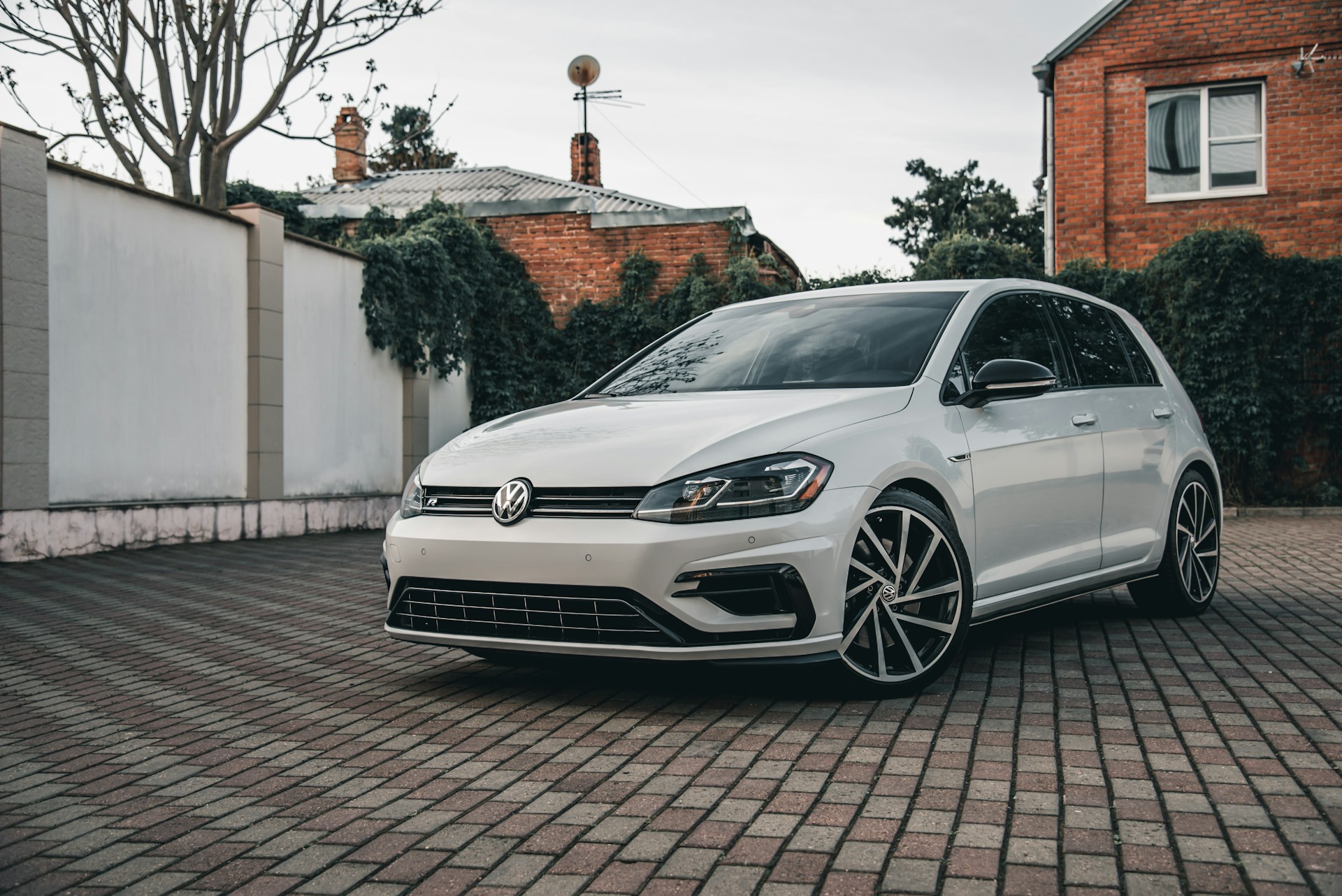
By the time December rolls around on Long Island, your Volkswagen’s exterior is already exposed to freezing temps, salty roads, and messy slush. These conditions might not seem like a big deal at first, but over time, they can take a toll on your paint, trim, lights, and even the undercarriage. Without care, winter can quietly turn those small surface issues into bigger ones that cost more than you’d expect.
That’s why winter care isn’t just about keeping your car looking good. It’s also about stopping damage before it starts. Whether you’re tackling the snowy streets daily or just parked outside during a storm, taking a few extra steps can go a long way in keeping things in shape. Your car works hard for you during the colder months. It’s only fair you return the favor.
Preparing Your Volkswagen For Winter
Once winter is already in full swing, there’s not much point in talking about getting ready for it. But what you do right now during winter still matters for your vehicle’s condition. Salt, sand, grime, and leftover snow can all build up and eat away at your car’s clear coat and finish. Which means it’s not too late to start giving your Volkswagen a little exterior support.
Washing your car regularly during winter might not seem like a priority, but it should be. Snowy roads are usually treated with salt, and that residue can cling to your car’s lower panels and bumpers. Left alone, it can work its way into the tiniest cracks and slowly create rust and pitting. Cleaning helps strip these off before they cause problems. While automatic car washes are fast, hand washing or spot cleaning often works better for reaching the hard-to-see corners where grime builds up most.
Here’s what you’ll want to focus on during mid- to late-winter:
- Wash your car often, especially after snowstorms or driving through slushy roads
- Use a pH-balanced car soap that won’t wear down protective layers
- Dry it completely to avoid water spots and trapped moisture in seals
- Apply a quality spray wax after each wash to give a temporary barrier between your paint and the snow, grime, and salt
If spray wax alone isn’t cutting it, ask about protective coatings like clear films or paint sealants. These treatments bond to your paint and give you better coverage for longer stretches. It’s definitely worth looking into if winter driving is a regular part of your routine on Long Island.
Protecting Your Paint And Finish
When salt and de-icing chemicals sit too long on your paint, they don’t just leave streaks. They actually start to damage the clear coat and, eventually, the paint underneath. You might start noticing tiny chips or areas that seem duller than others. If those spots get ignored, they can turn into rust patches that are harder and more expensive to take care of.
Adding a sealant or ceramic coating on top of your paint gives it an extra layer of armor. It’s kind of like putting a protective case on your phone. You still get full function and visibility. It just doesn’t take the hit when something scratches or bumps into it. Paint protection doesn’t last forever, but it’s a smart move to make in the winter when your car’s exposure to road grime is higher than usual.
Even with protection in place, it’s a good idea to:
- Rinse the car with warm water to loosen up salt before starting a wash
- Use soft microfiber cloths to avoid scratching soft finishes
- Avoid scraping ice from painted surfaces using hard tools, especially around the edges of doors or trim
One driver on the North Shore shared how they started noticing small brown dots on their white hatchback’s hood after one harsh winter. It turned out to be embedded brine that had started reacting with weak spots in the paint. A quick touch-up turned into a full panel repaint. It’s the kind of problem that could’ve been avoided with regular rinsing and a fresh coat of winter wax. Don’t wait until you see a problem. Treat the surface before damage shows up.
Maintaining Visibility During Winter
When driving through snowy or icy conditions on Long Island, clear visibility isn’t just nice to have, it’s a safety must. Snow buildup, frozen wipers, and dim lights aren’t just annoying. They make it harder for you to see and be seen. That’s why checking your headlights, taillights, and windshield components regularly during the season matters more than people think.
Start with the basics: make sure headlights and taillights are clean and working. Dirty or fogged-up lenses can significantly cut down the amount of light they put out, especially in heavy snow or during early sunsets. Use a soft cloth and glass-safe cleaner to wipe them down every few days. If snow’s piling up, take a minute to clear it from the lights and windshield before heading out.
Windshield wipers and washer fluid also deserve more attention during winter months:
- Replace your wiper blades if they leave streaks or squeak too much
- Always keep your washer fluid tank full with winter-grade fluid
- Break up any ice on the wiper arms before turning them on to avoid tearing the blades
- Never use hot water to defrost frozen glass. It can cause cracks
Dealing with frost? Don’t wait for your defroster to do all the work. Use a plastic ice scraper to gently clear your glass. If your wipers keep freezing to the windshield, make sure they’re not touching the glass when parked. Popping them up, especially when expecting overnight snow, helps prevent damage the next morning.
Driving around Long Island in the winter is no joke when your windshield fogs up and your wipers quit halfway down the highway. Little fixes like blade replacements and a proper washer fluid can help you avoid those types of surprises.
Undercarriage Care to Minimize Winter Damage
The undercarriage might be out of sight, but that doesn’t mean it should be out of mind. Snow, slush, and especially road salt get kicked up and stick underneath your vehicle while you drive. As they sit, they can corrode brake lines, suspension parts, metal panels, and fasteners. Once rust sets in, it spreads quickly and weakens everything it touches.
You won’t see most of this damage happening unless you’re under the vehicle, but by that time, it may be too late. The better option is to clean it often, especially after driving through roads treated with salt. While a full undercarriage wash might sound like something you’d only do at the end of winter, regular rinsing throughout the season makes a huge difference.
Here are some things that help:
- Go to a car wash that offers an undercarriage rinse as part of their winter package
- If you park in a garage after driving in snow or slush, let some of that buildup drip off before you close the door tight
- Ask about undercoating treatments that create a barrier between exposed metal and winter gunk
One Long Island resident noticed their car’s rear suspension started creaking after several seasons of winters. Turns out built-up salt had worked its way around some bushings and eaten away at the connecting bolts. A quick inspection caught the issue before it became unsafe, but it still led to an expensive repair. That kind of thing can be avoided with regular undercarriage cleaning and rust prevention.
Why Regular Volkswagen Service on Long Island Makes a Difference
When you’re juggling work, errands, and school drop-offs, keeping up with winter car checks can easily get pushed down the list. The thing is, winter sneakily adds pressure to parts of your car you don’t think about every day. Hoses, wheels, headlights, and heating systems are all working harder in freezing temperatures. And if something small slips through the cracks, it can lead to bigger problems fast.
Winter maintenance doesn’t just mean watching for warning lights to pop on. It’s about bringing your vehicle in for a once-over so cold weather issues don’t catch you off guard. A proper inspection during winter season includes checking for salt-related corrosion, tire pressure drops, worn-out wipers, and battery strength. These are the kinds of things that can fail without much warning and leave you stranded or stuck making costly fixes later on.
Make it a habit to schedule winter-specific checks when you notice:
- Strange sounds when steering or braking on cold mornings
- Slow engine start-up
- Interior fog that doesn’t clear up quickly
- Lower tire pressure warnings more than once in a week
Even if everything seems fine on the surface, a deeper check can spot things you’d never think to look for. And catching an issue early on during winter means fewer headaches once the snow melts.
How to Keep Your Volkswagen Exterior Looking Its Best
Winter driving isn’t just about using snow tires or clearing the windshield. It really comes down to paying attention to how the cold affects everything on your vehicle. Keeping your Volkswagen’s exterior in good shape does more than keep it looking sharp. It helps prevent long-term problems like rust, electrical issues, and visibility hazards. Taking those small steps between snowfalls or during your regular routine can make a big difference in how your vehicle holds up come spring.
If you’re out and about on Long Island this winter, it’s worth giving your car some extra attention. Whether it’s a regular wash, an underbody rinse, or just staying on top of your fluid levels, maintaining your Volkswagen now can save you a lot of trouble when the temperature drops again. Being proactive keeps your vehicle safer, easier to drive, and far more ready for whatever the next storm throws at you.
Keep your Volkswagen running smoothly all winter long by staying on top of maintenance tasks. If you’re ready to make sure your vehicle can handle the season’s challenges, our expert team is here to help with Volkswagen service on Long Island. Trust Smithtown Volkswagen to keep your car in top shape throughout the colder months.
Connect with us


