


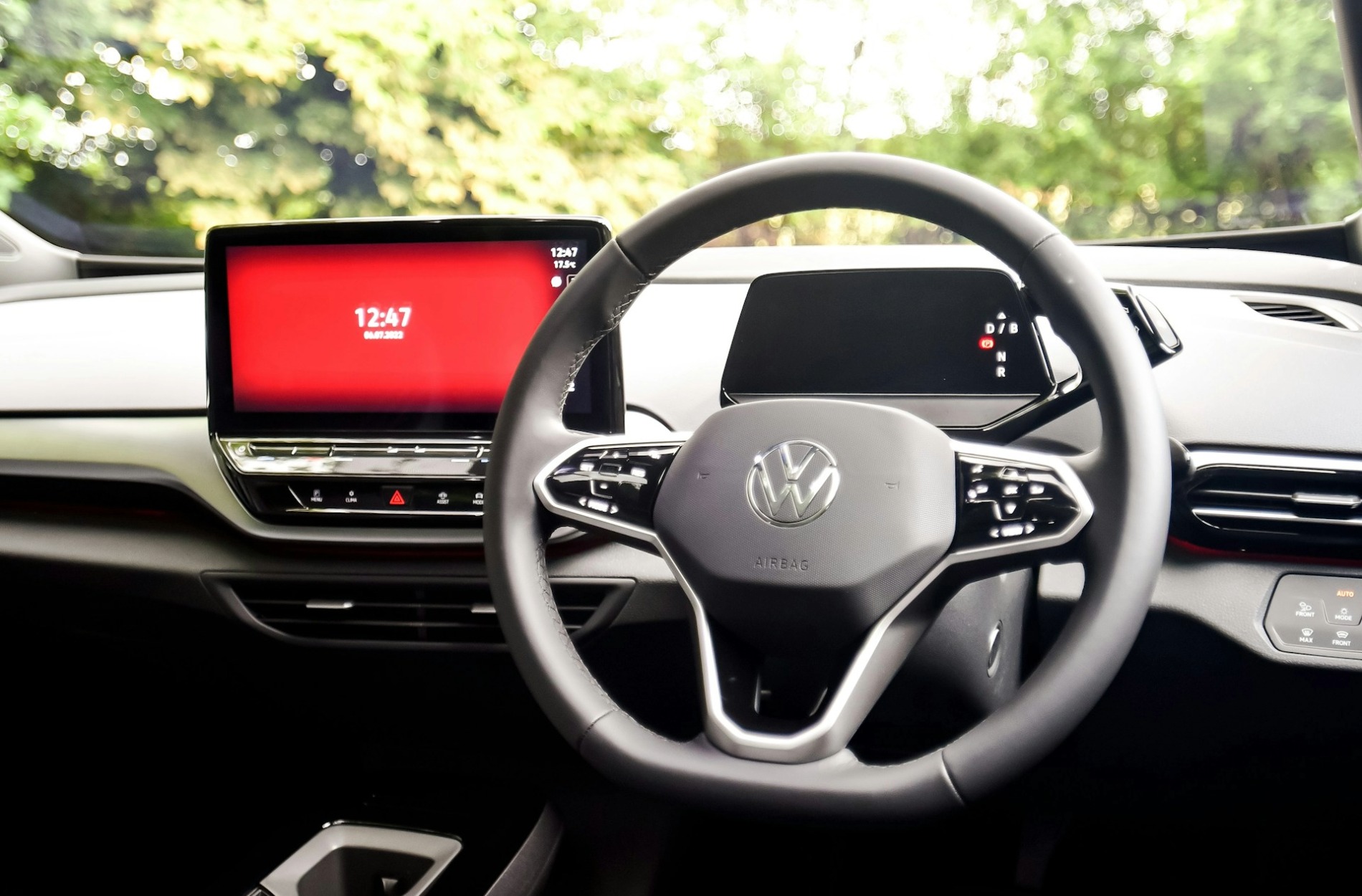
Winters on Long Island can be long, cold, and unpredictable. For drivers who rely on electric vehicles, cold weather brings up unique questions: Will the battery hold up? Can heating systems keep up with the chill? And how does snow or ice affect overall performance? If you’re driving one of Volkswagen’s electric models, it’s normal to wonder how your vehicle will handle the cold months ahead.
Electric vehicles are built for year-round use, but winter driving does bring extra things to think about. Whether it’s range reduction, traction on icy roads, or simply staying warm behind the wheel, understanding how your EV responds to winter conditions can help you get the most out of it. Let’s take a closer look at how Volkswagen electric vehicles on Long Island perform in colder weather and what you can do to help them stay efficient and dependable all winter long.
Cold Weather Impact On Battery Efficiency
When temperatures drop, your EV’s battery works harder to deliver the same performance it does in warmer months. That’s because cold weather slows down the chemical reactions inside the battery, which can lead to a notable dip in driving range. You may notice it takes longer to charge or that you aren’t getting as far on a full charge as you did in the summer.
This doesn’t mean your electric vehicle is broken or unreliable. It’s just how lithium-ion batteries naturally respond to cold. Luckily, there are a few helpful tips to reduce the effects and keep your driving routine running smoothly.
Here are a few ways to help preserve battery efficiency in the winter:
- Precondition your battery by warming up your car while it’s still plugged in. That way, it uses grid power to heat the cabin and battery, saving the stored charge for the drive.
- Keep your EV stored inside. If you have access to a garage, park indoors when possible to avoid the overnight cold soak.
- Drive gently. Quick acceleration burns more energy. Smoother driving helps stretch your range farther in cold weather.
- Charge more often. Try not to let your battery level get too low in the cold. A partially full battery helps stabilize temperature and output.
- Use heated seats instead of full cabin heat. Heated seats draw less power than warming up the entire interior.
These steps can make a noticeable difference in how your EV performs during cold snaps and help you avoid any unexpected slowdowns during your daily drive.
Heating Systems In Volkswagen Electric Vehicles
Staying warm is important for comfort, but it also affects how much energy your car uses in the winter. Traditional gas-powered cars pull heat from the engine to warm the cabin, but electric models don’t produce that kind of leftover energy. Instead, they rely on electric heaters or heat pumps that draw power directly from the battery. The more heat you use, the faster your battery drains.
Volkswagen electric vehicles often come equipped with heat pumps that help manage energy usage more efficiently. A heat pump transfers existing warmth instead of creating it from scratch, making it more efficient compared to older electric heating systems.
To get the most from your heating system during winter:
- Preheat the cabin while plugged in. This helps reduce battery drain during your actual drive.
- Make good use of seat and steering wheel heaters. These give direct warmth and use less power than heating the full cabin.
- Use Eco mode if your model has it. It can limit HVAC output and help extend range.
- Maintain a consistent temperature inside the car rather than adjusting it repeatedly.
Finding a balance between staying warm and saving energy allows you to drive longer and stay comfortable at the same time. A few temperature tweaks can go a long way during Long Island’s winter months.
Tire Performance And Winter Safety
When roads on Long Island turn slick and icy, having the right tires on your Volkswagen EV is about more than driving comfort. It’s about safety, traction, and control. All-season tires can stiffen in the cold, reducing their grip. That’s why winter tires are a solid choice if you frequently deal with snow, sleet, or freezing rain.
Winter tires are made of a softer rubber that stays flexible in cold weather and have deeper treads to provide better traction. If you choose to stick with all-season tires, make sure they’re well-maintained and ready for winter conditions.
Here are several tire tips to reduce your risk and improve performance in winter:
- Check tire pressure regularly. Cold air reduces pressure, which can affect handling and wear.
- Don’t ignore your tire pressure warning light. It’s there to help you avoid dangerous conditions.
- Rotate your tires before winter and again in spring. This promotes even wear and maximizes grip.
- Look for signs of wear, including cracks or low tread. Older tires can behave poorly in winter even if they seemed fine in fall.
- Switch to winter tires during snowy months if you commute often or venture into hilly or rural areas.
The right tires make all the difference when it comes to braking distance, cornering, and general safety. It’s a simple upgrade that boosts peace of mind throughout the season.
Charging Stations And Winter Challenges
Charging your Volkswagen electric vehicle during winter on Long Island might take a little more planning than during warmer seasons. Cold weather can slow down the charging process, and snow or ice buildup near public chargers can get in your way. These delays can be frustrating, especially when you’re in a rush.
One challenge is that your vehicle’s battery may need to warm up before fast charging is effective. Your EV may even limit its charge speed to prevent damage, which adds extra waiting. Icy chargers can also make the experience uncomfortable.
Here are a few tips to make the charging experience better during cold weather:
- Use apps to check availability and working condition of local charging stations before heading out.
- Schedule climate control in advance to precondition the battery before charging. This can help reduce total charge time.
- Charge at home in a covered garage when possible to avoid outdoor charging in extreme cold.
- Keep a pair of gloves in your glovebox to avoid dealing with icy cables barehanded.
- Plan to charge before your battery drops too low. That buffer buys you time if conditions delay charging.
Being prepared and staying informed helps reduce stress and keeps your vehicle going when cold conditions make convenience harder to find.
Preparing Your Volkswagen For Winter On Long Island
As November hits and temperatures on Long Island begin to dip, it’s a good time to get your Volkswagen EV ready for winter. A little planning and a visit to your local service center can help you avoid problems that show up once it gets colder.
Here’s a checklist to prepare your electric vehicle for the season:
- Schedule a battery health check to make sure everything is functioning reliably.
- Inspect tire tread and consider switching to winter tires.
- Test your heating system and make sure defrosters work properly.
- Update your software to keep heating and charging systems running efficiently.
- Replace worn-out wipers and use a washer fluid rated for freezing weather.
- Have the undercarriage cleaned to wash away leaf buildup that could freeze under salty slush.
- Check your headlights, tail lights, and signal lights to be sure they’re bright and fully functional.
Even newer EVs benefit from a seasonal once-over. These service checks help keep everything running smoothly when cold weather can magnify small issues, from a sticky hatchback to slower charging speeds.
What Long Island Drivers Can Do To Stay Ahead This Winter
Once winter settles across Long Island, staying on top of basic vehicle care makes a big difference in your day-to-day driving experience. Cold temperatures put more stress on the battery, drain power through heating, and reduce traction, so frequent checks and small habits help extend the life and comfort of your Volkswagen EV.
Little things like scheduled overnight charging or warming up the cabin while plugged in can take some load off the battery and reduce wear. Keeping your tire pressure in the ideal range and rotating your tires regularly helps you keep your grip on icy roads. And when temperatures swing wildly, making sure everything from your heater to your lights is in top shape lessens unexpected issues.
No winter is perfect, but being ready helps you stay in control. Great winter performance starts with smart habits and routine care. When your Volkswagen is properly set up for these colder months, you can enjoy smoother rides and fewer surprises from December to March.
Ready to keep your Volkswagen electric vehicles on Long Island running smoothly through the colder months? Trust the team at Smithtown Volkswagen to help you stay ahead of winter with reliable service and expert care. Schedule your seasonal maintenance today and drive with confidence all season long.
Connect with us


