


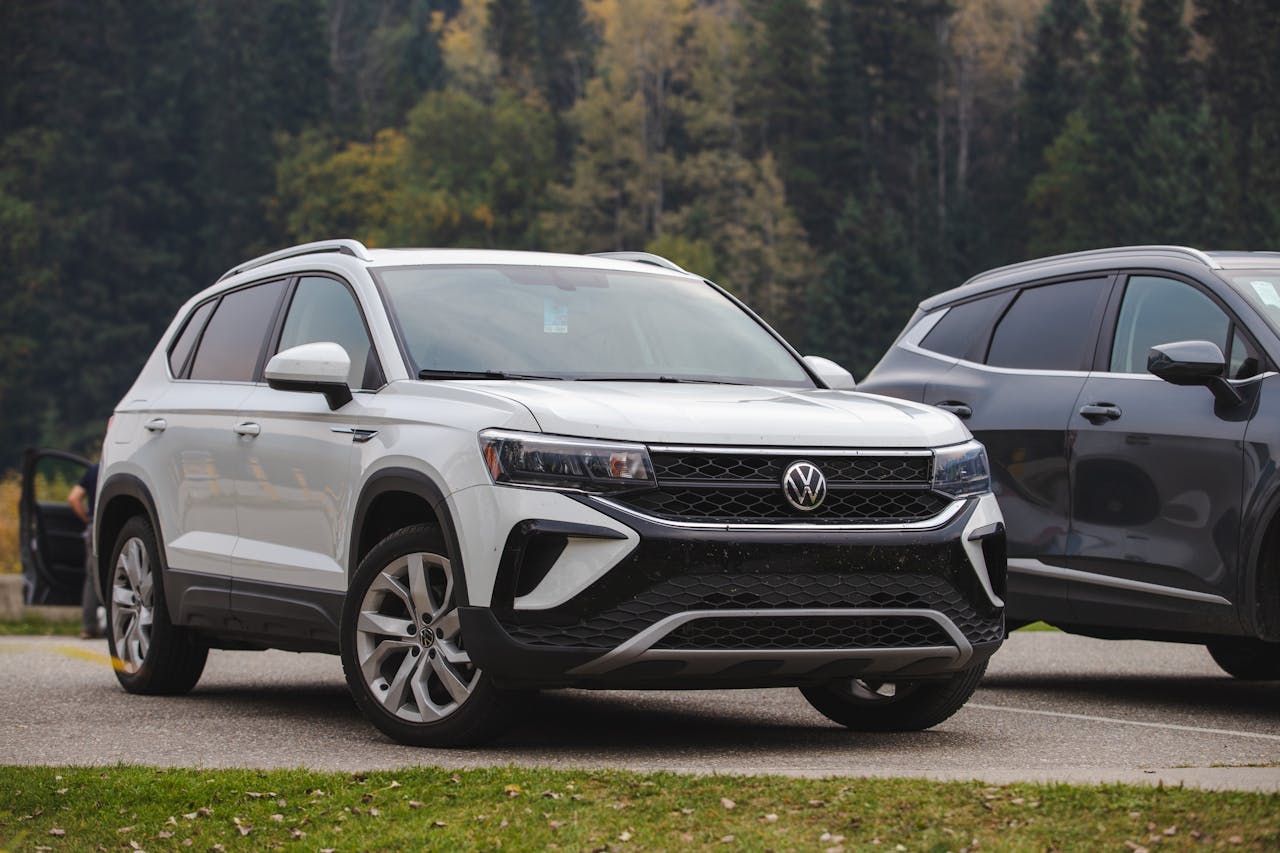
Understanding your Volkswagen warranty helps you get the most out of your vehicle and avoid unexpected costs. A warranty offers peace of mind, ensuring your car is protected against certain defects and issues that might arise. It acts as a promise from Volkswagen to cover repairs or replacements under specific conditions, making it an essential part of car ownership.
Volkswagen provides different types of warranties, each covering various aspects of your car’s lifespan. Knowing what each warranty entails empowers you to make informed decisions about service and maintenance. This knowledge ensures you can enjoy worry-free driving, knowing that help is available when needed.
In this blog, we’ll explore the different warranties Volkswagen offers, what is typically included and excluded, and how to maintain your coverage. Additionally, you’ll find practical tips on making warranty claims, so you’re prepared if you ever need to use it. Let’s dive into the world of Volkswagen warranties.
Types of Volkswagen Warranties Available
Volkswagen offers a variety of warranties to protect your vehicle, ensuring you receive the best service when needed. Understanding these options helps you know what benefits come with your new or used car.
The New Vehicle Limited Warranty is typically the most extensive. For 2025 Volkswagen models, it usually covers four years or 50,000 miles, whichever comes first. This warranty includes coverage for repairs due to defects in material or workmanship. It’s a safety net for most parts and systems, giving you peace of mind as you drive.
Volkswagen also provides a Powertrain Warranty that extends protection on major components like the engine, transmission, and drivetrain. This warranty usually aligns with the terms of the New Vehicle Limited Warranty, covering these essential components for the same duration.
For those opting for pre-owned vehicles, there’s Volkswagen Certified Pre-Owned (CPO) Warranty. This coverage ensures quality and reliability by extending the original terms. It often includes a two-year, 24,000-mile comprehensive limited warranty and provides 24-hour roadside assistance, ensuring that used car buyers have protection against unforeseen issues.
In addition, Volkswagen offers Corrosion Warranties covering perforation due to rust for 12 years with no mileage limit. This warranty helps maintain the car’s body condition, essential in areas with harsh winters or salty roads.
These warranties highlight Volkswagen’s commitment to quality and service, making sure you have support in maintaining your vehicle’s performance over the years.
Common Inclusions and Exclusions
Knowing what’s included and excluded in your Volkswagen warranty is crucial for avoiding surprises down the road. These details outline what is typically covered and what to expect from your warranty plan.
Inclusions: Most Volkswagen warranties cover a range of components and services, making sure significant repairs are manageable. Common inclusions often consist of:
– Engine and Transmission Repairs: Any factory faults in the engine or transmission are generally fixed under warranty.
– Electrical Systems: Malfunctions in electrical systems like power window motors or wiring are usually covered.
– Safety Equipment: Problems with airbags or seatbelt components often qualify for warranty service.
– Air Conditioning and Heating: Repairs needed for these systems due to breakdowns are usually part of the warranty.
Exclusions: Some things aren’t covered by your Volkswagen warranty. These often include:
– Wear and Tear Parts: Items like brake pads, tires, and wiper blades, which wear over time, are not under warranty.
– Regular Maintenance: Oil changes, alignments, and other routine services need to be handled at your expense.
– Damage from Accidents or Improper Use: Any repairs caused by collisions, racing, or off-road use are excluded.
– Alterations: Modifying your vehicle with non-approved parts or accessories can void parts of your warranty.
Understanding these inclusions and exclusions helps you make confident decisions regarding repairs and maintenance, ensuring you maximize the usefulness of your Volkswagen warranty.
How to Maintain Warranty Coverage
To keep your Volkswagen warranty valid, it’s crucial to follow certain guidelines and practices. Proper maintenance and attention to detail can prevent potential issues that might void your warranty.
Regular maintenance is crucial. Stick to the recommended service schedule provided by Volkswagen. This ensures your car remains in good condition and covered by the warranty. Scheduled services often include oil changes, tire rotations, and brake inspections. Keeping a log of these checks can be helpful if you need to make a future warranty claim.
Use genuine Volkswagen parts and service. Always opt for original parts and certified service centers for repairs. Non-original parts might lead to performance issues and could affect warranty coverage. Certified centers ensure that your car is repaired correctly and adheres to Volkswagen’s standards.
Pay attention to how you use your car. Avoid activities that are specifically mentioned as risks to warranty coverage, like racing or off-road driving. Driving responsibly ensures that your car remains in good shape and covered by the manufacturer.
Keep accurate service records. Document all services and repairs, including dates, parts used, and costs. These records serve as proof of upkeep and help in making warranty claims smoother and more credible.
By following these practices, you help preserve your Volkswagen’s warranty and ensure the car continues running smoothly.
Tips for Making a Warranty Claim
Handling a warranty claim can seem daunting, but it’s manageable if you follow a few straightforward steps. These tips can ensure that the claim process is quick and hassle-free.
1. Review Your Warranty: Understand the terms and coverage specifics. This helps you know what issues are covered and what’s outside the warranty’s protection.
2. Gather Documentation: Collect all necessary documents, including maintenance records, service receipts, and warranty papers. Having a well-organized file makes it easier to support your claim.
3. Contact a Certified Service Center: Reach out to a Volkswagen service center to discuss the problem. Certified technicians can confirm if the issue is covered and suggest next steps.
4. Describe the Problem Clearly: When speaking with service personnel, clearly explain the issue, symptoms, and any attempts to resolve it. This ensures the problem is accurately assessed and documented.
5. Follow Up: After filing the claim, stay in touch with the service center. Follow up regularly to keep track of the repair status and confirm what, if anything, needs your attention.
These tips simplify the warranty claim process, making repairs less stressful and restoring your car to peak condition quickly.
Conclusion
Navigating the details of Volkswagen warranty coverage is essential for all vehicle owners. Warranties provide the protection needed to keep your car in top shape without unexpected costs. By understanding the types of warranties, what they cover and exclude, and how to maintain your coverage, you ensure that your vehicle stays reliable for years.
At Smithtown Volkswagen, the best Volkswagen dealership in NY, we’re dedicated to helping our customers get the most from their warranties. Whether you’re buying a new car or a certified pre-owned vehicle, we make it easy to find options that offer peace of mind and security. By keeping up with regular maintenance and following our tips for claims, you can enjoy driving your Volkswagen with confidence.
Visit Smithtown Volkswagen today to learn more about our warranty options and how we can help protect your car investment. Our friendly team is always here to answer your questions and make sure you’re getting the best care for your vehicle. Experience worry-free driving and let us assist with all your Volkswagen needs.
Connect with us


