Blog

Atlas vs Pilot

Atlas vs Pilot
THE SHORT ANSWER
For most families, the Volkswagen Atlas is the better pick: its upright shape gives you a third row adults can actually use, seats that work around car seats and a calm, planted drive. The Pilot competes in the same class, but the Atlas turns its size into more usable space.

If you need a three-row SUV that grown-ups can actually ride in, the Volkswagen Atlas is the one we'd point you to over the Honda Pilot. Its upright shape, flexible seating and steady highway manners fit the way Long Island families really drive. Here at Smithtown Volkswagen in St. James, we hear this comparison all the time, so we'll walk you through it the way we'd explain it across the desk.

Atlas vs Pilot: Start With the Basics

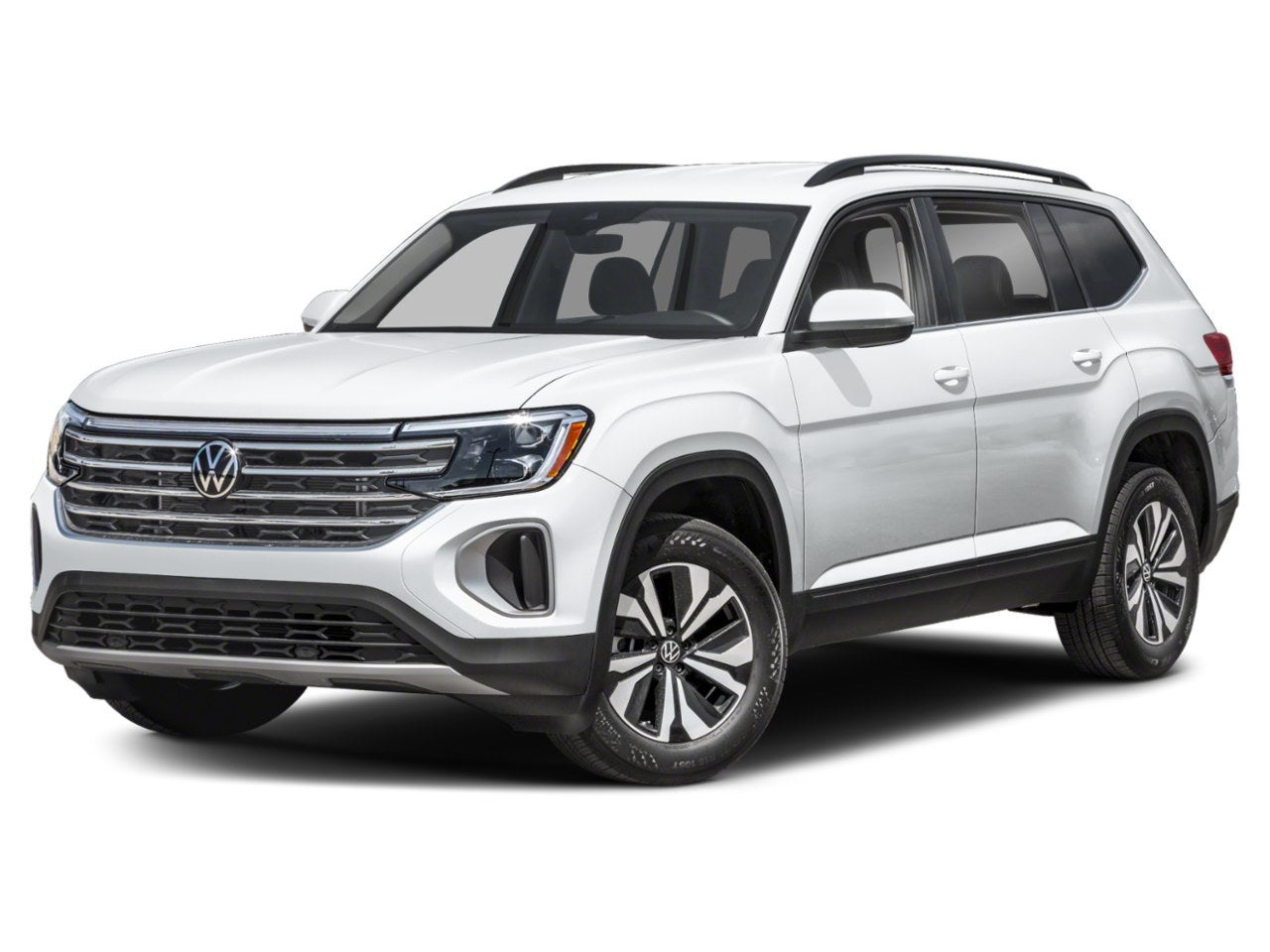
Both of these are midsize three-row SUVs aimed at the same family. You've got kids, maybe their friends, maybe a dog, and a calendar that never quits. The Volkswagen Atlas takes on that job with a squared-off, upright body that turns its size into room you can use. Honda's Pilot covers similar ground with a more rounded design.

Why does shape matter? A boxier body brings taller side windows, a flatter roofline over the back rows and a cargo area with straighter walls. You notice those things on a warehouse-club run, not in a brochure. That's the Atlas's whole approach, and it shows up again and again in the sections ahead.

What you're really comparing

Strip away the badges and you're weighing four things:

  • How many real people fit, and how comfortably
  • How easily the seats move when plans change
  • How the SUV drives on the roads you use daily
  • What owning it looks like a few years in

We'll take them in that order, starting simple and finishing with the one test we recommend before anyone signs. If you'd like to see what's on the lot while you read, you can browse our new Atlas inventory any time.

Atlas vs Pilot: A Third Row Adults Can Use

Here's where the Atlas earns its reputation. Its third row is one of the few in this class where a grown adult can sit for a real drive without their knees jammed into the seatback, and the roofline stays tall enough that heads clear the headliner. Kids don't complain back there either, which matters more than you'd think on a summer trip out to Montauk.

Honda made the Pilot's third row roomier in its latest redesign. Even so, the Atlas's upright body keeps an edge where families feel it most: headroom, and the sense that nobody's being punished for drawing the short straw.

Getting in and out

Space only helps if you can reach it. Volkswagen designed the Atlas so the passenger-side second-row seat can tilt and slide forward even with a child seat still installed. A big kid can climb into the third row without you unbuckling the toddler's seat in a crowded lot at Smith Haven Mall.

Wide-opening rear doors help too. When you're loading a sleeping kid, or a grandparent who doesn't love contorting, a generous door swing makes the whole routine calmer.

Atlas vs Pilot: Seats That Change With Your Plans

Seating flexibility is where these two take different approaches, so it's worth understanding both. The Atlas lets you choose between a second-row bench for maximum seating or captain's chairs that open a walkway to the third row. Families with older kids often love the captain's chairs, since nobody's crawling over anyone and the middle of the cabin becomes a pass-through.

Honda's trick is a second-row middle seat on some Pilot trims that lifts out and stows under the cargo floor. It's clever, and we won't pretend otherwise. The Atlas answers with the same result through a simpler path: choose captain's chairs and you have that open aisle full time, with no seat to wrestle in and out.

When you need cargo instead of seats

Fold the third row and the Atlas opens a long, flat load floor with squared-off sides. Boxes, a folded stroller, hockey bags and beach chairs for Sunken Meadow stack the way you'd stack them in a closet. Here's the quick check we run through with shoppers:

  • Fold the third row and see if your stroller lies flat
  • Drop the second row and picture a flat-pack furniture box
  • Work the seat levers yourself, one-handed

That last one tells you a lot about daily life.

Atlas vs Pilot: How They Drive Around Long Island

Take an Atlas down the LIE or the Northern State and you'll feel the German side of its character: steady, planted highway manners and steering that stays calm at speed. It doesn't feel like a big vehicle trying too hard to act small. It feels composed, which is exactly what you want when you're merging with a full car and a long day behind you.

Around town, the upright seating position and big windows make sightlines easy on Route 25A, where you're watching for cyclists, deer and drivers backing out of farm stands. Parking in tight village lots in Stony Brook or Port Jefferson gets easier when you can judge the corners of the vehicle.

Winter and wet roads

Available 4MOTION all-wheel drive sends power where the grip is when a nor'easter leaves slush on the side streets. Honda offers all-wheel drive on the Pilot too, so both give you that safety net on paper. What we'd point you to is how the Atlas behaves once roads turn bad: predictable, settled and easy to read through the wheel.

Ride comfort is a real priority in the Atlas. Long Island pavement isn't always kind, and a family SUV should soak up the patches without bouncing whoever's riding in back.

Atlas vs Pilot: Tech and Driver Assistance

Climb into the current Atlas and the dash feels clean and modern rather than cluttered. A digital instrument display sits right in front of you, and you can set it to show navigation, trip details or just a simple speed readout. Most daily controls live on a central touchscreen, with smartphone integration so your maps and music come along without fuss.

Families tend to care less about screen size and more about whether everyone stays charged. Charging ports are spread through the cabin, so the back rows aren't fighting over one outlet on the way to a tournament upstate.

Help on the highway

Volkswagen's IQ.DRIVE suite bundles driver assistance features such as adaptive cruise control and lane-keeping help, and on many trims it includes Travel Assist for stop-and-go traffic and long highway stretches. Picture the westbound LIE at rush hour: the Atlas can help manage speed and spacing so you arrive less frazzled. Availability varies by trim and model year, so ask us which features a particular Atlas carries.

Honda equips the Pilot with its own assistance suite, so you'll find help in both. Where the Atlas stands apart is how naturally its systems settle into the drive. Try them on a stretch you know well and judge the feel for yourself.

Atlas Ownership: Service Close to Home

Owning a three-row SUV is a long relationship, so where it gets cared for matters as much as how it drives on day one. We're a full Volkswagen dealership in St. James, which means the Atlas you take home has a service department right here that works on Volkswagens day in and day out.

That covers Volkswagen maintenance and repair, from routine work like oil changes and tire rotations to complex diagnostics when a warning light pops up and you want a real answer, not a guess. Technicians who see the Atlas regularly know its systems, and that familiarity tends to save you time.

Making upkeep easy

A few habits keep an Atlas happy for years:

  • Follow the maintenance schedule in your owner's manual
  • Rotate tires on time, especially after a pothole-heavy winter
  • Get new noises or warnings looked at early

Living nearby helps, too. Dropping off on the way to the train in Smithtown or Kings Park beats driving across the Island. When it's time, you can book service online and pick a slot that fits your week.

Short version: buying an Atlas here means care stays close to home.

Atlas Options: New, Certified or Used

Once you know the Atlas fits, the next question is which one. A new Atlas gives you the latest interior updates and full factory warranty coverage from day one, and you get to pick the trim, color and seating layout you want.

If you'd rather stretch your budget, a used Atlas is worth a close look. Its boxy, roomy shape has been part of the model since it launched, so an earlier one still gives you that grown-up third row.

The certified middle ground

For a lot of families, a certified pre-owned Atlas hits the sweet spot. Volkswagen's certified program puts vehicles through an inspection and adds extended coverage, giving you some of the peace of mind of new at a used-vehicle budget. Ask us to walk you through what a specific vehicle includes.

Trades and payments

Most shoppers coming out of a smaller SUV or minivan have something to trade, and we can look at yours and talk through payment options while you're here. Financing always depends on the lender and your credit picture, so we won't promise an approval. What we will do is lay out the choices clearly so you can decide without pressure.

Atlas vs Pilot: Our Expert Tip and Your Test Drive

Here's the advice that settles this comparison fastest: test with your real life, not a showroom walk-around. Reviews can't tell you how your kids fit, or whether your stroller goes in without a fight.

What to bring

  • Your car seats, so you can install them and try the second-row tilt
  • The tallest teenager or adult who'll ride in the third row
  • Whatever you haul most, from a stroller to a golf bag

How to drive it

Take the Atlas on the roads you actually use. Run it up 25A, hop on the Northern State or the LIE, and squeeze into a tight lot in Stony Brook. Then let someone else drive while you ride in the third row for a few minutes. That seat tells you more about a three-row SUV than anything else.

When you're ready, book a test drive and let us know you're comparing it with a Pilot. We'll have an Atlas set up with the seating you're curious about, and we'll give you time to really live with it. Give the Atlas that kind of honest test and you'll know quickly why it fits your family.

Where
530 NY-25
St James, NY
KEY TAKEAWAYS
  • The Atlas's upright body gives you a third row adults can actually ride in.
  • Captain's chairs or a car-seat-friendly bench keep the Atlas flexible without removing seats.
  • Test the Atlas with your own car seats, cargo and commute before you decide.
FAQ

Common questions

Is the Volkswagen Atlas third row really comfortable for adults?

Yes. The Atlas's upright body and tall roofline give its third row room that adults can use for a real drive, not just a quick hop across town. The best way to confirm it is to sit back there yourself during a test drive.

Can I keep a car seat installed in the Atlas and still reach the third row?

You can. The passenger-side second-row seat in the Atlas is designed to tilt and slide forward with a child seat still installed, so older kids can climb into the third row without you removing anything.

Does the Atlas come with all-wheel drive for Long Island winters?

The Atlas offers available 4MOTION all-wheel drive, which helps on slushy side streets and wet highways. Availability depends on the trim, so ask us which Atlas models on the lot have it.

Where can I get an Atlas serviced near Smithtown?

Right here in St. James. We're a full Volkswagen dealership with Volkswagen maintenance and repair, handling everything from routine work to complex diagnostics on your Atlas.
Want to see it in person?
Come by for a test drive, or browse what is on the lot right now.
Or call (631) 652-9887 · 530 NY-25, St James

Recommended Posts

2027 Volkswagen Golf GTI Autobahn front three-quarter exterior

Volkswagen Golf GTI Trims Explained: What You Get at Each Level

THE SHORT ANSWER The 2027 Golf GTI comes in three trims: S, SE and Autobahn. All three share the same engine, automatic transmission, front-wheel drive, fuel economy and cargo space. What changes as you move up is equipment and price, from $34,590 for the S to $42,480 for the Autobahn. The Golf GTI has a following for good reason, and picking the right trim is where a lot of shoppers get stuck. Here at Smithtown Volkswagen in St James, we hear the same questions every week: what does the SE add, is the Autobahn faster, and is the S enough? Here's how the 2027 lineup actually breaks down, in plain terms, so you can walk in knowing which GTI you want to drive first. IN THIS POST Same Heart in All Three Trims The S: Where the GTI Starts The SE: The Middle Step The Autobahn: The Fully Loaded GTI Fuel Economy and Long Island Driving Room for People and Gear How to Choose Your Trim Buying, Financing and Keeping Your GTI Sharp Key takeaways Same Heart in All Three Trims Here's the part that surprises a lot of shoppers: moving up the GTI lineup doesn't buy you more performance. The S, SE and Autobahn all make 241 horsepower through an automatic transmission, and all three send that power to the front wheels. That changes the question you should be asking. You aren't choosing how quick you want the car to be. You're choosing how much comfort, convenience and tech you want wrapped around a drivetrain that's identical across the board. Take an S and an Autobahn down the same stretch of Route 347, and they'll pull away from a light the same way. We like to put it simply: it's equipment, not engine. Once that clicks, the price steps between trims start to make sense, and you can judge each set of extras on its own merits. Ask yourself which upgrades you'd notice on your daily drive and which ones would just look good on paper. So let's start at the bottom of the lineup and work our way up. The S: Where the GTI Starts The S opens the lineup at an MSRP of $34,590, and it's the most direct way into a GTI. You get the same drivetrain, the same hatchback body and the same seating as the pricier trims, so nothing about the core car is held back. Who is it for? Drivers who care most about how the car feels on a twisty road and less about extra gadgets. It also makes sense as a first performance car, or for someone commuting from Kings Park or Central Islip who wants something fun without stretching to the top of the range. One honest tip: don't think of the S as stripped down. Volkswagen builds the GTI as an enthusiast hatch from the start, so the entry trim is a complete car, not a placeholder that exists only to advertise a low price. Before you rule it out, sit in one. Check the seats, try the infotainment and pay attention to what you'd actually miss. You can browse our new Volkswagen inventory to see which S models are on the lot right now and come compare them in person. The SE: The Middle Step What the step up buys The SE comes in at an MSRP of $39,080. Because the mechanicals don't change, every dollar of that difference goes toward features: the comfort and convenience upgrades that make a daily driver nicer to live with over years of ownership. Content can shift from one model year to the next. That's why we always suggest putting an S and an SE side by side and reading the window stickers line by line. Seeing the actual equipment beats relying on memory or a forum post from three years ago. Is it worth it for you? The SE tends to land well with people who spend real time in their car. If your week includes a Long Island Expressway commute plus weekend trips out east, the added comfort and tech get used constantly, not once in a while. If you mostly make short hops around Smithtown, the S may cover you just fine. Think about hours behind the wheel, not just miles. It's also worth checking our current offers, since incentives can change how the gap between trims looks on the day you buy. The Autobahn: The Fully Loaded GTI At the top sits the Autobahn, with an MSRP of $42,480. It's the GTI for people who want the hot-hatch driving experience along with the most equipment Volkswagen puts in the car. Remember, you're not paying for extra speed here. You're paying for the most complete feature set in the lineup. For some drivers, that's exactly the point: they want one car that handles a spirited back-road run on Saturday and feels genuinely upscale on the Monday commute. Ask yourself whether you'd use what the Autobahn adds every single day. If the answer is yes, it can be the trim you're happiest with five years from now. If you're only drawn to one or two items, see whether the SE gets you close enough. Here's another route worth considering. A lightly used Autobahn can put that top-trim equipment closer to your budget, and our certified pre-owned Volkswagens come with the extra peace of mind of a manufacturer-backed program. We're happy to show you new and certified side by side so you can weigh features against price with real cars in front of you. Fuel Economy and Long Island Driving Since the drivetrain doesn't change, neither does the fuel economy. Whichever trim you pick, the GTI is rated at 24 mpg city and 32 highway. What does that mean around here? Stop-and-go traffic on Jericho Turnpike or Nesconset Highway pulls you toward the lower number. Steady cruising on the Northern State or the Sunken Meadow Parkway pulls you toward the higher one. Most of our customers land somewhere in between, which is where the 27 mpg combined rating comes in as a realistic everyday expectation. A couple of habits help you get close to those ratings in real driving: Keep your tires at the recommended pressure, especially as the weather turns cold. Stay on top of oil changes and scheduled maintenance. Ease off the throttle when you don't need it. The GTI is fun to drive hard, but that has a cost at the pump. None of this changes with trim, so mileage shouldn't factor into your S-versus-Autobahn decision. Routine care matters far more, and when it's due you can book service with our team in St James. Room for People and Gear One of the GTI's big strengths is that it's still a Golf underneath: a practical hatchback that happens to be quick. Cargo space is the same in every trim, with 19.9 cubic feet behind the rear seats and 34.5 cubic feet with them folded. In everyday terms, that's room for a week of groceries, a couple of carry-ons for a flight out of MacArthur, or a hockey bag and sticks heading to the rink. Fold the seats down and it'll swallow a flat-pack bookcase or a bike with the front wheel off. The GTI seats five, so it can handle a carpool or a night out with friends. Taller adults in the back will be most comfortable on shorter trips, which is true of most compact hatchbacks. Bring whoever rides with you most often to a test drive and let them try the back seat. To make the cargo area work harder, ask about Volkswagen accessories through our parts department. Items like cargo liners and roof-mounted carriers can protect the interior and add room for weekend gear. You can add them any time, no matter which trim you choose. How to Choose Your Trim With performance, mileage and space all the same across the lineup, the decision comes down to budget and how much you value the extras. These questions help narrow it down: How many hours a week will you spend in the car? Do you have a firm monthly payment in mind, or some room to stretch? Is there one specific feature you'd be disappointed to live without? How long do you plan to keep the car? If you drive a lot and plan to keep the car a long time, the SE or Autobahn often makes sense, since you'll use those features daily. If budget leads the way, or you mostly want the driving experience itself, the S is a strong choice with nothing missing where it counts. The best way to settle it is to drive them back to back. Because the trims feel the same on the road, pay attention to the cabin: the seats, the screens and how easy everything is to use. Comparing trims in the same afternoon makes the differences obvious. Give us a call or book a test drive, and let us know which trims you'd like ready so we can have them lined up when you arrive. Buying, Financing and Keeping Your GTI Sharp Once you've picked a trim, think about the whole cost of getting into the car and keeping it. Your budget, credit history, any trade-in and current incentives all shape what your payment looks like. Approval and terms depend on the lender, so we can't promise a specific rate. What we can do is walk you through the options and show you how each trim's price affects the monthly number. You can start ahead of time by looking at financing options with us, and bring your current car so we can appraise it while you're here. A clear trade-in value often makes the jump to a higher trim feel more manageable, or it confirms that the S is the right call. After you drive home, the work shifts to maintaining your GTI's value. Our parts department stocks genuine Volkswagen parts with that goal in mind, because well-kept cars tend to be worth more when it's time to trade again. We serve Smithtown, Hauppauge, Kings Park, Central Islip and the surrounding areas, so whichever trim you choose, help is close by. Where 530 NY-25 St James, NY Call (631) 652-9887 KEY TAKEAWAYS Moving up from the S to the SE or Autobahn adds equipment and comfort, not speed. Fuel economy, seating and cargo room don't change from trim to trim, so choose based on features and budget. Drive the trims back to back and compare window stickers before you decide what the extras are worth to you. FAQ Common questions Is the GTI Autobahn faster than the S? No. All three trims share the same engine, transmission and drive layout, so they accelerate and handle alike. The Autobahn costs more because of added equipment, not added performance. Do the higher trims get worse gas mileage? They don't. The S, SE and Autobahn carry identical fuel economy ratings, so you can choose based on features and budget without worrying about what you'll spend at the pump. Is the GTI a good car for Long Island winters? Plenty of our customers drive one year-round. Because it's front-wheel drive, a set of dedicated winter tires makes a real difference on snowy or icy mornings, and we can talk through options when you come in. Can I add accessories after I buy? Yes. Smithtown Volkswagen offers Volkswagen accessories through our parts department, so you can add items like cargo liners or carriers whenever you're ready, whichever trim you own. Can you guarantee I'll be approved for financing on a GTI? No one can promise approval in advance, because lenders make that decision based on your credit and the details of the deal. Our finance team will explain your options clearly and help you compare trims at payments you're comfortable with. Want to see it in person? Come by for a test drive, or browse what is on the lot right now. Schedule a test drive Browse new inventory Or call (631) 652-9887 · 530 NY-25, St James Or keep browsing Current offers Financing Value your trade Book service Contact us Used cars

2027 Volkswagen Jetta Sport front three-quarter exterior

The Volkswagen Jetta: A Smart Choice for St James Commuters

THE SHORT ANSWER For most St. James commuters, the 2027 Volkswagen Jetta is a smart pick. Its 1.5L Turbo trims are rated up to 40 mpg on the highway, seat five and have a real trunk, with pricing starting at $23,995 for the S. The Autobahn (2WD) adds a stronger engine for drivers who want more fun from the same practical sedan. If you drive out of St. James every morning, you already know the routine: Route 25 traffic, a merge onto the parkway or the LIE, and a parking spot that's never quite big enough. At Smithtown Volkswagen, we talk with commuters about that drive every week, and the Jetta comes up again and again as a car that fits it well. Here's how the 2027 lineup works, which trim makes sense for which driver, and what to think about before you buy. IN THIS POST Why a Compact Sedan Fits the St. James Commute One Engine for Most Trims, More Punch in the Autobahn What the MPG Numbers Mean for Your Week Walking Up the Trim Ladder: S to SEL The Autobahn (2WD): The Enthusiast's Jetta Room for Real Life: Trunk, Back Seat and Weekends New, Used or Certified Pre-Owned Your Next Step at Smithtown Volkswagen Key takeaways Why a Compact Sedan Fits the St. James Commute Think about where your car spends its week. For a lot of people around here, that's Route 25 into Smithtown, Route 347 toward the Hauppauge industrial park, or a run down to the Long Island Expressway. That mix of stop-and-go and steady highway rewards a car that's easy to park, light on gas and comfortable for an hour at a time. A Jetta is built for exactly that. It's a compact sedan with a grown-up feel: room for passengers, a proper trunk, and a turbocharged engine that doesn't make you work to merge. You sit lower than you would in an SUV, which some drivers love and others need a test drive to get used to. Parking matters more than people expect. Squeezing into the lot at the St. James or Smithtown train station, or finding a spot on Main Street on a Saturday, is simply easier in a sedan. You do give up some height and cargo flexibility compared with a crossover, and that's worth weighing honestly. For a daily driver that mostly carries you and maybe one passenger, though, the trade usually pays off. Lower running costs and easier parking add up over hundreds of commutes a year. One Engine for Most Trims, More Punch in the Autobahn The S, Sport, SE and SEL share a 1.5L Turbo making 158 hp. In practice, that means the car you pick for budget and features drives much the same underneath, so you don't have to stretch to a pricier trim just to get adequate power. Turbo engines deliver their pull low in the rev range. That's what you feel when you're merging onto the Northern State from a short on-ramp, or getting moving when a light changes on Jericho Turnpike. For commuting, usable everyday power matters more than a big top-end number. Step up to the Autobahn (2WD) and you get a 2.0L I4 gas engine rated at 228 hp. You'll notice it passing on the Sunken Meadow Parkway or pulling up the hills on 25A toward Stony Brook. Front-wheel drive across the lineup Every 2027 Jetta trim is front-wheel drive. With the engine's weight sitting over the wheels that do the driving, that's a sensible setup for wet roads and the slushy mornings we get from December into March. For real snow, a good set of winter tires does more for you than almost anything else. If you'd like help choosing and mounting a set before the first storm, book with our service department and we'll get you sorted. What the MPG Numbers Mean for Your Week Those four 1.5L trims are rated at 29 mpg city and 40 mpg highway. If your commute leans on the LIE or the parkways, that highway rating is the one to watch, because steady cruising is where this engine is most efficient. Combined, the S comes in at 34 mpg, a hair ahead of the Sport, SE and SEL at 33. That gap is real but small, and for most drivers it won't decide anything. Pick the trim you want and don't sweat that single point. Our Autobahn trades some efficiency for its extra muscle, landing at 36 mpg highway and 30 combined. That's still respectable for a car with that much get-up-and-go, but it's a cost you'll see at the pump if you drive a lot of miles. Turning ratings into your routine Real-world mileage depends heavily on how you drive. A few habits make a difference on local roads: Ease off early as you approach the lights on Route 25 instead of braking late. Keep tires at the pressure on the door jamb sticker, especially as temperatures drop this time of year. Take off a roof rack when you're not using it. Skip long idle warm-ups on cold mornings; driving gently for the first few minutes does the job. Walking Up the Trim Ladder: S to SEL Here's the good news about this lineup: the core of the car doesn't change much as you move up. Same engine, same seating and same trunk across the four 1.5L trims. What you're really paying for is equipment and finish, so the question becomes which extras you'll actually use. Starting at $23,995, the S is the efficiency champ of the bunch and a solid, no-fuss commuter. For drivers who want more style than the base car without changing what's underneath, the Sport starts at $25,395. Moving up, the SE starts at $26,995 and is where a lot of shoppers land, with more comfort and convenience equipment. At the top of the 1.5L group, the SEL starts at $29,995 and carries the most features of the four. Those are starting MSRPs, and taxes, registration and fees come on top. Our advice is to sit in two neighboring trims back to back and play with the controls, since how a car feels to live with is hard to judge from a brochure. If you plan to finance, our financing team can show you how moving from one trim to the next changes a monthly payment. Rates and terms depend on your credit and the lender, so it helps to see real numbers before you settle on a trim. The Autobahn (2WD): The Enthusiast's Jetta If you've ever wished your commute were a little more fun, this is the Jetta to look at. Its bigger engine changes the personality of the car, turning a sensible sedan into one that feels eager when the road opens up. Pricing starts at $33,745, a meaningful step above the SEL. You're paying for the drive as much as anything, and it sits at the top of the Jetta range. Is it worth it for a commuter? Honestly, it depends on your roads. If your days are mostly creeping along Jericho Turnpike or sitting at lights in Hauppauge, you won't use the extra power much, and the lower fuel rating costs you a bit every week. On the other hand, open stretches of parkway, weekend drives out east to the North Fork, or simply loving a car with some energy all make a good case for it. Plenty of drivers decide the Autobahn is the one that makes a daily commute something they look forward to. Our suggestion: drive an SE or SEL and then the Autobahn on the same loop. You'll know within a few miles which one you want, and you can check our new Jetta inventory to see what's on the lot in the color and trim you like. Room for Real Life: Trunk, Back Seat and Weekends Every Jetta seats five and has a 14.1 cu ft trunk. That's genuinely useful space for a compact sedan: weekly groceries, a couple of carry-ons for a flight out of MacArthur, or a bag of gear for a Saturday game at the town fields. Where a sedan gives ground is tall, bulky stuff. A bike, a flat-pack dresser or a big dog crate fits more easily in a crossover with a rear hatch. Think about how often you really haul those things compared with how often you just drive to work. Rear-seat space works well for kids and for adults on trips around town. If you use car seats, bring yours along when you come in and install it yourself before you buy. Ten minutes in our lot will tell you more than any review. A quick reality check Daily commute with one or two people: a sedan wins on parking and fuel. Regular bulky hauling or a large dog: try a crossover too. A mix of both: many households pair a Jetta for commuting with a bigger second vehicle for weekends. Answering that honestly up front saves you from buying more car, or less car, than your life needs. New, Used or Certified Pre-Owned We carry new Volkswagens, used vehicles and Volkswagen Certified Pre-Owned models, so you can compare all three paths in one visit. A new 2027 Jetta gets you the latest version of the car, full factory coverage and the trim and color you want if it's in stock. A used Jetta can stretch your budget further, especially if you want a higher trim than a new-car budget allows. In between sits Volkswagen's program, and our certified pre-owned Jettas go through a factory inspection and come with added coverage, which gives a lot of shoppers peace of mind without new-car pricing. Questions to ask on any pre-owned Jetta What's the service history, and were oil changes done on schedule? How much life is left in the tires and brakes? Is there remaining factory or Certified Pre-Owned coverage, and what does it include? Which model year and trim is it? Older Jettas may have different engines and trims than the 2027 lineup. Ask to see the inspection report and vehicle history on any car you're serious about. A good pre-owned Jetta should come with straight answers to every one of those questions. Your Next Step at Smithtown Volkswagen The surest way to settle the Jetta question is behind the wheel on roads you actually drive. When you book a test drive, ask to take the car on Route 25 and a stretch of the parkway or the LIE, so you feel both the stop-and-go and the highway side of your commute. We're a full Volkswagen dealership in St. James, and we serve drivers from Smithtown, Hauppauge, Kings Park, Central Islip and surrounding areas. That means once you buy, maintenance and repairs happen right here, close to home. What to bring Your driver's license and insurance card Your current car, plus its title or loan details if you're trading it in A short list of must-have features, so you can match them to the right trim Your car seat, if you use one Thinking about a trade? Bring the car in and we'll appraise it while you drive, so you can see the whole picture at once. There's no pressure to decide that day. Take what you learn home, think it over, and come back when you're ready. Where 530 NY-25 St James, NY Call (631) 652-9887 KEY TAKEAWAYS The S, Sport, SE and SEL share one efficient turbo engine, so you choose them on features and budget. The Autobahn (2WD) trades some fuel economy for noticeably more power. Test-drive on your actual commute roads, and compare new, used and Certified Pre-Owned Jettas. FAQ Common questions Is the Jetta good on gas for a Long Island commute? Yes. The four 1.5L Turbo trims are the most efficient in the lineup, and they're at their best on steady highway and parkway driving. Your own results will depend on traffic and driving habits, but most commuters find the Jetta easy on fuel. Does the 2027 Jetta come with all-wheel drive? No. Every 2027 Jetta trim, including the Autobahn (2WD), is front-wheel drive. For winter driving around Smithtown, pairing it with a good set of winter tires makes a big difference. Which Jetta trim is the best value? It depends on what you want. The S gives you the lowest price and the best combined fuel rating, while many shoppers find the SE strikes a nice balance of features and cost. Since the S through SEL share one engine, pick based on the equipment you'll actually use. Is the Autobahn worth it if I mostly commute? If your drive is mostly traffic and lights, probably not, since you'll pay more and use less fuel efficiency without enjoying the extra power often. If you have open highway miles or simply love driving, it can be well worth it. A back-to-back test drive is the best way to decide. Can I finance a Jetta at Smithtown Volkswagen? We work with lenders to find financing options for many buyers, but approval, rates and terms always depend on your credit and the lender's decision. Our team can walk you through the options and show you what different trims would mean for a monthly payment. Want to see it in person? Come by for a test drive, or browse what is on the lot right now. Schedule a test drive Browse new inventory Or call (631) 652-9887 · 530 NY-25, St James Or keep browsing Current offers Financing Value your trade Book service Contact us Used cars

2026 Volkswagen Atlas SE (2WD) front three-quarter exterior

Packing for a Big Family: Life With the Volkswagen Atlas

THE SHORT ANSWER The Volkswagen Atlas handles big-family packing well because several 2027 trims seat seven, and the cargo area grows more than four times over when you fold the rear seats. Pick your trim for seat count and drivetrain first. Then pack heavy items low and forward and give each passenger their own zone. Packing for a big family is part puzzle and part crowd control. You've got car seats, sports bags, a cooler, and at least one kid who insists on bringing a pillow the size of a beanbag. At Smithtown Volkswagen in St James, we talk with families every week who want to know whether the Volkswagen Atlas can handle all of that. Here's how it works in real life, from school runs on Route 347 to Thanksgiving trips off the island. IN THIS POST Why the Atlas Suits a Crowd Choosing a Trim With Your Family in Mind Cargo Space: Rear Seats Up vs. Folded Packing Smart for Holiday Road Trips Seating Plans, Car Seats and Who Sits Where All-Wheel Drive, Fuel and Long Island Roads New, Used or Certified Pre-Owned Keeping the Family Hauler Ready Key takeaways Why the Atlas Suits a Crowd Packing for five or six people isn't really a space problem. It's an order-of-operations problem: who needs what first, what can ride under something else, and where the snack bag goes so nobody climbs over a cooler at a rest stop on the Long Island Expressway. A good family SUV makes that easier, and that's why the Volkswagen Atlas lands on so many shopping lists. The 2027 Atlas is a large three-row SUV. Several trims seat seven, including the SE, SE w/Technology and SEL Premium R-Line. That third row changes daily life more than people expect, because carpool weeks no longer require two cars, and grandparents can ride along to the game instead of following behind. We hear from a lot of St James families moving up from a midsize SUV or a sedan. Most say they didn't need a bigger vehicle until the second car seat showed up, and then they needed it yesterday. Others are tired of playing Tetris every time relatives visit from upstate. If either of those sounds like your house, it helps to think about how you actually pack rather than how a brochure photo looks. That means real strollers, real hockey bags and real kids who need a juice box at the worst possible moment. The rest of this comes from what we've seen families do well, and what they wish they'd known sooner. Choosing a Trim With Your Family in Mind Start with the trim lineup, because seating isn't identical across it. The SE opens the range at an MSRP of $39,310 with all-wheel drive, seven seats and a turbocharged four-cylinder. For a lot of families, that's the sweet spot between price and room. From there, the SE w/Technology comes in front-wheel-drive and all-wheel-drive versions. The Peak Edition, SEL and SEL R-Line fill out the middle, and the SEL Premium R-Line tops the range with a 282-hp engine. If a third row is non-negotiable for you, confirm the seat count on the exact trim you're considering before you fall in love with a color. Here's a quick way to narrow it down: Seven seats on a budget: SE or SE (2WD) More tech, still seven seats: SE w/Technology, in 2WD or AWD Top of the range with a third row: SEL Premium R-Line You can check what's on the lot right now in our new Volkswagen inventory. When you come in, ask us to park two trims next to each other. Opening the doors and folding the seats on both, back to back, tells you more in ten minutes than an afternoon of scrolling. One more tip: bring the people who'll ride in the back. Kids have strong opinions about legroom, and it's better to hear them in the showroom than an hour into a holiday drive. Cargo Space: Rear Seats Up vs. Folded Here's the number that matters most on a busy weekday: with the rear seats up, the Atlas gives you 20.6 cubic feet behind them. That's enough for a grocery run, a couple of backpacks and a folded stroller if you stand it on its side. It won't swallow a family vacation with everyone aboard, but it's a genuinely usable space with a full house. Fold the rear seats and you're working with 96.6 cubic feet. That's your mode for warehouse-store runs, college move-ins, a new crib still in its box, or hauling bikes and beach chairs to Sunken Meadow. Plenty of families tell us they bought the Atlas for the seats and ended up loving it as a weekend hauler. Making the in-between work Most big-family trips land somewhere between those two extremes. You might need four seats and a long lane for a cooler and fishing rods, or six seats and one extra suitcase. Think through your most common week before you buy, not your most dramatic one. Practice folding and raising the seats once in your driveway before a trip. Nobody wants to hunt for a release strap in a dark parking lot with a tired toddler on one hip. A two-minute rehearsal at home makes the real-world fold feel automatic when it counts. Packing Smart for Holiday Road Trips November is when the Atlas really earns its keep. Thanksgiving means relatives in New England, Pennsylvania or upstate, and a car full of people, pies and folding chairs. A little planning at the curb saves a lot of stress on the Throgs Neck. Load in the right order Heavy and flat goes first, low and pushed forward against the seatbacks: coolers, boxed gifts, suitcases with wheels Soft duffels and coats go on top and into the gaps, so nothing shifts in a turn A first-hour bag goes in last, right by the hatch: wipes, snacks, chargers, a spare set of kids' clothes Keep anything heavy below the top of the seatbacks, where it can't slide forward in a hard stop Give everyone a zone Assign each kid a seatback pocket or small bin for their own stuff. When the tablet goes missing, you'll know exactly whose zone to search, and the arguments over borrowed headphones get a lot shorter. If you're still short on room, a rooftop carrier is the classic fix for bulky, light items like sleeping bags and pillows. Before you buy one online, ask our parts team what works with your trim and roof setup. A carrier that fits properly is quieter, safer and much easier to load in a hurry. Seating Plans, Car Seats and Who Sits Where A three-row SUV is only as good as your seating plan. Think about who needs to get in and out most often, who needs help buckling, and who's old enough to climb into the third row without supervision. Getting this right once saves you from reshuffling at every stop. Most families we work with put the youngest kids and bulky car seats in the second row, where a parent can reach them from the front seat or the side door. Older kids, teens and sometimes a flexible grandparent take the third row. That way nobody has to unbuckle a sleeping baby just so someone can get out of the back. Test it with your own gear Car seats vary a lot in width and shape, and two seats that fit side by side in one vehicle might crowd each other in another. The only way to know for sure is to try your actual seats. Bring them along when you book a test drive, and we'll give you time to install them in the parking lot without anyone rushing you. While you're at it, have your kids climb in and out of each row on their own. Watch how easily your oldest gets to the third row with a car seat already in place. Five minutes of real testing tells you whether your daily routine will feel easy or like a fire drill. All-Wheel Drive, Fuel and Long Island Roads Our corner of the island throws a little of everything at you. You get wet leaves on Route 25A in November, slush on the Northern State in January and sandy lots at the beach in July. With a full load of kids aboard, steady traction is a comfort, not a luxury. Much of the Atlas lineup uses all-wheel drive, including the SE, SE w/Technology (AWD), Peak Edition, SEL, SEL R-Line and SEL Premium R-Line. It helps the SUV put power down cleanly on slick pavement and pull away from a snowy curb with less drama. That said, all-wheel drive helps you go, not stop, so good tires still matter most in winter. Fuel economy matters when you're covering school, practice and work every day. The all-wheel-drive SE is rated at 27 mpg highway and 23 mpg combined. Interestingly, the front-wheel-drive SE (2WD) rates slightly lower, so going with AWD doesn't cost you at the pump in this lineup. For families who mostly stick to plowed main roads, front-wheel drive with a solid set of winter tires can still work well. If you live on a hilly side street in St James or head out east to snowy country roads, we'd lean toward AWD. Either way, it's worth driving both on roads you know before you decide. New, Used or Certified Pre-Owned Big families tend to be practical about money, and an Atlas doesn't have to be brand new to fit your life. At Smithtown Volkswagen we sell new Volkswagen, used and Volkswagen Certified Pre-Owned vehicles, so you can weigh all three in one visit. How the choices compare A new 2027 Atlas gets you the latest trims and the full choice of features, plus that first-owner feeling. A used Atlas can stretch your budget further, which is a big deal when you're also paying for braces, travel teams and a growing grocery bill. Somewhere in between, a certified pre-owned Atlas gives you a newer used vehicle that has gone through Volkswagen's certification process. When you're shopping used for a family, look past the mileage and check the details your crew will actually use: Third-row condition, including seat belts and how the seats fold Cargo area wear from strollers, sports gear and pets Service history, especially tires and brakes Whether the seat count matches what you need If you're financing, our team can walk you through options for new, used and certified vehicles. Approval and terms depend on your credit and the lender, so we'll show you real numbers once we've talked through your situation. No pressure, just a clear picture so you can decide what fits. Keeping the Family Hauler Ready A family SUV works harder than almost anything else in your driveway. It does short school trips, long holiday hauls and stop-and-go errands, often with a full load. That kind of use makes regular maintenance worth staying on top of. Our service department handles Volkswagen maintenance and repair, from routine work to complex diagnostics. That covers the oil change you've been putting off and also the dashboard light that only comes on when you're merging onto the LIE. It's one place to bring your Atlas whether the job is small or puzzling. Before a long trip A quick pre-trip check before Thanksgiving or a summer drive can save your weekend. Here's what we'd look at: Tires: tread depth, pressure and any slow leaks, since a full load adds stress Wipers and washer fluid, because November rain and road spray arrive fast Brakes, especially if you've noticed noise or a softer pedal Any warning lights you've been meaning to ask about Give yourself a week of lead time before a big trip so any parts that need ordering arrive in time. You can book service online and pick a slot that works around school pickup. Then pack the car, buckle everyone in and hit the road knowing the Atlas is ready for the miles. Where 530 NY-25 St James, NY Call (631) 652-9887 KEY TAKEAWAYS Confirm the seat count on the exact Atlas trim you want, since seven seats aren't standard across the whole lineup. Load heavy, flat items low against the seatbacks, soft bags on top, and keep a first-hour bag by the hatch. Bring your own car seats and gear to a test drive so you know your family's setup fits before you buy. FAQ Common questions Can I fit a stroller in the Atlas with the rear seats up? Usually, yes. Most folded full-size strollers fit behind the rear seats if you stand them on their side, which leaves room for a few grocery bags next to them. Jogging strollers and double strollers vary a lot, so bring yours when you visit and try it in the trim you're considering. Do I really need all-wheel drive on Long Island? Not everyone does, but it's a comfort with kids aboard in snow, slush and heavy rain. If you mostly drive plowed main roads, front-wheel drive with good winter tires can work. If you live on a hill or head east in winter, AWD is worth a serious look. Should I get a roof carrier for holiday trips? If you regularly travel with every seat filled, a roof carrier frees up interior space for the things you need during the drive. Put light, bulky items up top, like sleeping bags and pillows, and keep heavy bags inside and low. Make sure the carrier fits your trim's roof before you buy. How do I know which Atlas trim seats seven? The SE, SE (2WD), both SE w/Technology versions and the SEL Premium R-Line all seat seven. Seat counts differ on some other trims, so confirm the exact vehicle with us before you commit. We're happy to show you the third row in person. How should I split seats between little kids and teens? Car seats and younger kids usually do best in the second row, where a parent can reach them easily. Teens and older kids who can buckle themselves are a good fit for the third row. Test the setup with your own car seats so everyone can get in and out without a shuffle at every stop. Want to see it in person? Come by for a test drive, or browse what is on the lot right now. Schedule a test drive Browse new inventory Or call (631) 652-9887 · 530 NY-25, St James Or keep browsing Current offers Financing Value your trade Book service Contact us Used cars