
- Step 1: Figure out what the car has to do
- Step 2: Compare the Jetta and the Taos
- Step 3: Put driver-assistance features near the top
- Step 4: Choose new, used or certified pre-owned
- Step 5: Get a handle on insurance and running costs
- Step 6: Put the new driver behind the wheel
- Step 7: Set the car up to last
- Key takeaways
Step 1: Figure out what the car has to do
Before you look at a single model, sit down with the new driver and talk about how the car will be used. A teen driving to school and a part-time job needs something different from a college student who'll be on the Long Island Expressway every weekend.
Go through these questions together:
- Where will most of the driving happen: local roads, highways or tight parking lots?
- How many friends or siblings will ride along, and how often?
- Is there sports gear, a musical instrument or a dog to haul?
- Who's paying for gas, insurance and upkeep?
The answers usually point to something smaller than you'd expect. A compact car is easier to learn in. It's simpler to judge where the corners are, easier to park and less intimidating in heavy traffic.
Big three-row SUVs feel safe, but they're harder to maneuver. They can also hide a lot behind them from someone who's still building awareness. Hang on to your answers, because you'll check them against every car you look at in the next steps.
Step 2: Compare the Jetta and the Taos
For most families, the shortlist comes down to two Volkswagens. They suit different drivers, so it helps to know what sets them apart.
The Jetta
Volkswagen's compact sedan makes a natural first car. It sits lower, so it feels planted and predictable, and the separate trunk keeps backpacks and shopping bags out of sight. New drivers tend to get comfortable with it quickly because there's nothing tall or top-heavy to adjust to.
The Taos
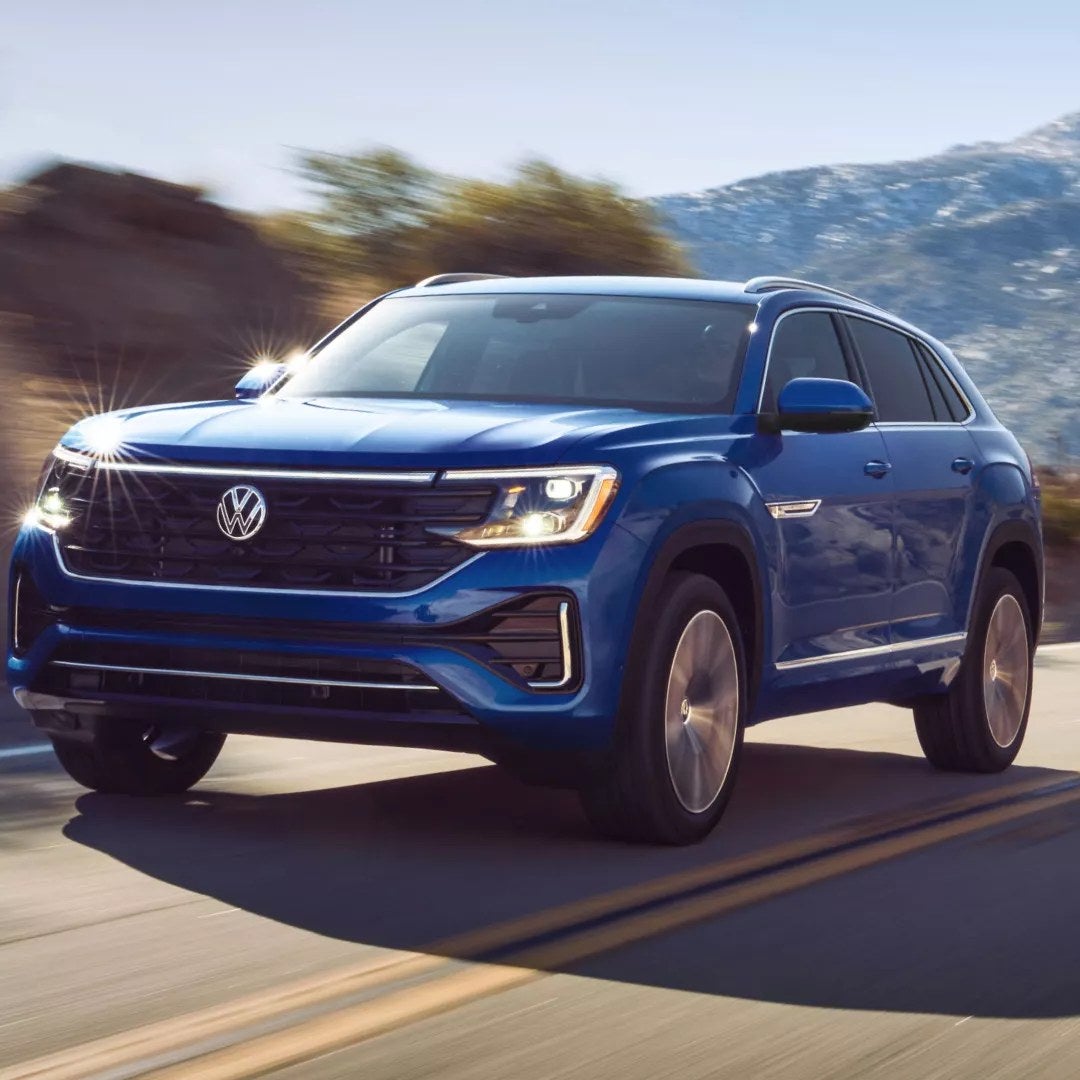
This is Volkswagen's smaller SUV. You get a higher seating position, which a lot of beginners like because it helps them see over traffic. A rear hatch makes bulkier stuff easier to load. It's also available with all-wheel drive, worth a look if winter driving on the North Shore makes you nervous.
The Tiguan is the next size up if you really need more room. For a first car, though, smaller usually wins. You can browse our new inventory to see both models side by side and narrow down which trims match your list from Step 1.
Step 3: Put driver-assistance features near the top
A newer Volkswagen really earns its place here. Many models can be equipped with Volkswagen's driver-assistance tech, and for someone short on experience, it works like a second set of eyes.
Here's what to look for on the window sticker:
- Forward collision warning with automatic emergency braking, which Volkswagen calls Front Assist
- Blind spot monitoring, a big help when merging on the highway
- Rear traffic alert for backing out of crowded lots
- Lane-keeping assist for longer drives
- Adaptive cruise control, part of IQ.DRIVE on equipped models
Standard equipment changes from one model year and trim to the next, so don't assume a feature is there. Check the specific car you're considering, and ask us to show you how each system works.
One word of caution: these systems help, but they don't drive the car. Make sure your new driver understands that the beeps and nudges are a backup, never a substitute for paying attention.
Step 4: Choose new, used or certified pre-owned
Once you know which model fits, decide how new it needs to be. There's no wrong answer, only tradeoffs.
- New: the latest safety tech, a full factory warranty and nobody else's wear and tear. It costs the most up front.
- Used: the lowest price, which matters if a first car is likely to collect a few dings. Older cars may be missing the assistance features from Step 3, so check carefully.
- Certified pre-owned: a middle ground. These cars go through an inspection and come with extra warranty coverage beyond what's left from the factory.
Plenty of parents end up choosing a certified pre-owned Volkswagen for a first car because it balances cost with peace of mind. A Jetta or Taos that's only a couple of years old often has much of the tech you'd find on a new one.
If you're handing off or trading an older family car to make this work, get a realistic value on it early. Knowing that number keeps your budget honest for the next step.
Step 5: Get a handle on insurance and running costs
People tend to forget this part until the first insurance bill shows up. Adding a new driver to a policy almost always raises the premium, and the car you choose plays a big role in how much.
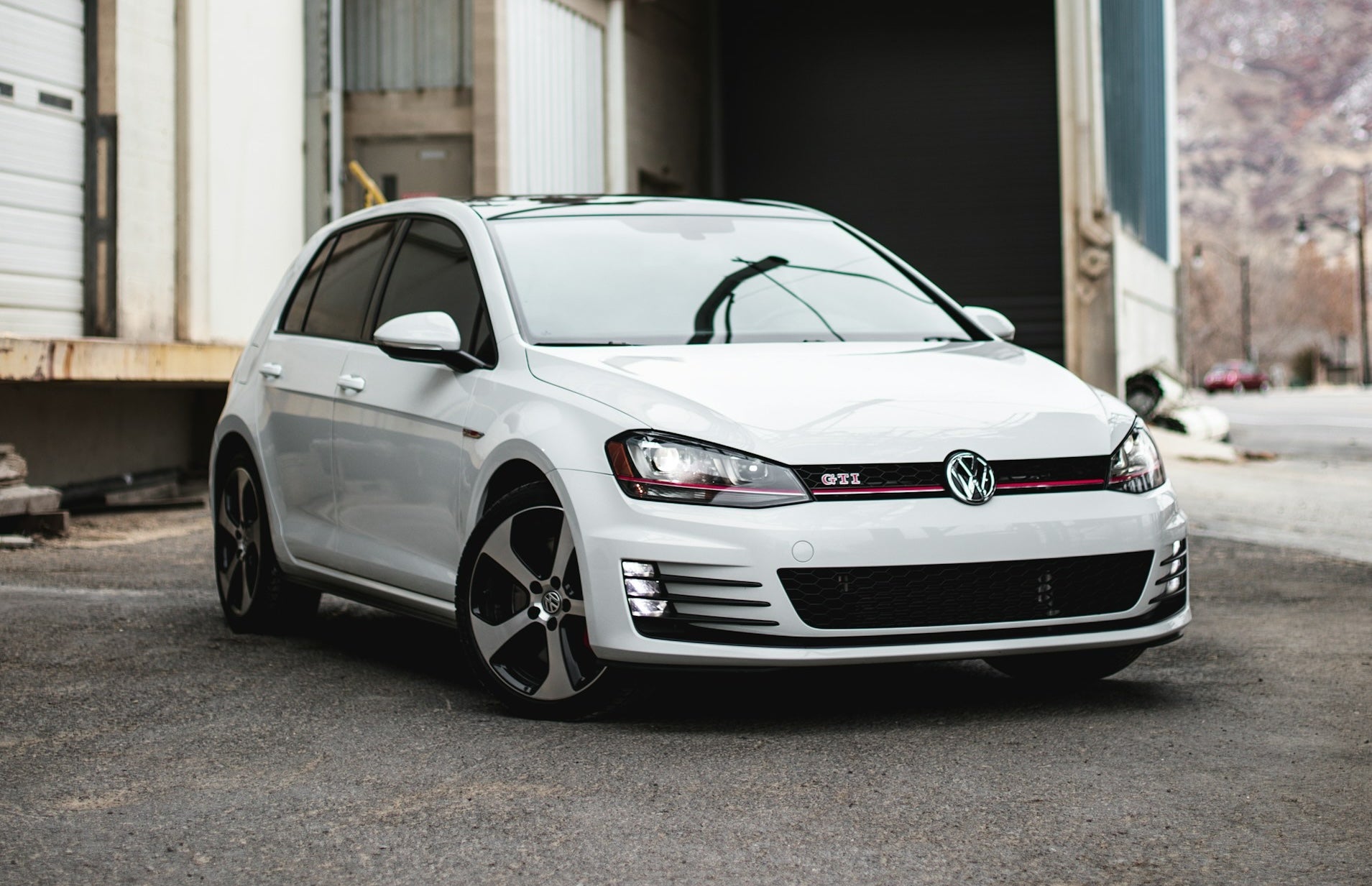
Call your insurance agent with two or three specific models before you buy. Sporty versions like the Golf GTI and Jetta GLI are a blast, but they usually cost more to insure, and they invite a heavier right foot. Save the performance models for later, once your driver has a clean record and real experience.
Think about the monthly picture too. Fuel, routine maintenance, tires and insurance add up fast, and a modest compact keeps those costs manageable. If you plan to finance, our team can walk you through your financing options and explain what a payment does and doesn't cover. Approval and terms depend on the lender and your credit, so it's smart to look at a few scenarios before you commit.
Who pays for what? Settle it now. Teens who chip in for gas or part of the insurance tend to treat the car with more care.
Step 6: Put the new driver behind the wheel
You can read about cars all day, but the right one is the car the new driver actually feels comfortable in. So bring them along, and hand them the keys.
When you book a test drive, plan a route that matches real life. Include a quiet side street, a busy stretch like Jericho Turnpike, a highway on-ramp and a parking lot. Then check:
- Can they set the seat and mirrors so they see clearly all around?
- Are the blind spots manageable when they turn their head?
- Do the controls make sense without hunting through screens?
- Do they seem calm merging and parking, or tense?
If you can, try the Jetta and the Taos back to back. Watch how they drive, not just what they say. A beginner might swear they love the bigger car while gripping the wheel the entire time.
Ask questions while you're here. Our staff can show you how the assistance alerts look and sound, so nothing catches your driver off guard later.
Step 7: Set the car up to last
A first car takes a beating, so build good habits from day one.
Maintenance
Follow the maintenance schedule in the owner's manual. Teach your new driver to watch for warning lights, check tire pressure and speak up when something sounds off. Regular oil changes and tire rotations keep the car safe, and they protect what it's worth when it's time to move up. When something's due, you can book service with us and we'll take care of it.
Parts and accessories
Smithtown Volkswagen offers Volkswagen parts, with an emphasis on maintaining vehicle value. That matters if this car will someday be traded in or handed down to a younger sibling. Our parts department also carries Volkswagen accessories, and all-weather floor mats are a smart first add for Long Island's sandy summers and slushy winters.
Ready to get started? Pull out your list from Step 1 and stop by. We'll help you work through the rest in order.
St James, NY
- Start with a compact Volkswagen like the Jetta or Taos, not a big SUV or a performance model.
- Check the actual car for driver-assistance features, because standard equipment changes by year and trim.
- Let the new driver take the test drive, and get insurance quotes before you commit.
FAQ Common questionsIs an electric Volkswagen like the ID.4 a good first car?It can be, especially if you can charge at home. It's quiet and smooth, but it's an SUV that's larger than the Taos, and the quick response off the line takes some getting used to. Have your new driver try one before deciding. Does a new driver need all-wheel drive?Not necessarily. Good winter tires and careful driving make a bigger difference than all-wheel drive for most people. If your driver has a steep driveway or will be out early on snowy mornings, it's worth considering on a Taos. Is a used Jetta a good first car?Often, yes. It's a sensible size and usually less expensive to buy than a new one. Just confirm which driver-assistance features that particular car has and look over its service history before you buy. Should our first car just be the family hand-me-down?It might be, if it's in good shape and easy to drive. Older cars tend to lack modern assistance features, though, and larger vehicles are harder for beginners to handle. Compare it honestly against what you'd get with a newer compact. |
Want to see it in person? Come by for a test drive, or browse what is on the lot right now. Or call (631) 652-9887 · 530 NY-25, St James |