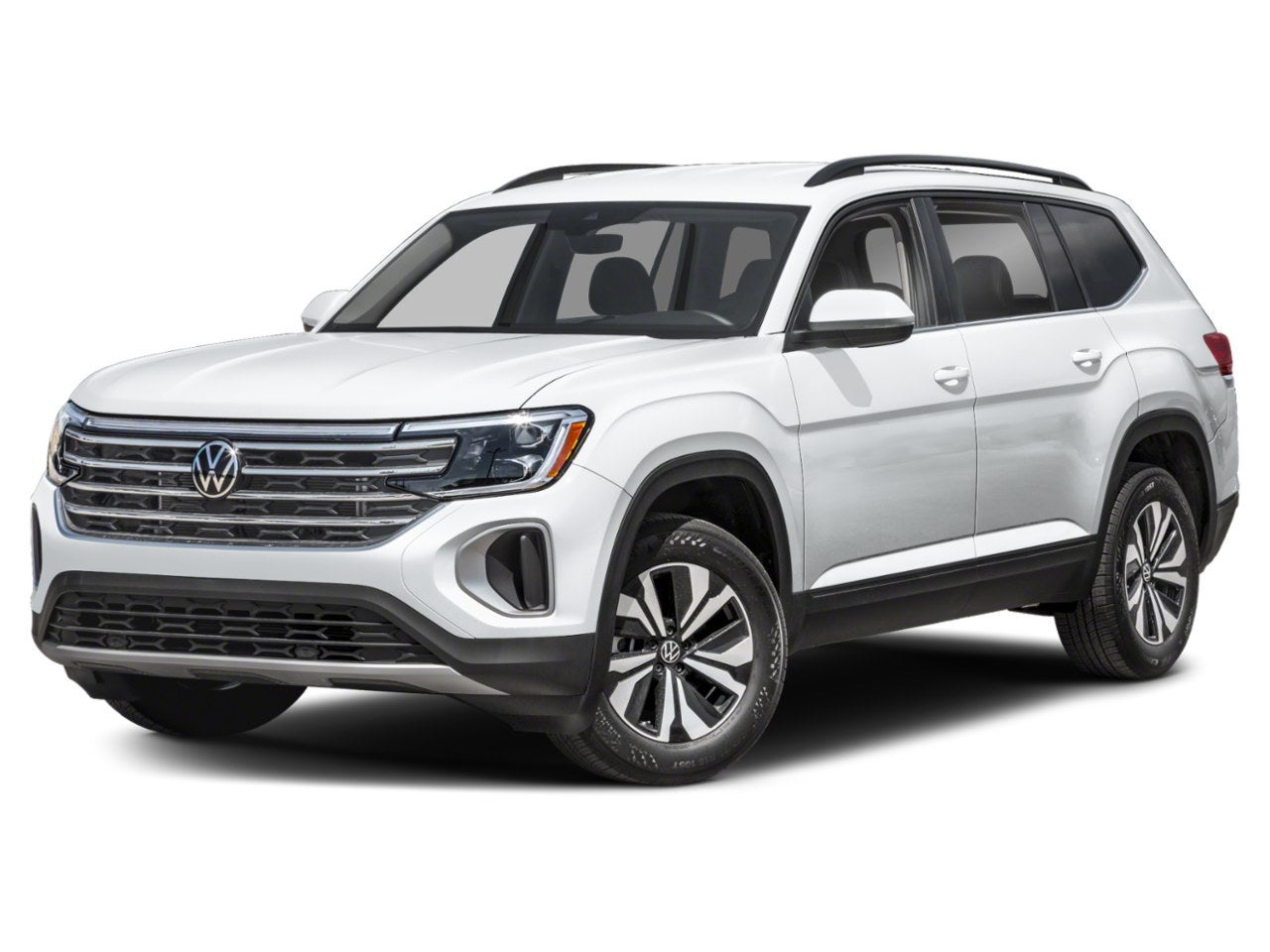

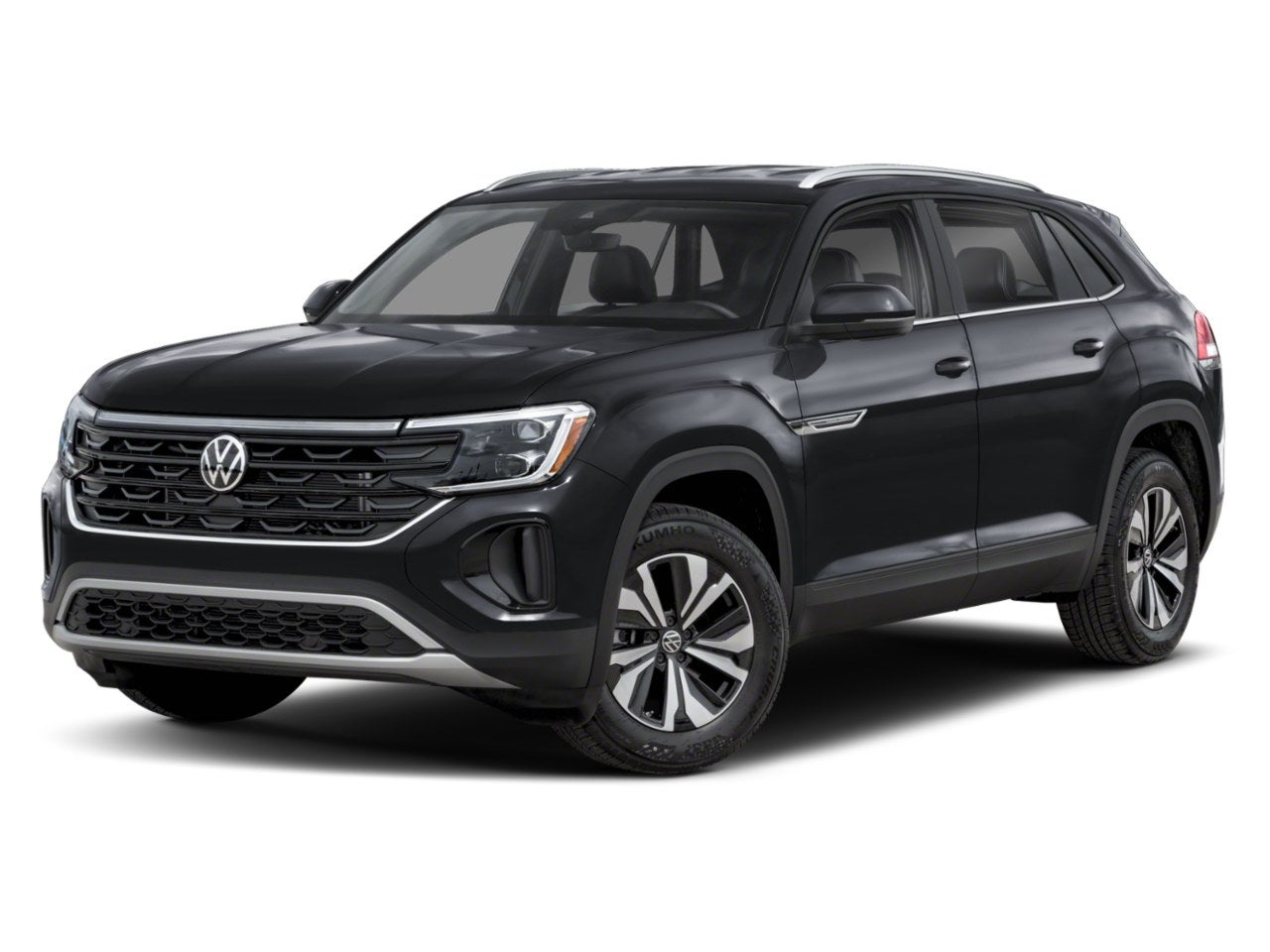
Winter on Long Island rarely means steady, fluffy powder. More often it's a nor'easter that dumps heavy, wet snow on a weekday, a hard freeze that night, and weeks of salt brine on everything you drive. At Smithtown Volkswagen in St James, we hear from a lot of Atlas Cross Sport owners each fall who want to know what to do before the first storm. This is how we'd get yours ready, from the tires up to what rides in the back.
Know What Your Drivetrain Can and Can't Do

Most 2027 Atlas Cross Sport trims send power to all four wheels. That includes the SE, SEL, SEL R-Line, SEL R-Line Black, SEL Premium R-Line and SE w/Technology (AWD). Two versions, the SE (2WD) and SE w/Technology (2WD), are front-wheel drive, so it's worth knowing which one sits in your driveway before the snow flies.
All-wheel drive helps you get moving. When one tire spins on a slick spot, power shifts to the wheels that still have grip, and that makes pulling away from a stop sign or climbing a snowy driveway much easier. What it won't do is help you brake or steer on ice. Plenty of overconfident AWD drivers find that out on the first icy off-ramp of the season.
Front-wheel drive isn't a handicap, either. With the engine sitting over the driven wheels, a front-drive Cross Sport on good tires handles most Suffolk County storms just fine. You'll feel the difference mainly on unplowed side streets or a steep driveway after a heavy snowfall.
Still deciding between the two? You can book a test drive and we'll line up both versions so you can drive them back to back and compare.
Tires Do the Heavy Lifting
Winter tires or all-seasons
All-season tires get stiff once temperatures hang around the mid-40s, and stiff rubber grips poorly. Dedicated winter tires use a softer compound and thousands of tiny slits, called sipes, that bite into snow and slush. Lots of Long Island drivers run all-seasons year-round and get by in mild winters. If you head down the Northern State at 5 a.m. or park outside, though, winter tires are the single biggest safety upgrade you can make.
A second set of wheels with winter tires already mounted makes the spring and fall swap quicker and cheaper. It also spares your regular tires and wheels a season of salt.
Tread and pressure
Check both before the first storm and then once a month:
- Push a quarter into the tread with Washington's head pointing down. If you can see the top of his head, the tread is too shallow for snow.
- Cold air drops tire pressure, often by a pound or so for every ten-degree dip, so recheck after a cold snap.
- Inflate to the number on the driver's door jamb, not the maximum printed on the sidewall.
- Check pressure in the morning, before the tires warm up from driving.
Battery, Wipers and Fluids
Cold is hard on batteries. One that cranked fine in August can quit on the first frosty morning in Head of the Harbor, and it almost never happens at a convenient time. A load test takes a few minutes and tells you whether the battery is fading before it leaves you stuck. Most batteries last somewhere around three to five years, so an older one deserves a close look.
These are the items we'd check before December:
- Battery and terminals: load test, clean off corrosion, make sure the connections are tight.
- Wiper blades: replace any that streak or chatter. Winter blades resist packing up with ice.
- Washer fluid: swap summer fluid for a formula rated for freezing temperatures. Plain summer fluid can freeze in the reservoir and lines.
- Coolant: confirm the level and mix so it protects against a deep freeze.
- Cabin air filter: a clogged one slows the defroster just when you need clear glass.
- Lights: it's dark by 4:30 in December, so check every bulb and clean hazy lenses.
You can do some of this in your own driveway. If you'd rather have it all done at once, schedule a winter service visit and our technicians will go through the list and tell you what needs attention now and what can wait.
Fighting Salt and Brine
Long Island road crews spray brine before storms and spread salt after them. That mix clings to brake lines, suspension parts and the underbody long after the roads dry. Left alone all winter, it speeds up rust in places you never see.
Outside
Wax the paint in late fall to give it a protective layer. Through the winter, aim for a car wash with an underbody rinse every couple of weeks and after every storm, ideally on a day above freezing so water doesn't lock up your doors. A light coat of silicone spray on the rubber door seals keeps them from freezing shut overnight. Mud flaps help keep slushy spray off the lower body and rocker panels too.
Inside
Salt and slush get tracked in on every boot, and the white crust works its way into the carpet. All-weather floor mats and a cargo liner catch the mess and rinse clean in a minute. We carry Volkswagen accessories through our parts department, including mats and liners shaped to fit the Atlas Cross Sport, so nothing slides around under your feet. Spring cleanup gets a lot easier when the carpet never got soaked in the first place.
Packing the Cargo Area for Winter

The Cross Sport has 40.3 cubic feet behind the rear seats and 77.6 with them folded. In practical terms, a winter kit fits easily without crowding your groceries or hockey bags, and you can still fold the seats for a ski weekend at Hunter or Windham.
This is what we'd keep back there from November through March:
- A snow brush with an ice scraper, plus a small folding shovel
- A bag of sand or cat litter for traction if you get stuck
- Jumper cables or a portable jump pack
- A warm blanket, spare gloves and a hat
- A flashlight with fresh batteries
- A phone charging cable
- Water and a few snacks that won't freeze solid
- A small jug of ice melt for your own steps or a stubborn spot
Pack it all in a lidded plastic bin so it doesn't slide around on hard turns, and keep the bin tucked against the rear seatbacks. Most days you won't touch it. When a storm leaves you sitting on the Sunken Meadow Parkway behind a jackknifed truck, though, you'll be glad you packed it.
Driving When the Snow Starts
Smooth is the whole game. Accelerate gently, brake early and steer without jerking the wheel, because sudden moves are what break traction. Double your following distance in snow, and add more in sleet or freezing rain.
Bridges and overpasses freeze before the road around them, so the Sunken Meadow Parkway overpasses and the LIE ramps can be slick even when Route 25A looks wet and harmless. If you feel the tires slip, ease off the gas rather than pressing harder. Before you pull out, clear the whole roof. A sheet of packed snow can slide onto your windshield the first time you brake, or fly off onto the car behind you on the highway.
If you get stuck
Straighten the front wheels and press the gas lightly. Hard throttle only digs you deeper. Gently rocking between drive and reverse can work you free, and that sand or litter from your kit goes right in front of the drive tires. If you're waiting it out with the engine running, clear snow away from the tailpipe first so exhaust can't build up inside the cabin. Lifting the wipers off the glass before an overnight storm also saves you from chipping them loose in the morning.
Choosing a Cross Sport Before Winter
If you're shopping now, start with how and where you drive. Commuting mostly on plowed roads like Route 347 and Jericho Turnpike works fine in a front-drive version on winter tires. A steep driveway, a back road in Nissequogue that gets plowed late, or an early shift before the trucks come through makes a stronger case for all-wheel drive.
Every Cross Sport seats five, with two rows and a big cargo area instead of a third row. In the all-wheel-drive lineup, MSRP runs from $38,300 for the SE up to $53,620 for the SEL Premium R-Line. The SEL, SEL R-Line and SEL R-Line Black fill the space between with more equipment as you move up. Think about which features matter on a dark, cold morning and let that guide your trim choice, rather than buying the top model by default.
You can browse our new Atlas Cross Sport inventory to see which trims and colors are on the lot. Setting it up for winter before you take delivery is simple: mats, a cargo liner and winter tires can be in place on the day you drive it home.
Used, Certified and Your Current Car
We sell new Volkswagens along with used and Volkswagen Certified Pre-Owned vehicles. So if a brand-new Cross Sport isn't the right fit, you've got other good paths to one before the snow arrives.
Buying any used SUV going into winter calls for a few extra checks:
- Tires: note the tread depth and age, and budget for winter tires if they're worn.
- Underbody: look for heavy rust on brake lines and suspension parts, a sign of salt that never got washed off.
- Battery: ask how old it is.
- Service history: regular maintenance tells you a lot about how the vehicle was treated.
A certified vehicle has been through Volkswagen's certification process before it reaches the lot, and many shoppers find that adds peace of mind. Take a look at our Certified Pre-Owned Volkswagens to see what's available.
If you're trading in a car that struggled last winter, we can appraise it and put its value toward your Cross Sport. We'll also walk you through financing options. Rates and approval depend on your credit and the lender, so we'll explain what you qualify for once we see the application.
St James, NY
- Tires matter more than drivetrain, so check tread and pressure and consider dedicated winter tires.
- Test the battery and swap in winter-rated washer fluid before the first cold snap, not after.
- Wash the underbody regularly to fight salt brine, and keep a basic emergency kit in the cargo area.