Blog

How Often Does Your Volkswagen Need a Check Engine Light?

How Often Does Your Volkswagen Need a Check Engine Light?
THE SHORT ANSWER
Ideally, never. Your Volkswagen's check engine light doesn't run on a schedule the way an oil change does. It comes on only when the car's onboard computer detects a fault, so any time it stays lit, something needs attention.

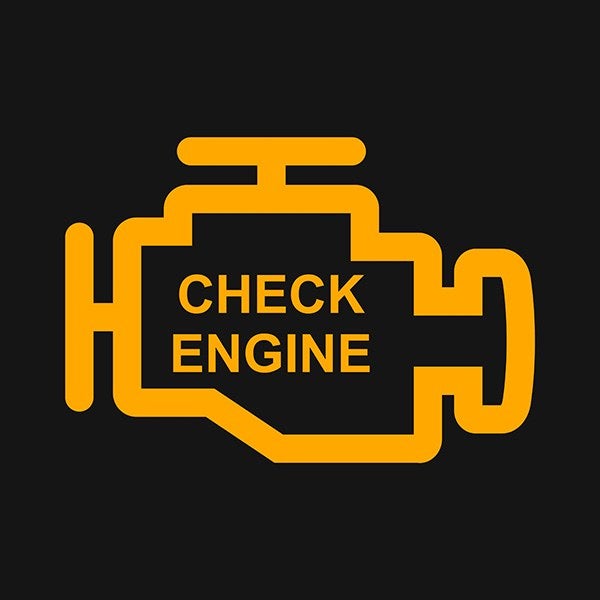
How often should your Volkswagen's check engine light come on? Ideally, it shouldn't come on at all. Here's what that amber engine symbol actually means and what to do, step by step, when you see it. It's the same approach the service team at Smithtown Volkswagen in St James walks owners through every week.

The short answer: it's not on a schedule

Your check engine light isn't a maintenance item, and it never comes due like an oil change. It's a warning from your car's onboard diagnostic system. In a healthy Volkswagen, it stays off from the moment you start the engine until you shut it down.

Here's what normal looks like. When you turn the key or press the start button, the light glows briefly as a bulb check, then goes dark once the engine is running. If it stays on, or pops on while you're driving, the computer has seen a reading outside its expected range and stored a trouble code.

So the honest answer is ideally never. Some owners go years without seeing it. Others see it once after a sloppy fill-up. If it keeps coming back, treat that as a pattern worth taking seriously, not something to get used to.

The steps below walk you through what to do, in order, from the moment it appears.

Step 1: Make sure it's the right light

Volkswagen dashboards carry several amber warnings, and mixing them up is the most common source of confusion. The check engine light is an outline of an engine, usually amber or yellow. Confirm that's what you're looking at before you worry.

Lights it often gets confused with:

  • Service reminder: a wrench symbol or a message in the instrument cluster saying an oil change or inspection is due. This one does run on a schedule.
  • EPC light: the letters EPC, short for Electronic Power Control. It points to the throttle, pedal or related electronics and often appears alongside the check engine light.
  • Glow plug indicator: a coil symbol on older TDI diesels that should go out shortly after startup.
  • Oil pressure or coolant warnings: usually red. These mean pull over safely and shut the engine off.

If you're unsure, your owner's manual shows every symbol, and many newer models explain the warning in a text message on the display. Getting this right first keeps you from treating a routine reminder like a fault, or a fault like a routine reminder.

Step 2: Check whether it's steady or flashing

How the light behaves tells you how urgent the problem is.

Steady light

A solid light means a fault has been stored, but the car generally isn't in immediate danger. You can usually keep driving normally for now. Plan to have it checked within days, not months. Small problems like a weak ignition coil or a leaking vacuum line tend to get more expensive the longer they go unfixed.

Flashing light

A blinking light is a different story. On Volkswagens and most other cars, it signals an active engine misfire severe enough to damage the catalytic converter, because unburned fuel overheats it. Ease off, avoid hard acceleration and towing, and get off the road somewhere safe. Driving any distance on a flashing light can turn a coil or spark plug fix into a much bigger repair.

If the car also feels down on power or shakes, or the EPC light comes on with it, treat it like the flashing case. Some Volkswagens limit power to protect the engine, often called limp mode. That's your cue to stop pushing it.

Step 3: Rule out the simple causes yourself

Before booking anything, check the easy causes. Most take less than a minute.

  • Gas cap. A loose, cracked or missing cap is one of the most common triggers, because the evaporative emissions system reads it as a leak. Tighten it until it clicks, and look at the rubber seal for cracks.
  • Recent fill-up. If the light came on within a day or so of refueling, the cap is the prime suspect.
  • Recent work. If the battery was disconnected or something under the hood was just serviced, a connector or hose may not be fully seated.
  • Oil level. A quick dipstick check never hurts, though low oil usually triggers its own warning.

If you find and fix a loose cap, don't expect the light to switch off right away. The system needs several drives to rerun its self-tests before it confirms the problem is gone. Give it a few days of normal driving.

If nothing obvious turns up, or the light comes back after going out, move on to the next step.

Step 4: Pay attention to how it drives

While you wait to get it looked at, take notes. What you notice behind the wheel is often more useful to a technician than the code itself.

Watch for:

  • Rough idle, stumbling, or hesitation when you accelerate
  • A drop in fuel economy you can feel at the pump
  • New smells, especially raw fuel or a rotten-egg odor from the exhaust
  • Unusual noises, smoke, or a change in how the transmission shifts
  • Whether the light shows up only when the engine is cold, only on the highway, or only after rain

Write down when it started and anything that happened right before it: a long trip, a car wash, a pothole, a tank of fuel from a different station. Patterns help pin down intermittent faults that may not show up during a short visit.

If the car drives perfectly and the light is steady, you have time. If anything on that list is getting worse, move your appointment up. Small symptoms tend to grow, and a problem caught early is usually simpler to fix.

Step 5: Get the code read, and know its limits

Your Volkswagen stores a code when the light comes on, and reading it comes next. Codes use a standard format of one letter followed by four characters. Each one points to a system or circuit, such as a misfire on a particular cylinder or an emissions sensor reading out of range.

You have options. Inexpensive plug-in scanners connect to the diagnostic port under the dash, and many auto parts stores will read codes for free.

Here's the catch: a code tells you what the computer noticed, not why it happened. An oxygen sensor code might mean a bad sensor, a wiring fault, an exhaust leak, or an engine running lean for some other reason entirely. Generic readers also tend to show only basic powertrain codes. Volkswagen-specific diagnostic tools can see manufacturer codes, freeze-frame data and readings from other control modules.

Resist the urge to clear the code and hope for the best. Clearing it also erases the stored data a technician would use, and an unfixed problem will simply turn the light back on.

Step 6: Get a proper diagnosis

A real diagnosis goes past the code to find the cause. That means checking live data, testing the suspected part, inspecting wiring and connectors, and looking up any technical service bulletins Volkswagen has issued for that issue on your model.

This is where a technician who works on Volkswagens every day earns their keep. Smithtown Volkswagen handles routine work and complex diagnostics, so the shop that does your oil changes can also chase down a stubborn intermittent fault. When you book a service appointment, share the notes from Step 4 and anything you've already tried, like tightening the gas cap.

Ask two questions before approving any work:

  • What caused the code, and how was that confirmed?
  • Is this urgent, or something I can plan for?

A good technician will explain the reasoning in plain language. It's also worth asking whether your car has any open recalls. Recall repairs are done at no charge, and occasionally one is related to the warning you're seeing.

Step 7: Repair it with the right parts

Once the cause is confirmed, the fix is often straightforward: an ignition coil, spark plugs, a sensor, a hose or a seal. The part that goes in matters as much as the diagnosis.

Volkswagen engines and emissions systems are calibrated around specific components. A cheaper aftermarket sensor might clear the code today and trip it again a few weeks later. It might also send slightly different readings that confuse the engine computer. That's how one fault turns into repeat visits.

Smithtown Volkswagen works with Volkswagen parts, with an emphasis on maintaining vehicle value. Factory components keep the car running the way it was designed, and a repair history built on genuine parts reads well when you eventually sell or trade the car. If you'd rather do the work yourself, you can still get the correct pieces through the Volkswagen parts department.

After the repair, the light should stay off. Expect the shop to clear the code and confirm the fix with a test drive. Keep the paperwork with your records.

Where
530 NY-25
St James, NY
KEY TAKEAWAYS
  • A healthy Volkswagen keeps the check engine light off except for a brief bulb check at startup.
  • A steady light means get it checked soon. A flashing light means ease off and stop driving as soon as it's safe.
  • A code only points to a system. A proper diagnosis finds the actual cause, so the light doesn't come back.
FAQ

Common questions

Can I keep driving with the check engine light on?

If the light is steady and the car drives normally, you can usually keep driving for a short time, but get it checked within days. If it's flashing, or the car is shaking or losing power, slow down and stop as soon as it's safe. Continuing to drive can damage the catalytic converter.

Will the check engine light turn off by itself?

Sometimes. If the problem was minor, like a loose gas cap, the light usually goes out on its own after several drives once the system confirms the fault is gone. If it stays on or keeps returning, the underlying problem is still there.

Does a check engine light always mean an expensive repair?

No. Many causes are simple, like a gas cap, a spark plug or a single sensor. The repair usually gets costly when a steady light is ignored for months or a flashing light is driven on, because one problem can lead to damage elsewhere.

Is the check engine light the same as the service reminder on my Volkswagen?

No. The service reminder is a wrench symbol or display message that comes up on a schedule to tell you maintenance is due. The check engine light is an engine-shaped warning that appears only when the onboard computer detects a fault.
Let us take care of it
Book online in a minute and pick a time that works for you.
Or call (631) 652-9887 · 530 NY-25, St James

Recommended Posts

Your Volkswagen Taos Test Drive Checklist

Your Volkswagen Taos Test Drive Checklist

THE SHORT ANSWER A solid Taos test drive starts before you leave home: bring your license, proof of insurance, your phone and the gear you actually haul around. Once you're there, check the seat, the tech and the cargo area before you pull out, then drive a route that looks like your real week, with stop-and-go traffic, rough pavement and a highway merge. Bring your license, your everyday stuff and a plan for where you'll drive, then give the Volkswagen Taos about 30 to 45 minutes behind the wheel. That's enough time to learn whether it fits your life, not just whether it runs nicely around the block. Here's the checklist we'd hand a friend before a test drive at Smithtown Volkswagen in St James, starting with the basics and ending with the tip most shoppers skip. $26,500 Starting MSRP 36 mpg EPA highway 65.9 cu ft Cargo, rear seats folded 2026 Volkswagen Taos, from its published specifications. IN THIS POST What should you bring to a Taos test drive? Which Taos should you actually drive? What should you check before you even start the engine? How do you test the tech without getting lost in menus? What kind of route should you drive? What should you pay attention to while you're driving? How should you try out the driver assistance features? What's different about test driving a used or Certified Pre-Owned Taos? Key takeaways What should you bring to a Taos test drive? Start with the boring stuff: your driver's license and proof of insurance. Most dealerships want to see both before the keys leave the desk, and having them in hand saves you a chunk of standing around. After that, think about the things that ride with you every day. Pack: Your phone and its charging cable, so you can pair it and see how it connects A car seat if you have kids, because buckling one in tells you more than any brochure Your usual bag, stroller, golf clubs or dog crate Sunglasses, if your commute points you into the sun It feels like overkill until you're home wondering whether the stroller really fits. A few seconds of loading beats an evening of guessing. One last step: call ahead or book a test drive online so the Taos you want is pulled up and ready. Walking in works too, but you might wait while someone shuffles cars around to free it up. A set time also means a salesperson who's expecting you and can answer questions instead of juggling three other customers. Which Taos should you actually drive? Drive the one you're likely to buy, not just whichever one is parked closest to the door. The Taos comes in different trims, and they don't all feel the same from the driver's seat. A couple of choices really change the experience. Front-wheel drive versus 4Motion all-wheel drive is the big one, and around here plenty of people lean toward all-wheel drive for snowy mornings and slushy side streets. Wheel size, seat material and whether you get the panoramic sunroof also shape how the cabin feels, how much road noise comes through and how bright it is inside. If you're torn between two trims, ask to drive both back to back. Ten minutes in each will settle debates that hours of online reading won't. Take a look at the new Taos inventory before you come in and note one or two you'd like to try. Then you aren't deciding on the spot under pressure, and you'll know going in whether you want the simpler, lower trim or the loaded one. If you're open to a pre-owned Taos, say so up front, since Smithtown Volkswagen carries new, used and Volkswagen Certified Pre-Owned vehicles. What should you check before you even start the engine? Sit in it for a few minutes while it's still parked. Think of it as the fit test, and it's where a lot of people find their deal-breaker. Get your seat and steering wheel set exactly how you like them, then look around. Can you see the corners of the hood? How big are the blind spots over your shoulder? Adjust the mirrors and check whether the roof pillars block anything at intersections. Next, climb into the back seat behind your own driving position. If your knees are jammed into the seatback, your passengers will notice too. Try the rear door openings if you're loading kids or helping an older parent in and out. Now open the rear hatch and put your stuff in. Fold the rear seats down and see how easily they go back up. Check the load height, too, since lifting heavy groceries or a cooler over a high lip gets old quickly. None of this needs a test track, and it's the part you'll live with every single day. A great drive won't make up for a seat that never feels right. How do you test the tech without getting lost in menus? Give yourself five minutes with the screens before you leave the lot, because fiddling with them while driving is no fun and not safe. Pair your phone first. Taos models offer App-Connect for Apple CarPlay and Android Auto, and on some trims it works wirelessly. Plug in or connect, then pull up your maps and music to see how quickly it connects and how easy it is to read. If there's a wireless charging pad, drop your phone on it and make sure it actually fits. The Volkswagen Digital Cockpit display behind the steering wheel can show different views, like a full map or your usual gauges. Ask the salesperson to flip through them so you know what's available. Don't skip the climate controls Some Taos trims use touch-sensitive controls instead of traditional knobs. Some people love them and others find them fussy, so try adjusting the temperature without looking down. If you can, try it with gloves on, since Long Island winters mean you'll be doing exactly that in January. Try the voice commands once, too. Ask for a destination or a phone call and see whether it understands you the first time. What kind of route should you drive? Drive the kind of roads you actually use. A quick loop around the dealership block tells you almost nothing about how the Taos handles your Tuesday commute. Around St James you've got plenty of variety close by. A good test route includes: Stop-and-go traffic, like a stretch of Route 25A or a busy shopping center lot A rough or patched road, so you can feel how the suspension soaks up bumps A highway on-ramp, whether that's Route 347 or the LIE, to test merging A tight parking spot, ideally one you have to back into Tell the salesperson what you'd like to cover before you leave. Most are happy to steer you toward a route that fits, and they know where the lumpy pavement and quick merges are. If your real life includes a steep driveway, a narrow garage or a twisty back road to your kid's school, mention it. Sometimes the best test is the trip you make every day, and you can often swing past a familiar spot without much detour. Give yourself enough time to get comfortable. The first few minutes in any new car feel strange, and your real impressions show up after that. What should you pay attention to while you're driving? Once you're moving, pay less attention to the dashboard and more to how the car behaves. Turn the radio off for at least part of the drive so you can hear what's going on. Around town Notice how smoothly it pulls away from a stop and how the brakes feel when you ease into a red light. Low-speed behavior is where you'll spend most of your time, so creeping in traffic and parking lot maneuvering should feel natural, not jerky. Check the turning radius on a U-turn or a tight parking aisle and see how the steering feels at slow speeds. At speed On the highway, pay attention to road and wind noise and whether you'd want to hold a conversation at that volume. Merge with some purpose and see whether passing feels confident or strained. Then notice how the car tracks in a straight line and whether small bumps make it feel floaty or settled. Try to focus on how it makes you feel after a while. Are your shoulders relaxed? Could you sit in that seat for an hour without fidgeting? Those gut reactions matter as much as anything you'd read in a review. How should you try out the driver assistance features? Ask for a quick demo before you leave the lot. Driver assistance features are easy to miss on a short drive, and some only switch on above certain speeds or once you activate them. Depending on the trim and model year, a Taos can include features from Volkswagen's IQ.DRIVE suite, such as adaptive cruise control, lane-keeping help and forward collision warning. Have the salesperson show you how to turn them on, how to adjust them and how to switch them off. You'll want to know all three before you're relying on them in traffic. Once you're on the highway, try the adaptive cruise and notice how it handles a car cutting in ahead. Pay attention to whether lane assist feels like a gentle nudge or more like the wheel is fighting you. Some people love these systems right away, while others need a few drives to trust them. Back at the dealership, test the rearview camera and parking sensors if the car has them. Back into a spot and see whether the alerts are helpful or just noisy. If something beeps and you don't know why, ask then and there. What's different about test driving a used or Certified Pre-Owned Taos? Everything above still applies, but now you're also checking how this particular car has been treated. Two Taos models of the same year can feel quite different depending on their history. Before you drive, ask for the vehicle history report and any service records. Then walk around it yourself: Look at the tires for even wear and decent tread Check for mismatched paint or uneven gaps between panels Test every window, lock, seat adjuster and screen function Notice any musty smells or worn spots that don't match the mileage On the road, pay close attention to braking, steering pull and any new rattles or clunks over bumps. If peace of mind is a priority, take a look at our Certified Pre-Owned Volkswagens. Those cars go through Volkswagen's inspection standards and come with added coverage, so there's less guesswork. Smithtown Volkswagen also handles Volkswagen maintenance and repair, and the service team can answer questions about what a given Taos might need down the road. Genuine Volkswagen parts help keep a car's value up over time, so ask whether any replacement work was done with them. Where 530 NY-25 St James, NY Call (631) 652-9887 KEY TAKEAWAYS Drive the exact trim and drive type you'd buy, and bring your real-life gear to test the fit. Pick a route that matches your daily driving, including a highway merge and some rough pavement. Separate the drive from the decision: take notes right away and settle on numbers on another day if you need to. FAQ Common questions How long should a Volkswagen Taos test drive take? Plan for roughly 30 to 45 minutes once you include the time spent checking the seats, cargo area and tech before you pull out. A shorter drive rarely gets you past the first few unfamiliar minutes, and that's when your real impressions start to form. Do I need an appointment to test drive a Taos? You can stop in, but booking ahead means the trim you want is ready and someone has time to walk you through it. That matters most if you're hoping to compare two trims or try both front-wheel drive and 4Motion all-wheel drive on the same visit. Can I test drive the same Taos more than once? Yes, and it's a smart move if you're on the fence. A second drive at a different time of day, especially during your usual commute hours, often answers questions the first one left open. Should I talk about financing on the same day as my test drive? You can ask questions about financing whenever you're ready, but there's no need to settle anything right after you park. Approval and terms depend on your own credit and the lender, so it's worth taking your time, comparing options and deciding once you're sure about the car itself. Want to see it in person? Come by for a test drive, or browse what is on the lot right now. Schedule a test drive Browse new inventory Or call (631) 652-9887 · 530 NY-25, St James Or keep browsing Current offers Financing Value your trade Book service Contact us Used cars

How Comfortable Is the Volkswagen Atlas for Long Trips?

How Comfortable Is the Volkswagen Atlas for Long Trips?

THE SHORT ANSWER The Volkswagen Atlas is well suited to long family trips, and its third row works best for kids and teens on multi-hour drives. Adults can ride back there for shorter stretches but are happier in the first two rows on a long haul. The right second-row seating, a few key comfort features and good upkeep make the biggest difference. Here's the tip that saves the most regret: if your third-row riders are past their early teens, start with an Atlas that has second-row captain's chairs. The walkway between them means nobody climbs over a folded seat at every rest stop. Beyond that, long-trip comfort in the Volkswagen Atlas depends on who sits where, which features you choose and what shape the vehicle is in. Below, the team at Smithtown Volkswagen in St James answers the questions we hear most. IN THIS POST What's the biggest mistake people make when judging Atlas comfort? Who should actually ride in the third row on a long drive? What makes hours on the road in an Atlas easier? What does a comfortable Atlas cost, and when should you shop? Key takeaways What's the biggest mistake people make when judging Atlas comfort? Testing it empty. A quick loop with one adult behind the wheel tells you almost nothing about how the third row feels after three hours on the Long Island Expressway with a full load. Bring the real crew instead. That means the tallest kid who'll ride in back, the car seats you actually use and a bag or two like the ones you'd pack for a weekend away. Install the car seats yourself so you know how the second row behaves with them in place. Then have someone sit in the third row longer than feels necessary. A real stint back there beats a lap around the lot. Ask about knee room, where their feet go and whether they can see out. When you book a test drive, let us know you want extra time for this so we can plan around it. Load the second row the way you would for a trip Watch how easily the back-row rider gets in and out with car seats installed Drive on the highway, not just local roads, to judge noise and ride Who should actually ride in the third row on a long drive? Kids and teens are the sweet spot. The Atlas third row is roomier than what you'll find in a lot of three-row SUVs. Adults can ride back there comfortably on shorter hops, but on a multi-hour trip, people with longer legs belong in the second row or up front. Rotating seats at rest stops helps more than you'd expect. Nobody should be stuck in the way-back for the whole drive if you can avoid it. Bench or captain's chairs? A second-row bench seats one more person and keeps carpools simple. Captain's chairs give up that seat for easier access to the back, and on trips with frequent stops, that adds up fast. Car seats change the math If you're running two car seats in the second row, check how a third-row passenger reaches their seat. Some families put the car seat behind the front passenger and leave the curb side clear for climbing through. Others find captain's chairs simply solve the problem. You can compare both setups in our new Volkswagen inventory and sit in each before deciding. What makes hours on the road in an Atlas easier? Most of it comes down to features worth checking trim by trim, plus a little planning. Climate control that reaches the back. Ask how the rear zones are controlled and whether third-row riders get their own vents. Charging for everyone. Count the USB ports by row. A dead tablet in the third row is a real problem on a long drive. Front-seat comfort. Heated and ventilated seats and power adjustment, where available, matter more at hour four than at minute ten. Driver assistance. Volkswagen's adaptive cruise and lane-keeping features, available on many Atlas models, can take some of the strain out of highway miles. Packing matters too. With the third row up, cargo room behind it is limited, so a roof box or soft carrier keeps bags off laps and out of footwells. Ride quality depends on condition as much as design. Worn tires, low pressure or an alignment that's drifted all add noise and fatigue. Before a big trip, book a service visit so we can check tires, brakes and fluids. What does a comfortable Atlas cost, and when should you shop? Comfort features usually climb with the trim level, so the real question is which ones you'd use on the road. Captain's chairs, upgraded seat materials and extra climate features tend to cost more. Price what your family needs rather than defaulting to the top trim. Used and certified options stretch the budget. Smithtown Volkswagen carries new Volkswagen, used and Volkswagen Certified Pre-Owned vehicles, so you can weigh a newer Atlas against a certified pre-owned Atlas side by side. A well-kept earlier model with the seating you want can be a smarter buy than a newer one without it. Timing Shop before you need it. If a summer road trip is the goal, start looking in spring so you have time to test-drive, compare financing and arrange a trade without rushing. Manufacturer offers change through the year, so check them as you go. Plan for upkeep, too. Maintenance on schedule protects both comfort and resale, and long-term ownership support is part of what we do here. Where 530 NY-25 St James, NY Call (631) 652-9887 KEY TAKEAWAYS Test the Atlas loaded the way you'll actually travel, not empty. Put longer-legged passengers in the first two rows on long drives and choose the second-row seating around who rides in back. Tires, alignment and routine service affect ride comfort as much as the features you pick. FAQ Common questions Can adults ride in the Atlas third row? Yes, for shorter trips most adults find it workable. On long drives, taller adults are usually happier in the second row, with kids and teens taking the back. Does the Atlas Cross Sport have a third row? No. The Cross Sport is the two-row version of the Atlas. If you need seating for more than five, look at the standard Atlas. Can I fold the third row for extra luggage? Yes. The third row folds down to open up more cargo room, and on many models it splits so you can keep one side up for a passenger while using the other side for bags. Is a used Atlas a good choice for family road trips? It can be, as long as the condition is right. Check service records, tire wear and the seating layout, and consider a Volkswagen Certified Pre-Owned model if you want added peace of mind. Can I apply for financing before I pick a specific Atlas? Yes, you can start an application ahead of time so you understand your options. Approval and terms depend on your credit and the lender, so nothing is final until the lender decides. Want to see it in person? Come by for a test drive, or browse what is on the lot right now. Schedule a test drive Check out the Atlas Today Or call (631) 652-9887 · 530 NY-25, St James Or keep browsing New inventory Current offers Financing Value your trade Book service Contact us

Does the Range of the Vw Id.4 Change Significantly with Driving in Cold Weather?

Does the Range of the Vw Id.4 Change Significantly with Driving in Cold Weather?

THE SHORT ANSWER Yes. Cold weather noticeably reduces the range of a VW ID.4, mostly because a cold battery works less efficiently and heating the cabin draws power from the same pack that drives the wheels. The drop is temporary, and a few habits, like warming the car while it's still plugged in and using heated seats, win back a good share of it. It's a January morning, the driveway is white, and the range on your ID.4 reads lower than it did when you parked last night. You're probably wondering whether that's normal and how much winter will cost you. At Smithtown Volkswagen in St James, it's a question we hear from ID.4 drivers and shoppers as soon as the temperature drops, so here's the straight answer first and then what you can do about it. IN THIS POST 1. Yes, you'll notice it, but it comes back 2. Cold slows the battery's chemistry 3. Heating the cabin is the biggest single draw 4. Short trips in the cold cost the most 5. Charging is slower when the battery is cold 6. Precondition while you're still plugged in 7. Warm yourself, not the whole cabin 8. Plan winter road trips with more cushion Key takeaways 1. Yes, you'll notice it, but it comes back Cold weather does shorten the range of a VW ID.4. On the coldest mornings, the drop is big enough that you'll see it right on the dash. That's true of every electric vehicle on the road, not something unique to Volkswagen. Here's the part that matters most: the loss is temporary. Nothing is wearing out or breaking when you drive an ID.4 through a Long Island winter. As temperatures climb back up in spring, the range you're used to returns. How much you lose depends on things you can influence. Those include how cold it is, how long your trips are, how warm you keep the cabin, and whether the car was plugged in before you left. A commuter who preconditions in the garage and drives steadily will see a much smaller dip than someone running five short errands in a car that sat outside overnight. So the honest answer is yes, range changes significantly in the cold, and it's also manageable. Here's why it happens and which habits recover most of that range. 2. Cold slows the battery's chemistry Think of the battery in your ID.4 the way you think of honey in the pantry. On a warm day it pours easily, and on a cold one it thickens and barely moves. Lithium-ion cells behave much the same way, because the chemical reactions that release energy slow down when the cells are cold. That sluggishness shows up in two ways. First, a cold battery can't deliver its stored energy as efficiently, so some of it is harder to use until the pack warms. Second, the car spends energy keeping the battery in a comfortable temperature range, and that energy comes from the same pack that moves you down the road. What it means on your dash You may see a lower range estimate when you first get in, then a steadier reading once you've been driving a while. You might also notice that regenerative braking is weaker at first, since a cold battery can't accept charge as quickly. That's normal behavior, not a fault, and it eases as the pack warms during the drive. 3. Heating the cabin is the biggest single draw In a gas car, heat is essentially free. The engine throws off far more warmth than it needs, and the heater just borrows some. An electric motor is so efficient that it makes very little waste heat, so your ID.4 has to create cabin warmth from battery power. Warming a cabin full of frigid air takes real energy, especially in the first several minutes of a drive. On a short trip, heating can account for a surprisingly large share of the energy you use. Set the climate to a toasty temperature with the fan on high, and you'll watch the estimate react. Depending on model year and trim, an ID.4 may have a heat pump. A heat pump moves heat rather than generating it from scratch, and it tends to be more efficient in moderate cold. If you're shopping, ask whether a specific vehicle has one. None of this means you should shiver. It means how you heat matters more than whether you heat, and some simple habits can keep you warm while using far less energy. 4. Short trips in the cold cost the most Picture a typical Saturday in January. You drop the kids at practice, grab coffee, stop at the hardware store, and head home. That's four short legs, and the car cools down between each one, which is about the hardest pattern there is on winter range. When you start out in a cold car, the system spends energy warming the cabin and the battery all over again. On a long highway drive, that warm-up cost gets spread across many miles. On a short hop, it's a big chunk of the whole trip, so your efficiency for that drive looks dramatically worse. A better way to run errands Group errands into one loop instead of making separate trips from home. Keep stops brief when you can, so the cabin doesn't fully cool off. Start the day with a car that warmed up while it was still plugged in. If most of your winter driving is quick local runs, you'll see a bigger drop than a long-distance commuter would. The upside is that short trips rarely need much range in the first place, so the drop matters less day to day than the number on the dash suggests. 5. Charging is slower when the battery is cold Winter affects more than range. A cold battery also accepts charge more slowly, and you'll notice it most at DC fast chargers. If you pull into one after a short drive on a frigid day, the session may start well below summer speeds and then ramp up as the pack warms. Charging overnight at home is far less affected, since the car has hours to work with and you're not waiting on it. That's one reason home charging is the winter MVP for most ID.4 owners. A few habits help on fast-charging days: Plan to fast-charge after a longer stretch of driving, when the battery has warmed, rather than right after leaving a cold driveway. Leave extra time in your schedule for charging stops on a winter road trip. Ask our service team which battery-warming features your ID.4 supports, since these can vary with software version. Once you know how your car behaves at a cold charger, planning around it becomes second nature. Most owners find the adjustment is small after the first couple of trips. 6. Precondition while you're still plugged in If you adopt just one winter habit, make it this one. Preconditioning means warming the cabin, and on many EVs the battery too, before you unplug. The heat comes from wall power instead of from the battery you're about to drive on. With the ID.4, you can typically schedule a departure time or start climate control remotely through the Volkswagen app, so the car is already warm when you walk out the door. Because it's still connected to the charger, that big initial heating job doesn't come out of your range. Make it routine Set a departure time for your weekday commute so you don't have to remember it. On weekends, start the climate from the app a bit before you head out. Pair it with a charging schedule that finishes close to when you leave, so the battery is still warm from charging instead of cold from sitting. Preconditioning works best in a garage, but it still helps if you park in the driveway with a home charger. It also makes clearing frost and snow easier, which is a welcome bonus on dark February mornings. 7. Warm yourself, not the whole cabin Heating air is inefficient. Warm air escapes every time you open a door, and it leaks through the glass for the whole drive. Heating your body directly works much better, and if your ID.4 has heated seats and a heated steering wheel, they can keep you comfortable with far less energy than the cabin heater needs. Try this on your next cold commute. Turn on the seat and wheel heat, then set the cabin temperature a few degrees cooler than usual. Most drivers find they're just as comfortable, and the range estimate holds up noticeably better. Small settings that add up Use recirculation once the windows are clear, so the system reheats cabin air instead of fresh cold air. Dress for the weather, since a real coat makes a cooler cabin feel fine. Use the defroster whenever you need it for visibility, but don't leave it blasting once the glass is clear. Tire pressure matters too. Cold air lowers tire pressure, and underinflated tires add rolling resistance that quietly eats range. Check pressures when the tires are cold, and fill them to the number on the door-jamb sticker. Our parts department also carries Volkswagen accessories like all-weather floor mats, which keep snow and slush out of the carpet all season. 8. Plan winter road trips with more cushion Daily commuting rarely calls for a change of plans in winter, but road trips are different. A drive upstate to ski or out to see family over the holidays combines cold temperatures, highway speeds and sometimes snow. All three pull range down at the same time. Give yourself more margin than you would in summer. Choose charging stops a little earlier than strictly necessary, and keep a backup charger in mind in case your first choice is busy or out of service. Pulling into a charger with a comfortable buffer beats watching the estimate tick down on a dark stretch of highway. Driving habits that help Ease off your highway speed a bit, because aerodynamic drag rises quickly as you go faster. Accelerate smoothly, since gentle starts use less energy than quick bursts. Clear snow off the roof and front of the car, because buildup adds both drag and weight. At your destination, avoid leaving the car at a very low charge for days in deep cold. Park with a healthy state of charge, and plug in if you can. That keeps the battery happier and means you won't start the trip home already behind. Where 530 NY-25 St James, NY Call (631) 652-9887 KEY TAKEAWAYS Winter range loss is real but temporary, and driving in the cold isn't harming the battery. Cabin heat and short trips from a cold start cost the most range. Precondition while plugged in, use seat and wheel heat, and keep your tires properly inflated. FAQ Common questions Does driving in cold weather damage the ID.4's battery? No. Driving in the cold reduces range temporarily, and it comes back as temperatures rise. To be kind to the battery, avoid leaving the car parked for long stretches at a very low charge in deep cold, and plug it in when you can. Should I charge my ID.4 to full in winter? For everyday driving, follow the charge limit Volkswagen recommends in your owner's manual and in the car's settings. Before a long winter trip, charging higher makes sense. Schedule it to finish close to when you leave so the battery is still warm. Why does my range estimate drop overnight in the cold? The estimate is based on your recent driving and current conditions, so a cold snap and some short, heater-heavy trips will pull it down. It often reads lower first thing in the morning and settles once the battery warms. Keep a little extra cushion in winter, and the number will climb back as the weather improves. Want to see it in person? Come by for a test drive, or browse what is on the lot right now. Schedule a test drive Browse new inventory Or call (631) 652-9887 · 530 NY-25, St James Or keep browsing Current offers Financing Value your trade Book service Contact us Used cars