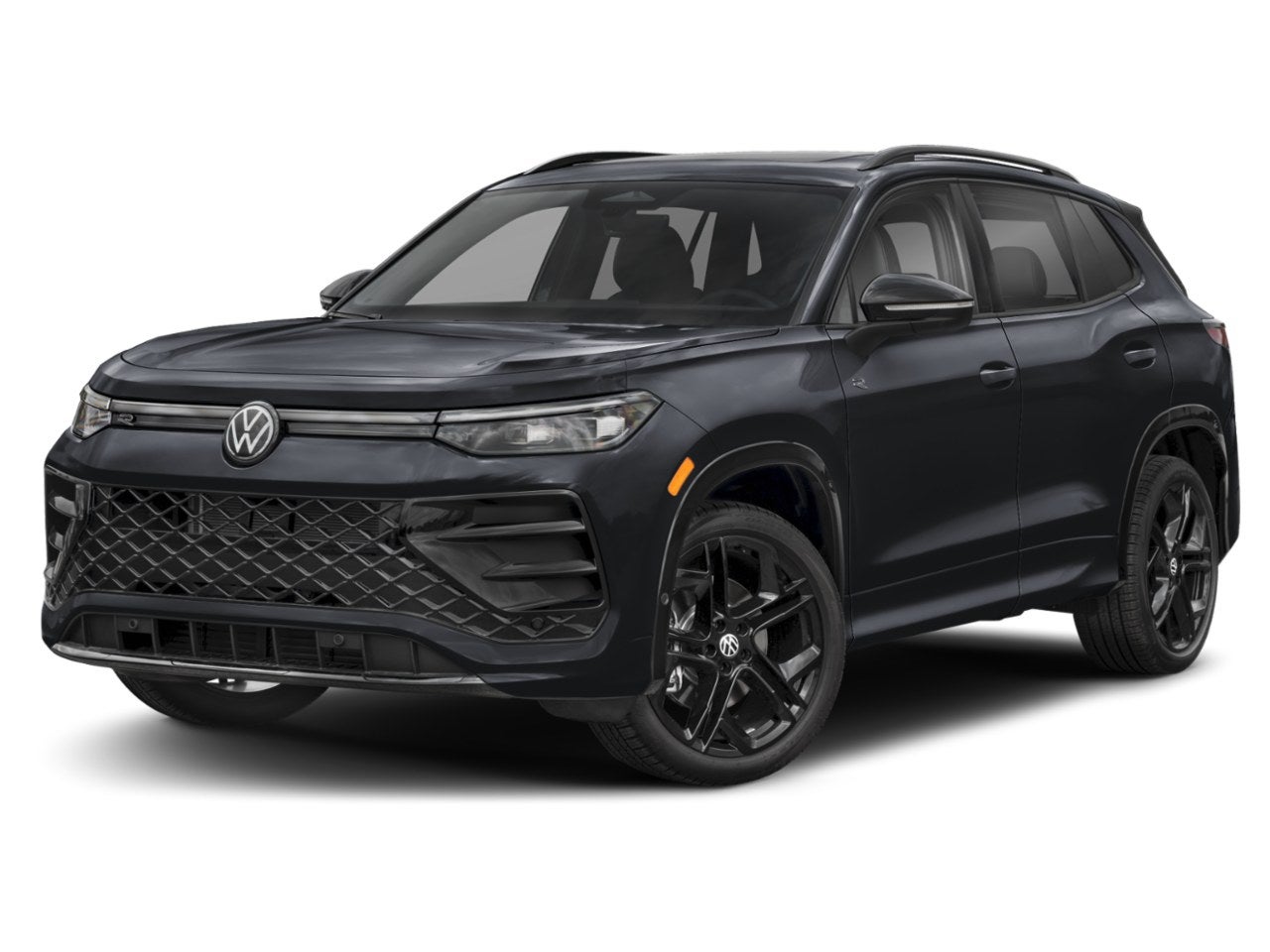

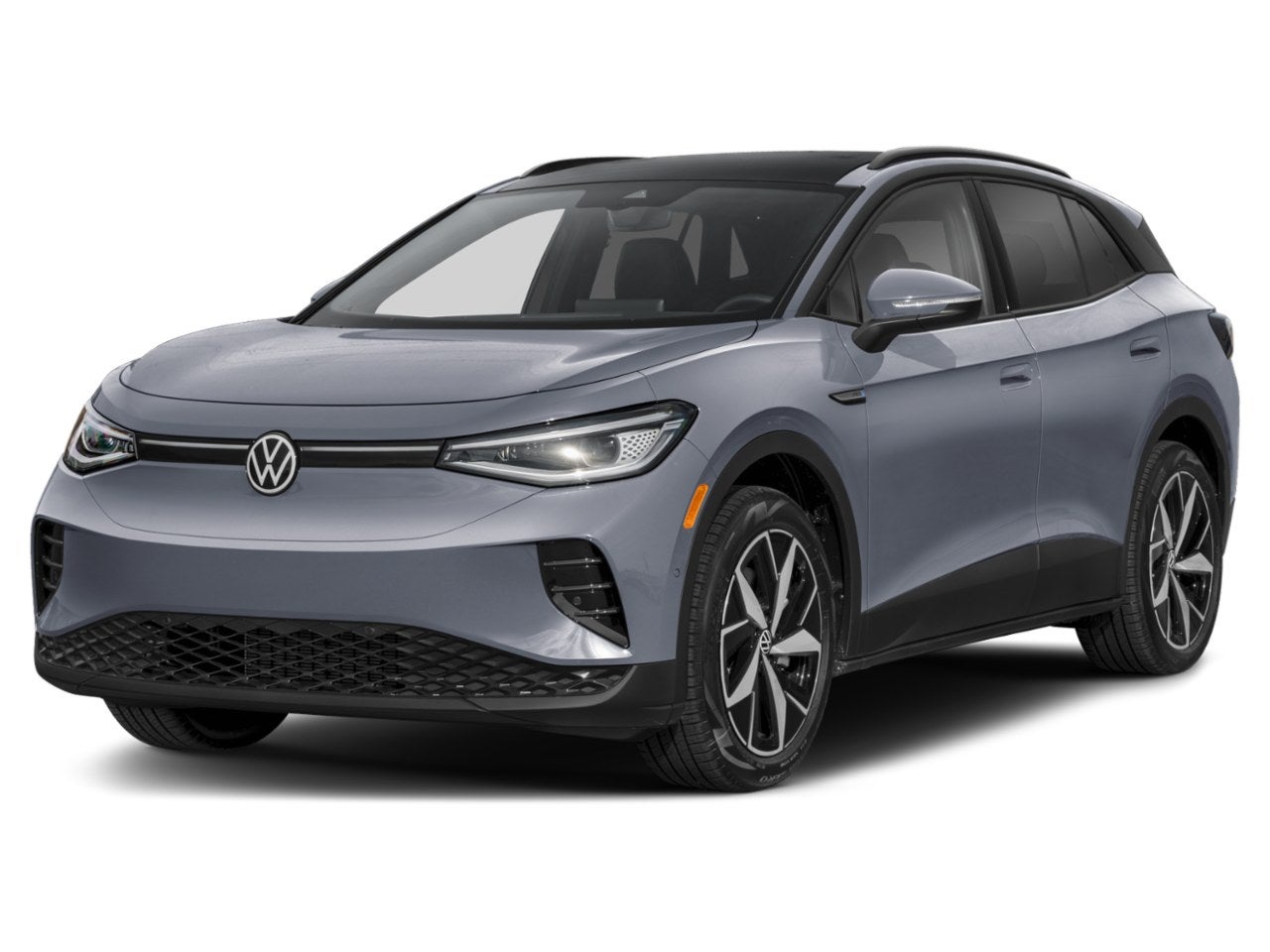
Buying an electric SUV brings a different set of cost questions than a gas model, and the sticker price is really just the starting line. At Smithtown Volkswagen in St. James, we talk through the real ownership picture with ID.4 shoppers every week, from charging habits to resale value, so you're not guessing six months in.
The Starting Price Spread

Before you think about electricity or maintenance, the sticker price sets the tone for everything else. The 2027 ID.4 lineup at Smithtown Volkswagen spreads across five trims, and the gap between the simplest and the richest version is wide enough to shape your whole budget.
- Pro (2WD): $45,095, 282 hp, front-wheel drive
- Pro (AWD): $48,995, 335 hp, all-wheel drive
- Pro S (2WD): $50,195, 282 hp, front-wheel drive
- Pro S (AWD): $54,095, 335 hp, all-wheel drive
- AWD Pro S Plus: $57,655, 335 hp, all-wheel drive
Every trim seats 5 and holds the same cargo room, 30.3 cubic feet behind the rear seats and 64.2 with them folded, so you aren't paying extra for space as you move up the list. What changes is drivetrain, power and the equipment bundled into the higher trims. Walk through new inventory with those numbers in hand and the decision gets a lot less confusing.
Charging Costs Around St. James
Figuring out what charging actually costs is probably the biggest unknown for anyone coming out of a gas car. We can't hand you a receipt, but the pattern around St. James and Smithtown is pretty consistent: charging overnight at home costs less than filling up at a station on Route 25A, and public fast chargers along the Long Island Expressway cost more than either.
Home vs. public charging
- Home charging overnight is almost always your cheapest option by a wide margin
- Public Level 2 chargers around town cost more per charge than home power
- DC fast chargers along the LIE or Sunken Meadow Parkway are the quickest but the priciest per mile
If your driving is mostly local errands, work, and school runs, you'll likely do nearly all your charging at home and rarely need a public plug at all. That habit alone tends to be the difference between an EV that feels cheap to run and one that feels expensive.
Maintenance You Won't Pay For
One of the quieter savings with an ID.4 shows up at service time. There's no oil to change, no transmission fluid, no spark plugs or exhaust system to patch up as the years go by. That doesn't mean maintenance disappears, it just shifts: tire rotations, brake fluid, cabin air filters and the occasional software update still need regular attention.
Smithtown Volkswagen handles routine work and complex diagnostics on the ID.4 right here, so you're not hunting around for a shop that understands the electric drivetrain. Regenerative braking also tends to stretch brake pad life compared to a gas SUV, since the motor handles more of the slowing down in everyday driving around town.
Skipping scheduled visits to save a little money now is how small issues turn into expensive ones later. Book service on a regular schedule, keep your records, and you'll protect both the warranty and the resale value of the SUV for years of St. James commutes.
Parts, Battery Care and Value
Battery longevity is probably the single biggest cost question buyers ask about any EV, and the honest answer is that how you charge matters almost as much as how far you drive. Keeping the battery in a moderate range for daily charging, and saving a full charge for longer trips, is the simplest habit that protects it over time.
Smithtown Volkswagen is a full Volkswagen dealership in St. James, and we stock Volkswagen parts with an emphasis on maintaining vehicle value. That matters more on an EV than people expect, since components built specifically for the ID.4's electrical system protect range and performance down the road. Off-brand parts can look cheaper upfront and cost you more later in lost efficiency.
If something does need attention, from a 12-volt battery to climate control components to the charging port itself, parts built for this drivetrain are what keep the SUV running the way it was designed to, and that shows up again later when it's time to sell or trade it in.
Insurance and Registration Realities
Insurance on an electric SUV like the ID.4 tends to run a bit higher than a comparable gas-powered crossover, mostly because repair parts and specialized labor cost more if you're ever in an accident. It's worth calling your agent for a quote on the specific trim you're considering before you sign anything, since a Pro (2WD) and an AWD Pro S Plus can land differently on your premium.
New York registration fees and sales tax apply the same way they would to any new vehicle, though it's worth asking about state or federal incentives that may apply to an electric purchase at the time you buy. Those programs change often enough that last year's rules may not match this year's, so check current eligibility rather than assume anything carries over.
None of this is a reason to pass on an EV, just something to fold into your monthly number before you fall in love with a color or a trim.
Financing an Electric Vehicle
Financing an ID.4 works the same way financing any Volkswagen does with us: term length, down payment, and your credit profile all shape the monthly payment, and a higher trim with a bigger sticker naturally means a bigger loan unless you put more down. Electric vehicles sometimes qualify for different loan terms or manufacturer incentives than gas models, so it's worth asking specifically when you sit down with our team.
Leasing is another path some ID.4 shoppers take, especially if they like the idea of moving to newer battery and software technology every few years instead of owning through a full depreciation curve. Whichever direction fits your situation, run the real numbers before you commit to a trim.
Our financing team can walk through a Pro (AWD) against a Pro S (AWD) side by side so you see exactly what the extra equipment costs you every month, not just on the window sticker, before you decide anything.
Trade-In and Resale Value
What you get back when you eventually sell or trade an ID.4 is part of the real cost of owning one. EV resale values have been less predictable than gas vehicles lately, partly because battery technology keeps improving and partly because public charging has expanded enough that older range numbers matter less to used buyers than they once did.
Staying current on maintenance, treating the battery well, and holding onto service records all help your case when it's time to sell. A well-documented ID.4 with healthy battery performance stands out in a used lot full of question marks, and buyers notice that.
When you're ready, value your trade and see where your current vehicle lands against a new ID.4 trim. That number, paired with current financing terms, often changes which trim actually fits your budget once everything is on the table.
Matching a Trim to Your Driving

All five trims share the same cabin and cargo room, so the real decision comes down to how you drive and how much power or all-wheel grip matters to you. A Pro (2WD) at 282 hp covers most daily driving around St. James, Smithtown, and the surrounding towns just fine if you're not regularly dealing with rough winter weather. Drivers who face hillier roads, snow, or just want the extra confidence of all-wheel drive tend to land on a Pro (AWD) or one of the Pro S trims instead.
The AWD Pro S Plus brings the most power and equipment in the lineup, and makes sense if you want the fullest version of what the ID.4 offers without cross-shopping another brand entirely.
The only way to really know which trim fits your commute is to drive it. Book a test drive on the trims you're comparing, run the charging and insurance numbers for each, and you'll walk into a purchase decision with the real cost picture instead of guesswork.
St James, NY
- Trim choice drives most of the cost difference, from the Pro (2WD) at $45,095 up to the AWD Pro S Plus at $57,655
- Home charging overnight and genuine Volkswagen parts both protect your long-term cost of ownership
- Insurance and resale value can shift based on trim and how well you maintain the battery and service records