Blog / St James Volkswagen Dealer

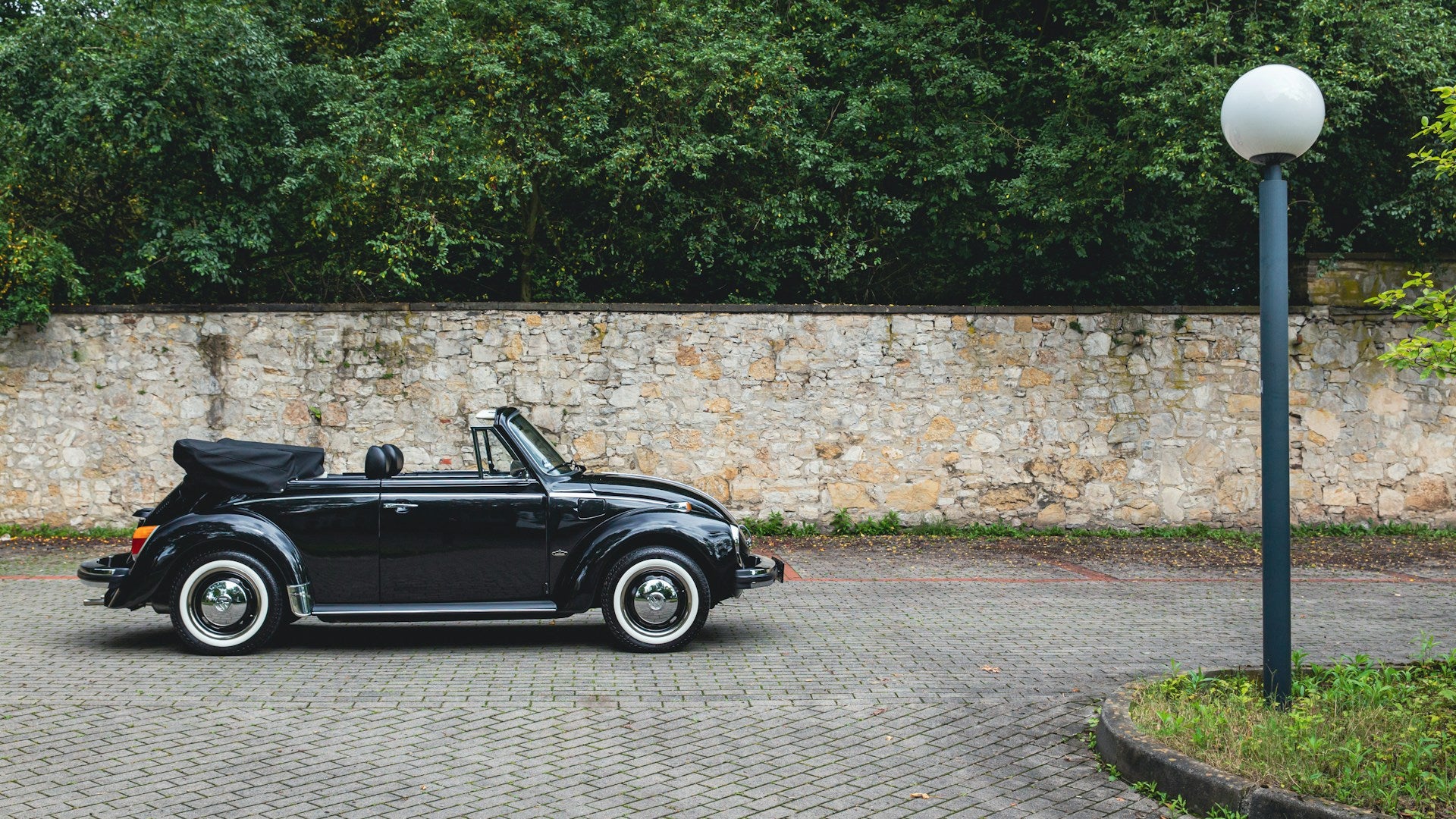
Winter Storage Tips For Your Volkswagen Convertible

volkswagen convertible

When the colder months roll into Long Island, it’s time to start thinking about how to protect your Volkswagen convertible. These cars aren’t built for snow-covered roads or icy windshields, and leaving one parked outside all winter can lead to more problems than you might expect. Road salt, gusty winds, freezing rain, and even moisture in the air can find their way into the tiny spaces that lead to trouble down the road.

Putting your convertible into winter storage the right way makes a big difference. It helps protect both how it looks and how it runs. From keeping the paint from fading to keeping the engine safe from corrosion, covering all the key steps now means you’ll spend less time and money fixing problems when spring rolls around. Whether you drive a Volkswagen T-Roc Cabriolet or an older Eos, here’s how to get your car ready for its winter break.

Preparing Your Volkswagen Convertible For Winter Storage

A clean convertible isn’t just nice to look at. It’s your first line of defense against salt, moisture, and grime. Long Island winters can be hard on cars, especially those parked near the shore, where the risk of salty air rises. Before you step away from your convertible, give it a good, deep cleaning, both inside and out.

Start with the exterior. Wash off dirt, bugs, brake dust, and debris. Don’t forget the wheel wells and undercarriage, where buildup often hides. Once clean, applying a layer of wax can help. Wax acts like a shield, keeping moisture from settling on the surface and lowering the chances of rust forming over time.

On the inside, vacuum the carpets, seats, and all the small corners where crumbs or dust can linger. Shake out or scrub the floor mats. Clean the windows and wipe down the dashboard. Take out napkins, blankets, or damp gym towels—anything that could hold moisture.

Here’s a short checklist to help:

  • Wash and dry the car completely
  • Clean the wheels and tires, including behind the spokes
  • Apply a high-quality wax
  • Vacuum and wipe all interior surfaces
  • Remove any personal items or leftover trash
  • Leave the windows slightly cracked in a garage (if dry) to reduce trapped moisture

After cleaning, make sure your Volkswagen is properly covered. A convertible-specific cover is best. These are shaped to fit snugly and often have a soft inner lining that won’t scratch the paint or trim. Avoid using a tarp or cheap plastic sheet. Those can trap moisture and do more harm than good.

Addressing Mechanical And Electrical Systems

Once your convertible looks good, it’s time to take care of the stuff under the hood. Cold temperatures can affect your car’s fluids, fuel system, and electrical components. Taking a few extra steps now can help avoid costly repairs later on.

Start with the oil. Even if you don’t plan to drive much during the fall, used oil can contain small particles and acids. Left sitting all winter, those can slowly damage engine parts. Change the oil and replace the filter. While you’re at it, check transmission fluid, brake fluid, and coolant levels, too.

Next, fill the gas tank. Leaving it half full or empty lets moisture sneak in and weaken parts of the fuel system. Fill it up and add a fuel stabilizer. That keeps the gas in good condition while sitting and makes the engine easier to start come spring.

You also need to think about the battery. If it sits unused for months, it can drain completely. You have two main options. One is to disconnect the battery, but make sure you know how to do that safely. The other is to connect it to a trickle charger. That provides a slow, steady charge to keep it in working shape.

Doing all this can help you avoid blinking lights, dead batteries, or odd startup noises after months of storage. Think of it like putting your car into hibernation—with a little extra care so it wakes up ready to drive again.

Storing Your Convertible In The Right Environment

No matter how much work you put into preparing your Volkswagen, the space you choose to store it matters a lot. On Long Island, where sudden cold snaps and salty air are common, storage conditions can really affect how well your car weathers the winter.

The best spot is somewhere warm and dry, like an indoor garage. Concrete flooring is great because it keeps ground moisture from rising. Try to avoid storage areas with open dirt floors or extra humidity. If your home garage isn’t a good fit, think about renting a unit meant for vehicle storage. Just look for one that’s secure and well-ventilated.

If you can find climate-controlled storage, that’s even better. It can help reduce the shifts in temperature that cause the materials in your convertible—like seals or interior panels—to expand and contract. That helps prevent cracking or warping.

Tires are another thing to plan for. Letting them sit in one position all winter may cause flat spots. Here are a few ways to help avoid that:

  • Use tire jacks or wheel cradles to lift the pressure off
  • Inflate the tires to their higher recommended pressure
  • Park on carpet squares or padding to soften the contact point

And remember, just because the car is out of sight doesn’t mean you should forget about it. Even in the best storage locations, things can shift with time.

Checking Your Volkswagen Convertible Periodically

Leaving your car in storage doesn’t mean you ignore it until spring rolls around. A quick check every few weeks can help you get ahead of anything that might go wrong while it’s parked.

Walk around the car and inspect for any signs of trouble like puddles underneath or scratch marks on the paint. If your storage space isn’t sealed tight, watch out for things like mouse droppings or torn insulation. Rodents sometimes chew on wires and settle into cozy places near the engine.

Touch the tires to make sure they still feel firm and check the sidewalls for any cracking or bulging. If you kept the battery connected and added a trickle charger, take a glance to ensure it's operating as expected and that the charger and battery terminals are clean.

If it's safe and you have good airflow, consider starting the engine once a month. Let it run for 10 to 15 minutes without revving too high. This gets the fluids moving and helps keep the engine parts lubricated.

Lastly, inspect the car cover. Make sure it hasn’t shifted or come loose. If it’s flapping in the breeze or collects too much dust, it could leave tiny scratches in the finish.

Staying on top of these things keeps any small problem from turning into a larger one later.

Bringing Your Convertible Out of Hibernation

As the temperatures go up and Long Island gets its first real taste of spring, your thoughts may turn to getting back behind the wheel for a warm-weather drive. But don’t rush it. After sitting all winter, your Volkswagen convertible needs a quick check before taking on the open road.

Start by removing the cover gently and inspecting the body, windows, and trim. Look for stains, water spots, or damage that may have happened during storage. Next, reconnect the battery or unplug the trickle charger and fire up the engine. Listen for anything unusual.

Check fluid levels—oil, coolant, brake fluid, washer fluid, and transmission. Top off anything that may have evaporated or dropped. Your tires are next. Check the air pressure and look at both the tread and sidewalls. If you used jacks or cradles through winter, take it off those supports safely.

Give the car a slow test drive around your local streets. This isn’t the time for high speeds. You want to get a feel for how it brakes, steers, and accelerates. Watch for odd noises, sluggish handling, or warning lights that may pop up.

Try lowering and raising the convertible top to make sure the mechanism works smoothly. Sometimes seals can stiffen a little after being unused.

If everything checks out, you’re ready for that first cruise of the season. Preparation pays off when the warmer months arrive and your convertible handles like you never skipped a beat.

Preparing your Volkswagen convertible for the winter ensures it's ready to hit the road when spring arrives. After checking all the necessary steps, why not start planning for your next adventure? Take a look at the Volkswagen new cars for sale at Smithtown Volkswagen and find a model that fits your plans for those warmer Long Island drives ahead.

Posted in:

Related Posts

Volkswagen

Questioning Certified Used Cars Near Patchogue for Daily Commutes

Certified Confidence for Your Patchogue Commute Daily commuting around Patchogue is no small thing. Sunrise Highway, Route 112, Nichols Road, all of it can mean slow traffic, tight merging, and quick lane changes. Add in rain, summer heat, and winter slush, and your car has a lot to handle every single day. When you depend on your car to get to work, the train, or school, you need something you can trust. That is why many drivers start to look at certified used in Patchogue instead of a basic used car. Certified pre-owned, or CPO, is more than a label on the windshield. It is a program backed by the manufacturer, with rules, inspections, and extra coverage. We will walk through what CPO really means, how it compares to new and regular used cars, which Volkswagen models fit daily commutes best, and how to test-drive like a pro so you feel good every time you pull onto Sunrise Highway. What Certified Pre-Owned Really Means for Long Island Drivers When you hear “certified pre-owned,” it should mean the car has been checked carefully and meets certain standards. With a manufacturer-backed program, that usually includes: Age and mileage limits A detailed multi-point inspection A review of the vehicle history Specific standards for parts and repairs For a Patchogue commuter, that matters. You are putting regular miles on your car, often at higher speeds and in heavy traffic. A CPO Volkswagen is checked before it ever reaches the lot, which can help reduce the chance of a surprise issue on your way to work. Volkswagen CPO models typically include program benefits such as: Limited warranty coverage from Volkswagen Roadside assistance for help with flat tires or jump starts A detailed inspection checklist completed by trained technicians Standards for vehicle history and condition These kinds of features are designed to give more peace of mind during early-morning drives in the dark or late-night trips home after a long day. It also helps to know the difference between the main types of used vehicles: Manufacturer-certified CPO: Backed by the automaker, with set rules and coverage. Dealership-certified: Inspected and backed only by the individual dealership, not the manufacturer. Regular used: Usually sold as-is, with no added inspection program from the manufacturer. When you pay for CPO, you are paying for that added layer of checks and support. For many Long Island commuters, that extra confidence can be worth more than picking the cheapest used car on the lot. Weighing Certified used in Patchogue Against New and Used If you are questioning certified used in Patchogue, you might be trying to decide between CPO, brand-new, or regular used. Each option has its place, but they are not the same. With a CPO car, many drivers find that: Monthly payments often land between new and traditional used You still get modern features like Bluetooth, touchscreen audio, and driver-assist tech There is usually some form of warranty help if something covered goes wrong For daily commutes from Patchogue to nearby towns or train stations, long-term costs matter. A CPO Volkswagen is often newer than a basic used car, so: Fuel efficiency can be better with more recent engines and transmissions Maintenance can be more predictable when the car’s history is known The risk of large surprise repairs may be lower due to the inspection and standards That can be especially helpful as fall rain, early sunsets, and winter road grime arrive on Long Island. You want your car to start every cold morning without drama. There is also the question of resale value and reliability. A well-maintained Volkswagen CPO vehicle from a factory-authorized dealer is likely to hold value better than many older, high-mileage used cars. If you are putting 60 to 100 or more miles on your car each week, that steady, predictable performance can take some weight off your mind. Best Volkswagen Certified Picks for Daily Commutes Some Volkswagen models are especially friendly for commuting around Patchogue and the rest of Long Island. Popular options you will often see in certified form include: Jetta: Great fuel economy, easy to park, comfortable ride for solo or couple commutes. Taos: Compact SUV size, higher seating position, helpful for seeing over traffic. Tiguan: Extra cargo room and available third-row seating on some models, good for carpools and family duty. Golf: Hatchback flexibility with a smooth, easygoing drive and smart use of space. The right fit depends on your day-to-day routine: Mostly solo highway miles? A Jetta or Golf can offer strong gas mileage and a relaxed feel. Carpooling or kids’ drop-off along Nichols Road? A Taos or Tiguan gives more passenger space. Tight parking at the train station? A smaller model like the Jetta or Golf can feel less stressful. Seasonal comfort is another key piece. When you are shopping in early fall, it is smart to think ahead: Available all-wheel drive can help with traction in wet or slushy weather. Heated seats and heated mirrors can make frosty mornings easier. Remote start, where equipped, can warm up or cool down the cabin before you get in. These features do more than feel nice. They help keep you focused and comfortable so your commute feels less tiring. How to Inspect and Test-Drive a Certified VW Like a Pro Even with a CPO program, it is still smart to look things over for yourself. When you come to see a certified Volkswagen, start with the basics: Ask for the vehicle history report and read it closely. Review the CPO inspection checklist so you know what was checked. Confirm what is covered under the Volkswagen CPO warranty and for how long. As you walk around the car, look at the tires, lights, and interior wear. This helps you see how the car was treated before it became certified. A good test drive near Smithtown or coming from Patchogue should include: Highway speeds to feel how the car accelerates, shifts, and merges. Local streets to check low-speed comfort, steering feel, and braking. Rougher or patched pavement to listen for rattles and judge cabin noise. During the drive, pay attention to how you feel in the driver’s seat. Can you see well in all directions? Are the controls simple to reach and use? Can you picture sitting there every weekday morning and afternoon? Do not be shy about asking the sales and service teams clear, direct questions, such as: What regular maintenance has already been done on this car? How much factory coverage or CPO coverage is still left? What service schedule do you recommend for a heavy commuter? Are there any upcoming services I should plan for in the next year of driving? Being open and curious helps you match the car to your real commute, not just to a quick spin around the block. Your Next Commute Starts with the Right Certified Volkswagen Choosing certified used in Patchogue comes down to trust, comfort, and how you feel every day behind the wheel. A Volkswagen CPO model can offer a helpful balance, giving you many of the benefits of a newer car, with the support of a manufacturer-backed program and the value of a used vehicle. When you are ready to get serious about your next commute car, you can explore certified pre-owned Volkswagen options, compare different models side by side, and talk with a sales consultant about features that matter for your daily drive, from driver-assist tech to cold-weather comfort. With some careful questions and a thoughtful test drive, you can head into your next season of commuting with a car that feels ready for every mile. Drive Home Value With A Certified Volkswagen Today Explore our selection of certified used in Patchogue vehicles and enjoy quality, peace of mind, and a price that fits your budget. At Smithtown Volkswagen, we carefully inspect every certified vehicle so you can shop with confidence. If you have questions about financing, availability, or trade-in options, simply contact us and we will help you take the next step.

Volkswagen

Questioning Certified Pre-Owned Deals Near Patchogue for Daily Drivers

How to Stretch Your Daily-Driver Budget This Fall A good daily driver matters when life gets busy. Commutes grow longer, school runs start again, and weekend drives around the Patchogue area become part of the routine. When you spend that much time behind the wheel, you want a car that feels safe, comfortable, and ready for whatever the day brings. Many shoppers around Patchogue hear about certified pre-owned deals and feel a mix of interest and doubt. The prices look better than new, but the term "certified" can be confusing. What is it really, and is it worth it for a car you count on every single day? As a Volkswagen dealership serving Long Island drivers, we see how Volkswagen Certified Pre-Owned vehicles can hit a sweet spot. They balance budget and peace of mind, giving you factory-backed benefits along with practical features that make sense for commuting, errands, and family life. What Certified Pre-Owned Really Means for You A regular used car is usually sold as it sits. It may have a basic inspection, but standards can vary a lot from one place to another. With Volkswagen Certified Pre-Owned, there is a clear factory-backed process before a vehicle earns that label. Key differences you can expect with Volkswagen CPO include: Age and mileage limits set by Volkswagen A detailed inspection by trained technicians Reconditioning to meet Volkswagen standards A vehicle history review These steps are designed to help protect daily drivers from common headaches. Hidden issues that might not show up on a quick test-drive can cause stress later, especially when you depend on the car in cooler, wetter weather. Having a CPO vehicle means it has been checked with your everyday use in mind. It is important to keep expectations clear. CPO does not mean "brand new." The car has been owned before and may show normal signs of use. The difference is that a CPO vehicle has been vetted more closely than typical used inventory, with a focus on safety, key systems, and overall condition. You also get more transparency into the vehicle’s past, so you are not guessing what it went through before you bought it. Are Certified Pre-Owned Deals in Patchogue Truly Worth It? When you look at certified pre-owned deals in Patchogue and nearby Long Island towns, value comes down to how you plan to use the car. For a daily driver, you are not just thinking about the sticker price. You are thinking about how the car will treat your wallet and your time over the long run. Things to weigh as you compare options: Price compared to similar non-certified used models Mileage and age of the vehicle Features that matter to you every day Remaining warranty or CPO coverage Total cost of ownership matters a lot when you are in the car every day. A Volkswagen CPO model can help with: Fuel efficiency that fits your commute Covered repairs during the CPO warranty period Predictable maintenance needs Fewer surprise issues compared to some older used cars For many shoppers like young professionals, growing families, and repeat commuters, CPO hits a nice middle ground. You avoid the higher upfront cost of a brand-new model but still get extra coverage and a closer inspection than a standard used car. That said, a new car can still make sense if you want the latest features or plan to keep it for a very long time, and a non-certified used car might fit if your budget is tight and you are comfortable with more risk. Daily-Driver Must-Haves for Long Island Roads Driving around Patchogue, up to Smithtown, or along Sunrise Highway and the Long Island Expressway brings its own set of needs. Stop-and-go traffic, changing weather, and mixed city and suburban roads all play a part. For most daily drivers in this area, these features matter a lot: Strong safety features and driver aids Good fuel economy for longer trips Comfortable seating for heavy traffic Easy-to-use tech for calls, music, and directions Many Volkswagen CPO models line up nicely with those needs. The Jetta is popular with commuters who want a compact sedan that is easy to park and economical to run. Golf models offer a hatchback layout, which helps with cargo for errands and weekend trips. Tiguan and Atlas appeal to drivers who want more space and a higher seating position. As weather shifts, traction, braking, and clear visibility start to matter even more. Features like responsive brakes, steady handling in the rain, strong defrost systems, and simple climate controls all make your everyday drives smoother. Tech that supports back-to-school routines, like smartphone integration, rearview cameras, and helpful driver-assistance systems, can turn busy mornings into something more manageable. How Smithtown Volkswagen Evaluates and Prices CPO Cars At our dealership, Volkswagen CPO vehicles go through an inspection process that follows Volkswagen standards. Factory-trained technicians look at major systems like the engine, brakes, suspension, and electrical components. If parts need to be replaced to meet those standards, they are addressed before the car is offered as CPO. We know that trust is tied to transparency. When we price a CPO vehicle, we: Look at current market conditions for similar models Review the vehicle’s mileage, age, and equipment Provide access to the vehicle’s history information Consider your trade-in to help shape the overall deal Many Long Island drivers also appreciate having options for added protection. Extended plans, service specials, and easy service scheduling can help keep maintenance on track without turning your calendar upside down. Since our service team works with Volkswagen vehicles every day, regular upkeep and repair visits feel more straightforward. Smart Shopping Steps Before You Test-Drive Before you drive in from Patchogue, it helps to do a little prep work so your visit feels focused and calm rather than rushed. Start with a short checklist: Decide on a comfortable monthly budget Separate your must-have features from nice-to-haves Think about how many miles you drive each year Compare CPO vs new vs regular used in broad terms From there, browsing inventory online is a helpful next step. Filters for mileage, model, model year, and price can narrow a big list down to a few strong choices. Once you have a shortlist, you can head in knowing which models you want to see and drive in person. During the test drive, pay attention to real-world details, not just looks: Visibility in all directions, especially in tight traffic Ride comfort over patched or rougher local roads How the transmission shifts and the brakes feel How simple the tech is to use without distraction Try to picture your normal week: commuting, grocery runs, school pickups, and maybe a weekend trip. If the car feels calm, predictable, and easy to live with in those situations, you are on the right track. Drive Home Confidently From Patchogue to Smithtown When you start questioning certified pre-owned deals in Patchogue, what you are really asking is how to balance money, safety, and everyday comfort. Volkswagen Certified Pre-Owned vehicles offer a clear, factory-backed structure that can give your daily driver a strong foundation. At Smithtown Volkswagen, we focus on pairing that structure with local experience on Long Island roads. With CPO options backed by our sales, finance, and service teams, you can choose a daily driver that fits your routine now and stays ready for what comes next. Drive Home Value With Our Certified Volkswagen Offers Explore our latest Certified pre-owned deals in Patchogue to find a VW that fits your lifestyle and budget. At Smithtown Volkswagen, we carefully inspect every certified vehicle so you can shop with confidence and clarity. If you have questions or want help comparing options, simply contact us and our team will walk you through your next steps.

CPO Volkswagen

CPO VW Test Drive Checklist in Suffolk County: Brakes, DSG, ADAS

Make Every Minute of Your VW Test Drive Count A focused 20-minute test drive is plenty of time to learn how a certified pre-owned Volkswagen really feels in your daily Suffolk County driving. With the right route and a simple checklist, you can learn a lot about the brakes, the DSG transmission, the tech features, and the driver-assistance systems before you decide to buy. Choosing certified pre-owned in Suffolk County means you are already getting extra peace of mind from Volkswagen’s inspection standards and warranty coverage. The smart move is to treat the test drive as your final safety net, where you make sure the car matches your expectations on real Long Island roads. Early fall is a great time to do this, since cooler mornings, damp pavement, and changing light let you feel how the car brakes, grips, and helps you see. On a short, realistic route from the dealership, you can focus on four big areas: brakes and ride comfort, DSG transmission behavior, infotainment and connectivity, and advanced driver-assistance systems, often called ADAS. The key is going in with a plan, not just wandering around the block. Mapping a Smart 20 Minute Suffolk County Test Route The best test route feels like a slice of your normal driving. Around Smithtown, it is easy to mix a little bit of everything so you can get a full picture quickly. Try to include: A short stretch of highway, such as a piece of the Long Island Expressway or Sunrise Highway A main road with a few traffic lights and some stop-and-go traffic Local neighborhood streets near the dealership for low-speed comfort and parking A quiet side street or open area for simple brake tests If possible, plan your visit during a time that matches your usual commute. This lets you feel how your certified pre-owned Volkswagen handles real Suffolk County traffic, with stops, slowdowns, and the quick bursts you need to merge or change lanes. Do not worry about waiting for a perfect sunny day. A little rain, damp roads, or driving at dusk can actually help you test: Wipers and washer spray Defogger performance Headlights and fog lights How well the driver-assistance sensors seem to “see” lane lines and traffic Before you set off, talk with your sales consultant about building a route that adds short “moments” for key tests. That might include an empty side street for a firmer stop, a divided road where you can safely try adaptive cruise control, and a parking lot where you can test low-speed behavior and parking aids. Brakes, Steering, and Ride Comfort on Long Island Roads Once you are rolling, look beyond color and trim and pay close attention to how the car feels. Start with braking. In a safe, low traffic area, try a few gentle stops, then one moderately firm stop, like you would make if a light turned yellow sooner than you expected. Notice: How firm or soft the pedal feels Whether the car stays straight or pulls to one side Any shaking in the steering wheel or brake pedal How smoothly the car comes to a full stop On a straight, smooth stretch, lightly loosen your grip on the wheel for a second or two and see if the car tracks straight. A slight drift can point to alignment issues. When you go over patched asphalt or a manhole cover, listen for clunks or rattles and feel for looseness in the steering. Use Suffolk County’s real road surfaces to judge ride quality. Over expansion joints and worn pavement, the car should: Absorb bumps without feeling too soft or too harsh Avoid bouncing several times after a big bump Keep the cabin mostly quiet, without squeaks or buzzes Turn the radio off for a short part of the drive and listen at 30 to 50 mph. Pay attention to wind noise around the mirrors and road noise from the tires. Also notice your seat comfort. If you are planning longer drives across the Island, a seat that feels good after 20 minutes is a good sign. Evaluating DSG Shifts and Engine Response Under Pressure Many Volkswagens use a DSG automatic transmission, which should give quick shifts with a direct feel. In light traffic, focus on how the car moves from a stop sign or red light. It should pull away smoothly, without a big hesitation or a jerky start. On a safe, open stretch, do a moderate acceleration up to highway speed, then a highway merge. Watch and listen for: How quickly the car downshifts when you press the pedal Whether the shifts feel smooth or choppy If the engine sounds smooth or strained If the car has sport mode or manual mode, try it briefly. Tap the shifter or paddles, if equipped, and see how quickly the transmission responds and how long it holds gears. You want it to listen to your inputs without feeling jumpy. Low-speed driving shows you a lot about DSG behavior. In a parking lot or slow traffic: Let the car “creep” forward with very light pedal input Ease into and out of a parking space Make a tight turn into a spot or around an island The car should ease forward in a predictable way, not lurch or hesitate as it grabs each gear. Infotainment, Connectivity, and ADAS in Real Traffic Before you leave the lot, or while you are in the passenger seat, spend a few minutes with the infotainment system. Pair your phone, open Apple CarPlay or Android Auto if available, and test common actions like: Placing a call through the car Playing your usual music or podcast app Setting a simple navigation destination Adjusting climate settings on the screen You want the screen to respond quickly and the menus to make sense without a long learning curve. On the road, test the steering wheel controls for audio volume and track changes, and note how easy it is to glance at the screen without losing focus. When you back into a space, check the back-up camera for clarity and brightness, especially if you are driving at dusk or in light rain. If the car has parking sensors or a surround-view system, make sure the alerts are clear and not so loud or vague that they become annoying. For driver-assistance features like adaptive cruise control, lane assist, blind spot monitoring, and front assist, use real Suffolk County driving. On a divided road or highway: Set adaptive cruise and notice how smoothly it follows a car ahead See how early blind spot lights or chimes warn you about nearby cars Try lane assist on a well-marked road and feel how gentle the steering help is If you see any symbols or messages you do not recognize, ask your Smithtown Volkswagen consultant to explain what they mean and how to adjust the settings so the systems feel natural instead of distracting. Turn Test Drive Insights Into a Confident VW Purchase Right after your 20-minute route, take a moment in the parking lot and jot down what you liked and what felt off. Focus on the big four areas: brakes and ride comfort, DSG smoothness, infotainment ease of use, and how confident you felt with the driver-assistance systems helping you in real traffic. If anything felt odd, bring it up with the team at Smithtown Volkswagen. They can walk through the certified inspection details, review service history, or help you understand whether what you felt is normal for that model. If you are torn between a few certified pre-owned options in Suffolk County, repeat the same route in each one so the differences in engine, trim, and mileage stand out more clearly against the same roads and traffic. Drive Home Confidence With a Volkswagen You Can Trust Explore our current certified pre-owned in Suffolk County offers and find a vehicle that fits your lifestyle and budget. At Smithtown Volkswagen, we carefully inspect every certified model so you can enjoy a like-new driving experience with added peace of mind. If you have questions about inventory, financing, or trade-ins, simply contact us and our team will walk you through your options.