


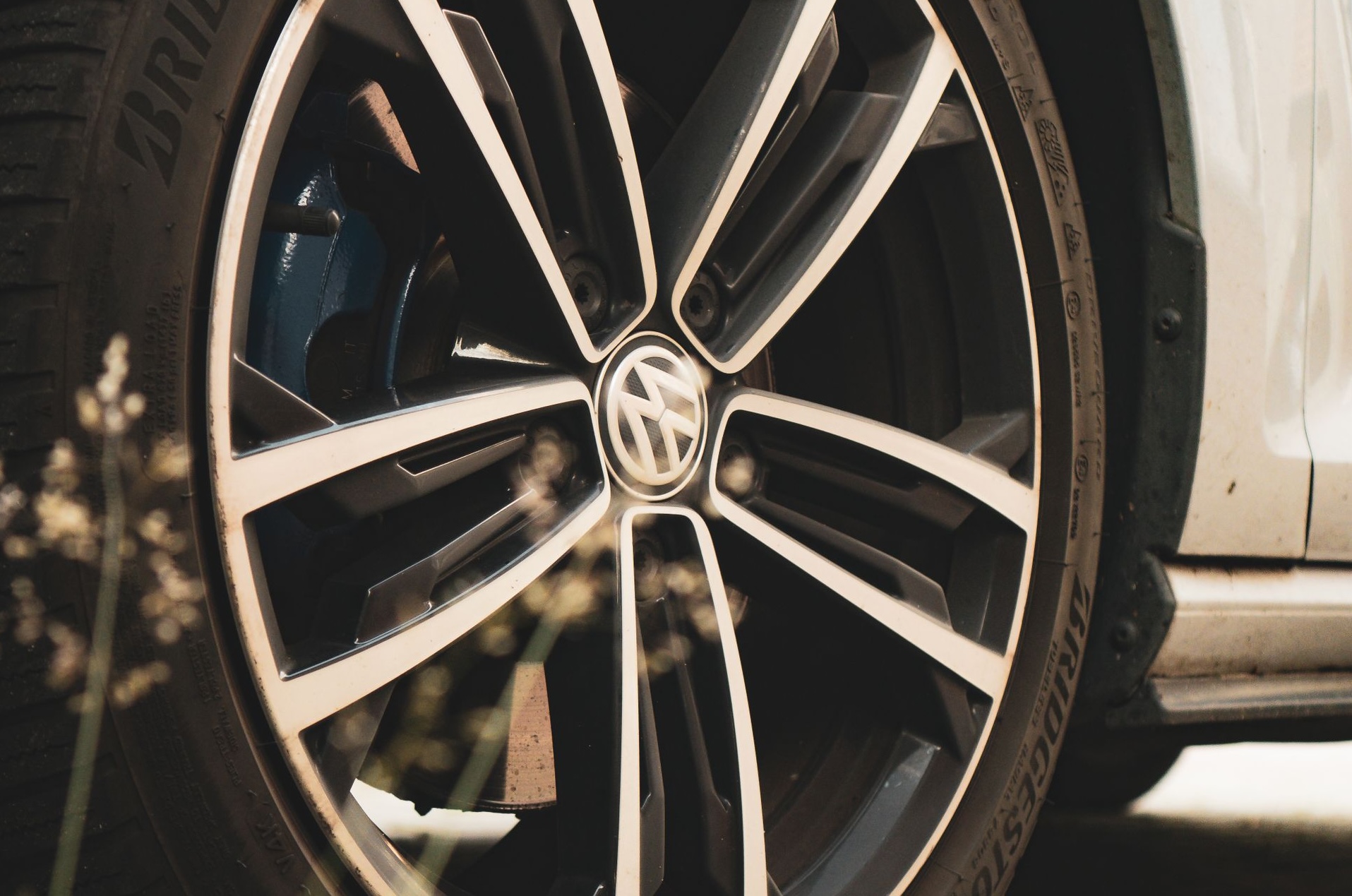
Protect Your VW Tires After Smithtown Pothole Hits
Hitting a pothole around Smithtown or on the Long Island Expressway can go from annoying to serious in a second. Even a quick bump can damage your Volkswagen tires, wheels, or suspension and put your safety at risk. Knowing what to look for right after an impact can keep a small problem from turning into a big repair.
Late summer and early fall here often mean road construction, sudden storms, and standing water that hides deep potholes. Modern Volkswagen models use more low-profile tires and lighter alloy wheels, which can be more sensitive to sharp hits, even at neighborhood speeds. In this guide, we will walk through how to spot tire sidewall damage, bent wheels, and alignment issues, and when it makes sense to repair or replace, so you can keep your VW driving smooth and safe with professional tire service in Smithtown.
Spotting Pothole Damage on Your Volkswagen Tires
After any strong hit, your first stop should be a quick walk around your VW in a safe spot. Start with the tire sidewalls, since that is often where potholes do the most damage.
Watch for clear warning signs like:
- Bulges or bubbles in the sidewall
- Deep cuts or slices in the rubber
- Cracks, chunks missing, or visible cords or fabric
- A tire that looks flatter or “squished” compared to the others
Any change in the shape of the sidewall is a red flag. A bubble means the internal structure of the tire has been hurt. Sidewall damage usually cannot be repaired safely, so it often points directly to replacement.
You might not always see damage right away, so pay attention to how your VW feels on the road. After a pothole impact, notice if you have:
- New vibrations in the steering wheel or seat at certain speeds
- The car pulling to one side, even on a straight road
- A humming, thumping, or rubbing sound you did not hear before
- A tire pressure warning light that comes on not long after the hit
These are signs there might be hidden harm, like internal belt separation, weakened sidewalls, or a slow air leak. The tire might look fine from the outside but still be unsafe. Having our service team at a professional Volkswagen tire service center in Smithtown inspect the tire, wheel, and valve area can give you peace of mind before you head back onto busy Long Island roads.
Bent Wheels, Misalignment, and Suspension Concerns
Potholes do not just hurt tires; they can also bend or crack your wheels. This is especially true on newer VW models with larger wheels and lower-profile tires, since there is less sidewall to absorb a hard impact.
Wheel damage can show up as:
- A visible flat spot or bend on the rim edge
- Scrapes or gouges right where the tire meets the wheel
- A slow air leak, even if the tire itself looks fine
- Trouble keeping that tire at the correct pressure
In some cases, the wheel can even crack, which is a serious safety concern. Driving on a bent or cracked wheel can damage the tire over time and affect how your VW handles.
A hard pothole hit can also knock your alignment out of spec or affect suspension parts. Signs that your alignment or suspension may need attention include:
- A steering wheel that is off-center while driving straight
- The car drifting or pulling, even after you correct it
- Uneven tire wear, with one edge wearing faster
- A loose, shaky, or harsh feeling over bumps
Certified technicians use specialized equipment made to work with Volkswagen specifications. With the right tools, they can check wheel balance, alignment angles, and wheel integrity. Catching problems early helps protect your tires from uneven wear, keeps your ride smooth, and helps your VW steering and safety systems work as designed.
Repair or Replace After Pothole Damage
Once you know there is damage, the big question is whether the tire can be repaired or must be replaced. Professional repair is sometimes possible, but only when the damage is in the tread area and meets strict safety rules.
Tire repair may be an option when:
- The puncture is small and in the center tread area only
- The hole is away from the shoulder and sidewall
- The tire has not been driven flat for a long distance
- There is no visible or suspected internal damage
In a proper repair, technicians remove the tire from the wheel, inspect the inside, and use a plug-patch from the inside out. This is very different from a basic plug that is pushed in from the outside, which is not recommended.
Replacement is usually the only safe choice when you see:
- Sidewall bubbles, bulges, or deep cuts
- Exposed cords, fabric, or steel
- Damage close to or wrapping around the shoulder
- A tire that has been run very low or flat after the hit
Driving on a compromised tire can lead to a blowout without much warning, especially at highway speeds. That risk is not worth it for daily commuting or family trips.
When replacing, it is important to think about:
- Matching tire type and size on the same axle
- Keeping tread depth similar side to side for even grip
- How different tires can affect all-wheel drive behavior
- How uneven tires might impact driver-assistance systems that rely on stable traction
Our team at a Volkswagen tire service center in Smithtown can help you weigh safety, performance, and long-term tire life so you make a choice that feels smart and safe.
Seasonal Tire Checks for Long Island Roads
Late summer into fall is a smart time to give your Volkswagen a full tire and wheel check. Roads can get slick from sudden showers or wet leaves, and holiday travel tends to mean longer drives on busy parkways.
A seasonal tire check typically looks at:
- Tread depth, to see if your tires can still grip in wet conditions
- Air pressure, adjusted for temperature swings
- Tire rotation needs, to even out wear
- Signs of past pothole hits, like odd wear patterns or minor bends
Good tread and proper air pressure help your tires absorb smaller potholes better and reduce the risk of a blowout. Rotating your tires at regular service visits spreads out the stress and helps them wear more evenly.
Driving on Long Island often means a mix of parkways, stop-and-go traffic, and local roads that can get rough. Regular Volkswagen tire service in Smithtown lets technicians spot early issues that match what local drivers deal with every day, from repeated pothole hits to curb bumps and crowded parking lots. Keeping up with these checks helps your VW stay steady, quiet, and ready for the next surprise in the road.
Keep Your Volkswagen Riding Safely and Smoothly
Protect your handling, comfort, and braking performance with expert Volkswagen tire service in Smithtown from Smithtown Volkswagen. Our factory-trained technicians will inspect, rotate, repair, or replace your tires to match your driving needs and budget. Schedule your visit today or contact us with any questions about tire options, current offers, or appointment availability.
Connect with us


