


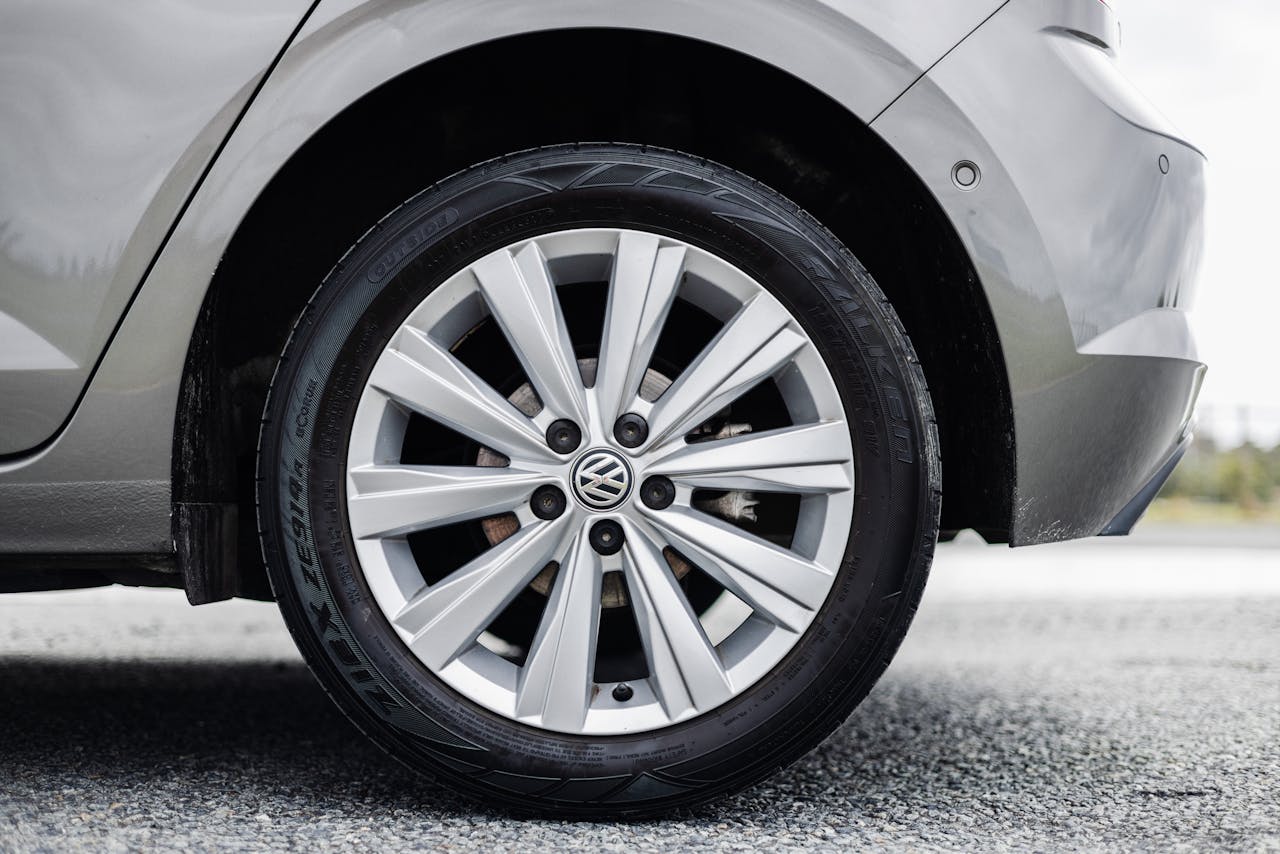
Tire performance is something many drivers take for granted, yet it plays a big role in ensuring safety and comfort on the road. Weather changes can significantly affect how your Volkswagen tires behave. They influence everything from your car’s grip on the road to its fuel efficiency. So, whether you’re driving through sweltering heat or heavy rain, it’s important to understand these changes, especially if you live on Long Island, where weather conditions can be quite diverse throughout the year.
Have you ever noticed your car handling differently depending on the weather? It’s not just your imagination. Tires react to temperature and weather variations in several ways. Knowing how weather affects tire performance helps you keep your Volkswagen running smoothly and safely, rain or shine.
Effects of Hot Weather on Volkswagen Tire Performance
When the summer sun heats up, so do your tires. High temperatures can increase the pressure inside your tires, sometimes beyond safe levels. This can reduce traction, making it harder for your vehicle to grip the road effectively. There’s also a risk of blowouts, which nobody wants to experience while driving.
To keep your tires in top shape during hot weather, think about these tips:
1. Regularly check your tire pressure. As the temperature rises, so does the pressure inside your tires. It’s good to make sure it stays within the recommended range.
2. Inspect your tires for any signs of wear or damage. Heat can exacerbate existing issues, increasing the risk of blowouts.
3. Ensure your tires are properly aligned. Misaligned tires can cause uneven wear, which is worsened by hot pavement.
By understanding and addressing these factors, you ensure that your Volkswagen performs at its best during those scorching summer days.
Impact of Rain and Wet Conditions
Rainy days bring a different set of challenges. Wet roads can decrease tire grip, increasing stopping distances and making it more difficult to control your vehicle. The risk of slipping, or hydroplaning, when there’s standing water, is a concern as well.
To drive safely in the rain, consider the following:
- Keep your tires at the proper tread depth. Tires with deeper treads can channel water more efficiently, improving grip in wet conditions.
- Drive slower and give yourself plenty of room to stop. Wet roads mean less friction, and it takes longer for brakes to bring your car to a halt.
- Avoid sudden turns or harsh braking. Gentle actions help maintain control and prevent skidding.
By keeping these points in mind, you can navigate the roads safely, even during Long Island’s occasional downpours. Your Volkswagen’s tires are more than just rubber; they’re key to safe driving in any weather.
Winter Weather and Tire Challenges
As temperatures drop, your Volkswagen tires face unique challenges. Cold weather can decrease tire pressure, affecting how your car handles and its fuel efficiency. Lower pressure means less grip, increasing the risk of sliding on icy roads. Winter conditions demand tires that can perform under such tough scenarios.
Consider these points to make sure your tires are winter-ready:
- Switch to winter tires or consider using all-season tires for better traction. Winter tires are specially made to handle snow and ice, giving you more control on slippery roads.
- Check tire pressure frequently. Cold air contracts, which can lower tire pressure as the mercury drops.
- Inspect your tires for cracks or debris. Cold weather can worsen existing damage, so it’s good to keep an eye on any issues before they become bigger problems.
If you’ve ever driven on a snowy day and felt your car struggle to grip, you’ll know why it’s worth preparing your Volkswagen for winter. A little preparation goes a long way in making winter driving safer.
Seasonal Tire Maintenance Tips
Keeping your Volkswagen’s tires in top shape all year round involves regular maintenance that adapts to each season. A seasonal checklist helps ensure your safety and the longevity of your tires. Here’s a simple guide to help you out:
1. Conduct visual checks every few weeks. Look for uneven wear and tire damage.
2. Rotate your tires every 5,000 to 7,000 miles. Regular rotations promote even wear and extend tire life.
3. Align your wheels at least once a year or whenever you notice your car pulling to one side.
Quality tires are essential for optimal performance. Investing in well-made tires now can save you from potential mishaps later. If you’re shopping for tires or require advice, remember to explore local options.
Drive with Confidence Year-Round
Knowing how weather conditions impact your Volkswagen’s tires is the first step in ensuring a smoother ride. By paying attention to how different seasons affect your tires, you protect what’s important: your safety and peace of mind. Regular maintenance keeps your vehicle running optimally, whether you’re facing a summer heatwave or winter’s chill.
Enhancing your tire care routine gives you the edge in road safety and vehicle efficiency. Keep an eye on tire conditions and adjust as the seasons change. Staying proactive with your tire maintenance not only means fewer worries but also a more enjoyable driving experience.
For Volkswagen drivers on Long Island looking to enhance tire performance regardless of the weather, it is important to consider quality options. Explore Volkswagen tires for sale on Long Island to find the right set for your needs. Smithtown Volkswagen offers a range of tire services and products that ensure your car is road-ready all year long. Whether you are navigating icy roads or scorching asphalt, having the best tires makes all the difference.
Connect with us


