


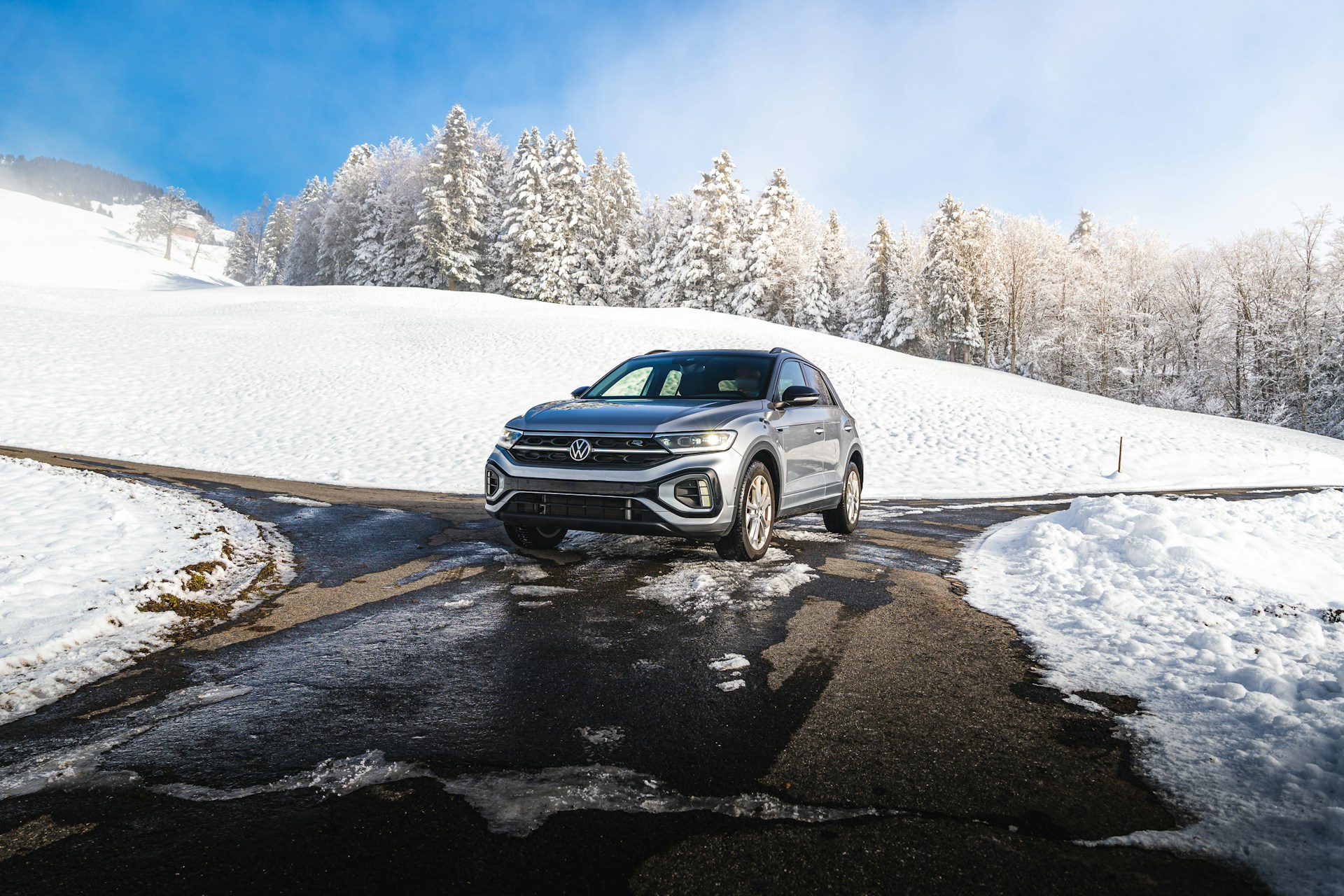
When temperatures drop on Long Island, your Volkswagen may not always cooperate the way it does in warmer months. Winter can put added stress on many parts of your vehicle, especially the systems involved in starting it up. A reliable ignition isn’t just a convenience, it’s a necessity when you’re counting on getting to work, picking up the kids, or just heading out for errands on a cold morning.
If your car has ever struggled to start on a freezing day, you’re not alone. Common winter starting issues in Volkswagens range from slowing batteries to frozen fuel lines. Understanding why these problems happen and how to prevent them is a big part of smart Volkswagen maintenance on Long Island. Staying ahead of these issues can save you time and frustration when winter hits its peak.
Battery Performance Drops
Cold weather affects batteries more than most drivers realize. As the temperature goes down, so does the battery’s ability to provide power. The chemical reactions inside a car battery slow in lower temperatures, making it harder for your engine to turn over. This is especially noticeable on those early December mornings when your car suddenly needs extra effort to start.
One of the first signs your battery is struggling might be a slower cranking sound when you turn the key or push the button. Your headlights or interior lights could also look dimmer than usual. If the battery is truly on its way out, you may hear clicking or get nothing at all when trying to start up.
To keep your battery in working order:
- Check the battery terminals for corrosion and keep them clean
- Ask about having the battery tested before winter fully sets in
- Park in a garage to reduce exposure to cold air if possible
- Make sure your headlights and interior lights are turned off completely at night
- Don’t ignore slow starts, they tend to get worse over time
A quick example: We once had a local driver who brushed off sluggish starts in early December. By mid-month, her car stopped starting altogether during a cold snap, and it turned out her battery was nearly dead. A simple check before the season would’ve saved her a tow and a frustrating morning.
Thickened Engine Oil
Oil helps protect your engine by lubricating moving parts. But when outside temperatures dip, oil naturally thickens and doesn’t flow as easily. Thick oil makes it harder for the engine to turn over, putting added strain on your battery and starter. In colder climates like Long Island in December, this can quickly turn a routine start into a time-consuming hassle.
Using the wrong oil grade for winter can make this worse. Heavier oils move slowly in low temperatures and don’t provide good protection until they warm up. That’s why it’s important to follow your owner’s manual and seasonal service recommendations so you’re using oil that suits local conditions.
Regular oil changes are more than basic upkeep, they’re a way to help your vehicle start reliably regardless of the weather. Fresh oil flows better, even as the mercury drops. If you’re not sure when your last change was or what oil you currently have, it might be time to check before the deep winter frost arrives.
Frozen Fuel Lines
When temperatures on Long Island dip below freezing, moisture in your vehicle’s fuel system can cause trouble. Water vapor can settle in the fuel lines, and once it freezes, it blocks the normal flow of fuel from the tank to the engine. This makes it either very tough or completely impossible to start your Volkswagen until the lines thaw.
Preventing frozen fuel lines isn’t complicated, but it’s worth paying attention to, especially once December rolls in. Keeping your gas tank at least half full minimizes the space where condensation can form. Moisture gets in more easily when the tank is low, especially if the car sits for a few days without being driven.
Here are a few steps to help reduce the risk of frozen fuel lines:
- Try not to let your tank drop below the halfway mark in cold weather
- Store your vehicle in a garage or sheltered area whenever possible
- Get a fuel system check as part of your winter service routine
- If starting becomes difficult after a cold night, avoid repeated cranks. It can drain the battery fast. Call for professional service instead
A local Highland resident told us about her Jetta failing to start on a frosty morning, even though the battery was fine. Turns out, frozen fuel lines were the culprit. Had she topped off her gas tank the night before, it likely wouldn’t have happened. Simple habits like that can make a big difference during our coldest weeks.
Worn-Out Spark Plugs Slow Ignition
Spark plugs play a big role each time you start your car. Their job is to ignite the fuel-air mixture inside the engine. When they’re old or worn, it takes longer for the engine to turn over, especially when it’s cold outside. Winter makes it even harder because the engine oil is thicker and the battery is already working overtime.
If you’re dealing with sluggish starts, poor fuel efficiency, or occasional misfires, your spark plugs might be past their prime. Cold mornings only make these symptoms worse. Plus, an uneven idle or slower acceleration after the engine finally starts could also point to fading spark plugs.
That’s why spark plug inspections matter. In colder months, spark strength is critical for getting you up and running quickly. If a plug is fouled, cracked, or just old, replacing it can help your engine fire up more reliably in the morning. It’s a small detail that can make your winter driving experience smoother and less stressful.
Drivers across Long Island often overlook spark plug replacement as part of regular Volkswagen maintenance. But during the winter, that mistake can come back to bite. Having spark plugs checked and swapped out when needed helps avoid no-start situations on those icy mornings when you really need to get moving.
Taking Action Before the Cold Sets In
By the time December rolls around on Long Island, it’s no longer about preparing for cold weather. It’s about staying ahead of the things that force your Volkswagen to work harder. Low battery performance, heavy oil, frozen fuel lines, and weak spark plugs are a few of the biggest culprits behind slow starts or no starts altogether.
Routine winter maintenance isn’t just about long-term performance. It’s also about day-to-day convenience. You don’t want to deal with a dead battery or fuel issue when you’re trying to leave early for work. Taking the time to address these common winter issues now can mean the difference between a peaceful drive and a call for roadside help.
Whether you drive a Tiguan, Golf, Jetta, or Atlas, keeping winter conditions in mind with each maintenance step can extend your vehicle’s lifespan and improve your cold-weather driving experience. Regular checkups, timely part replacements, and smart fueling habits work together to give your Volkswagen a better shot at a smooth start every morning.
If your car hesitates at the spark of the key this winter, it’s probably time for a check-in. Getting ahead of the season’s wear and tear helps reduce surprises and keeps your day moving without delay.
Prepare your Volkswagen for winter on Long Island by taking steps to keep your vehicle in top condition. Ensuring your car is ready for the cold months can prevent many of the common starting issues discussed. For expert help and peace of mind during the winter season, schedule your Volkswagen maintenance on Long Island with us. Trust the team at Smithtown Volkswagen to get your car running strong all season long.
Connect with us


