


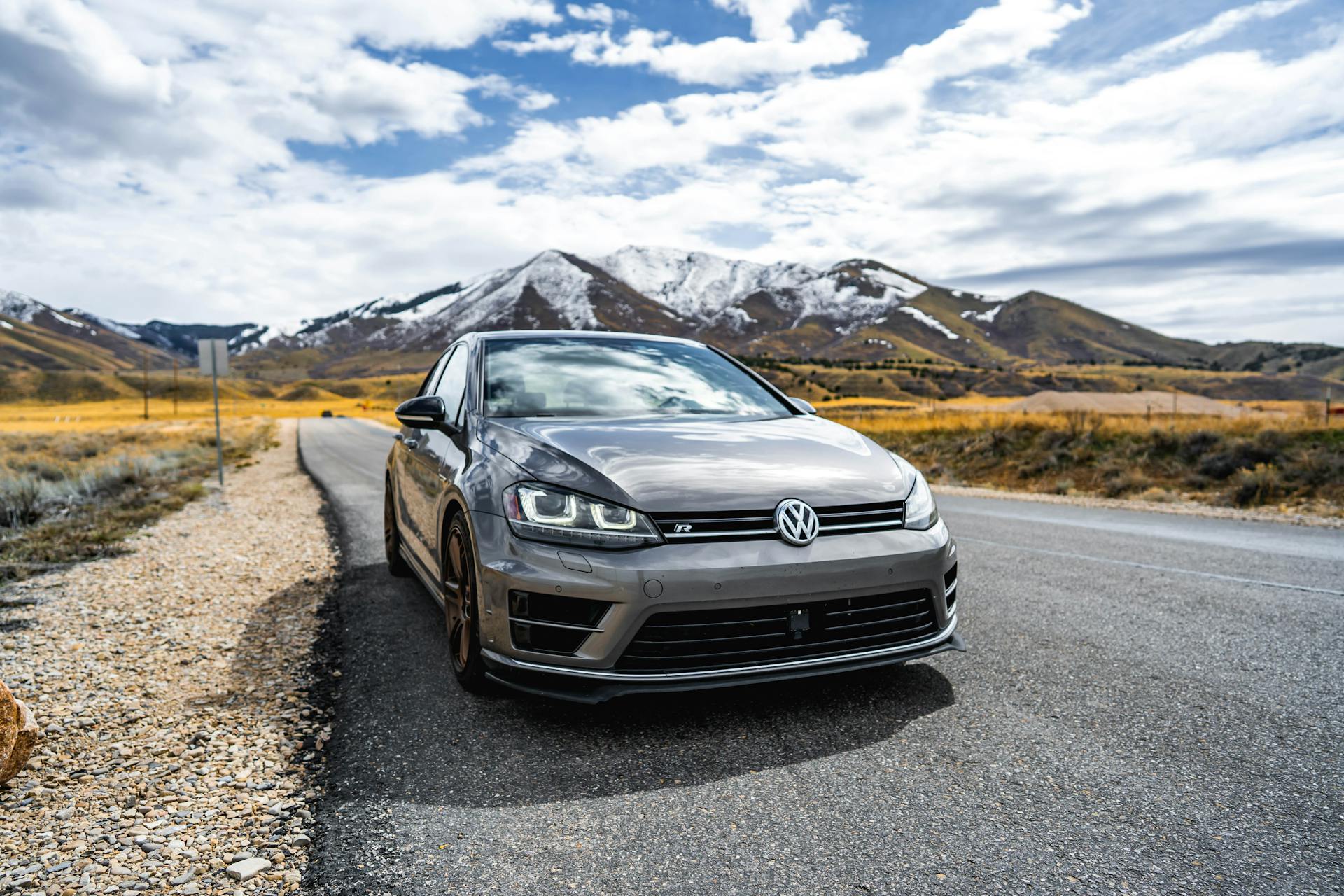
When the winter chill settles in across Long Island, it’s more than just your morning routine that gets tougher. Your Volkswagen feels it too. Cold temperatures, road salt, snow, and ice can all create problems for your vehicle if it’s left sitting outdoors or stored improperly for the season. If you’re planning to put your Volkswagen into storage for winter or limit how often you drive, taking the right steps before parking it can go a long way in avoiding problems down the road.
Leaving a car unattended for weeks during winter without preparation opens the door to all kinds of trouble. Batteries die, tires deflate, fluids thicken, and rodents may decide your car is a cozy place to spend the season. With some upfront care, you can protect your vehicle’s paint, engine, cabin, and everything in between. Taking the time now makes things much easier when spring finally rolls around and you’re ready to hit the road again.
Clean And Prep Your Volkswagen
Before storing your Volkswagen, giving it a full deep clean is one of the smartest moves you can make. Snow, road salt, moisture, and even fallen leaves can do damage if left sitting against your vehicle for weeks. A good wash and interior clean-up can go a long way in keeping your car looking and feeling like new.
Start with the exterior. Focus on these areas:
- Wash the entire body thoroughly, paying special attention to wheel wells and undercarriage where salt and grime cling
- Dry the car fully to avoid trapped moisture that could freeze or corrode metal
- Apply a coat of wax to protect your paint and provide a barrier from winter elements
Next, take care of the inside. A clean cabin helps prevent damage caused by lingering moisture, mold, or materials that may degrade over time.
- Remove trash, food, or anything organic that could attract pests
- Vacuum carpets, seats, and floor mats
- Clean your dashboard, console, and interior windows
- Treat leather seats or trim with conditioner to keep them from drying or cracking
Even if your car won’t be driven for a few months, prepping it now saves time and money later. If your vehicle smells fresh and is free of stains or damage, you’ll feel far better when it’s time to start driving again.
Protect Against Pests And Weather
Cold weather isn’t the only thing your Volkswagen needs protection from during storage. Small animals often take shelter in parked vehicles, and they can chew wires, nest inside vents, or cause other costly damage. Keeping pests out is just as important as shielding your vehicle from ice and snow.
Here are a few tips to help keep animals and harsh weather away:
- Seal off any openings like tailpipes or air vents with steel wool or mesh to keep rodents from crawling inside
- Lift windshield wipers off the glass and cover them to stop them from sticking or cracking
- Place moisture absorbers like silica packs on the floorboards and trunk to control humidity and reduce mold growth
- Use a weatherproof car cover made for your vehicle’s size – one that fits snugly but doesn’t trap moisture underneath
Choose a storage spot that offers some protection from snowfall, whether it’s inside a garage or under a covered area. If you’ll be leaving the car outdoors, park away from trees and power lines to avoid falling branches or ice damage. If moisture always seems to find its way into your garage, consider placing a tarp or floor mat under the car to keep the underbody dry.
These actions might not seem like much on their own, but combined, they create a solid barrier between your Volkswagen and winter’s worst. And that peace of mind goes a long way during those long, cold months.
Fluid Checks And Battery Maintenance
Before your Volkswagen sits unused for a few months, checking the fluids is one step you don’t want to skip. Cold temperatures can mess with how these fluids behave, and neglecting them ahead of time can lead to problems when it’s time to start the car again.
Start with the coolant. Make sure the antifreeze mixture is correct for colder temperatures on Long Island. If it’s off, your engine could risk freezing. This can cause major issues once temperatures start to drop. If you’re not sure about the mix, have a technician check it for you.
Next, inspect the oil. If it’s dirty or near the end of its useful life, do an oil change before storage. Old oil can thicken over several weeks, especially when it gets really cold. That sludge can make it much harder for the engine to start in spring. The same idea goes for brake fluid and windshield washer fluid. You always want them at the right levels going into winter so the vehicle is ready when you are.
Then there’s the battery. Cold weather drains charge quicker than most people realize. If you’re not planning to drive your car regularly, there’s a good chance the battery could die while it sits. You can:
- Disconnect the battery cables if storing the vehicle for a long period
- Use a battery maintainer to keep it charged without overloading it
- Check for corrosion on battery terminals and clean them if needed
It’s a lot easier to manage this stuff upfront than to deal with a frozen engine or totally dead battery later. This hands-on prep work can seriously cut down your risk of winter trouble.
Tire Care And Storage Placement Tips
Tires can take a beating over winter storage if they’re not handled the right way. Whether your Volkswagen is parked inside a garage or out on the driveway, giving those tires the attention they need helps you avoid flat spots and improves safety later on.
Here’s what to keep in mind for long-term tire care:
- Inflate all four tires to the manufacturer’s recommended pressure
- Check them again a week or so after storage begins, especially if temperatures drop suddenly
- Don’t let the vehicle sit in the same position for too long — this can lead to uneven wear
- Consider using tire cradles or blocks if you’re storing for several months
- Avoid parking directly on cold concrete if possible; rubber mats or a piece of wood under each tire can help
Tire flat-spotting happens when part of the tire carries the weight of the car without movement for a long time. If the car is left sitting outdoors, that effect can be worse due to freezing temperatures or direct sunlight wearing on the rubber. Taking the time to ease the load on each tire helps preserve their round shape and extends their usefulness overall.
If you’re preparing the vehicle for outdoor storage, also make sure there’s nothing nearby that could scrape the tires or body. Snow blowers, shovels, and ladders stacked too close can tip or press against the car. Keep a clear perimeter so your vehicle has space and stays protected.
Secure The Vehicle And Choose A Good Spot
Where you park your Volkswagen for winter matters just as much as how you prepare it. Whether you have a garage space or your only option is outside your house, choose wisely and put a few basic security steps in place before walking away.
For starters, indoor storage offers better protection from cold and snow. If you have garage access, clear out any junk that could fall on the vehicle. Don’t use overhead storage that isn’t stable. If your car must be kept outside, pick a spot away from tree limbs, gutters, or anything with a long reach overhead.
Next, think security. Even if the car is parked at home, it’s worth taking a few extra precautions:
- Lock all doors and roll up windows fully
- Use a steering wheel lock to discourage theft
- Add a wheel lock for an extra layer of protection
- Consider disconnecting the battery to prevent both draining and theft
- If you’re using Volkswagen-specific accessories like motion sensors or security devices, activate them
Also, don’t forget to take out personal items from the inside, especially anything that could be damaged by cold or attract attention through the windows. This includes electronics, charging cables, and loose change. Less clutter means less reason for anyone to poke around.
Whether indoors or out, your storage location should keep the car shielded from the worst winter can throw at it while also giving you the peace of mind that your vehicle will be ready when you’re ready to use it again.
Keeping Your Volkswagen Safe All Winter Long
After putting in the effort to prep, protect, and secure your Volkswagen, you’re in much better shape heading into the cold season. A little planning now helps avoid surprises when spring comes back around. You’ve cleaned the inside and out. You’ve taken steps to keep pests away. You’ve double-checked your fluids and battery. Tire inflation looks good, and the vehicle is parked in a safe spot.
During winter, try to check on the vehicle every so often. Look for signs of leaks, pest activity, or deflation. If possible, start the engine every few weeks to keep everything in working order. Even letting the engine run for a few minutes helps avoid buildup in fuel lines or the battery fully draining.
Preparing for winter storage might feel like a lot at first, but each of these steps cuts down the risk of damage, saves money in the long run, and helps your car stay in top condition. Whether it’s freezing cold for two months or longer, this routine gives your Volkswagen the care it deserves while it’s off the road. When spring hits and it’s time to roll again, you’ll be glad you didn’t overlook a single detail.
For your Volkswagen to handle winter challenges with ease, using the right Volkswagen accessories can add the necessary layer of protection. Explore the range of items available to ensure your vehicle stays safe and sound during the colder months. Let Smithtown Volkswagen help you keep your ride in top condition.
Connect with us


