


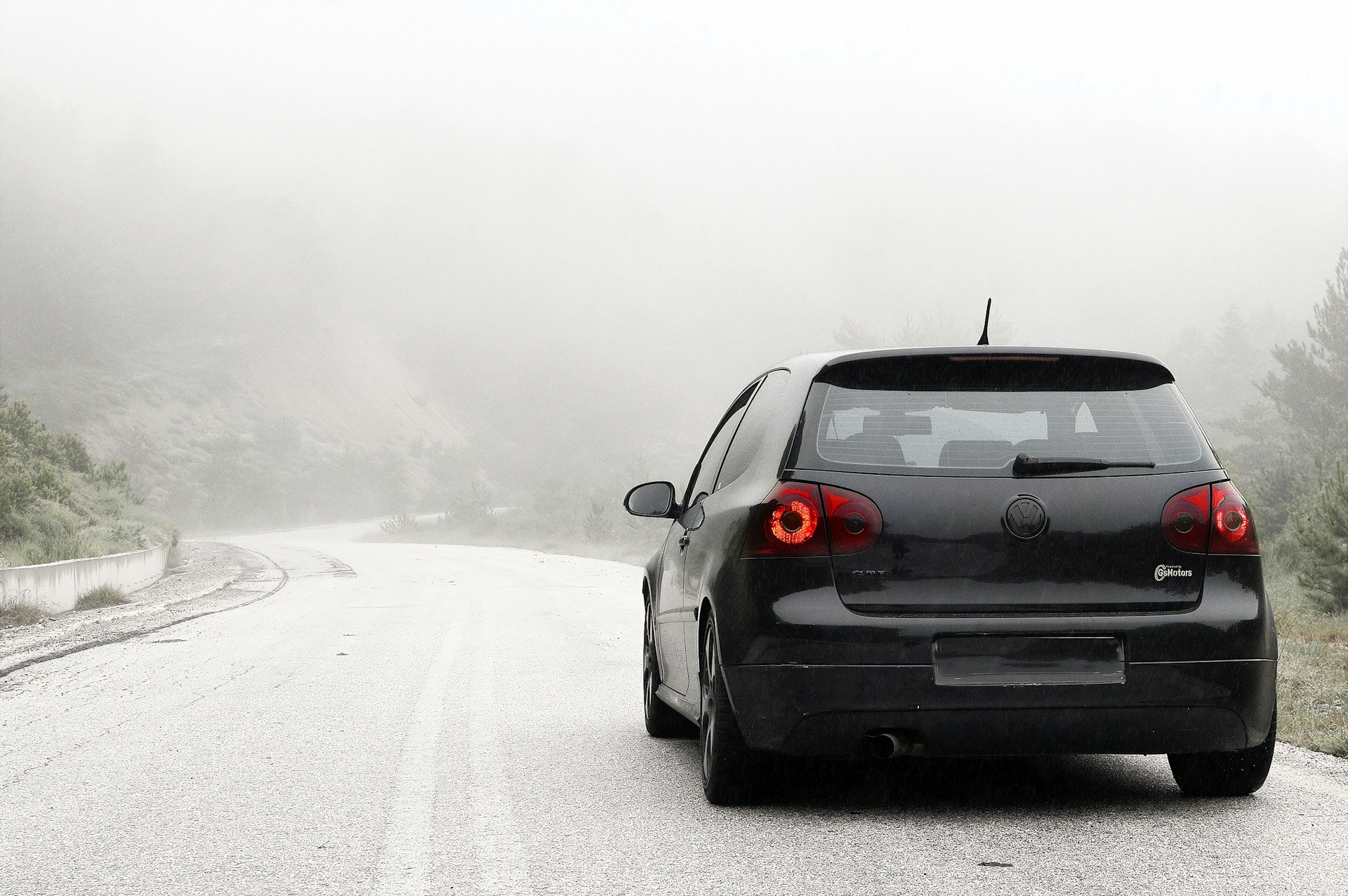
Cold weather isn’t just tough on people, it challenges your car too, especially when mornings on Long Island feel like the inside of a freezer. If you drive a Volkswagen, getting it to start smoothly on those icy days takes some extra effort. The cold affects fluids, startup systems, and even the air pressure in your tires. It’s not uncommon to turn the key and hear nothing but a sluggish crank or slow turn-over if the battery’s struggling.
When temperatures drop below freezing, engines take longer to catch, batteries work harder, and all the little systems that usually go unnoticed begin to show signs of strain. Addressing this before things get bad can save time and stress, especially when you’ve got places to be. Getting winter-ready doesn’t always mean hauling out expensive gear, but it does mean being consistent with maintenance and adjusting a few habits along the way.
Preparing Your Volkswagen for Cold Weather Starts
It all starts with preparation. Setting your vehicle up before deep winter hits can prevent the usual morning hassles that come with cold starts. Even regular tasks like checking your fluid levels or inspecting your battery can make a big difference when it’s 20 degrees outside.
A pre-winter checkup should include:
- Battery health: If your battery is more than a few years old, have it tested. Cold weather drains battery power faster, and older ones tend to quit right when you need them most.
- Oil grade: Talk to your technician about switching to a winter-grade oil. Thinner oil flows better in cold weather, helping your engine turn over more easily.
- Coolant level: Make sure the antifreeze-to-water mixture is correct for your Volkswagen’s engine to prevent freezing in the system.
- Tire pressure: Cold air causes tires to lose pressure. Proper tire inflation helps with traction and fuel efficiency.
- Tread check: Worn tires offer less grip on icy or snowy roads. Good tread makes a big difference in control and safety.
These steps may seem minor, but they go a long way toward preventing bigger problems. A quick check under the hood or a tire pressure reading can be the exact thing that keeps your Volkswagen dependable on freezing mornings.
Battery Maintenance and Warm-Up Tips
Your battery is one of the first parts of your car to feel the impact of cold weather. It requires more power to start the engine when it’s freezing, and at the same time, the battery has less available power to give. That’s not a great combination when you need to get moving fast.
Here are some quick tips to keep your battery working longer:
- Turn off all accessories before shutting down the vehicle. The heater, defroster, and radio can all drain power the next time you try to start.
- Start your Volkswagen daily, even if you’re not driving. Let it idle for ten minutes to keep the fluids circulating and the battery charged.
- Try to park in a garage or close to a wall, away from cold wind. The less your car is exposed to extreme cold, the less work your battery has to do.
- Consider using a battery blanket or warmer. These keep the battery from freezing and help it stay ready to start.
If you notice corrosion on the battery terminals, clean them right away. Corrosion can reduce power flow and prevent your Volkswagen from starting altogether. One customer came in after their car failed to start during the first cold snap. We found heavily corroded terminals and a battery that had lost much of its charge. A quick cleaning and recharge fixed it before the problem got worse.
Don’t wait for a dead battery to remind you that winter is here. A few small steps keep your trip on track.
Fuel and Fluid Management for Cold Weather
Fluids play a bigger role in winter than most people realize. The way your Volkswagen handles cold starts depends heavily on whether the right fluids are in place and in good condition.
The first thing to remember is to keep your gas tank at least half full. This prevents condensation inside the gas tank, which can freeze and block the fuel line. A simple habit like filling up more often can help prevent big issues on freezing mornings.
Next comes the rest of the fluids:
- Use winter windshield washer fluid that’s rated for sub-zero temperatures so it doesn’t freeze when sprayed.
- Check the antifreeze to make sure you have enough and that the blend is suited for cold weather.
- Monitor your oil closely. If it looks thick or dirty, consider changing it early. Oil that gets too thick in the cold doesn’t flow easily and makes the engine work harder to start.
Older cars or vehicles that haven’t had fluids replaced in a while are more likely to struggle. Sludge or debris can clog parts or reduce circulation. It’s easier to swap fluids than wait for something to fail in the middle of January.
Keeping everything flowing smoothly keeps the whole system running as it should. These are quick checks that pay off when that first snowstorm hits.
Smart Start-Up Techniques and Practices
Along with regular checkups and maintenance, it helps to learn a few tricks for starting your Volkswagen more smoothly when temperatures fall.
Tip one is simple: turn off every accessory before turning the key. Your battery should be fully focused on getting the engine started, not your heated seats or stereo. If your wipers or AC are still on from the last drive, turn them off before ignition.
Once your Volkswagen starts, wait at least one to two minutes before driving. This allows the oil to circulate through the engine properly. That short pause not only helps your car perform better in the moment but extends the life of your engine over time.
A few quick tips for safer starts:
- Don’t tap or pump the gas pedal while starting. Modern fuel-injected engines don’t need it, and doing so can flood the engine.
- If the start seems weak or slow, stop for a few seconds and try again instead of holding the key down too long.
- Frozen locks or doors? Avoid pulling hard. Use a lock de-icer, or warm your key using your hands before trying again.
And don’t forget the key fob. Cold air can lower its battery power, too. Carry a backup battery, especially if your Volkswagen has push-to-start. Sometimes a start failure is just a weak fob, not the vehicle itself.
Ensuring a Smooth Ride in Winter
Getting your car started is just the first step on a cold day. Once your Volkswagen is moving, it still has to handle icy roads, grime buildup, and slick conditions. That means taking care of a few other things to make sure your ride is smooth and safe.
Washing your car might not sound like a winter chore, but it should be. Road salt sticks to your wheels, undercarriage, and panels, wearing away paint and causing rust over time. A trip to the car wash after snow or freeze can protect your car long-term.
Pay close attention to your tires:
- Good tread is key for traction. Shallow or bald tires have little grip on icy roads.
- Cold shrinks tire pressure. Low pressure hurts both control and fuel efficiency.
- If you’re heading through more isolated or salty areas in Long Island, snow chains or winter-ready tires may be worth having.
Inside your car, moisture is an issue. Snow from boots melts quickly and soaks the carpet. That moisture doesn’t go away easily, and it leads to trapped smells and mildew. Rubber mats can help, and keeping a towel handy to blot up wet spots makes a real difference.
Staying comfortable means staying on top of winter habits, not just under the hood but throughout the entire vehicle.
When Cold Weather Hits, Routine Is Everything
Cold weather doesn’t have to throw off your mornings or leave you scrambling at the worst time. When you’re consistent about checking key systems, your Volkswagen is much more likely to start strong, run clean, and get you where you need to go.
Get your battery tested, keep fluid levels in check, monitor tire condition, and follow smart start-up routines. Set a pattern to keep things running right. Notice any unusual noises, slow starts, or flickering lights? Let our team take a look before it turns into something worse.
Preparation pays off when the roads are slick and the air feels like ice. Your Volkswagen is built for performance, and just a few basic habits can help it shine through winter. With the right approach, you’ll be ready for anything cold weather brings to Long Island.
Winter is a demanding time for vehicles, but with proper preparation, your Volkswagen can handle anything the season throws its way. Regular maintenance and smart driving habits ensure smooth starts and safe journeys, even on the coldest mornings. If you’re considering upgrading or exploring new options, take a look at the current lineup of Volkswagen new cars for sale available at Smithtown Volkswagen. Let us help you find the right car to keep you on the move through winter and beyond.
Connect with us


