


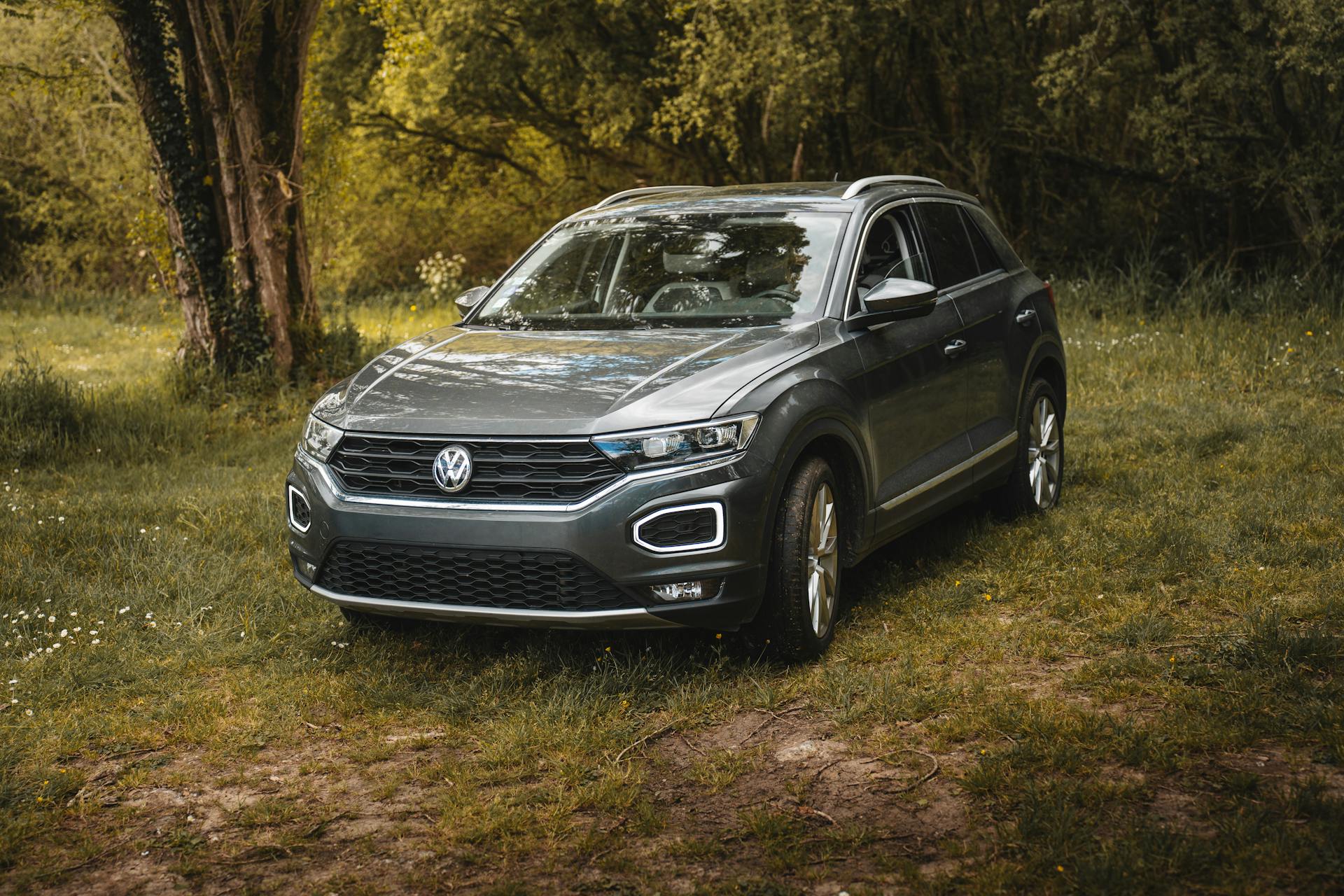
After a long winter, spring often feels like a relief. More daylight, warmer air, better roads, or so we hope. But on Long Island, early spring roads can paint a different picture. Potholes, uneven pavement, and leftover salt are all reminders that winter was here not long ago. If you’ve been watching for the best Volkswagen prices on Long Island, it might also be time to watch for signs your suspension needs attention before hitting the road for weekend getaways.
Suspension wear doesn’t scream for attention early on. It’s more of a slow change in how your car handles, brakes, or feels around corners. That change can become more obvious once spring sets in, especially after the roads thaw and you’re back to longer drives or daily errands.
Signs Your Suspension May Be Struggling
Suspension issues don’t always start with a warning light. They often show up in how your car feels and behaves, especially once you’re out of the neighborhood streets and driving more regularly.
- Uneven tire wear is one of the first things you might notice. If a tire looks more worn on one side, it could mean your suspension isn’t evenly supporting your vehicle.
- Sounds during your drive, like knocking over bumps or clunking when turning, usually point to worn shocks or struts.
- A rougher ride, especially on roads that never used to feel bad, is a hint that your suspension isn’t damping the movement like it should.
- Drifting to one side while driving or needing to adjust your steering more often can suggest alignment or suspension arm issues.
None of these signs are dramatic by themselves, but together, they create a picture worth checking before you get too far into the season.
Why Spring Conditions Can Make It Worse
After winter, spring roads are still catching up. Freeze-thaw cycles break apart pavement, then rains fill those cracks and pits. Suspension parts often take the brunt of that damage.
- Potholes from the changing temps and snow plows are a serious shock to suspension parts, especially after months of cold weather wear.
- Salt left behind from winter doesn’t just cause rust. It can weaken or corrode suspension components where rubber meets metal.
- As roads dry out and temperatures rise, you may start noticing bounce or sway that was less obvious on slick streets or with snow-packed tires.
- Wet spring roads mean reduced grip. If your suspension is starting to sag, it can lead to longer stopping distances or poor traction during turns.
We count on our vehicles to drive smoothly, especially when the season shifts. But spring conditions have a way of exposing problems that winter helped hide.
What to Watch For on Long Island Roads
Driving in Long Island means seeing a bit of everything. Highways, narrow streets, busy intersections, and unexpected dips in the road all take a toll on your suspension.
- Many local roads have rough patches that don’t get repaired right away. Bridge transitions and areas with runoff often create impact points that knock parts out of balance over time.
- Short-distance drives like school pickups, quick store runs, or stop-and-go traffic through villages add daily wear. That small stuff adds up fast in spring when your mileage increases.
- For those hunting for the best Volkswagen prices on Long Island, you may be driving a model that’s a few years old. We often see these vehicles start to show early signs of wear once the weather shifts, especially if they’ve powered through a few harsh winters.
Being aware of local road conditions and how your car reacts to them can help catch problems before they affect how safely or comfortably your car drives.
How Dashboard Warnings and Ride Quality Can Help You Catch Problems Early
Not every suspension issue shows up with a light, but some vehicles do feature indicators related to chassis or vehicle dynamics. If a light flashes or pops up, it’s worth checking your manual before ignoring it.
Beyond that, what you feel behind the wheel says a lot.
- If the car feels like it leans more during turns or you hear creaking, especially when going over bumps, the suspension may need attention.
- Sudden pulling to one side, beyond normal alignment problems, could point to something deeper in the suspension setup.
- Changes in ride height, like one side of the car sitting lower than the other, can mean a broken spring or worn shock.
These signs often show up over time, so staying alert by comparing how your car feels across the same roads helps you notice what’s changed.
Stay Ahead of Vehicle Wear as Spring Begins
Spring might start slow, with just a few weekend plans and longer daylight on your way home from work. As the weeks go on, though, the calendar tends to fill. School events, yard sales, spring break trips, even just more reasons to be in the car.
Getting ahead of suspension trouble now makes those trips smoother. Waiting too long can lead to trickier driving, tire damage, or just harder stops and turns you didn’t expect.
We’ve seen time and again how small signs grow into bigger issues once spring driving picks up. Catching them early gives peace of mind, keeps your car handling like you remember, and protects your ride through the season ahead.
After a tough winter on Long Island roads, your Volkswagen might be showing signs like uneven tire wear, odd noises, or extra sway that could point to suspension issues. Addressing these early, especially for pre-owned models, can help keep your drive safe and comfortable all spring. At Volkswagen of Smithtown, we’re here to help you get the most from your vehicle and keep you moving with confidence. Ready to discover the best Volkswagen prices on Long Island? Give us a call today to schedule your service.
Connect with us


