


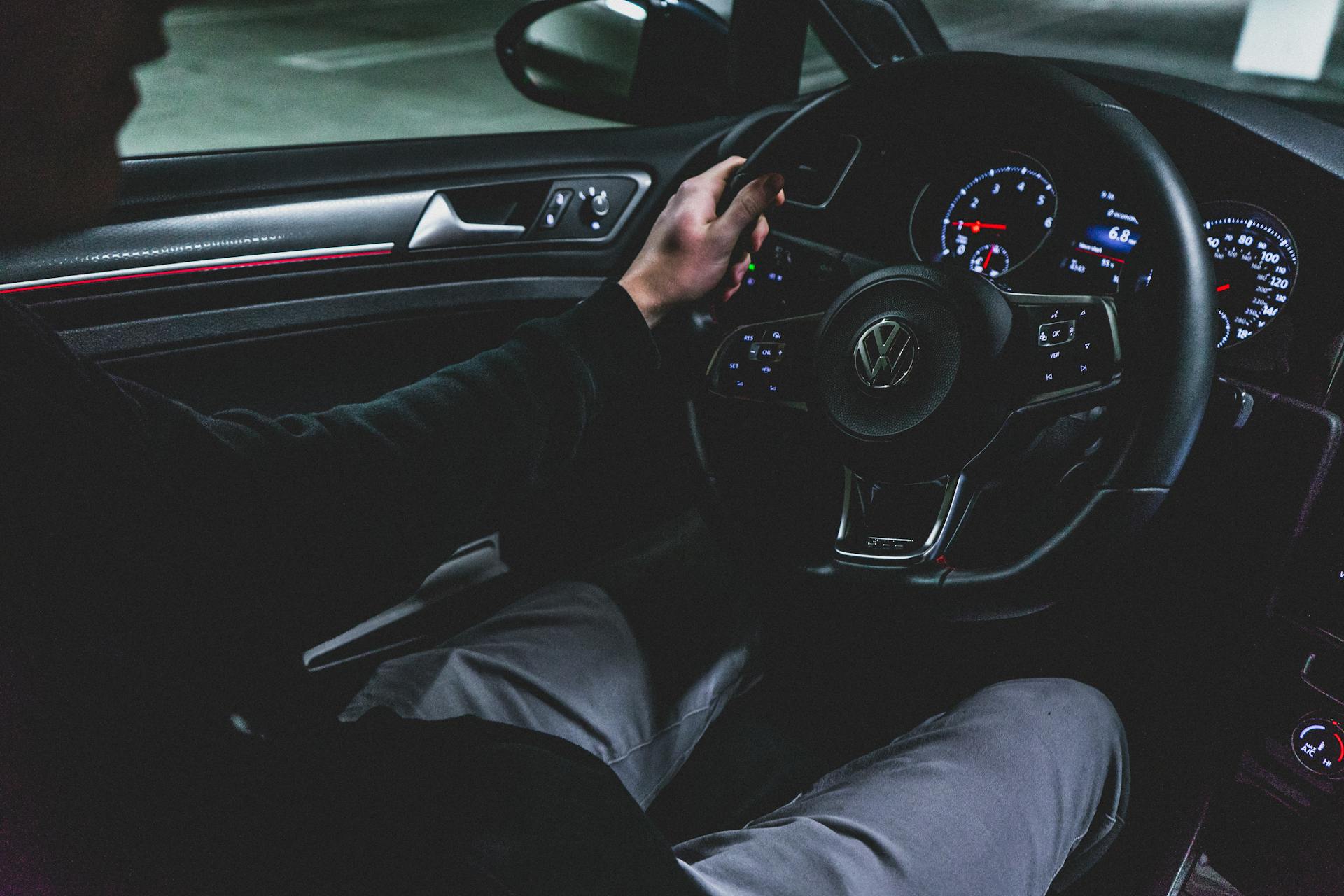
On Long Island, where traffic patterns shift from packed expressways to quiet neighborhood roads, having a vehicle that fits your driving style is important. With gas prices rising and electric charging stations popping up across the region, many drivers are rethinking their next vehicle choice. It’s become more common to compare traditional gas-powered models with the newer electric lineups, especially when looking for something that makes sense for Suffolk County living.
Volkswagen offers both types, giving drivers a chance to weigh the benefits of each. Some drivers lean toward sticking with what they know, while others are curious about electric vehicles and what they bring to the table. Whether it’s about smoother rides, lower emissions, or long-term savings, more Long Islanders are doing this comparison to decide which way to go.
Performance and Driving Experience
When it comes to actual driving, the difference between gas and electric Volkswagens is easier to feel than explain on paper. Gas vehicles are familiar. They build speed in a way most drivers expect, and when you press the pedal, there’s a slight delay as the engine kicks in. That driving style works fine for routine commutes and weekend errands. It’s what many of us grew up with.
Electric Volkswagens, on the other hand, bring instant torque. That means the acceleration is more responsive and snappy. There’s no waiting for the engine to climb up the revs. It just goes. If you’re merging onto the Long Island Expressway or passing a slow-moving truck on Old Country Road, that instant response can feel like a welcome upgrade.
Electric models like the ID.4 also ride differently. They’re quieter, with fewer moving parts under the hood. Without an engine humming or shifting gears, the ride feels more like gliding. There’s less vibration, and the cabin stays calm, even at higher speeds. This makes daily drives through Suffolk County towns or weekend trips out east a bit more relaxing.
Handling can also feel tighter in electric models because of the battery placement, which lowers the center of gravity. That can make it easier to take sharper turns or weave through town traffic confidently. But gas models still hold their own. They’re generally lighter, which can make them a bit more maneuverable in narrow residential areas or tight parking spots.
Here’s a quick breakdown of how they stack up for Long Island driving:
- Gas vehicles offer longer range per tank, fewer charging concerns, and a traditional driving feel
- Electric vehicles give you quicker acceleration, smoother rides, and a quieter cabin
- Both handle well in urban and suburban areas, but electric models tend to feel more stable on winding roads
Whether you’re sticking close to Smithtown or heading down to the beaches on the South Shore, both gas and electric Volkswagens fit the job. But the experience behind the wheel is definitely worth thinking through, especially if you’re looking for that little bit extra in day-to-day driving.
Cost of Ownership
Looking at price tags alone, gas models have the early advantage. They often cost less upfront, and with more options available, it’s pretty easy to find a trim level that suits your budget. But over time, electric cars can bring back that money in other ways. There’s less routine maintenance since there’s no oil to change, fewer belts and parts to replace, and brake wear tends to slow down thanks to regenerative braking.
Then there’s the big one—fuel. Driving electric means no more stops at the gas station, which adds up over the months and years. Charging overnight at home costs much less than filling up with gas, especially if you’re driving every day.
However, battery replacements are another thing to think about. While many electric vehicles have long-lasting batteries, eventual replacement down the line can be pricey. That said, the frequency is low, and most new electric Volkswagens come with solid battery warranties just in case.
As for staying powered up, Suffolk County has been expanding public charging infrastructure. Between growing networks in town centers, commercial areas, and shopping plazas, finding a charger isn’t as hard as it used to be. Home charging adds extra flexibility. If you have a driveway or garage, installing a charger at home could make the process even easier.
When deciding between gas and electric, think about:
- How many miles you drive each week
- Whether you have a setup at home for charging
- How long you plan to keep the car
If you’re someone who welcomes fewer service appointments, likes the idea of skipping the gas pump, and has a regular driving route, electric may be worth the higher price upfront. But if you’re looking for something more affordable to buy now and aren’t quite ready to change up your habits, gas might still be your best bet.
Environmental Impact
One of the main reasons people are giving electric cars a second look is because of their lower environmental impact. Traditional gas-powered Volkswagens burn fuel, which produces exhaust and tailpipe emissions. That includes carbon dioxide and other byproducts that can add to air pollution. While the engines have improved a lot over the years and run cleaner than older models, they still rely on gasoline to keep going.
Electric Volkswagens don’t produce tailpipe emissions at all, mostly because there isn’t a tailpipe. That simple fact means there’s no direct output from the vehicle while it’s in use. For Long Island drivers, especially those in communities near parks, beaches, and nature preserves, driving electric helps keep local air quality better.
There’s also the impact of power sources to consider. Yes, electricity still has to be created somewhere, but Long Island has made progress on cleaner energy options. Supporting that shift by driving an electric vehicle ties into local environmental goals. It’s a smaller footprint per drive, which can add up when many drivers adopt the same habits.
If you’re thinking of going electric, check to see if there are rebates or extra perks. Depending on time and location, these incentives can include tax breaks, possible toll discounts, or access to preferred parking spots at charging stations in some public areas.
Charging Versus Fueling Convenience on Long Island
Fueling up with gas is easy. Just pull into a station, fill up, and go. Long Island’s gas station coverage makes it convenient for drivers to find a pump, whether in the suburbs of Hauppauge or heading toward the North Fork. But electric vehicle charging is catching up quickly.
If you have a place to charge at home, there’s a clear advantage. Plug in the car at night and it’s ready by morning. That’s hard to beat for daily commuters. Most electric Volkswagens can be charged overnight using a Level 2 charger. No more surprise morning fuel stops before work or school runs.
Public charging networks across Suffolk County are growing. You’ll now find stations at grocery stores, shopping centers, town lots, and even library parking areas. Fast chargers are also popping up near major highways for a quicker recharge when doing longer trips, like a drive out toward Montauk or a weekend visit upstate.
Here’s a quick comparison to help break it down:
Gas fueling:
- Takes just a few minutes
- Stations are everywhere, even in rural areas
- Costs depend on fuel prices each week
Home electric charging:
- Charges overnight while parked
- No need to stop at a station on daily routes
- Upfront cost for installation, but lower ongoing cost
Public electric charging:
- Growing access in Long Island towns and shopping areas
- Some chargers are free, others charge by the hour or by kWh
- Charging time varies based on battery level and charger speed
So if your schedule is tight and you’re always on the go, the familiarity of gas stations won’t give you much pause. But those who spend more time locally or have set routines might find that charging, especially at home, fits their lifestyle better than they expected.
Which Volkswagen Makes Sense for You?
By now you’ve likely got a clearer picture of what each type of vehicle brings to the table. Gas-powered Volkswagens offer familiarity, ease of fueling, and a slightly lower upfront cost. They work well for people who take longer trips, don’t have a place to charge at home, or simply prefer the feel of a traditional engine.
Electric Volkswagens are smooth, quiet, and easy on maintenance. They’re also better in terms of emissions and are well suited for local driving here on Long Island. The biggest change comes from charging—how, where, and when it’s done—and that’s something everyone considering electric needs to plan for.
Think about your driving habits. Maybe your days are filled with school drop-offs, commutes to the office, and local errands. Or maybe you do longer commutes to Nassau or even into the city. Knowing how often you drive, where you go, and how you like to fuel up will help guide your decision.
In the end, it comes down to what works for your life right now. Some drivers stick with gas, others switch to electric, and many are curious enough to test both before deciding. Either way, understanding the trade-offs helps make your choice smarter. That’s especially true when you’re driving across Long Island every day.
If exploring the benefits of Volkswagen electric vehicles on Long Island sounds appealing, take a look at the new lineup available at Smithtown Volkswagen. This could be your chance to find the perfect vehicle that fits your lifestyle while supporting a greener future.
Connect with us


