


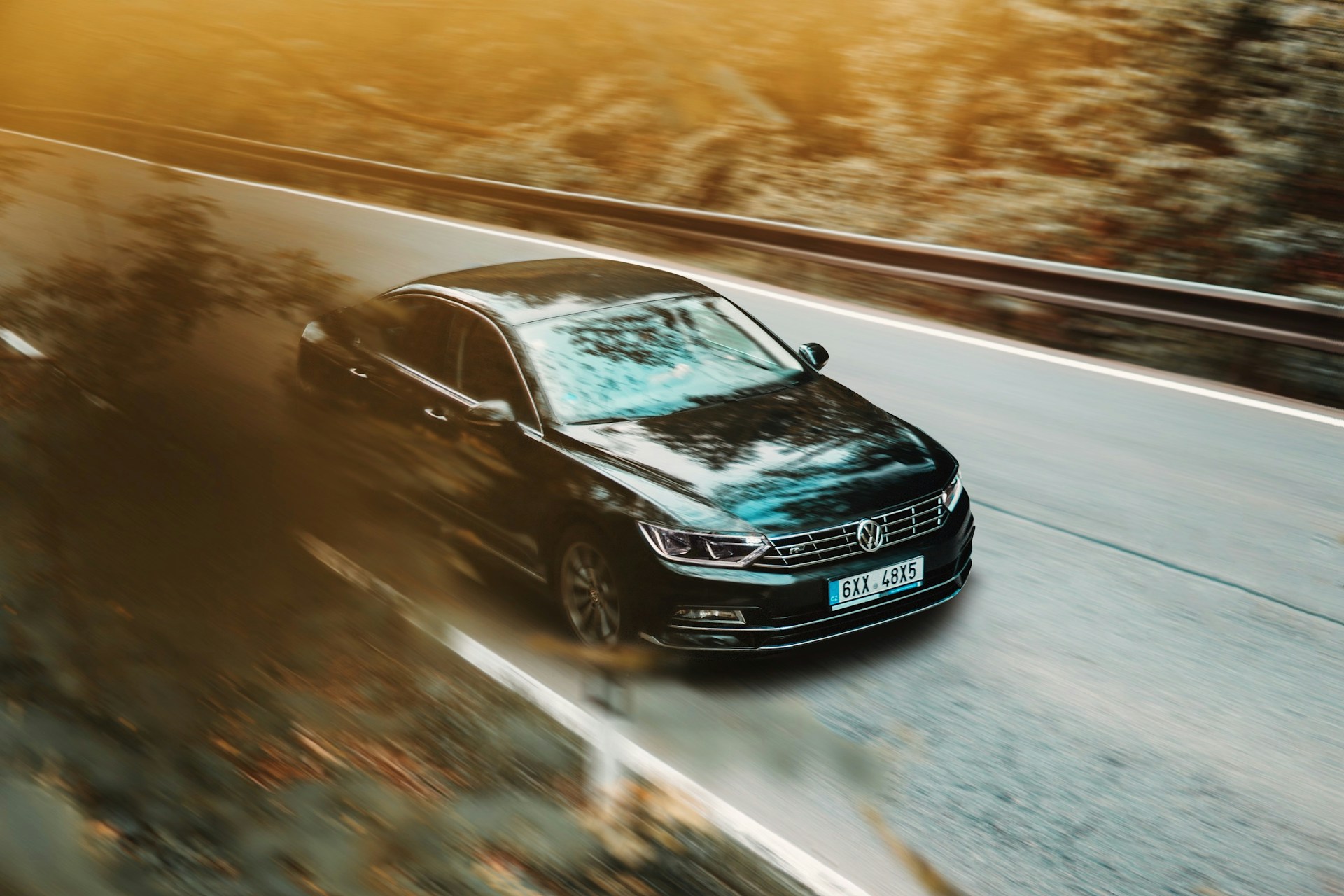
Why Your Volkswagen Smells and Feels Different After New Brakes
When you get new brakes on your Volkswagen and pull out of the service lane, things can feel a little different. You might notice a new smell, a firmer pedal, or a stronger bite when you stop. That can be a little surprising if you are used to the feel of worn pads and glazed rotors.
Most of the time, that “fresh brake pad” smell and the new pedal feel are completely normal. New brakes need a short period to settle in, and your driving habits in Farmingdale, St. James, and the surrounding Long Island roads can affect that process. Our goal is to help you understand what is normal, what is not, and when it is time to have a professional take another look so you can drive with confidence.
When we finish a brake repair in Farmingdale area vehicles, we road-test the car to check pedal feel, stopping power, and noises. That test helps confirm that everything is installed correctly and working the way your Volkswagen was designed to work.
What That Fresh Brake Pad Smell Really Means
Modern brake pads are not just blocks of one material. They are built from a mix that is pressed and cured into shape. Typical pads include things like:
- Friction material that actually grips the rotor
- Binders that hold everything together
- Resins and fillers that help control noise and wear
- In some pads, small amounts of metal particles
When pads are brand new, some of the binders and resins sit close to the surface. During your first few drives, heat from normal braking can cause a light off-gassing. That is when tiny amounts of those materials burn off and create a mild odor. Many drivers notice this after brake repair in Farmingdale or after leaving a brake service in St. James, especially during warm weather.
A normal new-brake smell is usually:
- Mild and faint
- Most noticeable after several stops in a row
- Gone or greatly reduced after a few days of regular driving
Brake smell is not normal when it is harsh, strong, or constant. Warning signs include:
- A strong burning odor that does not fade when you are driving at speed
- Visible smoke from a wheel area
- Brakes that feel like they are dragging or the car pulling to one side
If you notice any of those, it is safest to pull over in a secure spot and arrange professional help from a certified Volkswagen service center instead of continuing to drive.
New Brake Pad Feel, Pedal Response, and Stopping Power
Fresh pads paired with good rotors usually feel better than worn parts. The new friction surface matches up more evenly with the rotor face, which can give you:
- A firmer, more solid brake pedal
- Shorter, more consistent stops
- A more direct, confident feel under your foot
There is also a normal “bedding-in” period. During the first 100 to 300 miles or so, the pads and rotors are getting to know each other. The surfaces are smoothing and matching so the contact area grows and braking gets more consistent. During this time, it helps to:
- Make gentle, steady stops instead of hard panic stops when possible
- Avoid riding the brakes for long periods
- Leave extra following distance so you are not braking hard in traffic
Some common things you might notice right after brake service include:
- Light squeaks at very low speeds: Often normal while the pads wear in or if a little rust or dust is on the rotors after rain. If it is loud, constant, or gets worse, it should be checked.
- Slight vibration during the first few drives: Can happen as new pads seat against rotors. If vibration is strong, felt in the steering wheel at highway speeds, or does not improve, that is not normal.
- Extra brake dust: New pads can shed more dust at first. As long as your wheels are not getting hot and the car is stopping well, this is usually just part of the break-in period.
If anything feels unsafe, such as a very soft pedal, the car not stopping straight, or a grinding sound, that is a sign to pause driving and get the brakes inspected.
Summer Driving in Farmingdale and How Heat Affects Brakes
On Long Island in summer, heat and humidity can make everything feel a bit heavier, including your daily drive. Stop-and-go traffic along routes like Sunrise Highway and the Long Island Expressway means you are on the brakes more often, for longer stretches of time.
Heat is a big factor for braking. New pads already produce a light odor as they bed in. Combine that with:
- High outside temperatures
- Heavy loads from vacations and road trips
- Extra weight from beach gear or luggage
- Constant A/C use keeping the engine bay warmer
and you may notice that new-pad smell a bit more for the first few days.
To help protect your brakes during summer driving, it helps to:
- Leave more space between you and the car ahead so you can brake earlier and more gently
- Avoid riding the brakes going downhill; use lower gears when it is safe and allowed
- Try not to make repeated hard stops unless you need to for safety
Planning brake repair in Farmingdale or nearby before peak vacation traffic can give your brakes time to bed in before long highway trips in the heat.
Why Certified Volkswagen Brake Service Matters
Volkswagen braking systems are designed as a complete package, from the pedal and master cylinder to the calipers, rotors, pads, and electronic systems. Using parts that are made to work with your Jetta, Tiguan, Atlas, or other VW model helps keep that system working the way it should.
Certified service centers that focus on Volkswagen are set up for these systems. That means careful attention to details like:
- Using VW-approved brake parts that match the original design
- Following model-specific procedures for hardware and components
- Checking rotor thickness, runout, and surface condition against factory specs
- Using the right torque values when tightening wheels and brake hardware
Modern Volkswagens often use electronic parking brakes and driver-assistance technology that can tie into the brake system. Proper brake repair for Farmingdale area drivers includes the right diagnostic checks and, when needed, calibration for these systems.
Professional brake service also supports long-term ownership. You get:
- Clear inspections that show pad depth and rotor condition
- Service records that show what was done and when
- Work that is performed with your vehicle’s long-term safety in mind
Drive with Confidence After Your Next Brake Service
Before late-summer traffic and back-to-school runs pick up, it is smart to have your brakes checked so you know exactly where you stand. If something feels different or you notice new sounds or smells, sharing that information helps a lot.
When you speak with a service advisor, it helps to describe:
- What you are feeling, such as a soft or hard pedal
- Any sounds like squeaks, clicks, or grinding, and when they happen
- Smells that show up after braking or during long drives
- Changes in stopping distance or the car pulling to one side
By explaining these details, you give the team at Smithtown Volkswagen a clear starting point so they can inspect, diagnose, and help you enjoy fresh, confident braking on every drive around Farmingdale and across Long Island.
Keep Your Brakes Ready for Every Drive
If you are noticing squeaks, vibrations, or a longer stopping distance, let our certified technicians at Smithtown Volkswagen inspect and service your brakes before a minor issue becomes a major repair. Schedule your brake repair in Farmingdale today so we can help keep your vehicle safe and responsive on the road. If you have questions about pricing, appointment times, or what to expect during your visit, feel free to contact us.
Connect with us


