


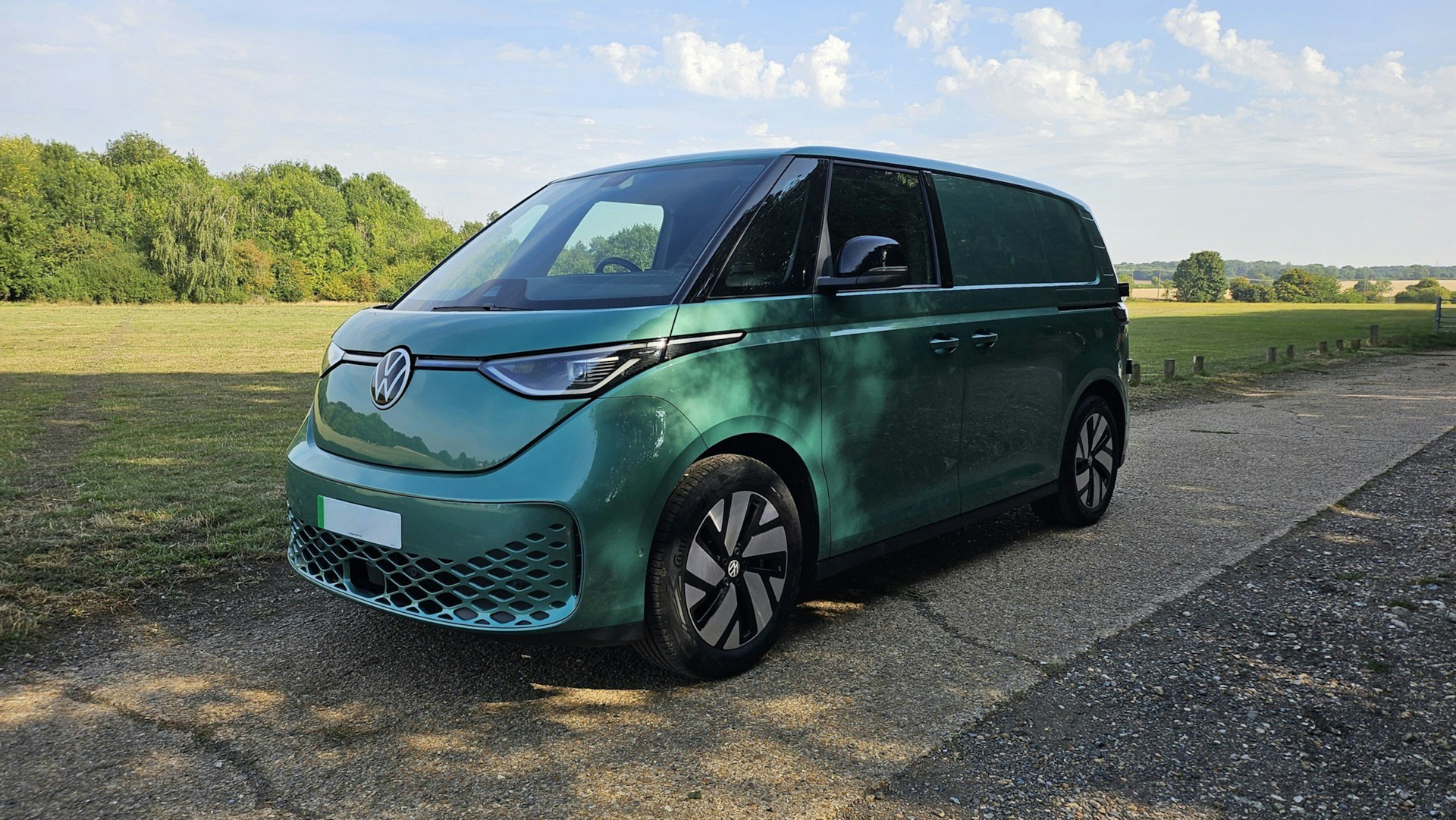
Keep Your Volkswagen EV Running Smoothly on Long Island
A Volkswagen EV is built to be quiet, quick, and easy to live with, whether you are commuting on the Northern State, heading out to the North Fork, or taking weekend beach trips. To keep that smooth and simple feeling, it helps to know when your EV is telling you it needs a little extra care. EVs do not have oil changes or exhaust systems, but they do have high-voltage parts and software that need the right kind of attention.
Electric vehicles work differently than gas cars, so the warning signs are a bit different too. Catching those signs early can help prevent bigger problems and keep you from getting stuck with a surprise issue on a busy day. In this guide, we will walk through the common signs that your Volkswagen ID.4, ID. Buzz, or other VW EV needs professional service, and why choosing specialized Volkswagen EV service in Long Island makes such a difference as you head into longer spring and summer drives.
Dashboard Warnings You Should Never Ignore
Your dashboard is your EV’s way of talking to you. When a warning light pops up, it is usually telling you that something in the high-voltage or power system is not quite right, even if the car still feels normal to drive.
Common EV-related warnings to watch for include:
- Battery system or high-voltage warning lights
- Powertrain or drive system alerts
- Charging system or charge port warnings
- Amber or red icons that stay on after you start the vehicle
With an EV, these lights can point to things you cannot see or hear, like a sensor in the battery pack, a problem in the inverter, or an issue in the onboard charger. These are not things to guess at or ignore, because they involve high-voltage parts that should only be handled by trained professionals with the proper tools.
Even when your EV still moves and steers fine, any warning light tied to the battery or drive system means it is time for expert help. A qualified Volkswagen EV team can:
- Read factory-specific fault codes
- Check for software updates and apply them correctly
- Review technical service bulletins for your exact model
- Run tests on the charging and battery management systems
This kind of targeted testing helps find the real root cause, instead of just clearing a light and hoping it does not come back.
Range and Charging Changes That Signal Trouble
Most EV drivers get a feel for their normal range on daily routes, like the drive between St. James, Smithtown, Hauppauge, and nearby towns. When that pattern changes suddenly, it is often a sign that something needs attention.
Watch for range changes like:
- Noticeable drops in range on the same commute
- Big swings in the estimated miles remaining that do not match your driving
- The vehicle feeling weaker on hills or at highway speeds
Some small changes can come from cold or hot weather, wind, or heavier traffic. But if the range keeps shrinking or the estimate never seems stable, it can point to battery health issues, software problems, or tire and brake concerns that are making the car work harder than it should.
Charging habits tell a story too. Pay close attention if you notice:
- Slower than normal charging at your usual home setup or a familiar public station
- Charging sessions that stop on their own before reaching your target level
- A charge cable or charge port that feels unusually hot or is harder to connect
These signs may involve the onboard charger in the vehicle, the charge port, or the way the EV is managing the battery. Professional Volkswagen EV service in Long Island is the best way to check battery condition, confirm that your charging equipment is working properly, and make sure your mix of home and DC fast charging is not stressing your EV over time.
Unusual Noises, Vibrations, and Smells in Your EV
One of the nice things about EVs is how quiet they are. That also means new noises stand out more, and that can actually be a good early warning.
Sounds to take seriously include:
- A high-pitched whine or hum that changes with speed
- Clunks or thumps over bumps or when turning
- Grinding or scraping when you press the brake pedal
Some light motor whir is normal, but anything that suddenly appears or keeps getting louder deserves a professional look. It might be related to wheel bearings, suspension parts, or the braking system.
Vibrations are another clear sign. If you feel shaking in the steering wheel, seat, or floor at certain speeds, it could point to:
- Uneven tire wear or damage from potholes
- Wheels that are out of balance
- Alignment issues from rough winter roads
- Brake problems that cause pulsing when you slow down
Strange smells should never be ignored in an EV. Be alert for:
- A burning or hot plastic odor, especially after charging or hard driving
- A chemical or sharp smell inside or outside the vehicle
- Strong musty odors in the cabin that do not go away with normal use
These can be linked to electrical components, cabin air filters, or unwanted moisture where it does not belong. Trained technicians can track down the source safely.
Brake, Tire, and Climate Issues You Can’t Overlook
Even though EVs use regenerative braking to help slow the car and recharge the battery, they still rely on normal brake hardware. Over time, especially after a season of salt, slush, and potholes on Long Island roads, you might notice:
- A softer or spongy brake pedal feel
- Longer stopping distances or less confident braking
- Squealing, scraping, or grinding sounds from the wheels
These are signs that brake pads, rotors, or related parts may need care. Keeping brakes in good shape is important for safety and can also help your EV use regeneration more effectively.
Tires work hard on EVs because of the instant torque and extra weight from the battery pack. It is smart to keep an eye on:
- Uneven wear on the inside or outside edges of the tread
- Tires wearing down faster than you expect
- Tire pressure that often reads too low or too high
Proper tire pressure and alignment support smoother range, better grip in spring rain, and a more comfortable ride on parkways and back roads alike.
Your climate control system also plays a big role. Signs of trouble include:
- Weak cabin heat or A/C, even with the fan on high
- Windows that fog up and take a long time to clear
- Airflow that feels uneven or changes temperature on its own
In an EV, the HVAC system can affect not only comfort but also range, since heating and cooling use power from the battery. Professional care can help restore proper airflow and keep the system running as it should.
Why Certified Volkswagen EV Care Matters on Long Island
Volkswagen EVs use advanced high-voltage systems, cooling circuits, and software that require the right training and tools. That is why choosing factory-trained technicians who work with VW models every day makes such a difference for your EV.
At Smithtown Volkswagen, our service team is experienced with Volkswagen electric models and the way they handle local roads and conditions. We work with genuine VW parts and use diagnostic equipment that is built for your exact vehicle, so we can:
- Read and clear codes correctly, not just reset lights
- Apply EV-specific software updates the right way
- Follow Volkswagen repair procedures for high-voltage safety
- Inspect brakes, tires, and suspension with EV performance in mind
Spring is a smart time for a thorough EV health check, before summer trips and busy weekends pack your schedule. Whether you drive from St. James, Smithtown, Hauppauge, or anywhere across Long Island, paying attention to the warning signs above and choosing professional care helps protect your battery, your range, and your peace of mind for many miles to come.
Protect Your EV Investment With Expert Local Care
When you are ready to keep your electric Volkswagen running at its best, our team at Smithtown Volkswagen is here to help with certified Volkswagen EV service in Long Island. From routine maintenance to specialized EV diagnostics, we provide the focused attention your vehicle needs for long-term reliability. Schedule your next visit or ask a question anytime through our contact page so we can help you drive with confidence.
Connect with us


