


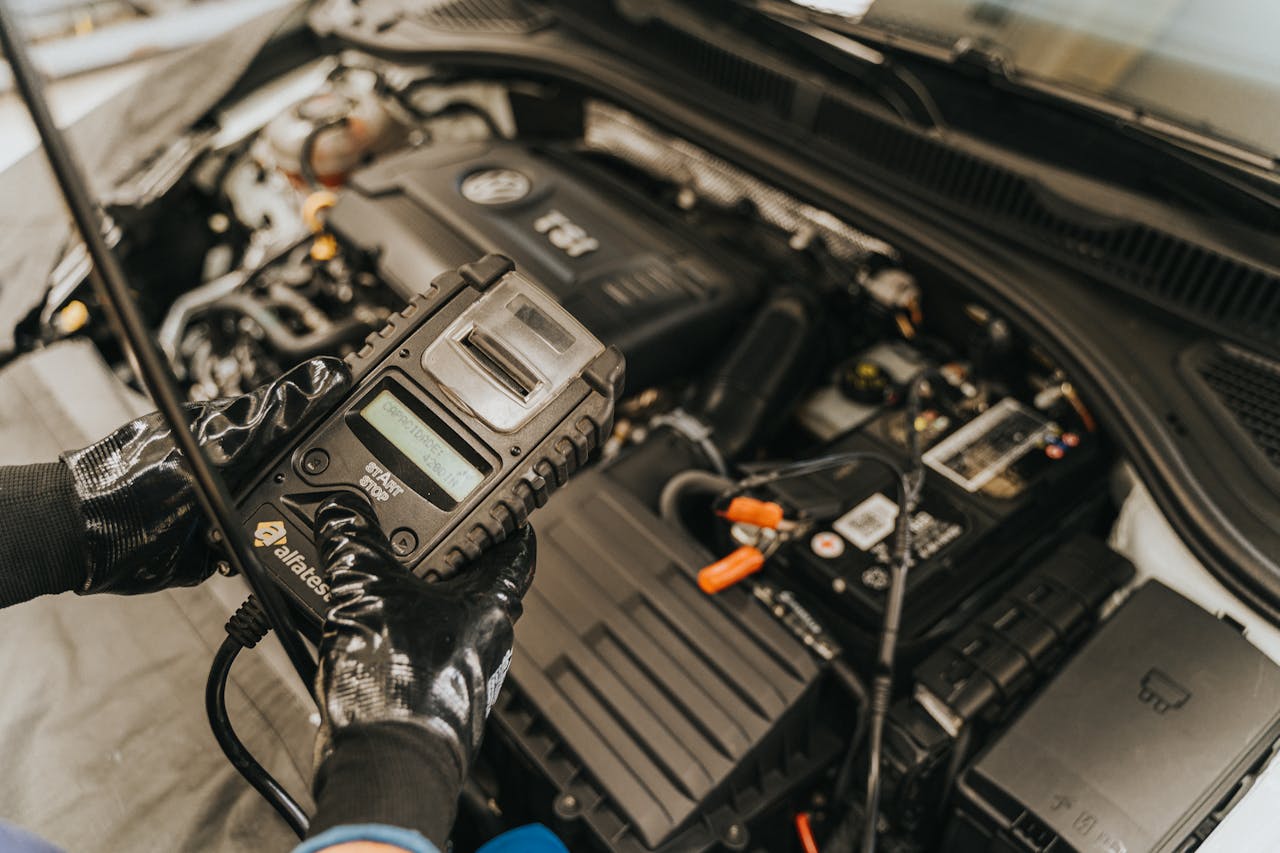
Taking care of your Volkswagen’s battery is crucial for ensuring smooth and reliable performance on the road. A healthy battery means your car will start without hesitation, allowing you to get where you need to be without unexpected delays. Batteries can sometimes act up, leaving drivers puzzled and stranded. Understanding potential issues can help prevent these annoying interruptions and keep your Volkswagen running like a charm.
Volkswagen vehicles, known for their reliability, can still face battery challenges. It’s important for drivers, especially those navigating Long Island’s varied weather, to recognize early warning signs. Whether it’s a dimming headlight or a sluggish start, these symptoms often indicate an underlying problem. By learning to spot these issues, you’ll be better prepared to maintain your car’s performance.
Identifying Volkswagen Battery Issues
Spotting battery issues early can save you time and stress. Here are some common red flags that might indicate your Volkswagen battery needs attention:
- Slow Engine Crank: If starting the engine feels sluggish and takes longer than usual, it might be the battery.
- Dim Lights: Dashboard and interior lights that appear dimmer than usual could signal a battery issue.
- Check Engine Light: This might illuminate for various reasons, but a faulty battery is a frequent cause.
Checking the battery voltage is a straightforward way to gauge battery health. Use a multimeter to measure the voltage; a fully charged battery typically shows around 12.6 volts. If the reading is significantly lower, it might be time to consider a replacement.
Visually inspecting the battery is another easy step. Look for corrosion around the terminals, which looks like a white, powdery substance. This can interrupt the connection between the battery and your vehicle. Also, notice any swelling or leaks in the battery case, often signs of a failing battery that needs immediate attention.
Recognizing these signals can help you address problems early, reducing the likelihood of getting stuck with a dead battery. Keeping an eye on these indicators is a smart move for anyone driving on Long Island’s busy roads.
Troubleshooting Steps
Once you’ve identified potential battery problems, tackling them early can save you from bigger headaches. Here’s a straightforward guide to help you handle some of these common issues on your own:
1. Troubleshoot Starting Problems:
- If your Volkswagen struggles to start, begin by checking the battery connections. Loose or dirty connections might be the culprit.
- Make sure the car is in park (or neutral for a manual) and try starting it with minimal electrical load. Avoid using accessories like the radio or AC initially.
2. Check and Clean Battery Terminals:
- Ensure the car is off before you begin. Carefully remove the battery terminals using a wrench or a battery terminal puller.
- Clean any corrosion with a solution of baking soda and water. Use a wire brush to scrub the terminals gently, then rinse with clean water and dry completely.
- Reattach the terminals securely and put them back in place.
3. Test the Alternator and Charging System:
- After cleaning the terminals, start your car and check if the battery warning light is still on. If it is, the issue may involve the alternator.
- If the car starts but the battery discharges quickly, it could be the charging system, not the battery, that requires attention.
These steps can manage typical battery hiccups, ensuring you’re not unexpectedly stuck. However, if these solutions don’t work, you might need further help.
Preventive Measures
Preventive care extends your battery’s life and maximizes performance, especially on Long Island, where weather conditions can be unpredictable. Here are some tips to help keep your battery in top condition:
Regular Maintenance Routines:
- Schedule routine checks, ideally every season, to ensure your battery remains in good shape.
- Clean the battery compartments to prevent dirt and grime accumulation.
Extend Battery Life:
- Avoid short trips that don’t allow the battery enough time to recharge fully.
- Turn off lights and accessories to prevent unnecessary battery drain when your vehicle isn’t running.
Replacing When Necessary:
- A practical rule is to replace your battery every three to five years to avoid sudden failures.
- Opt for high-quality batteries that perform well in both winter and summer conditions.
When to Seek Professional Help
Understanding when to reach out for professional assistance is key to avoiding costly repairs. Here are signs that it’s time to get help:
Warning Signs Needing Immediate Attention:
- Smoke or a strange smell coming from the battery area.
- Multiple unsuccessful attempts to start your car.
Benefits of Professional Volkswagen Maintenance on Long Island:
- Experts can diagnose more complex problems and ensure your battery and charging system work perfectly together.
- They provide insights on better maintenance practices tailored to local driving conditions.
Having specialists check and maintain your car’s battery will ensure your Volkswagen remains dependable. Regular check-ups will keep it in prime condition, letting you drive with confidence across Long Island.
Regular maintenance is key to keeping your Volkswagen in prime condition on Long Island. Dealing with battery issues can be challenging, so understanding when to seek professional assistance is crucial. Whether it’s addressing warning signs or setting up routine check-ups, rely on specialized services to ensure your car stays reliable. Trust the experts for comprehensive solutions and schedule your Volkswagen maintenance on Long Island with Smithtown Volkswagen today.
Connect with us


