


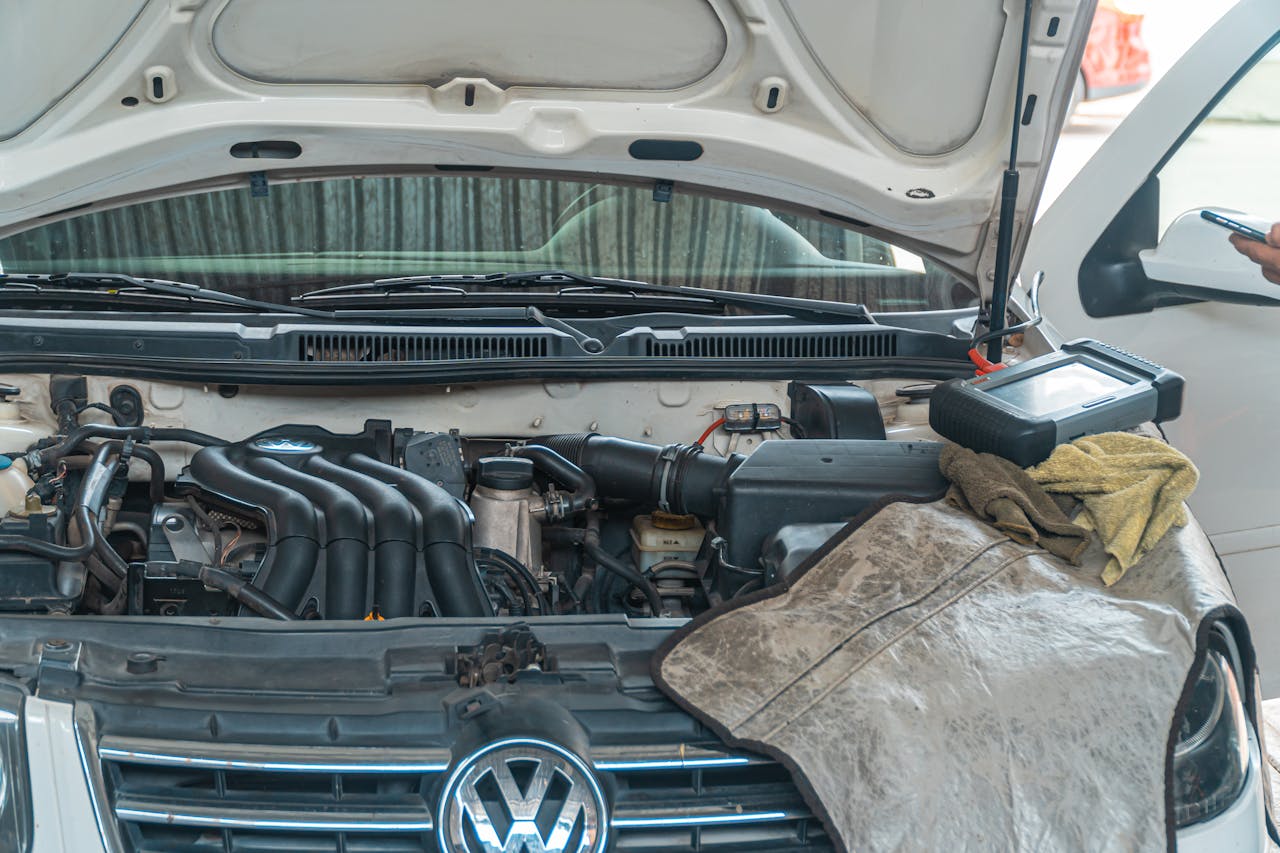
Taking care of your Volkswagen doesn’t have to mean frequent trips to the repair shop. There are plenty of simple fixes you can do right at home. Knowing a few DIY tricks can help you keep your car in top shape while saving money and time. Plus, it’s a great way to learn more about your vehicle.
In this blog, we’ll look at some quick and simple fixes anyone can handle. You’ll learn how to tackle common issues and keep your car looking and running great. By the end, you’ll be ready to handle those little hiccups with ease!
Fixing Common Electrical Issues
Electrical problems in your Volkswagen can be unsettling, but many can be tackled with a bit of know-how. One common issue is a malfunctioning window switch. If your power windows aren’t responding, start by checking the fuse box. A blown fuse is a frequent culprit, and replacing it is straightforward. Consult the owner’s manual to locate your car’s fuse box and identify the correct fuse to change.
Another common issue is headlight or taillight failures. This may be due to a burnt-out bulb or a poor connection. To resolve this, check the bulb by removing the light cover and examining the bulb’s filament. Replace it if necessary. For connection issues, ensure the socket is clean, and the wires are properly attached.
For recurrent battery drain, a parasitic draw might be to blame. To check this, use a multimeter to inspect for current flow even when everything is turned off. Start by removing fuses one by one to see if the current flow stops, indicating a faulty circuit. These DIY solutions can save time and money while keeping your Volkswagen running smoothly.
Restoring Small Exterior Blemishes
A shiny, flawless exterior boosts your Volkswagen’s appearance, but small blemishes like scratches or dents can detract from its beauty. Thankfully, these visual hiccups can often be managed at home. For minor scratches, a simple scratch repair kit can do wonders. These kits, available at most auto stores, usually include a polish and a buffing pad. Gently polish the scratch, progressively blending it with the rest of the paintwork.
Dealing with small dents is also possible with a bit of patience. A DIY dent removal kit often includes a suction tool to gently pull out the dent. Begin by cleaning the dented area, attach the suction tool, and gradually pull the dent to restore the panel’s shape. Remember, this technique works best on pliable metals and might need several tries for perfection.
If your Volkswagen has lost its original luster, consider using a clay bar. This tool removes contaminants from the paint, bringing back that smooth finish. Apply the clay bar with water or a lubricant, and gently glide it over the paint, collecting impurities with each stroke.
Maintaining Your Volkswagen’s Interior
Keeping the interior of your Volkswagen clean and tidy enhances the driving experience and preserves the value of your vehicle. Regularly caring for the interior prevents the buildup of dirt and wear over time. Start with regular vacuuming to remove dust, crumbs, and loose debris from seats and carpets. Use a handheld vacuum or attachments to reach tight spots like under seats and between cushions.
To clean upholstery and leather seats, use specific cleaners designed for the material. For fabric, apply a gentle fabric cleaner and use a soft brush or cloth to scrub stains gently. On leather, a quality leather cleaner and conditioner will keep seats supple and help avoid cracking. Be mindful of the dashboard and panel surfaces, where dirt can accumulate. Use a microfiber cloth with the appropriate cleaner to wipe down these areas.
Windows often fog or get smeared, so keep them clear using a glass cleaner and a lint-free cloth. Regularly check and vacuum floor mats or clean them with soap and water if necessary. By integrating these steps into your routine, your Volkswagen’s interior stays fresh and inviting.
DIY Engine and Oil Maintenance
Maintaining your engine’s health ensures your Volkswagen runs efficiently and smoothly. Regular engine checkups and oil maintenance are vital and can be done at home with a few simple steps. Begin by checking the oil level using the dipstick. Low oil can lead to engine damage, so make sure it stays topped up. To change the oil, warm up your vehicle, then safely elevate it using a jack and stands.
Once the car is secure, locate the oil drain plug and position an oil pan underneath. Unscrew the plug to let the old oil drain completely. Replace the plug, then remove the old oil filter using an oil filter wrench. Install a new filter by lubricating the rubber gasket with a bit of fresh oil and screwing it into place. Fill the engine with new oil based on the specifications in your owner’s manual.
Remember to properly dispose of the old oil and filter at a recycling center. Regularly inspect the engine for any loose or worn-out hoses and belts, addressing any issues immediately. These practices keep your engine in top condition, enhancing performance and longevity.
Conclusion
Taking care of your Volkswagen is a rewarding and practical task, providing peace of mind and ensuring longevity for your vehicle. By addressing common electrical issues, restoring exterior blemishes, maintaining the interior, and conducting engine and oil maintenance, you can keep your Volkswagen running smoothly. Regular care helps prevent bigger problems down the road, saving time and money while promoting a safer, more enjoyable driving experience.
For those living in or near Smithtown, Smithtown Volkswagen offers a range of services and vehicles that cater to all your needs. Whether you’re looking to purchase a new or used car or require a Volkswagen maintenance in Long Island, we’re here to help. Visit us to explore our offerings today and ensure your car remains in prime condition.
Connect with us


