Blog

All St James Volkswagen Dealer Volkswagen Smithtown Volkswagen Service St James Used Cars St James Volkswagen Service
Volkswagen

Volkswagen Brake Bedding-In Tips for Long Island Drivers After New Pads

Protect Your New VW Brakes From Day One New brake pads and rotors are a big safety upgrade for your Volkswagen, but they need a little care at the start. How you drive in the first few hundred miles can affect stopping distance, noise, and how smooth the brakes feel for a long time. A proper break-in can help your brakes grab firmly when you need them most and reduce the chance of squeals or vibrations. Long Island driving is tough on brakes. Stop-and-go traffic on Route 25, slowdowns on the LIE, and salty air near the water all put extra stress on your VW braking system. That’s why taking it easy right after a brake job matters even more for drivers here. With a simple, step-by-step bedding-in routine, you can help your new pads and rotors wear in evenly. Our technicians are always ready to explain the process so your Volkswagen brakes feel strong and stay that way. Why Bedding-in New VW Brakes Really Matters When we talk about bedding-in or break-in, we are really talking about two things happening at once. First, a thin, even layer of brake pad material needs to transfer onto the surface of the rotor. Second, the new parts need time to settle in without getting overheated. If you skip that gentle start or drive too hard on fresh brakes, you can run into problems like: High-pitched squealing or chirping Steering wheel shake or pedal pulsation when you slow down Glazing on pads and rotors that can reduce stopping power Longer stopping distances, especially in sudden stops Uneven rotor wear that can show up as vibration later On crowded Long Island roads, you notice these issues right away. A brake pedal that feels rough when you are inching along in traffic or a steering wheel that shudders when you slow from highway speed can make every commute feel stressful. Proper bedding-in helps your brake system work together as designed. When you pair expert Volkswagen brake service in Farmingdale or St. James with a careful break-in period, you are helping protect your investment in new pads, rotors, or a full brake job and supporting smoother, more confident stops. Step-by-Step Bedding-in Process for Long Island Roads You do not need special tools or a race track to bed-in your new brakes. You just need some patience and a bit of planning for where and when you will drive after service. For most Volkswagen models, a general bedding-in routine looks like this: • First 150 to 200 miles: Avoid hard panic stops unless you have an emergency Keep your speed moderate when you can Leave extra following distance so you can brake gently • Controlled stops: Find a safe, low-traffic area Do several medium stops from about 35 to 40 mph down to around 5 to 10 mph Do not come to a complete stop and hold the pedal hard after each one Drive a few minutes between stops to let the brakes cool On Long Island, quieter neighborhood streets or calmer stretches of road early in the morning or later in the evening can work well. Try to avoid heavy weekend traffic heading toward the beaches, where constant braking can heat things up too quickly. Every Volkswagen model is a bit different, especially performance models with larger brakes. It is always smart to check your owner’s manual or ask a factory-trained technician for tips that match your specific vehicle and driving style. Seasonal Brake Break-in Tips for Spring and Summer Warmer weather changes how your brakes behave, especially when they are new. Hotter roads, more stop-and-go traffic, and extra miles from day trips can raise brake temperatures faster than you might expect. Here are some simple spring and summer tips to protect fresh pads and rotors: Avoid riding the brakes in slow beach or vacation traffic. Try rolling forward and then easing off the pedal. Use lower gears on hills or ramps instead of holding the brakes lightly all the way down Give your brakes extra time to cool between bedding-in stops Park in the shade when you can, since cooler parts are less likely to warp or glaze Local roads may still have leftover winter salt and pothole damage. That can affect how your Volkswagen feels over bumps and during stops. If the steering feels off or the car pulls when you brake, it is smart to have the suspension and braking system checked before adding long summer road trips into the mix. A professional brake inspection before the busy travel season can help catch small issues early. That way, your new brakes can bed-in correctly and stay consistent when the car is fully loaded with people, luggage, and beach gear. When New VW Brakes Need Attention After Installation It is normal for new brakes to feel and smell a little different at first. During the first few hundred miles, you might notice: A light, temporary burning odor after driving Mild squeaks at low speeds that fade as the pads bed in Slight changes in pedal feel while the parts settle These signs usually fade as the bedding-in process finishes. But some symptoms are not normal and should be checked right away, such as: Sharp grinding noises Strong vibration in the steering wheel or brake pedal The car pulling hard to one side when you brake A soft or sinking pedal that does not feel steady If you notice anything like this, try to note when it happens. Pay attention to: Your speed when it starts Whether you are turning, braking lightly, or braking hard If the problem is worse when the brakes are hot or cold Avoid aggressive braking if it feels unsafe, and plan for a prompt inspection with a qualified Volkswagen service department. A skilled team can tell if the issue is from skipped or incomplete bedding-in, part defects, or something else, such as worn suspension components or tire problems. Fixing it early can help prevent more wear on your new pads and rotors. Get Expert VW Brake Care From Your Long Island Pros When your Volkswagen has just had new pads and rotors installed, or you are planning ahead for summer maintenance, it helps to have a trusted local team on your side. Professional inspection, brake fluid checks, and clear answers to your bedding-in questions can make those first miles on fresh brakes much less stressful. For Long Island drivers who might be thinking about Volkswagen brake service in Farmingdale or nearby areas, our location in St. James offers a convenient option with service tailored to local road and weather conditions. With attention to proper break-in and regular care, your VW brakes can stay smooth, quiet, and ready for whatever the LIE, Route 25, and your daily drive bring next. Protect Your Brakes And Drive With Confidence Keeping your brakes in peak condition is one of the most important ways to stay safe on the road, and at Smithtown Volkswagen we make it simple to get the expert care your vehicle deserves. Schedule your next Volkswagen brake service in Farmingdale and our factory-trained technicians will inspect, service, and repair your braking system using quality parts. If you have questions about symptoms you are noticing or need help booking an appointment, just contact us so we can help you get back to confident stopping power.

Volkswagen

Road Trip Ready Volkswagens for Long Island Summer Escapes

Hit the Long Island Highways in Comfort and Style Summer drives on Long Island should feel easy. Weekend runs to Robert Moses, catching the ferry to Fire Island, or heading all the way out to Montauk are a lot more fun when your car keeps you relaxed, cool, and confident in traffic. The right Volkswagen helps with every mile. Comfort matters when you are sitting on the Long Island Expressway or Sunrise Highway. So do good fuel economy and smart safety features that can step in when traffic gets heavy or the weather turns. At Smithtown Volkswagen in St. James, we focus on helping local drivers find a new Volkswagen on Long Island that fits real summer plans. We also support those plans with service and genuine parts so your vehicle feels ready for long days, late nights, and everything in between. Top Volkswagen Picks for Long Island Summer Escapes Different trips call for different vehicles. Some drivers want space for beach chairs and coolers. Others want something small and fun for quick getaways and tight parking spots. Here are a few Volkswagen models that work especially well for Long Island summers: Volkswagen Tiguan Volkswagen Atlas Volkswagen Atlas Cross Sport Volkswagen Taos Volkswagen Golf GTI The Volkswagen Tiguan is a great all-around SUV for Long Island: Flexible cargo space for chairs, umbrellas, coolers, and sports gear Available 4MOTION all-wheel drive for extra confidence on wet roads Comfortable ride that feels steady on long stretches between Nassau and the Hamptons For families or bigger groups, the Volkswagen Atlas and Atlas Cross Sport are strong picks. The Atlas offers three-row seating and generous legroom so kids, friends, and extra bags all have space. Easy access to the third row makes loading up simpler. Both Atlas models offer advanced driver assistance features that are helpful in stop-and-go parkway traffic, plus towing strength for small campers, trailers, or jet skis. If you like something smaller and more playful, the Volkswagen Taos and Golf GTI bring a different kind of fun. Both are easy to park in crowded summer towns like Port Jefferson, Greenport, and busy beach lots. Their compact size and responsive engines help make frequent trips feel lighter, while good fuel economy helps you go farther between fill-ups. The Golf GTI adds a more spirited feel that keeps drives to the North Fork or Montauk exciting. Comfort and Tech Features That Make Every Mile Better When the heat and humidity roll in, the inside of your vehicle matters just as much as where you are going. Many Volkswagen models offer interior features that help you stay cool and comfortable: Available ventilated front seats that help on hot days Dual-zone or tri-zone climate control so everyone can pick a comfortable setting Panoramic sunroof options to enjoy sky and coastal views while keeping most of the heat out Flexible seating and cargo setups also help a lot. Split-folding rear seats, adjustable load floors, and wide liftgates make it easier to fit: Luggage and overnight bags Beach umbrellas and chairs Sports equipment, coolers, and bags of snacks On the tech side, Volkswagen models are built to keep you connected without feeling complicated. Features available on many models include: Volkswagen Digital Cockpit for clear, easy-to-read driving info Intuitive touchscreen infotainment systems Wireless Apple CarPlay and Android Auto for maps, music, and calls Multiple USB ports so everyone can keep phones and tablets charged Driver-assistance tech like IQ.DRIVE is designed to take some of the stress out of busy Long Island traffic. Features such as Adaptive Cruise Control, Lane Assist, and Front Assist can help with speed control, lane positioning, and watching what is happening ahead. On peak summer weekends, these tools can reduce fatigue so you arrive feeling more relaxed. Smart Reasons to Shop for a New Volkswagen on Long Island When you plan to spend a lot of time on the road, a new Volkswagen on Long Island can bring real day-to-day benefits. Newer models typically offer better fuel economy, which helps if you are making frequent beach trips or crossing from one end of the Island to the other. Updated safety features are helpful on busy roads filled with visitors, commuters, and local traffic all at once. Modern tech also keeps the family entertained and on the right route. Choosing to shop local brings its own advantages. At a local dealership, the people helping you drive are the same people who drive the same roads you do. Test drives happen on nearby streets and highways, not somewhere far away. That means we can talk about how a vehicle feels on roads you already know, from parkways to smaller neighborhood routes. Seasonal offers and financing options can also make it easier to match a vehicle to your lifestyle. Some drivers prefer leases that can change with growing families or new hobbies, like boating or camping. Others want to trade in an older vehicle and switch into something that fits long summer days, winter commutes, and everything in between. Service and Prep Tips Before You Hit the Road Even the best road trip plans fall flat if your vehicle is not ready. Before longer drives, it is smart to have a professional look over key parts of your Volkswagen. Common pre-road-trip checks include: Oil and filter change so the engine keeps running smoothly Tire rotation and tread check to help with grip and even wear on long highway stretches Brake inspection to handle stop-and-go summer traffic Battery health test to lower the chance of hot-weather starting problems Having certified Volkswagen service is helpful because the technicians know how these vehicles are designed. Genuine Volkswagen parts and accessories are made to fit and work correctly, which is especially important when you are depending on your vehicle far from home. Local service teams also understand the impact of Long Island driving, like potholes, salt air near the shore, and seasonal temperature swings. There are also accessories that can make summer even easier: Roof racks for bikes, kayaks, or extra cargo All-weather floor mats and cargo liners to catch sand and water Sunshades to help keep the cabin cooler when parked Cargo organizers so beach and sports items stay tidy and easy to grab Plan Your Long Island Summer in a New Volkswagen Today The right Volkswagen can turn Long Island trips into something you look forward to, not something you have to power through. From roomy SUVs like Tiguan and Atlas to nimble choices like Taos and Golf GTI, there is a model that can match your favorite getaways and daily drives. At Smithtown Volkswagen, we are part of the St. James community and see how drivers use their vehicles year-round. We offer new and pre-owned inventory, help with financing, and full service support so your Volkswagen feels ready for beach days, city runs, and everything in between. When you are ready to plan your next season of road trips, we will be here to help you find the setup that fits your life on Long Island. Drive Home Confidence With Your Next Volkswagen Explore our latest models and find the perfect fit for your lifestyle in our new Volkswagen in Long Island inventory today. At Smithtown Volkswagen, we take the time to understand your needs so we can match you with the right vehicle and financing options. If you have questions or want to schedule a test drive, simply contact us and we will be ready to help.

Volkswagen

Brake Noise on Long Island Volkswagens and When to Worry

Do Not Ignore That Squeal: Protect Your VW Brakes Brake noise is your Volkswagen talking to you. On Long Island roads, with stop-and-go traffic, salty air, and occasional potholes, your brakes work hard every single day. When they start to squeak, grind, or clunk, it is often a warning that something is changing in the system. Catching brake problems early can help keep your family safer, especially on longer highway drives or weekend trips around New York. It can also help prevent a small issue from turning into a bigger repair. While some sounds are normal, others are a sign that your VW needs attention soon. If you drive a Volkswagen around St. James, Smithtown, or you are comparing options for brake repair in Farmingdale and in other Long Island spots, it helps to know which noises matter and when to worry. That is what we will walk through here, so you can feel more confident every time you press the brake pedal. Common VW Brake Noises and What They Mean Not every brake sound means something is broken, but none of them should be ignored for long. Here are the most common noises you might hear in your Volkswagen. Squeaking or squealing is one of the first sounds many drivers notice. It can come from: Wear indicators on the brake pads touching the rotor Light surface rust on the rotors after rain or humidity Dust or dirt buildup on pads and rotors If you hear a quick squeak during the first few stops of the day, especially after a damp night, that can be normal. The thin layer of rust or moisture is wearing off the rotor surface. But if the squealing continues during every stop, at every speed, it often means the pads are getting worn and need to be checked. Grinding or growling is more serious. This usually means the brake pads have worn down so far that the metal backing is contacting the rotor. When this happens: Stopping distance can increase Rotors can be damaged and may need to be replaced You might feel vibration or roughness when braking Grinding is not a sound to wait on. It is a strong sign that your VW needs brake service right away to stay safe. Clicking, clunking, or rubbing noises can point to other concerns. These sounds might come from: Loose or worn brake hardware Warped rotors that do not spin evenly Small stones or debris caught near the brake components Volkswagen brake systems are designed with tight tolerances. If you start hearing new mechanical noises when you hit the brakes, it is smart to have a professional take a closer look. When Brake Noise Is Normal on Long Island Roads Some brake sounds are annoying but usually harmless, especially with our coastal weather. Long Island drivers often notice more noise on damp mornings or after a day at the beach. Overnight humidity and salty air can leave a very light layer of rust on your rotors. The first few times you stop, the pads scrape that layer away, which can sound like: Short, light squeaks A faint scraping noise that fades quickly Slight roughness on the very first stop As long as the noise fades after a few stops and does not come back during the day, it is often normal. Seasonal shifts can also change how your brakes sound. In late spring and summer, you may notice: More squeaks after rain, storms, or a fresh car wash Occasional light noise in heavy traffic when brakes get hot Dust buildup from frequent short trips and stop-and-go driving A few signs that your brake noise is probably in the normal range: It only happens on the first few stops after the car has been sitting It does not get louder or more frequent over time The brake pedal feels normal, with no pulsing or vibration No brake or ABS warning lights are on Even when noise seems normal, regular brake inspections by a trained team help keep your VW ready for daily driving and longer trips. Red Flags That Mean Your VW Needs Brake Service Now Some brake noises are strong warnings that should not be put off. These sounds usually mean the brakes are wearing down past a safe point or that something is not working as it should. Noises that call for quick attention include: Continuous high-pitched squealing every time you press the pedal Screeching at low speeds that does not fade Metal-on-metal grinding, growling, or scraping that stays constant Changes in how your brakes feel are just as important as what you hear. Watch for: Pulsation or vibration in the brake pedal or steering wheel A soft or spongy pedal that sinks lower than usual The car pulling to one side when braking Needing more road to slow down or stop Your dashboard and a quick look through the wheel openings can also show clues: Brake warning light or ABS light staying on Burning or hot smell near a wheel after driving Deep grooves or dark spots on the rotor surface Brake pads that look very thin behind the wheel spokes Waiting too long with these signs can turn a simple pad replacement into a repair that needs rotors and other parts. Getting things checked early usually keeps you safer and helps limit damage. Why VW-certified Brake Care Matters on Long Island Volkswagen brake systems are built to match the specific model, from smaller cars like the Jetta to larger SUVs like the Atlas, plus hybrid and electric options. Having people who know these systems well work on them can make a real difference. Factory-trained technicians are familiar with: VW-specific brake designs and layouts Correct torque values on bolts and hardware How software-controlled features can affect braking on modern models Genuine Volkswagen parts are designed to work with your vehicle as a system. Using the right pads, rotors, and brake fluid can: Help reduce noise and squeals Support strong, consistent stopping power Handle local weather, traffic, and driving styles all year For Long Island drivers, convenience matters too. You might search for brake repair in Farmingdale or another town nearby, but a Volkswagen dealership in St. James offers tools and diagnostic equipment built for your brand. Keeping your service history in one place can also help when it is time for a lease turn-in or if you decide to sell your vehicle later. Make Your Next Stop a Safe One at Smithtown Volkswagen When you hear a new brake sound, it is easy to turn up the radio and hope it goes away. But your brakes are one of the most important systems on your Volkswagen, and they are worth paying attention to, especially before longer drives and busy traffic days. At Smithtown Volkswagen in St. James, we help Long Island drivers understand what their brakes are telling them and what should happen next. Whether you live close by in Smithtown or you are comparing options with general brake repair in Farmingdale or other areas, choosing VW-focused care can give you clearer answers and more peace of mind every time you press the pedal. Keep Your Brakes Ready for Every Drive If you are noticing squeaking, grinding, or longer stopping distances, schedule trusted brake repair in Farmingdale with Smithtown Volkswagen today. Our certified technicians will inspect your system, explain what they find, and recommend only the services you truly need. To arrange your appointment or ask questions about your brake concerns, simply contact us.

EV charging

EV Charging Etiquette for Long Island Volkswagen Drivers

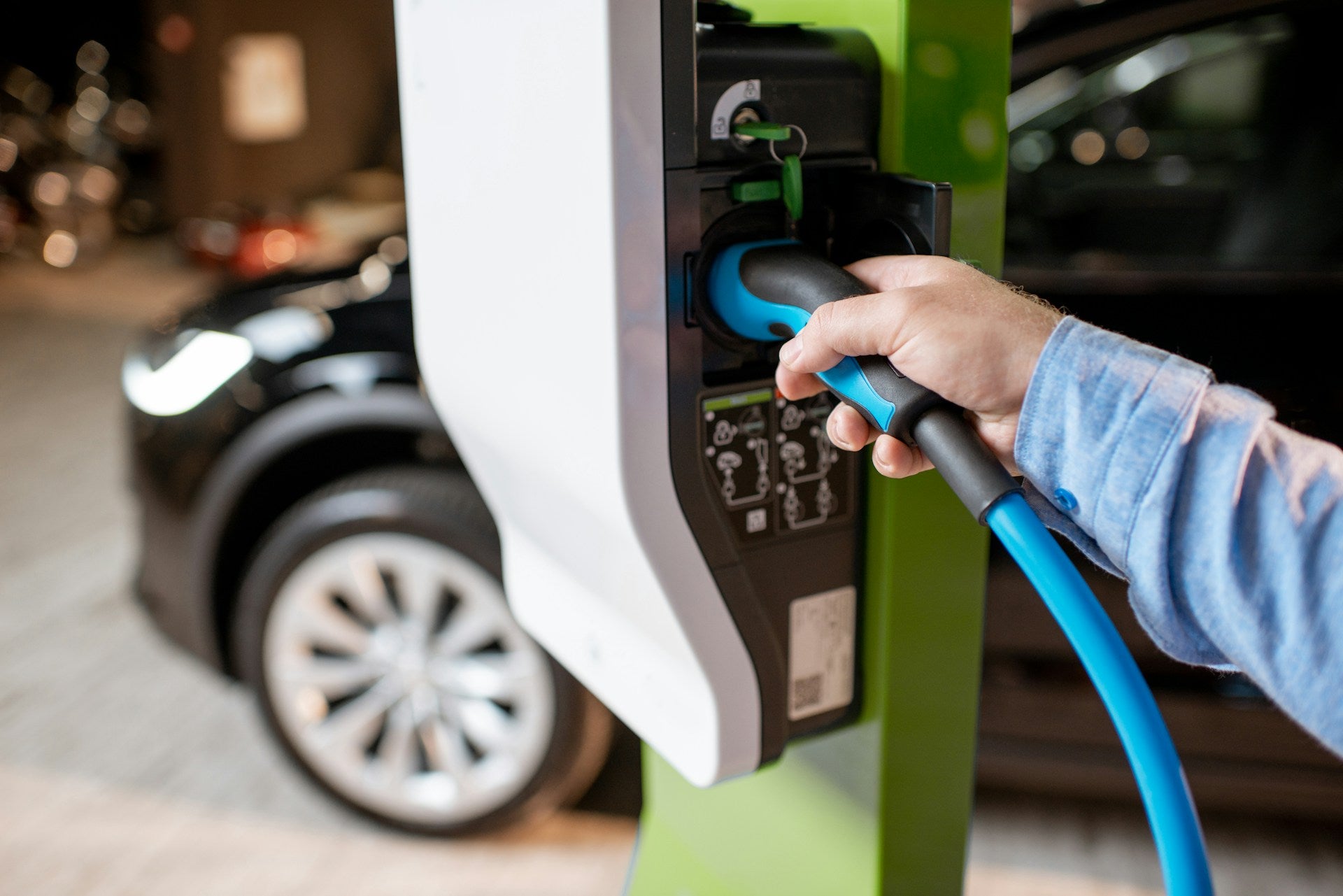
Electric vehicles are becoming a common sight across Long Island, from local neighborhoods to busy shopping centers. As more drivers plug in, shared charging spots can fill up fast, especially on weekends and during warmer weather. That is why good EV charging manners matter just as much as knowing how your car works. In this guide, we will walk through simple, clear etiquette for Volkswagen EV charging in Long Island. You will learn how to be polite at public chargers, plan ahead for trips, stay safe at crowded stations, and build smart charging habits that keep things smooth for you and everyone around you. Master EV Charging Etiquette on Long Island Public chargers are shared spaces, just like parking lots or carpool lanes, etc. When drivers follow the same basic rules, everyone gets where they need to go with less stress and fewer delays. Good etiquette helps you: Cut down your wait time at popular stations Avoid tense moments over who was “there first” Make road trips and errands feel calmer and more predictable On Long Island, public charging can get busy at shopping centers, office parks, park-and-ride lots, and near beaches. Knowing what is polite, what is not, and how to communicate with other drivers will help keep Volkswagen EV charging in Long Island friendly and fair. Know Your EV Charging Options on Long Island First, it helps to understand the main types of charging. When you know which level you need, you can pick smarter spots and leave fast chargers open for people who really need them. The three basic charging levels are: Level 1: Standard household outlet. Slow, usually best for overnight at home. Level 2: 240-volt chargers, similar to a large home appliance. Common at homes with dedicated chargers, workplaces, public lots, and shopping centers. DC Fast Charging: High-powered chargers that add a lot of range in a short time. Often found along main roads, near highways, and at some larger shopping or travel hubs. Most daily driving can be covered with home or workplace charging, often Level 1 or Level 2. DC fast charging is ideal for: Longer trips across the Island Quick top-ups when you are far from home Times when your battery is low and you need to keep moving Many public charging networks offer apps that help you: Find nearby chargers and filter by speed See if a station is in use before you arrive Read notes from other drivers on station condition By matching your needs to the right charger type, you avoid using a fast charger when a slower public charger or home charging would do the job. That leaves high-speed spots for drivers in a true hurry or on longer drives. Public Charging Manners Every Driver Should Follow At a shared charger, your goal is simple: get the charge you need, then make space for the next person. Time awareness is a big part of that: Move your vehicle soon after charging is done Pay attention to station time limits or idle fees Avoid “camping” at a charger if you are finished but still hanging out nearby Many EVs and charging apps let you set alerts when your charge hits a certain level or when a session ends. Using those reminders makes it much easier to unplug and move right away. Unplugging another driver’s vehicle is almost never okay without clear permission. A few general tips: Do not disconnect another car unless there is an agreed system in place Some drivers leave a note giving permission after a certain battery level If an app allows messaging, use that to check before you touch someone else’s cable At busy stations, it helps to: Form a clear line and respect who arrived first Ask politely who is next if it is not obvious Avoid blocking access lanes or stretching cables around your car in a way that trips others A friendly wave, a quick “Are you next?” or “How long do you have left?” goes a long way toward keeping things calm. Smart Charging Habits for Volkswagen EV Owners Good etiquette starts at home. When you treat public chargers as a backup instead of your main power source, you help keep the system running smoothly. Try to: Charge at home or at work whenever you can Use public Level 2 chargers while you shop, eat, or run errands Save DC fast charging for travel days or when you are low and far from home Managing your state of charge with a light touch helps too. You usually do not need to fast charge to 100 percent for short local trips. Instead, you might: Aim to use fast charging for quick boosts, not full fills Plan your errands around a Level 2 stop so you are not watching the clock Keep an eye on how long you really need to charge to reach your next stop comfortably During warmer months, beach trips and weekend getaways can put extra pressure on chargers near parks, ferries, and coastal towns. A few smart habits: Start your day with a healthy charge from home Check station availability before you leave Give yourself a buffer so you are not arriving with a nearly empty battery at a busy station If your Volkswagen offers battery preconditioning or charging schedules, learning how to use those tools can also help you charge more efficiently and calmly. Charging Safely and Respectfully at Busy Stations Safety is part of good etiquette. Public chargers mix cars, people, cables, and sometimes tight parking spots, so small choices matter. Always: Park inside the lines so others can reach their ports Keep cables neat and avoid blocking walkways Keep kids and pets away from charging cables and equipment Follow the instructions on the charger screen Respecting the space also means: Do not “reserve” a charging spot with cones, bags, or other personal items Only use charging spaces when you are actually plugged in Report damaged or strange-looking equipment instead of trying to fix it yourself You can also help other drivers when stations are busy by: Mentioning nearby stations if someone is waiting and you know of an open one Being patient if a charger is acting up and others are also trying to figure it out Setting a good example for newer EV owners who may be unsure of the rules How Smithtown Volkswagen Supports Better Charging As a full-service Volkswagen dealership in St. James, we spend a lot of time helping drivers feel confident about charging. That includes explaining how each Volkswagen EV handles charging, so you know what to expect before you ever plug into a public station. Our team can walk through: Your vehicle’s onboard charger and what that means for Level 2 speeds How your model responds to DC fast charging Recommended everyday charging habits for battery health and convenience We can also provide guidance on: Setting up home charging equipment with the right type of outlet Keeping your charging port and cables in good condition with regular service Using software updates and in-vehicle settings that support smoother charging As more people choose Volkswagen EV charging in Long Island, small acts of courtesy at the plug help build a cleaner, easier way to get around. When drivers understand their options, respect shared spaces, and stay safe, every charge becomes a little smoother for the next person in line. Power Your Commute With Convenient EV Charging Support If you are ready to make the switch to electric, we are here to help you understand everything about Volkswagen EV charging in Long Island, from home setup to on-the-go options. Our team at Smithtown Volkswagen can walk you through available EV models, charging times, and tools that fit your daily driving. Have questions or want to schedule a visit? Simply contact us so we can help you move into electric driving with confidence.

Volkswagen

VW Maintenance Schedule for Long Island Stop-and-Go Commutes (Gas vs EV)

Cut Your Long Island Commute Stress with Smart VW Service Stop-and-go traffic on the LIE or Northern State can wear you out, and it also wears on your Volkswagen. Long gaps of idling, quick bursts of speed, and constant braking are harder on your car than steady highway cruising. That means a standard maintenance schedule may not be enough for your daily Long Island drive. A commute-optimized, mileage-based plan helps keep your Volkswagen ready for that grind every weekday. With the right service rhythm, you can improve fuel efficiency, protect major components, and lower your chances of surprise breakdowns on the way to work or back home. We focus on how local roads really feel, not just what a general factory chart shows. By matching your service schedule to your actual commute, we can help your gas or electric Volkswagen handle Long Island traffic with less stress on you and your vehicle. How Long Island Stop-and-Go Changes Your Service Timeline Volkswagen describes certain use as “severe driving conditions.” Many Long Island drivers fall into this category without even realizing it. These conditions often include: Short trips where the engine does not fully warm up Frequent idling in traffic Lots of stop-and-go, especially during rush hour Rough roads, potholes, and speed bumps Very hot or very cold temperatures If that sounds like your daily drive on the LIE, Northern State Parkway, or Sunrise Highway, your maintenance needs can be different from someone who does mostly smooth highway miles. Stop-and-go puts extra stress on several systems: Brakes, because you are using them every few seconds Engine oil, because of repeated heat cycles and idling Transmission components, because of constant shifting Cooling system, which works harder when the car is not getting airflow at speed Instead of thinking only in months, it helps to think in “commuter miles.” Two drivers can have the same odometer reading, but the one crawling through traffic each day usually needs closer attention. Using your mileage as a base, then adjusting for your driving style, creates a smarter plan for Volkswagen maintenance in St. James and across Long Island. Mileage-Based Maintenance for Gas Volkswagens on Long Island Gas models like the Jetta, Tiguan, Atlas, Taos, and Golf GTI often see heavy use as commuter cars here. For these vehicles, a mileage-based schedule tuned for local traffic patterns can make a real difference. A general commute-focused outline for gas Volkswagens might look like this: Every 5,000 to 7,500 miles Engine oil and filter change Tire rotation and tire pressure check Brake inspection and fluid level check Basic check of lights, wipers, and underhood fluids This interval is especially helpful during hot, humid Long Island summers, where idling with the AC on can break down oil faster and raise underhood temperatures. Every 15,000 to 30,000 miles Cabin air filter replacement for cleaner air and better AC performance Engine air filter replacement to help fuel economy and power Alignment check if you hit potholes or feel pulling Close inspection of brake pads and rotors Tire tread and sidewall check, especially after winter roads and salt exposure Beyond 50,000 miles Transmission service where recommended for your specific model Coolant replacement and cooling system inspection Spark plug replacement as needed for smooth running Suspension and steering check to catch worn parts like bushings or struts You should not wait for a specific mileage mark if something feels off. Warning signs that need prompt attention include: Squealing or grinding brakes in slow traffic Rising temperature gauge in summer congestion Shakes or vibrations at low speeds or when braking Hard shifts or hesitation when you pull away from a stop At our service drive, we pay close attention to how you actually use your Volkswagen. A driver going from St. James to midtown every day will need a different approach than someone commuting from Smithtown to Hauppauge. By talking through your route, average weekly miles, and how heavy your traffic usually is, we can fine-tune these intervals for your specific situation. EV and Hybrid VW Maintenance for Daily Long Island Drives Electric and plug-in hybrid Volkswagens, such as the Volkswagen ID.4, follow a different pattern. You have fewer fluid changes and no traditional engine oil, but that does not mean “no maintenance.” The focus shifts to tires, brakes, cooling, and software. For Long Island EV commuters, a commute-aligned plan often centers on mileage and time: Every 7,500 to 10,000 miles Tire rotation and tread check, since EV weight and instant torque can wear front tires faster Brake inspection for uneven pad wear and to confirm the balance between friction brakes and regenerative braking Suspension and steering check if you notice any pulling or uneven wear Annual or mileage-based checkpoints Battery health and high-voltage system inspection Cooling system check for components that help manage battery and cabin temperatures Software updates and system checks to help support range, charging behavior, and driver-assistance features Cabin air filter review, especially if you sit in traffic with the fan on recirculate Long Island’s weather adds some extra factors. Hot summers can affect range and put more demand on battery cooling and AC. Cold, salty winters can affect brakes, underbody components, and charging connectors. Regular checks by technicians who know Volkswagen EV systems help catch small changes in range, charge speed, or warning lights before they turn into larger issues. Seasonal Maintenance Checkpoints for Long Island Commuters Even when your mileage is not climbing fast, seasons still affect your car. Tying at least two visits per year to weather changes is a smart way to keep ahead of commute-related wear. Spring and summer service often focuses on comfort and cooling: AC performance checks for those long backups in humid heat Coolant level and hose inspection Wiper blade condition and washer fluid for sudden storms Tire pressure and tread depth, since pressure rises as temperatures go up Fall and winter prep helps you handle cold, rain, and possible ice: Battery and charging system checks before the first real cold snap Brake performance review for wet and slippery commutes Tread depth check and a talk about all-weather or winter tire options if needed Underbody and brake line inspection to help protect against road salt Sticking to seasonal checkpoints also helps keep maintenance records complete, which supports warranty coverage and gives a clearer picture of how your commute affects your Volkswagen over time. Turn Your Commute Into a Reliability Plan with Smithtown Volkswagen A reliable commute is not just about buying the right vehicle; it is about matching its care to your daily reality. When you bring us details like your usual route, average weekly mileage, and how often you face bumper-to-bumper traffic, we can help build a simple “Commute Care Calendar” that fits your gas or electric Volkswagen. At Smithtown Volkswagen in St. James, we focus on practical, local advice for Long Island drivers. With service reminders tied to both mileage and seasons, support for EV and gas models, and a focus on genuine Volkswagen parts and trained technicians, we work to keep your car ready for whatever the LIE, Northern State, and your daily commute decide to throw at it. Keep Your Volkswagen Running At Its Best Protect your vehicle’s performance and value with our tailored Volkswagen maintenance in St. James. At Smithtown Volkswagen, we make it easy to stay ahead of routine service so you can drive with confidence every day. If you have questions about which maintenance plan fits your needs, simply contact us and our team will be happy to help you get started.

Volkswagen

Bay Shore Drivers’ Checklist for Tire Service and Safety

Stay Safe on Bay Shore Roads With Smart Tire Care Tires do a lot more than just keep your car off the ground. They help you stop in time, keep control in the rain, and even affect how much fuel you use as you drive around Bay Shore and the rest of Long Island. When they are in good shape, your Volkswagen feels smooth, steady, and confident. Late spring is when many drivers start thinking about longer drives, beach days, and more time on the road. Around Bay Shore, that can mean heavier traffic, sudden showers, and rough patches from winter potholes that still have not been repaired. Smart tire care helps you stay ready for all of it. In this guide, we walk through a simple, local-focused checklist you can use to keep an eye on your tires. You will see the signs that it is time for professional tire service near Bay Shore, and you will know what to expect when you bring your VW in for a closer look. Know When Your Tires Need Professional Attention Tires wear slowly, so problems can sneak up on you. A quick visual check once in a while can help you catch issues early and stay safer on Sunrise Highway, the parkways, and local streets. One of the easiest things to watch is tread depth. The tread is the grooved part that grips the road and pushes water out from under the tire. Try this simple penny test: Take a penny and place it upside down in a tread groove, with Lincoln's head facing you If you can see the top of his head, your tread is too low If his head is partly covered, you have more tread left If tread looks very low, or if you notice bald spots, it is time for a tire inspection. Uneven wear, like one side of the tread wearing faster than the other, can point to things like misalignment or driving with the wrong pressure for too long. Sidewall and surface damage matter too. Around Bay Shore, it is common to hit a pothole or a piece of road debris. After a hard hit: Bulges or bubbles in the sidewall Cracks or cuts along the side or tread Nails, screws, or other objects stuck in the rubber Handling changes are another warning sign that your tires need attention. If your steering wheel vibrates, your car pulls to one side, or your stopping distance feels longer than it used to, do not ignore it. These can be signs of tire problems, wheel balance issues, or alignment trouble that a professional should check before they get worse. Spring and Summer Tire Checklist for Bay Shore Drivers As the weather warms up, your tires face new stress. Heat, heavier traffic, and more highway miles all add up, especially for drivers going from Bay Shore to beaches, parks, and family visits across Long Island. Start with a seasonal pressure check. Tire pressure changes when temperatures rise or fall. On warmer days, pressure can go up, and if it gets too high, your tire contact patch with the road may shrink. If pressure drops too low, your tires can run hot and wear out faster. The best move is to: Check tire pressure regularly with a reliable gauge Follow the recommended pressure in your VW owner's manual or door jamb label Look at pressure before longer trips or parkway drives Rotation, balancing, and alignment all work together to help your tires last longer and your car feel stable. Regular rotation helps even out wear between front and rear tires. Balancing keeps your wheels spinning smoothly, which reduces vibration. Alignment keeps your tires pointed in the right direction so your VW tracks straight on the Southern State, the Long Island Expressway, and local roads. Spring is also a good time to think about wet weather and roadwork. Good tread matters for stopping on rainy days, when standing water can collect along curbs and near storm drains. As road crews repair winter damage, loose gravel, sand, and leftover salt can build up on some stretches. A pre-summer tire inspection helps you head into the busy driving season with more grip and peace of mind. Choosing the Right Tires for Long Island Driving Not all tires are the same, and the right set depends on how and where you drive. Around Bay Shore, most drivers deal with a mix of stop-and-go traffic, highway speeds, and coastal weather that can change quickly. For many drivers, all-season tires make sense. They are built to handle a wide range of conditions, from dry commutes to rainy days. Some drivers may prefer performance-focused tires for a more responsive feel, while all-weather styles can be a good match for those who want extra confidence in cooler, wet conditions without changing tires often. Matching tires to your VW matters too. Each model, like the Tiguan, Atlas, Jetta, or ID.4, has recommended sizes and load ratings. These details help your vehicle handle the way it was designed to, keep systems like traction control working correctly, and support the weight of the vehicle and passengers. When you are choosing a new set, it helps to think about: How many miles you typically drive Whether you spend more time on highways or local streets How quiet and smooth you want the ride to feel How important fuel efficiency is for your daily trips The goal is to balance budget, tread life, comfort, and performance so you get tires that fit your life on Long Island, not just the label on the sidewall. Why Expert Tire Service Near Bay Shore Matters Tires may look simple from the outside, but caring for them the right way takes training and the right tools. That is where professional tire service near Bay Shore comes in. When you bring your Volkswagen to a dealership service center, your tires are checked using equipment designed to work with your vehicle's systems. Factory-trained technicians know how your specific model should feel on the road, so they can spot issues that a quick glance might miss. Accurate balancing and alignment equipment helps set your tires up for a longer, smoother life. Tire visits are also a good time for a broader safety review. Along with checking tread, pressure, and alignment, technicians can look at: Brake pads and rotors Suspension and steering components Fluid levels and visible leaks The condition of wheels and valve stems Drivers of electric Volkswagens, like the ID.4, have a few extra things to think about. EVs are heavier than many gas models and deliver instant torque, so tires can wear differently. Service teams that work with EVs every day can suggest rotation schedules and tire choices that handle this extra stress while still giving you a quiet, comfortable ride. Visit Smithtown Volkswagen for Your Next Tire Check When you keep a simple checklist in mind, tire care feels much easier. Watch tread depth, sidewall condition, and how your VW feels on the road. Make regular pressure checks part of your routine, especially as spring turns to summer around Bay Shore and the rest of Long Island. When anything feels off, or when it has been a while since your last rotation or alignment, professional tire service is the safest next step. At Smithtown Volkswagen in St. James, our team is ready to help keep your tires in good shape, from daily commutes to weekend trips, so every drive feels steady, confident, and ready for whatever the road brings. Keep Your Volkswagen Running Smoothly With Expert Tire Care For precise tire inspections, rotations, and replacements tailored to your VW, schedule time in our dedicated tire service bay in Shore. At Smithtown Volkswagen, we use model-specific knowledge and quality equipment to help extend tire life and support safer driving in every season. If you have questions or want to set up your next visit, please contact us so we can help you choose the best time and services for your needs.

Volkswagen

Volkswagen Brake Pad & Rotor Replacement in Long Island: Costs & Lifespan

Stop Safely on Long Island Roads This Summer Healthy brakes are one of the most important parts of feeling calm behind the wheel. When your brake pads and rotors are in good shape, your Volkswagen can slow down smoothly, even in heavy traffic or on wet roads. On Long Island, driving can change fast. One minute you are cruising on the Long Island Expressway or Northern State Parkway, and the next you are crawling in stop-and-go traffic or easing through busy beach-town streets. Strong, reliable brakes help you handle all of it with confidence. In this guide, we will walk through how long brake pads and rotors usually last on Volkswagen models, common warning signs, what happens during service, and what can affect cost. The focus is on local driving conditions around Long Island, including people who search for Volkswagen brake service in Farmingdale and the surrounding area. How Long Volkswagen Brake Pads and Rotors Last Brake pads and rotors do not wear out at the same speed for every driver. Most Volkswagen brake pads fall into a broad mileage range, and how you drive plays a big role. Typical brake pad life can vary, and stop-and-go traffic on roads like the LIE, Northern State, and Sunrise Highway often wears them faster than steady highway cruising. Lots of quick stops, traffic lights, and lane changes mean your pads are working hard almost all the time. A few things that affect brake pad life include: How often you sit in heavy traffic How hard you press the brake pedal How much you ride the brakes going downhill How often you carry extra passengers and cargo Rotors usually last longer than a set of pads, but not forever. When pads wear down, the metal backing can start cutting into the rotor surface. In some cases, rotors can be resurfaced if they are still thick enough and not deeply grooved. In other cases, replacement is the best choice for smooth, safe braking. Driving habits matter here too: Gentle, steady braking usually helps pads and rotors last longer Mostly highway driving at steady speeds is easier on brakes Constant short trips on local streets can wear brakes faster Long Island weather also plays a role. Spring rain, summer heat, fall leaves, and winter road salt can all affect brake parts. Moisture plus salt can lead to rust on rotors and other metal parts, which can speed up wear and cause noise or pulsing. Signs Your VW Needs Brake Pads or Rotors Now Your car usually gives you clear signs when the brakes need attention. Paying attention early can keep a small issue from turning into a bigger repair. Common warning signs include: Squealing, scraping, or grinding sounds when you brake Pulsation or shaking in the brake pedal Vibration in the steering wheel when slowing down The car feels like it takes longer to stop A brake warning light on the dashboard A high-pitched squeal often comes from a small wear indicator built into the pad, which is designed to make noise when the pad gets thin. Grinding can mean the pad has worn down so far that metal is touching metal, which often damages the rotor. If you keep driving with worn pads, the damage can grow quickly. What might have been a simple pad replacement can turn into a full pad and rotor job, and may also involve other parts of the braking system. Before big summer drives, holiday weekends, or regular trips to the beach or the Hamptons, it is smart to have your brakes checked. Catching problems early helps protect your safety and can help prevent more expensive repairs later. What Happens During a Volkswagen Brake Service Visit When you bring your Volkswagen in for brake service, the visit is about more than just swapping parts. Our team starts with a careful inspection to see exactly what your car needs. A typical brake visit includes: Visual inspection of pads, rotors, calipers, and hardware Measurement of remaining pad thickness Check of rotor surface condition and thickness Inspection of brake lines, hoses, and visible components Check of brake fluid level and condition Using these checks, we decide whether you need pads, rotors, or both. If the rotors are too thin, warped, or deeply scored, replacement is usually recommended so your new pads can grip a smooth, even surface. If the brake fluid is old or contaminated, a brake fluid exchange may be suggested to help support consistent pedal feel. Because we work with Volkswagen models every day, we follow model-specific procedures, torque specs, and tightening patterns. Using genuine Volkswagen parts helps the brakes fit correctly, operate quietly, and provide reliable stopping power that matches what your car was designed to deliver. The time for a standard brake pad and rotor replacement can vary by model and by what we find during inspection. Planning ahead and booking early during busy spring and summer service times can help reduce wait times and get you back on the road faster. Brake Replacement Costs and Ways to Save The cost of brake work can change based on what your vehicle needs. Front and rear brakes can wear at different rates, and sometimes only one axle needs parts, while other times all four corners are due. A few key factors that affect brake service cost are: Type of Volkswagen, like a compact sedan versus a larger SUV or an electric model Rotor design and size Whether rotors can stay as-is or need to be replaced Condition of related parts, such as hardware and calipers Any extra recommended services, like a brake fluid exchange Advanced safety and driver-assistance features can also connect with the braking system, which can make proper, model-specific service even more important. When it comes to the brakes, the lowest price is not always the best value. Cheaper, low-quality pad or rotor options can bring: Extra noise and squealing Vibration or pulsing when braking Faster wear and more frequent replacements Longer stopping distances and less consistent performance Using the correct parts for your Volkswagen helps protect comfort, performance, and peace of mind. Many drivers around Long Island look for seasonal service offers or coupons to help manage maintenance costs. Dealer specials and service promotions can sometimes lower the cost of brake work without cutting quality. Get Ready for Summer Drives with Certified VW Brake Care As the weather warms up and road trips, day trips, and beach runs start to fill your calendar, having strong brakes makes every drive feel easier. Regular inspections can help extend the life of your pads and rotors, improve stopping power, and reduce the chance of last-minute surprises before a vacation. Smithtown Volkswagen is a full-service Volkswagen dealer in St. James, providing brake work and general Volkswagen brake service in the Farmingdale area and across Long Island. With factory-trained technicians and genuine parts, we are here to help keep your VW ready for daily commutes, weekend rides, and long summer drives, all year long. Schedule Expert Brake Care With Confidence Your brakes are too important to ignore, and our certified team is ready to help you keep every stop smooth and secure. Schedule your Volkswagen brake service in Farmingdale today and let Smithtown Volkswagen inspect, repair, or replace components before minor issues become expensive problems. If you have questions about pricing, appointment times, or what your vehicle needs, simply contact us and we will walk you through your best options.

dashboard

Medford Drivers’ Guide to VW Diagnostics and Dashboard Warnings

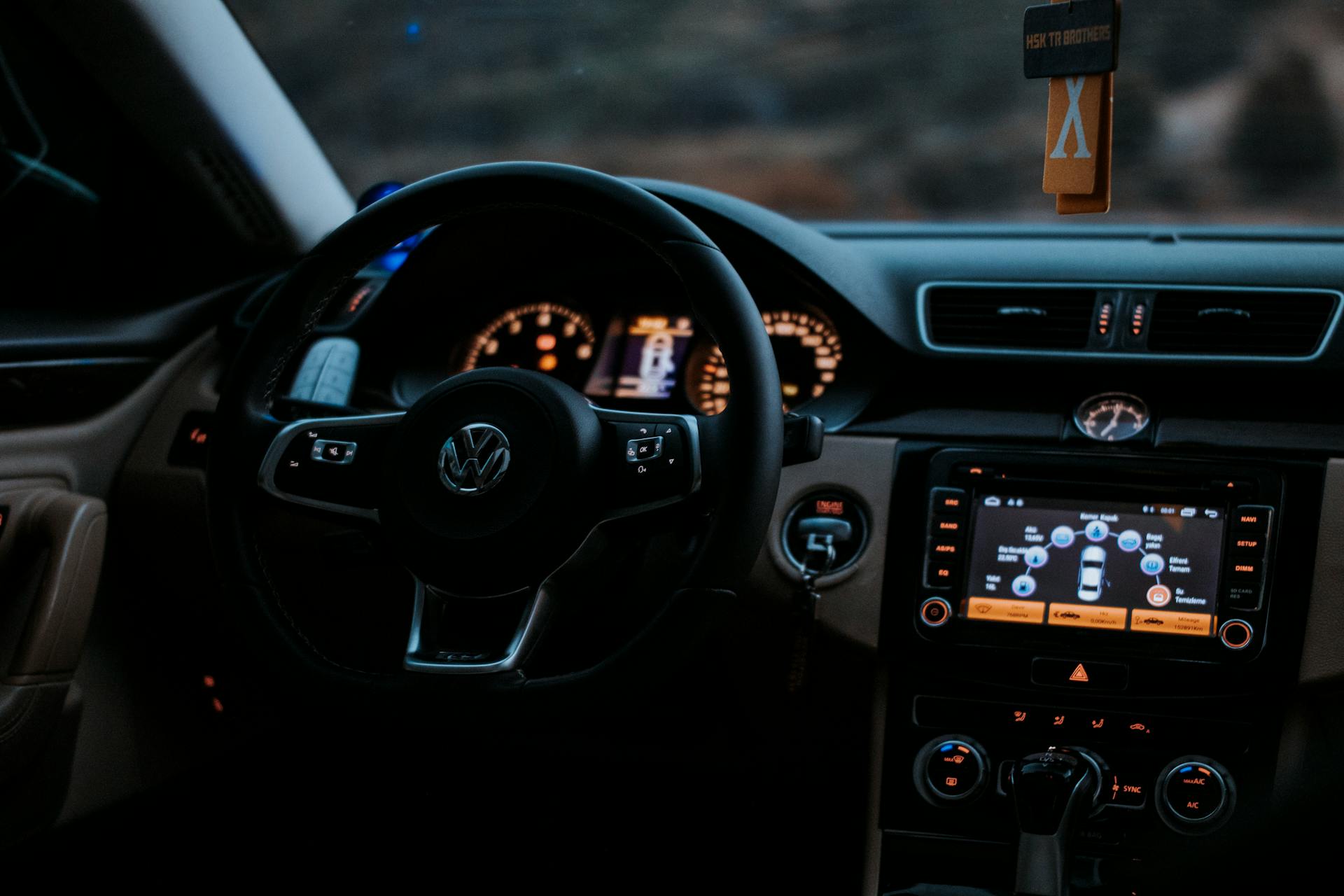
Decode Your VW Dashboard Before Summer Road Trips Dashboard lights have a way of popping on right when you are getting ready for a trip from Medford out across Long Island. Warmer weather, heavier traffic, and longer drives can all put extra stress on your Volkswagen. When the car is working harder, small issues are more likely to show up as warning lights on your dash. Understanding what those lights mean can save you from getting stuck on the side of the road or turning a simple fix into a much bigger repair. A little knowledge goes a long way. When you know which warnings need quick attention and which can wait, you can plan your day and your service visit with less stress. In this guide, we will walk through the most common VW dashboard warnings, how professional diagnostics work, what you can safely keep an eye on at home, and why local driving conditions around Medford and Long Island can bring certain issues to the surface. What Your VW Dashboard Is Telling You Volkswagen uses color coding to help you understand how serious a warning is at a glance. Think of the colors like a traffic light: Green or blue: Information only, a system is on and working Yellow or amber: Caution, something needs attention soon Red: Stop safely, a serious warning That color is your first clue about what to do next. In general, any red light is a reason to slow down, find a safe place to stop, and think about getting the car checked before you drive farther. Below are some of the most common lights Medford drivers see, along with simple next steps. The check engine light can appear in different ways. If it is solid yellow, the engine computer found an issue. You can usually drive with care, but do not ignore it, and plan to get it checked soon. If the light is flashing, that can mean a misfire or a problem that can damage the engine or catalytic converter, so you should pull over safely and shut the car off. If the Tire Pressure Monitoring System (TPMS) light comes on as a yellow tire symbol, at least one tire may be low. Stop when safe, walk around the car, and look for a flat. If the tires look normal, drive gently and get the pressures checked and adjusted. A brake system light is often a red exclamation point in a circle. This can point to low brake fluid, a parking brake left on, or a brake system issue. If the light stays on and the brake pedal feels soft or different, stop driving and get help. A coolant temperature warning may appear as a red thermometer symbol. This can mean the engine is overheating, so safely pull over, turn off the AC, and shut the car off. Do not open the coolant cap on a hot engine. An oil pressure warning shows as a red oil can symbol and is one of the most serious lights. Low oil pressure can damage the engine quickly, so pull over right away, turn the car off, and get professional help. A battery or charging system light appears as a red battery symbol. This may mean the battery is not charging. You might be able to drive a short distance, but the car could stop once the battery drains, so head toward a service center without delay. How VW Diagnostics Work at a Professional Service Center Modern Volkswagens are full of sensors and electronic control modules. When something is wrong, these systems store trouble codes that help point to the cause. Reading those codes correctly is what VW diagnostics are all about. Here is what a visit for VW diagnostics in the Medford area usually looks like at a professional service center like ours in St. James: • Scan for codes We connect diagnostic equipment to the car’s onboard port and read stored and pending trouble codes from different systems. • Interpret VW data The same code can mean different things on different brands. We look at Volkswagen-specific information, freeze-frame data, and live readings from sensors. • Visual and mechanical checks We inspect the parts linked to those codes, like wiring, connectors, fluid levels, and moving components, to confirm what the computer is telling us. • Confirm the fix After repairs, we clear the codes, test drive the car, and check again to be sure the issue is actually fixed and not just hidden. Having diagnostics done by technicians who work with Volkswagen models every day helps avoid guesswork. It reduces the chance of replacing parts you do not need and protects complex systems like driver-assist features and infotainment that depend on healthy wiring and software. When DIY Checks Are Okay and When You Need a Pro There are a few simple checks most Medford VW owners can safely do at home, as long as you are careful and patient. These small steps can help you rule out common, low-risk issues and gather helpful details before scheduling service. Good at-home checks include: Making sure the gas cap is tight if a solid check engine light appears after a fuel stop Looking over your tires for low spots, nails, or sidewall damage if the TPMS light comes on Checking coolant and oil levels when the engine is cool and parked on level ground Paying attention to new noises, vibrations, or smells and making note of when they happen Even with those small steps, some warning signs should make you stop driving and seek help instead of trying to fix things yourself. These symptoms can indicate problems that worsen quickly or create safety risks. Stop and call for help if you notice: A flashing check engine light Strong burning smells from the engine bay or under the car Steam or white vapor coming from under the hood Red brake or oil pressure warnings, with any change in how the car feels The temperature gauge climbing into the hot zone, especially during warm spring afternoons Basic code readers and phone apps can sometimes show general engine codes, but they usually cannot see VW-specific modules or perform software updates. They can be helpful for quick curiosity checks, but they are not a replacement for professional VW diagnostics in the Medford area when a serious light is on. Seasonal Dashboard Issues Around Medford and Long Island Weather swings on Long Island can play tricks on your dashboard. As temperatures rise in late spring, air inside your tires expands. On cool mornings then warm afternoons, pressures can shift enough to wake up the TPMS light. A quick check and correct tire fill can often clear it. Longer drives to beaches, parks, and family visits can also bring out issues that did not show up during short winter trips. Stop-and-go traffic in warmer weather makes the cooling system and AC work harder, which can uncover weak hoses, tired coolant, or fans that are not switching on correctly. Older engine oil may thin out more in heat and heavy traffic, which can lead to noisy operation or even oil-related warnings. Brake pads that were acceptable in cooler months might start to squeal or trigger warnings once they see higher use before and during summer trips. A battery that starts fine on mild days might struggle as heat builds under the hood. A seasonal service and diagnostics check can help you stay ahead of these problems before a big vacation drive from Medford. A good pre-trip visit often includes: AC performance check, so the system cools well under load Cooling system inspection, including coolant level and hose condition Battery and charging system test Full vehicle scan for any stored trouble codes, even if no lights are on yet Catching small issues early keeps your VW ready for beach runs, city traffic, and everything in between. Schedule Smarter Service for Your VW Today Ignoring dashboard lights or guessing at the cause is a quick way to add stress to your day and wear to your vehicle. Timely VW diagnostics in the Medford area help protect your engine, brakes, and electronics, support better fuel economy, and give you more confidence every time you turn the key. At Smithtown Volkswagen, we offer full-service Volkswagen care for Medford and nearby Long Island drivers, with a service team that works with VW models all day, every day. With professional diagnostics, regular maintenance, and parts designed for your vehicle, your dashboard can stay quiet and your trips can stay relaxed, whether you are running local errands or heading out on a long summer road trip. Restore Your VW’s Performance With Expert Diagnostics If your dashboard lights are on or your VW just does not feel right, our factory-trained technicians are ready to pinpoint the issue quickly and accurately with VW diagnostics in Medford. At Smithtown Volkswagen, we use genuine parts and advanced equipment to protect your vehicle’s performance and warranty. Schedule your visit today or contact us with any questions about your next service.

Volkswagen

Beach-Ready Volkswagens for Long Island Summer Drives

Hit the Sand in Style with a Beach-Ready Volkswagen Long Island summers are made for long drives, salty air, and sandy feet. When you are heading to Robert Moses, rolling along Ocean Parkway at sunset, or dropping everyone off at the Fire Island ferries, the right vehicle can make the whole day feel easier and more fun. A new Volkswagen in Long Island that fits your beach lifestyle keeps those trips relaxed instead of stressful. For many drivers, that means space for coolers and chairs, comfort in slow traffic, and confidence when you pull into a soft, sandy lot. It also means smart tech for busy highways and cozy features for both hot afternoons and cool evenings by the bay. When you match the right model and features to the way you actually spend your weekends, every ride starts to feel like a mini vacation. At our Long Island dealership, we see what local drivers deal with every summer, from Suffolk County back roads to crowded beach exits. We know which Volkswagens handle sand, salt, and stop-and-go driving with ease. Below, we will walk through great models for beach season, useful summer features, and simple prep tips to keep your Volkswagen ready for every sunny drive. Best Volkswagen Models for Long Island Beach Trips Some Volkswagens are especially well suited for life with sand in the trunk and sunscreen in the door pocket. The right choice depends on how many people you bring, how much gear you pack, and where you like to go. For many Long Island beach trips, compact and midsize SUVs hit the sweet spot: VW Taos for easy parking and flexible cargo VW Tiguan for more space and available three-row seating Available 4MOTION all-wheel drive for uneven or sandy parking areas The Taos is a nice fit if you want a small SUV that still handles coolers, umbrellas, and beach bags without feeling big. The Tiguan works well for families or groups of friends, with room for extra passengers or gear and a comfortable cabin for that bumper-to-bumper stretch near the Hamptons. If you roll with a bigger crew, larger SUVs bring even more comfort: VW Atlas with three rows and generous legroom VW Atlas Cross Sport with two rows and extra cargo space Easy-fold seats for boards, tents, and wagons The Atlas is great when you need to carry kids, friends, and all their stuff to Montauk, Cupsogue, or Smith Point. The third row helps everyone spread out, and folding seats down gives you a long, flat space for chairs, coolers, and even a beach cart. The Atlas Cross Sport trades that third row for a more sporty look and bigger cargo area, a nice match for active weekends on the East End. Not every beach day needs a big SUV, though. Some drivers want a sportier feel for solo or couples trips to the shoreline: Golf GTI for spirited drives and nimble handling Jetta for a comfortable, efficient sedan that still holds towels and bags Fold-down rear seats for extra space when you need it These models keep drives fun on curvy coastal roads and make parking in tight lots a lot less stressful. The cabins are comfortable for longer trips, and the trunks are usually enough for a small cooler, chairs, and a couple of duffel bags. Across all these models, there are summer-friendly options and accessories that can make a big difference, from roof racks to cargo solutions. The key is picking a new Volkswagen in Long Island that fits your passenger needs now, with a little room to grow for future adventures. Summer Features That Make Every Drive Feel Like Vacation Long Island summers can swing from hot and sticky afternoons to breezy, cool evenings by the water. Comfort features in your Volkswagen help you enjoy that change instead of suffering through it. Popular warm-weather comfort features include: Ventilated seats to help keep you cool on hot days Heated seats for chilly early-morning surf checks Dual-zone or tri-zone climate control so everyone can set their own temperature Panoramic sunroof for open-air coastal cruising These details make a big difference when you are stuck in traffic on the Long Island Expressway or crawling along Sunrise Highway. You can let in the light without roasting, and each person gets the climate they like best. Tech features also help on crowded weekend roads. Many drivers appreciate: Adaptive Cruise Control to help with changing speeds in traffic Travel Assist style systems that can help reduce fatigue on longer drives Wireless Apple CarPlay and Android Auto for easy access to maps and music Multiple USB ports so everyone can keep phones and tablets charged For beach days, small convenience features add up. A hands-free power liftgate is handy when your arms are full of chairs and coolers. Roof rails give you options for surfboards, paddleboards, or kayaks. Easy-clean interior materials mean you are not stressing over every bit of sand or sunscreen. Working with a local team that understands Suffolk County roads helps you sort through which features will really matter for your routine. That way, your Volkswagen feels tailored to your summer life instead of loaded with things you do not use. Smart Beach Prep Tips for Your Volkswagen Salt, sand, and sun are hard on any vehicle, even one built for daily driving. A little prep goes a long way toward keeping your Volkswagen looking and feeling fresh all summer. To protect the outside of your vehicle, consider: Using sunshades to cut down interior heat and UV exposure Asking about UV-protective window treatments where allowed Washing regularly to remove salt, sand, and road grime Applying paint protection or ceramic-style coatings from a professional These steps help keep your paint and trim from fading and make it easier to rinse off whatever the beach leaves behind. Inside your Volkswagen, focus on keeping things simple to clean. Helpful items include: All-weather floor mats for wet towels and sandy flip-flops Cargo liners for coolers and beach wagons that may leak Seat covers or towels to shield upholstery from saltwater and sunscreen It is much easier to pull out a liner or mat and rinse it than it is to deep clean carpet after a weekend at the shore. Before beach season gets busy, it is also smart to have a professional take a look at key systems: A/C system checks so it blows cold on the hottest days Battery and tire inspections for long drives to the East End Brake checks for stop-and-go traffic near the shore A service center that works with Volkswagens every day can help catch small issues before they interrupt a big day in the sun. Here in St. James, our team is set up to handle pre-summer inspections, tire rotations, and genuine parts to keep your vehicle feeling ready for the next trip. Make Every Long Island Summer Drive Unforgettable The right Volkswagen, set up with thoughtful features and cared for with basic seasonal prep, can turn any drive from Smith Point to Montauk into something you actually look forward to. Space, comfort, and smart tech help you stay relaxed when traffic slows, parking gets tight, or the day runs longer than planned. At Smithtown Volkswagen, we enjoy helping local drivers choose a new Volkswagen in Long Island that fits real beach days, not just the ones on a brochure. Our team can walk you through model options, features, and accessories that make sense for your family, then keep your vehicle ready for every sunrise surf check and sunset ride home. Drive Home Confidence With a Volkswagen Built for You Explore our latest models and find the new Volkswagen in Long Island that fits your lifestyle, whether you prioritize efficiency, technology, or family-ready space. At Smithtown Volkswagen, we take the time to understand what you need so we can recommend the right trim, features, and financing options. If you have questions or want to schedule a test drive, simply contact us and we will help you take the next step.

Volkswagen EV

Local Volkswagen EV Service Options for Suffolk County Drivers

Keep Your Electric Volkswagen Running at Its Best Volkswagen electric vehicles are showing up all over Suffolk County, from daily commutes on Route 347 to weekends at the beach. As more drivers move into the ID.4 and other electric models, having the right service support close to home starts to matter a lot. EVs need care that is different from gas cars, and staying on top of that care keeps driving smooth and stress-free. Spring and early summer are busy times on Long Island roads. Before those longer drives, traffic jams, and sunny beach days fill your calendar, it helps to make sure your EV is ready. A little attention now can help you enjoy quiet, confident drives when you need your vehicle most. Smithtown Volkswagen is a full-service dealership in St. James, and we work with electric Volkswagens every day. Our team is here to help Suffolk County drivers keep their EVs running at their best, from regular maintenance to more advanced service needs. What Makes EV Service Different From Gas Vehicle Care Electric Volkswagens do not need oil changes, spark plugs, or timing belts. That alone feels like a big relief. But EVs have their own systems that need trained eyes and the right equipment. Some of the key differences include: No engine oil, fuel filters, or exhaust parts Focus on battery health and high-voltage wiring Regular software checks and updates Extra attention on cooling systems and tires Because an EV uses its electric motor to slow the car, there is often less wear on the brake pads. At the same time, EVs are usually heavier than similar gas vehicles. That extra weight makes tire care even more important. Proper rotation, alignment, and pressure checks help with range, comfort, and safety. The charging system is another big piece. Cables, charge ports, and control units all need to be inspected by someone who understands how they work. High-voltage parts must be handled with careful safety steps and special tools. The right diagnostic equipment and EV training help protect your vehicle, your warranty coverage, and your peace of mind. Why Volkswagen EV Service in Suffolk County Matters Having Volkswagen EV service in Suffolk County means you do not have to plan your life around long service drives. When your main service center is nearby, it is much easier to take care of small issues before they become bigger problems. Local driving conditions shape how your EV should be cared for. Around Long Island, that often means: Stop-and-go traffic that can affect tires and brakes Coastal air with salt and humidity that can impact some parts Warmer summers and colder winters that influence range and battery comfort Short trips, traffic lights, and frequent starts can all change how your EV uses energy. Seasonal temperature swings affect how the battery warms up or cools down. A local service team that understands these patterns can recommend the right timing for inspections, software checks, and other maintenance. Volkswagen also releases software updates, recall work, and service campaigns from time to time. These can help with range, charging behavior, and safety systems. Keeping up with these updates through a trained dealership service team means your EV can keep improving over time instead of falling behind. Smithtown Volkswagen’s Specialized EV Service Advantages Electric Volkswagens need care from people who know the brand, the software, and the high-voltage systems. At Smithtown Volkswagen, our service department works with factory training and Volkswagen-specific diagnostic tools so we can properly support your EV. Typical EV services we can help with include: Battery health checks and system diagnostics Software updates and feature adjustments Brake inspections and brake fluid service Tire rotation, balance, and alignment Cabin air filter replacement and general inspections Charging system checks, including charge port inspection Busy Long Island drivers often need flexible service options. That is why we offer online scheduling so you can pick a time that fits your day. For many visits, you can relax in our waiting area while we work. For longer visits, we can help you stay on track with your day through transportation options that our team can review with you. Seasonal EV Service Tips for Suffolk County Summers Warm weather can be great for weekend drives, but it also changes how your EV behaves. Higher temperatures, heavier use of air conditioning, and longer trips to the beach or out east all affect range. Before summer traffic picks up, it helps to focus on a few key areas: Tire tread and pressure checks for safe grip and good range Cooling system checks for both the battery and cabin A/C performance checks so the car cools quickly and efficiently Keeping tires at the right pressure can make a noticeable difference in driving comfort and range. A battery and cooling system check helps the car handle hot days and long drives without stress. Making sure the A/C is working well keeps you and your passengers comfortable without using more energy than needed. To stretch your range on beach days or weekend getaways, you can: Precondition the cabin while the car is plugged in, so it uses grid power instead of the battery Charge smart, topping up at home so you start trips with plenty of range Use Eco or similar driving modes on slower parts of your route Keep speeds steady and smooth when traffic allows These habits, paired with regular service, help your EV feel ready for anything summer throws at it. Charging and Battery Care Support Close to Home Home charging is a big part of happy EV ownership. Having the right setup makes it simple to start every morning with the range you need. Our team can explain the basics of Level 2 home charging, what to look for in a charger, and general installation points to discuss with a licensed electrician. We can also help you understand common programs or incentives you may want to explore. Battery health is at the center of your EV experience. Routine battery checks and software reviews help us spot trends early. We can look at how the vehicle is charging and how it is driven and offer simple ideas that support long-term battery life and resale value. Public charging is becoming more common across Suffolk County, including DC fast chargers along main routes. Fast charging is very helpful, but frequent use can add stress to the battery if not managed carefully. We can talk with you about: When to use DC fast charging versus slower charging How high to charge for daily use versus road trips Ways to plan charging stops so they fit naturally into your day Having this kind of guidance close to home makes it easier to feel confident every time you plug in or head out on a longer trip. Schedule Your EV Service Before Your Next Long Island Drive When you depend on your electric Volkswagen for daily life and weekend fun, staying ahead on service is one of the best habits you can build. Taking care of maintenance before peak summer traffic helps reduce surprises and keeps your focus on the drive, not on warning lights. Smithtown Volkswagen is here to support every stage of your EV ownership, from your first ID.4 to the many miles that follow. With factory-trained care, genuine Volkswagen parts, and local experience in Suffolk County driving conditions, we are ready to help you keep your EV running smoothly for the road ahead. Keep Your Electric Volkswagen Performing at Its Best For expert care tailored to your EV, schedule your next visit for Volkswagen EV service in Suffolk County with Smithtown Volkswagen. Our factory-trained technicians use genuine Volkswagen parts and the latest diagnostic tools to help keep your vehicle running efficiently and safely. If you have questions about service intervals, pricing, or availability, simply contact us and we will help you find a convenient time to come in.

VW Brake

Avoiding Costly VW Brake Problems on Suffolk County Roads

Stop Brake Trouble Before It Stops Your Suffolk Drive Brake problems have a way of showing up at the worst time, like in heavy traffic on the LIE or Sunrise Highway when everyone slams on the brakes. A driver hears a loud grinding sound, feels the car shake, and realizes too late that the brakes are not responding when they are needed most. On crowded Suffolk County roads, that kind of scare is something no one wants to experience. Driving in our area is especially tough on Volkswagen brake systems. Stop-and-go traffic, salty ocean air, winter road salt, and rough pavement all speed up brake wear. When you stay ahead of these issues, you get shorter stopping distances, less stress in traffic, and fewer surprise repairs, and you help protect your car’s resale value. In this article, we will talk about how Long Island roads wear down your brakes, the warning signs you should never ignore, smart seasonal tips, and why expert Volkswagen brake service in Farmingdale or near St. James is one of the best ways to protect your family and your budget. How Long Island Roads Wear Down Your VW Brakes If you drive around Suffolk County often, your brakes are working hard almost every minute. Traffic on Route 347, Jericho Turnpike, and the LIE means constant stopping, creeping forward, then stopping again. All of that friction turns brake pads into dust faster than you might expect. Local conditions that wear down brakes include: Heavy stop-and-go commuting on major roads and parkways Frequent traffic lights and sudden lane changes Short trips where brakes never really get a break Quick speed changes when traffic opens up, then jams again Our coastal environment also plays a big role. Ocean air carries salt, and winter storms leave even more salt and sand on the roads. That mix can lead to: Rust on brake rotors that causes pitting and rough spots Corrosion on calipers and hardware that makes parts stick Wear on brake lines and other metal components Spring and early summer can uncover problems that started in winter. Potholes from freeze-thaw cycles can knock wheels out of alignment, which can lead to uneven brake wear. Wet roads from rain can make stopping distances longer, especially if pads and rotors are already worn or rusty. Because of all this, drivers in Suffolk County and across Long Island are usually better off with more frequent brake inspections than national averages suggest. Local conditions are simply tougher, so catching small problems early matters a lot. Warning Signs Your Volkswagen Brakes Need Attention Now Your Volkswagen will often tell you something is wrong with the brakes long before they fail. The key is to pay attention and act quickly when something feels off. Common warning signs include: Squealing or grinding sounds when you press the brake pedal Vibration or shaking in the steering wheel or brake pedal A soft, spongy, or low-feeling brake pedal A burning or sharp chemical smell after braking The car pulling to one side when you slow down Each of these can point to a different issue. For example: Squealing often means worn brake pads or glazed pads Grinding can mean pads are worn so far that metal is contacting metal Vibration may be a sign of warped or uneven rotors A soft pedal can point to low brake fluid or air in the lines Pulling can mean a stuck caliper or uneven brake pressure side-to-side If you wait too long, a simple pad replacement can turn into new rotors, calipers, or hydraulic system repairs. On crowded Suffolk County roads, that delay can also mean longer stopping distances when traffic comes to a sudden halt. If you notice new noises, smells, or changes in pedal feel, it is safer to have professional service right away, whether that is Volkswagen brake service in Farmingdale or a trusted VW center closer to Smithtown. Seasonal Brake Care Tips for Safer Summer Drives Spring is a smart time to give your brakes extra attention, especially if you are planning summer road trips, beach runs to Robert Moses or Smith Point, or long weekend drives. After months of cold, salt, and grime, many brake systems are ready for a thorough check. Helpful seasonal steps include: Getting a full brake inspection along with your next tire rotation Having brake fluid checked and replaced if it is old or contaminated Inspecting rotors for rust, grooves, or deep scoring from winter wear Checking for any brake warning lights or dashboard messages Your driving habits can also protect your brakes as the weather warms up: Avoid resting your foot on the brake pedal for long stretches in traffic Leave extra space so you can brake gently instead of slamming on the pedal Use lower gears to help slow the car on long exits when it is safe to do so Rinse off the undercarriage when you can to help remove leftover salt Volkswagen-trained technicians work with these systems every day and understand how local conditions affect pads, rotors, and brake fluid. A quick visit before peak summer driving gives you peace of mind before those longer trips across Long Island. Why Certified VW Brake Service Saves You Money When it comes to brakes, the lowest up-front price does not always save money over time. The way your brakes are serviced, and the parts that go on your VW, can make a big difference in how long everything lasts and how smoothly it all works. At a Volkswagen dealership, brakes are serviced by technicians who focus on VW models and use parts designed to match your car. That kind of care can help: Reduce noise like squeaks, squeals, and grinding Keep pedal feel consistent and firm Prevent uneven wear that shortens pad and rotor life Catch hidden issues before they become big repairs Generic parts and rushed installations can cause shuddering, early wear, or even damage to related parts, which can lead to more frequent visits and higher long-term costs. Professional Volkswagen brake service in Farmingdale or St. James usually includes a full inspection, careful diagnostics, and parts backed by clear warranties. You also get service recommendations that match how and where you drive. A Suffolk County commuter stuck on the LIE every day has very different brake needs than someone who only drives locally a few times a week, and your maintenance plan should reflect that. Protect Your Volkswagen Brakes Before Your Next Long Island Trip Brake problems rarely show up out of nowhere. Most start small, with a faint squeal, a bit of vibration, or a pedal that feels just a little different. Acting at that stage can help you avoid emergency stops gone wrong, roadside breakdowns, and large repair bills later. Before traffic gets heavier and spring storms move through, it makes sense to have your VW checked by a skilled service team. Combining a brake inspection with other seasonal care like tire checks, wheel alignment, and fluid inspections can prepare your car for easier, safer driving across Smithtown, Farmingdale, and the rest of Suffolk County. At Smithtown Volkswagen, we are here to help keep your brakes strong so every stop on your Long Island drive feels calm, controlled, and safe. Protect Your Brakes And Drive With Confidence Keep your stopping power strong by scheduling Volkswagen brake service in Farmingdale with Smithtown Volkswagen today. Our factory-trained technicians will inspect, service, and repair your brakes using genuine Volkswagen parts to help maintain safety and performance. If you have questions about service options, pricing, or appointment availability, please contact us.

Volkswagens

Summer Maintenance for Gas Volkswagens in Long Island Stop-and-Go Traffic

Keep Your Gas-Powered Volkswagen Happy in Summer Beach Traffic Stop-and-go summer traffic on Long Island can be tough on any gas-powered Volkswagen. Crawling along the LIE, inching toward Smith Point or Robert Moses, or creeping through local roads near the North Shore beaches means your car is running hot, idling often, and dealing with sand, sun, and salty air all at once. Heat, humidity, and slow traffic put extra strain on your cooling system, AC, brakes, fluids, and tires compared to a normal commute. That is why simple, proactive Volkswagen maintenance in St. James before beach season can help keep your gas VW cooler, safer, and more comfortable, while lowering the odds of a breakdown on the way to the shore. Keep Your Cooling System Ready for Heat Waves Your cooling system works hardest when traffic is barely moving. Long idle times and high outside temperatures can cause engine temps to climb, and that extra stress shows up in parts like the water pump, hoses, and radiator. To help protect your engine in beach and holiday traffic, it is smart to have the cooling system checked before the hottest days hit. A professional service visit can include: Checking coolant level and condition Inspecting radiator and heater hoses for cracks or soft spots Examining radiator fins for damage or clogs Verifying that cooling fans and drive belts are working properly Older Volkswagen models and higher-mileage commuters around Smithtown are more likely to show early signs of wear in these areas. Using the correct VW-approved coolant is also very important. The wrong coolant mix or a low level can lead to overheating, warped parts, and expensive repairs. Small issues like a tiny leak, a tired radiator cap, or a worn hose are much easier to deal with before they turn into an overheated engine on the way to Long Beach or Montauk on a busy weekend. Maximize AC Comfort in Humid Long Island Summers When traffic is crawling and your car is packed with people and beach gear, your AC system is doing a lot of work. Slow-moving air around the car and high humidity make it harder to keep the cabin cool, so any weakness in the system shows up fast. Before you get stuck on Jericho Turnpike in midafternoon sun, it helps to have an AC performance check. A thorough check can include: Inspecting refrigerant level Looking for leaks at lines and fittings Verifying compressor operation and proper cycling Cleaning or replacing the cabin air filter A clean cabin filter can make a big difference in airflow and air quality. It helps reduce strain on the blower motor and keeps dust and pollen from blowing into the cabin, which is a relief if you are already dealing with salty, humid air from the shoreline. Professional AC service can also address moisture buildup in the system, which is often the cause of musty or unpleasant smells when you first switch on the air. When the AC is properly charged and working as it should, your Volkswagen can stay cool and comfortable even when outside temps are high and traffic is barely moving. Protect Brakes and Fluids in Stop-and-Go Beach Traffic Summer congestion around St. James, Smithtown, and the South Shore means lots of starting and stopping. Each time you hit the pedal, your brake pads and rotors work to slow the car, and in heavy traffic they rarely get a break to cool down. This kind of use can speed up wear on: Brake pads and rotors Brake fluid Related hardware like calipers and slides A smart step before heavy summer driving is a brake check. This usually includes measuring pad thickness, checking rotor condition, and looking at brake fluid level and age. A test drive can help catch pulsation, grinding, or squealing that might not show up during a quick glance at the parts. While you are planning Volkswagen maintenance in St. James, it also makes sense to stay on top of other key fluids: Engine oil and filter, especially before long trips Transmission or DSG service based on your interval Power steering and coolant top-offs Windshield washer fluid for bug splatter and salt spray Fresh, correct fluids help your gas engine, transmission, and braking system handle the extra stress that comes with hot weather and crowded roads. Keep Tire Pressure and Traction Beach-Trip Ready As air temperature rises, tire pressure can change. Hot pavement and higher highway speeds put added stress on your tires, and if they are underinflated, that stress can lead to poor fuel economy, vague steering, and higher risk of failure. Then add sand, gravel, and debris around beach parking lots, and worn tires are more likely to suffer damage. To keep traction and control on your side, it helps to: Check tire pressure at least once a month in summer Use the pressure listed on the driver's door jamb sticker, not the sidewall Inspect tread depth to make sure there is enough grip for sudden stops Look at sidewalls for cracks, bulges, or cuts If the car pulls to one side, the steering wheel is off-center, or you notice uneven tread wear, a professional rotation, balance, and alignment can help. Proper alignment supports better fuel economy, more even tire wear, and stronger braking when traffic on Sunrise Highway suddenly slows. Taking care of tires before long drives to the beach can also help reduce road noise and improve ride comfort, which is welcome when you are inching along in hot weather. Schedule Your Summer Volkswagen Checkup in St. James Seasonal service is one of the easiest ways to keep your gas-powered Volkswagen ready for Long Island summers. A well-planned checkup in St. James can cover the systems that matter most when traffic is heavy and temperatures are high. At Smithtown Volkswagen, our service team can follow a checklist tailored for gas Volkswagens that includes: Cooling system inspection AC performance check Brake and brake fluid review Engine oil and other fluid checks Belts, hoses, and tire condition Using genuine parts that are designed for your Volkswagen and having work completed by technicians who know these vehicles helps protect long-term performance and value for drivers across Smithtown and Suffolk County. With the right maintenance before the peak of summer, your gas VW is better prepared for cooler, smoother, and less stressful trips to your favorite Long Island beach spots. Keep Your Volkswagen Running Its Best Year-Round Stay ahead of unexpected repairs and keep your vehicle performing at its peak with our customized Volkswagen maintenance in St. James. At Smithtown Volkswagen, we help you choose the right maintenance plan for your driving habits and budget so you can plan confidently. If you have questions or want to schedule a visit, simply contact us and our team will be ready to assist.

Contact Us

Fill out this form below and we'll contact you shortly
*Required Fields