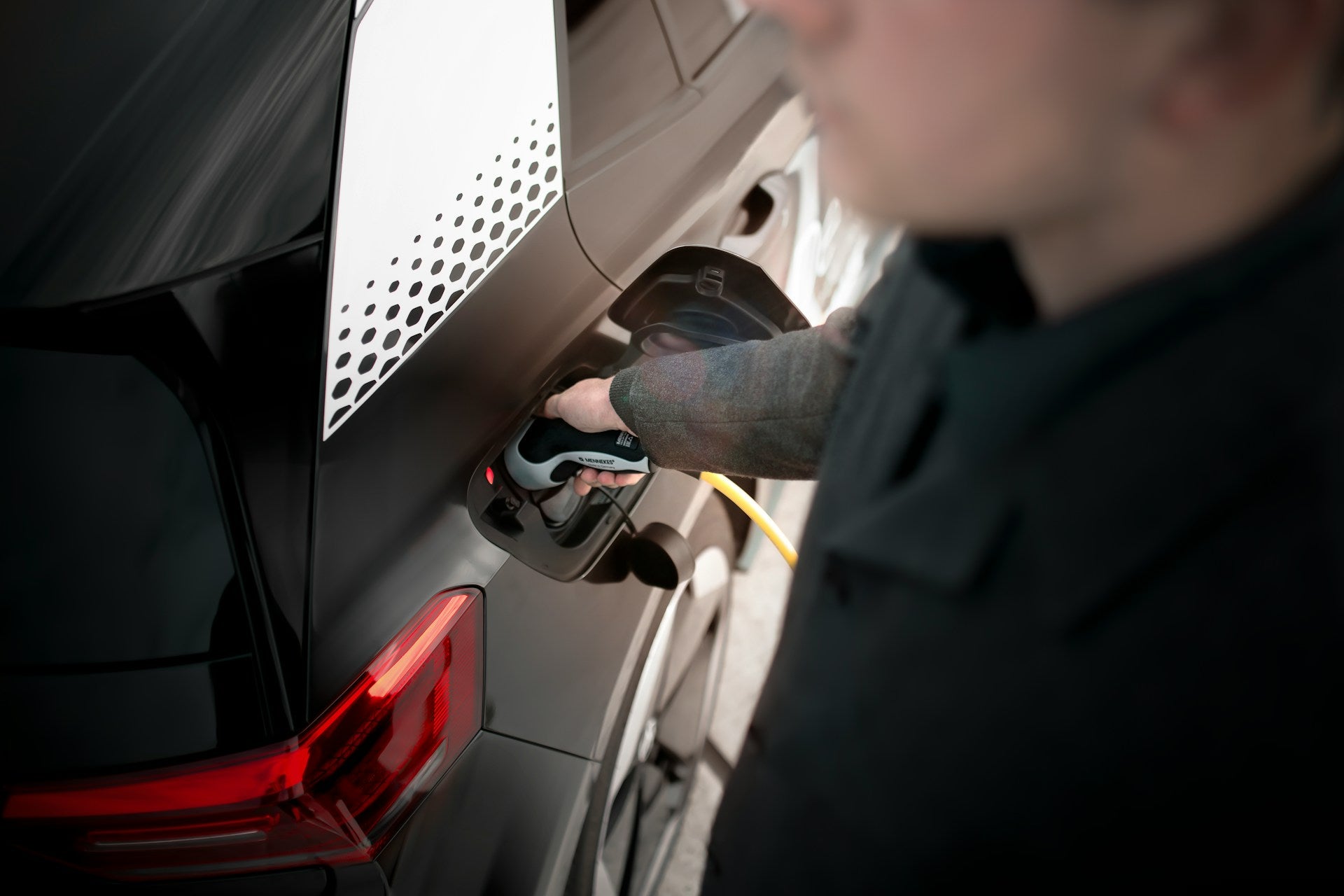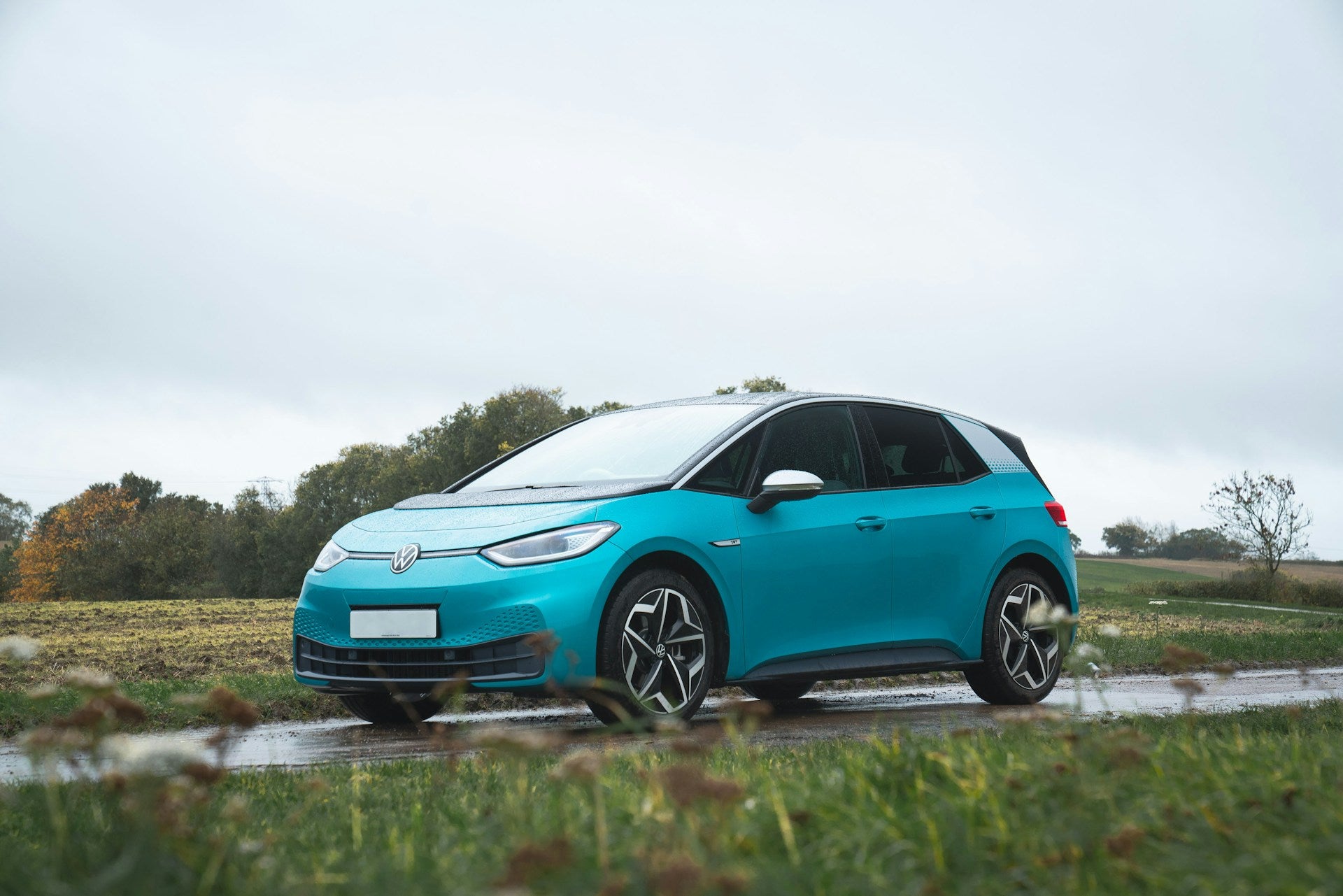

Charge Smarter at Home on Long Island Driving an electric Volkswagen on Long Island works best when your charger is right in your own driveway or garage. Home charging turns every night into a refill, so you wake up ready for the LIE, school runs, or a quick drive to the beach without extra stops. Volkswagen EVs like the ID.4 are built with home charging in mind, from the charging port to the software that helps manage energy use. When you pair that with the right setup at home, owning an EV feels simple and natural. In this guide, we will share what Long Island homeowners should know about choosing, installing, and using home charging so they get the most out of Volkswagen EV charging in Long Island. Understanding Volkswagen EV Charging Basics Most EV charging fits into three easy levels that matter to homeowners. Level 1: This uses a standard household outlet. It is slow and better for light daily driving or as a backup. Level 2: This uses a 240-volt line, like a clothes dryer. It is the main choice for home charging. DC fast charging: These are high-powered public chargers along major roads, best for quick top-ups on longer trips. Volkswagen EVs typically come with a portable charging cord that can plug into a standard outlet for Level 1 charging. For most Long Island drivers, a professionally installed Level 2 home charger is the real goal. Level 2 charging can refill a battery overnight so you start each morning with the range you need for everyday driving. For typical commutes around Suffolk and Nassau, school drop-offs, runs to the train station, and weekend plans, overnight Level 2 charging usually provides more than enough range. Many owners find they plug in when they get home, then simply unplug in the morning, the same way they already treat their phone. Why Home Charging Matters on Long Island Long Island driving is a mix of short hops and longer days behind the wheel. You might have: Regular weekday trips to a local office or the train into the city Year-round school and activity runs Beach days, winery visits, or drives out east on weekends Home charging fits that lifestyle. Instead of hunting for a public charger after a long day, you pull into your driveway, plug in, and head inside. Your EV refills while you relax, eat dinner, or sleep. Charging at home can also keep your costs more predictable compared with relying on public DC fast charging, especially during busy summer and holiday travel when stations can be crowded. While DC fast charging is very helpful for long drives, using it as your main source can mean more time waiting and planning stops. Long Island weather can also be a factor. With hot summers and cold winters, power demand can spike. Having a home setup, plus a regular charging routine, helps you feel confident that your Volkswagen EV will be ready even after a stormy night or a heat wave, as long as your home has power. Choosing the Right Home Charger for Your VW Picking a home charger is mostly about how fast you want to charge and what fits your home’s electrical system. Level 2 home chargers often come in different amperage ratings. Higher amperage can charge faster, as long as your electrical panel supports it and a licensed electrician installs it correctly. Here are a few points to think about when choosing a Level 2 charger: Amperage: Common sizes provide a good balance of speed and electrical load. Mounting: Wall-mounted units save space in a garage or on an outside wall. Smart features: Many chargers offer Wi-Fi, phone apps, and energy tracking. You can pick between a wall-mounted charger that stays in one place, or a portable Level 2 unit that can move if needed. Smart chargers can help you schedule charging for certain hours, see how much energy you are using, and track your charging history. Always look for UL-listed equipment for safety and quality. It also helps to pick a brand that is known to work well with Volkswagen EVs and to talk with a dealer that understands EV charging. That way your charger, home wiring, and Volkswagen system are all working together the way they should. Long Island Electrical Codes, Permits, and Incentives On Long Island, home charging should always be set up by a licensed electrician who knows local codes. They will usually: • Check your main panel to see if there is space and capacity for a new circuit • Recommend a dedicated 240-volt line for your charger • Install any needed breakers, wiring, and outdoor-rated hardware In many towns across Suffolk and Nassau counties, a permit is required for a new 240-volt circuit or panel work. Your electrician can often help with the paperwork. Inspections help make sure everything is safe and up to code, which can also matter for insurance. Since contractors get busy in the hottest and coldest parts of the year, planning your installation ahead of peak seasons can make the process smoother. That way your charger is ready before heavy summer driving or the colder winter months. There can also be programs that help lower the cost of home charging setups. New York State and local utilities may offer incentives for EV owners, charging equipment, or installation. Some utilities have off-peak rate plans where electricity costs less at certain times, usually at night. That lines up nicely with overnight charging for your Volkswagen. When you combine lower off-peak rates with home charging, many drivers see a difference compared with buying gas for similar daily driving. You are replacing fuel stops with a simple plug-in at home and shifting most of your energy use to quieter, less expensive hours. Home charging does not mean you will never use public chargers. Many Long Island EV drivers still use DC fast charging for longer trips to the Hamptons, upstate New York, or into New England. You will also find Level 2 public chargers at places like: Shopping centers and supermarkets Office parks and workplaces Highway stops and popular destinations Volkswagen compatible networks and apps can show charger locations, availability, and charging speeds. Many EVs, including Volkswagen models, also have route planning tools that can suggest charging stops along your path. Using these tools, you can plan meals, breaks, and charging at the same time, instead of making separate stops. How Smithtown Volkswagen Supports Your EV Ownership Owning a Volkswagen EV on Long Island is easier when you have the right support. A dealership that understands EVs can talk through charger options, help you think about your driving patterns, and connect you with trusted local installers who know how to work on homes in this area. For service, EV owners benefit from technicians who are trained to work on electric Volkswagens. Support can include software updates, battery health checks, and help choosing factory-approved charging accessories. Dealership events such as EV information sessions, ride and drive days, or seasonal service checkups can also be helpful time to ask questions and learn from experts in person. When your home charging plan lines up with your daily life, your Volkswagen EV becomes simple to live with. Your car is ready in the morning, your energy use fits your schedule, and you can still enjoy public charging when you head out on longer adventures across and beyond Long Island. Charge Into Your Next Drive With Confidence If you are ready to make daily driving cleaner and more convenient, explore our current offers and learn how Volkswagen EV charging in Long Island can fit your routine. At Smithtown Volkswagen, we will walk you through home charging options, local public charging resources, and the right EV or plug-in hybrid for your needs. Have questions about installation, incentives, or which model is best for your lifestyle? Simply contact us and our team will help you get started.