Blog / St James Volkswagen Dealer

Blog

All St James Volkswagen Dealer Volkswagen Smithtown Volkswagen Service St James Used Cars St James Volkswagen Service
Volkswagen

Answering Common Questions About Volkswagen Lease Options

Leasing a Volkswagen can be a smart option for drivers who want something newer without the long-term commitment of buying. It gives you flexibility with shorter terms and the chance to drive the latest models more often. This time of year, right after the holidays, is when many drivers start thinking about their next steps. New-year car goals, fresh starts, and updated inventory all make leasing worth looking into. If you're already searching for Volkswagen lease deals around Smithtown or Long Island, it's likely you have a few questions. We hear the same ones a lot, and that’s a good thing. Knowing what’s involved before you visit a dealership helps you make clearer decisions. So if you’re new to leasing or just want to double-check how it works, here are answers to the most common things people ask. What Is the Difference Between Leasing and Buying? We often get asked how leasing stacks up against buying, and the two can be very different depending on what matters most to you. Monthly payments on a lease are usually lower than loan payments for the same vehicle. That’s because you’re only paying for the amount the car’s value drops during the lease term, not its entire value. With a lease, you’re basically renting the car for a few years and returning it when the lease ends. You don't own it, but you do get to drive it as if it’s yours. Buying means you keep the car once the loan is paid off. You can trade it, sell it, or keep driving it long after payments stop. At the end of a lease, you can walk away, lease something new, or sometimes buy the car if you’ve grown attached. If you own your car, there's no need to return it. But you might eventually want to sell or trade it. The decision often comes down to whether you want to keep a car long term or prefer trying new ones more often. What Are the Upfront and Monthly Costs in a Lease? Leasing isn't always as cheap as it first looks, so it helps to understand where the money goes. There are usually a few things to account for when you sign. Upfront costs can include a first month's payment, a lease acquisition fee, taxes, and other standard charges. These are usually due when you sign the lease. Monthly payments depend on the model you choose, how many miles you plan to drive each year, trim level, and your credit profile. The more features you opt for, the more you’ll probably pay. Lease deals might advertise “zero down” options, but even those may include signing fees. A down payment, if required, helps lower your monthly rate but isn’t always needed. Reading the lease agreement carefully and asking about anything that seems unclear can help you avoid surprises. What Happens When a Lease Ends? The end of a lease shouldn’t be stressful, but many drivers aren't exactly sure what to expect. We try to make it clear well before that day comes. When your lease ends, you typically return the vehicle and check out new options. You might lease again or decide to buy outright, either the same car or a different one. The car will go through a basic inspection. Any large scratches, dents, or broken items may be considered damage. Normal wear is expected, but major repairs could mean extra charges. Around Long Island, winter driving can affect tire wear and condition. If your lease ends just after a cold season, it helps to keep up with tire rotations or note any road salt-related wear. We usually suggest drivers schedule an early inspection a month before the return date. That way, if there’s anything to fix, there’s time to address it. Is There a Right Time of Year to Look for Volkswagen Lease Deals? Timing matters more than most people think. Lease deals don’t stay the same all year, and some parts of the calendar offer better options than others. Late winter (like January or February) often lines up with the arrival of new vehicle stock. That means dealers may be making space for new models and offering better lease specials to move last year’s cars. These months follow the holiday slowdown. People start thinking about upgrades or trading in their current car now that the new year has started. That change in demand can influence offers. Your own schedule matters too. If you're putting extra miles on your car due to changed routines after the holidays or snow season, you might need something different sooner than expected. By paying attention to the calendar and what you need for daily driving, you can line things up just right. Can You Customize or Drive Freely with a Lease? This may be the most misunderstood part of leasing. A leased car still feels like your own, but there are a few differences when it comes to how you use it. Leased vehicles usually shouldn’t be customized in a way that can’t be undone. That includes changes like body modifications, non-factory paint, or anything that might affect how easily the car can be resold after the lease ends. Most leases come with a mileage limit, for example, 10,000 or 12,000 miles per year. If you go over the limit, there’s a charge for each extra mile at the end. Lease contracts expect you to take care of the vehicle. Keeping up with oil changes, tire rotations, and regular cleaning will work in your favor when it’s time to return it. If you like making a car your own or plan to drive long distances often, leasing might not be the best fit. But if you take care of your car and drive mostly local miles, it typically works out well. Make Smart Lease Choices with Confidence Leasing can offer convenience, lower monthly costs, and the freedom to switch cars more often. But before you sign anything, it's worth learning how leases work and what they mean for your daily driving. Questions about costs, contract details, and return policies are all part of the process. You’re not alone if you find it confusing at first. Smithtown Volkswagen regularly highlights lease specials on new Volkswagen models, including affordable sign-and-drive and low mileage offers on select cars and SUVs. Our finance center can explain how mileage, wear-and-tear, and seasonal promotions affect your options, and answer questions about the models and features available for current lease deals in Long Island. Ready to explore the exciting world of Volkswagen lease deals on Long Island? At Smithtown Volkswagen, we're dedicated to providing you with the best options tailored to your needs. Visit us today and learn more about how you can enjoy the freedom and flexibility of leasing a Volkswagen. Our team is here to guide you through every step, ensuring you find the perfect fit with our exceptional Volkswagen lease deals.
Volkswagen

A Look Into Getting 0% Financing on Volkswagen in Winter

When temperatures drop and the holidays wrap up, a lot of people start reviewing their spending and planning for what’s next. It's often around late January that some begin to think about replacing an older vehicle. For those living and driving here, winter conditions make the decision more than just about comfort. It’s about safety, reliability, and smart budgeting. That’s where financing choices come into focus. Many drivers start looking into Volkswagen 0% financing on Long Island while working through their winter budgets. It sounds appealing, especially if a monthly payment without added interest feels manageable. But what does that offer really mean? And why does winter seem like the right time to consider it? Understanding What 0% Financing Actually Means At first glance, 0% financing sounds like you're being handed the keys with no added costs. But those three digits, zero, percent, financing, are part of a larger offer that still needs some thought. 0% financing means there’s no interest on the loan, but other costs still apply. Taxes, fees, and terms might vary depending on the vehicle or the offer. These offers are usually tied to certain car models or trim levels. They don’t always apply to every option on the lot. Sometimes, the loan length is shorter, making monthly payments higher than expected. That matters if you're working with a tight budget just after the holidays. It's a solid way to save on interest, but it won’t always suit every buyer. Reading the details helps avoid surprises later on. Why Winter Can Be a Good Time to Finance on Long Island Winters on Long Island aren't as harsh as upstate, but road salt, slush, and freezing rain are still part of daily life. That kind of driving wears on older cars, especially when tires slide or batteries give out in the cold. This time of year often pushes car owners to start thinking: is my vehicle ready to make it to spring? A newer car can offer all-wheel drive or winter-ready features that give better traction and safety through February. Updated heating, defrosting, and remote start functions make cold starts easier during icy mornings. Dealer stock is often shifting during early-year months, meaning more trade-in options and fresh arrivals on the lot. By mid to late winter, roads are still unpredictable. Having a vehicle that feels ready for whatever comes next can make a big difference in daily life. What to Watch For When Exploring Financing Options Even when a financing offer sounds simple, there are always a few pieces to double-check before moving forward. Every buyer should know up front what they’re saying yes to. Look at how long the loan lasts. A shorter loan is often tied to 0% financing, which may come with a bigger monthly payment. Review the fine print for additional fees or requirements. Sometimes a down payment or trade-in is needed to qualify. Ask whether the financing applies to the specific car you’re considering. Certain trims or models might not qualify, depending on the offer timing. What can look like a great deal could feel different once those details are clear. Taking time to understand each part of it makes sure no part of the process feels rushed. Getting Ready for the Financing Process Once you've decided to think about 0% financing, getting prepared makes the whole process smoother. The fewer surprises, the better, especially during a season when budgets are already stretched. Keep an eye on your credit. Offers like 0% financing are usually geared toward buyers with strong credit history. Have your paperwork ready. Bringing in recent pay stubs, proof of insurance, and a valid license can help speed up approvals. Review your budget with recent winter spending in mind. This helps decide how much car you can truly afford before the paperwork starts. Many people see late January as a smart time to regroup and get organized. Doing some prep like this can make things stress-free when you’re ready to visit the dealership. Smart Seasonal Timing: Why Late Winter Matters Late winter often brings a mix of icy roads and early hints of spring. Drivers know how fast things can shift, from slushy puddles in February to potholes in March. That seasonal shift is one reason to plan now instead of later. Those exploring Volkswagen 0% financing on Long Island often time it in late winter to take advantage of current inventories and future driving plans. Planning ahead in January and February means you won't be waiting in lines or rushing paperwork when spring break rolls around or when you need something more reliable. A winter trade-in might also help if you'd rather not carry repairs into spring, especially when things like tire wear or engine trouble begin to show up. Acting before spring arrives makes the first warm drive feel earned instead of hurried. Why Planning Now Makes a Difference Later Choosing your next vehicle during winter might not feel exciting, but it can be one of the smartest seasonal moves you make. Cold months naturally bring slower decision-making, which is perfect for reviewing options calmly. Acting early also means you’re not left scrambling or picking from limited choices in warmer months. Smithtown Volkswagen offers rotating finance specials, including select 0% APR offers on new Volkswagen models for qualified buyers. Our finance center staff will explain eligibility, walk you through current promotional details, and answer questions about which models, trims, and terms are covered by manufacturer or dealer incentives. Winter winds are blowing, but your car financing doesn't have to be a storm. At Smithtown Volkswagen, we're committed to making your buying experience smooth with our current offers. Explore our Volkswagen 0% financing on Long Island to discover how you can drive away in a new Volkswagen without the extra cost of interest. Connect with us today, and let’s plan your next step toward safe and reliable winter driving.

Volkswagen

Common Signs Your Volkswagen Brake Pads Need Checking

Brake pads might not seem like a big deal, but they do a lot of the hard work when it comes to keeping your ride safe. The more time we spend on the road, especially during late winter, the more wear they take. Out here in Suffolk County, it’s easy to overlook small signs that they might be getting too worn down. The signs usually start subtle, barely noticeable at first, but they can turn into bigger issues if ignored. This matters even more if you're paying attention to long-term driving plans, like looking around for a Volkswagen lease special in Suffolk County. We’ve seen cases where a missed sign or two turns into a surprise brake issue just weeks later. Knowing what to listen for and what to look out for helps keep drives smooth, especially while we're still dealing with cold mornings and wet roads. Unusual Noises When Braking One of the first ways we often notice brake trouble is through sound. Whether you're stopping at a red light or easing into a parking space, your brakes shouldn't make much noise. If you're hearing something out of the ordinary, it could be a sign your brake pads are wearing down. A high-pitched squeal might mean your pads are getting thin Grinding sounds often happen when pads are gone and metal parts are touching Clicking or rattling can happen if brake parts are loose Once you hear noises like these, it's best not to put it off. Waiting too long could mean damage spreads past just your pads, leading to more involved service later on. And when roads are still slick or damp, noisy brakes can be a warning you don’t want to ignore. Warning Lights and Dashboard Alerts Many Volkswagens are built to give a heads-up when something might not be right. A lit brake warning light might seem easy to brush off during a busy week, but it’s designed to get your attention for a reason. It could mean there’s a problem in your braking system, from low fluid to worn pads. Some newer models with sensor-equipped brake pads will even alert you when the pads are getting close to needing replacement. This is your car giving you a moment to handle the issue before it affects how you drive. Skipping these alerts may not cause an immediate breakdown, but over time, ignoring them can add stress to other parts of your brakes. If you're seeing the brake light show up on your dashboard more often, it’s worth getting checked. Those messages aren't just for major problems, they're often about small fixes that keep things from becoming bigger. A Change in How Your Brake Pedal Feels Your foot knows what your brake pedal should feel like. So when it suddenly feels off, it’s usually worth noticing. A soft pedal that sinks further than usual or one that needs more pressure to stop could be warning signs. If you have to press harder than normal, your brake pads may be wearing thin A pedal that vibrates or pulses during braking might mean your pads or rotors are uneven Spongy or slow-to-respond pedals could point to air in the brake lines or issues with hydraulic pressure These symptoms don't just affect comfort behind the wheel, they can impact how quickly you stop in everyday traffic. Inconsistent braking makes things unpredictable, which is never what you want when driving around Suffolk County this time of year. Taking Longer to Stop or Slower Response Most of us know how our cars usually respond. So if you're pressing the brakes and notice it takes longer to slow down, it could be more than just wet roads. Slower stops sometimes show up before other signs do. Late winter weather can make this feeling more noticeable too. Rain, melting snow, and icy patches make it harder for worn brake pads to grip right. Fading performance during braking, especially when you're used to precise control, is often tied to pads that can't make solid contact anymore. If you're driving in Suffolk County in January or February, you know how those cold mornings can turn into slick afternoons. That’s why brake checks should happen before the season shifts, especially if you're planning for that next step like a Volkswagen lease special in Suffolk County. Better to catch a weakness now than discover it at a four-way stop with limited traction. Visual Inspection Warnings Some signs don't make noise or show up with a dashboard message. Sometimes, it’s as simple as what you can see right through your wheel spokes. Brake pads that look thin or worn might be due for a check, even if everything still feels okay while driving. Pads should be more than a quarter inch thick. If not, they may need to be replaced Cracks or grooves might signal uneven wear Brake rotors should look smooth, not streaked or scored You don’t need to take your wheel off to do a quick look. Still, while visual checks are helpful, it’s better to have someone confirm what you're seeing. If something seems off, it's probably not a bad idea to act sooner rather than later. Keeping an eye on your wheels now saves time when spring traffic picks up and roads get busier again. Catch Small Brake Issues Before They Get Big Small brake issues usually don’t go away on their own. Those sounds, pedal changes, and dashboard alerts aren’t just quirks we should push past. They’re early warnings, especially important as winter fades and road conditions become less predictable. What starts as a slight squeal could turn into reduced stopping power during a busy week. Smithtown Volkswagen’s certified service center offers brake inspections, brake pad and rotor replacement, and genuine Volkswagen parts to keep your vehicle performing its best. Our factory-trained technicians can catch small issues before they become major repairs, and we often have seasonal service offers available for common maintenance like brakes. Don't let potential brake issues slow you down this season. If you're preparing for a smooth ride or contemplating a change, why not explore a Volkswagen lease special in Suffolk County at Smithtown Volkswagen? Ensuring your brakes are in top condition is just as important as enjoying the perks of a new ride. Visit us today to keep your journeys safe and your transitions seamless.

Volkswagen Jetta

How the Volkswagen Jetta Handles Long Island Roads

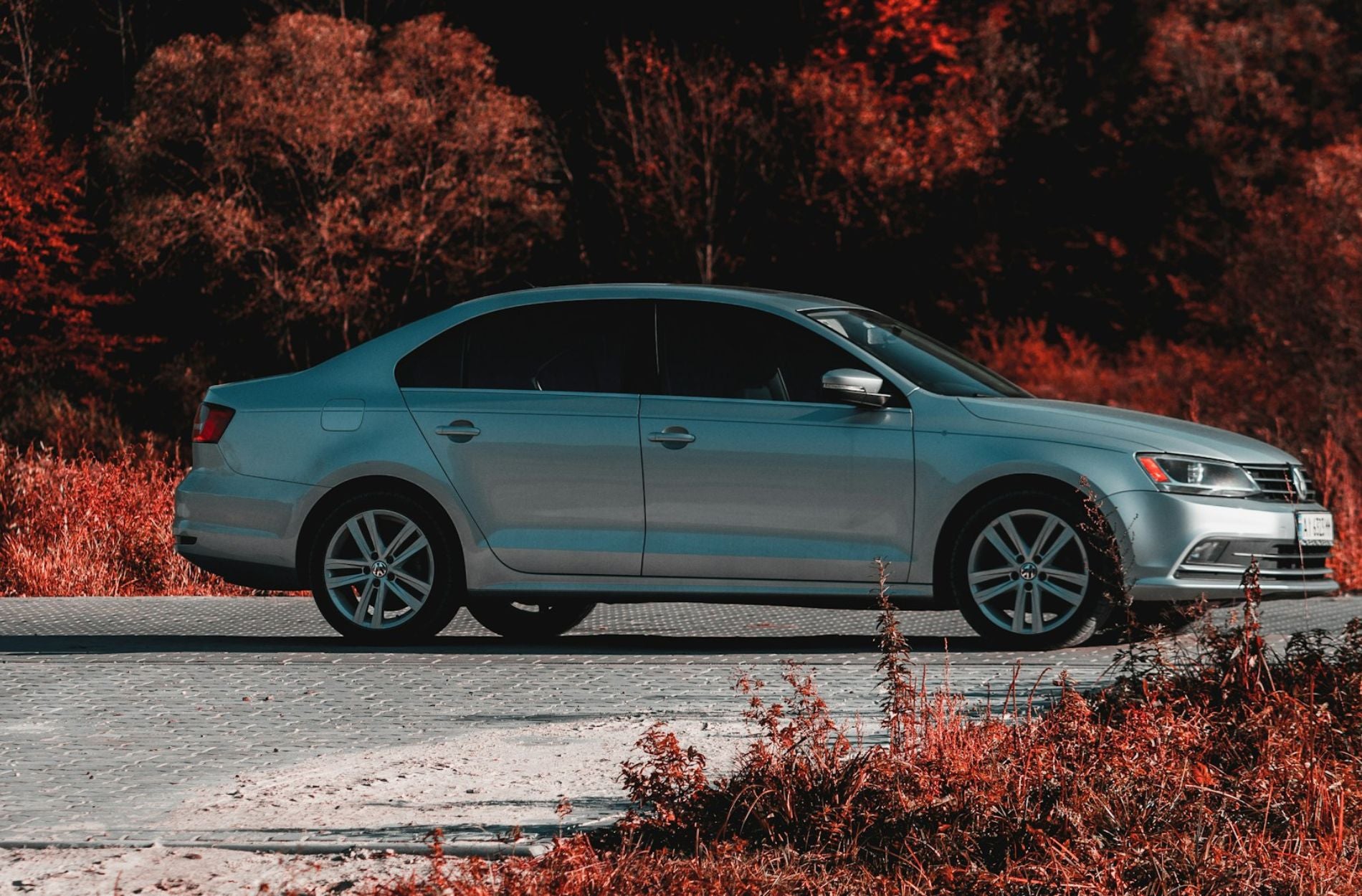
Late January is usually a tricky stretch for Long Island drivers. Roads are either wet, icy, or recovering from another round of salt and snow. We all know how that affects driving: slick turns, sudden stops, potholes, and crowded commutes don’t leave much room for error. Around this time, many drivers who are thinking ahead shift their focus to safer, more dependable vehicles. That’s where the Volkswagen Jetta often comes into the conversation. Regardless of where you're headed—Huntington, Riverhead, or just a few exits down the LIE—the Jetta has earned a spot as a practical choice. Many people looking at a Volkswagen Jetta for sale do so because they want something that stays calm and steady through all the local road chaos. Between frozen roads, stop-and-go traffic, and tight town parking, it helps to have a car that feels ready for any curve winter throws your way. Built for Stop-and-Go Traffic and Long Hauls Anyone regularly driving on the Long Island Expressway or Northern State Parkway knows how unpredictable traffic can be. What starts as a smooth ride can slow down fast. The Jetta handles this daily routine in a way that helps ease the pressure of weekday commutes. The seating is soft but supportive, which makes a big difference on longer drives or in bumper-to-bumper traffic. Cabin quietness keeps engine and wind noise outside, meaning less mental fatigue for drivers. Solid fuel efficiency helps drivers who are stuck in slow-moving lanes not feel like they’re wasting every stoplight. From early-morning starts to late-afternoon backups, the Jetta is built to handle both the motion and the waiting. Traffic isn’t going anywhere, but how your car handles it can change your whole day. This flexibility is one reason why drivers continue to trust the Jetta for work commutes and family trips alike. It delivers a smooth, calm ride even when weather and traffic conditions make things tough. Ground Clearance, Traction, and Rough Winter Pavement January roads on Long Island aren’t always smooth. Melting snow turns into icy patches overnight. Puddles cover dips and cracks that winter weather helped form. For a lot of cars, these surprises are nerve-racking, but the Jetta keeps its balance. Electronic stability control and traction systems help maintain grip, especially during sudden lane changes or unexpected slick spots. Steering is responsive, giving drivers better control when edges of roads are uneven or lined with leftover snow. Even with its lower ride height compared to SUVs, the Jetta has a smart suspension system that absorbs a lot of the bumps and dips on winter-worn streets. The key isn’t just riding higher—it’s driving in a way that makes the driver feel connected to the road. The Jetta helps create that steady, grounded feeling, even when the pavement underneath feels anything but steady. When the weather brings out hidden potholes or uneven patches, having this kind of control makes an everyday commute safer and less of a gamble. Small Size, Big Perks in Tight Spaces Winter shrinks every road. After a snowfall, curbs disappear and lanes get narrower. Downtown areas like Patchogue or spots near train stations often have piles of snow where parking spaces used to be. This is where the Jetta’s smaller size really starts to work in your favor. With its slim frame and smooth turning radius, the Jetta slips into tight parking spots on crowded side streets more easily than larger vehicles. It’s easier to check blind spots and line up for narrow left-turn lanes, which helps in busy intersections covered in slush or ice. For those uncomfortable driving larger SUVs, the Jetta’s size feels manageable without feeling cramped. During the colder months, less road room makes everything feel tighter. Having a car that doesn’t take up more space than it needs can noticeably reduce stress on busy streets and in packed parking lots. Drivers who frequently park in tight driveways or need to slip into parallel spots appreciate how easily the Jetta moves. After all, winter can turn even familiar parking areas into puzzles, and a smaller sedan is often much easier to handle. Interior Comfort for Cold-Weather Days Cold mornings catch up with you fast in late January. Keys in hand, you’re already hoping the windshield isn’t frozen solid and the heater doesn’t take too long to warm up. The inside of the Jetta was clearly designed with this season in mind. Heated front seats are quick to kick in, so your commute doesn’t start with a chill in your spine. Dual climate settings and an intuitive auto defrost keep the windshield clear without fiddling with buttons mid-drive. A clean, simple layout and touchscreen controls are easy to use even while wearing gloves. This is the time when comfort plays a bigger role. If you’re heading out on another cold, gray morning, the Jetta makes that first few minutes of every trip feel less like a test of patience. The well-insulated cabin also blocks out the winter wind, so the ride stays warm and quiet even on especially blustery days. Why It Feels Right for Local Life Long Island roads don’t take a break in late winter. One week brings snow, the next brings rain and raw wind, followed by big holes in the pavement as it all starts to thaw. Every year it’s the same pattern, and every year smart drivers look ahead. The Jetta gives a balance between everyday flexibility and cold-weather skill, which is hard to find in larger or sportier cars. It fits commuter lifestyles, student schedules, and family errands without needing to switch between vehicles. Many drivers searching for a Volkswagen Jetta for sale in Long Island do so in these late winter months to avoid being rushed into a choice when spring travel kicks in. Winter might be past its peak come late January, but the weather still isn’t ready to go easy. For drivers who expect changes around every corner, the Jetta offers something steady to count on. If your routine mixes short drives, longer commutes, and lots of parking in busy town centers, having a car that adapts smoothly makes all the difference. The Jetta brings an easygoing, reliable energy to late-winter life that feels just right for our area. Smithtown Volkswagen features new Jetta models with available driver assist features, heated seats, and advanced connectivity technology that make winter driving easier. Our inventory page is updated with current availability, and our sales consultants are ready to explain how Jetta trims and tech features can be matched to your daily needs. Upgrade your winter driving experience with the reliability of a Volkswagen Jetta for sale. At Smithtown Volkswagen, we offer a range of models equipped to handle the unique challenges of late-winter roads on Long Island. With features designed for comfort and control, the Jetta is ready to make every trip smooth, safe, and stress-free. Visit us to explore our inventory and find the perfect Jetta to fit your lifestyle today.

Volkswagen

Why Your Volkswagen Needs Fresh Tires Before Spring

Late winter roads on Long Island can paint a rough picture for your tires. As the cold stretches into January, many of us start feeling the urge to shake off the season. But while we think about warmer weather ahead, our cars are still dealing with wintry conditions. Potholes deepened by freezing temps, roads scattered with leftover salt, and chilly mornings all leave their mark. This is the time when many tires start to show wear, even if they look somewhat fine at a quick glance. Getting ahead of seasonal damage isn’t just about safety. It’s also about comfort and handling. A Volkswagen tire replacement on Long Island before spring rolls in can keep daily driving simple and smooth. With unpredictable weather still lingering, the sooner you check in on your tires, the better your ride will be when puddles and potholes start trading places. Winter Wear You Don’t Always See Tires take a beating in winter. Cold air makes rubber stiffer, which can cause a dip in traction even when tread looks okay. When that’s paired with icy patches or sudden stops, it’s not hard to lose grip. Stiff tires don’t respond the same way as they do in warmer months. Braking distance goes up, and cornering gets less predictable. Then there’s the road itself. Around Long Island, winter brings uneven pavement, hidden cracks, and salt sprinkled across side streets. These rough patches can: Eat away at tread faster than you expect Lead to chips or cracks along wheel edges Throw off tire balance and inflate unevenly You might start hearing extra road noise. The steering may feel a little heavier or less precise. Those early signs often show up before anything obvious happens. Paying attention to small changes helps avoid bigger problems once spring showers set in. Even on days when the weather seems milder, hidden deposits of salt and small debris can work into tire grooves and cause micro-damage over time. The small bumps and jolts that go unnoticed can add up faster than expected, especially after repeated morning commutes in icy conditions. That’s why taking a few minutes to really look at tire surfaces, especially around the edges and in less visible spots, makes such a difference before winter breaks. What Fresh Tires Can Mean for Spring Spring may feel lighter, but the roads don’t always get easier. Warmer temperatures bring rain, patchy pothole repairs, and an increase in weekend trips and errands. Having fresh tires in place means your car can handle wet roads with more control. When tread depth is solid and rubber pliability is strong, you’ll start to feel the difference: Better grip during sudden stops or on slick turns More efficient driving that can ease up fuel use Smoother response when steering through curves Tires that are up for the job help reduce skidding during heavy rain. They can hold traction even when puddles collect across two lanes. That kind of control doesn’t just make the drive safer, it also keeps it more peaceful, especially when you’re sharing the road with more drivers again. You may notice that with new tires, your car feels more responsive to quick changes in direction or speed. The vehicle tracks more confidently on winding roads, especially as spring brings sudden showers and roadwork zones. That small extra bit of control makes a difference not just in emergencies but also in everyday travel, whether it’s picking up kids after school or making a quick grocery run. Not All Tire Damage Is Easy to Spot The outside of a tire doesn’t always give away what’s going on underneath. Just because it’s not flat or visibly torn doesn’t mean it’s in good condition. Many issues don’t show up until it’s too late. That’s why a late-winter tire check can be more useful than you think. Here are some things you may not catch at a glance: Sidewall bubbles or fatigue from freezing temps Tread worn unevenly from poor alignment Embedded debris like small metal shards or glass Even if your tire pressure light shuts off, there could still be subtle damage affecting how your car handles. That’s especially true after going over deep ice ruts or curbs hidden under snow piles. What you don’t see today could turn into a slow leak or a sudden issue a few weeks from now. Tire manufacturers design modern tires to be tough, but constant temperature swings and the road debris left behind after plows do their work can still cause internal stress and small punctures. During a closer inspection, pay attention to any vibration at higher speeds or a pulling sensation when you let go of the steering wheel for a moment on an open stretch of safe road. These subtle cues often point to imbalances or early issues that may not show up during a simple visual check. Making this part of your seasonal routine means fewer surprises later in the spring. Timing Matters More Than You Think Late January is a quiet stretch between holidays and full-on spring. That makes it one of the better times to take a closer look at your tires. Waiting until spring officially hits can mean packed schedules and tighter availability for appointments, especially if winter lingers longer than expected. We’ve seen how winter can slowly wear down even reliable tires. Getting ahead of it now gives you time to pick the right solution without racing the weather or dealing with delays in March. A Volkswagen tire replacement on Long Island before the spring rain starts falling is one of those decisions that makes every drive between towns and errands easier to manage. Proactive checks now also allow more time to deal with alignment issues or catch tread that’s worn past safe levels. It’s easier to plan service on your terms now rather than having to react to a more urgent situation later on. If your car sits parked for longer stretches during winter, tire pressure can drop more quickly, causing flat spots or uneven wear that’s easy to miss until the car is moving regularly again. Rotating the tires now instead of waiting for spring can help address these issues. If you regularly drive through neighborhoods with speed bumps, potholes, or quick corners, taking this window in late winter means giving your vehicle its best chance for a smooth transition into spring driving. A Better Ride into the Season Ahead As winter slowly winds down, our cars still face chilly mornings and beat-up roads. Taking the time to check tires, or replace them if needed, is a smart way to move through these last few weeks more safely. It’s not just about avoiding problems. It’s about heading into spring feeling confident that the tires under your car are ready for everything that lies ahead. Smithtown Volkswagen’s certified service center is ready to provide Volkswagen tire inspections, replacements, and alignment checks as part of your winter-to-spring maintenance routine. We offer genuine Volkswagen tires specifically engineered for your model, along with periodic service specials to help make your tire care easier and more affordable throughout the season. Ensure your car is ready to tackle the upcoming changes in weather with a proactive approach to maintenance. Winter wear accumulated on your tires can affect your driving safety as we transition into spring. Secure peace of mind and a smoother ride with a timely Volkswagen tire replacement on Long Island at Smithtown Volkswagen. Schedule your appointment today and feel confident knowing your vehicle is well-prepared for whatever the roads bring.

Volkswagen

How Volkswagen Accessories Can Help Simplify Winter Travel

Winter driving on Long Island can test your patience. Between the salt-covered roads, snow buildup, and crowded parking lots, getting around in January isn’t always smooth. Whether you're heading out for work or a weekend errand, every trip can feel like more effort than usual. Cold mornings and messy roads add up fast. This is where Volkswagen accessories can come in handy. The right add-ons can help cut down on small winter annoyances that make everyday travel harder than it should be. From keeping your cabin clean to making sure you can actually see out of your windows, these accessories aren’t add-ons just for looks. They’re practical ways to protect your ride, stay organized, and get around with less hassle during the last stretch of winter. Protecting the Interior from Salt and Snow Snowy boots and wet umbrellas eventually find their way into your car, no matter how careful you are. That’s part of winter life, especially when things start to thaw during late January. But it only takes one muddy day to leave lasting damage in a car's interior. Rubber floor mats are one of the most useful accessories this time of year, especially with Long Island roads so often covered in salt and slush Cargo liners and seat covers give back seats and trunks extra protection, especially when carrying snow gear or bags that have been left on wet pavement These items help prevent long-term stains and soaked carpets, which can lead to musty smells or early wear on your interiors When cleanup is easy, your car stays more comfortable on the inside, even if the outside weather doesn't cooperate. Keeping Travel Gear Organized and Secure Winter brings more gear into the mix. That might be snow brushes, ice scrapers, extra jackets, or a bag of groceries sliding across the trunk every time you hit the brakes. Without a place for these things, travel gets messy fast. Cargo organizers keep snow gear, gloves, and small bags in place so you're not hunting around every time you need something Trunk dividers and netting are great for groceries and helping daily items stay put, especially when roads are slick and stops are sudden Roof racks or crossbars come in handy when your trunk or backseat is full of bulky winter coats or sports gear There’s something to be said for having a spot for everything. It lowers your stress on the road and cuts down on awkward digging around in cold weather. Improving Visibility and Road Awareness Being ready for winter isn’t just about tires and shovels. Visibility matters too, especially early in the morning or during a surprise wet snowfall. Snow and fog can sneak up quickly, and it helps to have gear that handles this part of the season well. Window deflectors let in fresh air without letting snow or misty rain drip inside, which keeps interiors dry but well ventilated A strong snow brush and a reliable ice scraper save time on cold mornings, especially when freezing rain covers the windshield All-weather wiper blades keep the view ahead clearer for longer, cutting through slush, rain, and stray road spray Simple tools that improve visibility can make winter road trips feel a lot safer. Planning for those moments today can help avoid stress tomorrow. Comfort Features That Make Cold Drives Easier Even a short drive in February can feel long when your car is freezing. That first five minutes waiting for the heat to kick in can be some of the most uncomfortable all year. A few small additions can make that experience easier to manage. Heated seat covers warm things up fast and keep you more relaxed, especially if your commute starts early Steering wheel covers help your hands feel better on cold mornings without gloves Remote key start covers and holders make it easier to manage car warming without struggling to find the remote when you’re rushing out the door These comforts aren’t just nice to have. They help remove a layer of stress from each trip, which matters when road conditions already demand more focus. Fit and Function Designed for Your Volkswagen One of the biggest advantages of choosing Volkswagen accessories is the way they actually fit. No awkward bunching, no need to trim or guess, and no shifting around every time you get in or out of the car. When accessories are designed to match the layout of your vehicle, they go in quick and stay reliable Model-specific pieces stay in place better, whether that's a floor mat, trunk liner, or a storage bin under the seat It’s not about looks, it’s about making sure nothing slides around or wears out early This is where Volkswagen accessories really help simplify your winter travel. When everything fits the way it should, you can focus on the road and leave the small stuff alone. Make the Rest of Winter a Little Smoother Long Island winters don’t wrap up quickly. Between cold mornings, tight parking, and salt-covered roads, these next few weeks still come with plenty of challenges. The right accessories can take some of that pressure off your shoulders. Smithtown Volkswagen offers genuine Volkswagen accessories, including all-weather floor mats, cargo organizers, and winter-focused upgrades available in our parts department. Our staff can help you select the best-fit options for your model, and installation support is available in our dedicated, certified service center. Ready to tackle winter driving with ease? Smithtown Volkswagen offers an expansive range of genuine Volkswagen accessories that will make every trip smoother this season. From all-weather floor mats to cargo organizers, we have everything you need to keep your car clean, safe, and comfy. Visit us today and let our experts help you find the perfect accessories for your Volkswagen.

Volkswagen

What You Should Know About Leasing a Volkswagen on Long Island

After months of snow, ice, and freezing temps, many Long Island drivers feel the wear and tear winter brings to their vehicles. Cold starts, road salt, and slippery turns are a reality through January. So when the new year begins, it’s common to wonder if it’s time for a change. One option that stands out this time of year is leasing. For drivers looking to stay flexible and lower maintenance worries, choosing to lease a Volkswagen on Long Island offers real benefits. Whether your daily drive includes town traffic or longer commutes, leasing can give you access to a vehicle that suits both winter driving and everyday needs without locking you into long-term ownership. Leasing is an increasingly popular choice for those who want assurance and updated technology without making a major financial commitment all at once. The flexibility in selecting lease terms means you can make a choice that aligns with the evolving demands of your work, family, and lifestyle while adapting to changing road and weather conditions on Long Island. What Leasing Actually Looks Like Leasing is often compared to renting, but it works a bit differently. When you lease a car, you're paying to drive it for a set number of months instead of buying it forever. At the end of the lease, you bring the car back. Most lease terms last two to three years, and you're expected to stick to a mileage limit The monthly payment is usually based on how much value the car is expected to lose while you’re using it Leased vehicles need to be kept in good condition, and wear beyond normal use could lead to extra costs at return time This type of plan works best for drivers who stay within the mileage agreement and take good care of their cars. Since you're only using the vehicle for part of its life, there's less concern over long-term repairs. Understanding how a lease is structured can help you determine if it aligns with your needs. Lease agreements typically outline any specific charges for excess mileage and set guidelines regarding acceptable wear and tear. These terms can also influence your overall satisfaction with the lease experience, so being well-informed is crucial. Why Drivers on Long Island Choose to Lease Winter does not go easy on cars around here. Salt-coated roads, freeze-thaw potholes, and busy routes like Route 347 or the LIE take their toll. That’s part of why leasing is such an appealing option for Long Island drivers. The road conditions shift steadily, and so do driving needs. Leasing lets drivers swap out vehicles more often, which helps when safety features or all-weather handling matter more in colder months Driving newer models means you’re more likely to have comfort features like heated seats and safety tech that helps in snow or low light Since leases usually last just a few years, you're not tied to the same car through multiple tough winters Long Island winters can be unpredictable, and with a lease, you can trade up for a model that offers newer features or better protection against winter elements. You gain the benefit of driving a relatively new car, experiencing advancements in technology and efficiency, and even minimizing unexpected maintenance costs that arise from extended ownership. If you've lived through a few Long Island winters, you probably know how different February feels from May. Leasing lets you match your car more closely to your lifestyle now, not how it might change over the next decade. Picking the Right Volkswagen Model for Your Lease Volkswagen has a few models that tend to fit well with the late-winter mix of cold mornings and wet roads. Depending on what your daily routine looks like, there are different features that might be worth checking. Models with heated front and rear seats, heated steering wheels, or all-wheel drive handle Long Island winters better than standard setups If you're often parking in town or on narrow side streets, smaller options like hatchbacks work well and are easier to lease at lower terms For larger families or regular highway travel, an SUV with more space and added traction can feel more stable during slippery commutes Consider what everyday convenience features matter most to you. Remote start, automatic defogging, and advanced driver assistance features can make an impact, especially during early morning starts or after a snowstorm. Every model offers different comfort and tech packages, and each trim might change what kind of lease terms are available. Vehicles with more built-in winter conveniences sometimes make those frosty errands less frustrating. Understanding your route and whether you often travel on main roads or less-cleared local streets can help you choose between options like all-wheel drive or front-wheel drive. Sometimes, a higher trim level within a model will include more winter-friendly amenities that make your experience safer and more comfortable, so reviewing your needs before visiting a dealership can streamline your decision. Things to Think About Before Signing a Lease Before locking into any lease agreement, it helps to step back and picture your driving habits for the next couple years. Leases aren’t one-size-fits-all, especially when weather and road conditions change as often as they do here. Ask yourself how far you usually drive in a week, if it's over the lease’s yearly mileage limit, you might owe more at the end If your family is growing or your commute might change, you’ll want a model that can grow with your needs during your lease Think about the effect of winter wear, scratches from gravel, salt damage, or stained seats can all be considered excess wear when the car is returned Carefully review the lease agreement for specific conditions that apply to winter maintenance needs. Make sure things like tires and windshield repairs are clear before signing, since winter roads can be rough around Long Island. If possible, ask for a walk-through of the inspection criteria at lease end, so you know what to expect. Checking these details now can prevent surprises later. It doesn’t hurt to read through what the lease covers and what it doesn’t. Some leases may include optional protections that cover certain repairs or maintenance, which can be especially helpful when seasonal conditions accelerate wear and tear. Paying attention to these details ensures you know what is your responsibility and what is covered, helping you budget for your driving year-round. A Good Way to Drive Through the End of Winter and Beyond Leasing offers some peace of mind when you're ready to switch things up but not commit to anything long term. It gives a chance to enjoy a newer ride while knowing you’re not tied to its long future. Smithtown Volkswagen offers current lease specials on new Volkswagen models, including SUVs and sedans equipped for winter driving with features like heated seats, remote start, and advanced safety technology. Our finance team can break down mileage limits, current offers, and available protections for winter wear to help you feel confident about your choice. Experience the comfort and adaptability of driving a Volkswagen this winter by choosing to lease a Volkswagen on Long Island. At Smithtown Volkswagen, we offer a range of models equipped with the latest features for winter driving, ensuring you stay safe and comfortable in the colder months. Our finance team is ready to help you explore flexible leasing options tailored to your lifestyle and seasonal needs. Contact us today to drive away with confidence and convenience.

Volkswagen

Everything to Know About the Volkswagen Tiguan Interior

For drivers around Long Island, colder months bring early mornings, slick roads, and the need for a vehicle interior that makes the ride from one place to the next more comfortable. That’s where the Volkswagen Tiguan really shows its strength. Its inside space feels calm, even on hectic days, and the layout puts convenience first. Whether you're managing school drop-offs or heading to the grocery store during a chilly spell, this SUV aims to make every trip easier. For those looking at a Volkswagen Tiguan for sale, the design of the interior may be one of the most appealing parts. From flexible seating to features that place comfort high on the list, the Tiguan handles daily driving with ease. Let’s take a closer look at how the interior makes this model stand out. Room to Move: Cabin Space and Seating Flexibility One of the first things we notice about the Tiguan is how roomy it feels. That space isn’t just about stretching your legs, though it handles that too. It’s more about how the seats and storage work together to keep everything in order without feeling cramped. The available third-row seat can be very helpful for families or those who occasionally carry extra passengers Second-row seats slide and recline, giving passengers more control over comfort The rear seats fold down flat, making it easier to load larger groceries, fold up a stroller, or pack for a weekend trip The Tiguan’s design is clearly built for flexibility. It helps take some of the stress out of errands or planning cargo space ahead of a weekend plan. And when we’re not using every inch for hauling stuff, it still feels balanced and open for everyday driving. When you need space for bags after a shopping trip or for sports equipment after a busy weekend, the flexible seating can be set up in seconds. Passengers in the second row can enjoy a little extra space by sliding their seats backward, which is handy on longer drives. If you need to help out with a carpool or bring more friends along to an event, the extra seats are an easy solution. Over time, that sort of flexibility becomes something you rely on, especially during busier seasons and family holidays. Creature Comforts for Everyday Driving Daily commutes get easier when the car temperature’s right and the seats offer real support. In January, that matters more than ever. Heated front seats in the Tiguan come in handy when morning temperatures don’t climb above freezing. The cabin warms up quickly without blasting heat in your face. Soft-touch seat materials ease long drives and short trips alike Dual-zone climate control lets both front passengers stay comfortable in their own way Cabin insulation helps keep road noise low, which is especially useful with winter weather making street surfaces rougher What stands out is how everything is built to reduce distractions. From the angle of the climate control buttons to the seat height that gives a good view of the road, this SUV works with you when conditions outside are less than perfect. Adjusting temperature is simple, and the settings can be remembered from day to day so you spend less time fiddling and more time focused on the drive. The soft seat material is comfortable during early morning rides when your body is still waking up. For drivers who find themselves behind the wheel often in winter, these features really add up to a better, easier commute. Tech That Fits Into Your Routine The Tiguan interior also adds thoughtful tech without overdoing it. For people who just want their playlist on or directions ready, it meets the need without making things complicated. A user-friendly touchscreen lets you move between apps, maps, or your contacts with just a few taps There are USB ports close by for phone charging, including second-row spaces so passengers don’t have to argue over one spot Bluetooth makes streaming music or answering calls while keeping hands on the wheel easy The navigation system offers helpful real-time guidance during weekend drives or errand runs, especially in areas around Long Island where road work and changing conditions are common in early-year months. It all feels like it was added to support your routine, not distract from it. Tech in the Tiguan is user-friendly from the start, so there’s no need to spend hours learning new systems. Voice controls come in handy if you want to keep your eyes on the road, and the smartphone integration makes it easy to bring your apps along for the ride. Kids and other passengers can plug in their devices, which means fewer arguments about phone batteries on long trips. If you ever get caught in traffic or need to reroute due to weather, that navigation system is ready to help. Style on the Inside: Fit and Finish Some interiors focus so much on features that they forget about feel. The Tiguan doesn’t do that. Whether you’re looking for something basic or a bit more polished, the trim levels give options without being overwhelming. Dashboard materials feel soft and look neat, not cluttered Upholstery comes in a range of tones and materials, from cloth to leather-style finishes Interior lighting sets a calm mood, which is a nice bonus for evening drives home Even during slower, muddier months, the interior of the Tiguan manages to feel clean and sharp without constant upkeep. Small touches like armrest stitching or door panel styling give it polish without trying too hard. Driving home at sunset, the soft lighting can help make everything inside feel cozy. Plus, the soft surfaces and gentle colors are easy on the eyes after a busy day. You notice that the design has been carefully thought out to balance style with practicality, so the interior holds up even when life gets a little messy in winter. Keeping It Practical After a Long Island Winter When January and February bring snow piles, road salt, and wet floors, we need a vehicle interior that holds up. The Tiguan’s materials are made to handle these months without constant cleaning or worry about damage. Easy-to-clean surfaces make it quick to wipe down floors or seats after dealing with ice or mud All-weather floor mats (optional) help trap salt and slush that show up out of nowhere Cabin finishes don’t stain easily, which helps keep things looking fresh On Long Island, where a single afternoon drive can include different road conditions street by street, this SUV keeps up without asking much from the driver. It's built for more than just one season. The surfaces inside the Tiguan are made so that after a winter with sudden thaws and muddy boots, you can just wipe things down and move on. Even on days when there’s more salt and water on your shoes than you realized, the mats help catch most of it before it reaches the floors. With a little care, the Tiguan’s cabin stays at its best, making you feel good getting in day after day. Designed to Keep You Comfortable Year-Round The interior of the Tiguan shows that comfort doesn’t have to be complicated. Each feature, from seat layout to tech support, plays a role in creating a better driving experience during both heavy winter months and days when spring starts to peek in. For drivers around Long Island who spend a lot of time behind the wheel, that balance goes a long way. Smithtown Volkswagen offers new Volkswagen Tiguan models for sale with several interior options, including the available third-row seat and heated leather seating surfaces for extra comfort during cold months. Our dealership’s inventory page shows up-to-date availability, and our team can answer detailed questions about Tiguan trims, technology, and seating flexibility. Discover how the comfort and design of the Tiguan can make daily driving on Long Island more enjoyable. Explore a Volkswagen Tiguan for sale to see firsthand how its interior fits your lifestyle. At Smithtown Volkswagen, we’re here to answer your questions and help you find the perfect fit for your routine. Reach out to schedule a visit or ask us anything today.

Volkswagen

A Look at the Latest Volkswagen New Car Inventory

A new year often brings a time to reset. That does not just apply to your calendar or routines, but sometimes to your car, too. January on Long Island can be tricky on vehicles. Cold mornings, longer nights, and rough road conditions all play a part in how your car holds up. As winter continues, many drivers start to look ahead and ask whether now is the time for a new ride. Looking through the Volkswagen new car inventory on Long Island gives you a chance to see what is currently available that might suit your lifestyle and the season. From the latest sedans perfect for daily commutes to SUVs that handle winter with ease, there are plenty of smart options to help you feel more prepared for the months ahead. What’s New in the Volkswagen Lineup This Year January is a good time to see which Volkswagen models have been updated or newly released. As the latest inventory arrives, we start to see fresh styling changes and feature upgrades across the lineup. Recent models often come with tech refreshes, like improved touchscreen systems, smart device integration, and updated safety tools Some trims may include revised lighting styles or modernized grilles, giving familiar favorites a new feel Wondering what was added to a model you already know? It is likely you will spot more driving assistance features built in for added ease on the road These are not just cosmetic changes. They show how driver expectations are shifting. Better comfort, quieter cabins, smarter support, these things all count when you spend hours in the car each week, especially during the colder months. Choosing a Sedan or SUV Based on Seasonal Driving Driving through Long Island in late winter calls for a different kind of reliability. Snowfall might be less common by mid-January, but road salt, freezing winds, and unpredictable storms still play a role. That is why the kind of car you choose should match the season and your driving habits. Sedans offer better fuel economy and are great for solo drivers or couples making frequent trips SUVs bring extra ground clearance, which can help after an icy night or when traveling uneven winter roads All-wheel-drive systems found in many Volkswagen vehicles give extra confidence when turning or stopping on slick pavement If you often travel between towns or deal with a longer highway commute, the ride comfort and warmth inside the cabin become even more important. Choosing based on seasonal needs now can make daily travel much easier as winter trails on. Comfort and Tech: Features That Make Cold Weather Driving Easier Cold weather does not just affect the road, it affects every part of the drive. From cracked fingers on freezing steering wheels to waiting for the windows to clear, comfort and convenience features become more than just extras this time of year. Heated seats and steering wheels help take the edge off those first few minutes behind the wheel Remote start makes early morning departures a little smoother when you need extra time to gear up Infotainment options give you better connection when mapping out your trip or syncing your playlists During winter, distractions are easy. Fogged windshields, sleepy starts, or long delays at red lights can take a toll. Extra support from built-in safety features like lane alerts or emergency assist comes in handy and gives added peace of mind during less predictable drives. Finding the Right Fit in the Volkswagen New Car Inventory on Long Island Picking out your next vehicle in January is more than just choosing a model you like the look of. It helps to start by being clear about how you drive during this time of year. Short daily errands? Long weekend trips? Shared driving with family? Each situation makes one type of car better suited than another. If most of your trips stay within town, a compact model like a hatchback offers good comfort with easy parking For mixed driving or heavier loads, midsize SUVs bring more cargo room and flexibility without affecting handling Think about how often your car sits outside overnight. It could influence whether features like remote start or heated mirrors become must-haves Getting familiar with what is currently in stock can keep surprises to a minimum. Do not just compare prices or colors, watch for differences in trim levels that affect comfort, tech, and performance. If you like to have all of your options laid out before making a decision, take the time to list your driving needs as well as the features you wish you had last winter. Being prepared when you visit helps you get more out of the time you spend at the dealership. Why Now Is a Good Time to Consider a New Car With winter already set in, it is easy to ride out the season in your current vehicle and wait for spring. But for many drivers, January is where issues start to show, slow starts, heating problems, unexpected noises. That is why taking a look at what is available now can be a smart move. Winter puts more pressure on aging systems, making it more likely you will face repairs before spring Newer models are ready to handle colder temps with less risk and better fuel efficiency Looking now means better timing. You can make a choice before inventory starts turning over again for warmer weather Planning now keeps you a step ahead. Instead of dealing with problems as they come up, you are setting yourself up for a smoother late-winter drive and a quieter start to spring. That kind of confidence makes day-to-day driving a lot less stressful. A Fresh Start for Winter and Beyond January might seem like a pause between holiday travel and warmer months, but it is actually one of the better times to rethink your car. With winter routines in full swing, now is when you find out what is working and what is not when it comes to comfort, performance, and dependability. Taking a closer look at current Volkswagen models gives you the chance to match your vehicle more closely with your needs today. Whether you are headed to work in freezing weather or trying to get the kids to school during a storm, finding the right car makes each drive easier. Through updated tech, more comfort, and solid handling, starting fresh now sets you up for a better year ahead. Upgrading your vehicle for enhanced winter performance or a more enjoyable daily commute is easier than ever with our broad selection. We offer options for every type of Long Island driver, from compact models perfect for maneuvering through town to spacious SUVs ready for chilly months ahead. Compare features that matter to you, such as heated interiors, advanced driver assist systems, and all-wheel drive, when you explore our updated Volkswagen new car inventory on Long Island. When you feel ready, reach out to Smithtown Volkswagen to schedule your visit or get answers to your questions.

Volkswagen

When to Replace Your Volkswagen Battery on Long Island

Car batteries wear down over time, though most people don’t always notice the signs until it’s too late. Freezing mornings, short trips in heavy traffic, and long waits at stoplights can all speed up the process during a New York winter. On Long Island, we see how big the drop-off can be once the temperatures dip below freezing. It’s not just about getting the car to start, but about how reliable that power source really is once winter wears on. That’s where routine checks play a big role in long-term care. Whether you're driving through Commack or stuck at a red light in Stony Brook, keeping up with your Volkswagen maintenance on Long Island can help you avoid last-minute surprises. Below, we’ll cover what to watch for and when it might be time to switch out your battery before winter becomes even less forgiving. Common Signs Your Battery Might Be Dying The signs of a weak car battery usually start small and grow over time. Most drivers catch on when their vehicle struggles to wake up in the morning or leaves them stuck after a short errand. A few red flags can help you decide whether your battery is heading downhill fast. Your engine is slow to start, and you may hear a clicking sound instead of a strong crank. Headlights or dome lights seem dimmer, especially when idling. The dashboard lights flicker or turn on randomly. You have to jump-start your car more often, even if it was running fine earlier that day. These warnings can creep up slowly, especially in colder months. If you're noticing one or more of these signs, a closer battery inspection may be in order. How Long Do Volkswagen Batteries Usually Last? Car batteries don’t have an endless shelf life. Most fall within a certain range that depends heavily on the weather and how often you drive. On Long Island, all the stop-and-go traffic, freezing nights, and salt-covered roads put extra stress on older setups. Short trips, especially in winter, can wear down the charge more quickly than long highway drives. If you’re the type of driver who makes quick runs or leaves your car parked outside overnight, your battery might age faster than average. Cold weather puts added pressure on batteries that are already nearing the end of their life, draining energy faster and making starts more difficult. Instead of waiting for winter’s worst, it helps to think ahead as your vehicle pushes past a few solid years of use. We see this wear more often as the season drags deeper into January and February. Receiving steady power each time you hit the key isn’t guaranteed once these aging signs appear. The Role of Winter in Shortening Battery Life Cold is hard on batteries. Once the temperature drops below freezing, power levels fall and the battery needs to work harder to get the engine moving. But it’s not just the air outside that’s causing problems. Car heaters, window defrosters, and seat warmers all add to the electrical load. Starter motors have to crank longer when the engine is cold. Headlights and fog lights stay on more during the shorter days of winter. All of this combines to put a real strain on a battery that may already be losing its edge. It gets worse when you're frequently stuck in traffic or only driving a few miles at a time. Charging doesn’t have enough time to keep up, and before long the battery struggles to deliver the burst it needs on cold mornings. Here on Long Island, local conditions make this cycle worse. With short errands, crowded roadways, and the constant need to clear windshields, batteries are forced to run at top output just to handle daily routines. When a Battery Check Turns into a Battery Replacement It’s one thing to have a battery test, but knowing when to move on from an old one is the bigger question. A proper test can give a clear picture of output, charge retention, and internal condition. But even if it passes the test, other signs might still suggest a replacement isn’t far off. A battery that no longer holds charge between short trips Cracks on the casing or signs of corrosion on the terminals Vehicle electronics glitching or running less efficiently Sometimes a recharge is only a temporary fix, especially in the cold. If you're seeing repeat issues or power cutouts during basic starts, swapping in a new battery is often a better move than just resetting the system over and over. We look at battery health as a regular part of Volkswagen maintenance on Long Island, especially once winter stress adds fuel to the fire. Stay Ahead of Battery Trouble Before It Happens Battery issues rarely give much advance notice. A day or two of slow starts can quickly turn to a dead car in the driveway with no clear warning. That’s why staying ahead of winter trouble can make a big difference from mid-January through early spring. Watch for hesitations or flickers when starting. Listen to how long the engine takes to catch. Keep an eye on accessory performance like the radio or lights. Making checks part of regular service visits helps keep problems from snowballing. When we catch these warning signs early, we’re better able to spot whether the battery can hold up through the season or if it’s safer to change it. Winter is tough enough without adding a breakdown into the mix. Timing helps too. Replacing a battery in the dead of February beats trying to solve the problem outside in freezing wind or while waiting on roadside assistance. Planning ahead keeps things simple and reduces the risk of a cold-weather stall when you have to be somewhere. Why a Healthy Battery Makes Winter Driving Easier Winter driving already brings extra challenges. From icy roads to foggy windows, your car has a lot to deal with as it meets colder and more demanding days. An old or weak battery adds one more risk to that list. Watch for signs like longer cranks, dim lights, or the need for frequent jump-starts. If these show up more often after cold nights or short trips, the battery may not be keeping up anymore. And with Long Island’s winter stretch often lasting into March, it pays to be ready in January. Smithtown Volkswagen’s service center provides battery checks and Volkswagen battery replacements, along with other scheduled maintenance for winter driving. Our certified technicians use diagnostic tools to test your battery’s current performance and can quickly let you know if a replacement is needed to keep your vehicle reliable on cold mornings. Winter can be tough on your Volkswagen, but staying proactive with regular maintenance is key to avoiding unexpected issues. Make sure your vehicle is ready for whatever the season brings by scheduling a checkup with Smithtown Volkswagen. Our certified technicians are here to support Volkswagen maintenance on Long Island. Contact us today to ensure your car stays reliable, no matter how low the temperatures drop.

Volkswagen

How Certified Pre-Owned Volkswagens Are Inspected

When you're searching for a used vehicle, it's easy to feel unsure about what's really under the hood. That’s one reason many people look for a certified pre-owned Volkswagen, vehicles that take extra steps before being sold. These cars go through a careful inspection process, which gives buyers more confidence in what they’re driving off with. Shopping during colder months, especially in January, makes this even more important. Snow, ice, and freezing temps are not the time to gamble on a vehicle’s condition. Whether you’re commuting across Long Island or parked on a snow-covered curb, knowing your car has been inspected makes a real difference. What the Inspection Covers: An Overview Before a used Volkswagen can be called "certified," it has to pass a detailed inspection from top to bottom. This check happens before the car becomes part of any certified program. It’s not a quick once-over, either. The goal is to verify that the vehicle looks good on the outside and runs like it should inside. This process includes both cosmetic and mechanical checks. We look for signs of wear on seats, scuffs on the paint, or anything that doesn’t match what you’d expect from a well-kept vehicle. Mechanically, we focus on reliability and performance. A consistent inspection process means no guessing. Every vehicle is evaluated by the same standards every time, so you won’t find big differences from one CPO vehicle to the next. That kind of consistency helps bring peace of mind to buyers when the weather gets rough. Under the Hood: Mechanical Checks That Matter Mechanical checks play a big part in the certification process. A clean exterior only goes so far if the engine or transmission isn’t reliable. That’s why we take special care to test the core systems early. We start with the engine’s performance, listening for unusual noises, checking for leaks, and confirming steady operation. The transmission is reviewed for smooth shifting and secure connections. Brake inspections focus on pad life, rotor condition, and stopping response. We also look at things that matter more in winter. Battery strength, for example, tends to dip in colder weather, so we check it closely. All fluid levels are reviewed, since oil, coolant, and brake fluid can behave differently when the temperature drops. Long Island roads can be hard on vehicles during winter, and it doesn’t take much for a small issue to turn into a real problem if left unchecked. Inside and Out: Safety and Appearance Checks The inside of a certified car needs to match its clean performance. We pay close attention to wear and condition in this step. Our goal is to confirm that all features are working and that everything looks and feels well cared for. Dashboard displays and controls must respond as intended. Lighting (both interior and exterior) is confirmed to be bright and working. Mirrors are checked for stability and clarity. For safety, we check the structure and function of systems that can get overlooked. Airbags, seatbelts, and child-safety locks are included in the inspection. Windshield wipers are tested for reach and strength, key during snowstorms. Tire condition matters too, both for safety and for how well the car can grip icy roads. In cold-season months where resale picks up, a car that looks fresh and drives steady holds more value. A clean presentation avoids surprises after the sale. Road Testing and Final Approvals Once mechanical and visual work is done, the next step is a road test. This is not just about seeing if the car moves. It’s about how it handles real-world driving. Tires are checked for how they grip, especially under turns or sudden stops. We listen for any noises that weren’t there during the engine bay check. Acceleration, braking, and steering response are all part of the test. In January or February, testing how well a car starts and runs in the cold can give insight into what owners might face themselves. No car is approved for certification until it passes the road test with confidence. That final drive tells us whether the vehicle is ready for regular use or needs more work before it can qualify. The Paperwork Side: Verified History and Warranty Details What you can’t always see is just as important as what’s under the hood or on the dashboard. That’s why a certified pre-owned Volkswagen gets more than just a physical check. Vehicle history is a key part of the process. We review accident reports, when available, to check for frame damage or major repairs. Title status is confirmed to avoid surprises like salvage records. Service reports and routine maintenance records help confirm how the vehicle was treated over time. Certification usually includes added warranty coverage that goes beyond a typical used car. This support is designed to bring more peace of mind down the road, especially during unpredictable seasons like winter. On Long Island, where snow and salt can wear out components faster, extra protection matters. What a Thorough Inspection Means for You Every part of the certification process is put in place to lower the risk of unexpected problems. From the mechanical checks under the hood to the quiet visual reviews inside the cabin, each step plays a role in making sure you’re not guessing about a vehicle’s condition. When you're buying a certified pre-owned Volkswagen, you’re not just getting something clean or newer. You’re choosing a car that’s been tested, checked, and approved based on what really matters, how safe and reliable it should be for the road ahead. Knowing what that inspection includes is part of making a confident choice, especially in the middle of a cold Long Island winter. Navigating winter roads is easier when you know your vehicle is up for the challenge. Our inspection process means that every certified pre-owned Volkswagen is checked, tested, and backed, giving you peace of mind during the coldest months on Long Island. At Smithtown Volkswagen, we’re committed to helping you feel confident behind the wheel. Reach out to our team today and discover your next certified ride.

EV charging

Getting Your Volkswagen EV Charged in Suffolk County's Winter

Winter in Suffolk County, NY brings its own set of challenges for local drivers, especially those of us with electric vehicles. Cold mornings, shorter days, and icy roads make staying charged and ready feel a little trickier. When it comes to Volkswagen EV charging on Long Island, timing and preparation matter a lot more than they do in the warmer months. Cold weather changes how our EVs behave and how they get their charge. We’ve all heard that batteries don’t love the cold, but what does that really mean when it’s 25 degrees and you’re late for work? Let’s walk through how cold impacts EV charging, what charging at home or in public looks like in winter, and how to stay ahead of the curve during those chilly Suffolk County, NY commutes. Knowing what to expect can make your winter EV experience much smoother. How Cold Weather Impacts EV Charging When temperatures drop, EV batteries respond by slowing down. Cold makes chemical reactions inside the battery less efficient, which means it takes more time to charge and you get less range from a full battery. That full charge may not take you quite as far once the outside air dips below freezing. Slower charging is common in the winter for a few reasons: The battery has to warm up before it charges efficiently, especially during fast charging Cars left outside in the cold will cool down completely, making the next charge take longer The car may use part of the battery’s energy to heat itself or keep up with power demands Knowing this helps you plan smarter. You might leave an extra 10 or 15 minutes in your schedule for longer charging sessions or hold off on quick stops unless the car’s already warm. Being aware of how the cold influences your EV’s behavior helps reduce surprise delays or drops in range. Home Charging Tips for Winter Readiness Charging at home during the winter isn’t just about convenience. It’s often the most stable and warmest place your EV will have overnight. Keeping your car plugged in while it sits can help maintain the battery’s temperature and be more energy-efficient when it’s time to hit the road. Here are a few tips for better winter charging at home: Consider parking in a garage to reduce exposure to cold wind and freezing conditions If your EV supports it, precondition the cabin and battery using the charger before you start driving Set a charging schedule to finish just before you leave, which helps warm up the battery right on time Even small changes make a difference. A cozy garage or a timed charge gives your car a better starting point in the morning. You’ll notice your range is closer to normal, and the car feels ready instead of sluggish. Public Charging Across Suffolk County, NY in Winter While home charging covers most daily driving, we all find ourselves out and about needing a top-up. Public charging in Suffolk County, NY during winter takes a bit more planning. Snowbanks can make tight spots harder to access, and some chargers may be less reliable in cold weather or covered in slush. When getting around Long Island this time of year, a few habits help keep things simple: Use real-time maps or charging apps to confirm which stations are online and free before heading out Dress for the wait, especially if you're depending on a slower charger away from stores or shelter Try to charge after driving a while, when your battery has had some time to warm up Volkswagen EV charging on Long Island doesn’t stop when the temperature drops, but winter definitely adds more moving parts. Staying flexible with your schedule and aiming for well-maintained stations goes a long way. Keeping an Eye on Charging Efficiency and Safety Cold weather increases the chances of wear and tear, and that includes your charging setup. If you’re using a charger at home, at work, or on the road, winter is not the time to be casual about maintenance or safety. Here are a few useful things to monitor: Look regularly at your cables for cracks, wear, or moisture buildup If the charging process seems slow or off, stop and double check that everything is secure and clean Avoid letting your battery completely drain in winter, since recharging from 0 can take much longer in the cold Charging should feel routine, not risky. Trust your instincts if something doesn’t seem right. A little extra awareness now can prevent bigger problems when it’s snowing and you need to get moving. Getting the Most Out of Your Winter EV Commute One part that does not get enough attention is how you drive your EV in the cold. You’ve got your charging sorted, but what happens after you unplug? Driving styles and heating habits change during the winter, and those can easily eat into your battery life. To stretch every charge, keep this in mind: Warm up the cabin while the vehicle is still plugged in so it draws from the power source, not the battery Use seat warmers and steering wheel heating instead of blasting cabin heat when possible Drive calmly, avoid rapid acceleration, and use Eco mode if your vehicle has one EVs react fast, and in cold air, they can lose range faster too. The more you can ease into stops and starts, the better your trip will go. It’s not just about saving energy, it’s about feeling confident you’ll make it through the day without needing to stop and recharge unexpectedly. Staying Charged and Confident This Winter Smithtown Volkswagen’s service center can test your EV’s battery and charging components, helping ensure your Volkswagen EV is ready for cold-weather charging on Long Island. Our certified team can also inspect your charger and cables for damage or wear before the coldest months arrive. Driving an EV during Suffolk County, NY winters does not have to feel complicated. Once you’re aware of how the cold changes your battery’s behavior and charging needs, you can stay one step ahead and avoid common issues. Most of it comes down to timing, habits, and staying alert. With a few adjustments to your routine, winter driving can be just as dependable and stress-free as the rest of the year. Whether you’re plugging in at home or planning around public chargers across Long Island, your Volkswagen EV can keep up with the season when you know how to work with it. Cold mornings and longer drives can make your winter routine challenging, but we’re here to help. Staying powered up in the colder months starts with understanding your options and having access to reliable home and public charging solutions across the area. For drivers who want to stay ahead, learning more about Volkswagen EV charging on Long Island can help you manage the season with confidence. At Smithtown Volkswagen, we’re committed to keeping your EV running smoothly all year long. Reach out to us today with your questions or to schedule your next visit.

Contact Us

Fill out this form below and we'll contact you shortly
*Required Fields