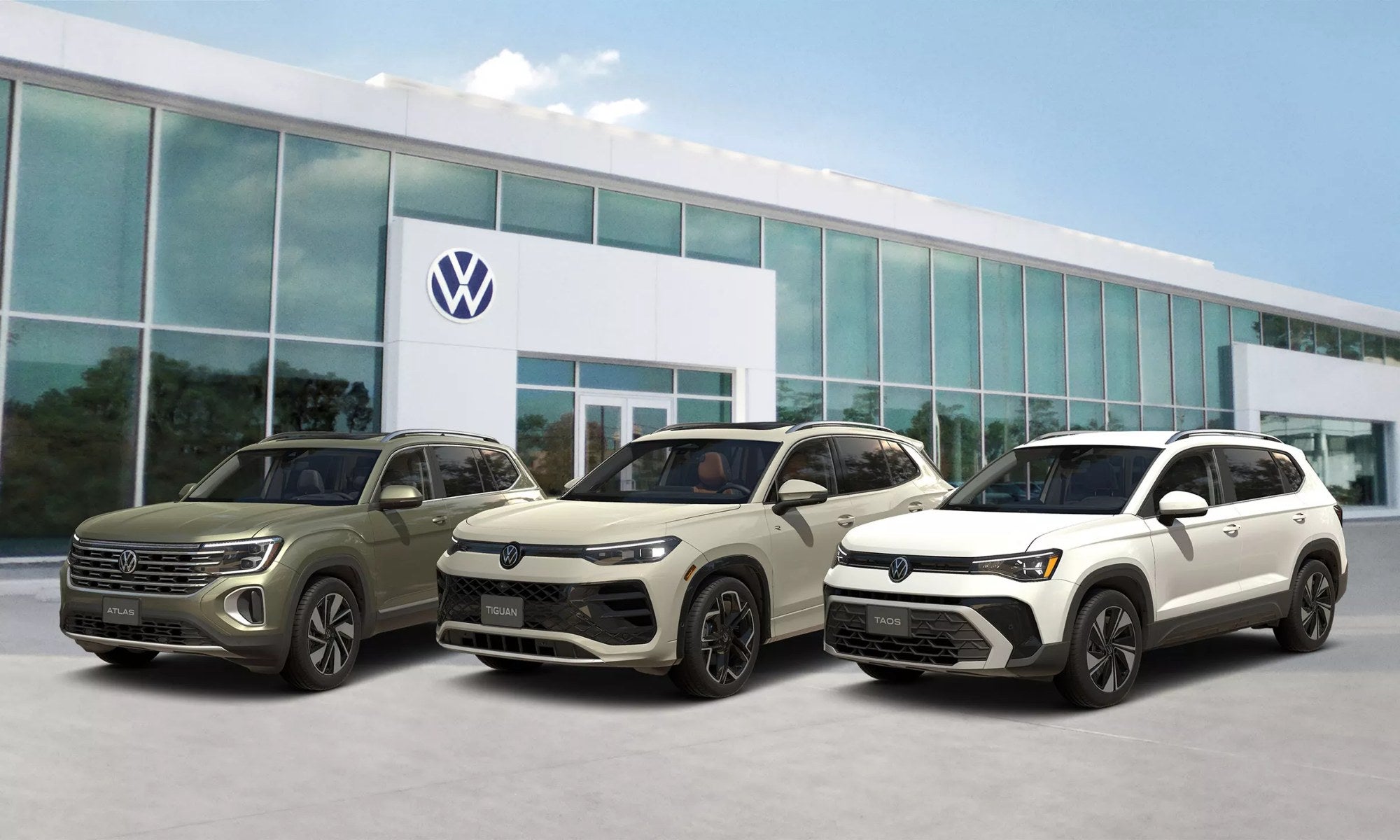

The most common mistake we see at Smithtown Volkswagen in St. James is letting one big repair estimate make the decision for you. A scary bill feels like a clear sign, but on its own it rarely tells the whole story. A better approach weighs a handful of things together: what the car costs you to keep, how much you can still trust it, how well it fits your life now, and what it's worth today.
Don't Let One Repair Bill Decide
Here's the mistake we see most often. A check engine light comes on, the estimate comes back high, and the driver decides on the spot that the car is done. Sometimes that's right, but often it isn't, because a single repair says little about what the next year of ownership will cost.
A one-time repair that fixes a known problem can buy you years of dependable driving, especially on a car that's been well kept. A steady drip of smaller failures sends a different signal. When the brakes, then the cooling system, then some electrical glitch all show up within a few months, that pattern matters more than any one invoice.
The opposite mistake happens too. Some people keep pouring money into a car out of loyalty or habit long after it stopped earning it, because every repair looks reasonable when you view it alone.
The honest answer sits between those two reactions. Replacing a car makes sense when the total cost of keeping it outweighs what a replacement would cost you, and when your budget can handle the switch. That total includes the stress, the lost time and the worry about getting stranded. The rest comes down to breaking that big question into pieces you can actually measure.
Compare Repair Costs to a Payment, Honestly
Plenty of drivers say, "At least my car is paid off." That's a real advantage, and it deserves weight. A paid-off car still costs money, though. The useful comparison is what you spend keeping it on the road over a year versus what a replacement would cost over the same stretch.
To get a fair picture, add up:
- Repairs and maintenance over the past twelve months
- Work your mechanic has flagged as coming soon
- Rentals, rides or missed work while the car was in the shop
- Any rise in insurance or registration costs
Then set that total beside a realistic monthly payment, plus insurance on a newer vehicle. Repair money buys you nothing beyond the fix, while a payment builds toward something you own. Even so, a payment is a fixed commitment. A repair you can delay gives you flexibility a loan doesn't.
If you aren't sure what's coming, book a service inspection before you decide. Our technicians handle routine work and complex diagnostics. A clear list of what the car needs, ranked by urgency, takes much of the guesswork out of the math. Knowing the next year of repairs is often the most useful number you can have.
Reliability Matters More on Long Island Roads
Cost is only part of it. A car you can't trust changes how you live. You skip the drive to see family out east, you plan your day around a strange noise, and you leave early in case it won't start.
Our commutes make reliability count. Breaking down on the Long Island Expressway at rush hour, or on a dark stretch of the Northern State, is a very different problem than stalling in your own driveway. If you drive Route 347 or the Sunken Meadow Parkway daily, you're putting real miles on the car, and those miles find weak spots.
Signs the car is wearing out
- Rust on the frame, brake lines or subframe, beyond cosmetic body spots
- Transmission slipping, harsh shifts or hesitation
- Warning lights that keep coming back after being cleared
- Leaks you top off instead of fixing
- Hard starts on cold winter mornings
Structural rust deserves special attention. Road salt from our winters is hard on undersides, and corrosion can affect both safety and inspection results. Most mechanical problems can be fixed. Rust that's eating into the structure usually isn't worth repairing on an older car.
Safety Technology Has Moved Quickly
An older car may lack driver-assistance features that are now common on new vehicles. Automatic emergency braking, blind-spot monitoring, rear cross-traffic alerts and adaptive cruise control used to be reserved for pricier trims. Today many of them come standard or are widely available.
That alone isn't a reason to replace a perfectly good car. It becomes a stronger reason when there's a new teen driver in the house or when you spend long hours on the highway. A few close calls backing out of crowded lots in Hauppauge or Smithtown can make the case, too.
Comfort and connectivity count too
Smartphone integration, better headlights, quieter cabins and easier controls sound like small things until you live with them. On a long daily drive they cut fatigue in ways that are hard to appreciate on paper.
The best way to judge the difference is to feel it. When you book a test drive in something current, pay attention to how the driver-assistance features behave in real traffic, not just in a parking lot. Some drivers love them right away. Others need a few drives before the alerts and steering assistance feel natural.
Your Life May Have Outgrown the Car
Sometimes the car is fine and the fit is the problem. A compact sedan that was perfect for a solo commuter can feel cramped once car seats arrive. On the other end, a big SUV bought for a busy family can feel like overkill once the kids drive themselves.
Common changes that prompt a switch:
- A new baby, bigger car seats or a growing pile of sports gear
- A longer commute after a job change
- Retirement, and a wish for something easier to get in and out of
- Regular trips with a dog, bikes or a boat
- A move to a home with a tighter driveway or garage
Think about how you'll use the car over the next several years, not just this month. If your family is growing, buying for that now can save you a second trade down the road.
When you browse our new Volkswagen inventory, focus on how a model fits your routine. Rear-seat access, cargo shape and how easily it parks matter more day to day than a long feature list. Matching the car to your next few years is the best guide. Our team can walk you through how models differ in size and layout so you're comparing the right ones.
Know What Your Current Car Is Worth
Before you can tell whether switching makes sense, you need two numbers: what your car is worth and, if you still have a loan, what you owe. The gap between them is your equity, and it shapes the whole deal.
Positive equity
If the car is worth more than you owe, that difference can go toward your next vehicle as part of your down payment. Cars in solid shape with a clean history tend to bring stronger trade offers. That's one more reason not to wait until something major fails.
Negative equity
If you owe more than the car is worth, the shortfall doesn't disappear when you trade. You can pay it off separately, or some lenders may allow it to be rolled into the new loan, which raises the amount you finance. Neither choice is automatically wrong, but you should see the numbers plainly before agreeing to either.
Timing matters here. Values tend to slide as mileage climbs and problems pile up, so trading while the car still runs well usually works in your favor. You can value your trade online to get a starting point before you visit, then we'll confirm it in person.
New, Used or Certified Pre-Owned
Replacing your car doesn't have to mean buying brand-new. We sell new Volkswagen, used and Volkswagen Certified Pre-Owned vehicles, and they suit different kinds of buyers.
New
A new car gives you the latest safety and tech, full factory warranty coverage and no unknown history. It also takes the steepest early drop in value, so it rewards people who keep their cars a long time.
Used
A used car lowers the purchase price and lets a previous owner absorb that early depreciation. You give up some predictability in exchange, so condition and service records matter a great deal.
Certified pre-owned
Volkswagen Certified Pre-Owned vehicles land in between. They go through an inspection process and come with added coverage, giving you more confidence than a typical used purchase at a lower cost than new. For many drivers replacing an aging car, certified pre-owned strikes a good balance between budget and peace of mind.
Your best choice depends on how long you keep cars, how far you drive and how much risk you're comfortable with. Comparing a new and a certified version of the same model side by side often makes the decision obvious.
What to Do Next
Once you've weighed costs, reliability, safety, fit and equity, the decision usually gets clearer. If you're still on the fence, a few practical steps will settle it without pressure.
- Get a diagnosis, so you know what the current car needs and when.
- Find your trade value and, if you have a loan, your payoff amount.
- Set a monthly budget that includes insurance before you shop.
- Look at financing early. You can apply for financing ahead of time to see what terms you may qualify for; approval and rates depend on your credit and the lender.
- Drive at least two models, and compare new with pre-owned if budget is tight.
If the numbers say keep the car, that's a good outcome too. We handle Volkswagen maintenance and repair, and our parts department focuses on genuine Volkswagen parts with an eye toward maintaining your car's value for whenever you do trade. Customer service and long-term ownership support are what we aim for either way.
We serve drivers from Smithtown, Hauppauge, Kings Park, Central Islip and surrounding areas. Stop by our St. James store and we'll talk it through with you.
St James, NY
- Judge the pattern of repairs over the past year, not a single estimate.
- Know your car's trade value and your loan payoff before you shop, because equity shapes the whole deal.
- New, used and certified pre-owned each suit a different buyer, so compare them side by side.
FAQ Common questionsHow many miles is too many to keep a car?There's no universal cutoff. A high-mileage car with a solid maintenance history and little rust can outlast a lower-mileage one that's been neglected. Condition, service records and the trend in repair costs tell you far more than the odometer does. Should I fix my car before trading it in?Inexpensive fixes and a good cleaning can help a car make a better impression. Major repairs rarely return their full cost in trade value, though. Get an appraisal first, then decide whether a repair is worth doing. Can I trade in a car I still owe money on?Yes. The dealer pays off your existing loan as part of the transaction. If the car is worth more than the payoff, the difference can go toward your next vehicle. If it's worth less, you'll need to cover the gap, either separately or, where a lender allows it, within the new loan. Is there a best time of year to buy?Model-year changeovers and manufacturer offers can create opportunities, so it's worth checking current incentives when you shop. In most cases, though, the best time to buy is when you're ready and before your current car loses more value or leaves you stranded. |
Want to see it in person? Come by for a test drive, or browse what is on the lot right now. Or call (631) 652-9887 · 530 NY-25, St James |