


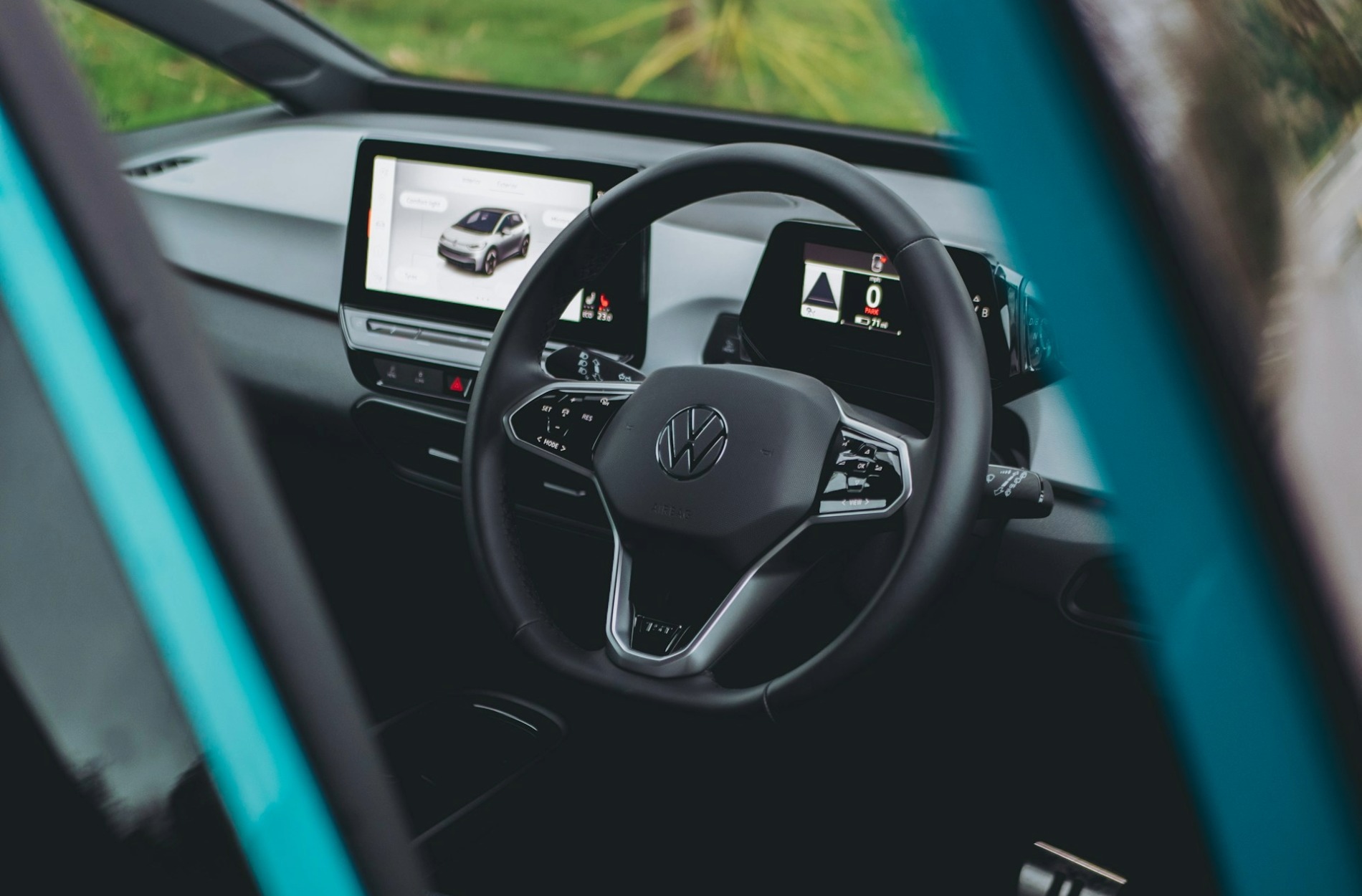
As the colder months set in on Long Island, EV owners often face unique challenges that aren’t present during warmer seasons. One predominant issue that many Volkswagen electric vehicle drivers encounter is battery drainage. Cold weather can unexpectedly sap the energy from your EV, leaving you with less range than anticipated. Understanding how winter temperatures affect your battery can empower you to take the necessary steps to ensure your vehicle continues to perform reliably throughout the season.
Being prepared for these cold-weather impacts on your vehicle’s battery can make all the difference. For residents of Long Island, where winters can be particularly harsh, it’s important to be informed about how to protect your Volkswagen electric vehicle from excessive battery drainage. This knowledge helps maintain your vehicle’s efficiency while avoiding unwanted surprises on those chilly mornings.
Why Cold Weather Affects EV Batteries
When the temperature drops, it’s not just the air around you that feels the chill; your electric vehicle’s battery feels it, too. The chemical reactions that occur inside the battery to generate energy slow down in colder climates. This means that the battery doesn’t work as efficiently and can end up holding less charge than it would in milder temperatures.
A simplified analogy is to think of your battery as a jar of honey. At room temperature, it pours smoothly and easily. When it’s cold, that same honey becomes thick and sluggish, making it harder to get out of the jar. Similarly, in cold weather, the chemical processes inside your battery slow down, so it releases energy less efficiently. This is why on a frosty morning, you might notice your EV range has decreased despite a full charge the night before.
Understanding the factors that lead to increased battery drainage makes it easier to prepare your vehicle for winter. With informed steps, you can keep your vehicle running smoothly even when the weather isn’t on your side.
Identifying Signs of Battery Drainage
It’s helpful to know how to spot problems that might indicate your battery is draining faster than normal. A key sign to look out for is a noticeable reduction in your EV’s driving range. If you find that the battery depletes much quicker than it used to, it could be a signal that the cold is affecting its efficiency. Another indicator is longer charging times. If it seems to take unusually longer to charge fully, the battery might be struggling more in the cold.
It’s also beneficial to monitor the performance of auxiliary systems such as heating and headlights. If these systems are drawing more power than usual, it might contribute to the quicker depletion of the battery. Keeping an eye on the battery health through your vehicle’s dashboard display can also provide valuable insights into its condition and efficiency.
Preventive Measures to Combat Battery Drainage
Being proactive in maintaining your Volkswagen EV can minimize cold weather impacts. Here are several steps you can take:
- Park in a Garage or Covered Area: Storing your car in a garage can protect it from frigid temperatures, which aids in preserving battery life.
- Maintain Optimal Tire Pressure: Cold weather can cause tires to lose pressure, leading to less efficient driving and more power consumption.
- Use Pre-Conditioning Features: If your vehicle offers a pre-conditioning feature, use it to warm up your car while it’s still plugged in. This way, more of your battery’s charge goes towards driving.
- Keep Your Vehicle Charged: Regularly charge your EV and avoid letting the battery level drop too low, which can be particularly taxing during winter.
Professional Help and Maintenance
Sometimes, despite taking precautionary measures, you might still experience battery issues. Recognizing when to seek professional help can save time and prevent bigger problems down the line. If your Volkswagen EV still exhibits unusual battery behavior after trying the preventive steps, reaching out to a specialist is a wise idea.
Regular maintenance checks are great for ensuring the overall health of your vehicle. Professional service centers have the expertise and tools necessary to thoroughly inspect and address any underlying issues, helping to extend your battery’s life and efficiency.
Keeping Your Volkswagen EV Running Efficiently During Winter
By staying informed about how cold weather affects your EV’s battery and taking actionable steps, you can significantly decrease the risk of drainage problems. Regularly monitoring your car’s performance and being attentive to the signs of battery strain allows you to address any challenges promptly and effectively.
Taking these measures ensures you can enjoy the reliable performance of your Volkswagen EV throughout the winter months. Remaining proactive helps in safeguarding against unexpected downtime and contributes to a smoother, more efficient driving experience. Exploring the options and resources available for EV drivers can further enhance the reliability and enjoyment of your electric vehicle all year round.
To make sure your Volkswagen electric vehicle performs at its best this winter, consider regular checkups and maintenance. By addressing any battery concerns early, you can enjoy a stress-free and reliable commute throughout the colder months. Learn more about how to care for Volkswagen electric vehicles on Long Island and discover how Smithtown Volkswagen can help you achieve the best performance from your EV.
Connect with us


