


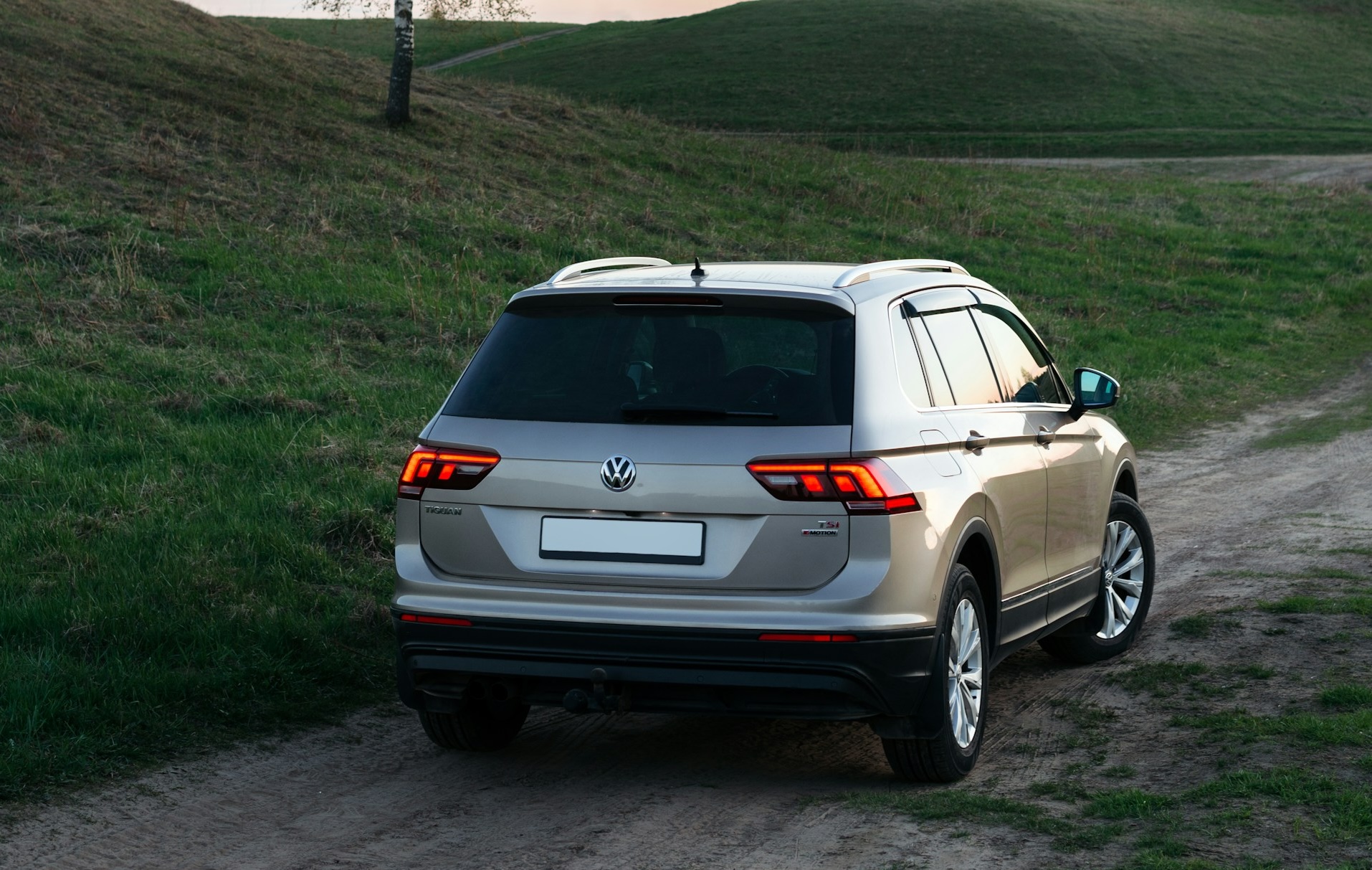
Stop Turning Up the Radio and Start Hearing the Clues
New noises in your Volkswagen are not just annoying background sounds. They are clues your car is trying to give you about what is going on underneath. On Long Island roads, with highway speeds, potholes, and tight traffic, paying attention to those clues really matters.
Many drivers first notice a low humming on the expressway, a grinding noise as they exit a ramp, or a squeal when they pull into the driveway. It is easy to turn up the radio and hope it goes away. But ignoring new sounds can lead to bigger repairs and real safety risks, especially when you are driving at higher speeds or with a full car.
Most of the time, that road noise comes from one of three areas: tires, wheel bearings, or brakes. Each one tends to sound and feel a little different. Our goal here is to help you tell those noises apart, know what you can safely look at home, and understand when it is time for professional Volkswagen tire service in Smithtown or a full inspection.
When Tires Talk: Hums, Whines, and Road Roar
Tires are often the first place to look when you hear new road noise. They are the only part of your VW that actually touches the road, so any small change in the tire can sound pretty loud in the cabin.
Common tire noise signs include:
- A low humming or droning that gets louder as speed increases but does not change much when you brake
- A rhythmic “wah-wah-wah” sound that speeds up and slows down as you drive faster or slower
- A loud roar on rough or grooved pavement, especially if you have performance or low-profile tires
You can do a quick visual check at home. Park on a flat surface, set the parking brake, and take a slow walk around your VW. Look at each tire for:
- Uneven tread wear, where one side looks more worn than the other
- Feathered or rough edges on the tread blocks
- Bald spots, bubbles, or bulges that may come from pothole hits
- Objects stuck in the tread, like nails, screws, or small stones
Pay attention to how the car feels too. A vibration in the steering wheel often points to the front tires. A shake in the seat or floor can point to the rear tires. Checking tire pressure can also help, since low or high pressure can change both noise and wear.
Seek professional Volkswagen tire service in Smithtown if:
- The noise starts suddenly or becomes much louder in a short time
- You see exposed cords, deep cracks, or serious wear on the tire edges
- The car starts pulling to one side or the steering feels off
A trained team can check alignment, balance, and suspension parts, rotate or replace tires if needed, and make sure systems like the TPMS are working correctly so your VW is ready for more miles.
Wheel Bearing Warning Signs You Should Never Ignore
Wheel bearings are hidden, but when they start to fail, they can be loud. Unlike tire noise, bearing noise usually has a deeper tone and often feels more “mechanical.”
Here is how wheel bearing noise is different from tire noise:
- It sounds like a deep, constant growl or rumble that changes with speed
- It may get louder when you turn slightly left or right, as weight shifts on the car
- It can sound like you are driving on rough pavement, even when the road looks smooth
You can do a simple road test in a safe, open area. While driving at a steady speed:
- Gently move the steering wheel left and right within your lane
- Listen for the noise to get louder when the weight of the car leans onto one side
- Notice if the sound clearly comes from one corner of the vehicle
Long, sweeping ramps on major roads are another place where bearing noise can change. If the growl is stronger in one direction and quieter in another, that is a strong clue.
Waiting on wheel bearing issues can cause:
- Loss of wheel stability and, in severe cases, wheel separation
- Added stress on tires, brakes, and suspension parts
- Extra wear that may lead to more parts needing repair at the same time
Modern Volkswagen models often have advanced systems that depend on precise wheel speed and movement. A certified technician is best suited to confirm a bearing problem, replace parts the right way, and make sure everything works smoothly again.
Brake Noises That Demand Fast Attention
Brake noises are not something to ignore or “see if they go away.” Your brakes are your main safety system, and they can tell you a lot through sound and feel.
Common brake sounds and what they usually mean:
- A high-pitched squeal when you press the brake pedal, often caused by built-in wear indicators, which means your pads are getting thin
- A harsh grinding or scraping sound when braking, which can mean the pad material has worn away and metal is pressing into the rotor
- A thumping or pulsing through the brake pedal, which can point to warped rotors or uneven material on the rotor surface
You can do a quick driveway check:
- Look through the wheel spokes to see if there is still pad material, not just a thin metal backing
- Check if the rotors look smooth or if they show heavy grooves, rough spots, or heavy discoloration
- Pay attention to feel: a soft pedal, longer stopping distance, or pulling to one side when braking are all warning signs
Season after season, braking systems work hard. Heat from stop-and-go traffic, moisture, and road salt from past winters can all speed up wear or create rust on rotors and hardware. Any noise from the brakes is worth taking seriously so problems do not spread to more parts of the system.
A professional brake inspection will usually look at:
- Brake pads and rotors
- Calipers and slide pins
- Mounting hardware and brake hoses
- Brake fluid level and condition
That kind of full check helps keep your stopping power strong and your VW predictable in an emergency stop.
DIY Checks vs. Dealership Service in Smithtown
There are a few things most VW owners can safely handle on their own. Listening, looking, and taking notes can help a service team figure out the issue much faster.
Safe checks most drivers can do:
- Notice when the noise happens: at certain speeds, only when braking, or mostly during turns
- Note where it seems to come from: front, rear, left, or right
- Look at your tires for wear, damage, or low pressure
- Think about any recent events, like hitting a pothole, getting new tires, or taking a long trip
Go straight to professional help if:
- You hear grinding from the brakes at any time
- A loud roaring or growling appears suddenly
- The noise comes with vibration, shaking, pulling, or any dashboard warning lights
If you drive a VW EV or plug-in hybrid, tire and brake behavior can be a little different. These vehicles are often heavier than similar gas models, which can change how tires wear. Regenerative braking also means the brake pads might be used in different ways, so it is even more important to have a team that understands EV systems check things over.
At a dealership service center, technicians work with Volkswagen models every day. They use parts and equipment designed for these vehicles and can look at tires, wheel bearings, brakes, and suspension in a single visit. That kind of complete view helps catch small issues early and keeps your VW feeling solid on local roads.
Turn Road Noise Into Peace of Mind
When you start to sort road noise by when it happens, the pattern becomes clearer. Tire noise usually changes with speed, wheel bearing growls often change when you turn, and brake noise tends to show up when you press the pedal. Any sound that is new, louder than before, or getting worse is a sign that something needs attention.
Sharing what you notice is a big help. Telling the service team when the noise happens, how it sounds, and where you think it comes from gives them a head start on finding the cause. With the right inspection, repairs, and services like Volkswagen tire service in Smithtown, that loud hum or grind can turn back into a quiet, smooth ride around Suffolk County.
Keep Your Volkswagen Riding Smoothly With Expert Tire Care
Protect your vehicle’s performance and safety by scheduling Volkswagen tire service in Smithtown with the certified team at Smithtown Volkswagen. Our technicians will inspect, rotate, balance, or replace your tires so you can drive with confidence in all seasons. If you have questions or want help booking an appointment, simply contact us and we will walk you through your options.
Connect with us


