


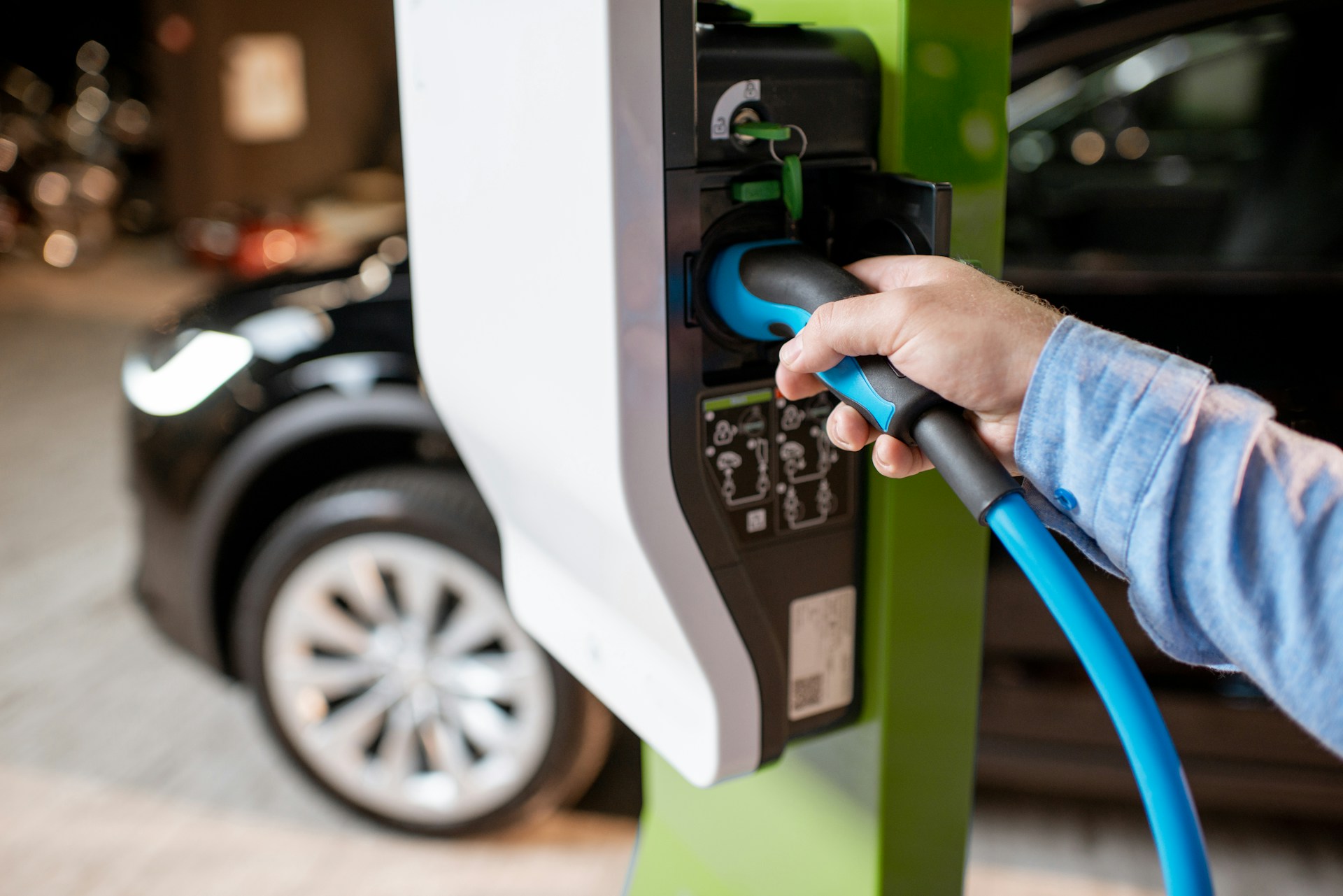
Electric vehicles are becoming a common sight across Long Island, from local neighborhoods to busy shopping centers. As more drivers plug in, shared charging spots can fill up fast, especially on weekends and during warmer weather. That is why good EV charging manners matter just as much as knowing how your car works.
In this guide, we will walk through simple, clear etiquette for Volkswagen EV charging in Long Island. You will learn how to be polite at public chargers, plan ahead for trips, stay safe at crowded stations, and build smart charging habits that keep things smooth for you and everyone around you.
Master EV Charging Etiquette on Long Island
Public chargers are shared spaces, just like parking lots or carpool lanes, etc. When drivers follow the same basic rules, everyone gets where they need to go with less stress and fewer delays.
Good etiquette helps you:
- Cut down your wait time at popular stations
- Avoid tense moments over who was “there first”
- Make road trips and errands feel calmer and more predictable
On Long Island, public charging can get busy at shopping centers, office parks, park-and-ride lots, and near beaches. Knowing what is polite, what is not, and how to communicate with other drivers will help keep Volkswagen EV charging in Long Island friendly and fair.
Know Your EV Charging Options on Long Island
First, it helps to understand the main types of charging. When you know which level you need, you can pick smarter spots and leave fast chargers open for people who really need them.
The three basic charging levels are:
- Level 1: Standard household outlet. Slow, usually best for overnight at home.
- Level 2: 240-volt chargers, similar to a large home appliance. Common at homes with dedicated chargers, workplaces, public lots, and shopping centers.
- DC Fast Charging: High-powered chargers that add a lot of range in a short time. Often found along main roads, near highways, and at some larger shopping or travel hubs.
Most daily driving can be covered with home or workplace charging, often Level 1 or Level 2. DC fast charging is ideal for:
- Longer trips across the Island
- Quick top-ups when you are far from home
- Times when your battery is low and you need to keep moving
Many public charging networks offer apps that help you:
- Find nearby chargers and filter by speed
- See if a station is in use before you arrive
- Read notes from other drivers on station condition
By matching your needs to the right charger type, you avoid using a fast charger when a slower public charger or home charging would do the job. That leaves high-speed spots for drivers in a true hurry or on longer drives.
Public Charging Manners Every Driver Should Follow
At a shared charger, your goal is simple: get the charge you need, then make space for the next person.
Time awareness is a big part of that:
- Move your vehicle soon after charging is done
- Pay attention to station time limits or idle fees
- Avoid “camping” at a charger if you are finished but still hanging out nearby
Many EVs and charging apps let you set alerts when your charge hits a certain level or when a session ends. Using those reminders makes it much easier to unplug and move right away.
Unplugging another driver’s vehicle is almost never okay without clear permission. A few general tips:
- Do not disconnect another car unless there is an agreed system in place
- Some drivers leave a note giving permission after a certain battery level
- If an app allows messaging, use that to check before you touch someone else’s cable
At busy stations, it helps to:
- Form a clear line and respect who arrived first
- Ask politely who is next if it is not obvious
- Avoid blocking access lanes or stretching cables around your car in a way that trips others
A friendly wave, a quick “Are you next?” or “How long do you have left?” goes a long way toward keeping things calm.
Smart Charging Habits for Volkswagen EV Owners
Good etiquette starts at home. When you treat public chargers as a backup instead of your main power source, you help keep the system running smoothly.
Try to:
- Charge at home or at work whenever you can
- Use public Level 2 chargers while you shop, eat, or run errands
- Save DC fast charging for travel days or when you are low and far from home
Managing your state of charge with a light touch helps too. You usually do not need to fast charge to 100 percent for short local trips. Instead, you might:
- Aim to use fast charging for quick boosts, not full fills
- Plan your errands around a Level 2 stop so you are not watching the clock
- Keep an eye on how long you really need to charge to reach your next stop comfortably
During warmer months, beach trips and weekend getaways can put extra pressure on chargers near parks, ferries, and coastal towns. A few smart habits:
- Start your day with a healthy charge from home
- Check station availability before you leave
- Give yourself a buffer so you are not arriving with a nearly empty battery at a busy station
If your Volkswagen offers battery preconditioning or charging schedules, learning how to use those tools can also help you charge more efficiently and calmly.
Charging Safely and Respectfully at Busy Stations
Safety is part of good etiquette. Public chargers mix cars, people, cables, and sometimes tight parking spots, so small choices matter.
Always:
- Park inside the lines so others can reach their ports
- Keep cables neat and avoid blocking walkways
- Keep kids and pets away from charging cables and equipment
- Follow the instructions on the charger screen
Respecting the space also means:
- Do not “reserve” a charging spot with cones, bags, or other personal items
- Only use charging spaces when you are actually plugged in
- Report damaged or strange-looking equipment instead of trying to fix it yourself
You can also help other drivers when stations are busy by:
- Mentioning nearby stations if someone is waiting and you know of an open one
- Being patient if a charger is acting up and others are also trying to figure it out
- Setting a good example for newer EV owners who may be unsure of the rules
How Smithtown Volkswagen Supports Better Charging
As a full-service Volkswagen dealership in St. James, we spend a lot of time helping drivers feel confident about charging. That includes explaining how each Volkswagen EV handles charging, so you know what to expect before you ever plug into a public station.
Our team can walk through:
- Your vehicle’s onboard charger and what that means for Level 2 speeds
- How your model responds to DC fast charging
- Recommended everyday charging habits for battery health and convenience
We can also provide guidance on:
- Setting up home charging equipment with the right type of outlet
- Keeping your charging port and cables in good condition with regular service
- Using software updates and in-vehicle settings that support smoother charging
As more people choose Volkswagen EV charging in Long Island, small acts of courtesy at the plug help build a cleaner, easier way to get around. When drivers understand their options, respect shared spaces, and stay safe, every charge becomes a little smoother for the next person in line.
Power Your Commute With Convenient EV Charging Support
If you are ready to make the switch to electric, we are here to help you understand everything about Volkswagen EV charging in Long Island, from home setup to on-the-go options. Our team at Smithtown Volkswagen can walk you through available EV models, charging times, and tools that fit your daily driving. Have questions or want to schedule a visit? Simply contact us so we can help you move into electric driving with confidence.
Connect with us


