


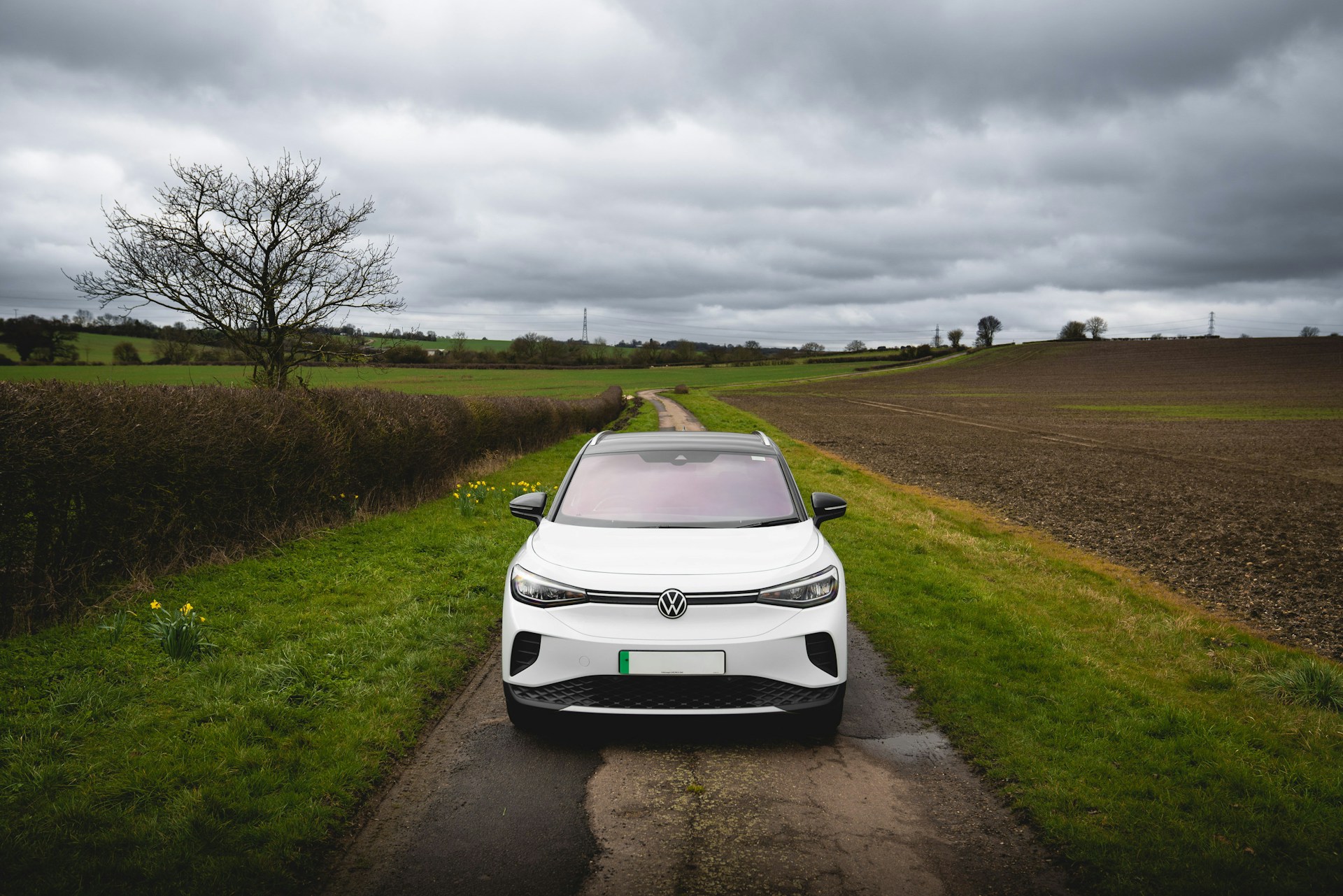
The colder weeks on Long Island can sneak up fast. One day it’s chilly, and the next, you’re scraping frost off your windshield before sunrise. If you drive an EV like the Volkswagen ID.4 on Long Island, you’ve probably noticed a few changes once winter settles in. Maybe the battery drains faster, or charging seems to take a little longer than usual. These shifts aren’t anything to panic about, but they can be a little frustrating if you’re not expecting them.
Cold weather affects electric vehicles in different ways than it does gas-powered cars. From battery chemistry to tire grip, low temperatures put extra pressure on systems that usually run smoothly the rest of the year. We put together a simple breakdown of what actually changes and why, so you know what to expect from your ID.4 until things start warming up in spring.
How Cold Weather Affects EV Batteries
One of the biggest differences you might feel in the winter months is how your battery performs, especially when the temperature dips below freezing.
- Cold slows down the chemical reactions inside the battery, which makes it harder to deliver energy. That’s why range tends to shrink in colder weather. Your car is still working, it’s just taking a bit more effort to do the same job.
- Cabin heat uses electricity, not engine heat like in gas-powered cars. So when you crank the heat to stay warm, the battery feels that pull.
- You might also notice changes in braking early in your drive. Regenerative braking doesn’t kick in right away when systems are cold. It usually returns once the battery warms up a bit.
Planning your trips and using seat warmers instead of blasting cabin heaters can help stretch your battery farther during cold spells. Giving your ID.4 a little extra time to warm up before setting off also provides a more predictable driving experience as the car adjusts to the cold surroundings.
Impacts on Charging Times and Efficiency
Charging isn’t always as simple in the winter as it is in the warmer months. If you’ve been plugging in overnight and waking up to a battery that isn’t quite full yet, you’re not imagining things.
- Cold batteries don’t accept charge as quickly as warm ones. That’s especially true on Level 1 and Level 2 home chargers, where things already take longer.
- Even DC fast chargers can slow down if the battery is too cold when you plug in. The system may trickle energy in to protect the components until it reaches the right temperature.
- On Long Island, February often brings icy mornings and long stretches near freezing. That can make it harder for the battery to stay warm enough for peak efficiency, especially if your car is parked outside overnight.
Preconditioned charging, if available for your setup, can help give things a head start. Starting charging a bit before you wake up, instead of charging all night, may keep the battery slightly warmer thanks to electrical resistance and help make charging faster overall. So can parking in a garage or a more sheltered spot if you have one.
Heating and Cabin Comfort vs. Battery Usage
Staying warm matters, but so does understanding what that comfort really costs from a battery point of view.
- Running the heat, front and rear defrosters, and your heated seats all pull directly from the battery. The more features you use at once, the faster your range will drop.
- Many ID.4 models offer preconditioning features through vehicle settings or connected apps. Preconditioning lets the car warm up while it’s still plugged in, so you start your drive toasty without pulling from the battery mid-trip.
- Scheduled charging with preheat is another useful trick. You can set the car to finish charging and warm up right before you leave, especially in the early morning chill.
Learning how these tools work now can help make your winter mornings more comfortable and keep your battery from feeling drained before you even hit the road. Understanding how cabin settings and defrosters affect your driving range gives you a little more control over your winter driving experience. Picking and customizing the settings that work best for your day can sometimes ease the pressure on your battery and make those early starts more manageable.
Drive Performance and Tire Responses in Cold Conditions
Driving feels different too in freezing weather, even if you’re used to your usual ID.4 routine.
- Cold air makes tires stiffer and reduces grip, so acceleration and braking can feel different on slippery or wet roads.
- The ID.4’s battery is mounted low, which helps give it a solid center of gravity. That weight helps keep traction in the snow, but at the same time it might take a little longer for torque to respond until the system warms up.
- Air temperature affects tire pressure. If it drops, your tire pressure drops too. That can make your ride feel less smooth and reduce your efficiency if not checked regularly.
Keeping an eye on your tire pressure and easing into your drive each morning helps manage those early-morning quirks. A sudden drop in overnight temperatures can make tires look and feel different, so even just giving them a quick check before heading out is a smart way to avoid slow starts or unexpected grip changes, especially as conditions shift through February. Remember that winter tires or all-seasons in good shape will help keep driving smooth, but it’s still worth paying attention when the roads start to freeze or thaw.
Local Winter Driving Habits with the ID.4
Driving patterns can shift a lot during Long Island winters, and those habits play a role in how your ID.4 responds.
- Many drivers take shorter trips or stop more often in colder months. That start-stop pattern doesn’t give the EV systems enough time to fully warm up, which can strain the battery.
- Slow-moving traffic in snow or wet slush means fewer chances for regenerative braking to work how it normally does. The breaks between stops are shorter, so the car isn’t recapturing much energy.
- Using more energy than usual in colder weeks means you’ll want to watch your battery level more closely. Relying on your standard routines might not cut it until the weather levels out again.
These habits don’t need to change completely. But small adjustments, like charging more often or giving your car a few extra minutes to warm up, can make daily drives smoother. Adapting to winter traffic and planning trips with a little flexibility helps you avoid running down the battery during especially snowy or cold stretches. Since Long Island roads can be unpredictable in winter, even leaving an extra ten minutes in your morning routine can reduce the rush and give your EV the best start.
What to Expect from Your ID.4 Until Spring
Winter puts extra strain on electric vehicles, and the Volkswagen ID.4 is no exception. You might see a shorter driving range, longer charge times, or cabin systems pulling more from your battery than they did back in the fall. Tires grip differently, and drives feel a little less snappy until the car has had time to warm up.
That doesn’t mean the cold is a problem, it just means it takes a different kind of planning. For drivers of the Volkswagen ID.4 on Long Island, knowing what changes and why can help you stay ahead of any surprises. With just a few tweaks to your routine, the rest of winter should feel a lot more manageable.
Smithtown Volkswagen offers the latest ID.4 models for sale, home charging accessories, and knowledgeable EV staff to answer your questions about winter driving, care, and battery management. Our certified technicians can check your battery health, review tires, and help with vehicle preconditioning system setup before the next cold spell.
Embrace the winter season confidently with your Volkswagen ID.4 on Long Island by planning ahead for the snowy months. Understanding the unique needs of electric vehicles in colder weather can enhance your driving experience and optimize battery life. At Smithtown Volkswagen, we’re excited to offer insights and support on how to navigate these winter challenges smoothly. Discover a wide selection of Volkswagen ID.4 on Long Island and let our expert team assist you in finding the perfect fit for your needs.
Connect with us


