


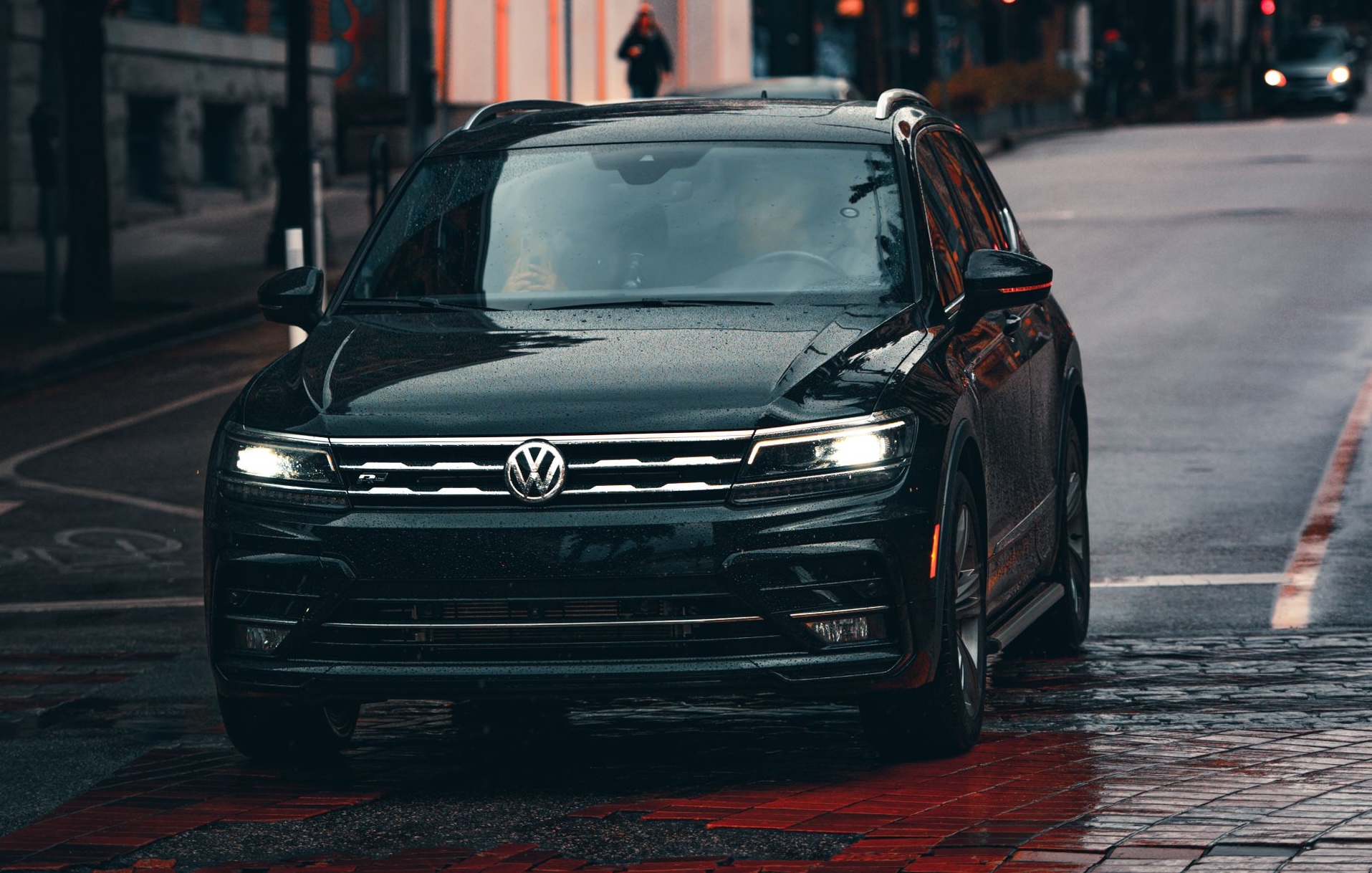
How Stop-and-Go Traffic Triggers VW Warning Lights
Stop-and-go traffic around Smithtown is tough on drivers and tough on Volkswagens. Long lines on Jericho Turnpike, Middle Country Road, and the Long Island Expressway ramps can mean a lot of idling, quick jumps forward, and hard braking. That kind of driving can bring out problems that may stay hidden during smooth highway trips.
When your VW spends much of its life creeping along, the engine, cooling system, and transmission all work under extra stress and heat. That is when warning lights and diagnostic codes tend to show up. If you know what those codes often relate to and what details to track before you visit a service center, auto diagnostics in Smithtown can go faster and feel a lot less stressful.
How Traffic Patterns Affect Engine Misfire Codes
One of the most common groups of codes we see are engine misfire codes, often in the P0300 to P0304 range. In simple terms, a misfire is when one or more cylinders do not burn fuel the way they should. To you, that can feel like:
- A rough or shaky idle while sitting in traffic
- A brief stumble or hesitation when you pull away from a light
- The engine shaking or pulsing while creeping forward
Stop-and-go driving on Long Island can make misfires more likely. Long waits with the AC on, short bursts up to the speed limit, and quick stops all raise engine load and heat. Incomplete combustion can happen more often when the engine is hot, the fuel quality is not great, or small issues with ignition parts are starting to show.
Before a service visit, it helps to write down what is happening when you notice a misfire. Helpful notes include:
- Were you idling at a light, creeping along, or accelerating from a stop?
- How much fuel was in the tank?
- Where did you last fill up?
- Did it get worse when the AC was on or when it was very hot outside?
These details give technicians a head start in tracing misfires instead of guessing.
Cooling System Codes in Hot, Humid Weather
Hot, humid days on Long Island can be tough on any cooling system, especially when the car is not moving much. When you sit in traffic with little airflow through the grille, the radiator, hoses, and coolant are doing most of the work. If anything in that system is not quite right, warning lights and codes can pop up.
Modern Volkswagens rely on several key parts to keep temperatures in line:
- Radiator fan that pulls air through when the car is not moving fast
- Coolant temperature sensor that tells the computer how hot things are
- Thermostat that opens and closes to control coolant flow
Prolonged congestion can turn a small weakness in any of these into a noticeable problem. Maybe the fan is slow to come on, the sensor is reading slightly off, or the thermostat is sticking. You might see the temperature gauge climb higher than normal, or you might get a warning on the dash.
Before bringing the car in for cooling system issues, try to log:
- How the temp gauge moved (steady, climbing, then dropping, etc.)
- Whether the cabin AC suddenly got warmer under load
- Roughly how long you had been idling or crawling in traffic
- An estimate of outside temperature
- Any sweet coolant smell, steam, or small puddles where you park
Those little clues help narrow down if the problem is airflow, coolant level, a sensor, or something else.
Transmission Temperature and Stop-and-Go Stress
Automatic transmissions do not love endless creeping and constant gear changes. Low-speed driving on roads like Route 347, with hills, lights, and turn lanes, forces your transmission to shift often while dealing with repeated braking and short bursts of power. In warm weather, that can mean higher transmission temperatures.
When the transmission control module senses heat or pressure that is out of range, it can set codes and even change how the car shifts to protect itself. Drivers sometimes notice:
- Delayed or harsh shifts when pulling away
- A clunk or jolt going into gear after long traffic jams
- The car staying in lower gears with reduced power, sometimes called limp mode
- Warning messages about transmission performance
If you feel any of these, try to record:
- How long you were in traffic before it started
- Whether the car was loaded with people or cargo, or towing anything
- If the problem only happens when the car is hot, not on short local trips
- Any noises or vibrations during low-speed shifts or when stopping
That kind of information is very helpful when someone is testing the transmission and trying to reproduce the concern.
What to Track at Home for Better Diagnostics
Good notes from the driver often make the difference between a quick answer and a long round of guesswork. When you describe exactly when and how something happens, diagnostics can be much more focused.
Consider keeping a simple checklist handy and filling it out when a warning light appears or the car starts to act differently:
- Date and time of the issue
- Outside temperature and weather
- Traffic conditions (stop-and-go, highway, local streets)
- Approximate speed range when it happens
- Fuel level and whether the engine was cold or fully warmed up
- Which warning lights came on, and if they flashed or stayed solid
It also helps to snap phone photos of the dashboard when a light appears. That way you can show exactly which icons were lit and what the gauges looked like at the time. A small notebook in the glovebox or a notes app on your phone can turn random problems into patterns that technicians can recognize.
Using Simple Tools to Support Your Service Visit
Some drivers like to keep a basic OBD-II scanner or a phone app and adapter in the car. These tools can read stored codes and, in some cases, freeze-frame data that shows what the car saw when the code set. That can give you an early idea of whether the car was worried about misfires, temperature, or transmission behavior.
These tools are great for logging information, but they do not replace professional diagnostics. At a dealership service department, technicians use Volkswagen-specific tools, software, and repair information to go far beyond what a consumer scanner can see.
If you do read codes at home, bring:
- A list of any codes you saw or screenshots from your app
- Your time-stamped notes about traffic, temperature, and driving conditions
- Any earlier repair invoices or records connected to the same system
When you combine your stop-and-go commute details with professional testing, it becomes much easier to track down issues before they become bigger problems.
Restore Your VW’s Performance With Expert Diagnostics Today
If your dashboard warning lights are on or something just does not feel right, we are here to pinpoint the issue quickly and accurately. Schedule professional auto diagnostics in Smithtown with Smithtown Volkswagen so our factory-trained technicians can identify exactly what your vehicle needs. We will walk you through the results in clear terms and recommend only the services that make sense for your car. Have questions before booking? Feel free to contact us for personalized guidance.
Connect with us


