


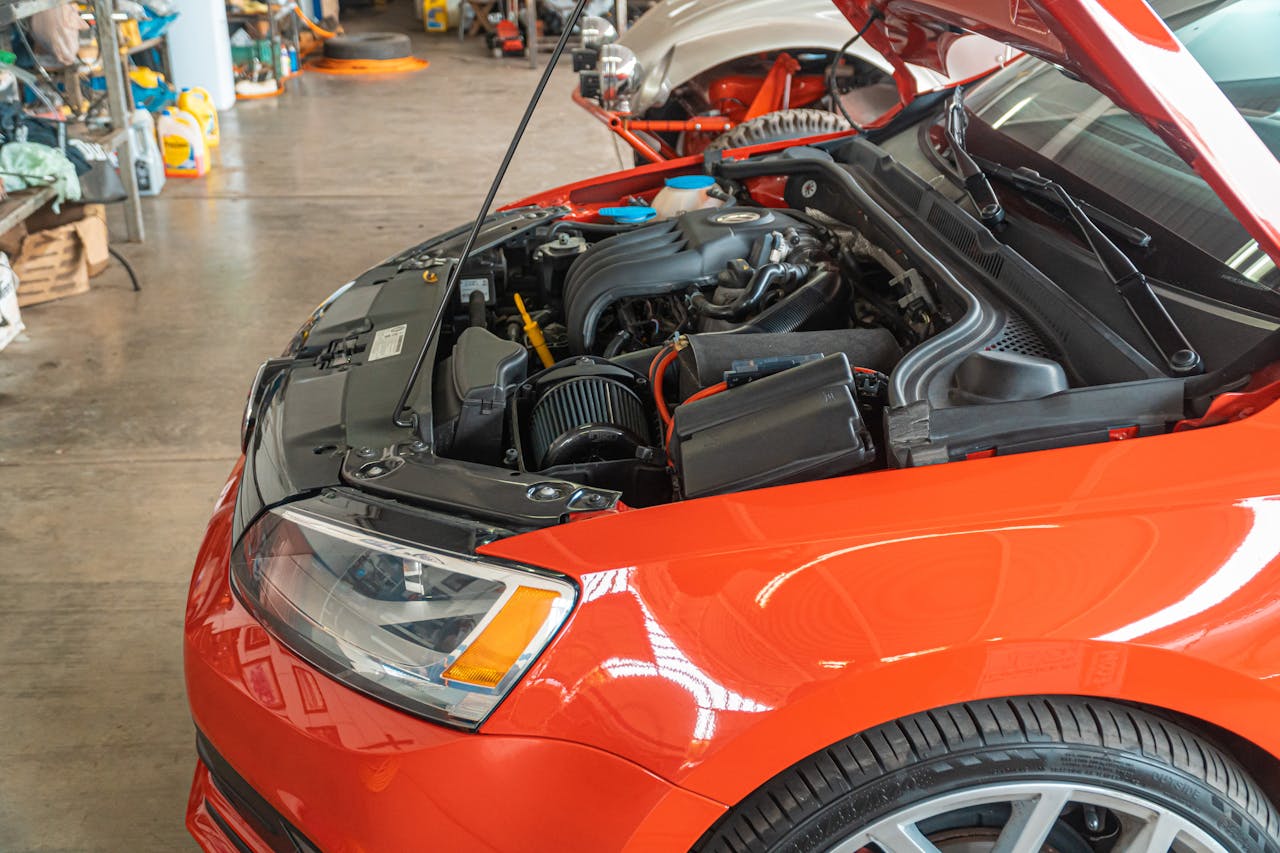
Keeping your Volkswagen engine healthy is crucial for ensuring your car runs smoothly and lasts for years. A well-maintained engine provides better performance, fuel efficiency, and reliability. By following simple steps and paying attention to your vehicle’s needs, you can avoid costly repairs and enjoy a trouble-free driving experience.
By taking care of your engine and addressing problems promptly, you ensure that your Volkswagen performs its best. Follow these simple steps and enjoy the peace of mind that comes with driving a well-maintained car.
Regular Oil Changes: The Foundation of Engine Health
Regular oil changes are essential for keeping your Volkswagen engine healthy. Oil lubricates the engine’s moving parts, reducing friction and preventing wear. Over time, oil can break down and become less effective. This can lead to engine parts wearing out faster, decreasing performance and efficiency.
Most experts recommend changing your oil every 5,000 to 7,500 miles, depending on your driving habits and the type of oil you use. Always check your owner’s manual for specific recommendations for your Volkswagen model. If you drive in harsh conditions, like extreme temperatures or stop-and-go traffic, you may need to change your oil more frequently.
Oil changes are also a great opportunity to catch potential problems early. During an oil change, technicians can check for leaks, inspect the condition of the oil filter, and spot other issues that may need attention. Regular oil changes help ensure your engine stays clean and runs smoothly for years to come.
Keep an Eye on Fluid Levels and Quality
Besides oil, your Volkswagen relies on several other fluids to operate correctly. These include coolant, brake fluid, transmission fluid, and power steering fluid. Each of these fluids plays a vital role in keeping your car running smoothly and safely.
Periodically check these fluid levels to ensure they are within the proper range. Low fluid levels can lead to serious problems, such as engine overheating, poor braking performance, or difficulty steering. If you notice any fluid levels dropping quickly, have your car inspected for leaks or other issues.
The quality of these fluids is just as important as the levels. Over time, fluids can become dirty or contaminated, reducing their effectiveness. For example, old or dirty coolant can cause your engine to overheat, while contaminated brake fluid can make your brakes less effective. Schedule regular maintenance to flush and replace these fluids as needed, according to your Volkswagen’s maintenance schedule.
By keeping an eye on your car’s fluid levels and quality, you help ensure all systems operate smoothly. This attention to detail will keep your engine running efficiently and extend the life of your Volkswagen.
Monitor and Replace Air Filters
Air filters are essential for maintaining your Volkswagen’s engine health. They prevent dust, dirt, and other debris from entering the engine, which can affect its performance and longevity. A dirty or clogged air filter can restrict air flow, causing your engine to work harder and reduce fuel efficiency. It can also lead to poor acceleration and increased emissions.
Check your air filter regularly and replace it as needed. Most manufacturers recommend replacing the air filter every 15,000 to 30,000 miles, but it’s always a good idea to check your owner’s manual for specific guidance. If you drive on dusty or unpaved roads frequently, you may need to replace it more often.
You can easily inspect the air filter by removing it from its housing and holding it up to the light. If you see a lot of dirt or can’t see any light coming through, it’s time for a new one. Replacing the air filter is a simple task you can do yourself, or you can do it during your regular maintenance visits.
Listen and Watch for Unusual Signs
Keeping an ear and eye out for unusual signs can help you catch problems early before they become major issues. Strange noises, changes in performance, or warning lights on your dashboard can all be indicators that something is wrong with your engine.
If you hear knocking, pinging, or other unfamiliar sounds when your engine is running, it’s important to address these noises right away. These sounds can indicate a problem with your engine’s components and should be inspected by a professional.
Pay attention to any changes in your car’s performance. If you notice a drop in power, poor fuel efficiency, or difficulty starting, these could be signs of engine trouble. Ignoring these symptoms can lead to bigger problems down the road.
Dashboard warning lights are there for a reason. If you see a check engine light or another warning light, don’t ignore it. These lights are designed to alert you to potential problems before they become serious. Take your Volkswagen to a qualified technician to diagnose and fix the issue.
Conclusion
Maintaining your Volkswagen engine doesn’t have to be complicated. By keeping up with regular oil changes, monitoring fluid levels, replacing air filters, and paying attention to unusual signs, you can ensure your engine stays healthy and performs its best. These simple steps can save you from costly repairs and extend the life of your vehicle.
Regular maintenance checks will help you spot issues early and keep your Volkswagen running smoothly. Investing a little time and effort into your car’s health can provide peace of mind and a better driving experience.
For all your Volkswagen maintenance needs, visit Smithtown Volkswagen, one of the best Volkswagen service centers in New York. Our expert technicians are here to help you keep your engine in top shape. Schedule a service appointment with us today and drive with confidence.
Connect with us


