


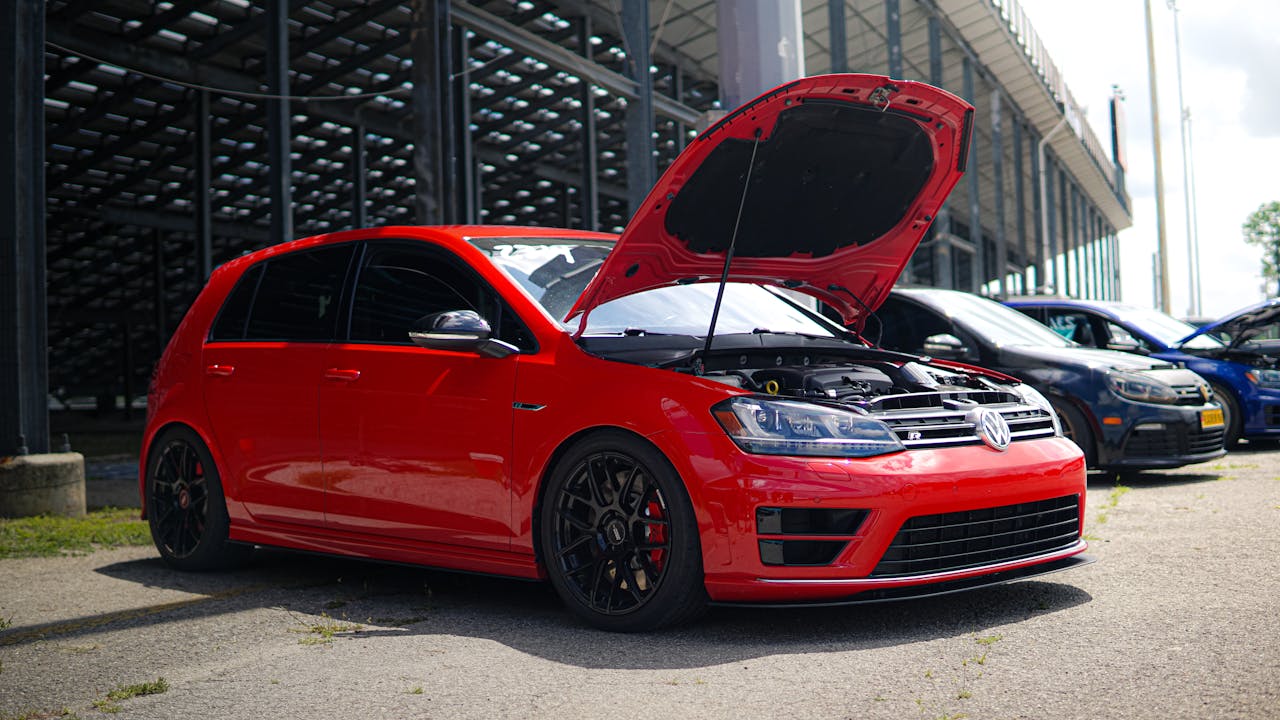
Owning a Volkswagen is a great experience, but keeping it in top condition requires a bit of effort. Whether you have a brand new model or a trusty old favorite, regular maintenance is key to extending the life of your car. By staying on top of simple tasks and knowing what to look out for, you can keep your Volkswagen running smoothly for years to come.
The good news is that many routine checks and fixes can be done right at home. From keeping an eye on your tire pressure to changing the oil, there are several tasks that don’t require a trip to the mechanic. Knowing these simple tricks can save you time and money while helping you understand your car better.
In this article, we’ll share some expert tips on maintaining your Volkswagen like a pro. We’ll cover regular maintenance tasks, easy DIY checks and fixes, signs that you need professional help, and seasonal care tips to keep your car in great shape all year round. Let’s dive in and ensure your Volkswagen stays as reliable and enjoyable to drive as the day you bought it!
Regular Maintenance Tips for Your Volkswagen
Taking care of your Volkswagen is essential to keep it running smoothly. Regular maintenance ensures your car remains reliable and efficient. Here are some key maintenance tips:
1. Oil Changes: Regular oil changes are critical. Clean oil keeps the engine parts well-lubricated and prevents damage. Check your owner’s manual for the recommended oil change interval, usually every 5,000 to 7,500 miles.
2. Tire Care: Properly inflated tires improve gas mileage and handling. Check tire pressure monthly and rotate your tires every 6,000 to 8,000 miles to ensure even wear. Don’t forget to check the tread depth for safety.
3. Brake Inspection: Your brakes are vital for safety. Listen for any squeaking or grinding sounds, which may indicate worn brake pads. Have your brakes inspected at least once a year by a professional.
4. Fluid Levels: Regularly check and top off essential fluids like coolant, brake fluid, transmission fluid, and windshield washer fluid. Keeping these fluids at the right levels helps your car run smoothly.
5. Battery Health: Check your battery terminals for corrosion and ensure they’re tightly connected. If your car struggles to start, it might be time for a new battery.
Taking these simple steps will keep your Volkswagen in great condition and help prevent major issues down the road.
DIY Checks and Fixes You Can Do at Home
You don’t always need to go to a mechanic for basic car maintenance. Here are some DIY checks and fixes to keep your Volkswagen in top shape:
1. Changing the Air Filter: A clean air filter improves engine performance and fuel efficiency. Check your air filter every 12,000 miles and replace it if it’s dirty.
2. Replacing Wiper Blades: Good visibility is crucial. If your wipers leave streaks or make noise, it’s time to replace them. This is an easy fix you can do yourself.
3. Checking Tire Pressure: Use a tire pressure gauge to ensure your tires are properly inflated. You can usually find the recommended pressure in the owner’s manual or on a sticker inside the driver’s door.
4. Topping Off Fluids: Keeping an eye on fluid levels can prevent many issues. Most fluids have clear reservoirs making it easy to see if they need topping off.
5. Inspecting Belts and Hoses: Look under the hood and check for any cracks, fraying, or leaks in belts and hoses. Replacing these before they fail can save you from bigger problems later.
These simple tasks can help you maintain your Volkswagen without frequent trips to the shop. Plus, knowing your way around your car gives you peace of mind and confidence in tackling minor issues.
Common Signs That Your Volkswagen Needs Professional Attention
While you can handle many maintenance tasks at home, some issues require professional help. Knowing when to take your Volkswagen to a mechanic can save you from costly repairs and keep you safe on the road. Here are signs that you need professional attention:
1. Warning Lights: If any dashboard warning lights come on, it’s a sign something needs checking. Whether it’s the check engine light or tire pressure warning, don’t ignore these signals.
2. Strange Noises: Hearing unusual sounds such as grinding, squealing, or knocking can indicate problems with brakes, the engine, or suspension. Have a professional diagnose and fix the issue.
3. Vibrations or Shaking: If your car shakes when braking or at high speeds, there might be an issue with the brake rotors, alignment, or tires. A mechanic can identify and correct the problem.
4. Fluid Leaks: Puddles of fluid under your car are a clear sign something is wrong. Common leaks involve oil, coolant, or brake fluid. A professional can locate the source and repair it.
5. Poor Performance: If your car has trouble starting, stalls, or has decreased fuel efficiency, it might be time for a professional tune-up. These issues often signal bigger problems.
Recognizing these signs can help you avoid larger, more expensive repairs. When in doubt, always consult a professional to ensure your Volkswagen stays in top condition.
Seasonal Care Tips to Keep Your Volkswagen in Top Shape
Keeping your Volkswagen in good shape throughout the year involves adjusting your care routine according to the seasons. Different weather conditions require specific preparations to ensure your car runs smoothly. Here are some seasonal care tips:
Winter:
1. Check Your Battery: Cold weather can affect your battery’s performance. Check its charge and clean any corrosion on the terminals.
2. Winter Tires: If you live in an area with heavy snow, consider using winter tires for better traction. Ensure they are properly inflated.
3. Antifreeze Levels: Make sure your antifreeze levels are adequate to prevent the engine from freezing.
Spring:
1. Inspect Wiper Blades: After a harsh winter, your wiper blades might be worn. Replace them if necessary for clear visibility during spring showers.
2. Check Brakes: Salt and snow can be tough on brakes. Have them inspected to ensure they are still in good condition.
3. Clean Undercarriage: Washing away any winter grime and salt from the undercarriage can prevent rust.
Summer:
1. Air Conditioning Check: Ensure your air conditioning is working efficiently. Hot summer days can be unbearable without it.
2. Coolant Levels: Verify that your coolant levels are sufficient to prevent the engine from overheating.
3. Tire Pressure: Hot weather can increase tire pressure. Check and adjust it as needed to avoid blowouts.
Fall:
1. Inspect Belts and Hoses: Cooler weather can cause belts and hoses to become brittle. Check for any cracks or signs of wear.
2. Oil Change: Consider changing the oil before the cold weather sets in to ensure your engine remains well-lubricated.
3. Heating System: Make sure your heating system is working well to keep you warm during the colder months.
Following these seasonal tips can help your Volkswagen perform its best all year round. Regular adjustments based on the weather will keep your car running smoothly and ready to handle any condition.
Conclusion
Maintaining your Volkswagen like a pro involves regular upkeep, tackling basic DIY tasks, and knowing when to seek professional help. By following these tips, you can keep your car in excellent condition and avoid costly repairs. Paying attention to seasonal care ensures that your Volkswagen is ready to handle any weather condition, keeping you safe and comfortable on the road.
Volkswagens are known for their reliability and performance, and with proper care, your vehicle will serve you well for years. If you’re ever unsure about any maintenance task or if you spot a warning sign, don’t hesitate to consult a professional.
For all your Volkswagen maintenance needs, come visit us at Smithtown Volkswagen. Our team is here to help you keep your car running like new. Schedule a service appointment today and experience the best care for your Volkswagen!
Connect with us


