


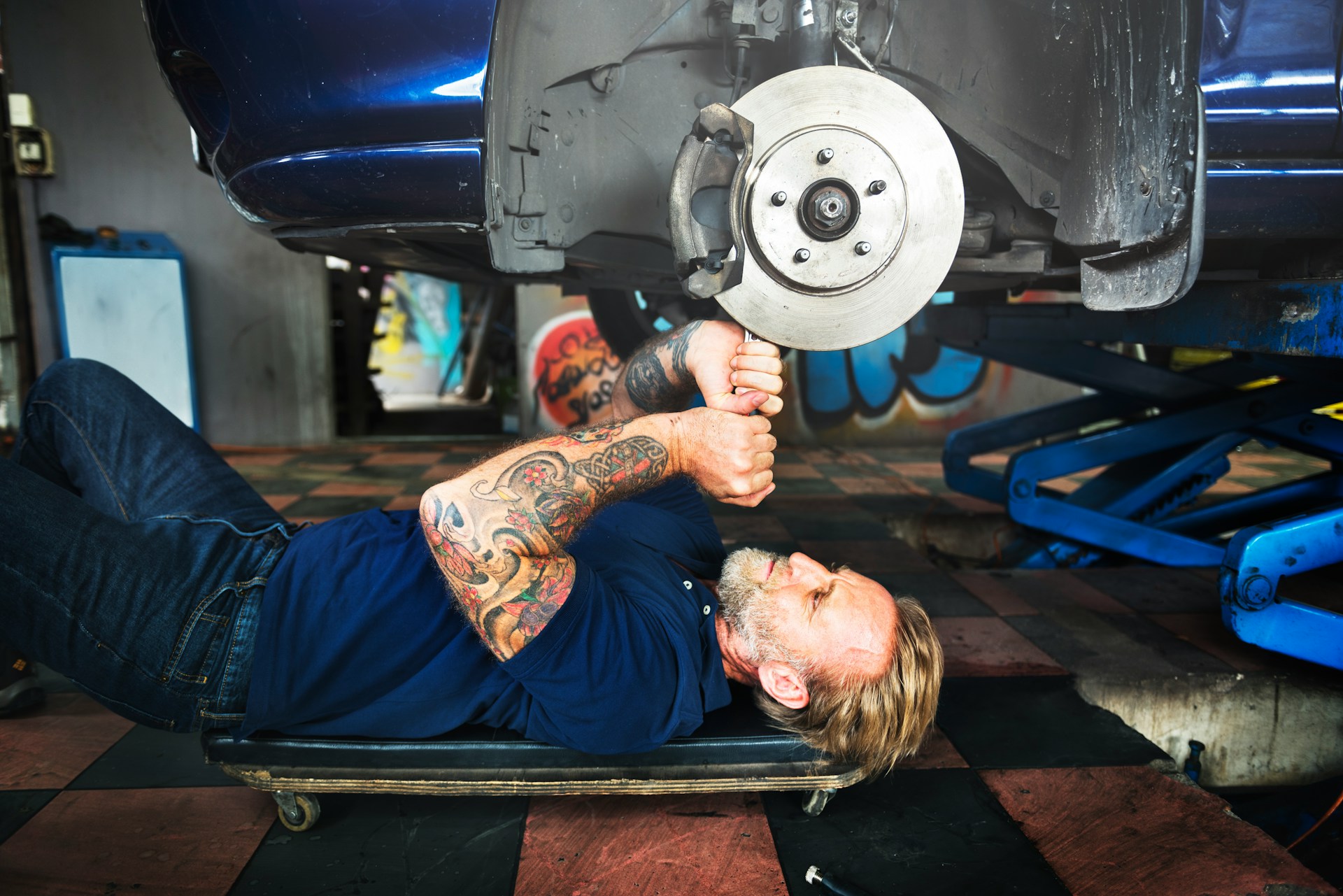
Taking care of your Volkswagen’s brakes is one of the smartest things you can do to ensure your car stays safe on the road. A simple task, like replacing worn brake pads, can play a big part in your vehicle’s overall safety and performance. When brake pads wear thin, they don’t just pose a risk to your driving safety, but also to the longevity of your vehicle’s braking system.
Understanding the signs that your brake pads might be wearing down is key to avoiding any unwelcome surprises while driving around Suffolk County. Recognizing these warning signs early on can help you plan for maintenance before the problem affects your driving experience. Let’s look at some of the signals that indicate your Volkswagen’s brake pads are due for a change.
Squeaking or Squealing Noises
Have you ever noticed a high-pitched squeal when you press the brake pedal? That sound is more than just a minor annoyance; it could be crying out for your attention. This noise is usually the first sign that your brake pads are getting thin. These sounds can happen when the pad material is worn down, leaving just the metal indicator to scratch against the rotor.
Why is it important to address these sounds? Ignoring them might lead to more serious issues like damage to the rotors, increasing your repair bills. If you’re hearing these squeals regularly, it’s time to have a professional take a look. They’ll assess the situation and let you know if it’s time for new brake pads.
Reduced Braking Performance
Another clear sign of wearing brake pads is a noticeable decrease in your car’s braking performance. If your car takes longer to come to a stop than it used to, it’s a warning that shouldn’t be ignored. The brake pads provide the necessary friction to slow down your vehicle. Over time, as they wear, they lose their ability to perform effectively.
Reduced braking performance not only affects your daily drives but can also lead to dangerous situations, particularly in heavy traffic or sudden stops. If you’ve noticed a difference in how your car stops, don’t wait until it’s too late. A quick trip to your trusted mechanic can prevent further complications. When in doubt, always lean on the side of caution to ensure you stay safe on the road.
Indicator Light
Volkswagen models have a handy dashboard feature that might alert you when something’s wrong with the brakes: the brake warning light. This little light can flash when your brake pads wear down past a safe point. It’s a definite signal to take your car in for a checkup as soon as possible. Such signals from the vehicle are important as they are designed to prevent major maintenance issues down the road.
It’s worth noting that many modern Volkswagens come equipped with sensors that track brake pad wear. These built-in sensors can often detect issues before you notice any physical signs of wear. When the indicator light comes on, it’s the vehicle’s way of giving you a heads-up to address the issue before it becomes more costly to fix. If you see this light, it’s best to schedule an appointment to get things inspected by a professional to ensure everything’s in top shape.
Grinding Sounds
If squealing noises weren’t enough to get your attention, grinding sounds surely will. When you hear grinding upon braking, it’s a red flag. This usually means the brake pads have worn all the way through, and now the metal of the pad backing is coming into contact with the rotors. Grinding doesn’t just mean it’s time for new pads; it also indicates possible damage to other parts, like the rotors themselves, which can rack up hefty repair costs.
Don’t wait if you hear that unsettling grinding—the more you drive with it, the worse the damage becomes. Prompt action isn’t just good for your safety; it can also save your wallet from bearing the brunt of avoidable repairs. A professional mechanic can check the extent of the damage and recommend the best course of action to get you back on the road safely.
Visible Wear
Sometimes, you don’t even need an expert to tell you when something’s wrong. You can visibly check your brake pads’ condition yourself. Take a moment to peek through your wheel spokes. If possible, examine the brake pads to see how much of them are left. If they seem thinner than a quarter of an inch, it’s time to think about getting them replaced.
Regular checks like this are useful for preventing surprise issues. While a visual inspection can give you a basic idea, it’s important to remember that professionals have the expertise to spot things you might miss. Routine maintenance by a qualified mechanic is always a good idea to keep everything running smoothly.
Ensure Smooth and Safe Driving on Long Island
Keeping an eye out for these signs isn’t just important for safety; it keeps your Volkswagen performing at its best for longer. Brake pads play a crucial role, and regular attention to them ensures a safer drive through Long Island and beyond. Being proactive helps avoid costly repairs and keeps your drive enjoyable.
Stay attentive to your vehicle’s signals and prioritize maintenance to prevent any unexpected issues. Brake pads might not seem exciting, but ensuring they are in top condition makes all the difference when it comes to safety and performance.
To keep your Volkswagen driving smoothly and safely, addressing brake issues promptly is key. If you suspect your brake pads might need attention, schedule your Volkswagen brake pad replacement in Suffolk County with Smithtown Volkswagen. Our expert team is ready to ensure your vehicle stays in top condition.
Connect with us


