


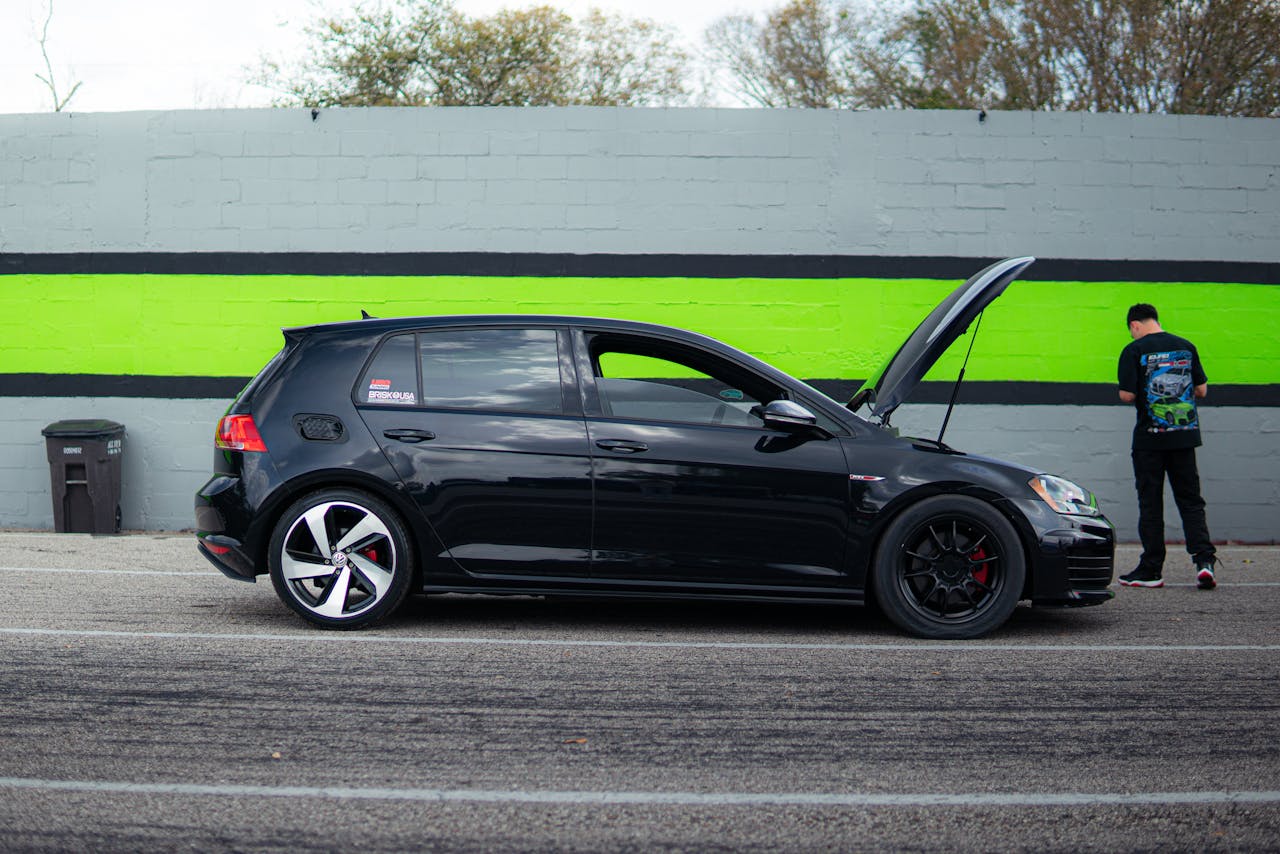
Breaking down on the road can be a stressful experience, but knowing what to do can make it less overwhelming. When your Volkswagen suddenly shows signs of trouble, it’s important to stay calm and take the right steps to ensure your safety and get your car back on the road as soon as possible.
Your priority should always be safety. Make sure you get your vehicle to a secure location away from traffic. Once you’re safe, you can assess the situation to understand what’s wrong and determine how to proceed. Having a plan can mean the difference between a minor inconvenience and a major disruption.
Roadside assistance is a valuable resource that can help when you need it most. Understanding how to reach out and what information to have ready can make the process smoother. Whether it’s handling temporary fixes or knowing when to contact a professional, being prepared will help you manage the situation effectively.
Stay Safe and Assess the Situation
When your Volkswagen breaks down, keeping yourself safe is the first priority. Move your vehicle to the shoulder of the road if possible, away from moving traffic. Turn on your hazard lights to alert other drivers to your situation. If you’re on a busy roadway, it’s safer to stay inside your car until help arrives.
Once you’re safe, try to assess the situation. Listen for unusual noises and pay attention to any warning lights on your dashboard. These clues might help you identify the problem. For example, if you hear a hissing sound, your car could have an overheated engine or a punctured tire. If your battery light is on, you could be dealing with an electrical issue.
It’s helpful to:
- Check for Leaks: Look under the car for any fluid leakage.
- Note Unusual Smells: A burning smell could indicate a problem with the engine or brakes.
- Test Electrical Systems: Check if your lights and signals are working properly, which might indicate battery issues.
By understanding what might be wrong, you’re better prepared to explain the problem when seeking help, making it easier for professionals to diagnose and fix the issue quickly.
Contacting Roadside Assistance
Should your assessment point to a need for professional help, it’s time to contact roadside assistance. Most Volkswagen models come with some level of roadside service, so utilize this resource if available. Also, many insurance policies include roadside assistance, so check your coverage.
When reaching out for help, have the following information ready to streamline the process:
- Your Location: Provide specific details or landmarks to make it easy for assistance to find you.
- Vehicle Details: Have your car’s make, model, and year handy.
- Issue Description: Briefly explain what the problem is, such as a flat tire or dead battery.
- Membership Information: If you’re using a roadside service through a membership, provide your ID number.
Being prepared helps the roadside team get to you faster and equipped with the right tools, reducing waiting time and stress. Keep the number for roadside assistance in your vehicle, and save it on your phone so you’re always ready. Such preparedness ensures that help is just a phone call away when you need it most.
Temporary Fixes and Troubleshooting
After ensuring safety and contacting roadside assistance, you might consider temporary fixes if you’re knowledgeable and have the tools. This can be particularly useful for minor problems, like a flat tire or dead battery. With some basic troubleshooting, you can sometimes get back on the road quickly.
- Start by performing simple checks to identify manageable issues:
– Flat Tire: If you have a spare tire and a jack, replace your flat tire safely. Ensure your car is parked on a flat, stable surface.
– Dead Battery: If you carry jumper cables, you can jump-start your car using another vehicle.
– Overheating: If your car overheats, wait for it to cool down before checking the coolant level.
- Equip your vehicle with essential tools for small repairs:
– Jumper Cables: Vital for restarting dead batteries.
– Tire Repair Kit: Useful for minor punctures.
– Basic Toolkit: Include items like screwdrivers and wrenches.
Keep a roadside emergency kit with essentials such as a flashlight, reflective triangles, and first aid supplies as part of your preparedness strategy. Being equipped allows you to handle minor issues efficiently until professional help arrives.
Preparing for Professional Repairs
When temporary fixes aren’t an option, preparing for professional repairs is the next step. Decide if a tow to a service center is necessary. Significant issues like engine trouble or brake failure typically require a professional’s touch and can’t be fixed on the roadside.
Gather the necessary information for your service appointment:
- Observation Notes: List all issues and unusual conditions you’ve noticed.
- Vehicle Documentation: Have your registration, warranty details, and maintenance records ready.
- Photos: Take pictures of any visible damage to assist technicians in diagnosis.
Once at the service center, communicate the problem clearly, using your notes and observations to guide the conversation. This helps technicians efficiently pinpoint the issue and propose solutions promptly, ensuring your Volkswagen gets back in shape.
Conclusion:
Handling a Volkswagen breakdown involves staying calm, prioritizing safety, and taking steps to get your car back on the road or into a service center. From managing immediate roadside issues to preparing for necessary repairs, having the right knowledge and tools makes a significant difference. Your vehicle is a vital part of your daily life, and responding efficiently to breakdowns helps maintain its longevity and performance.
If you find yourself needing professional help, remember that Smithtown Volkswagen is here to assist you. We provide expert repairs and a dedicated team to ensure your Volkswagen runs smoothly. Whether you need a routine service or have faced a sudden breakdown, trust us to get you back on the road with confidence. Contact us today and experience the quality Volkswagen brake repair in Long Island tailored to your vehicle’s needs.
Connect with us


