


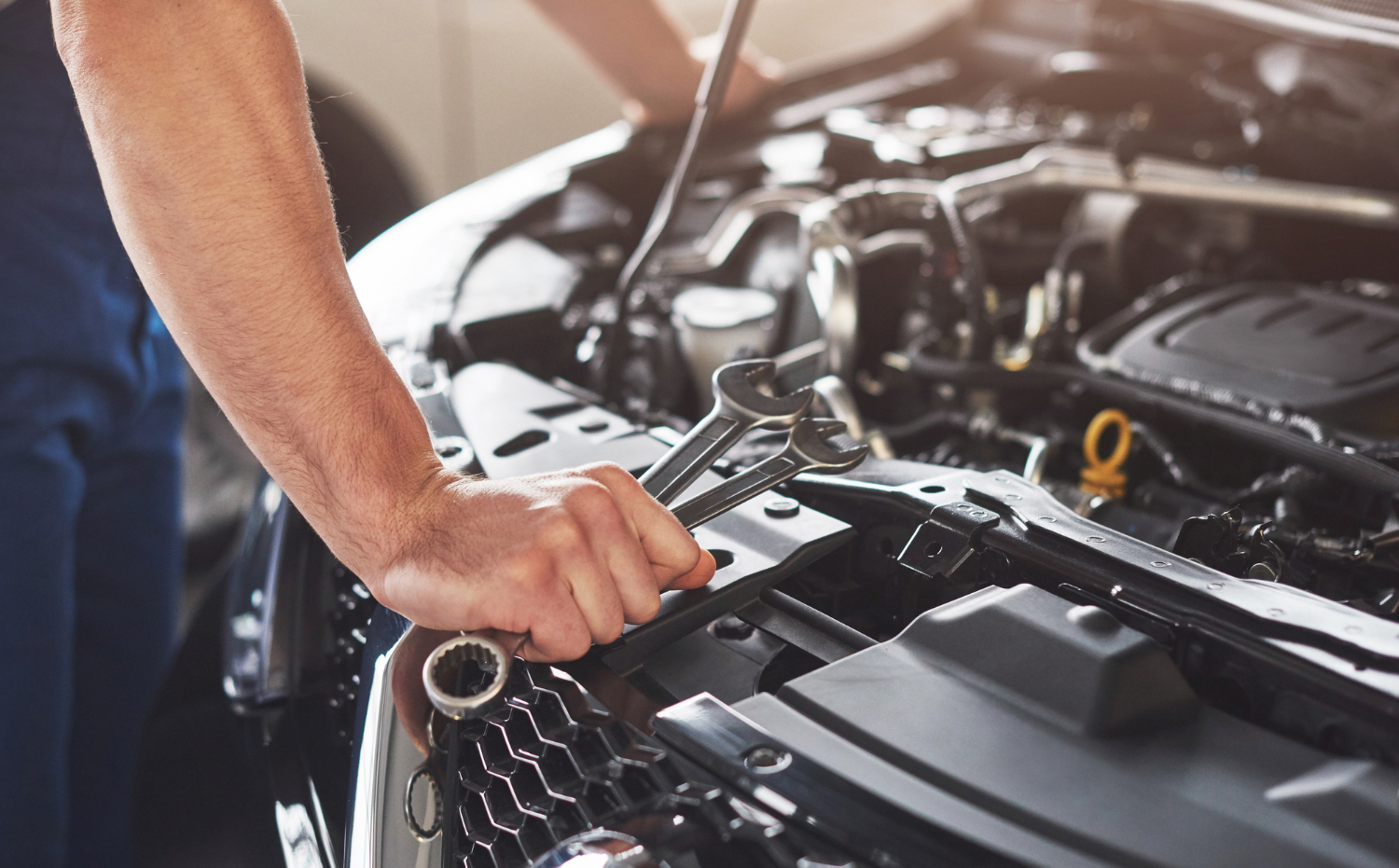
Regularly caring for your Volkswagen is more than just routine; it’s essential for keeping your car running smoothly and extending its life. Consistent maintenance can help identify small issues before they become big problems, saving you money and stress in the long run. A well-maintained vehicle ensures safety, optimal performance, and reliability for everyday use.
This blog will explore why regular maintenance is key to extending your Volkswagen’s life. Understanding these best practices can help you keep your car in top condition for years, enhancing its lifespan and driving experience.
Engine Health Through Regular Oil Changes
Keeping your Volkswagen’s engine healthy is crucial for its longevity, and regular oil changes are a simple yet vital part of maintenance. Oil lubricates the engine’s moving parts, minimizing friction and reducing wear. Over time, oil gets dirty and loses effectiveness, leading to increased friction and potential engine damage.
Skipping oil changes can result in sludge buildup, clogging the engine’s internal parts and affecting performance. Clean oil helps remove dirt and debris from the engine, maintaining efficiency and preserving its life span. It also aids in keeping the engine cool, preventing overheating.
For most Volkswagen models, consider changing the oil every 10,000 miles or once a year. However, conditions like frequent short trips, extreme temperatures, or towing may require more frequent oil changes. Always check your owner’s manual for the specific schedule based on your vehicle model.
Maintaining a routine oil change schedule helps avoid costly repairs and keeps your Volkswagen running smoothly. It’s an easy way to ensure your engine performs optimally, providing reliability for all your drives.
Preserving Brake Efficiency and Safety
Brakes are essential for your safety, and maintaining them ensures that your Volkswagen continues to stop effectively. Regular brake inspections and service can prevent common problems and avoid dangerous situations. Worn-out brakes can lead to longer stopping distances and reduced safety.
Signs your brakes might need attention include:
– Squeaking or Grinding Noises: These sounds usually indicate worn brake pads that need replacing.
– Soft or Spongy Brake Pedal: A soft pedal can signal brake fluid or air issues in the brake lines.
– Vibrations When Braking: Vibrations could mean the rotors are warped and need resurfacing.
– Dashboard Warning Light: This light indicates it’s time for a brake check.
Regular brake maintenance involves checking brake pads, rotors, and the entire braking system to ensure everything is in good working order. Keeping an eye on these components prevents more expensive repairs and ensures your safety on the road.
You maintain your brakes’ efficiency and durability by routinely inspecting and servicing them. This proactive approach keeps your Volkswagen safe and reliable, ready for any journey.
Maintaining Optimal Tire Performance
Tires are crucial for your Volkswagen’s safety and performance. Regular maintenance helps ensure they wear evenly and provide a smooth ride. Tire rotations, alignments, and pressure checks are essential in keeping your vehicle stable and fuel-efficient.
Importance of Tire Rotations:
– Rotating tires every 5,000 to 7,000 miles promotes even tread wear.
– Balanced wear ensures better handling and extends tire life.
– Rotations can improve fuel efficiency, reducing overall costs.
Tire Alignment Benefits:
– Proper alignment prevents uneven tire wear and enhances driving comfort.
– Alignments ensure your vehicle drives straight, improving safety on the road.
– Misalignment can cause the car to pull to one side, risking accidents.
Regular Tire Pressure Checks:
– Keeping tires properly inflated improves gas mileage and handling.
– Under-inflated tires can overheat, leading to blowouts.
– Check tire pressure monthly and before long trips.
Regular tire maintenance ensures a smoother ride and saves money in the long run by maximizing tire life. Keeping your tires in good condition promotes safety and reliability whenever you hit the road.
Ensuring Reliable Electrical Systems
The electrical system of your Volkswagen is essential for starting the engine and powering all electronic features. Routine checks and maintenance of the battery and other electrical components ensure your car remains dependable.
Battery Health:
– Test the battery’s charge regularly to catch issues early.
– Clean battery terminals to prevent corrosion and maintain connections.
– Ensure the battery is securely fastened to avoid vibration damage.
Checking Alternator and Wiring:
– The alternator recharges the battery while you drive. Regular checks prevent a dead battery.
– Inspect wiring for signs of wear or corrosion that could affect system performance.
– Repairing or replacing faulty wiring ensures consistent power delivery.
Watch for Electrical Warning Signs:
– Dim lights or electrical malfunctions can signal battery or alternator issues.
– A warning light on the dashboard requires immediate attention.
Regular electrical system maintenance helps prevent unexpected breakdowns, keeping your Volkswagen running smoothly. You enjoy a reliable vehicle daily by ensuring all parts function well.
Conclusion
Regular maintenance is the key to keeping your Volkswagen running like new for as long as possible. You invest in your vehicle’s longevity and reliability by focusing on crucial areas like engine health, brake efficiency, tire performance, and electrical systems. Identifying and addressing small issues through routine care prevents larger, more costly problems later on, ensuring safe and trouble-free driving experiences.
Ready to give your Volkswagen the care it needs? Visit Smithtown Volkswagen for expert maintenance and service. Our skilled technicians ensure your vehicle receives attention to all key areas, helping extend its life and enhance performance. Contact us today to schedule your next Volkswagen car repair in Suffolk County and keep it in top shape.
Connect with us


