


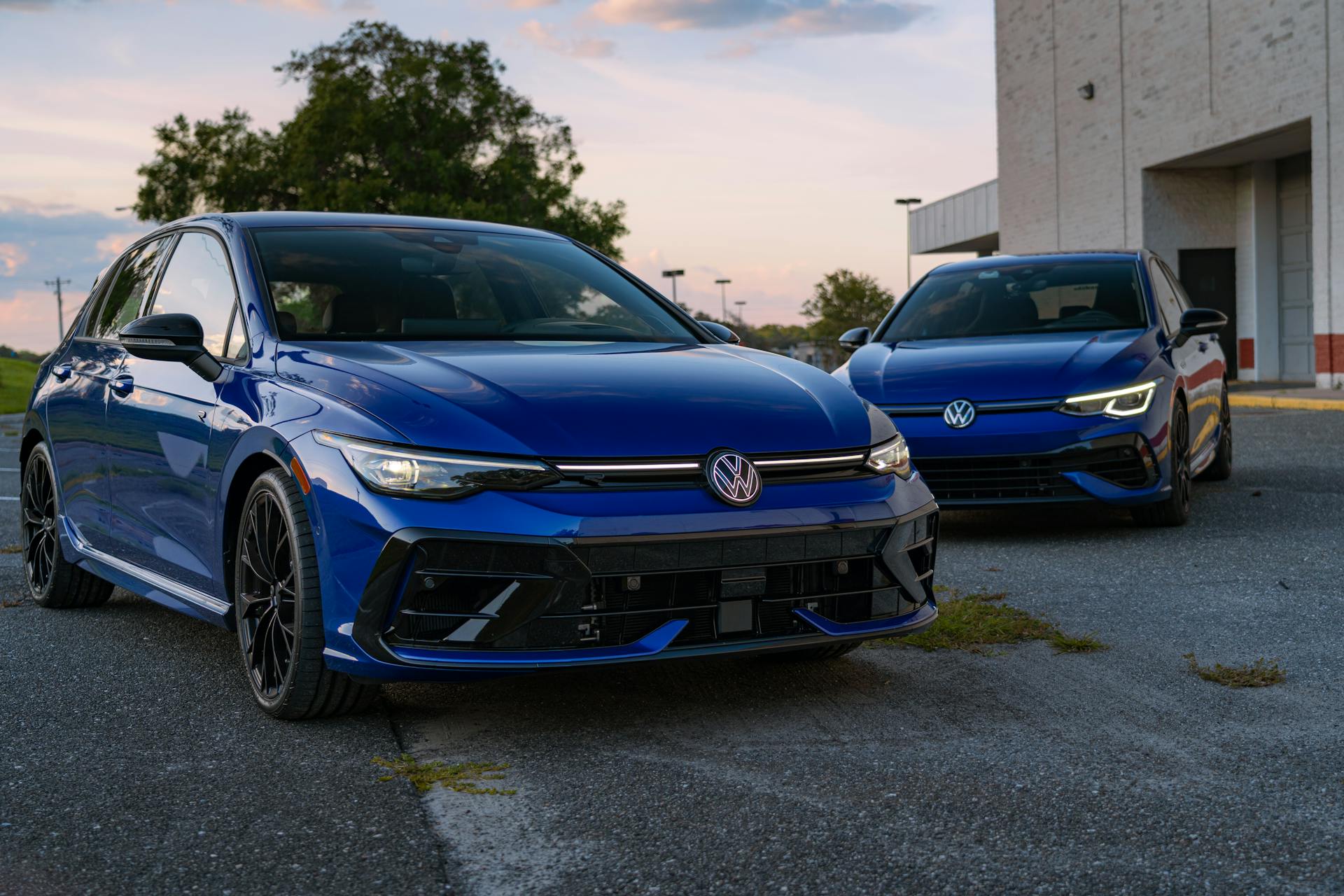
Stop Safely in Farmingdale’s Toughest Traffic
Driving around Farmingdale can be rough on your brakes. Between stop-and-go lines on Route 109, busy lights around Main Street, and traffic heading toward the beaches, you spend a lot of time moving from gas to brake pedal. That constant stopping puts a real load on your braking system, whether you drive a gas Volkswagen or an electric one.
When brakes work harder, they wear faster. That can mean longer stopping distances, strange noises, or a pedal that does not feel right. In this guide, we will explain how both traditional brakes and regenerative braking work, how local traffic affects them, and what you can do to keep your Volkswagen stopping safely in everyday Farmingdale conditions.
How Stop-and-Go Traffic Wears Down Your Brakes
Every time you press your brake pedal, your car is turning motion into heat. In a traditional system, the pads squeeze the rotors, and that friction slows the wheels. In slow traffic where you are constantly on and off the brakes, there is less time for parts to cool, so heat builds up.
That extra heat can lead to problems like:
- Faster brake pad wear
- Grooves and hot spots on rotors
- Brake fade, when the brakes feel weaker after heavy use
- Longer stopping distances over time
Around Farmingdale, local driving patterns make this worse. Short trips, school zones, and crowded intersections mean you rarely get long, smooth stretches. On warmer days, hot pavement and heavier traffic keep your brakes working harder than you might think. If you add road construction or weekend beach traffic, your braking system spends a lot of time under stress.
This is why regular brake inspections matter. When trained technicians check pads, rotors, and brake fluid before there is a problem, they can help prevent:
- Metal-on-metal grinding
- Deep rotor damage
- Sudden loss of brake performance
Catching issues early keeps you safer and can keep a minor repair from turning into a bigger one.
Regenerative Braking on VW EVs and Hybrids
If you drive a Volkswagen EV or plug-in hybrid, your brakes work a bit differently. When you lift off the accelerator, the electric motor can act like a generator. It slows the car while sending energy back into the battery. That is regenerative braking, and it means your friction brakes do not always have to do all the work.
In stop-and-go traffic, this can be a big help. Regenerative braking can:
- Reduce how often the friction pads and rotors are used
- Make deceleration smoother when it is set to the right level
- Improve overall efficiency by capturing energy that would normally be lost as heat
But even with regenerative braking, your car still has a full traditional brake system. Those pads, rotors, and brake fluid are there for quick stops and hard braking. Since friction brakes are used less on many EVs, they can develop surface rust or corrosion if they are not checked and serviced.
EV and hybrid drivers around Farmingdale should pay attention to:
- Brake fluid service at the intervals noted in your owner’s manual
- Seasonal checks before long trips, especially if you plan highway miles
- Software updates that can affect how regenerative braking feels and responds
- Any change in the smoothness of slowing down when you lift off the accelerator
Regular attention keeps both the electric and friction sides of your braking system ready for sudden stops in tight traffic.
Traditional Gas Brake Systems in Daily Commutes
Gas-powered Volkswagen models use a more familiar brake setup. When you step on the pedal, brake fluid pushes pistons in the calipers, which squeeze the pads against the rotors. Anti-lock brakes (ABS) help keep the wheels from locking if you brake hard, so you can still steer.
In everyday Farmingdale driving, that system does a lot of work. Constant braking for:
- Traffic lights and stop signs
- School zones and neighborhood streets
- Tight parking lots and quick cut-ins
can lead to issues like glazing, where pads get shiny and lose bite, or warped rotors that cause a pulsing feeling through the pedal or steering wheel. If brake fluid absorbs moisture over time and is not replaced, the pedal can start to feel soft or spongy.
Professional brake service makes a real difference here. Using parts designed for your VW and installing them the right way helps with:
- Smooth, even braking without vibrations
- Proper torque on hardware so parts stay secure
- Fresh, clean brake fluid that maintains a firm pedal feel
Having technicians who know Volkswagen systems work on your brakes can help your car stop the way it was built to, even when traffic around Farmingdale is at its worst.
Choosing the Right Brake Care for Your VW
Brake care is not the same for every driver or every Volkswagen. EVs and plug-in hybrids rely more on regenerative braking, while gas models use friction brakes all the time. Still, both systems need regular attention and timely repair.
Here are some general differences in what you might notice and when you might need service:
For traditional gas brakes:
- Squealing, squeaking, or grinding noises
- Vibration or pulsing when you stop
- A pedal that feels soft, low, or slow to respond
- A burning smell after heavy braking
For EVs and hybrids with regenerative braking:
- A change in how strong the regenerative braking feels
- Needing to press the pedal more than usual to slow down
- Warning lights on the dash related to brakes or stability systems
- Rough or uneven stopping, instead of a smooth, steady slowdown
No matter what type of Volkswagen you drive, warning lights, new sounds, or changes in pedal feel should never be ignored. When technicians with Volkswagen training and tools inspect your brakes, they can use factory information and the right parts to bring your system back to proper operation. That is especially important for EVs, where both software and hardware work together to control braking.
Get Your Volkswagen Brake-Ready for Summer Driving
As days get warmer and traffic picks up around Farmingdale and the rest of Long Island, your brakes feel the strain. Hotter temperatures, heavier weekend traffic, and longer trips all stack on top of your normal commute. A seasonal brake check is a smart way to prepare your Volkswagen for the extra work.
At Smithtown Volkswagen in St. James, we see how local roads and driving habits affect both traditional and regenerative braking systems. A careful inspection can spot worn pads, rotor issues, fluid concerns, or EV-specific items before they turn into bigger problems. Whether you drive a gas model or an electric Volkswagen, staying ahead on brake care helps you stop with confidence every time traffic suddenly slows.
Restore Confident Braking With Expert Local Service
If your brakes are squeaking, vibrating, or just not feeling as responsive as they should, schedule trusted brake repair in Farmingdale with Smithtown Volkswagen today. Our factory-trained technicians use genuine parts and precise diagnostics to help keep you and your passengers safe on every drive. Call our team or contact us online to set up your appointment at a time that works for you.
Connect with us


