Blog / St James Volkswagen Dealer

Blog

All St James Volkswagen Dealer Volkswagen Smithtown Volkswagen Service St James Used Cars St James Volkswagen Service
Volkswagen

Signs Your Volkswagen Needs New Spark Plugs

Your engine depends on spark plugs to keep everything running right. When they start to wear out, performance, fuel economy, and even the way your car starts can all take a hit. The tricky part is that spark plugs don’t usually fail all at once. They break down over time, and by the time you notice a problem, damage might already be happening under the hood. For drivers around Long Island, regular Volkswagen maintenance isn’t just a good idea. It’s how you stay ahead of problems like these. If your vehicle doesn’t start as quickly as it used to or seems slower on the road, it might be time to take a closer look at your spark plugs. Spotting the early signs can save you a lot of stress in the long run. Signs Your Volkswagen Needs New Spark Plugs If your Volkswagen isn’t acting like itself lately, don’t ignore it. Spark plugs might be small parts, but they carry a big responsibility when it comes to how your car performs. Here are some signs that could mean your spark plugs are wearing out. 1. Hard Starts When your engine hesitates or takes a few extra turns to start, worn spark plugs might be the reason. This tends to happen more frequently in the morning or after your car has been parked for a while. A good spark is needed to ignite the engine, and when the plug is degraded, the job gets harder. If this keeps happening, it can lead to bigger ignition problems or leave you stuck without warning. 2. Poor Fuel Economy Has your fuel bill gone up even though you’re driving the same routes? That could be due to inefficient combustion caused by aging spark plugs. When combustion isn’t complete, your engine ends up using more fuel than necessary. You might not notice a sudden drop, but over time, it can cause more frequent trips to the pump. This issue also puts extra strain on the engine, which can shorten its life. 3. Engine Misfires or Rough Idling One misfiring cylinder can throw your whole engine off balance. You might feel that as hesitation, little jerks when you’re at a stop sign, or a jittery idle that makes the whole car feel uneven. A driver in Long Island recently noticed their Tiguan started to wobble while at red lights. It turned out all the spark plugs were well past their replacement date. Ignoring this kind of symptom can lead to costly repairs, since misfires can damage parts like the catalytic converter over time. 4. Sluggish Acceleration Slow or uneven acceleration is a sign your engine isn’t getting the right spark at the right time. When you press down on the gas pedal and the response is delayed or feels weak, the spark plug might not be doing its job. You’ll notice this the most when merging onto highways, climbing hills, or if you're trying to pass slower traffic. These moments need a quick engine response, and spark plugs play a major part. 5. Check Engine Light Illumination A lot of drivers ignore the check engine light if their car still "feels fine," but that light is often one of the first clues that something under the hood is off. Bad spark plugs can cause small combustion problems that your engine control unit will pick up. It may not always come with other symptoms at first, but if the plugs are the culprit, they’ll only get worse. Getting it checked early may prevent other damage down the road. Catch these signs early, and you’ll save yourself a lot of hassle. Spark plugs don’t take long to replace, but if left too long, they can cause chain reactions in your engine that end up being expensive. Keeping up with regular service checks is your best defense against these issues. Maintaining Your Spark Plugs Even the best spark plugs wear out eventually. No matter how gently you drive or where you go, they have a lifespan. That’s why regular service visits are so important. Most Volkswagen models have a service schedule that includes spark plug inspections and replacements. Typically, this happens every so many miles, but your habits and driving conditions also play a part. On Long Island, heavy traffic, shorter trips, and frequent use of AC or stop-start systems can wear parts out faster. That’s why it’s smart to have your technician take a look before problems pop up. Regular spark plug checks can: Improve fuel economy by keeping combustion balanced Prevent engine misfires or stalling Protect other engine components like ignition coils and catalytic converters Lower the risk of getting stranded from no-start conditions Help your vehicle pass emissions tests more easily Outside your scheduled checks, it's always a good idea to stay alert. If you start to notice odd symptoms like longer cranks, ticking sounds, or more fuel stops than usual, don’t wait. Schedule a look into it while the issue is still small. Getting ahead of the wear can help avoid bigger problems later. The Importance of Professional Maintenance Changing spark plugs sounds simple, but Volkswagens can be tricky. In many newer models, the spark plugs aren’t easy to get to. They’re buried beneath engine covers, wiring, and tightly engineered components. If you try to get in without the right tools or know-how, you could break something much more expensive than a spark plug. Even a small mistake during installation can lead to more wear or incorrect operation. If a spark plug starts misfiring again right after being replaced, that might mean another part of the engine isn’t working right. A certified Volkswagen technician knows how to spot those signs during the service before things get worse. When professionals handle your maintenance, they can also tell you if one spark plug is wearing down faster than the others. That kind of uneven wear might point to a leaking fuel injector, a coil issue, or other subtle problems you wouldn’t notice just swapping out the plugs at home. That's the sort of thing that, if caught early, can save you from bigger engine damage. Long Island’s colder months come with their own issues. When the temperature drops quickly, spark issues can turn into full no-start situations overnight. That’s why getting your spark plugs checked by someone who really understands Volkswagens is often worth the peace of mind. Keep Your Volkswagen Running Strong Spark plugs are small, but when they go bad, they bring big problems with them. Maybe you’ve started burning more fuel than before. Maybe your car feels slower when picking up speed or doesn’t start instantly the way it used to. These small changes are often the first signs that it’s time to take a closer look at what’s going on under the hood. Sticking to a routine service plan gives your engine the best shot at staying healthy in every season. That’s especially true around Long Island, where traffic and changing weather put your engine through quite a bit. Checking in on your spark plugs is just one smart piece of that bigger maintenance picture. If you’ve noticed anything that seems a little off with how your Volkswagen drives, it might be the right time to get it checked. Regular service doesn’t just keep things running smoother, it saves you from dealing with bigger surprises down the line. Ensuring your Volkswagen performs at its best often starts with regular maintenance. If you've noticed any signs that your vehicle may need attention, don't hesitate to schedule a service. Staying proactive about your car's health can make all the difference. Keep things running smoothly with routine Volkswagen maintenance on Long Island from the trusted team at Smithtown Volkswagen.
Volkswagen

Latest Tech Updates In New Volkswagen Models

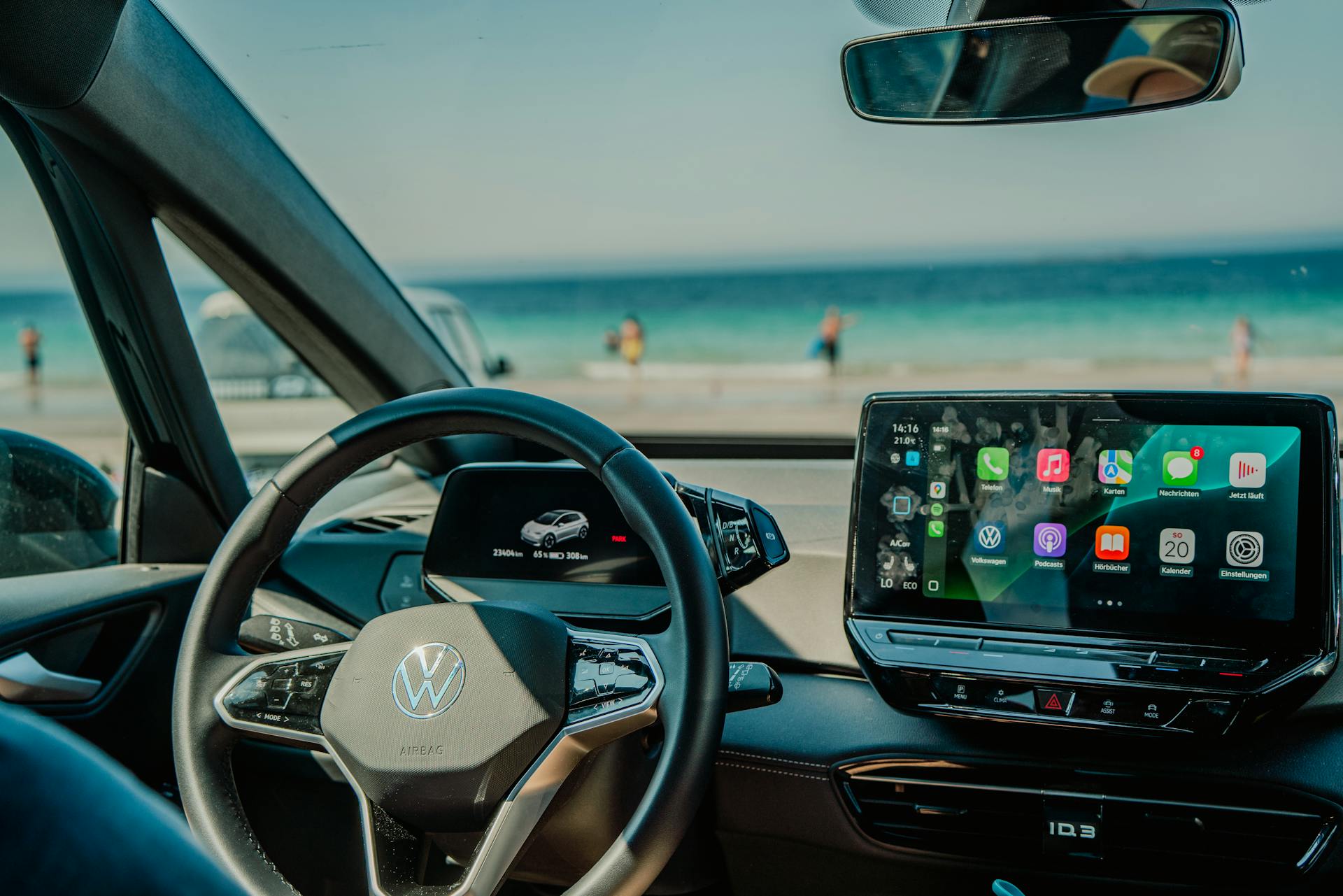
Technology in cars isn't just about premium sound systems or flashy digital dials anymore. Every year brings smarter, more connected improvements that make driving feel easier, safer, and more fun. If you're someone who enjoys having the latest features at your fingertips, the newest Volkswagen models offer some impressive updates worth paying attention to. From smarter safety systems to smoother driving experiences, it's not just about getting from point A to B, it's about how you get there. Drivers in Long Island will appreciate how these advancements serve real needs on real roads. Narrow spaces, tight traffic, unexpected detours, this isn’t a test track, it's life behind the wheel. With that in mind, let’s take a closer look at what’s changing inside new Volkswagen models and how these updates can meet everyday driving demands in a smarter and more convenient way. Advanced Safety Features Whether you're going to work, picking up kids, or heading out for a weekend on the North Shore, feeling safe inside your car matters. New Volkswagen models are rolling out with safety tech that helps drivers stay aware of what's around them and step in when something unexpected happens. Some of the safety features now available include: Adaptive cruise control that keeps a steady speed and distance from the car ahead, even in traffic Lane-keeping assist that helps gently guide you back if you drift out of your lane Blind-spot monitoring that warns you when a car is riding in your blind zone Automatic emergency braking that reacts quickly if it senses a possible collision These updates are especially helpful if you're regularly driving along highways or crowded suburban roads, which are common throughout Suffolk County. One parent shared how lane-keeping assist helped avoid a close call when they reached back to grab a toy their child dropped, showing how even minor distractions can be offset with the right technology. These aren’t luxury perks, they’re features that can truly improve peace of mind during everyday driving. Enhanced Infotainment Systems Today’s drivers expect more than just a basic radio or a CD player. As our lives become more connected, drivers now want those same conveniences on the road. That’s why the infotainment systems in new Volkswagen models are designed to meet these demands with seamless, user-friendly features. Here’s what stands out in the latest systems: Large, high-contrast touchscreens that are easy to see and use, even in bright sunlight Voice command functions that let you control music, maps, or calls without taking your hands off the wheel Wireless Apple CarPlay and Android Auto, so your favorite apps sync up fast Built-in navigation that updates live traffic and reroutes automatically For Long Island commuters, this is especially helpful during the morning rush or long weekend drives to the Hamptons. No one wants to fumble with cords or deal with glitchy connections while on the move. With these streamlined features, getting directions, playing music, or calling a friend becomes effortless, helping you keep your attention where it should be, the road. Improved Performance and Efficiency Driving around Long Island can mean different things depending on the time of year. Whether it's dealing with heavy weekday traffic on the way to Huntington or heading east for a weekend getaway, having a car that balances smooth performance with fuel savings can make a big difference. New Volkswagen models are bringing improved engines and drivetrains that help deliver more efficient and responsive handling. At the same time, newer powertrain options, like plug-in hybrids and fully electric versions, give drivers a way to cut down on gas station visits. These advancements are designed to help with common driving concerns, like using less fuel during stop-and-go traffic or getting better torque when joining highway lanes. Some ways newer models boost performance without using more fuel: Turbocharged engines that increase power without needing a big increase in fuel use Regenerative braking systems in electric and hybrid models that help recharge the battery during stops Drive mode selections that adjust throttle response and steering feel depending on the conditions or driver preferences Improved suspension systems that smooth out rough patches, especially on winter-worn roads across Suffolk County For someone who commutes across county lines or runs errands all day, even modest tech improvements can make a car feel lighter, quieter, and more agile. During colder months, systems like preconditioned climate control in electric models warm the car before you step in, all while keeping overall energy use in check. The latest design changes offer a more refined drive, whether it's quick highway merging or cruising through tight village roads. Smart Driver Assistance for Everyday Driving Driver assistance isn't just about self-parking or fancy alerts. When designed thoughtfully, these systems help everyday drivers stay focused, ease fatigue, and reduce small, preventable mistakes. New Volkswagen models now come equipped with a wider range of smart tools that handle repetitive tasks and offer helpful nudges, especially on crowded roads and in tight spaces. Here’s a quick look at some of the updates making an impact: Rear traffic alert helps when backing out of parking spots with low visibility Traffic sign recognition keeps track of posted speed limits and stop signs Automatic high beam control adjusts your lights when it senses oncoming traffic Hands-on detection ensures the car knows when you're driving so assistance stays ready when needed These tools can really help cut down on low-speed bumps in unfamiliar areas and take some edge off the stress of city driving. For instance, trying to parallel park on a narrow street in Patchogue gets easier with active parking assist that handles the steering while you control the gas and brake. The tech is built to work with the driver, not replace them. Over longer trips or during unpredictable conditions like rain or snow, these features can act like an extra set of eyes. They catch what you might miss if you've had a long day or are driving through darker backroads. What This Means for Long Island Drivers The evolution of newer models isn't just about new buttons or fancy displays. It's about better control, increased comfort, and more support for the way people actually drive. From advanced safety features that help during sudden stops to infotainment tools that keep you better connected on weekend trips, these are cars that meet everyday needs with thoughtful design. This is especially helpful for drivers across Long Island who often deal with changing seasons, mixed road conditions, and unpredictable traffic. Having a vehicle that’s smart enough to help with parking, remember your favorite settings, and manage energy use only adds to the drive. Each system plays a part without overcomplicating things. It’s simply a smarter and more enjoyable way to get where you’re going. With all the exciting tech updates in the latest Volkswagen models, driving around Long Island just got a lot smarter and more enjoyable. Whether you're drawn to advanced safety features or the latest in infotainment, now is the perfect time to explore your options. Discover the newest innovations and find the perfect fit for your lifestyle by browsing Volkswagen new cars for sale at Smithtown Volkswagen.

Volkswagen

Winter Protection Tips For Your Volkswagen's Paint

Winter on Long Island can be tough on your car, especially your paint. Between salt-covered roads, freezing temperatures, and icy conditions, your Volkswagen’s sleek, smooth finish can take a hit. Dirt and grime cling more during the colder months, and salt buildup sticks around longer, giving corrosion a chance to settle in. If you’ve ever noticed your car looking dull or stained after a snowy week, road salt and moisture are usually to blame. Giving your car the right protection before the worst of winter starts can make a big difference. November is the perfect time to get ahead of things so your Volkswagen can come out of the season looking just as good as it did going in. Focusing on a few simple paint protection tips can help avoid long-term damage and save you a bigger bill later on. Whether you're commuting to work or just cruising around Long Island, a few preventative steps can go a long way in keeping that clean, polished finish all season. Why Winter Protection Matters For Your Volkswagen's Paint Driving around Long Island in winter means your Volkswagen deals with more than just cold weather. Salt and slushy grime from treated roads stick to your car’s surface. If that’s left sitting too long, it can eat away at the clear coat, dull the paint, or even lead to rust in some areas. And when things start to thaw and refreeze, small paint chips can expand, causing more damage than you might expect. Protecting your paint before all of that builds up helps keep your vehicle looking newer for longer. Paint that’s been properly taken care of isn’t just about appearances. It acts as a shield for the metal body underneath. That protective layer is the first thing standing between your vehicle and everything winter throws at it. Think about all the grit and slush backsplash that kicks up around your wheel wells or the icy grime that collects at the bottom of your doors. Over time, those parts of your car are more likely to show dings, spots, or flaking paint. Here’s what proper winter protection can help prevent: Road salt corrosion, especially around the lower body panels Paint discoloration and dulling Moisture getting trapped under dirt or chips, leading to rust Buildup of grime that’s harder to clean off in spring Paint protection isn’t just a once-a-year thing. It should be part of how you care for your car all season. With just a few adjustments to how you treat it, you’ll save your Volkswagen from a lot of unnecessary wear by the time spring hits. Tips For Protecting Your Volkswagen's Paint This Winter If you want your Volkswagen to stay looking fresh once winter passes, there are a few steps that can make a big difference. Some of these may sound familiar, but the key is doing them consistently during the chillier months. 1. Regular Washing And Waxing Don’t wait for the snow to melt off. Washing your car often in winter is one of the easiest ways to prevent salt and grime from hurting the paint. Even giving it a rinse every week or two can help. Look for touchless car washes that go easy on the surface while removing buildup, especially underneath the car. After it’s clean, waxing adds another layer between the elements and your finish. A good wax job will help repel water, snow, and slush while keeping your paint less likely to scratch or fade. In cold months, paste waxes tend to hold up better than sprays. 2. Apply A Paint Sealant Paint sealants go a step beyond wax. While wax offers short-term coverage, a sealant bonds directly to your car's paint and holds up much longer, even under tough conditions. It adds a slick surface that makes it harder for grime to stick in the first place. Synthetic sealants are a go-to for winter. They hold up better under salt and cold, and you can apply them before the season kicks into full gear. A professionally applied sealant can also protect your paint for several months without breaking down. 3. Use A Car Cover When Not In Use If your car spends long hours outside, a good cover can block snow, tree sap, salt spray, and even ice buildup. It also protects against bird droppings and small debris blown around by winter wind. Just make sure the fit is correct for your model. A bad fit can rub against the paint and do more harm than good. For winter, go with a water-resistant, breathable cover. It should keep moisture out but still let trapped heat and air escape. If you're not using your car daily, even just putting a cover on a few times a week can help preserve the paint. Additional Winter Care Tips Even with wax, sealant, and a car cover in your winter routine, there are a few extra steps that can help your Volkswagen’s paint hold up better during the colder months on Long Island. Start with where you park. If you have access to a garage or carport, it’s worth using it. Getting your Volkswagen under a roof, even if it’s not heated, can keep snow and ice from piling up on the surface. It also protects the paint from constant exposure to moisture and dirty slush, which tend to freeze overnight and stick around all morning. If you don’t have a garage, consider parking away from trees or buildings where dripping water or falling debris might damage the finish. Another often overlooked tip is checking for small chips and scratches on the paint, especially near the wheel wells, doors, and hood. Even the tiniest ding can trap salt and moisture. If left alone, that can eventually lead to bubbling paint or rust spots. The sooner those marks are taken care of, the better your paint will hold up. If you notice one, don’t wait until the weather warms up again. Getting it treated now can stop a small issue from turning into a larger paint repair later on. If you’re regularly driving on salted roads, pay attention to the undercarriage too. That part of your vehicle takes a beating during winter. Most professional wash stations offer underbody sprays, and it’s worth it to include that option once or twice a month. You won’t see the buildup under there, but it has a way of sneaking up and over time, it adds to wear all around the lower parts of your vehicle. Here’s a quick checklist to keep your Volkswagen’s finish better protected all winter: Use a garage or covered parking space whenever you can Avoid parking under trees or places where icicles or sap may fall Rinse the undercarriage at least monthly during and after snowstorms Address scratches or chipped paint before they spread Wipe off snow and ice with tools designed for paint-safe surfaces Taking these extra precautions helps stretch the life of your Volkswagen’s paint and saves you money over time. It’s easier to maintain a clean surface than it is to repair damage after months of neglect. Keep Your Volkswagen Looking Fresh All Winter With Smithtown Volkswagen Winter around Long Island isn’t gentle on vehicles. From salted roads to frozen slush, your Volkswagen deals with a long list of conditions that can wear away its shine and damage its paint. The good news is that some basic care goes a long way. Washing your car often, applying a wax or sealant, and using a high-quality cover offers solid protection through the coldest months. Pair that with smart parking spots and timely attention to dings or chips, and your paint is better off all season. Taking time to prep ahead of heavy snowfall helps reduce the kind of wear and tear that sticks around long after winter ends. If you focus on consistent care throughout the season, your Volkswagen won’t just perform like it should, it’ll still look great doing it. Ready to keep your Volkswagen looking sharp and performing well this winter? Trust Smithtown Volkswagen for all your seasonal care needs, from expert paint protection tips to essential maintenance. Check out our Volkswagen maintenance in Long Island to ensure your car stays in top condition, no matter what the weather throws your way. Let us help you preserve your vehicle’s value and aesthetics throughout the cold months!

Volkswagen

Managing Your Volkswagen's Battery Life In Cold Weather

Cold weather does more than just make morning commutes uncomfortable. For many drivers across Long Island, the drop in temperature brings an annoying surprise: a Volkswagen that won’t start or one that struggles to turn over. Dealing with a weak or dead battery is one of the most common headaches once late November rolls around. When the cold settles in and mornings get frosty, your battery becomes one of the most sensitive parts of your vehicle. The good news is that taking care of your Volkswagen’s battery before the deep freeze hits can help you avoid problems altogether. Keeping your battery in good shape during the colder months doesn’t have to be complicated. With a little attention, drivers on Long Island can sidestep the roadside jumpstarts and keep their cars running smoothly all winter long. Why Cold Weather Affects Battery Life When temperatures drop, the chemical reaction inside your battery slows down. That means even if you haven’t driven much or haven’t had any recent issues, your battery might still lose a good amount of its power just from sitting in the cold. On top of that, your car actually demands more power from the battery during winter. Think about it. Turning over a cold engine takes more effort, and you're also using features like the heater, defroster, lights, and seat warmers. It all adds up. Here are some common signs your battery might not be handling the cold very well: Slow engine crank: If your engine takes longer than usual to start, that's a classic sign. Dim headlights: If they seem weaker than normal when you turn your car on, your battery could be struggling. Clicking sounds when turning the key: This usually means the battery doesn’t have enough juice to start the engine. Electrical issues: Infotainment systems, power windows, or heated seats acting weird can be battery-related. Battery warning light: If this pops up on your dashboard, don’t ignore it. It could be pointing to battery trouble or something deeper in the charging system. Even a newer battery can run into problems in colder weather. It’s not just about age. It’s about condition, charge level, and how often the vehicle is being used. Leaving your car parked outdoors in freezing temperatures for days at a time without driving it can also reduce its ability to hold a charge. Long Island winters fluctuate a lot, with freezing nights and slightly warmer days. That kind of up-and-down climate can make battery performance less predictable. Tips For Maintaining Battery Health Getting ahead of battery issues before the worst of winter hits is a smart move. It doesn’t need to take much effort, and it can save a big headache in the middle of a snowstorm or right before a holiday trip. Here’s what you can do to help your Volkswagen battery stay alive and well through the cold: Keep the battery clean – Corrosion on the terminals can block the connection between the battery and your vehicle. A quick visual check every few weeks can make a big difference. Secure battery connections – Make sure the cables are tightly attached with no signs of cracking or fraying. Don’t let your car sit too long – Start and drive your Volkswagen regularly, even if it’s just for a short trip. Letting it sit untouched in cold weather can drain the battery. Limit short trips – Frequent short drives don’t give your battery enough time to properly recharge. Combine errands when you can. Turn off accessories before starting – Things like headlights, seat warmers, and defrosters draw power. Turning them off before starting your engine takes the stress off the battery. If you notice any issues, or if your battery is more than three years old, it’s smart to have it checked by a technician. This helps catch problems early and gives you peace of mind for the colder months ahead. For most people on Long Island, having a reliable car during winter is non-negotiable. Battery problems don’t just happen on the coldest days. They usually happen on the coldest days when you're in a rush. One customer told us their car wouldn’t start just as they were heading out for Thanksgiving dinner. A quick check-up a week earlier could’ve saved that moment entirely. Keep that in mind before things get too chilly. The Importance Of Regular Volkswagen Service Routine maintenance goes a long way when it comes to preventing cold-weather battery issues. It’s easy to forget about the battery until the car won’t start, but regular inspections during scheduled Volkswagen service appointments can help you catch problems before they turn into a real headache. During a service visit, the technician checks more than just whether the battery has a charge. They also inspect the condition of the cables and terminals, evaluate how well the battery is holding power, and confirm the alternator is working properly. In colder months, this extra layer of attention matters a lot. You don’t want to find out about a weak battery when you’re rushing to work or trying to get your kids to school on a frigid morning. Scheduling a Volkswagen service on Long Island means you're focusing on the conditions most likely to affect your car right here. Freezing temperatures, road salt that can corrode electrical parts, and frequent stop-and-go traffic patterns all add stress to your battery and charging system. Getting your vehicle looked over with those local challenges in mind makes a clear difference. People often assume a battery with little visible wear must be fine, but in winter, looks don’t tell the full story. For instance, you might think everything’s working perfectly, but your battery may be just strong enough for now and on track to fail soon. A simple load test done during a service visit can identify this kind of hidden risk without waiting for a failure to happen. It’s a low-effort way to prevent a high-stress situation. When To Replace Your Battery Knowing when to replace your battery is just as important as keeping it maintained. Cold starts in the winter put older batteries to the test, and once they’ve degraded past a certain point, even the best care won’t save them. Replacement is the straightforward fix to avoid being stranded. Watch for these signs: You’ve had to jump-start your car more than once in a short period The engine feels progressively slower when starting Electrical features like lights or media systems lag before fully working The battery is over three to four years old and hasn’t been tested recently The outer casing looks swollen or bloated One of the mistakes drivers make is hoping the battery will make it through the winter. But the longer you wait, the higher the chance it dies when you least expect it. And unfortunately, extreme cold usually hits right when you're busiest, during holiday travel or early morning drives when the temperature dips the lowest. Proactive replacement beats reactive jumps every time. The process is quick and saves you a lot more trouble than trying to deal with emergencies. If you’re already seeing signs and winter has just begun, don’t wait to act. Long Island conditions can shift fast, and battery issues tend to get worse with every freeze-thaw cycle. Keep Your Car Starting Strong All Season Taking small steps throughout the season makes a big impact on how your Volkswagen performs in colder weather. Good battery habits like regular checks, cleaning the terminals, and driving often help, but professional service gives you the full picture. Seasonal maintenance lines up with more than safety and convenience. It’s about keeping your vehicle reliable when you need it most. Having someone familiar with Long Island’s winters checking under the hood before issues arise can save time, money, and stress down the line. And if replacement is needed, you’ll be glad to have handled it ahead of trouble. As temperatures continue to drop through the end of the year, there's still time to get ahead of seasonal battery problems. Being prepared lets you enjoy peace of mind instead of wondering if your car’s going to start on that next cold morning. A little attention now goes a long way. Don't let cold weather catch you off guard this winter! By scheduling an expert Volkswagen maintenance in Long Island today, you ensure your vehicle is ready to tackle those chilly mornings. At Smithtown Volkswagen, we're here to keep your battery and vehicle performing at their best all season long.

coolant

Warning Signs Of Low Coolant In Your Volkswagen

Coolant isn’t something most drivers think about until there’s a problem. Yet it plays a quiet but important role in keeping your Volkswagen's engine running at the right temperature. As the name suggests, coolant helps pull heat away from the engine so it doesn't overheat. When levels drop too low, things can go sideways pretty quickly. November on Long Island usually brings falling temperatures, and those colder days can put more demand on your car’s systems. That’s why spotting issues early matters. If your coolant level is running low, your car might give off signs before serious damage kicks in. Recognizing those warning signs can help prevent breakdowns and expensive repairs during the colder months ahead. Understanding The Importance Of Coolant In Your Volkswagen Coolant, also called antifreeze, is a fluid that runs through your car’s engine and radiator. Its job is to regulate your engine’s temperature, especially during major shifts in weather. On hot days, it keeps the engine from overheating. On cold days, it helps prevent the liquid in your engine from freezing. This makes it even more important to pay attention to it as the seasons change. When the coolant level drops below where it should be, your engine can’t keep itself at a safe operating temperature. That adds stress to parts like the cylinder head, head gasket, and water pump. If ignored, engine components can wear out faster or break entirely, which usually leads to expensive repair work. Simply put, low coolant won’t just make your ride uncomfortable. It can shorten the life of your engine. A common example would be someone who drove their Volkswagen for a short trip, parked for a few hours, then found a puddle of greenish fluid under the car. That’s often coolant, and catching that early could keep you off the side of the road later. Top Warning Signs Of Low Coolant Your car won’t always flash a big red sign saying “low coolant,” but it has ways of letting you know. Here are some of the main things to watch for: 1. Engine overheating This is one of the first issues that shows up when the coolant level drops. If your engine runs hotter than normal or you see smoke from under the hood, that's a red flag. Overheating can lead to warped engine parts and mechanical breakdowns. 2. Coolant warning light Most Volkswagens are equipped with a dashboard warning light that looks like a thermometer floating in liquid. If this icon turns on, pull over safely and check your engine coolant level once the engine has cooled down. 3. Visible coolant leaks Coolant leaks often show up as bright-colored puddles, usually green, pink, or orange, under your parked car. That fluid shouldn’t be dripping, and even a slow leak will eventually lower your coolant to dangerous levels. 4. Fluctuating temperature gauge If your temperature gauge bounces around or reads much higher than usual, it may be trying to warn you of issues with your coolant level or flow. A stable gauge is a good sign. Spikes probably aren't. 5. Poor heater performance Your Volkswagen uses warm coolant to produce heat in the cabin. If the air isn’t getting warm, it could be from low coolant that’s not reaching the heater core. So if your heat isn’t kicking in like it should, start by checking the coolant level. Each of these warning signs can point to a larger problem if overlooked. Paying attention early makes a real difference, especially with colder weather moving in. Long Island winters aren’t gentle, and your car’s cooling system needs to be in solid shape to get through it. What To Do If You Suspect Low Coolant If you’ve noticed one or more of the warning signs, it’s worth acting quickly before things get worse. The good news is that there’s often time to fix the problem before real damage sets in. First, wait for the engine to cool completely before popping the hood. Checking coolant when the engine is still hot is dangerous and can lead to burns from steam or fluid. Once the engine has cooled, look for the translucent reservoir tank under the hood. Most have min and max lines on them, making it easy to tell whether you're running low. If the coolant level is below the minimum line, that’s not something to ignore. Adding coolant might seem like a simple fix, but it may not solve the root problem. Low coolant could be a sign of a leak, a faulty component, or a pressure issue inside the cooling system. In those cases, the level will keep dropping until the bigger issue is repaired. That’s why it’s better to have a trained technician inspect the system. On Long Island, the colder months can create more strain on your vehicle’s heating and cooling systems. If you're heading out on a daily commute, or even just weekend errands, it’s a bad time for surprises under the hood. Addressing coolant-related issues early helps you avoid needing roadside assistance when the temperature dips below freezing. Preventive Maintenance for Volkswagen Cooling Systems on Long Island Coolant problems often develop slowly, which means they can be caught with routine maintenance. If you’re scheduling regular service, a technician can check your coolant level, test the mixture, and look for signs of wear in the hoses or connections. All these steps help prevent breakdowns when you least expect them. A little prevention goes a long way. Here’s how to stay ahead of coolant trouble: Have your coolant level checked during seasonal service Ask your service provider to inspect for leaks or aging hoses Replace coolant at recommended intervals to avoid rust and buildup Keep an eye on your dashboard for warning lights, even after a refill Watch for any unusual smells or drips under the car, especially during colder mornings Don’t skip heater checks, low cabin heat could be an early sign of cooling system issues It also helps to think about how Long Island’s weather affects vehicles in general. Fall and winter can bring issues like freezing temperatures and longer idle times while waiting for the cabin to warm up. These factors all make the coolant system work harder, whether you’re in traffic or parked outside overnight. Staying ahead of problems during this transition into colder weather can save time and frustration. Helping Your Volkswagen Stay Winter-Ready During colder months on Long Island, low coolant levels have a bigger impact on both comfort and reliability. Poor heat performance, engine strain, and even full-on breakdowns tend to happen more often this time of year. Many of these issues sneak up gradually, which is why paying attention to early signs matters. Modern vehicles have reliable cooling systems, but they still need routine care to keep everything running smooth. Low coolant isn’t always dramatic in the beginning. It could just mean your car takes longer to warm up or your temperature gauge behaves oddly during a short trip. Spending a little time getting this checked and properly serviced means fewer chances for trouble when you’re out on the road in the cold. Whether you're headed to work, school drop-offs, or holiday travel, a sound cooling system helps keep things moving without delay. Taking care of your Volkswagen is especially important as temperatures drop. If you're ready to make sure your car is prepared for winter, consider scheduling expert Volkswagen maintenance on Long Island with Smithtown Volkswagen. Their trained technicians can help keep your vehicle's cooling system in top shape and prevent any cold-weather issues before they start. It's a smart step toward a smoother, more reliable drive all season long.

Volkswagen

Smart Features Of The Latest Volkswagen Models

Drivers across Long Island want vehicles that do more than just get them from one place to the next. There’s growing demand for smarter features that make the drive easier, safer, and more fun. That’s where new Volkswagen cars on Long Island stand out. These vehicles offer a mix of intelligent systems that are designed to add real value to your everyday routine. Whether you're commuting to work or taking a quick trip to the store, Volkswagen is adding tools that may help along the way, not just gadgets that sound good in theory. From built-in tech that activates when the weather shifts to tools that gently correct your steering during a sleepy highway drive, today’s Volkswagen models are focused on making the entire driving experience feel less like a task and more like a trusted ride. Below, we’ll walk through some of the most talked-about smart features in these new models and how they’re built to handle Long Island’s mix of highways, residential streets, and busy crossings. Advanced Driver Assistance Systems (ADAS) Driving in Long Island traffic isn't always laid-back. That’s why modern Volkswagens come with a range of active safety systems designed to support drivers in real time. These aren’t meant to replace good driving habits but instead to sharpen your awareness and step in when needed. Some of the standout ADAS features include: Lane-Keeping Assist: Helps steer the car back into the lane if it starts to drift unintentionally. Adaptive Cruise Control: Maintains a set following distance behind the car in front, easing stress on longer drives or during heavy traffic. Automatic Emergency Braking: Alerts the driver and applies the brakes if a crash seems likely and the driver hasn’t responded fast enough. These tools work behind the scenes without making the driver feel interfered with. For example, Lane-Keeping Assist doesn’t mean you can zone out at the wheel—it simply adds backup in those distracted moments. ADAS is there to help during those quick glances at GPS directions or while searching for a parking spot on a crowded street. Infotainment and Connectivity Technology inside a car should feel second nature, and Volkswagen’s latest models aim to make that possible. New Volkswagen cars on Long Island come equipped with infotainment systems that are easy to use and thoughtfully designed. Here’s what drivers are enjoying: Touchscreen Interfaces: Large displays that are sharp, easy to glance at, and quick to respond. Smartphone Integration: Seamlessly connect your Apple or Android device using Apple CarPlay or Android Auto. Music, calls, messaging, and navigation all sync straight to the dashboard. Voice Control: Control the system hands-free by simply speaking. Adjust music, activate maps, or send a message without distraction. These features make daily drives smoother. Whether you’re picking the kids up from school or heading into town, you can stay connected without taking your attention away from the road. The infotainment system works like a personal assistant, keeping you plugged in without pulling you away from what matters. Enhanced Safety Features Built for Everyday Driving From narrow neighborhood roads to packed highways, there's a lot to watch out for when driving on Long Island. Volkswagen models are built with safety features that help cover areas you might miss or simply can't see. Some safety features drivers will find helpful include: Blind-Spot Monitoring: If a car is in your blind spot during a lane change, you’ll get an alert. Rear Cross-Traffic Alert: While backing out of a driveway or parking spot, the system detects vehicles approaching from the side and gives you a heads-up. Multiple Airbag Zones: Front, side, and curtain airbags help keep every passenger protected, not just those up front. These details may seem small, but they make a noticeable difference in everyday travel. For example, backing out of tight Long Island driveways with cars flying by becomes safer when rear alerts activate before you even shift into gear. And for families with teens learning to drive, knowing there’s a little extra help from these systems offers peace of mind. Smart Efficiency and Eco-Friendly Performance No one likes watching their fuel gauge drop fast, especially with driving conditions that can vary throughout the day. The technology inside new Volkswagen cars on Long Island adjusts to give you better fuel economy without taking the fun out of driving. Efficiency features drivers appreciate: Turbocharged Engines: These deliver strong performance using fuel more effectively, adjusting to your acceleration habits. Start-Stop Systems: At red lights or in traffic, the engine pauses temporarily instead of running idle, saving on gas. Available Hybrid Powertrains: Some models combine traditional gas engines with electric motors to reduce fuel usage, especially on short daily trips. Thanks to smoother gear changes and better aerodynamics, these cars require fewer stops at the gas station. Whether you’re headed from Patchogue to Port Jefferson or just doing errands around your neighborhood, the engine knows how to adjust. It’s like having a drive system that learns your habits and works with you. These updates don't mean you're sacrificing performance. Quite the opposite. Turbocharged engines still give a fun boost when merging onto the freeway, while hybrid systems are quiet and responsive during local drives. Long Island drivers get smart savings and performance in one package. Drive Easier and Smarter with Volkswagen Life around Long Island isn’t slowing down for anyone, so having a vehicle that lightens the load makes all the difference. With smart features that look out for your safety, help you stay connected, and save fuel, Volkswagen’s latest models are designed with real everyday needs in mind. These tools aren’t just tech gimmicks either. Whether it’s warning you about fast-approaching vehicles while backing up or letting you use voice commands to play your favorite song, the features all focus on improving your drive. Each one plays its part in reducing stress and helping you get where you need to go with more ease. New Volkswagen cars on Long Island deliver a balance of smart engineering and convenience. If you're someone who values thoughtful design that adapts to your lifestyle, it's worth seeing what these models have to offer. They’re made for modern drivers who expect more from their ride—from safety to entertainment to fuel savings. To see how these features can enhance your driving experience, explore the latest new Volkswagen cars on Long Island with Smithtown Volkswagen. Discover firsthand how these thoughtful enhancements make each drive smarter, safer, and more enjoyable. Whether you're considering a new ride or just curious about what's out there, we welcome you to browse our collection and find the model that fits your lifestyle.

Volkswagen EV

Winter Performance Of Volkswagen Electric Vehicles

Winters on Long Island can be long, cold, and unpredictable. For drivers who rely on electric vehicles, cold weather brings up unique questions: Will the battery hold up? Can heating systems keep up with the chill? And how does snow or ice affect overall performance? If you're driving one of Volkswagen’s electric models, it's normal to wonder how your vehicle will handle the cold months ahead. Electric vehicles are built for year-round use, but winter driving does bring extra things to think about. Whether it's range reduction, traction on icy roads, or simply staying warm behind the wheel, understanding how your EV responds to winter conditions can help you get the most out of it. Let’s take a closer look at how Volkswagen electric vehicles on Long Island perform in colder weather and what you can do to help them stay efficient and dependable all winter long. Cold Weather Impact On Battery Efficiency When temperatures drop, your EV’s battery works harder to deliver the same performance it does in warmer months. That’s because cold weather slows down the chemical reactions inside the battery, which can lead to a notable dip in driving range. You may notice it takes longer to charge or that you aren’t getting as far on a full charge as you did in the summer. This doesn’t mean your electric vehicle is broken or unreliable. It's just how lithium-ion batteries naturally respond to cold. Luckily, there are a few helpful tips to reduce the effects and keep your driving routine running smoothly. Here are a few ways to help preserve battery efficiency in the winter: Precondition your battery by warming up your car while it's still plugged in. That way, it uses grid power to heat the cabin and battery, saving the stored charge for the drive. Keep your EV stored inside. If you have access to a garage, park indoors when possible to avoid the overnight cold soak. Drive gently. Quick acceleration burns more energy. Smoother driving helps stretch your range farther in cold weather. Charge more often. Try not to let your battery level get too low in the cold. A partially full battery helps stabilize temperature and output. Use heated seats instead of full cabin heat. Heated seats draw less power than warming up the entire interior. These steps can make a noticeable difference in how your EV performs during cold snaps and help you avoid any unexpected slowdowns during your daily drive. Heating Systems In Volkswagen Electric Vehicles Staying warm is important for comfort, but it also affects how much energy your car uses in the winter. Traditional gas-powered cars pull heat from the engine to warm the cabin, but electric models don’t produce that kind of leftover energy. Instead, they rely on electric heaters or heat pumps that draw power directly from the battery. The more heat you use, the faster your battery drains. Volkswagen electric vehicles often come equipped with heat pumps that help manage energy usage more efficiently. A heat pump transfers existing warmth instead of creating it from scratch, making it more efficient compared to older electric heating systems. To get the most from your heating system during winter: Preheat the cabin while plugged in. This helps reduce battery drain during your actual drive. Make good use of seat and steering wheel heaters. These give direct warmth and use less power than heating the full cabin. Use Eco mode if your model has it. It can limit HVAC output and help extend range. Maintain a consistent temperature inside the car rather than adjusting it repeatedly. Finding a balance between staying warm and saving energy allows you to drive longer and stay comfortable at the same time. A few temperature tweaks can go a long way during Long Island's winter months. Tire Performance And Winter Safety When roads on Long Island turn slick and icy, having the right tires on your Volkswagen EV is about more than driving comfort. It’s about safety, traction, and control. All-season tires can stiffen in the cold, reducing their grip. That’s why winter tires are a solid choice if you frequently deal with snow, sleet, or freezing rain. Winter tires are made of a softer rubber that stays flexible in cold weather and have deeper treads to provide better traction. If you choose to stick with all-season tires, make sure they’re well-maintained and ready for winter conditions. Here are several tire tips to reduce your risk and improve performance in winter: Check tire pressure regularly. Cold air reduces pressure, which can affect handling and wear. Don’t ignore your tire pressure warning light. It’s there to help you avoid dangerous conditions. Rotate your tires before winter and again in spring. This promotes even wear and maximizes grip. Look for signs of wear, including cracks or low tread. Older tires can behave poorly in winter even if they seemed fine in fall. Switch to winter tires during snowy months if you commute often or venture into hilly or rural areas. The right tires make all the difference when it comes to braking distance, cornering, and general safety. It’s a simple upgrade that boosts peace of mind throughout the season. Charging Stations And Winter Challenges Charging your Volkswagen electric vehicle during winter on Long Island might take a little more planning than during warmer seasons. Cold weather can slow down the charging process, and snow or ice buildup near public chargers can get in your way. These delays can be frustrating, especially when you’re in a rush. One challenge is that your vehicle’s battery may need to warm up before fast charging is effective. Your EV may even limit its charge speed to prevent damage, which adds extra waiting. Icy chargers can also make the experience uncomfortable. Here are a few tips to make the charging experience better during cold weather: Use apps to check availability and working condition of local charging stations before heading out. Schedule climate control in advance to precondition the battery before charging. This can help reduce total charge time. Charge at home in a covered garage when possible to avoid outdoor charging in extreme cold. Keep a pair of gloves in your glovebox to avoid dealing with icy cables barehanded. Plan to charge before your battery drops too low. That buffer buys you time if conditions delay charging. Being prepared and staying informed helps reduce stress and keeps your vehicle going when cold conditions make convenience harder to find. Preparing Your Volkswagen For Winter On Long Island As November hits and temperatures on Long Island begin to dip, it’s a good time to get your Volkswagen EV ready for winter. A little planning and a visit to your local service center can help you avoid problems that show up once it gets colder. Here’s a checklist to prepare your electric vehicle for the season: Schedule a battery health check to make sure everything is functioning reliably. Inspect tire tread and consider switching to winter tires. Test your heating system and make sure defrosters work properly. Update your software to keep heating and charging systems running efficiently. Replace worn-out wipers and use a washer fluid rated for freezing weather. Have the undercarriage cleaned to wash away leaf buildup that could freeze under salty slush. Check your headlights, tail lights, and signal lights to be sure they’re bright and fully functional. Even newer EVs benefit from a seasonal once-over. These service checks help keep everything running smoothly when cold weather can magnify small issues, from a sticky hatchback to slower charging speeds. What Long Island Drivers Can Do To Stay Ahead This Winter Once winter settles across Long Island, staying on top of basic vehicle care makes a big difference in your day-to-day driving experience. Cold temperatures put more stress on the battery, drain power through heating, and reduce traction, so frequent checks and small habits help extend the life and comfort of your Volkswagen EV. Little things like scheduled overnight charging or warming up the cabin while plugged in can take some load off the battery and reduce wear. Keeping your tire pressure in the ideal range and rotating your tires regularly helps you keep your grip on icy roads. And when temperatures swing wildly, making sure everything from your heater to your lights is in top shape lessens unexpected issues. No winter is perfect, but being ready helps you stay in control. Great winter performance starts with smart habits and routine care. When your Volkswagen is properly set up for these colder months, you can enjoy smoother rides and fewer surprises from December to March. Ready to keep your Volkswagen electric vehicles on Long Island running smoothly through the colder months? Trust the team at Smithtown Volkswagen to help you stay ahead of winter with reliable service and expert care. Schedule your seasonal maintenance today and drive with confidence all season long.

VW winter tires

Benefits Of Winter Tires For Your Volkswagen SUV

When winter rolls into Long Island, road conditions can change fast. One minute it's chilly and wet, and the next, your driveway is covered in ice. For SUV drivers, including those behind the wheel of a Volkswagen, having the right tires can make a big difference when winter weather hits. All-season tires might get by in light snow, but they aren’t built for harsh cold, slick streets, or icy hills. Winter tires are designed for these exact conditions. They give your Volkswagen SUV better grip, more control, and improve how it handles when temps drop and the roads get slippery. Whether you're commuting on Sunrise Highway or driving through residential backroads, winter tires help you stay safer and more prepared for what’s ahead. Improved Traction On Snow And Ice One of the biggest reasons to switch to winter tires is the better traction they provide. It takes a different kind of tire to properly manage icy pavement or packed snow. Winter tires are designed using rubber compounds that stay flexible even in freezing temperatures, while standard tires become hard and less responsive. Flexibility matters because it allows the tread to maintain stronger contact with the road. Along with the rubber materials, the tread pattern on winter tires is built with deeper grooves and more biting edges. These are engineered to dig into snow and create better grip on slush and ice. It's not just about accelerating smoothly either. It's about being able to take turns without sliding and brake without worrying about skidding halfway into an intersection. Here’s what makes winter tires better suited for cold, snowy driving: Softer rubber mix that stays flexible in freezing temps Tread designs that push away snow and slush to keep contact with the road Extra sipes that work like tiny blades to cut through ice and improve stability Narrower profiles that focus the car’s weight more directly on the road, boosting grip If you’ve ever had to crawl through an icy neighborhood after a storm, you’ll know how even a short trip can get stressful fast. With the right tires, your SUV can handle those challenges with more control and less spinning. Enhanced Safety Features Winter tires aren’t just about getting better traction. They also help the entire vehicle behave more predictably in bad weather. When your tires grip better, your brakes work better. That means shorter stopping distances and fewer close calls. It’s not just about confidence behind the wheel, it’s about giving your SUV tools that are actually built for the season. When a curve is too slick or a light turns red faster than expected, winter tires can be the difference between stopping in time or sliding through. They improve how your vehicle responds when you swerve, corner, or hit unexpected ice, all while helping features like anti-lock braking systems and stability control perform more effectively. A good example is hitting a patch of black ice at a stop sign. All-season tires might lock up or slip more easily, but winter tires are designed to dig in, even on nearly invisible ice. That extra grip can help you stop safely instead of sliding into the intersection. Safe winter driving isn’t only about how you steer or how careful you are. It starts with the tires. Giving your Volkswagen SUV winter-ready support makes driving on Long Island roads through December and January feel a whole lot more manageable. Prolonged Tire Lifespan Switching to winter tires helps your regular tires last longer. When you use winter tires during colder months, your all-season or summer tires can take a break. That rotation can delay wear and tear on both sets. Tires wear faster when used in the wrong conditions, especially if they're not meant for cold, rough roads. Using the right tires for the season keeps each set in better shape. People sometimes think running one set of tires all year saves time and money. But the truth is, those tires face harsher road damage in winter. Snow, ice, road salt, and cold pavement make tires work harder. Over time, that speeds up wear and leads to earlier replacements. Swapping to winter tires prevents that problem and stretches the life of your other set. So while it may seem like more work at first, it pays off in the long run. A good way to look at it is just like wearing snow boots in January and sneakers in July. Your tires should match the season. Snow boots keep you safe and dry, while wearing sneakers through slush just ruins them faster. Your Volkswagen SUV works the same way. Tires that match the road conditions don’t just keep you safer, they last longer and help reduce replacements. Expert Installation And Maintenance On Long Island Getting winter tires installed by trained technicians helps avoid future issues. The way tires are mounted, balanced, and aligned can affect performance. If anything’s a little off, it could lead to poor handling or uneven wear. That’s why it’s better to let experienced teams take care of the process from start to finish. On Long Island, many drivers deal with rough patches of road during winter. Potholes and salt-damaged pavement aren't easy on your wheels. With professional installation, your tires get checked properly. That includes making sure they have the right pressure, the proper torque on each lug nut, and accurate alignment. It's about keeping your SUV steady while avoiding uneven wear patterns or handling issues down the line. You also get support if something feels off after installation. During colder months, tire pressure changes frequently. Trained staff will know how to adjust things based on the latest weather swings, especially since Long Island can have wild temperature shifts between November and February. It’s a lot easier than doing guesswork yourself or ignoring a tire warning light when you're trying to get to work on time. Volkswagen tire replacement on Long Island is made easier when backed by a team that knows your vehicle inside and out. It’s not something you want to leave to chance when conditions start getting rough. Make Winter Driving Easier This Season If you're planning to take on the winter roads across Long Island this season, make sure your SUV is ready. Swapping to winter tires isn't about over-preparing. It's about giving yourself the right tools so that winter driving feels less stressful, whether you're heading down Main Street in Smithtown or taking a late-night grocery run through sleet and ice. Winter tires help your vehicle stay in control during cold, messy conditions. They grip better, they stop better, and they last longer when used correctly. They’ve been proven to work more effectively in the kind of weather and road conditions common on Long Island. And when fitted and maintained by professionals, they’ll serve you well all season long. Making the switch to winter tires now means smoother driving through January snows and February ice. You won’t just feel the difference. You’ll see it as your SUV handles roads with more confidence, even on the slushiest mornings. Every trip, no matter how short, becomes just that much easier. Ready to tackle winter roads with ease? Ensure your Volkswagen SUV is up for the challenge by scheduling your Volkswagen tire replacement on Long Island. Trust Smithtown Volkswagen’s experts to keep your vehicle safe and steady, even in the toughest conditions.

Volkswagen

Benefits Of Regular Volkswagen Oil Changes In Winter

When temperatures drop across Long Island, your Volkswagen feels it too. One of the most impacted parts during the colder months is your engine oil. Cold weather can trap oil in a thicker state, making it harder to move through your engine and do its job. That kind of sluggish performance can lead to bigger issues if it goes unchecked through the winter. Regular oil changes during this time aren’t just a routine task, they’re a smart way to keep your vehicle running right when it's under more stress. From smoother morning starts to keeping your engine parts safe from unnecessary damage, winter oil changes can make a big difference. Let’s take a look at why it matters more than ever once the winter chill sets in across Long Island. Why Regular Oil Changes Are Important Oil is the lifeblood of your engine, and it needs to move freely to do its job well. When temperatures drop, the oil thickens. Picture squeezing honey out of a bottle on a cold day versus a warm one. It just doesn’t flow the same way. That’s what your car deals with every time you start it up on a frosty morning. When oil is too thick, it can’t coat engine parts as quickly or completely as it should. This lack of proper lubrication leads to increased friction and heat, which isn’t good news for your engine. In some cases, it can even cause internal parts to wear down faster than they should during cold starts, which are the times when your engine is under the most stress. Besides keeping your Volkswagen protected from unnecessary wear, clean oil also helps your car run more efficiently. Old oil doesn’t do its job as well, especially in the cold. That leads to harder starts and sluggish performance, neither of which you want during your winter commutes on Long Island backroads or highways. Keeping up with oil changes during the colder months can help minimize issues like: Rough idling or slow engine starts Loud engine noises in the morning Sluggish acceleration and poor fuel economy Higher chance of engine knocking or overheating Risk of engine damage from dirty or sludgy oil Nobody wants to deal with a preventable breakdown once the cold weather hits, and regular oil changes are one of the easier steps you can take to avoid those situations altogether. Benefits Of Regular Oil Changes In Winter Oil isn’t just about keeping things moving. It also helps regulate engine temperature and improve your car’s overall feel while driving. When you stick to regular oil changes through winter, you’re doing more than just checking a maintenance box. You're setting your car up for better performance during the most challenging season. Here are a few ways regular oil changes benefit you in winter: 1. Smoother engine starts Thicker, older oil makes that first morning start harder. Fresh oil circulates more quickly and easily, so your VW doesn’t have to struggle. 2. Better fuel efficiency An engine that doesn’t have to fight sludge or old oil works more easily. That usually means better fuel use over time. 3. Protection against buildup Dirty oil can leave behind gunk that clogs up your engine. Winter driving sometimes means shorter trips, which gives your engine less time to burn off moisture. Regular oil changes help prevent that buildup from becoming a problem. 4. Fewer unexpected repairs Keeping your engine clean helps prevent long-term damage like metal-on-metal wear or overheating, which can lead to expensive repair work that could’ve been avoided. 5. Confidence on cold days There’s peace of mind in knowing your car’s ready to go when the temperatures drop and snow starts falling. That kind of reliability matters during the winter season in Long Island. Whether you're headed out for holiday shopping or just trying to get through a freezing-morning commute, your car performs better when you give it the care it needs. Something as simple as regular oil changes puts you in a stronger position to handle what winter throws your way. Recommended Oil Types for Winter Choosing the right oil type can make a noticeable difference during winter. Not all engine oils handle cold temperatures the same way. The thinner the oil, the easier it flows when the engine is cold. While some conventional oils can work in winter, synthetic oil tends to hold up better under cold starts and short trips. Many Volkswagen models on Long Island benefit from synthetic oil, especially in winter months when the engine is exposed to temperature swings and shorter driving distances. Synthetic oil doesn't thicken as easily in low temps, which means it reaches key engine components faster and keeps them protected right from the start. If you’re unsure what oil your Volkswagen needs, check the owner’s manual or ask your service technician. Newer models usually require a specific oil viscosity. For example, something like 0W-20 might be recommended for a Tiguan, while a Passat might need 5W-30. These numbers refer to how the oil behaves in cold and warm temperatures, so you want to make sure you’re using the oil designed to perform well on winter mornings. Aside from viscosity, quality also matters. Not all oils labeled synthetic offer the same level of protection. That’s where having a trusted technician on Long Island can help. They’ll know what type delivers consistent cold-weather performance and meets Volkswagen’s standards. Finding Reliable Volkswagen Service on Long Island Finding the right service shop for your Volkswagen oil change might seem simple, but a few things can separate a solid experience from one that causes headaches. A good starting point is looking for technicians who specialize in Volkswagen service. That way, they’re already familiar with the specific oil types and filters your car needs, along with the right maintenance schedule. Next, you’ll want to find a place that doesn’t just change the oil and send you on your way. Quality shops take time to check things like fluid levels, tire pressure, and air filters during an oil service. While you're there, they may also notice small issues before they turn into bigger ones. Here’s what to look for in a quality Volkswagen service on Long Island: Technicians trained to work with Volkswagen models Full-service oil changes that go beyond just draining and refilling Genuine parts and oil that meet Volkswagen specs Clear explanations of what was done and why Friendly service with easy appointment options Winter is already tough enough. The last thing you want to deal with is a rushed or incorrect oil change that causes bigger car problems later. When someone knows your vehicle inside and out, you’ll get quicker diagnosis, better long-term care, and more confidence each time you hit the road. Ensuring Your Volkswagen Is Winter-Ready After your oil is fresh, there are a few more steps you can take to make sure your Volkswagen handles winter without issues. Cold weather affects more than just engine oil. Tires, battery, brakes, and coolant all get stressed once the temperatures dip and the roads start freezing. For starters, take a close look at your battery. Car batteries lose strength in the cold and may not deliver enough power to start the engine. If yours is more than a few years old or you've had trouble starting up lately, it might be time to get it tested or replaced. Here are other quick checks that help round out winter preparation: 1. Tires Make sure the tread is in good shape. Winter roads demand more grip. Also check the pressure since cold air will lower it. 2. Brake inspection Snow, ice, and salt on the road put more strain on brakes. If your car takes longer to stop or makes squealing sounds, a check-up is a smart move. 3. Coolant and antifreeze levels These help keep your engine at a safe operating temperature. Too low or old coolant can lead to overheating or freezing. 4. Windshield wipers and fluid You'll want wipers that clear slush and snow well and fluid that won’t freeze on contact. 5. Cabin heat and defrost Not just for comfort. Your visibility depends on these systems working as they should. If the windshield is always fogging up or the heat takes forever to kick in, have it looked at. Covering these basics along with regular oil changes puts your Volkswagen in a much better spot when the colder months settle in. It also helps cut down the chances of getting stranded or dealing with complicated repairs at the worst time. Ready For Winter On Long Island Winter driving on Long Island isn’t always a smooth ride, but staying ahead on your vehicle maintenance can definitely make it easier. When you stick to oil change schedules and pay attention to other cold-weather needs, you’re giving your car a better shot at staying reliable all season long. From keeping your engine clean to helping it fight off internal wear, regular oil changes do more than just tick a box on a checklist. They help your Volkswagen start strong, stay efficient, and feel ready no matter how low the temperature drops. A little attention before the deeper winter months really can go a long way. Cold weather doesn't have to be your Volkswagen's enemy when you keep up with regular maintenance. To experience peace of mind on the roads this winter, rely on Volkswagen service on Long Island. Smithtown Volkswagen provides expert care to keep your vehicle ready for whatever the season throws its way. Stay ahead of winter's challenges with professional support from our team.

Volkswagen

Long-Term Benefits Of Volkswagen Extended Warranties

When you're buying or leasing a vehicle, it's easy to focus on the immediate excitement like the new car smell, the smooth ride, or the upgraded features. But when the glow of a new purchase fades, you're left with the reality of long-term ownership. Things like wear and tear, unexpected repairs, and the rising cost of parts can catch you off guard. This is where planning ahead with an extended warranty can really pay off, especially if you're keeping your Volkswagen for a while. Extended warranties aren’t about preparing for everything that could possibly go wrong. They’re about making sure that if something does go wrong, you're not stuck with a major bill or scrambling to find a repair solution. Having that safety net in place changes how you feel about your long-term investment in your car, giving you peace of mind every time you turn the key. Understanding The Value Of Volkswagen Extended Warranties Extended warranties act as backup plans for drivers who want extra protection beyond the factory coverage. When your original warranty expires, repair costs can feel a lot more painful because they're no longer included. An extended warranty steps in to cushion those blows by picking up the tab for many of the repairs you might face later down the road. That’s where the long-term value comes in. You’re not just paying for repairs. You’re also paying to avoid stress, delays, and budgeting surprises. Cars are built better now, but that doesn’t mean they’re immune to electrical faults, transmission slips, or glitchy sensors. These sorts of issues never come at a good time. Let’s say your car’s infotainment system completely shuts down after five years. Without a warranty, that repair might take hours at a dealership and cost more than you expect. With the extended coverage, it’s handled. You get back on the road sooner, and your wallet feels a lot less pain. Planning for long-term ownership shouldn’t just be about oil changes and tire rotations. It also means thinking about everything else that could impact your experience as your vehicle ages. With an extended warranty, you’re saying yes to easier decisions, shorter delays, and fewer surprises in the years ahead. Financial Security And Predictability One of the hardest things about car ownership is not knowing when something expensive might break down. Even if you keep up with regular service, parts still wear out. That’s where an extended warranty can make a real difference. It helps take the guesswork out of those future costs. Here’s how it helps: Protects your finances from large, unplanned repair bills Keeps your monthly budget consistent since major repairs are covered Gives you one less thing to worry about when your vehicle gets older Without this added layer of protection, things like engine repairs, transmission issues, or electrical faults can land in your lap without warning. Extended warranties don’t just shield you from the cost. They also save you from the stress of wondering how much you’ll have to pay when something breaks. It feels good knowing that your monthly payment is your only real predictable cost. With coverage in place, you're not stuck playing financial roulette every time your check engine light pops on. Instead, you just schedule a visit, get the repair done, and move on. If you're someone who likes peace of mind and hates being caught off guard, this is one step that fits comfortably into any long-term ownership plan. Enhanced Resale Value Thinking about selling or trading your car in the future? Extended warranties can play a helpful role here too. When you’re handing over the keys, buyers want to know they’re not inheriting problems. If your vehicle still has warranty coverage, that’s one less red flag for them to worry about. Here’s what that means for you: You can often list your car at a higher price thanks to the active warranty It signals to buyers that you’ve taken care of the car properly It helps your vehicle stand out in resale or trade-in situations From a buyer’s perspective, a Volkswagen still under warranty feels like less of a risk. It gives them the confidence that major repairs won’t show up right after they drive it home. You get to offer extra value without lowering your price, which leaves more money in your pocket. Selling or trading is a part of car ownership most drivers go through eventually. Having an extended warranty makes that process smoother and may even speed it up. When buyers see a well-kept car that’s still got active warranty protection, it's one more reason for them to say yes. Comprehensive Coverage And Convenience One of the more overlooked benefits of a Volkswagen extended warranty is how much easier it makes the repair process. When something stops working as expected, it can throw off your day, your plans, and even your week. But with solid warranty coverage in place, you're not chasing estimates or searching for available shops last-minute. Volkswagen extended warranties typically cover a wide range of systems that tend to cause headaches as vehicles age: Powertrain components like the engine, transmission, and drive systems Electrical systems, which can include things like window motors, displays, or timers Infotainment systems, including Bluetooth, navigation, backup cameras, and touchscreens Air conditioning and climate control units Suspension and steering components These are issues that often go unnoticed until they stop working, and when they do, the timing is rarely convenient. What makes extended warranties even more helpful is how they speed things up. Instead of hunting for pricing on your own, calling around to figure out your options, and then waiting even longer on repair availability, warranty coverage usually ensures the process moves quicker. If the repair is covered, the focus is on getting your car back to you, not on haggling or delaying work. Convenience plays a bigger role than a lot of people expect. Being able to get your car fixed and back on the road without going through a retailer maze is one of those everyday perks that doesn’t sound exciting, but matters a lot when your regular routine is on the line. If you rely on your Volkswagen for a long work commute along the Long Island Expressway or regular gigs in neighboring towns, skipping repair headaches feels like a real win. Why Volkswagen Extended Warranties Stand Out On Long Island Driving on Long Island means facing a little bit of everything: stop-and-go traffic on Route 25, salty coastal air during winter, potholes after snow melts, and humid stretches through summer. Over time, those conditions wear down your vehicle in ways you might not expect. Extended warranties apply across the board, but on Long Island, they add a few extra benefits just due to the unique wear and tear that comes from this environment. Dealing with daily traffic on the North Shore or short-notice weekend trips out to Montauk can put extra stress on your vehicle's systems. Suspension, brakes, and AC tend to work harder than most drivers realize. Here's why extended warranties make more sense for Long Island drivers in particular: Coastal exposure can lead to more rapid rusting and corrosion, especially on brakes and undercarriage parts Traffic congestion leads to increased wear on brakes, transmissions, and cooling systems Seasonal swings mean HVAC systems are used more heavily, heating in the fall and winter, AC in spring and summer Road salt and sand used in winter impact not just your tires, but even sensors and wiring Gaps in coverage can start to show during these kinds of regular use patterns. Having an extended warranty in place gives drivers the flexibility to handle issues right away, instead of stalling them because of repair cost concerns. This is especially helpful given how much folks on Long Island depend on their cars day in and day out. Plus, it’s worth noting that seasonal promotions and special warranty terms often become available here and there on Long Island. Whether you’re timing your decision near the holiday season or making a move before winter kicks in again, it’s a chance to lock in lasting protection while taking advantage of regional deals. An Investment That Pays Off Over Time Ownership doesn’t stop at the sale. It stretches out into maintenance, repairs, and all the little moments when your car does or doesn’t work as expected. An extended warranty might not feel exciting upfront, but few things offer as much relief when something unexpected breaks. It also says something about how you think ahead. You’re not just reacting when things go wrong. You’re planning for the long haul. You get to enjoy your vehicle without hovering over every noise or dashboard light. That kind of confidence adds up, whether you're parking on your quiet residential block or making the weekly Long Island drive to see family. If you want your Volkswagen to feel good years from now just like it did that first drive off the lot, an extended warranty is one of the better moves you can make. It keeps things simple, predictable, and a whole lot easier down the road. To fully enjoy peace of mind with your Volkswagen, take advantage of Volkswagen special offers on Long Island through Smithtown Volkswagen. These offers unlock additional perks and savings, making it easier to keep your vehicle in top shape for years to come. Explore your options today and see how extended coverage fits into your car ownership plan.

Volkswagen

Troubleshooting Volkswagen Windshield Wiper Problems

Windshield wipers aren’t the most talked-about part of a vehicle, but when it starts pouring or snow begins to fall, they instantly become one of the most important. For drivers on Long Island dealing with heavy rains and icy conditions from fall through early spring, a pair of working wiper blades can make the difference between a safe trip and a stressful one. A clear windshield allows you to react quicker, drive with more confidence, and avoid hazards that are harder to spot in bad weather. When wipers stop doing their job, visibility can drop fast. Whether they start smearing water across the glass or just make loud squeaking noises every time they move, it’s a signal that something isn’t right. Catching these problems early can save you from getting caught in bad weather with no way to properly see the road. Before things reach that point, it helps to understand some of the common issues and how to tackle them. Identifying Common Wiper Problems It’s usually easy to tell when something's off with your wipers. The signs tend to show up as soon as the blades turn on, especially during rain or snow. Some of the most common symptoms include: Water smearing across the windshield instead of clearing away Loud squeaking or rubbing noise as the blades move Blades skipping or bouncing across the glass A wiper arm that doesn’t return to its proper position One or both blades failing to move when turned on These problems can happen suddenly or build up over time. Something as simple as dirt trapped under the blade or as frustrating as a failing motor can be behind it. Long Island roads get a mix of salt, sand, and slush during the winter, and that grime can wear down your blades way faster than you might expect. Another clue that your wipers are struggling is how often you need to hit the washer fluid button just to keep things clear. If you find yourself constantly spraying the windshield or still can’t see clearly after doing so, it’s likely time to investigate. Main Causes of Windshield Wiper Issues Windshield wiper problems don’t usually come out of nowhere. They can stem from a range of minor to more complex causes. Some are environmental, others are mechanical, but many can be spotted right away once you know what to look for. Common causes include: 1. Worn-Out Blades Over time, the rubber on wiper blades starts to crack, split, or lose flexibility. This is especially true when they’ve been exposed to sunlight, salt, or freezing temperatures. 2. Damaged Wiper Arms If an arm is bent, loose, or corroded, it won’t allow proper contact between the blade and the windshield, which affects how well it clears water. 3. Dirty Windshields Dirt, sap, or something as simple as road grime can affect how well the blades perform. Not to mention, using your wipers without enough washer fluid can quickly lead to streaking. 4. Ice Build-Up On cold mornings, blades can freeze to the windshield. If they’re turned on before being fully thawed, it can damage both the blades and motor. 5. Electrical or Motor Issues If the wipers won't activate at all or stop mid-swipe, there could be an issue with the wiring, switch, motor, or fuse. Since most drivers rely on their wipers without thinking twice, several of these problems go unnoticed until the moment they're needed most. The salt used during Long Island winters doesn’t help either, since it builds up and eats away at both the blades and arms. Staying aware of how your wipers sound and perform can help you catch these problems before they become a big deal. A few small checks here and there can keep everything working how it should, especially as the colder months drag on. Troubleshooting Steps for Windshield Wiper Issues If your wipers aren't working like they should, there are a few easy first steps that can help point you toward what’s wrong. This quick look under the hood—or in this case, at the blades—can help decide whether you need a minor fix or a deeper inspection. Start with these steps: 1. Inspect the Wiper Blades Lift each wiper arm off the windshield and look closely at the blade. Check for cracks, tears, or parts where the rubber is peeling. Feel the rubber with your fingers. If it’s rough, hard, or worn down unevenly, it’s time to replace them. 2. Check for Dirt or Debris Clean both the blades and the windshield. Sometimes, sand or road salt creates friction and causes streaking or squeaking. If the noise or smearing goes away after cleaning, the issue may have been just surface grime. 3. Look at the Wiper Arms Make sure the arms aren’t bent or loose. Try moving them slightly by hand with the engine and wipers off. If they feel wobbly or unstable, the connection between the arm and pivot may be worn. 4. Test for Full Movement Turn on the wipers and observe them through a full cycle. Watch for jerking, skipping, or if one blade moves more than the other. This could mean a motor problem or even a loose connection. 5. Listen for Unusual Sounds Squeaking or grinding might signal dried out rubber or metal scraping due to bend or misalignment. Doing these checks takes only a few minutes, but they might prevent you from getting stuck without working wipers during a storm. If nothing looks out of place but your wipers still aren’t working right, it usually means the issue is deeper than what you can see. Why Volkswagen Service Professionals Matter Some wiper problems are more than just old blades or dirty glass. Electrical issues, wiring faults, or failing motors usually aren’t visible from the outside. When those parts stop working, it’s not something most people are going to be able to figure out just by looking. That’s where experienced technicians come in. Volkswagen models are designed with specific systems that work together. If something stops working in one part of the wiper system, like the rain sensor, motor, or rear blade, the fix often requires tools or know-how that go beyond what you would find in a DIY kit. Trying to repair those parts without the proper training might cause more damage or lead to costly repairs later on. Getting your wipers looked at by a certified team can also uncover small things before they turn into bigger, more expensive problems. For example, what seems like a noisy blade may actually be a fuse on the edge of going. Or if your SUV’s rear wiper isn’t working right, it could mean water has gotten into the controls. These aren't easy to spot unless you're trained to look for them. Having a technician who works with Volkswagen vehicles every day means your car gets the right diagnosis and solution the first time. It’s the best way to make sure you’re not caught off guard on a rainy day. Keeping Your Volkswagen Safe On Long Island Roads Long Island winters don’t let up easily. Between freezing rain one week and slushy snow the next, driving conditions keep changing and your wipers need to be ready for it all. Clear vision affects reaction time and can be the difference between smooth driving and a close call. Getting ahead of wiper issues can save you stress when the weather turns. Whether you're commuting in a November downpour or driving home in sleet, reliable blades help you focus on the road instead of dealing with streaky glass or stiff wiper arms. Even if your wipers seem fine now, months of cold, dirty weather wear them down bit by bit. A quick inspection or replacement before winter gear kicks into full force can go a long way. Staying on top of it helps avoid last-minute service runs and keeps your Volkswagen ready for whatever road or weather conditions Long Island throws at you. Ensure your vehicle is always ready for whatever weather Long Island throws your way. Trust the experts at Smithtown Volkswagen to handle all your car's needs. Our team is here to provide reliable Volkswagen maintenance on Long Island that keeps your wipers and other essential systems performing at their best. Book a service appointment today and drive with confidence all season long.

Volkswagen Arteon

Winter Driving Features In The New Volkswagen Arteon

If you’ve lived on Long Island for a while, you already know what winter driving can be like. Icy roads, slick intersections, and putting your full trust in your car every time you get behind the wheel. Whether you're heading to work, picking up the kids, or just grabbing groceries, those cold months come with their own driving challenges. That’s why having a vehicle built to handle these conditions isn't just handy—it makes a big difference. The new Volkswagen Arteon comes prepared for Long Island winters with more than just good looks and power under the hood. It includes smart features that can actually help you feel more confident on the road when snow and ice are part of the forecast. Here's a look at how the Arteon's winter-ready details can come in handy when you're staring down another chilly New York morning. All-Wheel Drive System That Grips When It Matters Snowy side streets and icy highways don't play fair. One minute your tires feel planted, the next they’re slipping as you take a turn. That’s where the Arteon's 4MOTION all-wheel drive system steps in. It automatically adjusts how power is sent to the front and rear wheels. If it detects a loss of traction, it shifts more power to the wheels that have a better grip, so you’re less likely to skid or get stuck. This kind of automatic reaction helps take stress off the driver. You don’t have to think twice when pulling out of a snowy driveway or taking a corner where ice may be hiding under slush. It’s especially helpful during early morning commutes when plows haven’t cleared every road yet. Here’s how the Arteon's all-wheel drive benefits your winter drives on Long Island: Better grip on wet or snow-covered roads More control during sudden movements like swerving or braking Smoother handling on tight curves Reduced chances of spinning out when accelerating Whether you’re dealing with black ice on Sunrise Highway or just trying to climb up a snowy hill in your neighborhood, having a system that balances power for you makes a noticeable difference. Heated Seats And Steering Wheel To Keep You Comfortable It’s easy to talk about safety, but comfort matters too. Especially during winter. No one enjoys sitting in a frozen driver’s seat or gripping a steering wheel that feels like it came out of the freezer. The Arteon includes heated front seats and a heated steering wheel, so the first stretch of your drive doesn’t have to feel like punishment for leaving the house. The heated steering wheel warms up fast, helping your hands relax after facing the wind to scrape off your windshield. Heated seats aren’t just a luxury either. They can help keep your body warm while you wait for the cabin heat to kick in. On lower visibility days, when sitting still is more likely due to slow traffic or snow removal delays, that warmth can help you stay focused and more relaxed. Take one example: You're getting ready for your morning commute, and it’s 27 degrees outside. You’ve got gloves on, but your hands are still freezing after brushing snow off the car. The moment you turn on the heated steering wheel and seats, you're already in a better mood. That little bit of comfort goes a long way before your coffee even kicks in. These small touches inside the cabin show that winter driving comfort isn’t just about staying warm—it’s about staying ready. When your focus is on the road and not on how cold you feel, your whole experience changes. Advanced Safety Features That Help in Harsh Conditions When roads turn slick and visibility drops, technology can pick up where human reaction time leaves off. The new Arteon comes with features built to step in when weather adds an extra layer of difficulty to your daily drive. Things like adaptive cruise control, lane-keeping assist, and emergency braking may sound high-tech, but they're really about reducing stress when you’ve already got plenty to focus on. Adaptive cruise control keeps a set distance between your Arteon and the car ahead, which helps during long drives on icy highways where you can’t predict when traffic might suddenly slow. Lane-keeping assist is helpful on those early winter mornings when snow partially covers faded lane markings. The system gently nudges the wheel to get you back on track if you start to drift. And if a sudden stop happens in front of you, the emergency braking system can bring your Arteon to a halt quicker than your feet might. These features aren't just about convenience—they help close the gap when winter conditions put more demand on your awareness and reaction time. Whether you're dealing with heavy snowfall, black ice, or sleet, your car works with you to stay one step ahead. Why Winter Tires Change the Game All-wheel drive is helpful and so are electronic driver aids, but if your tires can’t grip the road, those systems won’t do much. Winter tires have rubber designed to stay flexible when temperatures drop. That flexibility means better traction, which makes a big difference when trying to stop or steer in snow or slush. For Long Island winters, where the weather can swing between mild and icy, having the right tires makes every safety system more effective. The Arteon works best when it’s supported by tires that match the conditions. It’s like dressing your car for the season, the same way you’d grab a heavier coat or boots when snow's in the forecast. Here’s what to keep in mind about winter tires and your Volkswagen Arteon: They keep their grip even when temperatures fall below freezing They clear snow and slush better due to wider tread patterns They're not just for deep snow—they also help on dry, cold pavement They reduce stopping distance compared to all-seasons in cold weather One thing to remember: winter tires aren’t just about snow. Cold weather hardens rubber in regular tires, even if the road is dry. That’s what makes winter options worth considering, especially here on Long Island, where conditions can swing fast from rainy to icy within the same day. Designed to Tackle Every Long Island Winter When you're dealing with freezing temperatures, icy roads, and short daylight hours, it’s a good feeling knowing your car has your back. From systems that boost traction the moment you need it to thoughtful comfort features that help you warm up before you hit the road, the new Arteon is clearly designed with winter driving in mind. It's not just about getting through the season—it’s about doing it with more confidence and less frustration. Long Island winters test people and vehicles alike. Whether it's a snow-covered side street or unexpected road slush on what was supposed to be a clear day, the challenges show up when you least expect them. That’s exactly when the Arteon's systems shine. If you're looking for a car that helps take the stress out of winter driving, this one covers all the bases. If you're ready to experience the features and comfort that make winter driving easier, take a look at the Volkswagen Arteon for sale at Smithtown Volkswagen. Discover how it can make navigating Long Island’s colder months more comfortable and stress-free.

Contact Us

Fill out this form below and we'll contact you shortly
*Required Fields