Blog / St James Volkswagen Dealer

Blog

All St James Volkswagen Dealer Volkswagen Smithtown Volkswagen Service St James Used Cars St James Volkswagen Service
Volkswagen

Why Your Volkswagen's Battery Might Be Draining Too Fast

When your Volkswagen won’t start on a chilly morning, or worse, dies in the middle of your day, it’s enough to disrupt everything. It’s often not the battery itself that’s the problem, but what’s draining it behind the scenes. Battery drain is one of those issues that shows up without much warning. One day it starts fine, the next it doesn't turn over, and you’re left jumping it or calling for help when you least expect it. more If this sounds familiar, you’re not alone. A draining battery can be frustrating, especially if it keeps coming back after a fresh charge or even a replacement. Understanding what causes this and how to spot signs early helps you avoid getting caught off guard. For Volkswagen models that rely on precision electrical systems, small issues can snowball quickly if ignored. Let’s break it down so you know what to look for and how to stay ahead of it. Common Causes of Battery Drainage in Volkswagens Most battery drain issues come down to components drawing power when they shouldn’t or a battery that’s struggling to hold a charge. Not every reason is obvious. Sometimes, it’s not the battery failing but another system that puts too much strain on it. With Volkswagens, certain design factors can amplify problems more than in other vehicles. Here are some usual suspects to watch out for: 1. A Failing Alternator Your alternator keeps the battery charged while you drive. If it’s damaged or worn down, the battery works harder than it should. In Volkswagens, the alternator is tightly integrated with the charging system. When it begins to fail, you might see dim headlights, slower cranking, or repeated battery warnings. These cars are sensitive to even small electrical issues, so a slight fault can become a bigger deal fast. 2. Parasitic Battery Drain Volkswagens often feature more electronic systems than similar cars. Infotainment systems, advanced sensors, ambient lighting, and driver-assist features stay alert even when the car seems off. If any module stays active—like a Bluetooth unit or trunk light—it continues pulling power. These drains are tricky to notice right away. You might not realize it until the battery is dead after sitting overnight. 3. Lights Left On It may sound basic, but we've all done it. Dome lights, trunk lights, or even headlights that don’t shut off completely can drain your battery. Some older Volkswagen models lack automatic shutoff features, increasing the chance of this issue. One forgotten interior switch can easily pull enough energy to leave you stranded the next morning. 4. Extreme Temperatures In places like Long Island, the weather can take sudden turns. Cold snaps especially can slow chemical reactions inside the battery, reducing its power output. Simultaneously, your heater, rear defrost, and heated seats put more strain on it. Older batteries under these conditions may not keep up, especially in vehicles that already rely heavily on electricity for basic functions. Understanding what causes drain helps you recognize warning signs and stay ahead of the problem. Often, more than one factor plays a part. A weak battery plus a faulty sensor on a cold night can easily result in a car that won’t start the next morning. How to Diagnose a Battery Drain Problem Finding out why your Volkswagen battery keeps dying can feel frustrating. But there are simple checks that can help point you in the right direction before you head to the shop. Here’s what to look for: Pop the hood and inspect the battery. Look for signs of corrosion at the terminals. Gunk or buildup can block proper charge flow. Make sure the cables feel snug and don’t shake when touched. Use a multimeter to check the voltage. A healthy battery should sit around 12.6 volts when the engine is off. If it’s closer to 12 or lower, your battery might already be struggling—even if it started that morning. Pay attention to odd signs after parking. Hear a faint hum or notice an interior light that won’t turn off? These small signals might indicate a parasitic drain. It’s tough to catch without looking for it, but the effects add up overnight. Consider how old the battery is. Batteries generally need replacement every few years. If yours was recently changed and still dies frequently, you might be dealing with an issue deeper in the electrical system, like a faulty control module or system wiring problem. Have a shop do a professional diagnosis. Testing for parasitic drains or component issues can be tricky. Specialists know how to track current flow and isolate modules one by one to find what's staying active when it shouldn't. If you're coming up empty or not confident with home testing, it’s better to get help sooner. Volkswagen systems can be more complex, and guessing at replacements often wastes time and money. Let someone qualified quickly pinpoint the problem to avoid further damage. Preventive Maintenance Tips to Avoid Battery Drain Once you’ve had one dead battery incident, you realize how much of a hassle it can be. The good news is that with regular upkeep, you can reduce the odds of it happening again. Try adding these habits to your regular routine: 1. Set a routine for battery checks Look over your battery every couple of weeks. Watch for corrosion on the terminals and test the cable tightness. A quick wipe and adjustment go a long way toward helping the system function smoothly. 2. Turn everything off before locking up When leaving your car, double-check that lights, infotainment systems, chargers, and other electronic features are shut off. It’s easy to forget them, especially during changing seasons when AC switches to heat and you’re adjusting settings more often. 3. Use your car regularly Short drives during cold months don’t let the battery recharge enough. Either drive longer or run the car every few days to keep the charge up. If your Volkswagen often sits unused, that downtime can take a toll. 4. Keep the battery housing clean Grime around the battery or loose fittings can increase strain. While you don’t need to deep clean it weekly, even a light wipe during an oil change or car wash can make a difference. 5. Listen to your car Notice if your engine cranks more slowly than usual or if lights flicker or dim at startup. These small signs often point to a battery nearing its limit, giving you time to act. Staying on top of these small routines helps avoid big problems. Regular use, small checkups, and awareness go a long way in keeping your Volkswagen powered and ready. When to Seek Help from a Volkswagen Expert There comes a point when even the best upkeep isn’t enough. If you still struggle with battery issues after checking the usual suspects, let a professional take a deeper look. Here are signs it’s time to bring your Volkswagen in: You’ve replaced the battery more than once in a short time It still won’t start after a long drive You’ve done basic checks but can’t find what’s wrong Warning lights stay on or dashboard settings reset often The battery warning light appears and won’t shut off These don’t always mean the battery is dead. Sometimes your Volkswagen might need a software update or repair to an internal electrical component. With how integrated new systems are, one bug could affect the entire operation. Taking your vehicle to someone who knows Volkswagen performance is the quickest way to avoid bigger expenses later. Electrical problems can lead to damage to more expensive parts like the alternator or starter. Early detection saves both money and time. What It Takes to Keep Your Volkswagen on the Road On Long Island, your car deals with more than just routine wear and tear. Cold air, coastal salt, and morning traffic all play a part in pushing your battery to its limits. Staying aware of how your vehicle behaves in those conditions matters. Whether you drive your Volkswagen up the highway daily or mostly take it around Smithtown, keeping a charged and healthy battery makes all the difference. Electrical issues are some of the trickiest to diagnose but the easiest to prevent with the right habits. Don’t let a draining battery ruin your plans. Paying attention now keeps your car ready for every turn down the road. For peace of mind on Long Island, trust the expertise of Smithtown Volkswagen. Whether it's consistent electrical issues or just routine upkeep, our experienced team can handle your car's needs. Let our specialists help you stay ahead of any repairs with reliable Volkswagen maintenance on Long Island. Schedule your service today and keep your ride running smoothly, no matter what the road throws at you.

Roof Racks

Smart Ways To Use Volkswagen Roof Storage In Winter

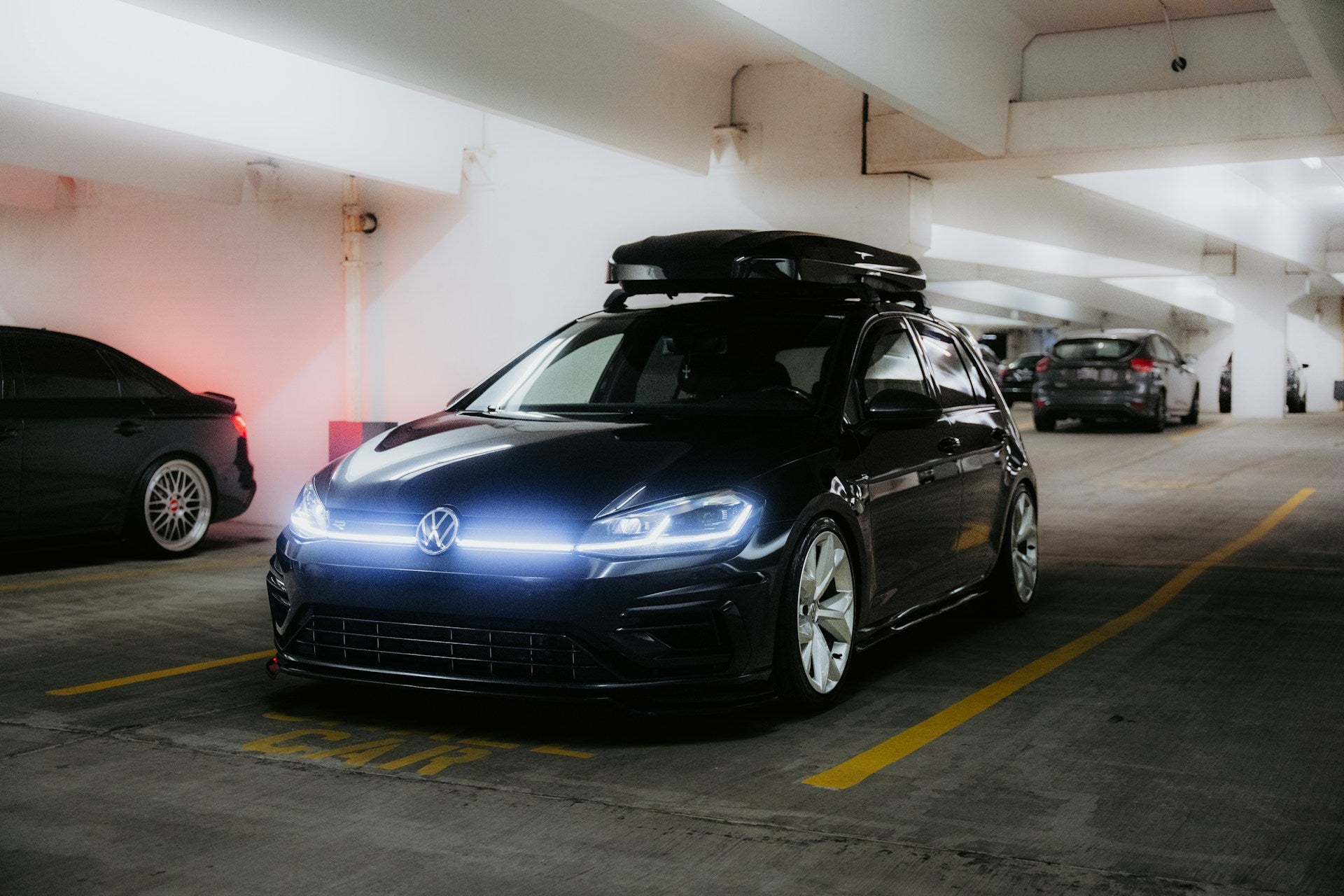
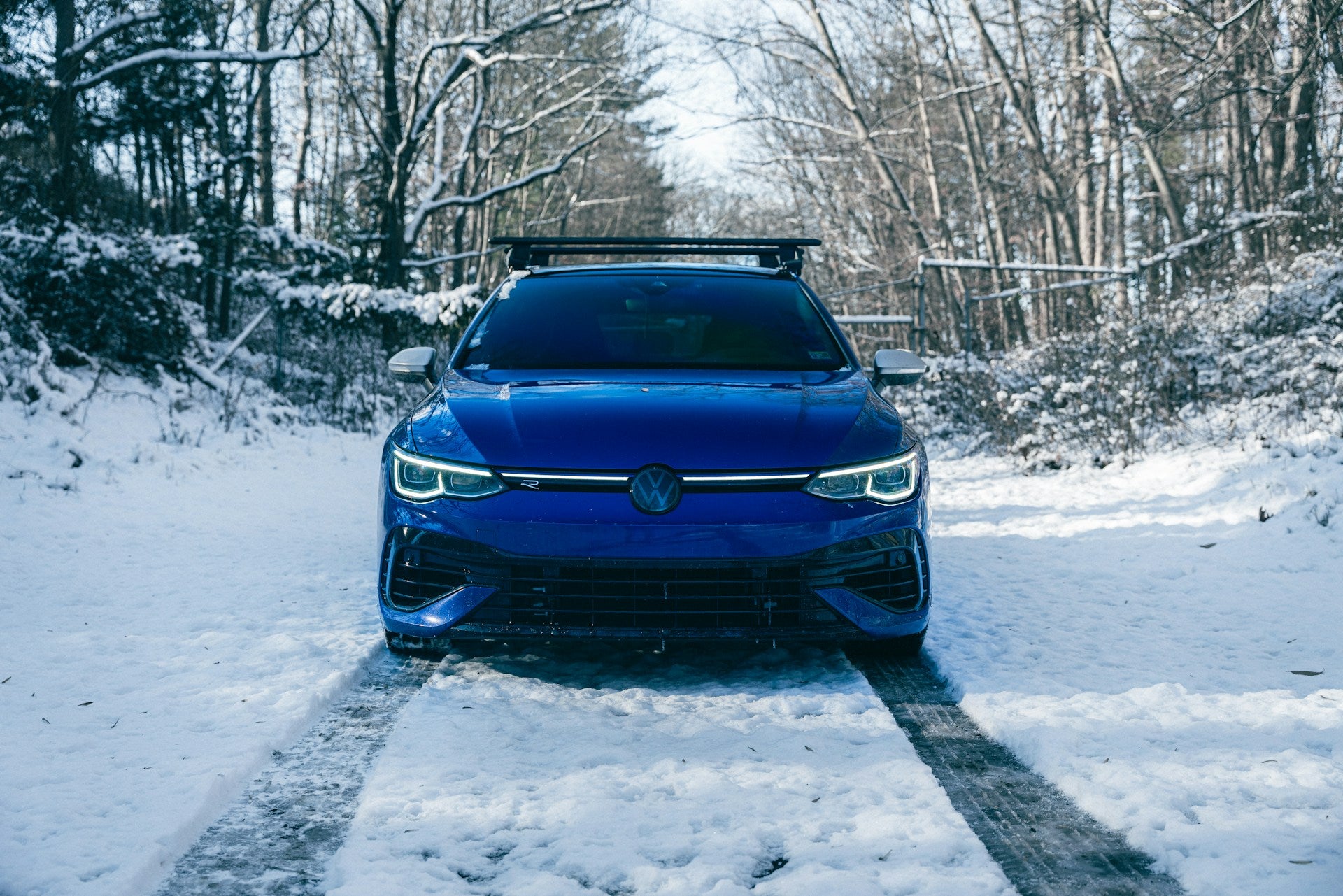
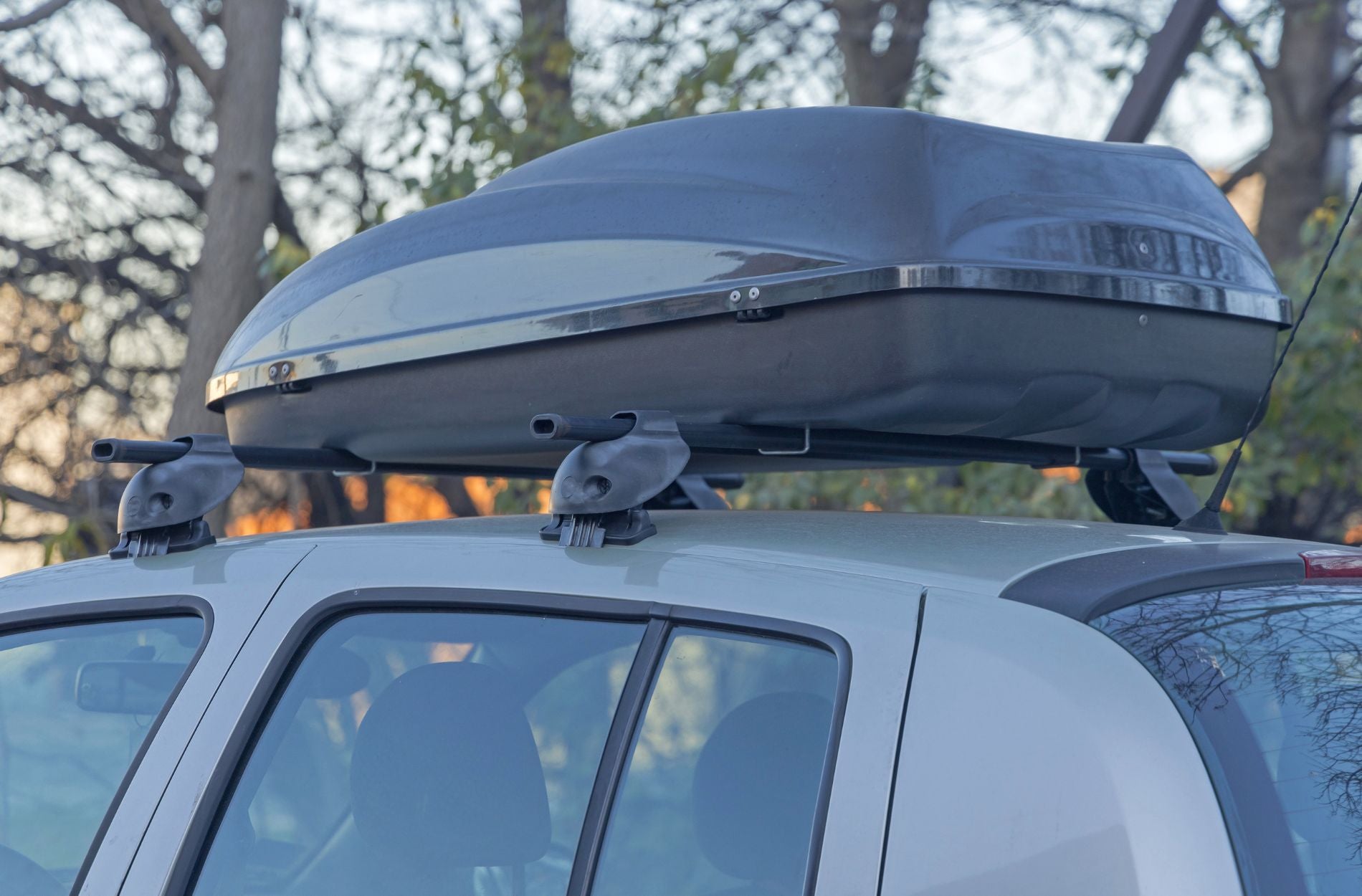
When winter hits Long Island, adventures don’t stop—they just get colder. Whether you’re heading to the mountains for some skiing or taking the kids sledding at Caleb Smith Park, the gear piles up fast. That’s where your Volkswagen roof storage really comes in handy. It gives you the extra room without cluttering your interior or dealing with damp jackets and muddy boots in the backseat. more Roof racks and cargo boxes make it easier to load up snowboards, snowshoes, and other large gear while keeping your cabin clean and organized. Winter brings a specific set of storage needs, and with the right setup, your Volkswagen can handle it all. Before strapping anything up top, make sure everything’s secure so your gear doesn’t turn into a roadside hazard. Preparing Your Roof Racks for Winter Snow, salt, and freezing temperatures can wear down your car, especially equipment like roof racks that are always exposed. Before trusting them to haul your winter must-haves, it’s smart to give everything a check to make sure the setup is safe and ready. Start with a quick inspection: Look for rust, cracks, or bends on the bars and mounts Check all bolts, screws, and fasteners for tightness Gently test the setup for any shifting or loose parts If you use aftermarket racks or removed them during the summer, double-check the setup instructions from the manufacturer to ensure you’re within the weight limits and everything’s mounted correctly. Reinstalling parts in the right order avoids shifting issues later. Also, make sure the area under the mounting points is clean. Leaves, dust, or grit from earlier seasons can get stuck and trap moisture, causing rust to form under the brackets. A quick cleanup helps the mount grip better and protects your roof’s finish. Once everything is in place, get into the habit of checking the integrity of your setup every few weeks, especially after temperature changes or long road trips. Ideal Items to Store on Your Volkswagen Roof Racks in Winter Not every item should ride up top, but certain things are made for roof transport. These are often bulky or messy items that don’t play well with passengers or carpets. Volkswagen roof racks on Long Island help keep those things out of the cabin and in their place. Here are some smart choices for winter roof storage: 1. Skis and Snowboards A roof-mounted ski rack or locking carrier is ideal. Just dry off your gear before strapping it down so you don’t freeze it in place partway through your drive. 2. Sleds and Toboggans They’re fun, but they’re awkward to pack inside a vehicle. Up top, they stay out of the way and any snow doesn’t turn into puddles on your floor mats. Use secure straps or bungee cords to prevent shifting. 3. Roof Boxes These are great for grouped storage. Whether it’s boots, duffel bags, or winter clothes, a waterproof box keeps it all together and dry. It’s ideal for weekend trips or when you’re hauling gear for the whole family. 4. Snowshoes, Poles, and Other Tools Things like trekking poles or ice grips can scratch your trim if stored inside. On the rack, they stay out of the way and your interior stays in better shape. Whatever you’re packing, always use cushioning between items and secure everything with quality straps. Give your mounted gear a firm shake before driving off and invest in waterproof bags or cases. Melting snow can find its way into almost anything, so you want that extra layer of protection to keep clothes and supplies from getting damp. Tips For Safe Driving With Loaded Roof Racks Once your Volkswagen’s roof is loaded, your driving dynamics change a bit. Even small loads impact weight distribution, height, and wind resistance. Winter driving in Long Island is already unpredictable, so a few helpful habits can reduce risks and improve comfort. Keep these driving tips in mind: Begin braking sooner and slow down ahead of turns Take corners carefully to avoid shifts or sway Watch for wind gusts on bridges or highways Recheck your rack and straps after rest stops Before you leave, check the vehicle’s owner manual for roof weight limits. Going over the max weight can stress the roof rack, hurt fuel mileage, or even throw off balance while driving. Packing with the heaviest, compact items in the center and lighter items toward the sides improves handling. Avoid tall or unbalanced setups. The more even and low your load, the less it affects your driving. On local roads or trips out east, where things get twisty or icy, give yourself more time and space. That little extra room could make all the difference when roads get slick. And remember, the longer the trip, the more often you’ll need to double-check things. Temperature changes and potholes can work gear loose over time. A quick buckle and tug check at your next rest stop could stop a sled from flying off down the LIE. Maximizing Space and Convenience Your Volkswagen’s roof space isn’t endless, so packing efficiently matters. If you throw things up there without thinking it through, you’ll waste space, damage gear, or create air drag that slows you down. Try these tips to pack smart: Use a roof box for smaller items to protect them and organize better Place heavier, shorter items in the center for balance Use ratchet straps or locking tie-downs instead of loose bungees Add towels or foam between gear to cut down on rattling Use reflective tape on taller gear to make it visible at night If you’re heading out for a multi-day winter trip, think ahead on gear placement. Put high-use items like snowshoes or sleds where you can reach them fast instead of stuffing them behind everything. Being able to grab something quickly without unloading the rest of the rack makes cold, early mornings go smoother. Also, think about the kind of roof box you use. Some open from the side, which helps if you're parallel parked on a narrow Long Island street or fitting into a cramped driveway. Nets and dividers inside the box can stop gear from sliding around and pushing things off-balance while cornering. Ready Your Volkswagen for Winter Adventures Winter doesn’t wait and neither do last-minute plans. With roof storage on your Volkswagen, heading out for a day in the snow or chasing the next snowstorm to the mountains is as easy as loading up and hitting the road. Volkswagen roof racks on Long Island are a huge help on weekends or school breaks, when every seat is taken and the trunk fills up fast. Save the backseat for people and keep the wet, bulky stuff outside. Whether it’s a sledding day out at Bethpage or a quiet hike at Sunken Meadow, you stay organized and ready for anything without turning your car into a mess. By checking your racks, packing smart, and driving safe, you turn your Volkswagen into a winter-ready hauler. It means more legroom, less stress, and gear that stays dry and secure no matter where you end up. Leave the clutter behind, plan it right, and enjoy the ride without worry. Winter is better when your vehicle’s ready to carry you—and everything you bring with you—through whatever the season throws your way. Experience the convenience of using Volkswagen roof racks on Long Island this winter and make room for every snowy adventure ahead. Whether you're packing up for a weekend on the slopes or hauling gear for a chilly day trip, Smithtown Volkswagen has the service and parts support you need to stay road-ready all season long.

Volkswagen

Best Winter Tires For Your Volkswagen On Long Island Roads

Long Island winters can catch drivers off guard, especially when the roads start to freeze over. Ice, slush, and unexpected snow can make even a short drive a lot more stressful. That’s why having the right winter tires on your Volkswagen matters more than most people realize. Whether you’re commuting daily, making weekend trips, or just running errands around town, good tires give you more control and peace of mind when the weather turns bad. more The right winter tires help your car grip cold pavement better, brake faster on slick roads, and handle corners more smoothly, even when snow is piled up at stop signs. All-season tires just don’t offer the same kind of support once temperatures really drop. Around October, it’s usually a good time to start thinking about a switch if you haven’t already. Let’s go through why winter tires make such a big difference on Long Island and which ones are worth a closer look for your Volkswagen. Why Winter Tires Matter On Long Island Winter in Long Island is a mix of snow, sleet, icy mornings, and wet evenings. These changing conditions can quickly turn a normal street into a patchy mess of black ice and slush. Even if you’re only driving a few miles, things can get tricky without the right setup. Winter tires are built for these exact scenarios. They stay flexible even when it’s cold, which means they hug the road better than summer or all-season tires ever could. Drivers sometimes assume that if their area just gets a few inches of snow now and then, they can skip winter tires. But it’s not just about snowfall. Cold temperatures affect how well tires grip the road, and Long Island consistently dips below freezing during winter months. The rubber in all-season tires stiffens up in the cold, while winter tires stay soft and responsive. That extra grip can help keep you safe in stop-and-go traffic or during sharp turns when the weather gets rough. For example, if your route crosses an open bridge or goes near the water, those spots usually freeze first. Your tires need to be ready for quick changes in surface traction. Whether you're driving a Tiguan, Jetta, or Atlas, swapping to winter tires before the first frost gives you better traction when it matters most. Top Winter Tire Options For Volkswagen Models Not all winter tires are the same, and picking the right one can depend on your driving style, daily route, and what Volkswagen model you drive. Some tires offer quiet, smooth rides while others focus more on snowy hill climbs or slushy corners. Here are some solid options that tend to work well across different types of Volkswagen vehicles: 1. Bridgestone Blizzak WS90 A favorite for winter traction, it handles icy roads with confidence and balances dry road performance too. The tread pattern pushes water and slush out from under the tire quickly, helping reduce the risk of hydroplaning. 2. Michelin X-Ice Snow Built for longer tread life, this one stands out if you're more concerned about highway driving during winter. It’s quiet, smooth, and holds up well through multiple seasons. 3. Continental VikingContact 7 Excellent for mid-size models and sedans, it offers good control during both snow and rain. The tread design bites into snow and doesn't get clogged easily. 4. Nokian Hakkapeliitta R5 This tire is ideal for drivers who live in areas that see more ice than snow. It's known for its strong grip on frozen roads and handles corners better than many rivals. 5. Pirelli Winter Sottozero 3 Ideal for higher-performance Volkswagens like the Golf GTI. It focuses on precision handling in cold temps and light snow without giving up too much dry performance. Each of these tires brings slightly different strengths. Some are better for city driving, others for highway comfort. A good tire shop can walk you through which one fits your specific Volkswagen and how you normally use it during winter on Long Island. Factors To Consider When Choosing Winter Tires Choosing the right winter tires for your Volkswagen isn't just about picking a brand name or grabbing the first one that fits. It takes a little thought into how you drive, where you go, and what your car actually needs during colder months. Certain tires perform better in different kinds of winter conditions, so it helps to know what to look for before you make a move. Start with your Volkswagen model. Compact cars like the Jetta or Golf need different tire widths and handling qualities than an SUV like the Tiguan or Atlas. Double-check the size listed inside your driver-side door or in your owner's manual. Then think about your typical winter driving. If you mostly take surface streets in a residential neighborhood, you might want tires that grip well in stop-and-go traffic. On the other hand, if your commute includes highway stretches or crossing bridges, a tire with strong ice control and good high-speed stability makes a bigger difference. Here are a few key things to check: Rubber compound – Winter tires use a different mix of materials than summer or all-season tires. You want a softer compound that stays flexible in freezing conditions. Tread depth and pattern – Deeper treads clear snow better. Look for directional tread designs that funnel water and slush away to keep firm contact with the road. Noise and ride comfort – Some winter tires can be noisy on dry roads. If you do a lot of highway driving, ask about quieter models that still perform well in the snow. Snowflake symbol – Tires made for serious winter use have a three-peak mountain snowflake symbol on the sidewall. That’s a good baseline for winter performance. Durability over multiple winters – If you're keeping your tires for a few seasons, check for models known for longer wear and resistance to cracking. Trying to save money by stretching your all-seasons through another winter might seem like a shortcut, but it often costs more in the long run if it leads to sliding through a stop sign or needing early replacements. If you’re unsure what fits best for your daily routes across Long Island, talk with someone experienced in winter tire matching. Getting it right can go a long way in keeping you safer during months when the roads throw plenty of surprises. Benefits Of Buying Winter Tires From A Local Long Island Dealer Choosing a local dealership on Long Island for your winter tire needs has a few clear upsides. When you're dealing with unpredictable cold snaps, snowstorms, or icy rain, working with a nearby spot saves you time and gives you direct access to people who know what local roads are like during winter. You’re not left guessing if the tires in stock match your Volkswagen model or perform well on exit ramps that freeze over around Commack or flood near Patchogue. Local dealers usually know which tire options hold up through Long Island’s mix of conditions, those light slush mornings or sudden freezes that hit after sunset. Here’s how a local shop can make a difference: Faster service during tire season – Winter tire appointments fill up fast once the forecast calls for snow. Local shops can often schedule sooner and have the tools on hand to install quickly. Tire storage solutions – Some dealerships offer to store your off-season tires, which clears space in your garage and protects your tires from premature aging. Proper installation and balance – A good shop will make sure your new tires are mounted, balanced, and aligned correctly so you avoid uneven wear. Correct fit by VIN – For Volkswagens especially, getting tires that complement electronics and weight distribution matters. Local technicians can match you up using your exact vehicle records. Post-install checkups – Minor shakes or pull issues might show up once winter sets in. If you bought local, it’s easier to head back in for quick corrections. Going local isn’t just about convenience. It also gives you peace of mind knowing that your setup isn't just thrown together but actually tailored to making winter driving safer on Long Island roads. Get a Head Start Before the First Freeze Hits Before that first cold snap turns your driveway into an ice sheet, give your Volkswagen a once-over. Tires might be the biggest upgrade, but they work best when the rest of your vehicle is ready too. Check your battery health, make sure your heat and defrost are working properly, and don’t forget the windshield wipers. Those small things start to matter once you're trying to see through sleet at night. When it comes to safety during cold weather, switching to winter tires is one of the smarter choices you can make. They don’t just help with traction, they improve braking, turning, and everyday handling when gravel and salt cover the roads. You’ll feel the difference the first time you come to a stop sign with packed snow under your wheels. Think of it as getting your Volkswagen ready for a season rather than just picking out a new part. Long Island’s mix of snow, rain, and freezing air deserves a setup that can handle all of it. Whether you’re commuting on Sunrise Highway, running errands through Smithtown, or heading out to the Hamptons, having the right tires gives you more confidence behind the wheel. Get your Volkswagen ready for Long Island’s unpredictable winter roads with the right set of tires. Smithtown Volkswagen can help you find what suits your driving needs best. Explore our latest offers on Volkswagen tires for sale on Long Island to ensure a safe and smooth drive, no matter what the weather throws your way.

Volkswagen

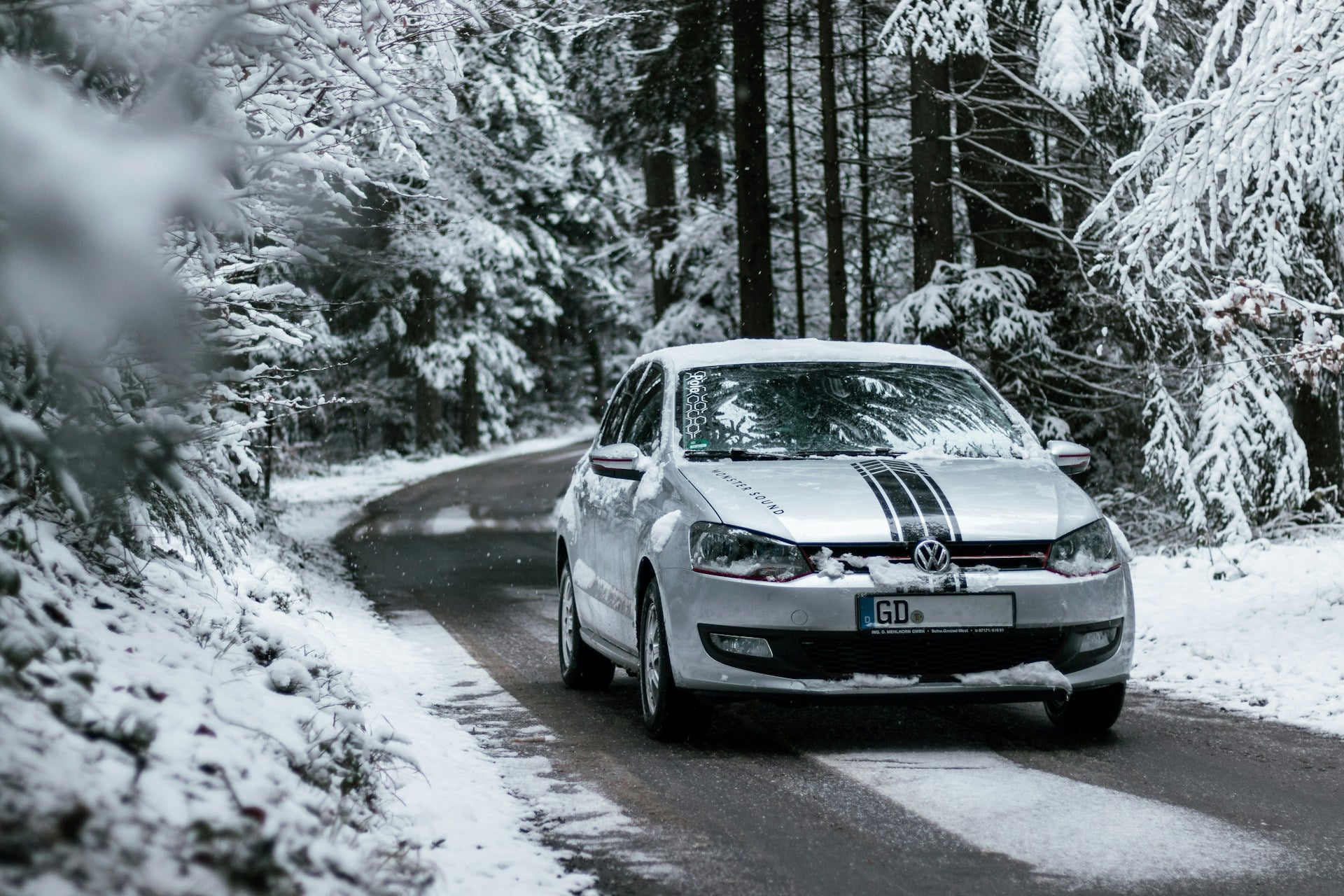
Preparing Your Volkswagen For Suffolk County Winter Driving

Winter driving in Suffolk County isn’t just about wearing a heavier coat. It’s wet roads, early sunsets, and the kind of temperature swings that can turn a clear morning into a slick mess by the evening. Whether you're heading out to work, driving the kids to school, or running errands across Long Island, the season comes with its own set of road challenges. Snow, sleet, and ice aren’t just frustrating—they’re hard on your vehicle and your nerves. more The good news is that with the right preparation, your Volkswagen can handle Suffolk County winters without giving you a headache. From making sure your tires are ready to grip frozen pavement to double-checking your fluids and battery, small checks can make a big difference. Early fall is the perfect time to start this prep, long before that first snow hits. A little prevention now helps avoid breakdowns and keeps those chilly morning drives safer and smoother. Inspect And Maintain Your Volkswagen Prepping for winter starts with your vehicle’s most basic needs. While it may still feel like fall in late October, cold nights can sneak up fast in Suffolk County. That makes regular maintenance checks more important than ever. Start with the things that get the most wear: Tires: If the tread is worn down, braking on icy or wet roads becomes risky. Make sure there's enough depth left, and check for any uneven wear. Brakes: They’ll be your best friend this winter. If there’s any delay in response or a squeaking sound, it’s time to have them looked at. Fluids: Coolant, brake fluid, oil, and windshield washer fluid all need attention. Oil thickens in the cold, coolant helps prevent engine freezing, and visibility matters when slush starts flying. Next, don’t forget your battery. Cold weather puts a strain on it, and older batteries can fail with no warning. If it’s more than a few years old or has been acting up, it’s best to have it tested early. A slow crank sound or dimming interior lights are early signs it could be nearing the end. Lights and wipers are also worth checking. Burnt-out headlamps reduce your visibility just when you need it most, and worn-out wiper blades won’t stand a chance against heavy sleet. A quick check and replacement now can save you a much worse fix later on. Fall is a good time to do all this before the lows dip and frost starts making regular appearances. Even commuting gets harder when your car isn’t ready. Handling it now means fewer surprises on those dark, slippery mornings. Equip Your Volkswagen For Winter Conditions Once those basic systems are in good shape, it’s time to think about the gear your Volkswagen needs for the season. Regular all-season tires can manage in light snow, but they don’t have the same grip or flexibility that winter tires do when the temperatures drop below freezing. Winter tires are designed to stay soft in the cold and handle slush, snow, and ice much better. They’re made for Northeast winters and help with both braking and turning when the roads get slick. If you’re driving more rural routes or rely on your car for daily commuting in winter, they’re often worth the swap. Tire pressure is another thing that drops when the cold moves in. It’s not something you’ll always notice just by looking at the tires, so keep a gauge in the glovebox or make a habit of checking once a week. Low pressure changes how the tires contact the road, which affects handling and safety. Here are a few more things to check or change before late fall: Make the switch to winter-grade windshield washer fluid that won’t freeze up on contact Use an antifreeze mixture that protects your engine from freezing Carry an ice scraper and snow brush for quick morning clearings Even small things like keeping extra windshield washer fluid in the trunk can come in handy. The more you're prepared before the worst weather hits, the less likely you are to end up stuck or struggling in it. Long Island winters don’t always show up on schedule, but when they do, being behind in prep can mean real trouble. Preparing For Emergencies On The Road Winter driving across Suffolk County means anything can happen. One evening you’re gliding down a salted road, and the next morning you're stuck in an icy parking lot. That’s why it helps to think ahead and pack a few things in your Volkswagen that could get you out of an unexpected jam. Emergency prep doesn’t need to be intense. It just needs to be practical. Start by building a small kit to leave in your trunk. It doesn’t have to be fancy. A few well-chosen items can make a cold-weather delay much easier to deal with: Blanket or thermal wrap to stay warm in case of a breakdown Flashlight with extra batteries to help if you’re stuck after dark Jumper cables in case your battery dies Bottled water and non-perishable snacks like granola bars Portable phone charger in case your battery runs low First-aid kit for minor cuts or injuries Small shovel to help dig out if you get snowed in Tire pressure gauge and small air compressor It’s also smart to check the weather before you leave the house. Road conditions in Suffolk County can change quickly, especially during snow squalls or freezing rain. Apps can help you track storms and give you alerts about poor visibility or icy areas. When you’re prepared, you’re less likely to panic if something goes off-script. Getting stuck in a snowbank is stressful, but knowing you’ve got warm clothes, a fully charged phone, and snacks makes it a little easier to smile through the wait. Safe Driving Habits For Icy Conditions No matter how well your Volkswagen is prepared, driver behavior still makes the biggest difference once you're out on the road. Cold weather changes how your vehicle responds, and slipping into your usual habits can lead to trouble. The first thing to focus on is speed. Driving slower gives your tires more time to grip and gives you more time to react. That fast stop you could make on dry pavement might take double the distance on ice. Leave extra space between your car and the one in front of you, especially at intersections where black ice often hides. Watch how you use your brakes too. Slamming the pedal can make your wheels lock up and cause you to lose control. Instead, apply steady pressure when slowing down. If your car starts to slide, take your foot off the brake, steer into the direction of the skid, and avoid jerking the wheel. Visibility becomes a bigger issue in winter, so make sure your windows, mirrors, lights, and rearview camera if you have one are always clean before heading out. Driving around with frosty windshields or snow-covered headlights makes spotting pedestrians and signs harder. Remember that bridges and overpasses usually freeze before regular roads. They look fine until you're on them and by then, it's too late to adjust. Ease your speed and keep both hands on the wheel whenever you cross one. One good example: a Suffolk County commuter who layered up, left extra time, and kept a winter emergency pack in the trunk ended up stuck on the side of Sunrise Highway when a tractor trailer jackknifed and blocked the lanes. They didn’t panic. They had everything they needed to stay warm and safe until help arrived. Get Ready For A Safer Suffolk County Winter Even though winter comes around every year, the hazards can still catch drivers off guard. Roads freeze overnight. Snow piles up fast. Batteries die without warning. Getting your Volkswagen ready for these moments isn't just smart. It’s a way to make sure everyday drives don’t become unpredictable adventures. Spending time now on maintenance and winter prep can save you from bigger problems later. When you’ve got good tires, a strong battery, warm supplies in the trunk, and the confidence to drive through bad weather, you won't worry as much. You'll be ready for whatever Suffolk County decides to throw at you. Keeping your Volkswagen steady through the harshest months doesn’t need to be complicated. Think ahead, take some simple steps, and don’t let the season catch you unprepared. Make sure your Volkswagen is ready to handle everything winter throws your way by booking a seasonal check-up with a trusted Volkswagen dealership in Suffolk County. The team at Smithtown Volkswagen is here to help you stay safe and confident on the road, no matter the weather.

Volkswagen

Signs Your Volkswagen's Power Windows Are About To Fail

Power windows are one of those features many drivers depend on without thinking twice. You click a button, the window glides down, and fresh air comes rushing in. But when that smooth operation starts acting up, it can become more than just a headache. Sticky or unreliable power windows can point to a bigger issue brewing under the surface — one that, if ignored, might leave you stuck with windows that won’t budge in bad weather or when you need fresh air the most. more If you drive one of the Volkswagen new cars for sale on Long Island, staying ahead of potential window failure is a smart move. No one wants to deal with a stuck window during a downpour or when trying to grab a drive-thru order. By paying attention to early signs, you can catch problems before they get worse and avoid surprise repairs down the road. Signs Of Slowing Windows One of the earliest signs your power windows might be in trouble is slower-than-usual movement. If you notice the window crawling instead of gliding smoothly, the system could be straining more than it should. While it might seem minor at first, this slow response usually signals that something inside the mechanism is struggling to keep up. Here’s what might be causing the slowdown: The power window motor is beginning to wear out from frequent use Dirt or debris has built up in the window track, creating friction Electrical connections are starting to weaken or corrode The vehicle’s battery isn’t delivering consistent voltage Start by testing all your windows every so often, especially if you mainly use the driver’s window. If one moves slower than the others, that’s worth noting. Also, pay attention to whether the slowdown is gradual or if the window suddenly starts dragging. A gradual change often points to normal wear, while a sudden shift may signal a bigger issue. Inconsistent Operation Power windows that seem to have a mind of their own are another warning sign. Inconsistent operation can look like windows moving partway and stopping or needing multiple presses to open or close. It might even work smoothly for a week, then fail unexpectedly. There are a few possible issues behind this: A loose connection inside the door panel A faulty or worn-out window switch Damaged or frayed wiring disrupting the signal Troubles in the car’s power distribution system Because these problems can come and go, many drivers shrug them off. But inconsistent performance usually gets worse over time. Try testing all switches for each window, not just the ones on the driver’s side. It’s a good way to narrow down whether it’s the window motor or the switch causing issues. If you’ve ever been in a drive-thru with a window that jams halfway down, you know it’s more than just annoying. Consistent window function isn’t just about convenience. It can affect visibility, comfort, and safety. Luckily, catching these signs early can help you avoid getting stuck with a bigger fix later. Unusual Noises When Operating the Window Strange sounds coming from your power windows often point to trouble that’s more than surface deep. If your windows make grinding, clicking, squealing, or buzzing noises as they move up or down, something inside isn’t working the way it should. Sounds like these usually mean a part is under pressure or starting to go bad. Here’s what different noises may be telling you: A grinding sound could mean worn gears in the motor are slipping A clicking noise might come from broken or loose window regulator components A high-pitched squeal could be glass rubbing against a dry or misaligned track A buzzing noise might mean the motor is running but unable to move the window Don’t ignore these sounds. They often pop up suddenly and gradually get worse. Sometimes dirt or debris in the track causes extra friction. Other times, it’s a dying motor working overtime to function. Even something small, like a misaligned window pane, can put extra strain on the whole system. If you hear one of these sounds, avoid forcing the window open or closed. Forcing it can do more damage and turn a minor issue into something more expensive. Especially during colder fall months on Long Island, when dirt buildup and moisture increase, keeping track of how your windows sound can save you from an inconvenient failure later on. Complete Window Failure When a window stops working altogether, you’re no longer in warning-sign territory — the problem has arrived. Complete failure usually means pressing the switch gets you no movement, no sound, and no response. Sometimes the window freezes halfway, other times it stays stuck completely shut or open. Several things can lead to complete failure: A burnt-out motor that’s no longer responding A broken window regulator keeping the glass from moving Corroded or damaged wiring breaking the electrical connection Failed switches or a blown fuse affecting power flow If just one window doesn’t work, it may be a motor or switch issue tied to that door. If all your windows stop working at once, the issue could be with the master control unit or fuse box. Either way, it’s a good idea to get it looked at before water damage or security risks become a concern. Picture this: you leave the grocery store with bags in hand and it starts raining. You try to roll up the window and nothing happens. It’s stuck, wide open. Now your car’s interior is soaked, and you have to juggle rain, shopping bags, and calling for help. Getting ahead of that kind of hassle makes the difference between a surprise headache and a smooth ride home. Tips To Keep Your Volkswagen’s Power Windows Running Smoothly Catching small issues before they turn into major repairs can save you money and frustration. Whether it’s a strange sound or a slow-moving window, taking action early on makes a big difference. Here are a few tips to help keep your power windows working as they should: Test all your windows once a week, not just the ones you use the most Listen for noises or grinding that starts suddenly or gets louder over time Keep the window tracks clean and free from dirt or leaves, especially during the fall If you notice inconsistent operation, get it checked before the system fails completely Don’t ignore signs like dimming interior lights while using the windows — this may point to electrical strain Routine attention goes a long way. Use changes in weather as a reminder to test things out, especially before colder days set in or after heavy rain. The sooner you spot the signs, the easier and less stressful the fix usually is. Having windows that work properly isn’t just about comfort. It helps keep your drives safe, especially when conditions aren’t ideal. Whether you’re parked under falling leaves or heading down Sunrise Highway, keeping your power windows in shape helps prevent surprises when you least expect them. See something off? Best to act on it. That small click or slowdown today could save you a big repair tomorrow. Keeping your Volkswagen's power windows in check ensures comfort and safety on the road. For those thinking about their next vehicle, explore our selection of Volkswagen new cars for sale on Long Island to experience reliability from the start. Smithtown Volkswagen is here to help you enjoy every drive with confidence and peace of mind.

Volkswagen

Comparing Gas vs Electric Volkswagen Models For Suffolk County

On Long Island, where traffic patterns shift from packed expressways to quiet neighborhood roads, having a vehicle that fits your driving style is important. With gas prices rising and electric charging stations popping up across the region, many drivers are rethinking their next vehicle choice. It's become more common to compare traditional gas-powered models with the newer electric lineups, especially when looking for something that makes sense for Suffolk County living. more Volkswagen offers both types, giving drivers a chance to weigh the benefits of each. Some drivers lean toward sticking with what they know, while others are curious about electric vehicles and what they bring to the table. Whether it's about smoother rides, lower emissions, or long-term savings, more Long Islanders are doing this comparison to decide which way to go. Performance and Driving Experience When it comes to actual driving, the difference between gas and electric Volkswagens is easier to feel than explain on paper. Gas vehicles are familiar. They build speed in a way most drivers expect, and when you press the pedal, there's a slight delay as the engine kicks in. That driving style works fine for routine commutes and weekend errands. It’s what many of us grew up with. Electric Volkswagens, on the other hand, bring instant torque. That means the acceleration is more responsive and snappy. There's no waiting for the engine to climb up the revs. It just goes. If you're merging onto the Long Island Expressway or passing a slow-moving truck on Old Country Road, that instant response can feel like a welcome upgrade. Electric models like the ID.4 also ride differently. They're quieter, with fewer moving parts under the hood. Without an engine humming or shifting gears, the ride feels more like gliding. There's less vibration, and the cabin stays calm, even at higher speeds. This makes daily drives through Suffolk County towns or weekend trips out east a bit more relaxing. Handling can also feel tighter in electric models because of the battery placement, which lowers the center of gravity. That can make it easier to take sharper turns or weave through town traffic confidently. But gas models still hold their own. They're generally lighter, which can make them a bit more maneuverable in narrow residential areas or tight parking spots. Here's a quick breakdown of how they stack up for Long Island driving: Gas vehicles offer longer range per tank, fewer charging concerns, and a traditional driving feel Electric vehicles give you quicker acceleration, smoother rides, and a quieter cabin Both handle well in urban and suburban areas, but electric models tend to feel more stable on winding roads Whether you're sticking close to Smithtown or heading down to the beaches on the South Shore, both gas and electric Volkswagens fit the job. But the experience behind the wheel is definitely worth thinking through, especially if you’re looking for that little bit extra in day-to-day driving. Cost of Ownership Looking at price tags alone, gas models have the early advantage. They often cost less upfront, and with more options available, it’s pretty easy to find a trim level that suits your budget. But over time, electric cars can bring back that money in other ways. There's less routine maintenance since there’s no oil to change, fewer belts and parts to replace, and brake wear tends to slow down thanks to regenerative braking. Then there’s the big one—fuel. Driving electric means no more stops at the gas station, which adds up over the months and years. Charging overnight at home costs much less than filling up with gas, especially if you’re driving every day. However, battery replacements are another thing to think about. While many electric vehicles have long-lasting batteries, eventual replacement down the line can be pricey. That said, the frequency is low, and most new electric Volkswagens come with solid battery warranties just in case. As for staying powered up, Suffolk County has been expanding public charging infrastructure. Between growing networks in town centers, commercial areas, and shopping plazas, finding a charger isn’t as hard as it used to be. Home charging adds extra flexibility. If you have a driveway or garage, installing a charger at home could make the process even easier. When deciding between gas and electric, think about: How many miles you drive each week Whether you have a setup at home for charging How long you plan to keep the car If you're someone who welcomes fewer service appointments, likes the idea of skipping the gas pump, and has a regular driving route, electric may be worth the higher price upfront. But if you're looking for something more affordable to buy now and aren't quite ready to change up your habits, gas might still be your best bet. Environmental Impact One of the main reasons people are giving electric cars a second look is because of their lower environmental impact. Traditional gas-powered Volkswagens burn fuel, which produces exhaust and tailpipe emissions. That includes carbon dioxide and other byproducts that can add to air pollution. While the engines have improved a lot over the years and run cleaner than older models, they still rely on gasoline to keep going. Electric Volkswagens don’t produce tailpipe emissions at all, mostly because there isn’t a tailpipe. That simple fact means there’s no direct output from the vehicle while it’s in use. For Long Island drivers, especially those in communities near parks, beaches, and nature preserves, driving electric helps keep local air quality better. There’s also the impact of power sources to consider. Yes, electricity still has to be created somewhere, but Long Island has made progress on cleaner energy options. Supporting that shift by driving an electric vehicle ties into local environmental goals. It’s a smaller footprint per drive, which can add up when many drivers adopt the same habits. If you’re thinking of going electric, check to see if there are rebates or extra perks. Depending on time and location, these incentives can include tax breaks, possible toll discounts, or access to preferred parking spots at charging stations in some public areas. Charging Versus Fueling Convenience on Long Island Fueling up with gas is easy. Just pull into a station, fill up, and go. Long Island’s gas station coverage makes it convenient for drivers to find a pump, whether in the suburbs of Hauppauge or heading toward the North Fork. But electric vehicle charging is catching up quickly. If you have a place to charge at home, there’s a clear advantage. Plug in the car at night and it’s ready by morning. That’s hard to beat for daily commuters. Most electric Volkswagens can be charged overnight using a Level 2 charger. No more surprise morning fuel stops before work or school runs. Public charging networks across Suffolk County are growing. You’ll now find stations at grocery stores, shopping centers, town lots, and even library parking areas. Fast chargers are also popping up near major highways for a quicker recharge when doing longer trips, like a drive out toward Montauk or a weekend visit upstate. Here’s a quick comparison to help break it down: Gas fueling: Takes just a few minutes Stations are everywhere, even in rural areas Costs depend on fuel prices each week Home electric charging: Charges overnight while parked No need to stop at a station on daily routes Upfront cost for installation, but lower ongoing cost Public electric charging: Growing access in Long Island towns and shopping areas Some chargers are free, others charge by the hour or by kWh Charging time varies based on battery level and charger speed So if your schedule is tight and you’re always on the go, the familiarity of gas stations won’t give you much pause. But those who spend more time locally or have set routines might find that charging, especially at home, fits their lifestyle better than they expected. Which Volkswagen Makes Sense for You? By now you’ve likely got a clearer picture of what each type of vehicle brings to the table. Gas-powered Volkswagens offer familiarity, ease of fueling, and a slightly lower upfront cost. They work well for people who take longer trips, don’t have a place to charge at home, or simply prefer the feel of a traditional engine. Electric Volkswagens are smooth, quiet, and easy on maintenance. They’re also better in terms of emissions and are well suited for local driving here on Long Island. The biggest change comes from charging—how, where, and when it’s done—and that’s something everyone considering electric needs to plan for. Think about your driving habits. Maybe your days are filled with school drop-offs, commutes to the office, and local errands. Or maybe you do longer commutes to Nassau or even into the city. Knowing how often you drive, where you go, and how you like to fuel up will help guide your decision. In the end, it comes down to what works for your life right now. Some drivers stick with gas, others switch to electric, and many are curious enough to test both before deciding. Either way, understanding the trade-offs helps make your choice smarter. That’s especially true when you’re driving across Long Island every day. If exploring the benefits of Volkswagen electric vehicles on Long Island sounds appealing, take a look at the new lineup available at Smithtown Volkswagen. This could be your chance to find the perfect vehicle that fits your lifestyle while supporting a greener future.

Volkswagen

What Makes A Volkswagen Atlas Perfect For Long Island Families

Fall on Long Island means the air starts to cool, weekends are filled with local pumpkin patches, and family outings begin to shift toward cozy drives through scenic routes. With school schedules, soccer practices, and weekend road trips in full swing, having a dependable vehicle that fits the whole family comfortably becomes more important than ever. That’s where the Volkswagen Atlas shines. It blends practicality with thoughtful features that make day-to-day driving feel more manageable and less of a chore. more The Volkswagen Atlas checks off just about every box Long Island families look for in an SUV. It’s spacious, easy to handle, filled with driver-assist features, and built with families in mind. Whether you're headed to a beach on the South Shore or up north to catch the fall colors in Nassau County, the Atlas is ready to tag along and simplify the ride. Spacious Interior And Comfort One of the biggest challenges for families when car shopping is finding enough space for everyone without giving up comfort. The Atlas handles this with ease. Designed with up to seven passengers in mind, it includes roomy three-row seating that makes it ideal for large families or those needing extra space for carpooling. Here’s how the Volkswagen Atlas brings comfort and convenience to daily life: Tri-zone climate control helps everyone stay comfortable, no matter what seat they’re in The third row is easy to access without making it a chore to climb over the second Flat-folding seatbacks let you switch from people-hauling to furniture-hauling in seconds Plenty of legroom and headroom makes even long rides feel relaxed The extra space isn’t limited to passengers. The rear cargo area is generous even with all seats in use. Fold down the third row, and it opens up even more room for groceries, sports gear, or weekend getaways. Comfort goes beyond just space. The seats are generously padded and supportive, which makes all the difference on longer drives down the LIE. Parents with younger kids will also appreciate the wide rear-door openings that make it easier to get car seats in and out without feeling cramped. In short, it’s built to work with your daily routines, not against them. Safety Features For Family Peace Of Mind When you’re carrying your most important passengers, safety features aren’t just nice to have — they matter. The Volkswagen Atlas is packed with modern tools that help you stay alert and focused, especially on highways and in town traffic. A few standout safety highlights include: Adaptive cruise control to help adjust your speed when traffic slows Blind spot monitoring so you can change lanes with more confidence Lane-keeping assist that nudges you back if you start to drift Rear cross-traffic alert, great for backing out of busy parking lots These features work in the background to help you manage distractions and busy roads. For parents who often find themselves juggling conversations in the backseat or managing entertainment systems while driving, these built-in tools add a layer of calm. For a real-world example, picture this: you're leaving a crowded weekend event at Eisenhower Park. You're reversing out of a tight parking spot while other cars move behind you. The rear cross-traffic alert kicks in with a warning and gives you time to stop before there's a problem. It turns what could’ve been a stressful moment into something manageable. The Atlas is built to watch your back when you’re doing all the heavy lifting of getting the family where they need to go. Whether you're new to driving larger SUVs or just want a little extra help on the road, these features make a real difference. Connectivity And Entertainment On The Go It’s hard to keep everyone happy in the car if the tech isn’t easy to use. That’s one thing the Volkswagen Atlas handles well. The front-seat setup works just as smoothly for parents as it does for older kids who want to take control of the playlist. The layout is simple, the touchscreens are responsive, and the whole experience feels thought out for real-life use, not just looks. The digital cockpit and infotainment system keep things clear and uncluttered. You can switch between apps or trip info without hunting through menus. Families who love staying connected will appreciate built-in support for Apple CarPlay and Android Auto, which means messages and maps are only a tap away and streaming music, podcasts, or audiobooks is easy and safe. Backseat passengers aren’t left out either. There are available USB ports in all three rows, so dead devices don’t turn into drama on longer drives. Whether it's watching movies on a tablet or playing games, everything stays charged. Having these features built in makes a quiet, distraction-free ride more likely, especially when you’re taking a scenic drive out to East End or sitting in traffic on Sunrise Highway. It’s also worth mentioning voice control. Drivers can ask for directions or make calls without taking their hands off the wheel. That small detail helps you stay focused during your drive and can be a real win on run-around days filled with pickups and errands. All in all, the tech setup in the Atlas makes a difference. It helps turn a regular ride into one that everyone can enjoy. Adaptable Performance For Long Island Roads Long Island roads aren’t always simple. From potholes in town to wet roads near the coast and the stop-and-go traffic near the parkways, a versatile SUV makes a big difference. The Volkswagen Atlas keeps up with it all. Its engine options have enough power for highway merging and confident passing, even with a car full of passengers. It doesn’t feel sluggish or hard to control, even when fully loaded. The ride is comfortable even when roads aren’t. The suspension absorbs bumps well, which makes a difference when kids are napping in the back. Steering feels tight and responsive, especially for such a large SUV. Tight turns into parking spots or side streets don’t feel like a chore. Here’s how the Atlas stands out when it comes to driving around Long Island: Ground clearance works well for uneven or flooded streets in wetter months All-wheel drive options help with winter traction and sandy locations alike Good acceleration for merging onto the LIE and Northern State Parkway Large windows and mirrors make lane changes smoother and safer Even daily tasks like grocery runs and school drop-offs feel easier when your car doesn't feel like it's fighting you. One example: heading out to Wildwood State Park for a weekend picnic. Narrow roads and shady curves can be tricky, but the Atlas sticks tight and stays composed. The Atlas doesn’t pretend to be something it’s not. It’s not about off-roading or racing. It's built to drive families comfortably across Long Island, no matter what the day looks like. Why A Local Dealership Connection Helps Having a reliable SUV is great. Having a nearby place that knows exactly how to help with it? Even better. A dealership that actually understands what Long Island families need out of their cars can be a real asset. That local connection means quicker service when it’s time for routine maintenance or a surprise repair. You're not traveling out of your way to get answers or waiting on slow parts delivery. Any adjustments can be made fast, whether it's a quick tire rotation or getting help with a feature you’re still learning to use. Another benefit of sticking local is inventory selection that reflects local needs. In areas like Long Island, where weather and road conditions can shift, all-wheel drive versions and cold-weather-ready models are often available more frequently. You can actually see the model you’ll be driving, not just click through pictures online that don’t reflect what’s in stock nearby. Working with a team that drives the same roads, deals with the same weather, and understands the traffic quirks of the area creates a level of trust that’s hard to beat. There's something reassuring about being able to ask, "How does this handle black ice on Nichols Road?" and getting a real answer from experience, not guesswork. Experience the Volkswagen Atlas Today Whether it’s the school year grind or fall weekend road trips to Montauk, Long Island families depend on an SUV that won’t quit under pressure. The Volkswagen Atlas checks that box with seating that makes room for everyone, tech that keeps the peace, and safety features that look out for what matters most. It's made for practical daily use but isn’t limited to just errands. It’s capable enough for Long Island’s different roads and seasons. Even better, it adapts to your lifestyle whether that means hauling sports gear or just hauling the kids to school without hearing complaints about the ride. The Atlas keeps things simple, steady, and family-friendly. Wrap up your family's SUV search by exploring the Volkswagen Atlas for sale at Smithtown Volkswagen. This versatile vehicle offers the comfort, safety, and space your family needs for all your Long Island adventures. Come by and experience the Atlas difference for yourself.

Volkswagen Tiguan

Top Reasons To Consider A Volkswagen Tiguan For City Driving

Driving in a city like Long Island can keep you on your toes. Between tight turns, busy crosswalks, and limited parking, it takes the right kind of vehicle to make it all feel manageable. If you're looking for something that doesn’t feel oversized but still gives you flexibility and comfort, the Volkswagen Tiguan could be a standout option. more Unlike larger SUVs that can feel bulky and hard to handle on narrow streets, the Tiguan blends in well with city life. It’s built for practical drivers who want comfort, tech, and efficiency without sacrificing ease of driving in crowded neighborhoods or packed shopping centers. Whether you're commuting during rush hour or just running weekend errands, the Tiguan is designed with city drivers in mind. Ideal Size For City Navigation One of the biggest challenges of driving in a busy area is dealing with traffic, narrow streets, and that one available parking space that seems just a little too small. That’s where the Tiguan’s size comes in handy. It’s not oversized, but it still gives you enough room for passengers and your gear. You get to sit up high like in a traditional SUV without feeling like you’re squeezing yourself into spots better suited for compacts. Whether you're downtown looking for a place to park or making a quick turn onto a side street, the Tiguan responds smoothly. Its turning radius helps with making sharp turns, and parallel parking feels less stressful, especially when you're trying to fit into a tight space during peak hours. Here's why its city-friendly size stands out: Easier to park in tight residential zones and parking garages Better handling on narrow roads and busy intersections Doesn’t feel oversized in compact city lanes Offers a commanding view of the road with elevated seating Still has enough cargo space for groceries, sports gear, or weekend bags People who live and drive around Long Island probably don’t want a vehicle that constantly feels like it’s too big for the road. The Tiguan strikes that balance—big enough to be practical, small enough to avoid frustration. Fuel Efficiency And Eco-Friendliness City driving often means starting and stopping more than you’d like to. You’re dealing with lights, congestion, and bumper-to-bumper movement during rush hours or school drop-offs. This is where fuel efficiency matters the most. The Tiguan ranks well here, giving drivers a way to save trips to the gas pump without needing to downsize to a small car. With an engine designed to handle stop-and-go traffic without guzzling fuel, the Tiguan offers relief for people looking to balance comfort and mileage. If you're someone who regularly drives locally, the long-term savings and reduced emissions make a big difference. On top of that, the SUV has features that help reduce idle time and boost fuel performance. One example is the automatic start-stop system that shuts off the engine while you're at a red light and restarts when you release the brake. It’s a small thing you might not notice, but it can have a big impact over time, especially in traffic-heavy neighborhoods or at busy intersections. For those trying to make smarter, more conscious choices in how they drive every day, the Tiguan delivers a way to do this without overthinking it. It respects your need for practicality but also makes it easier to do your part without changing how you live. Advanced Safety Features Designed for City Stress City driving comes with more surprise moments—people darting across crosswalks, bikers squeezing between lanes, sudden stops in traffic. The Tiguan steps up with safety features that help cut down on these stress points. You don’t have to worry as much about what’s suddenly coming around the corner or out of your blind spot. Its built-in driver-assist systems are constantly working in the background, adding a layer of awareness when things get unpredictable. Key safety features that make sense for stop-and-go environments and crowded streets include: Front Assist with Automatic Emergency Braking: Helps detect pedestrians and other vehicles and can hit the brakes if you don’t react in time Blind Spot Monitor: Alerts you when there's a vehicle next to you, especially useful on multi-lane roads where visibility is limited Rear Traffic Alert: Watches out for cars while you’re backing out of parking spaces—a big plus in compact city lots Lane Keeping System: Offers gentle steering help to keep you in your lane Parking sensors and rearview camera: Take the guesswork out of squeezing between two cars or lining up with tight curbs These tools can’t see the future, but they’re pretty helpful in spotting what you might miss, even when you're paying close attention. For people who drive in places like Long Island, where city and suburb often meet, features like these create a buffer that gives you more confidence in your daily drive. Tech Features That Make Commuting Easier For drivers who spend time waiting at lights or on long morning routes, a car’s tech setup isn’t just a bonus—it changes how you experience that time. The Tiguan’s interior isn’t overloaded with flashy buttons or confusing menus. It’s set up so you can plug in, turn up the music, follow your route, and check traffic without searching through screens. The touchscreen display is easy to use, and the system connects with most phones through Apple CarPlay and Android Auto. That means you can access your go-to apps, send quick messages, or get directions without picking up your phone. The navigation setup comes in handy when you’re Waze-weary and just want something simple but clear. Need to take a work call while stuck on Nichols Road? The hands-free system makes that possible without fumbling. You also get USB ports and available wireless charging, which helps if you're the type to always forget your cable back at home. The comfort tech makes a difference, too—like dual-zone climate control so you and your passenger aren’t fighting over the dial. And for colder Long Island mornings, available heated front seats and remote start give you a warm welcome before you even step in. Why The Tiguan Fits Right Into City Life The Volkswagen Tiguan brings together all the pieces that make everyday driving easier for Long Island residents. It has a manageable size that suits neighborhood corners and tight lots while still feeling spacious inside. It sips fuel where bigger SUVs might be thirstier. Its safety systems are the extra set of eyes you didn’t know you needed, especially in crowded crosswalks or sudden lane merges. Comfort and tech round it all out. You get an interior that makes your commute smoother, whether you’re just headed to the grocery store or sitting through a line of red lights. If city driving sometimes feels more like a chore than freedom, the Tiguan might just shift that balance in a good way. Whether you’re driving downtown or coasting across Long Island’s quieter streets, this SUV makes daily driving feel less like a grind and more like a ride you can actually enjoy. Ready to take your city driving to the next level? Discover the comfort and convenience of the Volkswagen Tiguan for sale at Smithtown Volkswagen. Whether you're navigating tight streets or just looking for a smoother ride across Long Island, this SUV brings the versatility and features to match your everyday needs.

Volkswagen ID.4

Top Questions About The Volkswagen ID.4's Range In Cold Weather

Electric vehicles have a lot going for them, especially when it comes to daily driving around Long Island. The Volkswagen ID.4 has become a popular choice here because of its quiet ride, roomy cabin, and clean energy benefits. Like any EV, though, its performance can shift a bit when temperatures drop. That leaves many drivers wondering what cold weather really means for their battery range. more If you’ve noticed you're charging your ID.4 more often during chilly mornings or if you’re new to electric cars and want to be prepared before winter hits, you're not alone. The colder season brings a few extra considerations that gas-powered car owners never think about. But once you understand how cold affects your battery and what you can do about it, winter driving can feel a lot more relaxed. How Cold Weather Affects Electric Vehicle Range When temperatures fall, so does battery efficiency. This isn't really a surprise for Long Island drivers who’ve experienced slower phone charging in the cold or early-morning cranks from older gas-powered cars. With EVs, the change in range is more noticeable since everything from the heater to the lights is drawing power from the same battery. Cold weather can slow down the chemical reactions happening inside your vehicle’s battery. This means the car has to work harder to deliver the same performance. On top of that, your heater pulls from the battery to warm the cabin, and if you’ve got your defrosters, heated mirrors, and windshield wipers all going, those extra features add up. For ID.4 drivers on Long Island, winter range concerns can show up during short trips. With stop-and-go traffic, extra weight from snow or slush, and limited heat already affecting efficiency, your typical daily routine may drain more battery than normal. It’s something worth planning around, especially if you rely on your EV for commuting or errands in colder months. Tips To Maximize Your Volkswagen ID.4’s Range In Winter There are a few specific habits you can follow to squeeze more distance out of each charge during colder months. These tips are simple, and you don’t need any special tools to get started. Here are some ways to make the most of your range this winter: Preheat your ID.4 while it’s still plugged in. This warms up the cabin without draining battery power from your drive. Rely on the heated seats and steering wheel instead of blasting the cabin heat. They use less energy and warm you up faster. Keep tires properly inflated. Cold air lowers pressure, which can affect both efficiency and traction. Try to park indoors or at least in a spot that’s shielded from wind. A warmer battery performs better. Use scheduled charging and departure times if your ID.4 settings allow it. That way, the car is warm and fully charged right before you head out. Plan ahead for charging stops. Learn where public chargers are on Long Island so you’re not guessing during your route. These changes might seem small, but they can make a real difference when it comes to cold weather driving. Even adjusting just one or two of your habits can help stretch your range a bit further between charges. Frequently Asked Questions About Volkswagen ID.4's Cold Weather Performance When winter rolls in, it’s common for EV owners to have new questions pop up, especially about what’s safe or recommended. If you drive a Volkswagen ID.4 on Long Island, you’ve likely wondered whether some of your habits need adjusting when the temperature drops. Here are quick answers to common cold weather questions: 1. Can I leave my ID.4 plugged in overnight? Yes. In fact, doing so can help the battery stay warm and ready. Many EVs use a bit of energy from the charger to maintain battery temperature if the car is plugged in. That can help protect range and reduce warm-up time. 2. How often should I expect to charge in the winter? It depends on how far you drive and how cold it gets, but you might notice having to charge more frequently due to battery drain from heating and reduced efficiency. Short commutes and errands can require more juice during colder weeks compared to the same routine in fall or spring. 3. Are there accessories that can help improve performance during the winter? Yes. Consider a quality car blanket for the interior, weather-rated floor mats to cut down on cabin moisture, and windscreen protectors to reduce defrosting demands in the morning. But more directly, managing your cabin heat settings and pre-heating while plugged in will have the biggest effect on range. Knowing the answers to these kinds of everyday questions can take some of the sting out of winter driving. The more familiar you get with how cold changes battery behavior, the easier it is to build routines that keep your car running smoothly. Knowing the answers to these kinds of everyday questions can take some of the sting out of winter driving. The more familiar you get with how cold changes battery behavior, the easier it is to build routines that keep your car running smoothly. Long Island-Specific EV Charging And Driving Tips Long Island winters are different from deeper snow areas upstate. Here, it's all about cold snaps that follow wet weather, tight side streets, and stretches of salted highway that can be tough on traction. That makes a few things more important if you're depending on an ID.4 around Suffolk or Nassau County. First off, if you're charging at home, try to install the outlet in a sheltered space if possible. Parking in a garage or a covered spot gives your battery a break from the wind and lets it retain warmth more easily. Plus, outdoor chargers work slower in extreme cold. Many areas around Long Island now offer public charging stations, but not all are in ideal spots for quick winter access. If you run errands in spots like Huntington Village or Port Jefferson, check ahead for reliable charger availability using your preferred app. You want to avoid pulling into a parking lot with a dead station and a low battery. A few other things to keep in mind: Be patient with regenerative braking. Cold temps can limit it sometimes until the battery warms up. Keep a snow brush and charger cable glove handy in your trunk. Get familiar with snow-treated roads. On wet slushy days, your range can shift depending on how much rolling resistance you’re dealing with. Winter on Long Island usually leans more on icy mornings than deep snow. That means a little daily planning can go a long way in managing your battery and keeping your commute worry-free. Get Your ID.4 Winter-Ready With Professional Help Battery care and range take center stage when winter sets in, but there's more to keeping your ID.4 in good shape. A trip to a certified technician that works regularly on EVs makes sure no small problems get worse with cold weather. Things like tire alignment, HVAC calibration, and brake health can all affect how your vehicle handles frosty conditions. Even though your ID.4 doesn’t need oil changes like a traditional car, a winter tune-up is still smart. You want to be sure your cabin filters are clean, your heater is running efficiently, and any software updates are current. Cold weather often reveals stuff that didn’t show up when it was warmer, like drafty window seals or underperforming sensors. Keeping up with inspections can also help catch issues with the charging system or high-voltage components before they turn into unexpected winter trouble. Whether you're planning daily commutes or weekend drives out east, you're better off knowing your ID.4 is in solid condition before the cold really kicks in. Keep Your Volkswagen ID.4 Going Strong This Winter Driving a Volkswagen ID.4 through the winter on Long Island takes a little extra planning, but it doesn't have to be complicated. When you’ve learned how the cold affects battery chemistry and how to warm things up before every trip, you gain more control over your range and peace of mind. Being proactive matters. By adjusting a few habits, asking the right questions, and leaning on service experts during the colder months, you can help your ID.4 stay dependable through winter’s ups and downs. It's all about knowing your car and staying ahead of the weather instead of reacting to it. Keep your Volkswagen ID.4 ready for anything this winter. Schedule a check-up or service to handle any cold weather surprises and keep your EV in top condition. Explore how Smithtown Volkswagen can ensure your vehicle's performance remains rock solid, no matter the temperature. For help with charging or maintenance specific to your Volkswagen ID.4 on Long Island, connect with our experienced team today.

Volkswagen

What To Do When Your Volkswagen Door Locks Start Acting Up

Your Volkswagen’s door locks should work without much thought. You press the remote or turn the key, and the doors lock or unlock like clockwork. But what happens when that simple function starts going haywire? It's that annoying moment when your car beeps, but nothing unlocks. Or maybe one door works, but the others stay locked. These small glitches can throw off your whole day, especially when you're rushing around Long Island. more Door lock issues aren’t just frustrating. They can leave your car vulnerable or even keep you from getting inside or out when it matters most. This kind of problem doesn’t usually fix itself either. Knowing the signs and acting early can save you from bigger headaches down the road. Here's what to look for when your Volkswagen's door locks start acting up and what steps you should take next. Common Symptoms Of Faulty Volkswagen Door Locks When something goes wrong with your door locks, it usually doesn't take long to notice. But figuring out what’s actually causing the issue can be more frustrating. Sometimes it's a minor glitch, and other times it's your car’s way of warning you about something more serious. Here are some signs you might spot first: The door doesn’t respond to either the key fob or the interior buttons You hear the mechanism trying to work but the lock doesn’t move Only one or two doors will lock while the others refuse to budge The lock clicks or makes a strange noise without engaging Doors lock and unlock randomly, even without pressing the button All these symptoms can point to different causes. Weak key fob batteries, broken actuators, or issues with wiring are some of the more common culprits seen in vehicles on Long Island. Cold weather can also affect locks, but if the issue sticks around once things warm up, it’s likely not weather-related. Fixing a stubborn door lock isn’t just about comfort—it’s about safety, too. If you find yourself struggling to access your car regularly, it’s time to take action before things get worse. Quick Troubleshooting Tips Some door lock issues are tied to the basics, and when that’s the case, a few quick checks can help rule out simple problems. While most deeper mechanical or electrical issues should always be left to a technician, reviewing the items below can help clear up minor concerns or at least narrow down what’s going wrong. Take a look at the following: Check the key fob battery – If none of the doors respond, this might be the issue. A weak or dead battery in the fob could stop the signal before it reaches your car. Swapping in a fresh battery is an easy first step. Test all door locks separately – Try each door individually. If only one isn't working, that gives you a better clue as to where the problem is coming from. Listen for odd noises – When pressing the lock button, listen closely. A humming or clicking noise might mean the motor is struggling but not fully engaging. Manually lock and unlock each door – While not a permanent fix, doing this can help free up small internal jams, especially if the lock hasn’t been used manually in a while. Look at the central locking system – If more than one door isn’t working and the key fob battery is fine, the problem may be deeper in the system that controls all the locks. That’s usually a sign it’s time to bring in a technician. These steps won’t restore a failing part, but they can rule out surface-level issues. If any of these checks point to something more involved—like wiring trouble or broken actuators—getting professional help sooner rather than later will save you time and keep your car secure. When to Seek Professional Help If you’ve gone through the basic checks and you're still facing door lock issues, it’s probably not something you’ll be able to fix yourself. Once internal components like actuators, electronic modules, or interior wiring are involved, it’s best to bring in a technician. Trying to dig into those parts without the right tools or knowledge can cause damage and make the problem worse or even compromise your vehicle’s safety systems tied to the locks. Some signs that it’s time to bring in help include: The lock sounds like it's working, but nothing moves Several doors won’t respond at the same time Weather hasn't changed, but the locks suddenly stop responding Electrical components inside the door are triggering warning lights on the dash Your key fob is working fine, but there’s still no lock response Locks that stop working out of the blue could be dealing with deeper electrical issues, a control module failure, or corrosion in the wiring harness. This is especially common in damp seasons. Fall on Long Island can bring enough moisture to sneak into places you don't want it, like the inside of doors. Cold weather is right around the corner, and getting ahead of these problems now can help avoid frozen locks or broken actuators later. Having a technician pinpoint the exact cause helps eliminate trial-and-error repairs. It also keeps the rest of the vehicle’s systems running smoothly, since many newer Volkswagens have lock modules tied into the overall onboard computer. The right fix saves time and stops small issues from turning into long-term problems. Preventive Measures to Avoid Future Door Lock Problems Door locks may seem like a small part of your car, but if they’re not working right, they can cause larger problems down the road. The good news is there are several ways to reduce the chances of this happening again: Don’t slam doors shut. Repeated slamming jars the lock mechanism and can cause internal parts to wear out faster. Keep key fobs dry and clean. Dirt or moisture buildup in the remote can affect signal strength and function. Replace fob batteries once a year to keep the signal strong. Avoid forcing a door lock if it’s sticky or slow. Applying too much pressure can break already fragile components. In fall months, clean off door frames and lock areas regularly with a dry cloth to prevent moisture and debris from settling in. Schedule seasonal checkups with a technician. It’s an easy way to catch early signs of wear and tear, especially after any electrical concerns. Long Island's weather can shift fast, especially in the fall. Wind, rain, and sharp temperature drops can add stress to exterior components. Staying ahead of that wear and tear helps ensure your locks are ready when winter hits. Keeping Your Volkswagen Safe and Secure Sticking keys, strange clicking sounds, or doors that don’t lock when they should—these are all signs your Volkswagen needs a closer look. Ignoring them might seem tempting, especially if they come and go, but that can lead to bigger problems later. Whether it's a battery, an actuator, or something tied into your car’s electrical system, identifying it early makes repairs faster and smoother. Getting ahead of door lock problems doesn't just make your daily drive easier. It adds peace of mind by keeping your vehicle's systems secure and functioning. It also prevents sudden surprises when the weather changes, which is common on Long Island during fall. Staying on top of Volkswagen maintenance on Long Island gives your car the attention it needs, right when it matters most. Keep your Volkswagen in top condition through seasonal changes by scheduling routine maintenance. If your vehicle starts showing signs of wear or cold-weather performance issues, it's best to have it checked sooner rather than later. Book an appointment for Volkswagen maintenance on Long Island with Smithtown Volkswagen and head into winter with confidence.

Volkswagen SUV

Safety Features In Modern Volkswagen SUVs For Long Island Roads

Driving on Long Island means facing a mix of heavy traffic, suburban streets, and winding parkways. Whether you're commuting to work, running errands, or taking a weekend trip to the beach, your SUV's safety features can make a big difference. Modern Volkswagen SUVs are designed with features that not only protect you but also actively help avoid accidents. From the expressway to the backroads, these systems are built to keep drivers one step ahead of trouble. more Long Island roads require more than just good brakes and seatbelts. Sharp turns, poorly marked lanes, crowded intersections, and unpredictable weather all add to the challenge of staying safe. The good news is, Volkswagen has pushed forward with tech that works together with the driver, not against them. Let’s take a closer look at how these modern safety tools can help you feel more in control behind the wheel. Advanced Driver-Assistance Systems (ADAS) Driving can be stressful, especially when it feels like everyone’s in a hurry. That's where advanced driver-assistance systems come in handy. These tools, often called ADAS for short, are designed to spot hazards, warn the driver, and sometimes act on their own when needed. Here are a few ADAS features commonly found in newer Volkswagen SUVs: Adaptive Cruise Control: This keeps a set distance between you and the car ahead without you having to constantly adjust your speed. Lane-Keeping Assist: Helps steer the vehicle back into your lane if it senses you're drifting without using a blinker. Blind-Spot Monitoring: Lets you know when a vehicle is driving in your blind spot, so you don’t make a move you’ll regret later. These tools don’t take over the driving. They just give you an extra set of eyes and a helping hand when your mind might be one step behind. This is especially useful out on Long Island, where traffic often goes from smooth to bumper-to-bumper in minutes. Whether you're easing through the Long Island Expressway during rush hour or taking a scenic drive along the North Shore, these features help reduce daily driver stress. For example, adaptive cruise control in a Volkswagen Tiguan can ease the pressure of long drives. You set your speed, and the system adjusts up or down depending on traffic. That keeps your focus sharp without adding to the fatigue of the road. Collision Prevention Features Even the safest drivers can't control what others do. That’s why it helps to have backup systems in your SUV that act fast when seconds count. Collision prevention features in Volkswagen SUVs help react to danger before it becomes disaster. Some useful features include: Automatic Emergency Braking: Uses cameras and sensors to sense a likely crash and applies the brakes if you don't act quickly enough. Pedestrian Detection: Scans for people in your path, creating extra time to stop or slow down safely. Rear Cross-Traffic Alert: Alerts you if a car is approaching while you're backing out of a spot or driveway. These systems come in handy in busy parts of Long Island, where foot traffic and tight driving conditions go hand in hand. Think about parking lots in Huntington or side streets in Patchogue during weekend rushes. As you're backing out, a fast-moving car or pedestrian can appear out of nowhere. Your Volkswagen SUV’s alert gives you the heads-up, helping you avoid an accident with quick action. These are the kinds of moments that don’t make the headlines but make all the difference in everyday life. Having that safety net means fewer close calls, especially when the unexpected happens. Enhanced Visibility Technologies Once the sun sets or fog rolls in, being able to see clearly becomes a top priority. Weather on Long Island can change fast, from thick rain to chilly fog in fall and winter months. That's why Volkswagen vehicles have specialized visibility tools to help when nature limits your view. Key visibility features include: LED Headlights: Brighter and longer-lasting than standard bulbs, they improve night driving visibility. Automatic High Beams: These adjust based on traffic to give more light when it’s needed most without blinding others. Rearview Camera Systems: Show sharp images behind your vehicle, letting you back up with greater awareness. On early mornings near the South Shore or dark evening drives in the East End, visibility tools become something you can count on. Picture driving through the narrower roads of Sag Harbor or Port Jefferson at night. Some streets don’t have strong overhead lighting, and there may be people or animals crossing at random spots. These technologies help you stay alert and let you respond calmly. The difference comes down to confidence. These features give you a clearer view of your surroundings so you’re not straining your eyes or second-guessing every move. Child And Passenger Safety Innovations Keeping kids and passengers safe makes a big difference, especially in areas around Nassau and Suffolk County where family driving is part of daily life. Volkswagen SUVs have several thoughtful features that help keep everyone safer, whether you're dropping kids off or heading out for a weekend trip. Helpful features include: LATCH System: Makes it easier to install child safety seats securely. Rear Seat Reminder: Lets you know to check the backseat before leaving the vehicle. Advanced Airbags: These adjust based on the passenger’s size and position for better protection. Passenger Monitoring Tech: Alerts the driver when someone is seated but not buckled in. These tools are built for everyday errands just as much as long trips. Whether you’re driving from a soccer practice in Bay Shore or heading out to a family gathering in Commack, reminders and alerts help make sure nobody gets overlooked. It’s one less thing to worry about with everything else on your mind during a busy day. When it comes to traveling with loved ones, these features are more than conveniences. They are extra hands helping you stay on top of things that matter most. Staying Safe With Connectivity Features Sometimes the help you need isn’t in the cabin but in reach through your SUV’s connected systems. Volkswagen gives drivers backup through smart tech that keeps you plugged in, even when things go off track. Here’s how these technologies help: Emergency Assist: Detects when the driver stops responding and can slow or stop the vehicle while calling for help. Roadside Assistance: Lets you quickly seek help from inside the vehicle if you have a flat tire, warning light, or other issue. Location Sharing Tools: Help loved ones know your whereabouts, creating peace of mind during longer drives or emergencies. Say you’re heading to the North Fork and the vehicle shows a warning just east of Riverhead. With in-vehicle assistance tools, you're not stuck trying to figure things out on your own. You’ll be able to request help and get support quickly, which saves time and stress. These tools take the guesswork out of small trouble spots on the road. They also give family members back home some reassurance while you’re out there handling life’s surprises. Building Confidence for Every Drive on Long Island Volkswagen SUVs bring more to the table than just a strong build and stylish design. They’re filled with features that look out for you on the road in real time. From systems that gently help steer, brake, or alert you to danger, to smart lighting and child safeguards, these are not bells and whistles. They’re important tools that support safe, smart driving. Every trip on Long Island is different. You might be headed west on the Expressway for work or making turns through the neighborhoods near Sayville. Each road presents its own challenge. But when your SUV is equipped with the right features from the start, the daily drive feels more manageable. Safety isn't about doing more. It’s about making your SUV work smarter for everything Long Island roads can throw your way. Whether you’re looking to upgrade or buy your next vehicle, paying attention to the right safety tools can help turn a good car into a great one. To explore the benefits of these impressive safety features, consider browsing our selection of affordable Volkswagen SUVs on Long Island. Discover how Smithtown Volkswagen can help you find the perfect vehicle to match your lifestyle and ensure a secure journey, no matter where the road may lead.

Volkswagen

Long Island Winter Weather And Your Volkswagen's Performance

Winter weather on Long Island usually brings more than just snow-covered roads and chilly days. It can put real stress on your vehicle too. Cold temperatures, icy streets, and the constant need for heat inside the cabin all play a part in how your Volkswagen performs. If you’ve ever walked out to your car on a freezing morning and struggled to get it started, you’ve already seen how winter can affect your vehicle's systems. more That’s why early October is the right time to start thinking about how prepared your car is for the colder months ahead. Long Island winters can hit fast, and once that first frost shows up, simple problems can turn into much bigger ones. Staying ahead with seasonal care helps make sure your Volkswagen is reliable and safe when things get slippery and cold. How Cold Weather Affects Your Volkswagen When temperatures drop, your car feels it just like you do. Every system has to work harder, especially if it hasn’t been tuned up recently. Your battery, tires, and even your car fluids can react poorly to colder weather, which can lead to poor performance or unexpected breakdowns. Here’s a breakdown of what cold weather usually impacts first: Battery life drops in lower temperatures. The cold slows down chemical reactions inside the battery, and you may notice dimmer lights or sluggish starts. Tire pressure goes down when the air gets cold. Driving with underinflated tires reduces traction and wears them out quicker. On slick roads, grip is even more important. Fluids get thicker in cold weather. Oil, transmission fluid, and antifreeze might not flow the way they should, which slows engine parts and affects your heating system. These issues may not seem urgent on a mild day, but once the roads are icy and the wind chill bites, you’ll want every part working its best. Last winter, one customer came in after weeks of seeing their tire pressure light every morning. A quick refill and recalibration helped them avoid bigger problems in stormy conditions. Pre-Winter Maintenance Tips To stay ahead of winter problems, there are a few simple checks that can go a long way. Think of October as the tune-up month before the deep cold sets in. Here’s what to prioritize: 1. Fluid Checks Make sure your oil, brake fluid, transmission fluid, power steering fluid, and especially antifreeze are not only topped off but in good condition. Old or low fluids won’t protect your Volkswagen from temperature extremes the way fresh ones will. 2. Tire Inspection Look at your tire tread depth and rubber condition. If they’re worn thin, consider switching to all-season or winter tires. Winter tires are made for colder weather and offer better grip on snow and slush. 3. Battery Test A quick voltage check can let you know if your current battery still has enough life to make it through winter. If it's old or borderline, replacing it now can save you from needing a jumpstart—or worse—when the weather gets rough. 4. Heating System Check A properly working heater doesn’t just keep you warm. It helps with defrosting your windshield and keeping windows clear. Have your HVAC system inspected to make sure everything works as it should, especially now when cabin heat becomes a necessity. These checks don’t take long, but they make a big difference once the frost, snow, and ice become daily issues. A technician can spot things you might miss and help prevent problems before they start. Driving Tips For Winter Conditions On Long Island Even a winter-ready car can only do so much if the driver isn’t taking the right precautions. Long Island roads can go from dry to slick fast, so driving habits matter just as much as mechanical prep. Here are some tips to help steer clear of trouble: Slow down, no matter what your car can handle. Even all-wheel drive vehicles can have trouble on ice. Leave more room between your car and the one in front of you. Braking takes longer when roads are wet or icy. Fully clear snow from your car, including the roof and hood, to avoid visibility issues for yourself and others. Turn your headlights on during snow or heavy cloud cover. It helps others see you clearly. Skip cruise control on slippery roads. You don’t want your car accelerating without your input. Keep your fuel tank at least half full. It can help if you're delayed or stuck and need the heat running. Pack a simple emergency kit. Stash a blanket, flashlight, gloves, ice scraper, jumper cables, and tire traction aids like kitty litter or sand. Remote starters also come in handy in the winter. They let you warm the engine and cabin before you drive, getting your heat going and helping fluids circulate. It’s a small convenience that can make icy mornings a bit more bearable. How Smithtown Volkswagen Can Help Our team at Smithtown Volkswagen is ready to help you take care of your car before winter causes trouble. While some seasonal fixes are simple, others need a full inspection or specific tools to get right. That’s where bringing your vehicle in can save you stress. Our trained technicians know Volkswagens inside and out. A professional winter service appointment includes a detailed multi-point inspection where we look at components like: Brake wear and rotor condition Battery strength and how the charging system is working HVAC system performance, including airflow and heat output Tire wear and alignment Fluid levels and testing for leaks or contamination These checks not only keep your vehicle healthy but also give you peace of mind that your car will be ready whenever winter hits full force. We’ve seen it all, from heating issues that pop up on the first freezing day to battery failures during snowstorms. The little things we spot today can head off big problems tomorrow. Why Getting Ahead of Winter Makes a Difference Winter rarely announces its arrival on Long Island. One day it’s just chilly and by the next week you're scraping ice off your windshield before work. That’s why timing matters. Having your car ready ahead of the season avoids last-minute repairs and keeps you safer on the road. Winter driving involves quick changes in road conditions, lower visibility, and greater demands on your car's systems—none of which wait until you’re ready. Take a few extra steps now, like swapping out bald tires, getting your fluids in shape, and scheduling an expert check-up. These quick tasks could save you from getting stuck out on a snowy road or ending up with costly repairs later on when shops get backed up. The truth is, getting your Volkswagen ready for cold weather doesn’t take much, and with the help of Smithtown Volkswagen, the process is as straightforward as it gets. From preventive maintenance to last-minute upgrades, we’re here to keep you driving safe and smooth through every icy morning and snowy afternoon. For peace of mind this winter, make sure your Volkswagen is ready to take on the colder months. Smithtown Volkswagen provides expert seasonal service to help you stay safe on the road. For expert care that keeps your vehicle performing its best, schedule your next appointment with our Volkswagen dealership in Suffolk County and drive confidently all season long.

Contact Us

Fill out this form below and we'll contact you shortly
*Required Fields