Blog / St James Volkswagen Dealer

Blog

All St James Volkswagen Dealer Volkswagen Smithtown Volkswagen Service St James Used Cars St James Volkswagen Service
Volkswagen Passat

When Your Volkswagen Passat Starts Burning Oil: Causes and Solutions

Dealing with a car that unexpectedly starts burning oil can be a headache for any driver, especially when driving a reliable model like the Volkswagen Passat. This issue is inconvenient and can lead to more serious engine problems if left unchecked. It's essential to understand the causes of oil burning and address them promptly to keep your vehicle in top shape. When a Passat burns oil, it may signal a few underlying problems. From worn-out engine components to simple maintenance issues, identifying these factors early can prevent costly repairs down the road. You'll learn about the common triggers for oil burning in a Volkswagen Passat and how to diagnose them effectively. Common Causes of Oil Burning in Volkswagen Passat Understanding why your Volkswagen Passat might start burning oil is important for finding the right fix. Several components can contribute to this issue. Here's a look at some of the usual suspects: Worn Piston Rings: These rings keep the engine oil from entering the combustion chamber. If they wear out, oil can leak and burn, reducing engine performance. Valve Seals: They work alongside piston rings to prevent oil from getting into areas where it shouldn't be. If valve seals wear down, oil seepage can occur, leading to burning. PCV Valve Problems: The positive crankcase ventilation (PCV) system helps manage engine pressure. A faulty PCV valve can cause excess oil to burn as it's not efficiently redirected back into the engine. Each of these issues might seem minor at first, but neglecting them can lead to significant engine troubles. Keeping an eye on these components will help in maintaining your Passat's performance and longevity. Diagnosing the Problem Identifying whether your Volkswagen Passat is burning oil can be a straightforward process if you know what to look for. Here are the steps you can follow to diagnose the problem: Check for Blue Smoke: If you notice blue smoke coming from the exhaust, this is a clear sign of oil burning. Monitor Oil Levels: Regularly checking your oil dipstick can show if your car is consuming oil faster than usual. Engine Performance Concerns: Reduced engine power or unusual noises could indicate internal issues related to oil burning. Visual Inspection: Look for oil leaks around the valve covers or under the car, as leaks can lead to burning if oil comes in contact with hot engine parts. Addressing these signs early can save you time and money on future repairs. It's wise to seek out a professional mechanic if you encounter any of these symptoms, ensuring your Passat remains in excellent condition. Practical Solutions to Fix Oil Burning Issues Addressing the problem of oil burning in your Volkswagen Passat involves both immediate repairs and preventive measures. Taking action can keep your engine running smoothly and help you avoid costly breakdowns. Here’s how you can tackle each cause effectively. Replace Worn Piston Rings and Valve Seals: Consult a professional mechanic to inspect and replace these components if necessary. These parts are crucial for containing the oil within its designated sections, and replacing faulty ones will prevent further issues. Fix PCV Valve Problems: The PCV valve is instrumental in controlling engine pressure. If it's not working correctly, a simple replacement can often resolve the problem. Ensure you have a qualified technician conduct this task for optimal results. Engine Oil Additives: Some additives can help seal minor leaks temporarily. While these aren't long-term solutions, they might help manage symptoms until a more permanent repair is feasible. Always consult with a professional to determine the best options for your vehicle. Regular Maintenance Checks: Routine checks and servicing can nip potential problems in the bud. Regular oil changes and inspections by a trusted mechanic help keep the vehicle in prime condition. This not only addresses current issues but also prevents future ones. By tackling these issues promptly, you maintain your Passat’s reliability and performance. A reputable service center should always be your first stop for vehicle concerns to ensure accurate diagnostics and quality repairs. Long-Term Maintenance Tips Preventive care plays a vital role in maintaining the health of your Volkswagen Passat. Consistent attention ensures that oil burning doesn't become a recurring issue. Here are some tips to keep your car running at its best: Routine Oil Changes: Stick to a regular oil change schedule as recommended by your vehicle’s manufacturer. Using high-quality engine oil helps lubricate parts efficiently and reduces the risk of wear. Quality Oil Filter Installation: Always opt for a high-quality oil filter during changes. A superior filter captures contaminants, keeping your oil cleaner and your engine healthier. Regular Engine Inspections: Make it a habit to schedule regular inspections. This helps catch wear and tear or minor leaks that could lead to oil burning if ignored. Monitoring Oil Levels: Keep track of your oil levels consistently. If you notice a dip, get it investigated promptly, as this could be a sign of underlying issues. Drive Smoothly: Aggressive driving can cause your engine to work harder, potentially exacerbating oil consumption. Gentle acceleration and deceleration can significantly extend engine life. Staying proactive with these tips ensures your vehicle stays in top shape, minimizing the chances of oil issues arising. It also enhances the overall lifespan and performance of your Passat. Keep Your Volkswagen Passat in Top Condition A Volkswagen Passat is a reliable companion, but like any vehicle, it requires attention and care to stay that way. Recognizing and addressing oil burning promptly is not just about short-term fixes. It's a part of good maintenance practices that extend your car's life and safeguard your investment. Keeping an eye on common causes, maintaining regular checks, and consulting professionals when needed go a long way in preventing oil burning. It's all about keeping your eye on the details and making informed decisions for your car. Ultimately, maintaining your Volkswagen Passat isn’t just about avoiding issues—it's about preserving the joy of driving a dependable vehicle. By following these steps and staying vigilant, you nurture a smoother and more economical driving experience, with fewer surprises along the way. Having a trusted vehicle makes all the difference on the road, offering peace of mind wherever your journey may take you. If you are considering upgrading your vehicle, take a look at a Volkswagen Passat for sale at Smithtown Volkswagen. It is a great way to enjoy a dependable ride while avoiding future oil-burning issues. With regular maintenance and smart choices, a new Passat can help you enjoy smooth, worry-free drives around Long Island.

Volkswagen

How to Troubleshoot Volkswagen Tiguan Sunroof Leaks Before Rainy Season

Getting your car ready for the rainy season is all about preparation and foresight. For Volkswagen Tiguan owners, ensuring that the sunroof is leak-free is an important step. A leaky sunroof not only disrupts your driving experience but can also lead to water damage inside your car. As Long Island heads into the wet months, taking the time to check and address any potential sunroof issues can save you a lot of hassle and keep your car in top shape. Sunroof leaks can catch any driver by surprise, so it's wise to know what to look for and how to tackle these issues head-on. Addressing a leak early can help prevent expensive repairs down the line. With a few checks and some basic know-how, you'll be able to enjoy the rain from the comfort of your dry, leak-free Tiguan. Identifying Sunroof Leaks Spotting a sunroof leak early can save you from more serious problems later. Here are some common signs that your sunroof might be letting in more than just sunlight: Water stains on the headliner. A damp or wet interior after a rain. Unusual mildew or musty smells. Visible dripping or water trails during a wash or rainy weather. Performing regular checks can help you catch these indicators before they develop into bigger issues. Here’s how: Visual Inspection: Look for any visible signs of water or staining around the edges of the sunroof. Listen Carefully: During the next rain, listen for the sound of water seeping in or dripping. Feel for Dampness: Run your hand along the headliner and upholstery near the sunroof to check for moisture. Detecting a leak early is not just about keeping the rain out; it's about protecting the interior from water damage and ensuring that your Tiguan remains a safe and comfortable vehicle to drive. Early action can make all the difference in maintaining your car's interior in tip-top shape. Common Causes of Sunroof Leaks Several issues could lead to sunroof leaks in your Volkswagen Tiguan. Understanding these potential problems can help you nip them in the bud. One of the most frequent causes is blocked drainage tubes. These tubes are designed to channel water away from the sunroof area and prevent it from seeping into your car's interior. When these tubes become clogged with debris or dirt, they can't do their job, leading to leaks. To check the drainage tubes, take a look at the outlets usually located in the corners of the sunroof. If you spot any blockages, it's time to clear them out to keep water flowing correctly. Another common reason for a leaky sunroof is damaged seals. The seals create a barrier that keeps water out. Over time, they can crack or deteriorate due to wear and tear, extreme temperatures, or old age. To check the condition of these seals, look for any visible cracks or gaps along the sunroof edges. If they seem worn out, replacing them can help stop leaks. A less obvious cause of sunroof leaks is misalignment. If the sunroof mechanism becomes misaligned, it won’t close properly, allowing water to slip through. Misalignment might occur if the sunroof has been forced or not correctly closed. If you notice that the sunroof isn't sitting flush with the car's roof, this might be the issue. Steps to Troubleshoot and Fix Sunroof Leaks Addressing sunroof leaks isn’t always as intimidating as it might seem. Here's a straightforward approach to tackling the most common leak sources: Clearing Drainage Tubes: To clear the drainage tubes, you’ll need to gently work a small piece of wire or a pipe cleaner through the outlets to dislodge any obstructions. It’s a good idea to do this regularly to prevent build-up. Inspecting and Replacing Seals: If you notice the seals are damaged, carefully remove the old ones and look for replacement seals that match. Installing a new seal involves cleaning the surface, applying adhesive, and pressing the new seal into place. Realigning the Sunroof: If realignment seems necessary, consult your vehicle's manual for guidance. Sometimes, gently moving the mechanism while it’s open and then closing it correctly can help re-align it. But if the problem persists, it's better to contact a professional for proper adjustment. When to Seek Professional Help Sometimes, DIY efforts may not completely solve the issue, or you may not feel comfortable making these adjustments yourself. Here are signs that it's a good idea to seek professional assistance: Persistent leaks despite your efforts. Difficulty in clearing blockages or replacing seals effectively. Concerns about damaging the sunroof mechanism while trying to adjust alignment. Regular professional check-ups are invaluable, not just for sunroof maintenance but for the vehicle's overall care. This way, any underlying or complex issues can be identified and addressed by seasoned professionals, ensuring your vehicle remains in fine condition. Keeping Your Volkswagen Tiguan Ready for Any Weather It’s always sensible to be a step ahead with vehicle maintenance, especially when it comes to keeping dry and comfy during the rainy months. Addressing sunroof leaks is just one part of the bigger picture of car maintenance. Keeping up with such maintenance not only prevents unexpected problems but also enhances your car’s longevity and resale potential. Finally, as the downpours set in on Long Island, having your Tiguan well-prepared ensures you can enjoy the ride without any worries. Plus, if you're thinking about an upgrade or addition to your vehicle lineup, it’s a great time to explore what's available and see if anything catches your eye. If you're considering upgrading your ride to a new model that handles the Long Island weather with ease, explore our Volkswagen Tiguan for sale. Check out the current selection at Smithtown Volkswagen and find the perfect match for your driving needs.

Volkswagen

Solving Heating System Problems Before Winter in Your New Volkswagen

As the chill of winter approaches, preparing your Volkswagen’s heating system becomes a priority. Long Island winters can be harsh, and there’s nothing worse than getting caught off guard with a heating system that doesn't quite do its job. For Volkswagen owners, especially those with new cars, understanding and addressing potential heating issues before winter ensures a comfortable and safe driving experience. Paying attention to your car's heating system keeps you warm and prevents bigger problems from cropping up when you least expect them. Your vehicle's heating system is crucial for defrosting windows, providing comfort, and even aiding in engine warmth on colder days. By tackling these issues early, you can enjoy the beautiful Long Island scenery without the worry of unexpected breakdowns. Why Heating System Maintenance is Important Keeping your heating system in good shape before winter offers several benefits, making it a smart choice for every Volkswagen owner. Here’s why: Avoiding Surprises: Regular checks can help spot problems before they become major headaches, saving you from unexpected breakdowns on chilly days. Ensuring Driving Comfort: A functional heating system doesn't just keep you warm; it defrosts your windows, improving visibility and safety during those frosty mornings. Prolonging System Life: Like any other part of your car, the heating system benefits from regular attention. Regular maintenance can extend its life, saving you money on replacements over time. Picture this: you're driving along a scenic Long Island road, enjoying the brisk autumn air, knowing your heating system is ready for any weather. That peace of mind comes from knowing all parts are working as they should. Proper maintenance means handling the little things before they become big problems. By staying attentive, you ensure a smooth transition into winter and prolong the life of your car's heating system. It's a small effort now to prevent big issues later. Common Heating System Problems in Volkswagens Volkswagens are known for their reliability, but like any vehicle, they can experience their own set of heating issues. Here are a few common problems to watch for: Heater Core Issues: If the air blowing into the cabin isn't warm, the heater core might be involved. Over time, the heater core can get clogged with deposits, preventing it from working well. Thermostat Troubles: A thermostat stuck open or closed can affect the warming process. If the engine takes too long to warm up or overheats quickly, it might be time to check the thermostat. Blower Motor Problems: If no air or limited air is coming through the vents, the blower motor may be the culprit. Without a functional blower, even a perfect heating system can't circulate warm air inside. Coolant Issues: A clogged or leaking coolant system can lead to inadequate heating. Coolant is crucial in transferring the engine's heat; without it, warmth in the cabin drops. Regular checks for these problems can prevent a small issue from becoming a major repair. Spotting signs early makes it easier to remedy any deficiencies in your heating system. Steps to Diagnose Heating Problems Diagnosing heating issues in your Volkswagen isn't as difficult as it may seem. Begin by keeping an ear out for strange noises when you turn up the heat or a decrease in airflow. Here are some steps you can take for a more thorough diagnosis: Visually Check the Coolant Levels: A low coolant level often indicates a leak, which can impact your heating system's efficiency. Inspect for Unusual Smells: An odd sweet smell or any musty odors could signal a leaking heater core or clogged cabin filter. Test the Thermostat: Ensure the engine warms up to the right temperature. If not, the thermostat might be faulty. Listen to the Blower Motor: If it sounds noisy or sluggish, the motor might need inspection or replacement. While these basic checks help identify potential problems, consulting a professional adds an expert touch to ensure nothing gets overlooked. Professional Maintenance Tips Taking preventive steps with professional help makes a big difference in maintaining your car’s heating system. Here are some tips to keep things running smoothly: Regular Check-Ups: Schedule seasonal inspections to catch issues early. This proactive step helps avoid more costly repairs down the line. Use Genuine Parts: Opt for authentic Volkswagen parts for any replacements to make sure your car performs at its best. Tailored Services: Look for services specializing in Volkswagen maintenance, ensuring technicians are familiar with your vehicle's specific needs. Maintaining your Volkswagen's heating system before winter not only adds layers of comfort, but also helps the entire car run more efficiently. By addressing these needs now, winter driving will be another enjoyable part of the season instead of a challenge. Prepare your Volkswagen for winter and ensure optimal performance with a comprehensive maintenance checklist. This proactive approach offers peace of mind by preventing potential issues in advance. Early preparation is key. As winter approaches, ensuring your Volkswagen is ready for the cold is more important than ever. Make the most of this season by guaranteeing that your heating system and overall vehicle are in peak condition. If you are considering an upgrade, explore Volkswagen new cars for sale at Smithtown Volkswagen to find a vehicle equipped to handle Long Island winters.

Volkswagen

Fall Weather Issues That Affect Your Volkswagen's Performance

As autumn approaches on Long Island, it's essential to prepare your Volkswagen for the changing weather. Fall brings unique challenges that can affect your car's performance, and understanding these can help ensure a smooth ride through the season. Whether you're dealing with dropping temperatures or increased moisture, taking preventative measures can help you keep your Volkswagen in top shape. During the fall, several weather-related issues can impact your vehicle. Cooler temperatures, for instance, can affect various components of your car and may lead to performance changes if not addressed. Understanding these potential problems is key to keeping your car running efficiently. Increased rainfall can create challenges, especially with your braking system and windshield visibility. Let's explore how you can handle these issues effectively. The Impact of Falling Temperatures When temperatures start to dip, your car's battery can struggle to maintain its usual output. Cold weather can make it harder for the battery to produce enough power to start the engine, leading to those annoying "will this start?" moments. It's critical to check your battery's health as autumn approaches. Ensuring the battery is in good condition can prevent unexpected stalls when you're ready to head out. Another issue that arises with cooler weather is tire pressure. Lower temperatures often cause tire pressure to drop, affecting fuel efficiency and handling. It's important to regularly check your tire pressure throughout the fall and adjust as needed to maintain optimal performance. Consider keeping an eye on your tire tread as well, as wet autumn roads can be tricky to navigate with worn tires. Paying attention to these details can help ensure your Volkswagen runs smoothly as the season changes. By keeping on top of these maintenance tasks, you can enjoy the scenic fall drives around Long Island without any hiccups. Dealing With Increased Moisture Autumn on Long Island often brings more rain and humidity than other seasons. This change in weather can impact your Volkswagen's braking system, since moisture can accumulate and lead to corrosion or decreased brake efficiency. It's essential to periodically check your brake pads and rotors, ensuring they are in good condition to perform reliably on slippery roads. Another area to pay attention to is your windshield wipers. With more frequent rain showers, keeping your windshield clear becomes more crucial. Check to see if your wipers are leaving streaks or missing spots, as these are signs they might need replacing. Additionally, maintain proper levels of windshield washer fluid, as it helps remove dirt and debris that can obstruct your view during autumn downpours. Here are a few actions to consider: Inspect brake pads and rotors for any signs of wear or corrosion. Check windshield wiper performance and replace if necessary. Refill windshield washer fluid regularly for clear visibility. Taking these steps can enhance safety and performance as you navigate through fall's wet weather conditions. Preparing for Potential Weather Extremes Fall weather can be unpredictable, and sudden temperature swings are not uncommon. Preparing for these potential extremes includes making sure your heating system is ready to go. A properly functioning heater not only keeps you warm but also aids in defrosting windows, enhancing visibility on chilly mornings. Don't overlook the defrost system when performing your fall checkups. It's vital for clear windows, especially when frost forms unexpectedly. Testing your heating and defrost systems early in the season ensures they'll be reliable when you need them most. It might sound simple, but clearing frost effectively could be the difference between a safe journey and a frustrating start to your day. Here are some tips: Test your heating system to ensure it warms up efficiently. Verify that your defrost system clears windows quickly and effectively. Book a professional inspection if you notice anything seems off. These preparations can make a significant difference when faced with sudden cold snaps or frosty mornings. Preventative Maintenance Tips For Fall As the leaves change, it's a good time to think about a few routine checks that can keep your Volkswagen running smoothly. Regular maintenance extends the life of your vehicle and prevents small issues from becoming bigger problems down the road. Start by scheduling an oil change to ensure the engine runs smoothly with fresh, clean oil. Additionally, inspect your lights, including headlights, taillights, and indicators, so you'll be seen during foggy or low-light conditions. Your Volkswagen's performance can greatly benefit from these small, ongoing tasks. Consider a professional maintenance service to cover all these bases, especially as the seasons shift. To wrap up your fall checklist: Schedule an oil change to keep your engine in optimal condition. Ensure all lights are functioning correctly for increased visibility. Have a professional conduct a comprehensive maintenance check. Staying proactive with your fall maintenance can make all the difference, providing peace of mind as you enjoy everything the season offers. By keeping your vehicle in top condition, you'll be ready for any adventure that comes your way. As you're getting ready for all that fall has to offer, it’s smart to think about getting Volkswagen maintenance on Long Island to make sure you can handle any driving challenges smoothly. From adjusting tire pressures to checking your heating systems and clearing up those foggy headlights, staying ahead of seasonal changes keeps your ride in top shape. Schedule your service with Smithtown Volkswagen and make sure every mile counts.

Volkswagen

Understanding Lease Mileage Penalties on Your Volkswagen Contract

If you're thinking about leasing a Volkswagen, it's important to understand the concept of lease mileage penalties. This particular aspect of a leasing contract can catch drivers unaware and lead to unexpected costs by the end of the lease term. Essentially, leasing a car comes with a predetermined mileage limit, and going over this limit can result in additional charges. These penalties impose a fee per mile that exceeds the agreed-upon terms in your contract and could potentially leave you paying more than anticipated when returning the car. Understanding lease mileage penalties is crucial for anyone considering Volkswagen lease deals. It helps in making informed decisions that suit your driving habits, especially if you're someone who enjoys regular road trips or has a lengthy daily commute. Knowing how these penalties work can save you from unexpected expenses and allows you to negotiate terms more effectively at the outset. What Are Lease Mileage Penalties? Lease mileage penalties are fees charged when you exceed the mileage specified in your lease agreement. When you sign a lease, you agree to a maximum number of miles that you're allowed to drive during the term of the lease, which is typically two to three years. These limits help maintain the car's residual value by minimizing wear and tear associated with high mileage. Calculating these penalties is relatively straightforward. They're usually based on a per-mile fee that is predetermined in your lease agreement. For example, if your lease agreement has a mileage cap of 12,000 miles per year and you exceed it by 1,000 miles, you might be charged a fee for every additional mile. These fees can add up quickly, turning what seemed like a good deal into a costly one if not closely monitored. Lease mileage penalties are applied at the end of your lease term. This is when the vehicle is inspected, and the dealership checks for any excessive wear and tear, along with mileage overages. It's essential to be aware of where you stand with your mileage as you approach the end of your lease so you can plan accordingly and avoid unnecessary charges. How to Determine Your Mileage Limit Knowing your mileage limit helps you avoid unexpected penalties. Here's how to find this information and factor it into your driving routine: Check Your Lease Agreement: Your lease contract will clearly state the annual mileage limit. This is often one of the key terms discussed before finalizing the lease. Estimate Your Driving Needs: Before you sign the lease, estimate how you typically drive. Consider your daily commute, occasional trips, and potential road trips. It's beneficial to overestimate rather than underestimate to avoid penalties. Monitor Your Mileage Regularly: Keep track of your vehicle's mileage periodically. This awareness will help you adjust your driving patterns if needed to stay within limits. Negotiate a Higher Limit: If you anticipate driving more than the standard mileage allowed, discuss this with the dealer initially. Sometimes a higher mileage package can be negotiated for a bit more per month, which could be more affordable than paying penalties later. By taking these steps, you will be better positioned to keep your lease within the set boundaries and maintain the cost-effectiveness of your agreement. Consequences of Exceeding Mileage Limits Exceeding your leased mileage limit can lead to some hefty financial consequences. The amount you'll pay per extra mile can seem small at first, but it adds up quickly. For example, imagine you're over by 3,000 miles at the end of your lease. Even if the penalty is just a small amount per mile, those additional miles could strike a big blow to your budget. Going over the limit also reduces the car's resale value because higher mileage increases wear and tear, ultimately making it harder for the leasing company to resell the vehicle at a good price. This economic impact is often passed down to the lessee through penalties. That's why keeping an eye on your mileage can prevent these surprise costs and ensure you return the vehicle in good standing. Strategies to Avoid Lease Mileage Penalties Avoiding extra charges for exceeding mileage limits doesn't have to be an uphill battle. Here's how you can make sure you stay within your limits: Plan Your Trips: Being mindful of your travel plans is key. Consider alternatives such as carpooling or using public transit for shorter journeys. Track Your Mileage: Regularly check your odometer against the allowed miles. Some cars have digital tools or apps that can help track this for you. Negotiate Initially: When starting your lease, choose a package with a mileage limit that suits your needs. Paying a bit more monthly can be more cost-effective than paying penalties later. Adjust Driving Habits: Small changes in how often and why you drive can conserve miles. An example could be combining errands into one trip instead of making multiple outings. Making use of these strategies can help you better manage your lease and avoid unnecessary expenses. Why Understanding Mileage Penalties Is Important for Long Island Drivers For drivers in Long Island, knowing how mileage penalties work is especially important. The area is known for its mix of long commutes and beautiful places to explore, tempting residents to drive more than the average limit allows. Understanding these penalties means you can match your lease to your lifestyle without feeling like you're constantly reining yourself in. Long Island drivers often have particular commuting patterns and travel routines that can lead to higher mileage. For those who frequently travel between work and home or enjoy weekends exploring the North Shore's scenic routes, picking a lease plan with a larger mileage allowance right from the start makes a lot of sense. It's about finding the right balance based on your personal driving habits, so you won't get caught off guard when it's time to return your vehicle. Keeping Your Lease Costs Manageable Staying on top of your mileage is a practical step toward keeping lease costs predictable. By taking the time to understand and manage these aspects of your lease, you keep things under control and stay within your budget. It's always good to look closely at the terms of your agreement so you're prepared for anything that comes up down the road. By reviewing your driving patterns and current mileage regularly, you'd be better prepared to renegotiate terms at the end of your lease. Understanding these parts of your contract isn’t just about avoiding surprises at the end; it's about having peace of mind while enjoying your leased vehicle. Discover the Best Volkswagen Lease Deals Staying informed about mileage penalties not only saves you money but also makes leasing a Volkswagen more enjoyable. Leasing should feel like gaining a new experience, not a financial burden. For many, knowing they can explore their surroundings without stress unlocks the real benefit of a lease. Whether it's about finding a better deal or choosing the right mileage package, you're setting yourself up for a smooth and worry-free driving experience. Navigating the ins and outs of Volkswagen leasing can feel like a puzzle, but knowing all about lease mileage penalties helps you enjoy the ride without surprises. If you're ready to discover the perfect Volkswagen for your adventures, explore Volkswagen lease deals today. Trust Smithtown Volkswagen to guide you in finding the right plan that fits your driving lifestyle.

Volkswagen

Avoiding Predatory Volkswagen Financing Practices on Long Island

Navigating the world of financing can sometimes feel like a maze, especially when it involves something as big as purchasing a car. Unfortunately, lurking within these financial pathways are predatory financing practices that can trap unsuspecting consumers in unfavorable terms. When it comes to Volkswagen financing on Long Island, knowing what to look out for can save you from potential headaches and ensure that you make informed decisions. Understanding how predatory financing works is the first step in safeguarding your financial health. The good news is that with a bit of knowledge and caution, you can avoid these traps and enjoy a smooth car financing experience on Long Island. Let’s explore what predatory financing entails and why it's crucial to steer clear of it. Understanding Predatory Financing Practices Predatory financing refers to lending practices that impose unfair or abusive loan terms on borrowers. These practices can take many forms, but they generally involve charging excessive fees, applying high-interest rates, and using aggressive sales tactics. The goal of predatory lenders is typically to maximize their profits at the expense of the borrower’s financial well-being. Here are some common tactics used by predatory lenders: High Fees: These may not be obvious at first but can significantly increase the overall cost of the loan. Deceptive Terms: Lenders might hide important details in the fine print or use confusing language to mislead borrowers. Pressure Tactics: Some lenders might rush you into signing agreements before you fully understand the terms. Identifying these signs can be your first defense against falling into a predatory lending trap. When exploring Volkswagen financing options, always be vigilant. Read the terms thoroughly, and look for transparency and fairness in the agreement. If you ever feel pressured or unsure, it's wise to take a step back and reassess. Ensuring you have a solid grasp of what predatory financing looks like empowers you to make smart choices. By combining this knowledge with safe financing practices, you can pave the way for a smooth car-buying experience. The Importance of Safe Financing Practices Choosing a reputable financing option is like picking a steady boat in a sea of choices. It can mean the difference between smooth sailing and encountering unnecessary risks. Safe financing practices help protect your wallet and peace of mind. When you opt for transparent and fair terms, you avoid hidden fees and unexpected charges, making your financial journey much simpler. One of the significant benefits of secure financing is the confidence that comes with understanding your agreement. With clear and honest communication from your lender, you’re better equipped to handle your monthly payments, fostering a sense of control over your finances. Being fully informed about your financial commitments allows you to plan effectively and avoid any surprises down the line. Transparency plays a key role in forming a solid financial foundation. With straightforward terms expressed in everyday language, borrowers can easily grasp what they’re agreeing to. This clarity not only builds trust but also promotes a healthier financial relationship between the lender and borrower. Tips to Avoid Predatory Financing on Long Island Securing a trustworthy financing plan means doing a bit of homework upfront. By taking specific steps, you can steer clear of schemes that might put you in a tough spot. Here’s how you can actively protect yourself: Research and Compare Options: Look into various lenders and the terms they offer. This will help you identify fair deals and spot those that seem too good to be true. Read the Fine Print: Pay close attention to every detail in your financing agreement. Ensure there are no hidden fees or ambiguous conditions. Seek Professional Guidance: Talk to financial advisers or consult online resources for a better understanding of what’s standard and what’s suspicious. When it comes to making big financial decisions, an informed choice is your best defense. Taking these precautions helps ensure you’re partnered with a lender who has your best interests at heart. Finding Reliable Volkswagen Financing on Long Island Embarking on the journey to secure financing for a Volkswagen doesn’t have to be overwhelming. When you focus on a few key steps, you can make the process manageable and straightforward. Understanding what to expect is the first move toward finding a deal that works for you. When searching for reliable financing on Long Island, start with a list of questions tailored to uncover the terms that matter most to you. Consider asking potential lenders about interest rates, any extra fees, and the flexibility of the payment plan. This approach can give you a clearer picture of what each lender offers. If you’re determined to make sure your experience is smooth, focus on clarity and transparency in every interaction. A trustworthy lender will be eager to outline all aspects of the agreement in a way that’s easy to understand. Taking the time to explore these facets can greatly enhance your financial confidence. Navigating Your Way to Safe Financing Avoiding predatory practices in car financing is key to a sound financial future. It’s comforting to know that by making well-informed decisions, you can steer clear of pitfalls and secure terms that align with your financial needs. Recognizing the warning signs of predatory lending and deliberately choosing reputable financing options help you navigate this journey with ease. Being cautious and staying informed ensures that you’re taking steps to protect your financial health. With the right approach, securing Volkswagen financing on Long Island can be a simple and rewarding process, setting you on a path to enjoying your new vehicle without worry. Embracing safe practices is the best way to ensure a positive car-buying experience. Smithtown Volkswagen is committed to providing a seamless car financing experience. Learn more about Volkswagen financing on Long Island to find the right option that fits your needs. Our transparent and customer-focused approach ensures that you will drive away with a financing plan that supports both your lifestyle and budget. Let us help you make your next Volkswagen purchase a smooth and worry-free journey.

Volkswagen

What Dealers Don't Tell You About Certified Pre-Owned Volkswagen Warranties

When it comes to buying a car, certified pre-owned vehicles often appear as a tempting option. They promise both affordability and quality, giving you the chance to drive a like-new car without the hefty price tag. Knowing what lies beneath those promises is key, especially for certified pre-owned Volkswagen warranties. These warranties can be a significant factor in your decision, ensuring peace of mind as you drive away in your new ride on Long Island. The certified pre-owned warranty is designed to cover various aspects of the vehicle, but it's what dealers often leave unsaid that can make a big difference. Uncovering these details can help you make a more informed choice. Let's explore what these warranties generally cover and shed light on some of the truths that may often remain hidden. What Does the Certified Pre-Owned Warranty Cover? Buying a certified pre-owned Volkswagen means choosing a vehicle that has undergone extensive inspections and comes with a warranty to match. Typically, this warranty extends to several crucial components of the car, offering genuine protection for your investment. But what exactly is covered, and how does it benefit you? Engine and Transmission: Often regarded as the heart of the car, the engine and transmission are typically covered, ensuring that any major issues are addressed without putting a strain on your finances. Electrical Systems: Many certified pre-owned Volkswagen warranties include coverage for essential electrical components, keeping your vehicle running smoothly. Roadside Assistance: Some warranties offer additional perks like roadside assistance, adding a safety net when you might need it the most. These elements of the warranty aim to provide you with a sense of security. However, they are not just about protecting your investment; they also enhance your driving experience by ensuring any unexpected issues are promptly handled. While it's not exhaustive protection, understanding what’s typically included helps you plan for any additional coverage you might want to consider. In knowing what the standard warranty covers, you can better evaluate if it aligns with your driving needs and whether it's sufficient for your particular situation on Long Island. Having this knowledge empowers you to ask the right questions and find the vehicle that truly suits you. Common Misconceptions About Certified Pre-Owned Warranties There are a number of myths floating around about certified pre-owned warranties that can make potential buyers hesitant or misinformed. Many people believe these warranties offer complete coverage on everything in a car, but that is not always the case. Let’s clear up some of these common misunderstandings. Misconception 1: Total Coverage: A lot of folks think a certified pre-owned warranty will cover all parts of the car, inside and out, with no exceptions. The reality is that these warranties often focus on major components like the engine, transmission, and electrical systems. Items considered wear and tear, such as brake pads and tires, are usually not included. Misconception 2: No Maintenance Needed: Another common myth is that having this warranty means you don’t need to keep up with routine maintenance. Actually, keeping up with the maintenance schedule is crucial. Not doing so might void your warranty, leaving you vulnerable to costly repairs. Understanding these misconceptions helps you approach a certified pre-owned Volkswagen with a clear head. You’ll be better prepared to ask questions and seek clarification on what is and isn't covered, giving you more control over your purchase. Limitations and Exclusions in Certified Pre-Owned Warranties Even with a good understanding of what a warranty covers, it is just as important to be aware of its limitations and exclusions. Knowing what isn't covered can save you from unpleasant surprises and extra expenses down the road. Exclusion of Cosmetic Issues: Minor dents and paint scratches are typically excluded. While they might affect the look of your vehicle, they aren’t considered a functional problem. Wear and Tear: Components that naturally wear down over time, like windshield wipers, brake pads, and tires, generally fall outside the warranty protection. Routine checks and timely replacements are key to maintaining these parts. Pre-Existing Conditions: Issues that existed before the purchase of the vehicle are not covered, making it important to inspect the car thoroughly before buying. Being informed about these limitations lets you plan for potential costs not covered by the warranty. Prioritizing regular checks and repairs keeps your car in good shape and ensures you enjoy worry-free driving. How to Maximize Your Certified Pre-Owned Warranty To really make the most out of your certified pre-owned warranty, you should take a few proactive steps. Keeping your car in top condition and understanding how warranty claims are processed can make a world of difference. Follow Maintenance Schedules: Stick to the manufacturer's maintenance guidelines without missing scheduled appointments. Keeping records of all services ensures you have proof the car is well cared for. Understand the Claims Process: Familiarize yourself with how to file a claim if an issue arises. Knowing the steps ahead of time can save stress and time when you need to use your warranty. Inspect Thoroughly Before Purchase: Make sure you or a trusted mechanic give the vehicle a comprehensive inspection. Spotting issues early on can help address them before they escalate. Taking charge of these aspects not only secures your warranty coverage but also prolongs your vehicle's life. Making the Most of Your Certified Pre-Owned Experience on Long Island Selecting a certified pre-owned Volkswagen requires more than just looking for the best price. It's about making an informed choice. Here are some ways to ensure you get the best experience on Long Island. Engage with dealers who take the time to explain the ins and outs of their vehicles and the associated warranties. Look for transparency in these conversations, as it’s a good sign of reliability. When buying on Long Island, where driving conditions can vary seasonally, consider these environmental factors as well. Armed with this understanding and approach, navigating your certified pre-owned purchase becomes less of a chore and more of an exciting venture. Enjoy the thrill of driving, knowing that what’s under the hood aligns perfectly with your expectations and peace of mind. To ensure a smooth and confident journey with your certified pre-owned Volkswagen on Long Island, take advantage of the extensive selection of vehicles at Smithtown Volkswagen. Explore the many options available by browsing their certified pre-owned Volkswagen on Long Island inventory today.

Volkswagen

Which Volkswagen Accessories Might Void Your Vehicle Warranty

When it comes to customizing your Volkswagen, adding accessories can make your ride more personal and enjoyable. Whether it's a sleek set of rims or that advanced GPS system, accessorizing helps tailor your vehicle to fit your unique style and needs. However, not all upgrades come without risks. It's important to know which Volkswagen accessories might void your vehicle warranty. Losing warranty coverage could leave you covering repair costs that would otherwise be taken care of, so it's crucial to make informed choices. Understanding the impact of accessories on your vehicle warranty can protect you from unexpected expenses. The vehicle warranty is essentially your safety net, ensuring repairs and defects are covered under certain conditions. However, when non-approved accessories are involved, this coverage can become void, leaving you exposed to hefty bills. Let's explore how you can enhance your vehicle while keeping your warranty intact. Manufacturer-Approved Accessories Opting for manufacturer-approved accessories is one of the safest bets to avoid complications with your vehicle warranty. These are items designed to work seamlessly with your Volkswagen, ensuring compatibility and reliability. Because they are approved by the carmaker, they typically don't create any warranty conflicts, giving you peace of mind as you enhance your vehicle. Examples of manufacturer-approved accessories include: Volkswagen-branded floor mats, which are designed to fit perfectly and withstand wear. Roof racks specifically made for Volkswagen models, ensuring a secure fit. In-car entertainment systems that are aligned with the vehicle’s existing wiring and dashboard layout. Using these approved accessories means you can personalize your Volkswagen without worrying about voiding the warranty. The alignment between these products and your car’s specifications provides reassurance that your vehicle’s performance and warranty remain intact. Non-Approved Electrical Modifications Electrical modifications can be tempting to enhance your Volkswagen's features, but they come with their own set of issues. Adding aftermarket stereo systems, custom lights, or other electronic gadgets not approved by Volkswagen could interfere with your car's electrical system. These changes can lead to shorts or other electrical problems. They might be dazzling at car meets, yet they often compromise vehicle functionality or the integrity of factory-installed electronics. In many cases, these aftermarket parts aren't crafted with the same quality standards or compatibility checks as manufacturer-approved accessories. This means they may not communicate properly with your car's existing systems. When this happens, your warranty may no longer cover damages caused by these alterations. To keep your warranty coverage current, reaching out to experts who can guide you on safe choices that won't disrupt your car's warranty is wise. Performance-Enhancing Modifications For those eager to give their Volkswagen an extra boost, performance-enhancing modifications might seem attractive. Turbochargers and aftermarket parts can seem like they're giving you an edge, but they can also risk voiding your warranty. These modifications often push the vehicle beyond the manufacturer's specifications, creating undue stress on the engine and other components. The problem with these modifications is that they can alter how different systems in the car work together. When these parts fail or cause other parts to malfunction, the warranty might not cover the repairs due to the unauthorized enhancements. Sticking to manufacturer-recommended upgrades can help you enjoy an improved driving experience without voiding your warranty. Structural Changes and Add-Ons Thinking about adding a custom sunroof or a bold body kit? While these can make your Volkswagen stand out, they may also create issues with your warranty. Structural changes can impact your vehicle's safety features and overall design integrity. For example, installing a non-approved tow hitch could affect your car’s handling, resulting in complications during repair evaluations. Even though these modifications can seem like the perfect fit, they may require altering factory specifications, which in turn risks your safety and vehicle reliability. Maintaining the original structure as designed by the manufacturer ensures that your warranty remains secure. If you're planning on adding features or altering the vehicle's structure, consulting with a professional can keep you in good standing with your warranty. Understanding Warranty Terms Studying your vehicle's warranty terms is a straightforward way to avoid unwittingly voiding your coverage. It lays out what modifications are acceptable and what might cancel your warranty. Not only does this help you understand what is at stake, but it also guides you in making choices that keep your vehicle and finances safeguarded. Here are some simple steps to remain compliant: Always read the warranty booklet provided when purchasing your Volkswagen. Discuss potential upgrades with an authorized service professional. Regularly review any vehicle notices or updates on warranty policies. Being knowledgeable about the specifics of your warranty terms helps you make informed decisions, ensuring everything fits within the guidelines. Keeping Your Warranty Intact Protecting your warranty while enhancing your Volkswagen empowers you to enjoy the ride without extra worries. By choosing approved accessories and being mindful of modifications, you preserve your investment and enjoy peace of mind. Staying aligned with the manufacturer’s guidelines ensures your vehicle remains in top condition and fully covered, making the driving experience enjoyable and secure. To make sure you're adding accessories without affecting your warranty, consider choosing Volkswagen Accessories designed specifically for your vehicle. Smithtown Volkswagen offers a wide selection and expert guidance to help you find approved options that match your style and keep your coverage intact.

charging port

Solving Charging Port Problems with Volkswagen Electric Vehicles

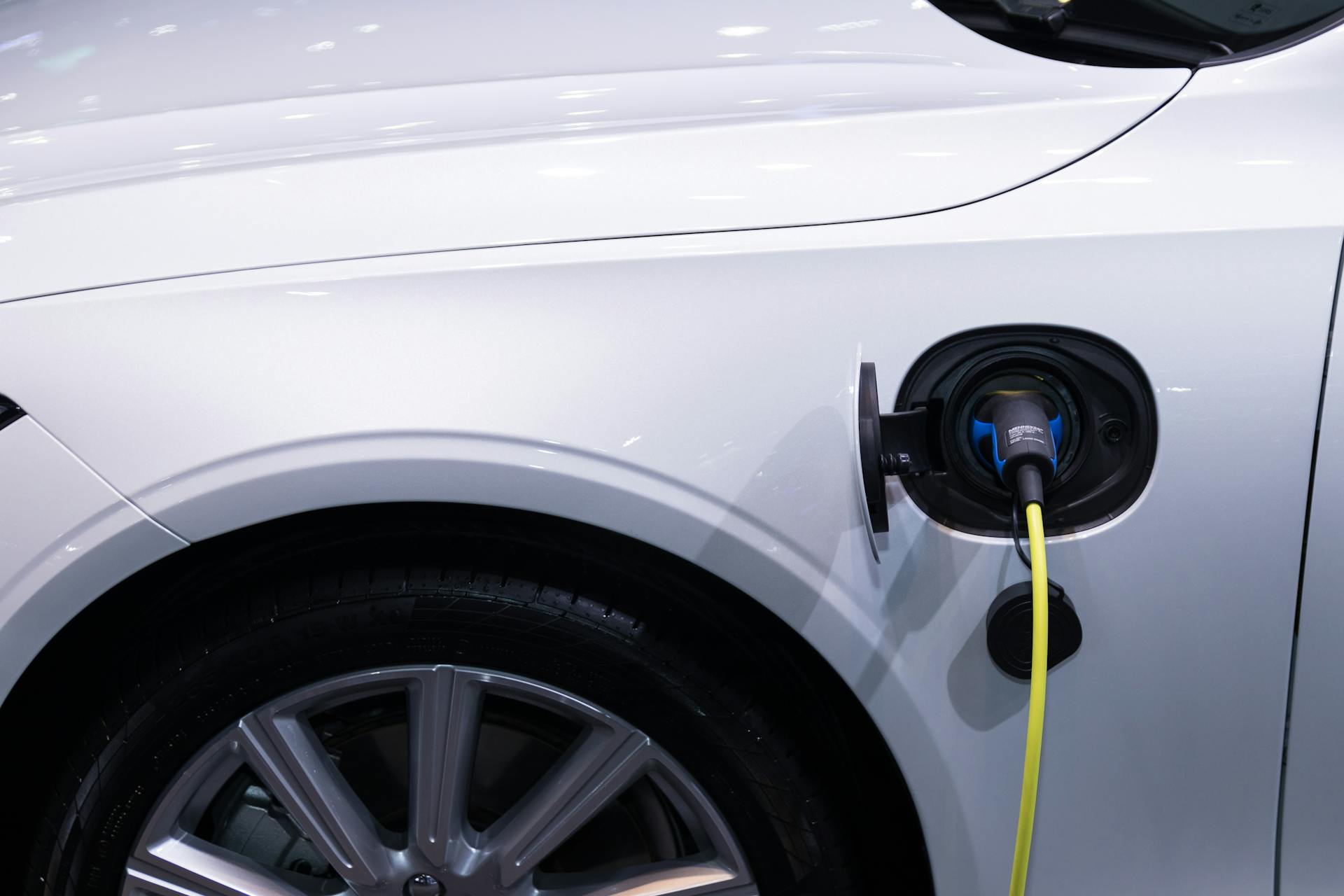
Volkswagen electric vehicles have been gaining traction on Long Island, appealing to drivers interested in efficient, environmentally friendly options. As more people transition to electric cars, understanding common problems and solutions becomes important, especially with charging ports. Charging port issues can disrupt your electric vehicle experience. For a seamless charging routine, it's vital to keep these ports functioning well. Addressing potential challenges with charging ports can help maintain the reliability of your Volkswagen electric vehicle and ensure it's ready for any journey on Long Island. Identifying Common Charging Port Problems Encountering an issue with the charging port can be frustrating. Understanding some typical problems can prepare you to address them effectively: Charger Recognition Issues: Sometimes, the car's charging port might not recognize the charger. This could happen due to a loose connection or debris obstructing the port. Physical Damage: Regular use can lead to wear and tear on the charging port. Physical damage might cause connectivity issues and disrupt the charging process. Software Glitches: Occasionally, software issues might interfere with charging capabilities. Keeping your vehicle's software up-to-date can often resolve these inconsistencies. Spotting warning signs early can be helpful. Look out for slower charging times, clunking sounds, or the need to reconnect the charger repeatedly. These signs often indicate a problem with your charging port requiring attention. Taking immediate action can prevent minor issues from turning into larger problems, ensuring your electric vehicle stays in top condition for all your travels. Troubleshooting Charging Port Issues Dealing with charging port issues doesn't always need to be a hassle, and some problems can be addressed with quick troubleshooting at home. When your car's charging port seems off, try these steps first: Inspect the Charging Cable: Ensure that the cable you are using is compatible with your vehicle and free from visible damage or frays. This can prevent connection problems. Clean the Charging Port: Dirt or debris may cause poor connections. Carefully clean the port using a soft brush to remove any obstructive materials. Reset the Charging System: Sometimes, simply resetting the system can resolve minor glitches. To do this, follow the manufacturer's instructions, which usually involve turning the vehicle off and on or resetting it through the control panel. Using quality charging equipment can reduce the recurrence of issues, so rely on trusted accessories to ensure efficient charging. If these steps don't resolve the issue, it might be time to consider professional help. When to Seek Professional Help Sometimes, problems with the charging port require more specialized attention. It’s a good idea to consult a professional when: Persistent Issues: If the charging port consistently fails to work despite troubleshooting efforts. Physical Damage: Visible damage like bent or broken pins in the port is generally beyond DIY fixes. Software Updates Failing: If updates that should resolve charging issues aren't working, professionals can check for deeper software or hardware problems. Ignoring charging port problems could lead to further damage or inefficiency, affecting your electric vehicle's overall performance. Getting professional diagnosis and repair can ensure you don't face recurring issues. Maintaining Your Volkswagen Electric Vehicle Regular maintenance goes a long way in preventing charging port problems and keeping your vehicle running smoothly. Here are some tips: Routine Inspections: Check your charging port and cables routinely to catch potential issues early. Keep Clean: Maintain a clean port and surrounding area to prevent buildup of dust and debris. Follow Service Schedules: Stick with recommended servicing schedules for your vehicle. Consistent care not only helps in avoiding disruptions but also extends the life of your electric car, making sure it's always ready for your Long Island adventures. Ensure Your Electric Vehicle is Road-Ready on Long Island Managing and preventing charging port problems plays an important part in enjoying a smooth experience with your Volkswagen electric vehicle. Regular checks and using the right equipment can address many common concerns, ensuring trouble-free travels. Staying on top of any charging port issues helps maintain peace of mind and saves on potential repair costs. Proactive maintenance and professional servicing keep your car road-ready. Keep your electric vehicle in great shape and enjoy all the benefits it offers for your journeys around Long Island. To keep your Volkswagen electric vehicle in peak condition all around Long Island, consider scheduling regular check-ups and professional maintenance. Addressing charging port and other electrical issues promptly can enhance your driving experience and ensure your vehicle stays dependable. Learn more about how to care for your Volkswagen Electric Vehicles on Long Island with help from the knowledgeable team at Smithtown Volkswagen.

Volkswagen

Troubleshooting Automatic Transmission Issues in Your Volkswagen Jetta

Having a well-operating transmission is key to enjoying an easy and smooth drive in your Volkswagen Jetta. Automatic transmissions are intricate systems that allow your vehicle to shift gears without much thought on your part. They not only provide comfort but also ensure your ride is efficient and saves fuel. However, like any complex mechanism, they can run into problems. Left unchecked, these problems can lead to bigger issues that affect your car's performance and even compromise safety. Investigating transmission problems promptly can save both time and money in the long haul. Early troubleshooting can prevent minor hitches from becoming costly repairs. Whether you're hearing strange noises or facing trouble while shifting gears, it's essential to know the signs of transmission issues so you can address them promptly. Let's explore the common signs you might encounter and how to tackle these problems effectively. Common Signs of Transmission Issues in Your Volkswagen Jetta Identifying signs of trouble early can go a long way toward keeping your Jetta running smoothly. Here are some common indicators that your transmission might need some attention: Unusual Noises: These may include grinding or whining sounds, especially when you’re shifting gears. Such noises often indicate wear and tear within the transmission system, possibly due to old or low-quality fluid. Delays in Shifting Gears: If you experience a pause or hesitation when changing gears, it might be a sign that your transmission is struggling. This could be due to issues with transmission fluid or electronic controls. Transmission Slipping or Jerking: If your Jetta unexpectedly changes speeds or shifts gears randomly, it's important to investigate. Slipping often happens when the transmission fluid is low or contaminated. Dashboard Warnings: Modern vehicles like the Jetta have sensors that can detect transmission issues. If the transmission warning light comes on, it’s a signal to take action. Often, this is your car’s way of telling you there’s more going on than meets the eye. Recognizing these signs early enables you to seek professional help or perform basic checks before the problem escalates. Gear difficulties, strange sounds, and warning lights are all red flags. Addressing them can save you from future headaches and help maintain your Jetta’s reliability. Keep an eye and ear out, and always prioritize a seamless driving experience. Steps to Diagnose Transmission Problems Taking a systematic approach can help identify what might be going wrong with your transmission. Here are a few steps you can take: Check the Fluid: Make sure to examine both the level and condition of your transmission fluid. Low or dirty fluid can cause various problems. If the fluid is dark or has a burnt smell, it might be time for a change. This step is simple and can often be an immediate indicator of potential issues. Look for Leaks: Keep an eye out for puddles under your car. Transmission fluid is typically red or brown, so any visible drips or stains can signal a leak. Even minor leaks are worth investigating to prevent more significant damage. Error Codes with OBD-II Scanner: Using an OBD-II scanner helps to identify transmission error codes. These codes can specify the exact issue, whether it’s a faulty sensor or a more severe internal problem. Listen for Unusual Noises: If you notice grinding or other odd sounds while driving or shifting gears, it's a sure sign of trouble. Paying attention to when these sounds occur and under what conditions can assist in diagnosing the issue. By following these steps, you can identify many common transmission issues early on. If any of these diagnostics point to a problem, don’t ignore it. Common Causes of Transmission Problems Several factors can contribute to transmission trouble in your Jetta. Understanding these causes can help prevent future headaches: Fluid Issues: Transmission fluid lubricates and cools the components inside, so if it's low or contaminated, it could lead to significant issues. Regular checks can help keep this in check. Solenoid Problems: Solenoids control fluid flow inside your transmission. If they malfunction, it can result in problems like slipping or difficulty shifting. Worn Gears or Clutches: Wear and tear on these parts can cause issues with your Jetta’s shifting capabilities. Regular maintenance checks can catch these problems early. Control Module Issues: The transmission control module is like the brain of your transmission. If it acts up, you might experience erratic shifting or other problems. Identifying these root causes early allows you to take corrective action before things worsen. When to Seek Professional Help Sometimes issues go beyond what you can troubleshoot on your own. Here’s when it makes sense to bring in the pros: Complex Diagnoses: Advanced issues often require specialized equipment or expertise to diagnose correctly. Professional mechanics can pinpoint the issue more effectively. Persistent Problems: If your DIY efforts don't lead to improvement, it's time to consult an expert. Ongoing problems can escalate into severe damage or costly repairs. Unusual Behaviors: Any worrying signs, like consistent slipping or extreme noise, warrant a visit to a professional for further evaluation and peace of mind. Ensuring Smooth Rides in Your Volkswagen Jetta Keeping your Volkswagen Jetta’s transmission healthy is all about regular checks and timely responses to any issues. Don’t postpone addressing problems—it can save you significant stress, time, and money down the road. Consistent maintenance is not just about fixing issues but also about preventing them altogether, which keeps your vehicle reliable for those Long Island drives. By taking proactive steps, like maintaining fluid levels and listening for any unusual noises, you help ensure that your Jetta remains in top shape. Regular transmission service can not only extend the lifespan of your vehicle but also enhance its performance, allowing for smoother rides. Whether heading to the beach or cruising through town, enjoying your drive starts with a well-functioning transmission. If you're looking to keep your drives smooth and your vehicle in top shape, addressing transmission issues promptly is key. Regular maintenance can make all the difference. If you are considering an upgrade or exploring options, check out the Volkswagen Jetta for Sale at Smithtown Volkswagen. Let us help you stay on the road with confidence.

Volkswagen

Why That New Car Smell in Volkswagens Might Not Be Healthy: New Volkswagen Cars on Long Island

There's something comforting about sliding into a brand-new car and inhaling the distinct "new car smell." It's a fragrance associated with shiny exteriors and the promise of countless adventures on the road ahead. However, while this scent might delight the senses, it carries hidden complexities that could affect your well-being. It's worth examining why this seemingly harmless smell might have a dark side that warrants attention. Many people are surprised to learn that the new car smell is not as innocent as it seems. Beneath its appealing fragrance, a mix of chemicals plays a role. Understanding what creates this smell and its potential health implications is important for every car owner. As we explore these aspects, you might find some practical tips to ensure a safer and healthier driving experience in your Volkswagen. What Creates the "New Car Smell"? The alluring aroma inside a new vehicle isn't a singular fragrance but a cocktail of numerous chemicals. During the manufacturing of a car, various materials and processes contribute to this signature scent. Here’s a closer look at what’s happening: Materials and Chemicals: Interiors are often filled with components made from plastics, vinyl, and adhesives. These materials release various chemicals over time, contributing to the overall smell. Volatile Organic Compounds (VOCs): Key players in the creation of the new car smell, VOCs are gases emitted from certain solids and liquids. They arise from materials like carpets and seat covers and dissipate into the air inside the vehicle. While these elements give rise to the new car smell, they also highlight a concern. VOCs can linger in the air, especially if the car isn't well-ventilated, raising questions about potential health implications. Though the smell might evoke luxury, understanding its origin makes it easier to comprehend the need for caution during prolonged exposure. Potential Health Risks of the "New Car Smell" The charming scent that draws you into your car comes with hidden risks. Extended exposure to the chemicals present in this smell might lead to several health concerns that are worth noting: Headaches and Dizziness: Spending time in an enclosed space filled with VOCs can trigger headaches or feelings of dizziness, as the air quality suffers from chemical saturation. Irritation: Eyes, nose, and throat irritation can occur, especially in those already sensitive to environmental factors. Long-term Concerns: Although more research is needed, ongoing exposure to high levels of VOCs has been linked to more serious health issues. While these risks sound alarmist, they serve as a reminder to exercise caution. By being aware of the potential impacts and taking proactive measures, you can reduce the likelihood of these symptoms occurring. Leading into the next section, we’ll explore practical steps to minimize your exposure to these harmful chemicals. Reducing Exposure to Harmful Chemicals in Your Volkswagen Once you recognize the potential risks, the next step is finding ways to limit contact with these chemicals, especially for the comfort of your passengers. There are straightforward steps to help keep your vehicle's interior fresh and safe. Ventilate Regularly: Keeping your car well-aired is crucial. Open the windows whenever possible, especially after starting the vehicle, to allow fresh air to circulate and reduce the concentration of VOCs. Park Smarter: Choose shaded or covered parking spaces when you can. This helps prevent the car from heating up excessively, which can increase the release of VOCs. Air Purifiers: Consider using an in-car air purifier specifically designed to filter out VOCs and other pollutants. This can be a useful tool to improve air quality significantly. Opt for Low-VOC Emission Cars: If you're in the market for a new car, look into models designed with low VOC emissions in mind. This proactive decision can set you on a healthier path from the start. Implementing these strategies can make a difference in reducing exposure while maintaining a pleasant driving environment for everyone. Why Choosing a New Volkswagen on Long Island is Still a Great Option The concerns surrounding the new car smell shouldn't deter you from exploring the advantages of driving a new Volkswagen. These vehicles come with features that enhance safety, performance, and overall satisfaction. New Volkswagen models present advancements that make driving more comfortable and secure. From smart safety systems to efficient engines, these cars provide an enjoyable driving experience. For instance, many models have modern safety features like adaptive cruise control and automated parking assistance, adding layers of protection and convenience. Besides technological perks, the freedom of claiming an untouched vehicle brings a sense of assurance. Purchasing a new car means you can customize options to fit your lifestyle, something not possible with used cars. And with the availability of select low-emission models, Volkswagen offers choices that align with a commitment to reducing environmental impact. Keeping Your Volkswagen Fresh and Safe Once you've chosen your vehicle, maintaining it in top condition is essential to ensure it remains a healthy space. Here's how you can achieve this: Regular Cleaning: Use cleaning products labeled as low-VOC to wash surfaces inside your car. This helps in limiting the presence of intrusive chemicals. Routine Maintenance: Stay up to date with scheduled maintenance. Well-maintained vehicles often have better air quality due to clean filters and properly functioning ventilation systems. Interior Fabrics: Cleaning seat covers and carpets not just keeps them looking good but also minimizes the possibility of VOCs accumulating in the fabric. By taking these steps, you not only preserve your car's aesthetic appeal but also its health aspects, ensuring a comfortable and safer drive every time. Drive Confidently Taking into account the information about the new car smell and its potential effects, it's clear that informed choices and preventive measures can lead to a balance between enjoying a new vehicle and maintaining a healthy environment. You can confidently navigate your driving adventures without compromising on comfort or safety. Owning a car that meets high standards for health and efficiency brings peace of mind. You get to enjoy all the benefits of modern engineering while being mindful of your environment. With the information and tips provided, you're set to make the most of your Volkswagen experience on Long Island. To fully enjoy your new Volkswagen on Long Island while minimizing VOC exposure, consider exploring options designed for healthier driving experiences. Smithtown Volkswagen offers a wide range of new vehicles equipped with advanced safety features and efficient engines. Take a look at the new Volkswagen cars on Long Island and make an informed choice for your next adventure.

Volkswagen Atlas

When Your Volkswagen Atlas Climate Control System Starts Acting Up

The climate control system in your Volkswagen Atlas is more than just a feature; it's essential for comfort and convenience, especially during extreme weather conditions. Imagine driving through a warm Long Island summer without the refreshing cool breeze from your AC or navigating a chilly day without the comforting heat. Your climate control system plays a vital role in these scenarios, ensuring you and your passengers enjoy every journey no matter the weather outside. However, like any vehicle component, the climate control system can start showing signs of trouble. Have you ever turned on your AC, expecting a blast of cold air, only to be met with room-temperature gusts? Or perhaps you’ve encountered odd noises when adjusting the temperature. These issues, while sometimes minor, can significantly affect your driving experience, making it important to catch and address potential problems early. Identifying Common Climate Control Issues Noticing when your climate control system isn't working right can save you from greater headaches down the road. Here are some common signs indicating that your Volkswagen Atlas might need some attention: Ineffective Heating or Cooling: You might notice the system isn't heating or cooling as effectively as it used to. This could mean anything from lukewarm air when you want it cold to weak airflow from the vents. Strange Noises: Clicking, hissing, or whining noises coming from the dash may indicate something is amiss. These sounds can signal problems ranging from fan issues to something more serious, like compressor malfunction. Unresponsive Controls: If the controls on your dashboard don't respond or take too long to respond, it can point to electrical issues or other deeper problems within the system. When these signs appear, it’s a good idea to get your climate control system checked. Addressing these symptoms early can help maintain your vehicle's comfort level and prevent more expensive repairs later on. Remember, a comfortable ride isn’t just about luxury—it's about maintaining a pleasant environment that makes every trip enjoyable. Potential Causes of Climate Control Issues Understanding what might cause your Volkswagen Atlas's climate control system to misbehave is key to addressing the problem effectively. There are a few usual culprits that can turn your crisp air into a warm breeze or leave you with an unresponsive dashboard. First up, refrigerant leaks are a common issue. The refrigerant is crucial for cooling the air, and if it leaks, you'll start noticing a decline in your AC's performance. Low refrigerant levels not only affect cooling but can also lead to damage in other components. Another common issue involves faulty sensors. The sensors are responsible for communicating the current temperature and climate needs to the system. A malfunctioning sensor can leave the system playing guessing games with your desired temperature. Lastly, electrical problems, such as blown fuses or faulty wiring, can disrupt the operation of the control system. They're a bit trickier to diagnose as they might not always produce obvious signs. Keeping these potential causes in mind can help guide you when the system starts acting up. Effective Solutions and Seeking Professional Help Once you've noticed common signs and potential causes, what should you do next? Some minor adjustments can help, but for complex problems, seeking professional assistance is wise. If you've identified that a refrigerant leak might be the issue, a professional can safely locate and seal the leak, then refill the refrigerant. Adjusting the HVAC settings or resetting the system can sometimes resolve sensor-related problems, but if the trouble persists, it’s smarter to consult someone experienced. Electrical issues, due to their complexity, often require professional tools and expertise to diagnose and fix. Having a team of experts look into the problem ensures that nothing gets overlooked. You'll also have peace of mind knowing the repair is done right, reducing the risk of reoccurring problems. Preventive Maintenance Tips Moving forward, preventive maintenance is your best friend. Regular maintenance can keep your climate control system in peak condition and avoid unexpected breakdowns. Here are a few simple things you can do: Regular Check-ups: Schedule routine inspections to catch any issues early. Proper Usage: Use your system wisely—running the AC on full blast at all times isn’t always necessary and could wear it out faster. Clean Filters: Clean or replace air filters periodically to ensure good airflow and system efficiency. Timely Servicing: Keep up with the vehicle’s servicing schedule, as recommended for your Volkswagen Atlas. These small steps go a long way in keeping your climate control system functioning seamlessly. Keeping Your Volkswagen Atlas in Top Shape Consistent care of your Volkswagen Atlas doesn’t just enhance the climate control system’s lifespan—it contributes to the overall health and performance of your vehicle. Conducting regular preventive measures helps maintain the smooth operation of the system and ensures a comfortable drive around Long Island. A well-maintained Atlas not only provides immediate benefits in terms of comfort and reliability but also retains its value better over time. Looking after your vehicle means fewer surprises and more enjoyable drives, making it well worth the effort. Investing time and attention into maintaining your Volkswagen Atlas's climate control system will pay off with every comfortable mile you drive. To keep your driving experience on Long Island enjoyable and hassle-free, make sure your climate control system stays in top condition. If you're thinking about upgrading your ride, check out a new Volkswagen Atlas for sale at Smithtown Volkswagen. Enjoy the perfect blend of comfort, technology, and peace of mind with a well-maintained vehicle on every journey.

Contact Us

Fill out this form below and we'll contact you shortly
*Required Fields