Blog / St James Volkswagen Dealer

Blog

All St James Volkswagen Dealer Volkswagen Smithtown Volkswagen Service St James Used Cars St James Volkswagen Service
Volkswagen

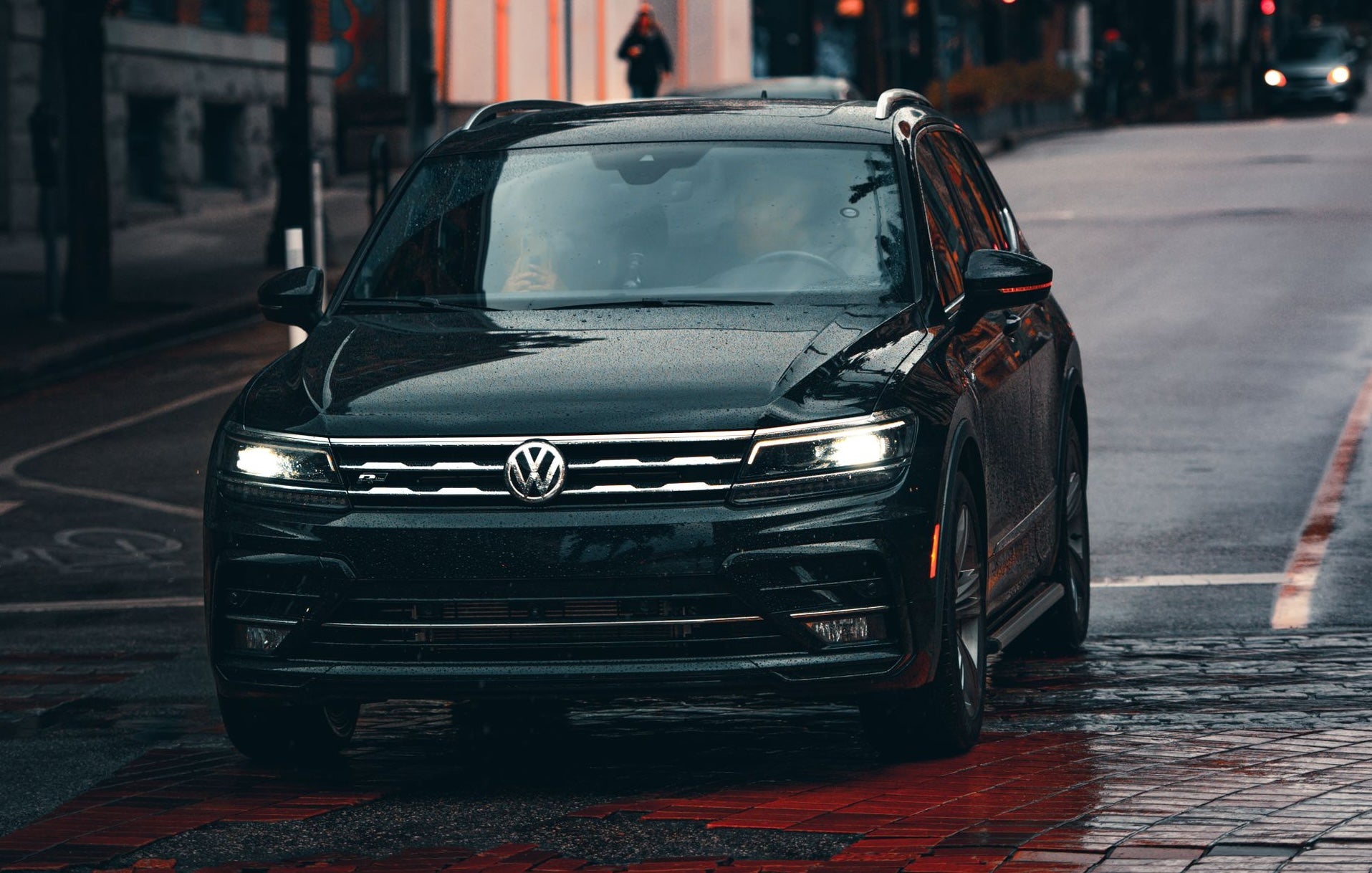
How Stop-and-Go Traffic in Smithtown Triggers VW Codes and What to Log

How Stop-and-Go Traffic Triggers VW Warning Lights Stop-and-go traffic around Smithtown is tough on drivers and tough on Volkswagens. Long lines on Jericho Turnpike, Middle Country Road, and the Long Island Expressway ramps can mean a lot of idling, quick jumps forward, and hard braking. That kind of driving can bring out problems that may stay hidden during smooth highway trips. When your VW spends much of its life creeping along, the engine, cooling system, and transmission all work under extra stress and heat. That is when warning lights and diagnostic codes tend to show up. If you know what those codes often relate to and what details to track before you visit a service center, auto diagnostics in Smithtown can go faster and feel a lot less stressful. How Traffic Patterns Affect Engine Misfire Codes One of the most common groups of codes we see are engine misfire codes, often in the P0300 to P0304 range. In simple terms, a misfire is when one or more cylinders do not burn fuel the way they should. To you, that can feel like: A rough or shaky idle while sitting in traffic A brief stumble or hesitation when you pull away from a light The engine shaking or pulsing while creeping forward Stop-and-go driving on Long Island can make misfires more likely. Long waits with the AC on, short bursts up to the speed limit, and quick stops all raise engine load and heat. Incomplete combustion can happen more often when the engine is hot, the fuel quality is not great, or small issues with ignition parts are starting to show. Before a service visit, it helps to write down what is happening when you notice a misfire. Helpful notes include: Were you idling at a light, creeping along, or accelerating from a stop? How much fuel was in the tank? Where did you last fill up? Did it get worse when the AC was on or when it was very hot outside? These details give technicians a head start in tracing misfires instead of guessing. Cooling System Codes in Hot, Humid Weather Hot, humid days on Long Island can be tough on any cooling system, especially when the car is not moving much. When you sit in traffic with little airflow through the grille, the radiator, hoses, and coolant are doing most of the work. If anything in that system is not quite right, warning lights and codes can pop up. Modern Volkswagens rely on several key parts to keep temperatures in line: Radiator fan that pulls air through when the car is not moving fast Coolant temperature sensor that tells the computer how hot things are Thermostat that opens and closes to control coolant flow Prolonged congestion can turn a small weakness in any of these into a noticeable problem. Maybe the fan is slow to come on, the sensor is reading slightly off, or the thermostat is sticking. You might see the temperature gauge climb higher than normal, or you might get a warning on the dash. Before bringing the car in for cooling system issues, try to log: How the temp gauge moved (steady, climbing, then dropping, etc.) Whether the cabin AC suddenly got warmer under load Roughly how long you had been idling or crawling in traffic An estimate of outside temperature Any sweet coolant smell, steam, or small puddles where you park Those little clues help narrow down if the problem is airflow, coolant level, a sensor, or something else. Transmission Temperature and Stop-and-Go Stress Automatic transmissions do not love endless creeping and constant gear changes. Low-speed driving on roads like Route 347, with hills, lights, and turn lanes, forces your transmission to shift often while dealing with repeated braking and short bursts of power. In warm weather, that can mean higher transmission temperatures. When the transmission control module senses heat or pressure that is out of range, it can set codes and even change how the car shifts to protect itself. Drivers sometimes notice: Delayed or harsh shifts when pulling away A clunk or jolt going into gear after long traffic jams The car staying in lower gears with reduced power, sometimes called limp mode Warning messages about transmission performance If you feel any of these, try to record: How long you were in traffic before it started Whether the car was loaded with people or cargo, or towing anything If the problem only happens when the car is hot, not on short local trips Any noises or vibrations during low-speed shifts or when stopping That kind of information is very helpful when someone is testing the transmission and trying to reproduce the concern. What to Track at Home for Better Diagnostics Good notes from the driver often make the difference between a quick answer and a long round of guesswork. When you describe exactly when and how something happens, diagnostics can be much more focused. Consider keeping a simple checklist handy and filling it out when a warning light appears or the car starts to act differently: Date and time of the issue Outside temperature and weather Traffic conditions (stop-and-go, highway, local streets) Approximate speed range when it happens Fuel level and whether the engine was cold or fully warmed up Which warning lights came on, and if they flashed or stayed solid It also helps to snap phone photos of the dashboard when a light appears. That way you can show exactly which icons were lit and what the gauges looked like at the time. A small notebook in the glovebox or a notes app on your phone can turn random problems into patterns that technicians can recognize. Using Simple Tools to Support Your Service Visit Some drivers like to keep a basic OBD-II scanner or a phone app and adapter in the car. These tools can read stored codes and, in some cases, freeze-frame data that shows what the car saw when the code set. That can give you an early idea of whether the car was worried about misfires, temperature, or transmission behavior. These tools are great for logging information, but they do not replace professional diagnostics. At a dealership service department, technicians use Volkswagen-specific tools, software, and repair information to go far beyond what a consumer scanner can see. If you do read codes at home, bring: A list of any codes you saw or screenshots from your app Your time-stamped notes about traffic, temperature, and driving conditions Any earlier repair invoices or records connected to the same system When you combine your stop-and-go commute details with professional testing, it becomes much easier to track down issues before they become bigger problems. Restore Your VW’s Performance With Expert Diagnostics Today If your dashboard warning lights are on or something just does not feel right, we are here to pinpoint the issue quickly and accurately. Schedule professional auto diagnostics in Smithtown with Smithtown Volkswagen so our factory-trained technicians can identify exactly what your vehicle needs. We will walk you through the results in clear terms and recommend only the services that make sense for your car. Have questions before booking? Feel free to contact us for personalized guidance.
Volkswagen

Suffolk County CPO Used Car Checklist: Verify CarFax, Warranty, Reconditioning

Drive Home Confidently in a Certified Used Car Buying a certified used car in Suffolk County should feel exciting, not stressful. You want a vehicle that can handle daily commuting, weekend beach drives, and family errands without surprise repair bills popping up a month later. That is why three documents matter so much: the CARFAX report, the certified pre-owned (CPO) warranty terms, and the dealer reconditioning report. When you read all three together, you get a clear picture of a car’s past, present condition, and future protection. Our team believes every shopper deserves that level of confidence when they pick out their next ride. Decoding CARFAX for Suffolk County Roads A “clean” CARFAX is a good start, but it is not the whole story. Roads in Suffolk County see salt from winter, sand from the beaches, and a lot of stop-and-go traffic. That mix can be tough on vehicles, so it pays to read the report slowly and ask questions. Here is what we suggest focusing on in the CARFAX: Ownership history and title status Accident and damage reports Service records and mileage consistency First, look at ownership history. A one-owner or low-owner vehicle is often easier to track. Check for any mention of salvage, flood, or lemon titles. For drivers on Long Island, flood history is especially important because water damage can hide in wiring, electronics, and even seat tracks. Next, study the accident section. You want to see: Where the damage happened on the vehicle Whether there are notes about structural damage Any airbag deployments If the same area shows damage more than once Pay attention to words like “minor,” “moderate,” or “severe.” “Minor” often means cosmetic issues, like small dents or scratches. “Moderate” can involve body panels and some parts replacement. “Severe” may point to frame or structural work, which many buyers choose to avoid. Then check service and mileage. You want regular oil changes, brake service, and tire care that match the age and miles of the car. Watch for gaps with no service for long periods or sudden jumps in mileage. If the numbers or dates feel off, it is worth asking for more details before you move forward. Understanding CPO Warranty Terms Before You Sign Certified pre-owned programs are designed to give extra peace of mind compared to typical used cars. For many Suffolk County drivers, that matters when they are juggling daily commuting, weekend trips, and busy family schedules. When you read CPO warranty information, focus on three areas: What is covered How long it lasts Extra benefits and transfer rules Coverage scope is where you see the difference between powertrain and bumper-to-bumper. A powertrain warranty usually covers major items like the engine and transmission. Bumper-to-bumper often adds more systems, like certain electronics and other components. Wear items, such as brake pads, wiper blades, and tires, are usually not covered, so those are worth checking on the reconditioning report. Time and mileage limits can feel confusing at first. You might see phrases like “X years from original in-service date” or “up to Y total miles.” That means the clock starts when the car was first sold new, not when you buy it certified. If you have a longer daily drive on the Long Island Expressway or Sunrise Highway, make sure the mileage limit gives you enough coverage for how you actually use your car. Do not skip the extras. Many CPO programs include benefits like: Roadside assistance for breakdowns or flat tires Rental car coverage while covered repairs are done Trip interruption help if issues happen away from home It is also worth asking if the warranty can transfer to the next owner. Transferable coverage can help your vehicle stand out if you choose to sell it later within Suffolk County. Reading the Dealer Reconditioning Report Like a Pro The dealer reconditioning or inspection report is the bridge between the history shown on CARFAX and the future protection in the warranty. It lists what the technician inspected, what passed, and what they repaired or replaced to bring the car up to the dealership’s standards. Start with safety-critical components. Look closely at notes on: Brake pad and rotor condition Tire tread depth and age Suspension and steering parts Headlights, brake lights, and turn signals These items are especially important for stop-and-go traffic, sudden braking, and wet roads that are common across Suffolk County. Next, review maintenance and wear items. The report should outline the status of: Engine oil and other fluids Filters, such as engine air and cabin air Battery test results Belts and hoses Pay attention to words like “replaced,” “serviced,” or “new” compared to “inspected” or “meets spec.” If a part was only checked and not replaced, you might face that cost during your first year of ownership. Finally, do not ignore cosmetic and comfort items. A detailed reconditioning report often mentions paint touch-ups, interior cleaning, windshield chip repairs, working key fobs, and checks of the infotainment system. These details can tell you how carefully the dealer prepared the car for its next owner. Local Test Drive and On-Lift Inspection Checks Paperwork is powerful, but your senses matter too. A good test drive and a close look underneath the vehicle help confirm what those documents say. On the road, focus on: Any strange sounds while turning, braking, or going over bumps Smooth acceleration and steady braking Steering that feels straight without pulling AC performance on warm days Tech features like Bluetooth, backup cameras, and driver-assistance systems If something does not feel right, speak up. A certified used car should feel solid and predictable, not loose or noisy. Whenever possible, ask to see the vehicle on a lift or review clear photos of the undercarriage. You want to scan for rust, fluid leaks, damaged exhaust parts, or uneven wear. This is especially helpful on vehicles that have seen several Long Island winters. Before you leave, match what you see to what you read: Do the tires match the brand and condition listed on the report? Do the brakes feel like they were recently serviced if the report says they were? Do recent repairs or parts replacements show up clearly in both the CARFAX and the reconditioning report? When the CARFAX, CPO warranty, reconditioning report, and your test drive all tell the same story, you can feel much more confident about driving that certified used car home. Why Smithtown Volkswagen Focuses on Transparency At Smithtown Volkswagen, we know that certified used cars in Suffolk County are about trust as much as they are about features or style. Drivers want clear records, honest answers, and the time to review everything without pressure. Our team takes the time to walk through the CARFAX, explain CPO warranty terms in plain language, and review the dealer reconditioning report line by line. By combining careful history checks, strong warranty coverage, detailed inspection reports, and a thoughtful test drive on local roads, shoppers can choose a certified used car that fits both their daily life and their weekend plans with confidence. Drive Home Value With a Volkswagen You Can Trust Explore our current selection of Certified used cars in Suffolk County to find a vehicle that fits your needs, budget, and lifestyle. At Smithtown Volkswagen, we carefully inspect each certified model so you can feel confident in your choice from the first test drive. If you have questions about availability, financing, or trade-in options, contact us and we will help you take the next step.

Volkswagen

Questioning Used Car Financing in Smithtown When Rates Feel High

Rethinking Used Car Payments When Rates Seem High Used car financing in Smithtown can feel confusing, especially when you see interest rates that seem higher than what you remember. You might be trying to plan summer drives across Long Island, family visits, or just a better daily commute, and then the payment calculators start to feel a little scary. It is normal to wonder if you should wait, or if there is a smart way to move forward now. Our goal is to help you understand what is really going on with used car rates, what matters most for your monthly payment, and how to keep things within a comfortable budget. When you know what affects your loan offers, it is much easier to decide if a used vehicle is right for you and your family. Why Rates Feel High and What That Really Means When people talk about “high” interest rates, they are often reacting to headlines and ads. Those numbers are influenced by things like national interest rate trends, inflation, and how lenders view risk. Used vehicles are often seen as slightly higher risk than new ones, so the rates for pre-owned models can look a bit higher. It also helps to know there is a difference between what you see in big print and what you might actually get. Your personal rate can change based on: Credit score and history Loan term length Amount of your down payment Age and type of the vehicle So if an ad shows a very low rate, that might be a “best case” number for a certain buyer with very strong credit. Your offer could be different, and sometimes it can even be better than you expected once all the details are reviewed. Rates are only one piece of the puzzle. The overall affordability of your used car comes from a mix of: Vehicle price Trade-in value Down payment Loan term Interest rate Adjusting just one of these, like the price of the car or the amount you put down, can make as much difference as a change in the rate itself. This is why looking at the whole picture matters more than focusing on a single number. Smart Strategies to Make Used Car Financing Work Even if rates feel high, there are simple, practical steps that can help keep your used car financing in Smithtown under control. Start with a clear, realistic budget. Think about what you are comfortable paying each month, not just what a lender says you can qualify for. Be honest about your other bills, savings goals, and the extra costs of owning a car like gas and insurance. Next, look at ways to shape the loan itself: Choose a vehicle price that fits your payment goal Consider a slightly shorter term to avoid paying more interest over time Put more money down if you can to lower the amount you need to finance Working on your credit a bit before you shop can also make a big difference. Simple habits like paying all bills on time, paying down credit card balances, and avoiding new credit lines right before you apply can help you qualify for a better offer. If you have a vehicle to trade, that can be a powerful tool too. The value of your current car can reduce how much you need to borrow, which helps offset a higher rate. Special offers or dealership incentives, when available, may help as well, since they can lower the total you finance and keep your payment closer to what you want. Choosing the Right Used Vehicle for Your Budget Picking the right used car is just as important as the financing. There are a few different paths many shoppers consider: A lower-priced used vehicle with basic features A higher-trim pre-owned model with more comfort and tech A Volkswagen Certified Pre-Owned vehicle A lower-priced used car usually helps keep your monthly payment smaller right away. This can be a good choice if your main goal is a reliable ride with the lowest payment possible. A higher-trim pre-owned model might cost more upfront, but it often includes extras like upgraded seating, safety tech, or convenience features you may really enjoy. Here, the key is to make sure the extra features are worth the extra payment to you. Volkswagen Certified Pre-Owned vehicles add another option. These vehicles go through a detailed inspection process and come with added warranty coverage from Volkswagen. In times when rates feel higher, that added peace of mind can be especially helpful, since you are trying to make every dollar count. Certified vehicles may also qualify for different financing options than typical used cars. When you compare, try to think beyond the monthly payment. Look at: Fuel efficiency, especially if you have a longer commute Expected maintenance and repair costs Insurance costs for the model you are considering A car with a slightly higher payment but better fuel economy and warranty coverage could cost less overall than a cheaper vehicle that is less efficient or needs more work. How Dealership Financing Can Help Beat the Headlines Many drivers are not sure where to start when it comes to financing. Some go straight to their bank, others wait until they are at the dealership. Working with a dealership finance center can often open more options than you might find on your own. Dealerships often work with multiple lenders. That means your application can be reviewed by more than one source, each with different programs and comfort levels. Even when average rates are higher, this variety can lead to more competitive offers based on your situation. Getting pre-approved before you pick a vehicle can help too. Pre-approval gives you: A clearer idea of your budget A sense of what rate range you might expect A faster, smoother buying process once you find the right car Many people worry about dealer financing because of past experiences or stories from friends. Common concerns include hidden fees, confusing paperwork, or feeling rushed. The best way to feel confident is to ask questions and expect clear, itemized explanations of each part of the offer. Things like the selling price of the car, taxes and fees, rate, term, and any protection products should all be easy to see and understand. Summer on Long Island Is Calling: Take the Next Step If you are driving older, unreliable wheels, worrying about every long trip can wear you down. Higher rates might make you hesitate, but they should not keep you from having a safer, more dependable vehicle for daily errands, summer fun, and back-to-school runs. A simple way to get started is to check your credit, think about your ideal monthly payment, and get a rough idea of your trade-in value. Then you can review used and certified pre-owned options, see how different choices affect your payment, and compare real numbers instead of guessing based on headlines. When you take it step by step, used car financing in Smithtown becomes a lot less stressful, and finding the right vehicle for your life on Long Island feels much more within reach. Secure Flexible Financing For Your Next Used Car Finding the right pre-owned vehicle is easier when your financing is straightforward and transparent. At Smithtown Volkswagen, we make it simple to get started with used car financing in Smithtown so you can shop with confidence and a clear budget. If you have questions about your options or need help with the application, please contact us and our team will walk you through every step.

Volkswagen

Used Car Financing in Smithtown: Pre-Approval vs. Dealer vs. Credit Union Costs

Stop Overpaying for Used Cars in Smithtown Used car financing in Smithtown can feel stressful, especially when life is busy with school prep, weekend trips, and family plans. There is a lot to think about, and most drivers focus only on finding the right car and a monthly payment that feels comfortable. What many buyers do not see right away is how much the way you finance the car can change the total cost. The same used car can cost very different amounts over the life of the loan depending on the lender, the rate, and the term you choose. The difference can easily reach into thousands of dollars over time. Most shoppers compare three paths: getting pre-approved with a bank or online lender, using dealer-arranged financing, or working with a local credit union. Each one affects your interest rate, total interest paid, monthly payment, fees, add-on products, and even how strong you feel when you negotiate. We want to walk through how these pieces fit together so you can decide what makes sense for you. As a local Long Island dealership, we work with many different lenders every day and see a wide range of credit situations and budgets. Our goal is to help you understand how the process really works so you can pick the option that keeps more money in your pocket over the long run. How Used Car Financing in Smithtown Really Works Auto loans are simple on the surface. You borrow a set amount, called the principal. You pay interest, which is the cost of borrowing that money. You pick a term, or number of months, to pay it back. These three pieces come together to create your monthly payment and your total cost. Here is why a low monthly payment can trick people: Longer terms usually mean lower monthly payments Longer terms often mean you pay more interest overall Shorter terms usually mean higher monthly payments but lower total interest Seasonal sales and promotions can add another layer. Around late summer, you may see: Holiday weekend sales on used inventory Special offers on certified pre-owned Volkswagen models Model-year changeover pricing on newer pre-owned vehicles A great sale price is helpful, but the financing terms you pair with that price make a big difference. A discount can be eaten up by higher interest charges if you are not careful. In our area, your rate and approval are also shaped by: Credit score and credit history Size of your down payment Loan term you choose Vehicle age, mileage, and condition Whether the vehicle is certified pre-owned or standard used Local costs matter too. Sales tax, registration, and inspection fees are part of your real total. You can either pay them upfront or roll them into the loan. Rolling them in raises the amount you finance, which can increase both your monthly payment and the total interest paid over time. Instead of only asking, “What will my payment be?” focus on the full out-the-door price. Payment shopping can hide a longer term or higher rate that makes the car cost much more than it needs to. Pre-Approval Power: What It Helps and Where It Falls Short Pre-approval usually starts with a bank or online lender before you come to the showroom. You share your basic information, they often run a soft credit check, and they give you a rate range and a maximum loan amount you are likely to qualify for. Pre-approval can help you: Set a clear budget before you start test driving Walk in with a rough idea of rate and payment Focus on the price of the car instead of only the monthly number Because you already know what you are approved for, it can be easier to negotiate the vehicle price. You are less likely to get distracted by “creative” payment quotes and can compare offers more calmly, even on busy weekends. There are a few limits to keep in mind: The rate can still change after full underwriting Some lenders cap vehicle age or mileage Certain used cars or certified pre-owned models might not qualify You might not get access to dealer-only or manufacturer-supported programs Bringing your pre-approval when you visit does not lock you in. It is simply one more tool. Our finance team can often compare that offer with options from our lender network and any current programs on certified pre-owned Volkswagen vehicles so you can see which is stronger. Dealer Financing at Smithtown Volkswagen: Pros, Cons, and Savings Dealer-arranged financing starts after you pick a vehicle and are ready to talk numbers. Our team gathers your information, then sends your application to several lending partners. We review the responses with you and build a structure around your needs. Advantages of dealer-arranged financing include: One-stop process, from test drive to paperwork Access to multiple banks and lending partners through one application Possible special rate offers on certain certified pre-owned Volkswagen vehicles Flexibility with down payment, term, and payment timing At certain times of year, loyalty programs, trade-in support, and specials on specific vehicles can lower your cost even more. For example, pairing a strong trade-in value with a program on a certified pre-owned Volkswagen can change both your loan amount and the rate options you see. Common concerns include the idea that dealer rates are always higher or that extras get quietly rolled into the loan. A good finance office should walk you through: Interest rate and APR, and how they differ Total interest you will pay with each term Options with and without service contracts or protection products Payment changes if you shorten or lengthen the term The key is transparency and asking questions before you sign. When you can see every piece, it becomes much easier to spot the structure that works for you. Credit Union Financing: When Local Membership Can Pay Off Credit unions are member-owned financial institutions. Many Long Island drivers like them because they are often very personal and focused on member service. Some buyers find that credit unions can be competitive on used car financing in Smithtown. Potential benefits include: Competitive rates for well-qualified members Clear fee structures and simple paperwork Extra perks, like discounts for automatic payments There are trade-offs to consider: You may need to qualify for membership Response times can be slower during busy buying periods Rules on vehicle age, mileage, or title history may be tighter Credit unions also do not usually connect directly to manufacturer programs for certified pre-owned vehicles. That means a loan that looks strong at first glance might not always beat a dealer option that is supported by a special program on a specific Volkswagen model. Bringing your credit union offer with you lets us compare it side by side with dealer-arranged options so you can see the real difference in total cost. How to Compare Offers and Cut Your Total Cost Fast To compare pre-approval, dealer financing, and credit union offers fairly, make sure you are looking at the same basics: Same out-the-door price Same loan amount and term APR and total interest for each offer A simple worksheet can help: Confirm the out-the-door price, including tax and fees Write down the APR and term for each lender Ask each lender to show you the total interest and total cost Note any extras included, such as service contracts or GAP coverage Shorter terms often mean higher monthly payments, but less interest over time. Longer terms feel easier each month, but you may pay more overall. The goal is to find the highest payment you can comfortably handle without stretching your budget too thin. Smart timing can also matter. When you are prepared with pay stubs, proof of residence, and trade-in details, you can move quickly if you find the right car and the right program. This helps you lock in a strong combination of price and financing instead of settling because you are worn out from shopping. Drive Home Confidently with a Custom Financing Plan Understanding how pre-approval, dealer financing, and credit union loans work puts you back in control of your used car financing in Smithtown. Instead of focusing on just the monthly payment, you can look at the full picture and choose the option that keeps your long-term cost as low as possible. At Smithtown Volkswagen, our finance team works with many different lenders and sees all kinds of credit backgrounds. We can review your bank or credit union offer with you, line it up against dealer-arranged options, and help you see how each choice affects your payment, your rate, and your total interest. With the right information and a clear plan, you can feel good about the keys you take home and the payment that follows you for the years ahead. Drive Home With Confidence On Your Terms If you are ready to make your next vehicle more affordable, we make it simple to get started with used car financing in Smithtown. At Smithtown Volkswagen, our team is here to walk you through your options so you can choose monthly payments that fit your budget. Apply online in just a few minutes, and we will follow up to review personalized options with you. If you have questions before applying, please contact us so we can help.

Volkswagen

Financing a Used Car in Smithtown When You Have a Trade-In Offer

Drive More Value From Your trade-in This Summer Upgrading into a reliable used Volkswagen feels a lot nicer when you know your current vehicle is working hard for you. When you use it as a trade-in, that car in your driveway can help you move into something newer, safer, and better suited for your daily life. The key is understanding how your trade-in works with used car financing in Smithtown and how to get the most for it. A trade-in can lower the amount you need to borrow, which can lead to a more comfortable monthly payment. It can also make the whole process simpler, because you handle selling your old car and buying your next one in the same place. On Long Island, where life moves fast and summer plans fill the calendar, having a team that knows the local market and makes everything straightforward can save a lot of time and stress. In this guide, we will talk about how your trade-in affects your loan, how to prep your car so it looks its best, and how to choose a smart used Volkswagen and loan structure. We will also touch on timing your purchase so you can take advantage of strong trade values and used inventory during the summer season in Smithtown. How Your trade-in Impacts Used Car Financing in Smithtown When you trade in your current vehicle, that value usually works like a down payment on your next car. Instead of writing a big check, you are using the value in the car you already own. The higher your trade value, the less you may need to finance on your next used vehicle. Here is how it breaks down in simple terms: Trade-in value can act as your full down payment You can also mix your trade-in with cash for a larger total down payment A larger down payment often means a smaller loan amount and lower monthly payment Less borrowed money can mean less interest paid over the life of the loan Trade equity is another piece to understand. If your current car is worth more than what you still owe on it, you have positive equity. That extra value can go straight toward the cost of your next used Volkswagen. If you owe more than the car is worth, you are “upside down,” and that negative equity may need to be rolled into your new loan or handled another way. Lenders tend to feel more comfortable when there is a stronger down payment in the deal. That can come from your trade-in, your cash, or both together. A solid down payment may help: Improve your chances of getting approved Open up more loan term options Keep interest charges more manageable over time Working with a local dealership that can look at your trade value, review your loan options, and help you compare used cars in one visit keeps things simple. You do not have to juggle selling your old car on your own while also working out used car financing in Smithtown. Getting Your trade-in Ready for Top Dollar You do not need to turn your current car into a show vehicle, but a little bit of effort can help it present better. A clean, cared-for car often makes a stronger first impression during appraisal. Before you bring it in, consider: Give it a good wash and quick interior cleanup Remove personal items from the trunk, seats, and storage areas Wipe down the dashboard, windows, and door panels Vacuum the carpets and floor mats If small cosmetic fixes are quick and low-cost, they may be worth doing. Things like a missing hubcap or very simple touch-ups can help, but there is no need to sink a lot of money into big repairs just for the trade. Basic maintenance checks can also help, especially in the middle of summer on Long Island. Warm weather drives can bring out any weak spots. Before an appraisal, try to: Make sure the AC blows cool air Top off fluids if needed Check that all lights are working Confirm the tires are properly inflated It can also be helpful to gather any service and maintenance records you have. This gives a clear picture of how the car has been cared for. Doing a quick search online for a rough value range can give you a ballpark idea, but local demand and condition matter a lot, so a professional appraisal is still important. Being open about past accidents or major repairs keeps the process smoother. Dealers will usually see that history anyway, and clear information up front can help move things along and keep your used car financing in Smithtown on track. Choosing the Right Used Volkswagen and Loan Structure Once you know about what your trade-in is worth, you can focus on finding the right used Volkswagen for your needs. Start by thinking about what matters most in your day-to-day driving. Some common priorities include: Fuel efficiency for longer drives or summer road trips Advanced safety features for family driving and busy traffic Low mileage for long-term ownership plans Interior space for kids, pets, or gear Your trade-in value connects directly to your loan structure. When you look at used car financing in Smithtown, you are usually balancing three things: total price, loan term length, and monthly payment. A higher trade-in amount can let you: Choose a shorter loan term while keeping payments comfortable Stay within a target monthly budget on a nicer or newer model Reduce how long you will be paying interest on the loan Volkswagen Certified Pre-Owned models can be a smart option to consider. They go through detailed inspection steps, and the added coverage that comes with certification can give extra confidence. That peace of mind can also be helpful from a lender’s point of view when they review the vehicle tied to the loan. Many shoppers like to use online tools before they visit the showroom. Playing with payment calculators and starting a pre-qualification can make it easier to see how your trade-in, down payment, and loan terms might fit your budget. Timing Your Purchase for Summer Savings in Smithtown Timing can make a difference in how far your trade-in dollars go. As summer moves along, dealerships often focus on making room for more inventory. That can bring appealing options on used and certified pre-owned vehicles at the same time you may be thinking about road trips and family travel. If your current vehicle is starting to feel less reliable for longer drives, locking in used car financing in Smithtown before peak end-of-summer travel can offer some peace of mind. A newer used Volkswagen with updated features can make daily commuting and weekend trips more relaxed. There are a few simple timing tips to keep in mind: Lenders may run seasonal promotions that pair well with strong trade values Shopping when there is a good mix of used inventory can give you more choices Coming in earlier in the day or midweek can mean more one-on-one time with the sales and finance teams Summer on Long Island can be busy, on the roads and in showrooms. Planning ahead, knowing your trade-in’s role, and being clear on your budget can help you make a confident move into your next used Volkswagen without feeling rushed. Drive Home With Confidence Today If you are ready to find the right pre-owned vehicle and payment plan, start your application for used car financing in Smithtown in just a few minutes. At Smithtown Volkswagen, we review your information quickly so you can move forward with a plan that fits your budget. If you have questions about terms, rates, or available options, simply contact us and our team will walk you through the details.

Volkswagen

Customizing Your Drive with VW Accessories Around Central Islip

Personalize Every Mile Around Central Islip Custom accessories can turn a good drive into a great one. When you spend a lot of time on the roads around Central Islip, heading to Long Island beaches, parks, and downtown spots, the right VW accessories help keep every trip more comfortable, organized, and fun. Genuine Volkswagen accessories are built to fit your specific model. They match the shape of your interior and exterior, work with your existing tech, and help protect the parts of your vehicle that see the most use. That means less mess, less stress, and a drive that feels more like it was made just for you. We want to walk through some of the most popular ways drivers customize their vehicles with VW accessories in Central Islip. We will talk about protective gear, smart cargo options, tech add-ons, and seasonal tools that suit life on Long Island. Our goal is to help you see what might make your own daily drive better and easier. Protect Your VW From Long Island Wear and Tear Driving near the coast comes with a few challenges. Sand from beach trips, salt air from the South Shore and North Shore, and year-round dirt can slowly work their way into carpets, seats, and paint. Over time, this can make your VW look older than it really is. Protective VW accessories are an easy way to fight back against that kind of wear. Some of the most useful items for local drivers include: All-weather floor mats Cargo area liners and trunk trays Fitted seat covers Splash guards and mud flaps These pieces are built for specific Volkswagen models like the Tiguan, Atlas, and Jetta. Because they match the exact curves and anchor points inside your vehicle, they are less likely to slide around or leave gaps. That tight fit helps keep sand, water, and mud contained so cleanup is quicker and your original carpets and upholstery stay cleaner. Outside the vehicle, model-specific splash guards help block road grime and small stones from kicking up onto your paint. That can reduce minor chips and stains near the wheel wells. Over time, these simple accessories can help keep your VW looking newer and sharper, which is helpful if you plan to sell or trade it in later. For many families and commuters around Central Islip, starting with protection is one of the smartest ways to customize a VW. Smart Storage and Cargo Solutions for Busy Drivers Life around Central Islip can keep your cargo space busy. Maybe you are loading coolers and chairs for a day near the Fire Island ferries, filling the back with shopping bags, or hauling kids sports gear from one field to another. Good storage accessories help you carry all of that while still keeping the cabin tidy. Volkswagen offers cargo and lifestyle accessories designed to work with your existing roof rails and cargo areas, such as: Roof racks and cross bars Bike racks and kayak carriers Cargo organizers and bins Trunk trays and sliding cargo liners Roof racks and cross bars let you move bulky items, like bikes or kayaks, out of the cabin. Model-specific carriers connect securely, which supports safety and stability while you drive at highway speeds. Inside, trunk trays and cargo organizers help keep groceries, sports bags, and beach gear from rolling around. These VW systems are designed to work with your vehicle’s shape and aerodynamics. A good fit can help reduce wind noise and keep everything firmly attached. It also makes loading and unloading quicker, which is nice when you are trying to wrangle kids, pets, or several bags at once. With the right setup, you can keep everyday items in their own spots so your cabin stays open and clutter-free. Tech Upgrades to Improve Every Drive Modern driving often goes hand in hand with smart tech. VW approved tech accessories can help you stay organized and powered up without turning your interior into a tangle of cords and aftermarket clips. Some helpful Volkswagen tech accessories include: Phone mounts designed to match your dashboard OEM wireless charging pads Upgraded USB hubs for faster or extra charging ports Rear-seat entertainment options A phone mount sized for your specific model can keep your device secure and within easy reach for audio and map use. Wireless charging pads and upgraded USB hubs help every passenger stay charged, which is great on longer drives around Long Island or family road trips. Rear-seat entertainment accessories can also help keep kids busy so the drive feels calmer for everyone. There are also convenience and driver-assist add-ons available for certain models, such as parking sensors, remote start systems, or upgraded lighting kits to improve visibility. Because these parts are designed for VW vehicles, they are made to work with your existing electrical system and infotainment setup. That clean integration helps reduce the chance of glitches or warning lights that can sometimes come from non-genuine electronics. Seasonal VW Accessories in Central Islip Different seasons in Central Islip bring their own driving needs. Summer can be bright, hot, and humid, and a few simple accessories can keep your VW more comfortable and protected. Popular warm-weather VW accessories include: Custom-fit sunshades for the windshield and windows Window deflectors to let in fresh air with less wind buffeting Cargo liners or trays for wet or sandy beach gear A fitted sunshade helps block strong sun and heat, which can keep your cabin cooler and reduce fading on your dashboard. Window deflectors let you crack the windows for airflow, even in light rain, without getting soaked or dealing with loud wind noise. Extra cargo protection in the back helps trap sand, water, or grass clippings so they do not grind into your carpets. It can also help to think ahead for the rest of the year. Many drivers choose winter floor mats, snow brush kits, or roof boxes for cold-weather and holiday travel. Seasonal accessories are a simple way to make daily driving more comfortable and to reduce wear from sun, humidity, salt, and sudden storms that roll across Long Island. With guidance from VW parts specialists, you can pick items that match your model and how you actually use your vehicle. Customize Your VW with Confidence Customizing your VW is really about making the vehicle work better for your life. Some drivers start with all-weather floor mats and a cargo liner to keep things clean. Others may jump right to roof racks, bike carriers, or tech upgrades once they realize how often they haul gear or rely on their devices. Working with a trained Volkswagen team can make this process easier. Parts and accessories staff can help you sort through options for your exact model, explain how different accessories work together, and arrange professional installation that follows VW guidelines. That way, your accessories not only look right, they also fit and function the way they should. When you choose VW accessories in Central Islip that match your daily routine, every drive feels more relaxed, organized, and personal. Whether you stay close to home or spend most weekends exploring Long Island, the right mix of protection, storage, tech, and seasonal gear can help you get more out of every mile. Upgrade Your VW With Accessories Chosen Just For You Explore our curated selection of VW accessories in Central Islip and tailor your vehicle to fit your lifestyle, whether you need added utility, protection, or style. At Smithtown Volkswagen, our team is ready to help you find the right accessories and ensure they are installed correctly. If you have questions or want personalized recommendations, simply contact us and we will guide you every step of the way.

Volkswagen

Smithtown VW No-Check-Engine Light: Intermittent Symptoms and Road Tests

Stop Guessing at Intermittent Engine Issues A car that stumbles or hesitates with no check engine light can make you feel a little crazy. One minute your Volkswagen feels fine, the next it falls flat for a second on a hot drive across Long Island, then it goes back to normal like nothing happened. Those “phantom” symptoms are more than just annoying. A brief loss of power while you are merging onto the expressway, inching through beach traffic, or taking the family on a road trip across Suffolk County can turn into a real safety concern. When there is no warning light and no obvious pattern, many drivers just hope it goes away. We do not want you guessing. With smart auto diagnostics in Smithtown, careful symptom logging, and road tests when needed, our team can track down problems even when the dash stays dark. Our factory-trained technicians use Volkswagen-specific tools, genuine parts, and EV know-how to uncover what is really going on under the hood or under the battery cover. Why Symptoms Happen with No Check-Engine Light Modern VW vehicles are always watching themselves. Sensors feed information to control modules, and those modules decide when a fault is serious or frequent enough to turn on the check engine light. Some issues only show up as brief events that may store a bit of data but do not cross the line to trigger that light. That is why you can feel: A quick loss of power on the LIE that clears before you exit A rough idle while you sit in stop-and-go traffic with the AC on high A momentary stumble when you pull away from a light An odd EV power dip that fixes itself before you can park The system is designed so that one tiny hiccup does not scare you with a warning every time. But that also means small, early signs can be easy to ignore. No light does not mean no problem. Waiting for a warning light can let a minor drivability issue grow into a larger repair, especially when summer heat, long drives, and heavy loading push parts harder than usual. As those “small” issues repeat, they can stress components, hurt fuel economy, and leave you with a car that just does not feel right. The sooner we can look at it, the better chance we have of catching the cause while it is still small. Smart Auto Diagnostics in Smithtown for Hidden Issues For tricky, intermittent problems, a simple code scan is not enough. Professional auto diagnostics in Smithtown for Volkswagen models takes the process several steps deeper. Our technicians use Volkswagen factory scan tools and software to see what the control modules are seeing. Even if there is no active trouble code, we can review live data and stored events to spot patterns that match your symptoms. Instead of only asking “Are there codes?”, we look at things like: Sensor readings and patterns, such as airflow, throttle position, and oxygen sensor signals Fuel trims and misfire counters that show how the engine is really burning fuel Temperature data for coolant, intake air, and other systems under different loads EV-specific information like battery state of charge ranges, inverter data, and charging behavior Any stored freeze-frame data from small events that did not turn on the light Volkswagen-specific training and access to technical service information help our team connect what we see on the screen with what we feel in the car. That is especially helpful with newer engine designs and EV systems that work differently from older models. Heat and traffic around Long Island can bring out weak spots that seemed fine in cooler, lighter use. A fuel pump that is starting to fade, an ignition coil that misfires only when very hot, or an EV component that acts up under a long uphill load might not fail outright, but proper diagnostics can catch those signs before they strand you. How to Log Symptoms and Data Before Your Visit You drive your VW every day, so you are the first and best “sensor” when something feels off. A simple symptom journal can save a lot of time and guesswork when you bring the car in. Try to note: Date and time Weather and temperature How long you had been driving Fuel level or EV range level Speed and traffic (light, steady, heavy stop-and-go) What the car did and how it felt or sounded Helpful examples might look like: “Hesitation at about 45 mph after 20 minutes on the expressway” “Rough idle after sitting in heavy traffic with AC on for 15 minutes” “EV power dip on a steep hill in hot weather, felt weaker for 10 seconds” “Brief shudder when coming to a stop, no noise, no lights” These details help our technicians try to copy the same conditions. If we know the issue shows up only when the engine is fully warmed up, on a certain road, or at a certain speed, we can look at the relevant data right at that moment. Smartphone tools make this even easier. You can: Keep notes in a basic notes app Take photos of the dash showing speed, gear, and any messages Record a short video if there is a sound, vibration, or shudder All of this gives our team a head start before we begin deeper testing. When to Request a Technician Road Test Some problems only show up while the car is moving. In those cases, a technician road test can be the key to finding the cause. A road test is especially helpful if you notice: Intermittent hesitation only at highway speeds Random changes in steering feel or braking response EV power that sometimes feels strong and sometimes feels weak Vibrations or shudders that come and go at certain speeds During a ride-along or a technician-driven test, we can feel and hear what you are talking about while also watching live data on our diagnostic equipment. We can record how sensors and systems behave right when the symptom appears, then review that recording back in the shop. Timing matters. If the issue shows up on hot afternoons in heavy traffic with the AC on, that is when we want to test. If it only seems to happen on your regular route across Suffolk County, telling us that route helps us copy your daily drive as closely as possible. When you book service, let the advisor know that you are dealing with an intermittent symptom with no check engine light. Mention that you would like a road test and share a few key notes from your symptom journal. That way, enough time can be set aside and the right technician can be assigned to your vehicle. Take Control of No-Light Engine Problems Today You do not have to wait for a warning light to get help with a VW that does not feel right. By paying attention to patterns, writing down what you experience, and clearly explaining those symptoms at check-in, you give our team the clues we need to track down hidden issues. Professional auto diagnostics in Smithtown, done by a Volkswagen-focused team that understands gasoline, diesel, and EV systems, can uncover problems long before they turn into bigger repairs or breakdowns. With factory-trained technicians, model-specific tools, and genuine VW parts, Smithtown Volkswagen is ready to help you get to the bottom of tricky intermittent issues so your next drive across Long Island feels smooth and confident again. Keep Your Volkswagen Performing At Its Best If your dashboard warning lights are on or something just feels off, our factory-trained technicians are ready to help with precise auto diagnostics in Smithtown. At Smithtown Volkswagen, we use advanced equipment and genuine parts to identify issues accurately and address them before they become bigger problems. Schedule your service online today, or contact us with any questions about your vehicle’s performance.

Volkswagen

Oil Change Options for Hauppauge VW Drivers: Dealer vs. Quick Lube vs. DIY

Make the Right Oil Change Choice for Your VW Regular oil changes are one of the simplest ways to keep your Volkswagen running strong. Fresh, clean oil helps your engine stay cool, quiet, and efficient so you get smooth power on the LIE, around Hauppauge, and across Long Island. Skip them or cut corners, and you can end up with extra wear, poor fuel economy, or bigger repairs later. Most VW drivers choose between three options for an oil change in Hauppauge and nearby: a dealership visit, a quick lube shop, or doing it themselves at home. Each choice has trade-offs in time, cost, and long-term protection. The big things to think about are your warranty, the exact oil approval your VW needs, the quality of the filter, and how well your maintenance is documented, especially as many families plan longer drives late in the summer. In this guide, we compare these three paths so you can decide what fits your budget, schedule, and long-term goals for your Volkswagen. Our goal is to make the decision simple and clear so you can feel confident every time you turn the key or press the start button. Why VW Oil Specs and Approvals Really Matter Volkswagen engines are built with tight clearances and advanced systems. Many late-model gas and diesel engines, especially turbocharged models, need specific synthetic oils that meet VW 508.00 or VW 504.00 approvals. These numbers are not just marketing, they are standards that tell you the oil was tested to work with your engine design. Using the wrong oil can lead to problems such as: Increased engine wear and internal friction Sludge buildup from breakdown of cheap or incorrect oil Trouble with emissions parts like catalytic converters and particulate filters Extra deposits in turbochargers that can hurt performance If an engine issue comes up, and the oil used does not meet Volkswagen approval or the viscosity is off from what is listed in your owner’s manual, it may be harder to get warranty help or goodwill support. Oil is often the first thing checked when there is a lubrication or engine failure. At a dealership service department, technicians are trained on Volkswagen models like Jetta, Tiguan, Atlas, and others. They look up your exact engine code and service schedule so the correct VW 508.00 or 504.00 oil is used every time. Factory-approved filters are matched to your engine and installed to protect against leaks, pressure issues, and unfiltered oil bypassing the element. This kind of detail work helps your engine stay clean and consistent through all kinds of Long Island driving. Dealership Oil Changes at Smithtown Volkswagen When you choose a dealer oil change, you are getting more than just fresh oil. A typical visit includes: VW 508.00/504.00-approved synthetic oil suited to your exact engine Genuine Volkswagen oil filter and any needed seals or washers Multi-point inspection of key items like brakes, tires, and fluids Fluid top-offs and basic checks under the hood Review of open recalls or software updates when applicable Following factory maintenance intervals is especially important for new, certified pre-owned, and leased Volkswagens. At the dealership, services are logged into Volkswagen’s digital history. That means there is a clear trail that shows your oil was changed on time, with the correct specs, by trained professionals. Torque settings for drain plugs, filter housings, and wheels are followed as outlined by Volkswagen, which helps prevent stripped threads, leaks, or other headaches. For Hauppauge and Smithtown area drivers, there are convenience factors too. Online scheduling makes it easy to plan around work and family time. Depending on the situation, there may be shuttle or loaner options, and many drivers enjoy a comfortable waiting area instead of standing outside in a parking lot. Pairing an oil change with a quick inspection before a long summer drive or the start of the school commute can give you peace of mind for the miles ahead. Quick Lube Shops Near Hauppauge: Pros and Cons Quick lube locations can be tempting if you are short on time. Many offer extended hours and will get you in and out quickly. For busy commuters or families, this can sound like the easiest way to handle an oil change in Hauppauge. There are real benefits: Fast service with no long wait Simple in-and-out process Often no advance planning needed But with Volkswagen models, there are also some risks. Many quick lube shops may not carry VW 508.00 or 504.00-approved oil. They might pour in a general synthetic or a product labeled for “European cars” without checking the exact approval. Filters are often aftermarket parts chosen by fit, not by the specific standards Volkswagen sets. Other common concerns with quick lube oil changes include: Invoices that do not clearly list VW oil approvals Less familiarity with VW TDI, turbo gas engines, or specific service bulletins Limited checks for open recalls or software updates If you ever need to show that your VW was properly maintained, thin or unclear paperwork from a quick lube visit may not offer the same level of support as dealer records. You might save a little time now, but you could lose valuable documentation if a future issue comes up. DIY Oil Changes for VW Owners at Home Some Volkswagen owners prefer to do their own oil changes. They like working on their own vehicles and feel more in control of what goes into the engine. You may be able to choose a brand of oil you trust, buy parts on sale, and spread the work out on a weekend. DIY can be appealing for: Personal satisfaction from doing your own maintenance The chance to choose specific oil and filters Potential cost savings over time But with modern VW engines, the details matter. You must track down the correct VW 508.00 or 504.00-approved oil, not just any synthetic. You also need the right filter, tools, and torque values for your drain plug and filter housing. Mistakes like over-tightening, under-tightening, using the wrong washer, or spilling oil on sensors can lead to leaks or damage. If you handle your own oil changes, strong record-keeping is very important. Best practices include: Saving every receipt for oil and filters Writing the mileage and date on each invoice Keeping a simple log or folder for all services performed Holding on to maintenance notes in case you sell or trade your VW later Good records help show that your vehicle was cared for correctly. That can support warranty claims and may help when you decide to trade your Volkswagen at a dealership. Protect Your VW and Plan Your Next Oil Change Wisely Choosing where to get an oil change in Hauppauge is about more than picking the fastest or cheapest option. Dealer service lines up closely with VW oil approvals, factory filters, correct torque specs, and detailed digital records. Quick lube shops offer speed and flexible hours but may not always use VW 508.00 or 504.00-approved oils or provide clear documentation. DIY can feel rewarding and save some money, but it requires careful attention and solid record-keeping to protect your engine and warranty. For newer or certified pre-owned Volkswagens, using the right oil and following the maintenance schedule is especially important for long-term reliability. Thinking about the total value of each option, not just the immediate cost, can help keep your VW running well on every drive across Long Island. Keep Your VW Running Smoothly With Expert Care Schedule your next oil change in Hauppauge with Smithtown Volkswagen and give your engine the protection it deserves. Our certified technicians use quality parts and follow factory-recommended procedures to help your vehicle perform at its best. If you have questions about service intervals or pricing, simply contact us and we will be happy to help you plan your visit.

Volkswagen

Should You Rotate VW Tires in Bay Shore’s Summer Heat?

Protect Your VW Tires From Bay Shore’s Summer Heat Summer driving around Bay Shore, the South Shore beaches, and the parkways is tough on your Volkswagen. Long rides in hot weather, heavy traffic, and extra trips for fun days out all put more stress on your tires. If your tires are not wearing evenly, your VW may not feel as smooth, safe, or comfortable as it should. That is where tire rotation comes in. Many drivers ask if VW tire rotation in Bay Shore’s summer heat is really needed or if it is just one more thing on the to-do list. The truth is, regular rotation can help your tires last longer, keep your VW handling the way it was designed to, and help you avoid surprise issues when the roads are hot and crowded. Our team cares about helping local drivers keep their Volkswagens ready for the season. With the right tire care, you can feel more confident on your way to the beach, the ferry, or anywhere your summer plans take you. How Summer Heat Affects Your VW Tires When the temperature rises, the air inside your tires heats up too. Warm air expands, so tire pressure can climb while you drive. If the pressure gets too high, less of the tire may touch the road, and certain parts of the tread can wear out faster than others. On top of that, hot pavement adds even more stress. Think about common summer driving around Bay Shore and Suffolk County: Stop-and-go traffic on local roads Highway runs on the LIE or Sunrise Highway Extra weight from coolers, beach chairs, luggage, and passengers Higher speeds on long weekend trips All of these can make front and rear tires wear differently. Front tires work harder because they handle most of the steering and a lot of the braking. Rear tires may wear in another pattern, especially when you pack the car for a trip. Heat-stressed tires can lead to: Longer stopping distances when you need to brake quickly Less grip on wet roads during sudden summer storms A higher chance of a tire issue if the tread is already low When tires are already worn or uneven, adding summer heat into the mix makes things worse. That is why balancing out that wear is so important. Why Tire Rotation Matters More in Summer Tire rotation simply means moving each tire to a different spot on your vehicle. The goal is to even out wear patterns so one tire does not wear out much faster than the others. For example, a common setup is moving front tires to the back and back tires to the front, sometimes switching sides depending on the pattern that fits your VW. Front tires usually wear faster because they carry the weight of the engine in many Volkswagen models, plus they steer and handle most of the braking. In summer, with more driving and heavier loads, that front tire wear can speed up. Regular VW tire rotation in Bay Shore’s summer heat can help with: More even tread wear across all four tires Better grip in hot, slick conditions when rain hits warm pavement A smoother, quieter ride during highway and parkway trips Longer tire life so you are not replacing them sooner than needed When your tires wear evenly, your suspension and steering parts are under less strain too. That supports better handling, which matters when you are changing lanes, merging into traffic, or dealing with sudden slowdowns. When and How Often to Rotate VW Tires Locally A good general guide is to rotate your tires about every 5,000 to 7,500 miles, often around the same time as an oil change. That said, it is always smart to check your Volkswagen owner’s manual for the schedule recommended for your model and tire type. Your local driving habits around Bay Shore and Long Island can change that timing. You may need more frequent rotations if you: Commute daily through heavy stop-and-go traffic Take regular trips to Fire Island ferries or beach parking lots Spend a lot of time at highway speeds Carry extra weight from passengers and summer gear There are several common rotation patterns, such as front-to-back or cross patterns that move tires diagonally. The right pattern can depend on whether your VW has directional tires, staggered tire sizes, or systems like all-wheel drive. With systems such as 4MOTION all-wheel drive, it is especially important to keep wear as even as possible. Professional rotation helps make sure the right pattern is used and that tire pressure, tread depth, and general condition are checked at the same time. Signs Your VW Tires Need Rotation Now You do not always need to wait for a mileage mark to know it is time to rotate your tires. Your VW may already be giving you some hints. Common signs include: One or two tires wearing down faster than the others Different tread depths when you compare front and rear tires Your VW pulling slightly to one side while driving straight More road noise or humming sounds at highway speeds Extra vibration in the steering wheel or seat You might also see tread patterns that look uneven. This can appear as: Cupping, where the tread has a wavy, scalloped look Feathering, where one edge of the tread feels smoother or sharper than the other Flat spots or heavy wear on just the inside or outside edges These issues can be signs of skipped rotations or alignment problems. In hot summer months, that uneven wear can get worse more quickly. Catching it early with a rotation and inspection can help prevent bigger problems, like sudden tire trouble on a busy parkway or reduced control in a rainstorm. Waiting for extreme symptoms, like shaking or very low tread, often means the damage is already done. Regular VW tire rotation in Bay Shore, along with basic tire checks, makes it easier to fix small issues before they become costly and stressful. Plan Your Summer Tire Care Visit at Smithtown Volkswagen Planning ahead for tire care is one of the easiest ways to keep your summer driving calm and comfortable. A quick visit for rotation and inspection helps keep your VW ready for daily commutes, beach runs, and family trips across Long Island. At Smithtown Volkswagen in St. James, our service team works with VW models every day and understands how local roads, traffic, and weather affect your tires. During a visit, your tires can be rotated using patterns suited to your Volkswagen, and the tread, pressure, and overall condition can be checked so you know where you stand before your next long drive. Keep Your VW Riding Smooth With Expert Tire Care Stay ahead of uneven wear and costly tire problems by scheduling your VW tire rotation in Bay Shore with Smithtown Volkswagen. Our factory-trained technicians use the right equipment and follow VW guidelines so your tires last longer and your ride feels more confident. If you have questions about timing, pricing, or availability, simply contact us and we will help you set up a convenient appointment.

Volkswagen

Long Island Beach Traffic: How Stop-and-Go Heat Affects VW Brakes

Beat Long Island Beach Traffic Without Burning Your Brakes Heavy traffic to the beach is part of life on Long Island. Whether you are crawling along 25A, inching down Nichols Road, or creeping over William Floyd Parkway toward Smith Point or Sunken Meadow, your Volkswagen spends a lot of time in stop-and-go lines. That slow, hot grind is tough on your patience, and it is also tough on your brakes. When you sit in summer traffic, your brakes work harder, stay hotter, and can wear out faster than they would during normal highway cruising. If you spend many weekends heading to the North Shore and South Shore beaches, it pays to think about how those trips affect your VW. Here, we will explain what heat and stop-and-go driving actually do to your braking system, how to spot problems early, and what to do before and after beach days, including when to look into Volkswagen brake service in Rocky Point and nearby areas. How Summer Heat and Stop-and-Go Punish VW Brakes Brakes turn motion into heat, and beach traffic gives them no break at all. Every time you press the pedal, your pads clamp the rotors and create friction. In slow traffic, that happens again and again, with almost no time to cool. All that heat can lead to problems like: Brake fade, where the pedal feels softer and the car does not slow as quickly Glazing on pads, which can lower grip on the rotor Hot spots on rotors that cause shaking or pulsation later In simple terms, brake fade is when your braking system gets so hot that it does not work as strongly for a short time. You might press the pedal and feel like you need more distance than usual to stop. On a crowded Long Island road, that is the last surprise you want. Weight is another factor. On beach days, many Volkswagens are loaded up with: Full trunks packed with chairs, umbrellas, and coolers Roof racks with boards or cargo boxes Extra passengers and pets Crossovers like the Tiguan and Atlas often carry the most gear, so their brakes have to work even harder to slow all that weight in traffic. Local conditions add more stress. Near the coast, salt air and sand are always in the mix. Fine grit can find its way around rotors and calipers, and salty moisture can encourage rust over time. Short trips from home to the gas station and then to the beach rarely give brakes a chance to cool fully, so heat just keeps building. Pre-Beach Brake Check Steps for Your Volkswagen Before a busy beach weekend, it helps to check a few basics. You do not need tools, and you do not need to take anything apart. Just use your senses. At home, pay attention to: Sounds when you brake, such as squeaks, grinding, or chirping Vibration in the steering wheel or brake pedal when you slow down Any harsh or scraping feeling as the car comes to a stop If your wheels have open spokes, you might gently look through them. Pads that seem very thin or rotors with deep grooves are signs that you should have a professional inspection done before heading into heavy traffic. Modern Volkswagens are also good at warning you when something is off. If you see any brake warning lights on your dash, do not ignore them, especially before a long drive to the beach. During everyday driving, notice how the pedal feels. If it is spongy, very soft, travels farther than usual, or makes the car pull to one side, it is time to plan for Volkswagen brake service in Rocky Point or St. James. It is smart to have your brakes inspected before peak summer if: Your VW has built up higher mileage since the last brake check You just came through a rough winter with salt and potholes You often take family trips, tow, or carry heavy loads Professional technicians can check pad thickness, rotor condition, brake fluid, and more, and they can replace parts with components designed for your Volkswagen so you can head into beach season with more confidence. Smart Braking Habits in Beach Traffic Once you are on the road, how you drive makes a big difference. Smooth, patient driving is one of the best tools you have to protect your brakes. Try to: Look several cars ahead so you see slowdowns early Ease off the accelerator and coast instead of braking hard at the last second Keep a safer following distance so you are not tapping the brake pedal every few seconds This kind of driving reduces constant on-off braking and helps keep brake temperatures lower, even in crawling traffic. Your choice of drive mode can help as well. In heavy, bumper-to-bumper lines, it usually makes sense to stay in normal drive instead of sport. Sport modes often hold gears longer and can lead to more aggressive acceleration, which then needs stronger braking. If your VW has a manual mode, controlled downshifting on longer downhill grades can share some of the slowing work with the engine, though the main stopping power still comes from your brakes. Sand and salt are another concern around beach lots and access roads. When possible: Avoid driving through deep, loose sand in parking areas Take it slow near sandy patches to limit grit being thrown into wheels Skip any playful spinning or digging with the tires that might toss more sand around the brakes After the trip, a gentle rinse of the wheels and underbody can help wash away salt spray and sandy film that build up during drives along the shore. After the Beach: Brake Care You Should Not Skip The beach day might be done, but brake care should not stop when you pull into the driveway. A quick check after the trip can catch issues early. On the way home and during the next drive, notice: New squeaks, scraping, or grinding sounds Any pulling to one side when you brake A burning smell or smoke near a wheel Pulsation or shaking in the pedal at highway speeds You can also look at the inside of your wheels. A normal layer of gray brake dust is expected, but very heavy, uneven, or fresh dark buildup right after a trip could point to aggressive pad wear or sticking parts that deserve attention. Letting your brakes cool correctly also matters. Try not to do a hard stop and then park right away for a long time. If the brakes are very hot, give them a short, easy drive with light braking so they can cool more evenly. Avoid spraying cold water directly on extremely hot wheels and rotors, since sudden temperature changes can lead to warping. Once things are cool, a simple wash of the wheels and nearby areas helps remove sand, salt, and grime from beach routes. If you felt any unusual sensations in traffic, or if it has been a long time since your last brake inspection, planning a follow-up visit with a brake specialist in the Rocky Point area or around St. James is a smart move, especially for regular beachgoers. Keep Your VW Beach Ready with Local Brake Experts Strong, healthy brakes give you more peace of mind when traffic on the Long Island Expressway or Sunrise Highway suddenly slows from highway speed to a crawl. They help you protect family, friends, and all your beach gear every time the light turns red or traffic backs up near an exit. For drivers around St. James, Rocky Point, and other North Shore communities, Smithtown Volkswagen offers a full-service center ready to care for your VW, from brake inspections and repairs to other summer readiness checks. Our team works with Volkswagens every day and uses parts designed to fit your vehicle, along with advanced equipment to track down issues that are hard to spot at home. Pairing smart driving habits with regular professional brake care keeps your Volkswagen ready for both the slow roll to the shore and the faster drive home. With a bit of attention before and after each beach day, your braking system can stay in better shape, mile after mile, season after season. Schedule Expert Brake Care Before Your Next Drive Keep your stopping power dependable by booking Volkswagen brake service in Rocky Point with Smithtown Volkswagen today. Our factory-trained technicians will inspect and service your entire braking system so you can drive with confidence in every condition. If you have questions about pricing, availability, or what service your vehicle needs, simply contact us and we will help you set up the right appointment.

Volkswagen EV

Best Volkswagen EV for Babylon Commuters: Charging, Range, and Parking

Find the Right Volkswagen EV for Your Babylon Commute Choosing among new electric cars in Babylon is a little different from picking a gas car. Your daily life matters a lot. If you split time between local Babylon streets, the Southern State, Sunrise Highway, and the LIRR, you want an EV that fits all of it without stress. Babylon drivers deal with train schedules, work commutes toward Melville or Hauppauge, and beach traffic toward Robert Moses or the Fire Island ferries. That means you are not only thinking about price and style. You are also thinking about where you will charge, how far you really drive, and where you park at home and at the station. In this guide, we walk through how to match a Volkswagen EV to your real routes, how to plan for range in Long Island weather, how to work charging into your normal routine, and what to look for in parking and tech features so day-to-day driving feels easy, not stressful. We are close by in St. James. Many Babylon drivers visit us to test drive, compare options, and set up an EV that fits their commute, parking, and weekend plans around Long Island. Match Your Babylon Commute to the Right VW EV Range Your range needs are based on your longest normal day, not just your usual short trips. Many drivers in Babylon mix: Quick errands around town Daily drives to Babylon or Lindenhurst LIRR stations Commutes toward business areas like Melville or Hauppauge Occasional trips toward Queens or further into the city Weekend drives to Montauk, the North Fork, or upstate Volkswagen EVs, like the ID.4 and other upcoming models, offer different battery sizes and trims. Some focus on maximum range, while others balance range with features and performance. A simple way to think about it is: Add up your longest likely weekday: home to work, side stops, back home Add extra miles for traffic, detours, or an extra errand Then build in a range buffer of at least 20 to 30 percent On Long Island, that buffer matters because range can shift with weather. Very hot days with heavy AC use, stop-and-go traffic around the Southern State, or winter cold snaps can reduce how far a charge takes you. You do not want to finish the day nervously watching the battery gauge. A smart step is to test drive a Volkswagen EV on the roads you actually use. Try: A loop that includes your normal highway route Some city-style driving with lights and local traffic A typical station run with parking and waiting That kind of drive gives you a feel for power, comfort, and how the battery behaves in real conditions, not just on a spec sheet. Smart Charging Strategies for Babylon and Beyond Charging is where your EV either feels simple or stressful. The goal is to make it feel like charging your phone: easy, expected, and part of your day. If you live in a house or townhome in Babylon, home charging can be your main source. You will usually choose between: Level 1 charging, using a standard household outlet, adds range slowly and is better for light daily driving Level 2 charging, using a 240-volt outlet and a home charging unit, adds range much faster and works well for longer commutes A Level 2 setup often lets you plug in when you get home and wake up to a full battery the next morning. For many drivers, that alone covers most daily needs. Public charging fills in the gaps. Babylon commuters often look for chargers: Near Babylon, Lindenhurst, and other local LIRR stations By shopping centers and gyms along Montauk Highway and Sunrise Highway Near common office parks and business areas along major roads Charging apps help you see what is along your routes, which chargers are open, and what speed they offer. Instead of waiting until the battery is low, it helps to build a routine like: Top up while you shop or grab dinner Plug in at the station if you get a spot with a charger Add a quick charge if you know you will be driving more than usual that day We often walk Babylon drivers through their normal mileage and parking so they can match the right EV and charging setup to their home electrical service and daily rhythm. Parking and Charging Realities for Babylon Drivers Parking matters just as much as range. Where you park will shape how and when you charge. Babylon drivers often deal with: Driveway parking, which is usually easiest for home charging Shared or narrow driveways, where cable placement and safety are important Street parking, where you may need to rely more on public charging Condo or apartment lots, where chargers may be shared or limited It is important to think through where a cable would run, who might walk near it, and how often you will realistically plug in. Some situations call for careful routing, wall-mounted cable holders, or a bigger emphasis on public chargers. For LIRR commuters, EV-friendly station parking can be a game changer if you can get it. Things to check include: Are there dedicated EV charging spots, and how many? Are there time limits for charging, or is it all-day parking while you ride the train? Are there extra fees, and how busy are these spots at peak times? It is also smart to have a backup plan for days when those chargers are full, like a charger near your office, a nearby lot, or a stop at a shopping center on the way home. Summer and weekend trips add one more layer. Beach lots at places like Robert Moses, Captree, and Jones Beach can get packed. While many EV owners can make those trips on a single charge, some like to know where faster public chargers are along the way in case they add an extra side trip or stay out later than planned. Parking-friendly features on Volkswagen EVs can really help in crowded Long Island lots, such as: Available parking sensors for tight spots Available surround-view camera systems for better visibility A compact turning feel that makes parallel parking easier in town Compare Volkswagen EV Models for Long Island Lifestyles Different drivers in Babylon need different things from an EV. When you look at Volkswagen options, think about who and what you carry every week. Some examples: Solo commuters or couples may like a smaller footprint with easy parking and good range Families with car seats, sports gear, or strollers often prefer an SUV-style EV with roomy rear seats Professionals who visit clients across Suffolk and Nassau may want longer range and extra comfort features for long days on the road Cargo space and seat flexibility matter a lot for Long Island life. Consider: Rear-seat legroom for kids and adults Fold-flat rear seats for bigger hauls Available roof rack options for beach gear, bikes, or luggage Tech and comfort features can make a big difference when you are stuck on the Southern State or driving in winter weather, such as: Heated seats and steering wheel for cold mornings Available ventilated seats for sticky summer traffic Remote pre-conditioning so you can warm up or cool down the cabin while the car is still plugged in Wireless smartphone connectivity to keep your favorite navigation and charging apps front and center Driver-assistance features to help with lane keeping, following distance, and stressful traffic When Babylon drivers visit our team in St. James, we spend time going through trims, features, and warranty details so they can match comfort, tech, and range to their budget and daily driving needs. Take the Next Step Toward Your Ideal Babylon EV If you live in Babylon, your best EV choice starts with your real routes: school runs, station drives, work trips, and weekend adventures. When you bring that weekly pattern with you, it is much easier to see which Volkswagen EV, battery size, and charger setup will keep your days simple. Summer is a helpful time to test drive, since AC use, beach traffic, and busy lots show you how an EV behaves on some of your hardest days. Once you see how that feels, it becomes much easier to picture an electric Volkswagen as your everyday car for Babylon, Long Island, and beyond. Explore Your Electric Driving Options With Confidence If you are curious about making the switch to an EV, we invite you to explore our lineup of new electric cars in Babylon and see which model fits your lifestyle. At Smithtown Volkswagen, we take the time to walk you through charging, range, and ownership so you can feel fully informed. Reach out to our team with any questions or to schedule a test drive, or simply contact us to get started.

VW Brake

VW Brake Corrosion After Beach Parking on Long Island: Prevent Sticking Calipers

Stop Sticking Brakes After a Day at the Beach Parking near the water on Long Island feels great, until your Volkswagen starts making ugly brake noises on the way home. You spend the day at Robert Moses, Sunken Meadow, Smith Point, or Short Beach, then notice a scraping sound, a pull to one side, or a brake pedal that does not feel quite right. That is often your brakes reacting to salt, sand, and sea air. Beach parking can speed up corrosion on brake parts like calipers, pads, and rotors. Ocean mist, salty breeze, and wet sand do not need much time to start building rust and grit where it does not belong. Here, we will explain what is happening to your brakes, simple habits that help after each beach trip, and how professional Volkswagen brake service in Kings Park and nearby St. James can keep your brakes safer and smoother. How Salt, Sand, and Sea Air Attack VW Brakes Long Island drivers live with salt almost year-round. At the beach, it is not just what you see on the waterline. Salt hangs in the air, sticks to your wheels, and coats your brake parts while your car is sitting still. Here is what that salty mix does to your brake system: Salt speeds up rust on metal parts like calipers, rotors, and hardware Slide pins can start to corrode, so calipers do not move freely Brackets and pad backing plates can build flaky rust that makes pads stick Sand and fine grit make things worse. When you park near the beach, wind can blow sand into your wheels. It can collect around: Caliper pistons and seals Edges of the brake pads Gaps and grooves on the rotor surface That grit can cause uneven pad wear, dragging brakes, and grinding or squealing sounds. Warm, humid summer air on Long Island adds another problem. Your brakes get hot while you drive. Then you park close to the ocean, and they cool quickly in damp, salty air. That hot-to-cool cycle can grow thin layers of rust on rotors and hardware in a short time, especially when it happens again and again during beach season. Common Signs Your Calipers Are Sticking After Beach Trips Sticking calipers often start with small clues. If you catch them early, fixing the problem is easier and helps protect your whole brake system. Watch and listen for: Car pulling to one side when you brake or even when you drive straight A burning or hot-metal smell after a short drive home from the beach Lower fuel economy because one wheel is dragging You can often feel something is off before you see it. But there are visual and sound hints too: Metallic scraping, chirping, or squealing that does not go away One wheel that has much more brake dust than the others Rust bands, grooves, or rough spots on the face of the rotor after a few days If these signs are ignored, light sticking can turn into a seized caliper. That can overheat a rotor, cause it to warp, and cut into your stopping power. It can also stress wheel bearings and other parts. This is why we always suggest timely Volkswagen brake service in Kings Park, St. James, and the surrounding area when anything feels or sounds unusual. Simple Post-Beach Habits to Cut Brake Corrosion You can not avoid salt and sand completely, but a few easy habits after a beach day can help keep your brakes healthier between visits. Try these steps when you get home: Give the wheels and lower body a gentle fresh water rinse Rinse the wheel wells and undercarriage, but avoid blasting direct high pressure into rubber seals or toward sensors Let the brakes dry naturally; do not park with the parking brake on if the rotors are very wet If you have a choice of where to park at the beach: Park a little farther from the waterline or heavy spray zones Avoid parking directly into strong ocean wind if you can When possible, let your brakes cool for a few minutes before parking after a long drive The next morning, pay attention to how your brakes feel. A quick “test feel” on a quiet street can tell you a lot. Notice: Any dragging feeling, as if the car is being held back Stiffness in the brake pedal, or a pedal that feels softer than normal New noises when you apply light to medium pressure If anything is off, it is best to have the system checked right away. Small problems caught early usually mean less wear on pads and rotors and a better chance to clean and free up sticky parts before they fail. Professional VW Brake Care for Long Island Beach Drivers Even with good habits at home, professional brake care is key for coastal driving. A proper Volkswagen brake inspection at a dealership is more than a quick glance through the wheels. A thorough visit typically includes: Measuring brake pad thickness and checking for uneven wear Inspecting rotor surfaces for grooves, rust lips, and heat spots Checking caliper slide pins, boots, and hardware for corrosion or torn rubber Looking at brake hoses for cracking or leaks and testing brake fluid condition Using parts made to work with your Volkswagen and the right lubricants on caliper guide pins can help brakes move smoothly and resist corrosion better over repeated beach seasons. Factory-approved procedures also help make sure everything is torqued and aligned correctly so there is less chance of dragging pads or warped rotors later. For drivers in places like St. James, Hauppauge, Smithtown, and those who rely on Volkswagen brake service in Kings Park, tailoring brake maintenance to coastal conditions just makes sense. Regular checks, cleanings, and timely replacement of worn pieces help keep your stopping power strong even with frequent trips along the Long Island shoreline. Schedule Beach-Smart Brake Service Before Your Next Trip Building a “summer brake check” into your routine is a smart habit for anyone who spends a lot of time by the water. Before heavy beach season or a stretch of weekend trips, it helps to know that your calipers, pads, and rotors are ready for the extra salt, sand, and stop-and-go traffic. At Smithtown Volkswagen, we understand how local roads, beach parking lots, and sea air affect your VW. We can inspect, clean, and service your brakes with coastal driving in mind so you can enjoy those beach days with fewer worries about sticking calipers or unsafe stopping distances. Protect Your Stopping Power With Expert VW Brake Care If you have noticed squeaking, grinding, or a soft brake pedal, now is the right time to schedule Volkswagen brake service in Kings Park with Smithtown Volkswagen. Our factory-trained technicians use genuine Volkswagen parts to help keep your braking system responsive, safe, and reliable. Schedule your visit online or reach out through our contact page so we can help you get back on the road with confidence.

Contact Us

Fill out this form below and we'll contact you shortly
*Required Fields