Blog / St James Volkswagen Dealer

Blog

All St James Volkswagen Dealer Volkswagen Smithtown Volkswagen Service St James Used Cars St James Volkswagen Service
Volkswagen

Smithtown Volkswagen Summer Tire Care for Long Island Roads

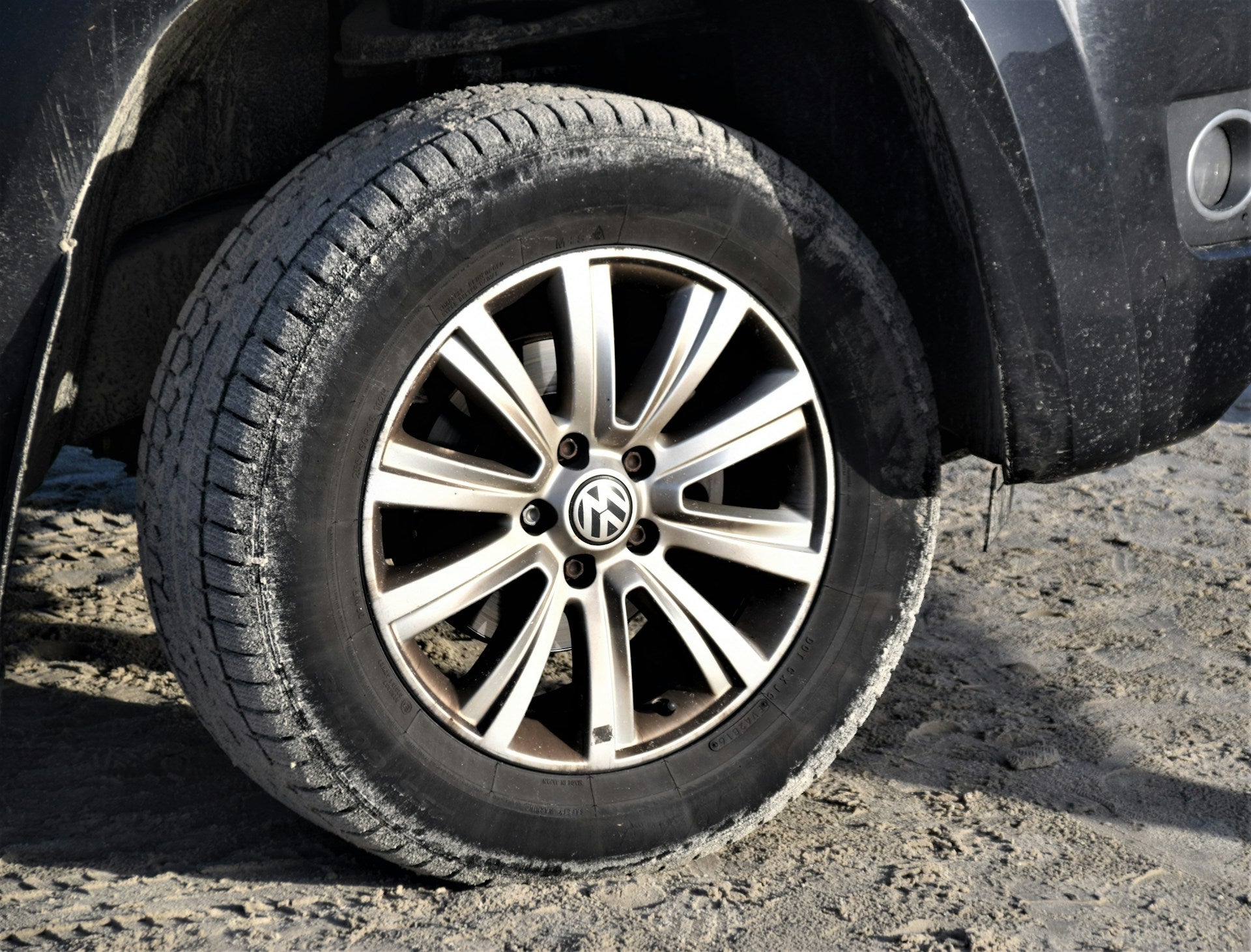
Keep Your Summer Drives Smooth on Long Island Tire care in summer is just as important as oil changes and brakes. When the weather heats up on Long Island, your tires work harder on every drive, from quick errands around town to long weekends heading east. more Hot pavement, stop-and-go traffic on the LIE, and crowded beach parking lots all put extra stress on your tires. Good summer tire care helps your Volkswagen stop, turn, and grip the road the way it should, even when the weather changes fast. In this guide, we will walk through simple checks you can do at home, when it is time to let a pro take a look, what happens in a dedicated tire service bay in Shore-area communities, and how to keep your tires in good shape for safer, more comfortable drives. How Summer Heat Affects Your VW Tires As temperatures climb, the air inside your tires expands. That means your tire pressure can creep up, even if you have not added any air. If you set your pressure once in cooler weather and never check it again, you might be driving on tires that are too hard for summer roads. Long Island roads heat up fast in the sun. Hot asphalt on the highways to the Hamptons, tight turns around local streets, and steady braking in traffic all speed up tread wear. Parking on hot concrete at the beach or the mall does not help either, since the rubber never really gets a chance to cool down. When tire pressure is off, problems show up quickly in summer: Underinflated tires can feel squishy, hurt fuel economy, and wear on the outside edges. Overinflated tires can feel harsh, lose grip, and wear more in the center of the tread. Both conditions can increase the risk of a blowout on long, hot road trips. If your Volkswagen starts to ride rough, feels loose in turns, or just seems different than usual, it is worth paying extra attention. A quick pressure check and a visual inspection during the warmer months can help you catch small issues before they turn into bigger ones on a busy holiday weekend. DIY Tire Checks Before Your Long Island Getaway Before you head out for a summer escape to the North Fork or a full day at Robert Moses, a few simple checks at home can give you more peace of mind. Start with tread depth. Tread is what helps your tires push water away and grip the road: Use a tread depth gauge if you have one. If not, you can use a penny, placing it upside down between the tread blocks to see how much rubber is left. Check several spots across each tire to catch uneven wear. Next, look closely at your tire sidewalls. Watch for: Cuts or deep scrapes. Bubbles or bulges in the rubber. Cracks that may show age or sun damage. Nails, screws, or small pieces of debris stuck in the tread, especially after driving near construction or gravel. Then, check tire pressure using a quality gauge. Use the number listed on the sticker inside your driver’s door jamb or in your owner’s manual, not the number on the side of the tire. Make sure to: Check pressure when the tires are cold, before you start driving for the day. Adjust air if needed so all four match the recommended range. Pay attention to how your car feels and sounds as you drive. Signs that something may be off include: Vibration in the steering wheel at higher speeds. The car pulling to one side when the wheel is straight. Squealing or chirping sounds when turning into a parking spot. Longer stopping distances, especially in wet weather. Make these checks part of your routine before holiday weekends, road trips, and any longer summer drive. It only takes a few minutes, and it helps you know when it is time for a professional to take a closer look. Professional Tire Care at a Tire Service Bay in Shore Communities At some point, home checks are not enough. That is where professional tire care makes a real difference. In a dedicated tire service bay in Shore communities, your tires can be inspected with tools and equipment built for accurate, repeatable results. A professional visit can include: Precise tire pressure checks and adjustments. Computerized tread depth and wear pattern measurements. A close look at sidewalls, valve stems, and wheels for damage. Key summer services that help your tires last longer and ride better include: Tire rotation to even out wear between the front and rear. Balancing to reduce vibration at highway speeds. Wheel alignment to correct pull and uneven wear from winter potholes and rough roads. You can also find Volkswagen-approved tire options that match your model and how you drive. That might include summer, all-season, or performance tires suited for popular VW vehicles like compact sedans, SUVs, or electric models that see a mix of city, parkway, and beach driving. Many drivers like the convenience of planning ahead online and watching for seasonal tire service specials that reward regular maintenance. A little time in the shop can help protect your tires through busy summer traffic and beyond. Choosing the Right Tires for Long Island Summers Not all tires are built for the same job. The right choice depends on where and how you drive around Long Island. In general: Summer tires are designed for strong grip and sharper handling on warm, dry pavement, with good performance in summer rain. All-season tires balance comfort, quietness, and wet traction, and work well for drivers who prefer a single set of tires year-round. Different drivers may need different setups: Daily commuters on the LIE might focus on comfort, fuel efficiency, and a quiet ride. Families going between camps, sports, and beaches may want a smooth ride and good wet grip for changing weather. Performance-focused drivers might prefer a tire that feels more responsive in corners and during quick lane changes. When picking tires, it helps to look at: The size and speed rating listed for your VW model. Noise level ratings if you want a quieter cabin. Tread patterns that handle sudden summer rain and standing water without losing control. Talking with a service team that knows Volkswagen models and local roads can make tire choices much easier. They can suggest options that fit your driving style, daily routes, and budget so you feel confident every time you pull out of the driveway. Stay Safe in Surprise Summer Storms Summer on Long Island can go from sunny to soaking in a few minutes. When heavy rain hits the parkways or local side streets, your tires are the first line of defense. Worn tread cannot move water out of the way as well. That raises the risk of hydroplaning, when the tire rides on top of water instead of gripping the road. Proper tread depth and correct tire pressure help the tire keep contact with the pavement so your steering and brakes still respond the way you expect. Safe driving habits work together with good tires. In summer rain, try to: Slow down and leave extra space between you and the car ahead. Avoid hard braking or sharp turns through standing water. Steer smoothly and stay off deep puddles when you can. A quick tire inspection before peak stormy periods can uncover thin tread, pressure issues, or alignment problems before they show up as a slide or long stop on a wet morning commute. Get Your VW Summer Ready with Confident Tire Care Strong tire care is one of the easiest ways to make every Long Island drive feel calmer and more secure. When you combine simple at-home checks with professional inspections, rotations, balancing, and alignments, your tires are better prepared for beach trips, vineyard tours, and daily errands. With the right tires, correct pressure, and regular service support, your Volkswagen can handle hot pavement, sudden showers, and weekend traffic with less stress, so you can relax and enjoy more of your summer miles. Keep Your VW Safe With Expert Tire Care Today Maintain your vehicle’s performance and safety by scheduling tire service with our certified team in our dedicated tire service bay in Shore. At Smithtown Volkswagen, we inspect, rotate, balance, and replace tires using equipment designed for your VW. If you have questions or want to book an appointment, simply contact us and we will help you find a convenient time.

Volkswagen

VW Brake Care for Farmingdale Stop-and-Go: EV Regen vs. Gas Brakes

Stop Safely in Farmingdale’s Toughest Traffic Driving around Farmingdale can be rough on your brakes. Between stop-and-go lines on Route 109, busy lights around Main Street, and traffic heading toward the beaches, you spend a lot of time moving from gas to brake pedal. That constant stopping puts a real load on your braking system, whether you drive a gas Volkswagen or an electric one. more When brakes work harder, they wear faster. That can mean longer stopping distances, strange noises, or a pedal that does not feel right. In this guide, we will explain how both traditional brakes and regenerative braking work, how local traffic affects them, and what you can do to keep your Volkswagen stopping safely in everyday Farmingdale conditions. How Stop-and-Go Traffic Wears Down Your Brakes Every time you press your brake pedal, your car is turning motion into heat. In a traditional system, the pads squeeze the rotors, and that friction slows the wheels. In slow traffic where you are constantly on and off the brakes, there is less time for parts to cool, so heat builds up. That extra heat can lead to problems like: Faster brake pad wear Grooves and hot spots on rotors Brake fade, when the brakes feel weaker after heavy use Longer stopping distances over time Around Farmingdale, local driving patterns make this worse. Short trips, school zones, and crowded intersections mean you rarely get long, smooth stretches. On warmer days, hot pavement and heavier traffic keep your brakes working harder than you might think. If you add road construction or weekend beach traffic, your braking system spends a lot of time under stress. This is why regular brake inspections matter. When trained technicians check pads, rotors, and brake fluid before there is a problem, they can help prevent: Metal-on-metal grinding Deep rotor damage Sudden loss of brake performance Catching issues early keeps you safer and can keep a minor repair from turning into a bigger one. Regenerative Braking on VW EVs and Hybrids If you drive a Volkswagen EV or plug-in hybrid, your brakes work a bit differently. When you lift off the accelerator, the electric motor can act like a generator. It slows the car while sending energy back into the battery. That is regenerative braking, and it means your friction brakes do not always have to do all the work. In stop-and-go traffic, this can be a big help. Regenerative braking can: Reduce how often the friction pads and rotors are used Make deceleration smoother when it is set to the right level Improve overall efficiency by capturing energy that would normally be lost as heat But even with regenerative braking, your car still has a full traditional brake system. Those pads, rotors, and brake fluid are there for quick stops and hard braking. Since friction brakes are used less on many EVs, they can develop surface rust or corrosion if they are not checked and serviced. EV and hybrid drivers around Farmingdale should pay attention to: Brake fluid service at the intervals noted in your owner’s manual Seasonal checks before long trips, especially if you plan highway miles Software updates that can affect how regenerative braking feels and responds Any change in the smoothness of slowing down when you lift off the accelerator Regular attention keeps both the electric and friction sides of your braking system ready for sudden stops in tight traffic. Traditional Gas Brake Systems in Daily Commutes Gas-powered Volkswagen models use a more familiar brake setup. When you step on the pedal, brake fluid pushes pistons in the calipers, which squeeze the pads against the rotors. Anti-lock brakes (ABS) help keep the wheels from locking if you brake hard, so you can still steer. In everyday Farmingdale driving, that system does a lot of work. Constant braking for: Traffic lights and stop signs School zones and neighborhood streets Tight parking lots and quick cut-ins can lead to issues like glazing, where pads get shiny and lose bite, or warped rotors that cause a pulsing feeling through the pedal or steering wheel. If brake fluid absorbs moisture over time and is not replaced, the pedal can start to feel soft or spongy. Professional brake service makes a real difference here. Using parts designed for your VW and installing them the right way helps with: Smooth, even braking without vibrations Proper torque on hardware so parts stay secure Fresh, clean brake fluid that maintains a firm pedal feel Having technicians who know Volkswagen systems work on your brakes can help your car stop the way it was built to, even when traffic around Farmingdale is at its worst. Choosing the Right Brake Care for Your VW Brake care is not the same for every driver or every Volkswagen. EVs and plug-in hybrids rely more on regenerative braking, while gas models use friction brakes all the time. Still, both systems need regular attention and timely repair. Here are some general differences in what you might notice and when you might need service: For traditional gas brakes: Squealing, squeaking, or grinding noises Vibration or pulsing when you stop A pedal that feels soft, low, or slow to respond A burning smell after heavy braking For EVs and hybrids with regenerative braking: A change in how strong the regenerative braking feels Needing to press the pedal more than usual to slow down Warning lights on the dash related to brakes or stability systems Rough or uneven stopping, instead of a smooth, steady slowdown No matter what type of Volkswagen you drive, warning lights, new sounds, or changes in pedal feel should never be ignored. When technicians with Volkswagen training and tools inspect your brakes, they can use factory information and the right parts to bring your system back to proper operation. That is especially important for EVs, where both software and hardware work together to control braking. Get Your Volkswagen Brake-Ready for Summer Driving As days get warmer and traffic picks up around Farmingdale and the rest of Long Island, your brakes feel the strain. Hotter temperatures, heavier weekend traffic, and longer trips all stack on top of your normal commute. A seasonal brake check is a smart way to prepare your Volkswagen for the extra work. At Smithtown Volkswagen in St. James, we see how local roads and driving habits affect both traditional and regenerative braking systems. A careful inspection can spot worn pads, rotor issues, fluid concerns, or EV-specific items before they turn into bigger problems. Whether you drive a gas model or an electric Volkswagen, staying ahead on brake care helps you stop with confidence every time traffic suddenly slows. Restore Confident Braking With Expert Local Service If your brakes are squeaking, vibrating, or just not feeling as responsive as they should, schedule trusted brake repair in Farmingdale with Smithtown Volkswagen today. Our factory-trained technicians use genuine parts and precise diagnostics to help keep you and your passengers safe on every drive. Call our team or contact us online to set up your appointment at a time that works for you.

Volkswagen

College Graduate Financing Perks on New Volkswagens in Smithtown

Cruise Into Graduation with Big-Time VW Savings Graduation is a big step, and so is getting a car that can keep up with everything coming next. A new Volkswagen can help you get to interviews, your first full-time job, or weekend trips without stress, and Volkswagen’s College Graduate Program can make that feel a lot more reachable than many people think. more Early summer is a popular time for grads to upgrade their ride. Schedules are changing, commutes are starting, and many people want something reliable and efficient that they can count on every day. At our dealership in St. James, we work with new graduates all the time, helping them sort through lease and finance choices that fit real-world budgets. We will walk through what college grad perks often include, how they can stack up against used car financing in Smithtown, which new Volkswagens fit postgrad life, and how to get ready to apply. Why College Grads Get Special VW Finance Perks Volkswagen’s College Graduate Program is built with one person in mind: you, right after school. While program details can change, it often includes perks like: Eligibility for recent or soon-to-be graduates Flexible credit guidelines compared with standard programs Competitive finance or lease offers on new Volkswagen models Options that can work with limited credit history Many new grads do not have a long credit record. You might have student loans, a part-time job, or a first job offer that has not even started yet. A program made for college grads can help you: Qualify without years of credit history Keep monthly payments more manageable Build credit with on-time payments on a new vehicle A new Volkswagen also brings peace of mind that fits a tight budget. New models come with factory warranties, so you are not guessing about big repair bills. Modern safety features and driver assistance tech help make daily driving feel calmer, especially on crowded Long Island roads. Low maintenance needs on a new car can free up money for rent, student loans, and everyday life. Instead of worrying whether your car will start in the morning, you can focus on work, school, or time with friends. New Volkswagen vs. Used Car Financing in Smithtown Many grads think a used vehicle is always cheaper. Sometimes that is true, but it is not the full story, especially when you factor in special offers and college grad perks on new Volkswagens. Here are a few ways new VW finance offers can differ from more traditional used car financing in Smithtown: Interest rates on new cars are often lower than on used Loan terms on new cars can be longer, which may lower monthly payments Down payment needs can be different between new and used New vehicles include factory warranties, while used vehicles may have limited or no coverage When you look at the full picture, a new Volkswagen can sometimes cost less over time than a used model. Reasons can include: Better fuel economy for daily commuting Lower risk of major repair work early on Special incentives that only apply to new vehicles Included roadside or warranty support that reduces surprise costs Of course, a used vehicle can still be the right move for some grads. If you want a lower starting price or have a very strict budget, a pre-owned or certified pre-owned Volkswagen might fit better. A certified pre-owned model can bring added peace of mind with extra inspections and added coverage compared with a typical used car. At our store, we help new buyers compare both paths side by side. We can look at new offers and used car financing in Smithtown, then see how each option lines up with your budget, commute distance, and how long you plan to keep the vehicle. Best New Volkswagens for Life After Graduation Different grads need different things from a car. Some are heading into daily trips across Long Island, while others are driving to grad school or weekend adventures. A few popular Volkswagen choices for postgrad life include: Jetta, a compact sedan that is great on gas and easy to park Taos, a small SUV with extra cargo space for gear or moving boxes Tiguan, a roomy SUV for carpooling and longer drives Golf GTI, a sporty hatchback for drivers who want fun and quick handling ID.4, an all-electric SUV for grads interested in going electric Think about your daily life for a moment. For example: Long commutes across the Island can feel easier in a Jetta or Tiguan with supportive seats and smooth driving City internships or grad school runs feel simpler with tight turning and easy parking Beach trips and weekend getaways are more relaxed when you have room for coolers, chairs, and bags All-weather driving on Long Island is more confident with available all-wheel drive on certain models Many grads love features such as: Smartphone integration for music, calls, and maps Driver-assistance systems that can help with braking, parking, or staying in your lane Available all-wheel drive for rain and winter road conditions Comfortable interiors with plenty of charging ports and storage Choosing a car with these features now can keep you happy for years, not just for the first job out of school. How to Qualify for VW College Graduate Financing Getting ready for a college grad finance program is easier when you know what to bring. While details can vary, grads usually want to gather: Proof of recent or upcoming graduation, like a diploma or transcript Proof of income or an offer letter from an employer A valid driver’s license and proof of address Any records of credit accounts, if you have them Here is how the process often works at our dealership: Start with a simple pre-qualification form online so we can get a sense of where you stand. Visit the showroom and sit down with our finance team to talk about your goals and budget. Test drive a few new Volkswagens that match how and where you drive. Review your approval options, choose lease or finance, and finish the paperwork. To improve your chances of approval and feel better about your payment: Set a clear monthly budget before you pick a car Save for a reasonable down payment, even a smaller one can help Consider a co-signer if your credit history is very limited Be honest about how much you drive and how long you plan to keep the car Our team is happy to explain anything that feels confusing, from terms on the contract to how payments work. Start Your Postgrad Journey at Smithtown Volkswagen Finding the right car right after college does not have to feel overwhelming. With Volkswagen’s College Graduate Program and a team that works with first-time buyers every day, getting into a new VW can feel simple and clear. From comparing new offers to going over used car financing in Smithtown, we help you weigh all your options. At Smithtown Volkswagen in St. James, we enjoy working with local grads who are ready for their next chapter. Whether you are heading to a first job, grad school, or just more time on the road, we are here to help you choose a car that fits your life today and still feels right tomorrow. Secure Affordable Financing For Your Next Used Vehicle If you are ready to bring home a quality pre-owned car or SUV, start your application for used car financing in Smithtown today and see options that fit your budget. At Smithtown Volkswagen, we work with a variety of lenders so we can help you explore competitive rates and flexible terms. Have questions about your application or documents? Just contact us and our financing team will walk you through each step.

Volkswagen EV

Keeping Volkswagen EVs Charged on Long Island Beach Days

Spend More Time on the Sand, Not at the Charger Taking your electric Volkswagen to the beach is one of the easiest ways to enjoy Long Island. From Robert Moses and Jones Beach to Smith Point and out toward Montauk, a quiet, smooth EV makes the ride feel relaxed, even when the roads are busy. Many drivers are choosing Volkswagen EVs for these trips because they are easy to drive, fun, and do not use gas. more Still, it is normal to worry about range on a long beach day. You might wonder if your EV can handle the drive, the traffic, the cooler in the back, and the extra stops without running low. The good news is that with a little planning and some local charging knowledge, beach days in a Volkswagen EV can be simple and stress-free. We will walk through how to plan your range, where to find Volkswagen EV charging in Long Island near the water, and how to charge smart when it is hot. With a few habits and some help from your car’s technology, you can spend your time on the sand, not staring at a charging screen. Planning Your Long Island Beach Day Range Before you load the chairs and umbrellas, it helps to know how far your Volkswagen EV can go on a typical day. Popular models like the Volkswagen ID.4 and other electric Volkswagens are built to handle daily driving plus weekend fun. For most Long Island beach trips, the round trip distance is well within normal EV range, especially when you start with a good charge. When you plan a drive from areas like St. James to the major beaches, think about more than just miles on a map. Summer driving can change how your EV uses energy. Things that can affect your real-world range include: Steady highway driving on the LIE or Sunrise Highway Stop-and-go traffic near the causeways and beach exits Heavier loads like coolers, chairs, and extra passengers Running the AC for most of the drive None of these are a problem on their own. They just mean you should plan a bit of extra range. A few smart habits help a lot: Check your state of charge the night before and charge at home if you can Use your EV’s built-in navigation to preview energy use for the day’s route Plan your round trip with a comfortable buffer, not right down to the last mile Add in possible side trips, like a stop for dinner on the way back When you do this, you are less likely to be searching for “Volkswagen EV charging in Long Island” at the last minute. Instead, you already know that you can get there, park, enjoy the beach, and still have plenty of power for the ride home. Where to Charge Your Volkswagen EV Near the Beach Long Island has more charging options than many drivers realize. You will find public chargers at shopping centers, municipal lots, and near many busy shore areas. DC fast chargers are often placed along major routes, which makes them convenient for a quick stop on the way to or from the beach. Some helpful places to look for chargers include: Large shopping centers within a short drive of major beaches Municipal parking areas that serve beach towns Charging plazas near main highways or parkways Hotels and other public lots that offer guest or public charging Your Volkswagen infotainment system is your best friend here. Many models can show nearby charging stations directly on the screen. You can sort by charging speed, connector type, and other details so you are not guessing when you pull in. You can also pair this with popular charging apps on your phone. These apps can help you: Search “Volkswagen EV charging in Long Island” and filter for fast chargers Check if a charger is currently in use or available Read basic notes from other drivers about access and parking Timing your stop is just as important as the location. It often works well to: Top up while you grab lunch before going to the beach lot Stop at a charger just before entering the beach parking area Charge on the way home when beach traffic is lighter and chargers are less busy This way, charging fits naturally into your day, instead of feeling like a chore. Smart Charging Habits for Hot Summer Days Heat is part of Long Island beach life, but it can affect your EV in a few small ways. When it is very hot, your battery and charging system work to stay in a safe temperature range. Charging might slow down a little to protect the battery, especially at high states of charge. You can help your EV handle the heat with simple steps: Charge overnight at home on a Level 2 charger if possible Use scheduled charging so the car finishes charging close to the time you leave Start your trip with a charge level that fits your day instead of sitting at full in the sun Preconditioning is another helpful feature. When your EV is plugged in, you can cool the cabin before you leave, using grid power instead of your battery. This means you step into a cool car without spending extra range right away. Once you are at the beach, you can protect both comfort and range by: Parking in the shade when possible, or using a sunshade on the windshield Setting the AC to a reasonable temperature instead of the coldest setting Using seat ventilation or fan settings when your EV offers them If you plan to stop at a charger later, there is no need to chase every extra percent of charge in the middle of the day. A quick top-up near the highway or closer to home often fits better than leaving the beach early just to sit at a charger. Making the Most of Volkswagen Tech and Charging Programs Volkswagen EVs include tools that make planning a beach day much easier. On your main display, you can see your estimated range, your recent energy use, and how your driving style affects it. Many models offer route planning that takes charging into account and can suggest stops based on your destination. When you plan your route to Robert Moses, Jones Beach, Smith Point, or farther out, pay attention to: The range estimate and how it changes as you drive Suggested charging stops along the way Traffic conditions on your route Volkswagen connected services can link your car to public charging networks. This can help you start and stop charging sessions more easily, view station details, and keep track of your charging history. Some programs may offer special access or features that make Volkswagen EV charging in Long Island more convenient. Inside the cabin, family-friendly features keep everyone happier on long drives. Helpful tools include: Driver assist systems to reduce stress in heavy traffic or long highway stretches Flexible cargo areas that can handle chairs, coolers, and beach toys Infotainment and charging ports for devices so passengers stay entertained When everyone is comfortable and relaxed, it is easier to drive smoothly and use energy more efficiently. Visit Smithtown Volkswagen Before Your Next Beach Trip Before beach season is in full swing, it helps to give your EV some attention. A visit to a certified service center can include software checks, a look at your battery health, tire inspections, and AC service. Good tires and a healthy AC system both support better range and comfort on hot days. If you are thinking about installing home charging, it also helps to talk with a team that works with Volkswagen EVs every day. They can answer questions about home charger options, show you helpful accessories, and share local insight about good charging spots along common Long Island routes. For drivers who are still deciding if an electric Volkswagen fits their beach lifestyle, it can be helpful to see EVs in person and take a test drive. That way, you can experience how quiet, smooth, and easy an electric beach day can feel, from the first mile out of the driveway to the last mile home after sunset. Power Your Commute With Convenient Home And Public EV Charging If you are ready to enjoy confident range and simple charging, our team is here to walk you through every step of Volkswagen EV charging in Long Island. We can help you compare charging options, understand real-world driving ranges, and choose the EV that fits your lifestyle. To talk through your questions or schedule a visit, just contact us and we will help you get started with Smithtown Volkswagen.

Volkswagen

Brake Pedal Vibration (No Noise) in Long Island Volkswagens: Causes & Fixes

When Your Brake Pedal Vibrates but Stays Quiet If your brake pedal starts to vibrate or pulse but your brakes are quiet, that is not something to ignore. Many Volkswagen drivers around Long Island feel this most when slowing down from highway speeds or coming off a parkway exit, even though the car seems fine at low speeds. more No noise does not mean no problem. Pedal vibration can point to issues with your brake rotors, pads, wheels, or suspension. Left alone, it can lead to longer stopping distances, uneven tire wear, and future repairs that take more time and money. On busy Long Island roads, bridges, and parkways, you want your brakes to feel smooth and predictable. Summer beach trips, Memorial Day travel, and traffic toward the Hamptons all mean more sudden stops and harder braking. Catching brake pedal vibration early helps keep you safer in that kind of driving and keeps your Volkswagen feeling solid and confident. What Silent Brake Pedal Vibration Really Means Not all brake pedal pulsing is bad. When the ABS system kicks in during a hard stop, you will feel a fast, rhythmic pulsing in the pedal while the system helps prevent wheel lockup. That is normal and usually happens only in an emergency stop or on a very slick surface. The kind of vibration that should concern you is different. Common signs include: A gentle but steady pulsing in the pedal when slowing from highway speeds Vibration only when braking downhill or on long off-ramps Shaking that is more noticeable after a longer drive, not just around town A slight shake in the steering wheel or seat along with the pedal These issues can affect how your car stops, even if no warning light comes on. Modern Volkswagens often will not trigger a dashboard light for brake rotor problems or wheel issues that cause vibration. Your first and sometimes only early clue is a change in how the pedal feels under your foot. If brake parts are not working smoothly together, you can face: Longer stopping distances, especially in wet or sandy conditions The car pulling slightly to one side during a hard brake Extra stress on suspension and steering parts over time Paying attention to new vibrations and getting them checked quickly is one of the simplest ways to stay safe on the road. Common Causes of Brake Pedal Vibration on Long Island Roads The same driving that makes Long Island fun also puts extra stress on your brakes. Heavy traffic, quick lane changes, and frequent slowdowns can all add up. Some of the most common causes of a vibrating brake pedal include: Warped or uneven brake rotors Your brake rotors are the metal discs your brake pads squeeze to slow the car. When rotors heat up again and again, they can wear unevenly. This often happens from: Repeated hard stops in stop-and-go traffic on major roads Riding the brakes downhill instead of letting the car coast more Long highway runs followed by sharp exits or short ramps High and low spots on the rotor surface make the brake pads grab unevenly. You feel this as pedal pulsation, even when there is no squeal. Winter road salt and salty ocean air can also speed up rust and wear on rotors, which adds to the problem. Uneven brake pad deposits Sometimes the rotor itself is not badly warped but has patches of brake pad material stuck to it. This can happen when: Brake pads get overheated Lower quality pads are used Brakes are held hard while hot, such as after a long highway run These deposits create a bumpy surface. When the pads pass over those spots, you feel a vibration, usually under moderate to hard braking. Wheel, tire, and suspension issues Not every brake vibration is only about the brakes. Other parts can cause or copy the same feeling: Bent wheels from potholes or curbs Tires that are out of balance or unevenly worn Worn suspension parts, like bushings or control arm components These problems can make the car shake more as speed rises. When you press the brakes, that shaking often feels stronger, so it seems like a brake problem. This is why a full inspection, not just a quick pad replacement, is important to fix the issue the right way. How Technicians Diagnose Vibration Without Noise Tracking down vibration without any squeal or grinding takes a careful process. When you bring your Volkswagen in for brake vibration, here is what trained technicians typically do. Road test and driver interview A good diagnosis starts with listening to you. The more detail you share, the better. It helps to describe: When the vibration happens, such as certain speeds or road types Whether it changes with light or hard braking If the steering wheel or seat also shake How long it has been going on and if it is getting worse Technicians then road test the car to try to repeat the issue. They pay attention to speed, pedal pressure, and whether vibration changes as the brakes warm up. Visual and measured inspection Next, they inspect the brake system and nearby parts. This often includes: Checking pads and rotors for uneven wear, hot spots, glazing, and rust Inspecting calipers, brackets, and slide pins for smooth movement Looking at wheels, tires, and suspension for obvious damage or play Visual checks are only the start. To truly confirm rotor issues, technicians use precision tools, such as dial indicators and micrometers, to measure: Rotor runout (side to side wobble) Rotor thickness variation around the disc These measurements get compared to factory specs instead of just relying on the eye test. System checks on modern Volkswagens On newer models, technicians often scan the car for codes related to ABS or stability systems. They may also check brake hoses and brake fluid condition, since old or contaminated fluid can affect how the system responds. Dealership service centers that focus on Volkswagens are familiar with the way VW braking systems are designed and how they should feel. That helps them spot issues faster and match the right repair to your specific model. Proven Fixes and How to Help Prevent Vibration Returning Once the cause of the vibration is clear, technicians can recommend the right repair. Common solutions include: Resurfacing or replacing brake rotors that are warped or worn Installing new pads that match Volkswagen specs Cleaning, lubricating, and servicing caliper hardware Repairing or replacing damaged wheels, tires, or suspension parts Replacing pads alone often will not fix pedal vibration if the rotors are uneven or the wheels are out of balance. The whole system has to work together smoothly for the vibration to go away and stay away. Choosing the right parts for your Volkswagen also matters. Using genuine Volkswagen or VW-approved brake components for models like the Jetta, Tiguan, Atlas, or ID.4 helps keep pedal feel consistent and braking performance steady. Parts that match factory specs are designed to handle the traffic, weather, and driving style common in Long Island and the Farmingdale area roads. There are also a few simple habits that help keep brakes smooth between services: Avoid riding the brakes on long downhill stretches Leave extra following distance in heavy traffic so you can brake more gently After getting new pads and rotors, brake gently at first so they can bed in evenly Have brakes inspected seasonally, especially after winter and before heavier summer driving When you need professional Volkswagen brake service in Farmingdale or nearby Long Island communities, a full inspection and the right parts make all the difference. Restore Smooth, Confident Braking at Smithtown Volkswagen When your brake pedal starts to vibrate, waiting for a grinding or squealing noise is not a safe plan. That quiet pulsing is already telling you something is off, and fixing it early can protect your stopping power and other parts of your Volkswagen. At Smithtown Volkswagen in St. James, we work on Volkswagens every day and understand how Long Island roads affect your brakes. Our team focuses on factory-based service and genuine VW parts so your car can handle everyday commutes, weekend trips, and busy parkway traffic with smooth, confident braking. Protect Your Stopping Power With Expert Brake Care If your brake pedal feels different, you hear squealing, or it has simply been a while since your last inspection, now is the right time to schedule Volkswagen brake service in Farmingdale. At Smithtown Volkswagen, we’ll carefully inspect your braking system, explain what we find, and only recommend the work your vehicle truly needs. Use our online scheduling tool or contact us today so we can help keep every stop confident and controlled.

Volkswagen

Patchogue VW Certified Warranty and Inspection: What It Covers

What “Certified” Really Means for Long Island Drivers Buying a used car is a big decision, especially if you are planning lots of trips between Patchogue, the North Shore, and the beaches. Many drivers want the lower price of a used car but still want confidence that it has been checked and protected. That is where Volkswagen Certified Pre-Owned comes in. more In the Volkswagen world, Certified Pre-Owned, or CPO, means the car has met specific factory standards. It is not the same as a basic used car. It is also not the same as a random “dealer certified” label with no support from Volkswagen. A true Certified Volkswagen in Patchogue comes with a factory-backed inspection process, warranty coverage, and added perks. It also has limits, and it helps to know what those are before you sign anything. When you shop, you will likely see both certified and non-certified VWs on the same lot. Each has its place, depending on your budget, how much you drive, and how long you plan to keep the car. Having someone walk you through the differences side by side can make things much clearer. VW Certified Pre-Owned Basics Every Buyer Should Know Volkswagen sets rules for which vehicles can become CPO. While the exact program details can change, CPO models are generally newer used vehicles that meet Volkswagen standards for age, mileage, and history. They must also have a clean title. If a car does not meet those rules, it cannot be sold as certified. Common benefits of a Volkswagen CPO program include: A factory-backed limited warranty for a set number of years or miles 24-hour roadside assistance for covered situations A vehicle history report, often from a trusted provider Access to special financing offers when available You can think of CPO as a middle ground between new and used. You get a used car price with added coverage that a standard used car does not have. A Certified Volkswagen in Patchogue will usually cost more than a similar non-certified used VW on the same lot. That extra amount helps pay for the inspection, any reconditioning, and the added warranty coverage. That price difference can make sense if you care about predictable ownership. When more repairs are covered under a warranty, it is easier to plan your budget. You are less likely to be surprised by a large bill if a covered part fails. Inside the VW Certified Inspection and Reconditioning Process To earn that CPO badge, a Volkswagen must pass a detailed inspection set by the factory. This is more than a quick look under the hood. It is a multipoint checklist that touches almost every part of the vehicle. Key mechanical checks usually include: Engine and transmission operation Brakes, pads, rotors, and lines Steering and suspension components Tires and wheels, including tread depth and balance Electrical systems and major safety features Beyond the mechanical side, technicians also inspect comfort and cosmetic items. They look at interior wear, seat function, dashboard controls, and infotainment operation. They check the body panels, paint condition, glass, lights, HVAC, and more. Any items that do not meet Volkswagen standards must be repaired or reconditioned with approved parts for the car to qualify as certified. At a dealership with factory-trained technicians, this work is done by people who work on Volkswagen models every day. They follow VW procedures, record what they find, and document what was repaired or replaced. When you shop, you can ask to see this inspection sheet. It gives you a clearer picture of what work went into the car before it reached the lot. What VW Certified Warranties Cover Versus What They Do Not One of the main reasons drivers choose a Certified Volkswagen in Patchogue is the factory-backed limited warranty. This coverage is designed to pick up where the original new vehicle warranty leaves off or add protection during a set term. In general, CPO coverage can include many important systems, such as: Powertrain components, like the engine and transmission The drivetrain, including some axle and differential parts Certain electrical systems and control modules Covered repairs related to mechanical failure of listed parts However, there are important limits. Common exclusions include: Normal wear-and-tear items, like brake pads, wiper blades, and tires Routine maintenance, such as oil changes and filters Cosmetic issues like small dings, scratches, or upholstery stains Damage from accidents, misuse, or neglect Problems caused by non-approved aftermarket accessories Many certified vehicles still have some of the original new-vehicle warranty in place. The CPO warranty may start when that original warranty ends or may overlap it. This can be helpful if you plan to put a lot of miles on the car, for example, regular trips from Patchogue to other parts of Long Island. You can have more than one layer of coverage during your early ownership years, as long as you follow the maintenance rules in your paperwork. Questions to Ask Before You Buy a Certified Volkswagen in Patchogue Before you decide on a certified VW, it helps to ask very clear questions. This keeps you from guessing what is and is not included later on. Good questions to ask include: When exactly does the CPO warranty start, and when does it end? Is there a deductible for covered repairs? If so, how much is it? What is included in the roadside assistance coverage? Towing, jump-starts, lockouts? Are extended service contracts available, and who backs them? You should also request documentation, such as: The completed inspection checklist, with notes on all items Service and reconditioning records done before the sale A full vehicle history report A clear explanation of any past accidents or insurance claims It also helps to ask how service works at the dealership you are using. You might want to know if loaner cars are available for longer repairs, what maintenance schedule they recommend for your model, and how to plan a service visit before peak driving seasons. These answers show you what to expect after you bring the car home. When a Certified Volkswagen Is Worth It and When It Isn't A Certified Volkswagen in Patchogue can be a smart choice for many people, but it is not right for everyone. The key is to match the car, the coverage, and the cost to your own life. It is often worth going certified if you: Drive a lot of miles each year for commuting or trips Plan to keep the vehicle for a long time Want extra protection for family driving or long road trips Prefer more predictable repair costs over surprise bills A non-certified used VW might still be a good fit if you drive fewer miles, keep a tight budget, and are comfortable with a little more risk. In that case, it becomes even more important to get a thorough pre-purchase inspection and review service records. That way you are not guessing about the car’s condition. When you compare certified vs non-certified, think about more than the sticker price. Factor in likely repair needs over the next few years, local labor rates, and how you feel about unexpected repairs. Many drivers find that the extra peace of mind from factory-backed coverage is worth the added cost, especially when they rely on their car every day on Long Island roads. Drive Home Confidently From Smithtown Volkswagen Understanding what Volkswagen certification really means helps you shop with a clear head. You know what the inspection covers, what the warranty protects, and where the limits are. That makes it easier to compare one Certified Volkswagen in Patchogue to another used option and choose what fits your life best. When you are ready to see the difference up close, you can visit Smithtown Volkswagen in St. James. You can compare certified and non-certified vehicles side by side, look over real inspection reports and warranty samples, and talk with a specialist about which setup fits your plans, from daily commuting to weekend beach drives. With the right information in hand, you can drive home feeling confident, protected, and ready for whatever the road brings next. Drive Home Confidence With a Certified Volkswagen Today If you are ready for a vehicle that blends value, reliability, and warranty-backed peace of mind, explore our Certified Volkswagen in Patchogue inventory. At Smithtown Volkswagen, we inspect each certified model with care so you can focus on enjoying the drive. Have questions about financing, availability, or trade-in options? Simply contact us and our team will help you take the next step.

Volkswagen EV

Medford VW Check Engine Light: Common Causes by Model (Gas vs. EV)

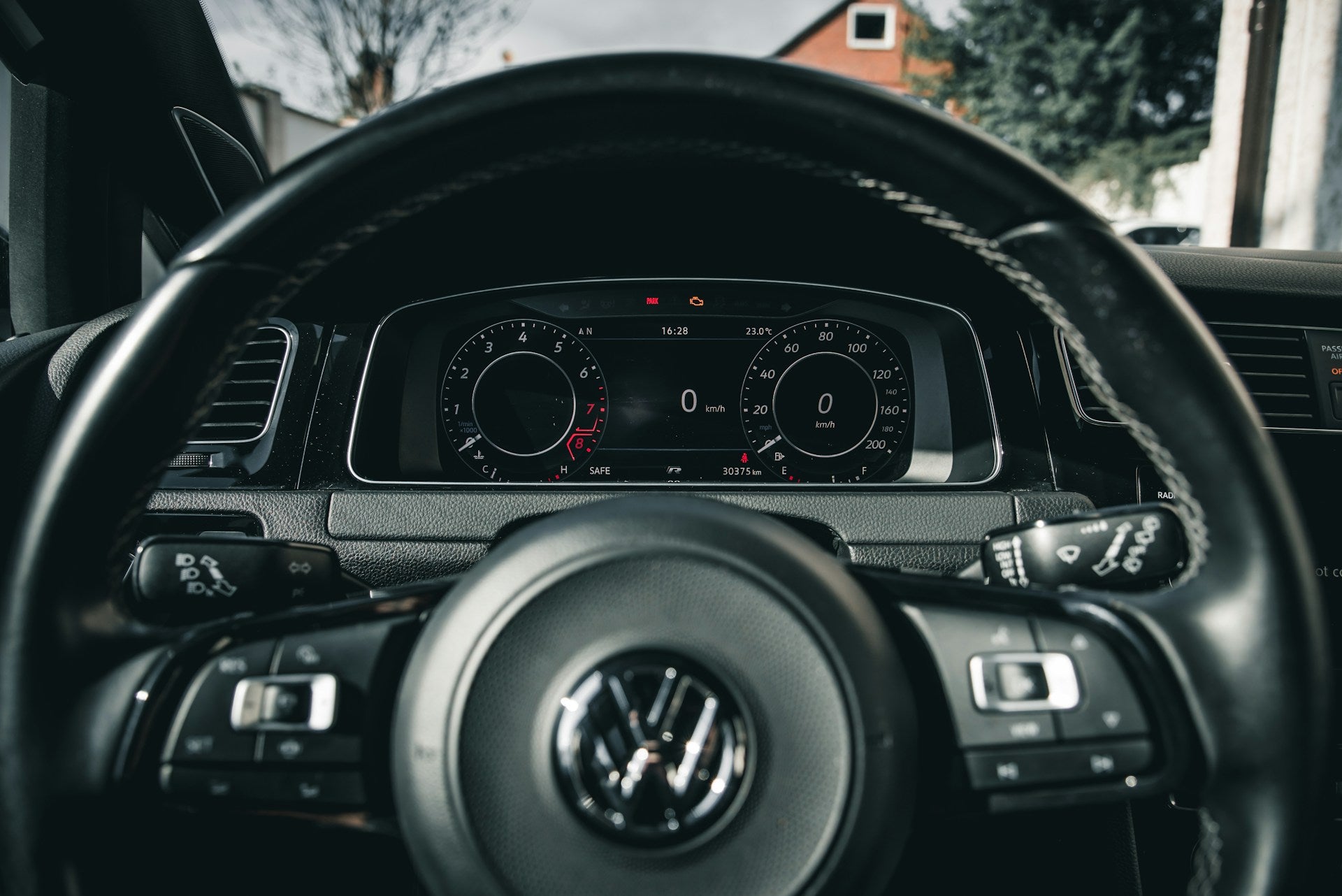
Medford Drivers: Do Not Ignore That VW Check Engine Light When your Volkswagen flashes a check engine light, it is your car’s way of saying something is not quite right. Sometimes it is simple, sometimes it is more serious, but it always deserves attention. Around late spring and early summer, we see more warning lights as Long Island drivers hit the road more, sit in heavier traffic, and deal with higher temperatures. more If you drive around Medford, St. James, or anywhere in Suffolk County, that light does not always mean you need to panic. It could be a loose gas cap, or it could be a misfire that needs quick care. The key is to stay calm, pay attention to any changes, and get proper VW diagnostics in Medford and the nearby area before a small issue grows. In this article, we will walk through what the check engine light really means, the most common causes in gas Volkswagens, how VW EVs handle warnings differently, and what steps you should take the moment the light comes on so you can protect both your vehicle and your plans. What Your VW Check Engine Light Is Really Telling You Your check engine light is part of your VW’s onboard monitoring system. It keeps an eye on the engine, emissions system, and key electronic parts. Modern Volkswagens rely on many sensors and control modules that watch for problems and store trouble codes when something is off. There are two basic types of check engine lights: Steady light: Often points to an issue that needs attention soon, but not always an emergency. Flashing light: Often signals an active misfire that can damage the catalytic converter and should be handled right away. If your light comes on, take a moment and: Notice any strange smells, new noises, or loss of power. Check that the fuel cap is on tight and clicks into place. Drive more gently, avoid heavy loads, and hold off on long trips. Watch for other warning lights or temperature changes. Only the right scan tools can tell you exactly what is going on. Generic code readers may miss VW-specific information or point you in the wrong direction. That is why professional diagnostics, like what a Volkswagen specialist uses, are so important to avoid guessing and replacing parts that were never the problem. Top Check Engine Light Causes in Gas VW Models For gas-powered models like the Jetta, Tiguan, Taos, Atlas, and Golf, certain issues show up again and again, especially as miles add up or driving gets tougher in warm weather. The extra stop-and-go on the LIE or Sunrise, along with heat and humidity, can push older parts past their limit. Common causes include: Loose or faulty gas cap: One of the simplest causes, but it can trigger an emissions warning. Oxygen sensor problems: These sensors help control the air-fuel mix and emissions. Mass airflow sensor issues: This part measures how much air enters the engine. Worn spark plugs or ignition coils: Can cause misfires, rough running, or flashing lights. EVAP system leaks: Hoses and valves that manage fuel vapors can leak after big temperature swings. When summer traffic builds around Medford and Patchogue, your engine spends more time idling and working hard at low speeds. That heat can stress ignition parts and emissions components that were already weak. What felt fine in cooler weather can suddenly turn into a warning light right when you are planning a drive out to the Hamptons or upstate. With proper VW diagnostics in Medford’s surrounding area, a trained technician can read the exact code, check live data from sensors, and test only the parts that need attention. This helps avoid random part swapping and the frustration of a check engine light that keeps coming back. How VW EVs Handle Warnings Differently Than Gas Models If you drive a VW EV or plug-in hybrid, like an ID.4 or other electrified model, you might not see the classic check engine symbol at all. Instead, you will see different warning icons or messages on the digital display. These relate to the electric drive system, the high-voltage battery, and other electronic systems. Typical EV-related alerts include: Battery management system warnings Charging system or charge port faults Sensor or control module communication issues Cooling system alerts, which can show up more in warmer weather EVs have fewer moving engine parts, but the high-voltage systems and software are complex. Trying to figure out an EV warning at home is not only tough, it can also be unsafe if you are not trained to work around high-voltage components. Factory-trained technicians with the right scan equipment can: Read EV-specific codes and system logs Run tests on the battery and charging system Install software or firmware updates when needed Confirm that all cooling and safety systems are ready for heavy summer commuting This kind of targeted care helps keep your VW EV running smoothly through long drives, heat, and daily stop-and-go traffic. Step-by-Step: What to Do When the Light Comes On When that check engine light or EV warning shows up, it helps to have a simple plan. Staying calm and following a few clear steps can protect your vehicle and keep you safer on the road. Here is a quick checklist: Look at the dashboard for any messages or extra warning icons. Note if the light is steady or flashing. Check that the gas cap is tight on gas models. Turn off any heavy accessories like towing or roof loads if possible. Drive gently and avoid high speeds or hard acceleration. You can usually continue driving carefully to a trusted service center if: The light is steady. The car feels normal. There are no strong fuel smells, no smoke, and no temperature warning lights. You should pull over safely and arrange a tow if: The light is flashing. You feel a major loss of power. You notice strong fuel or burning smells. The engine temperature is climbing or any loud knocking or clunking starts. Before your visit, try to note: When the light first turned on. Recent fuel stops, especially if you filled up at a new station. Any recent repairs, maintenance, or hits from potholes. Patterns, like the light coming on only during highway speeds or on very hot days. These details can help technicians track down the cause faster and more accurately. Get Clear Answers with Local VW Diagnostics You Can Trust Waiting for a planned road trip or a heat wave is one of the easiest ways to turn a small warning into a bigger headache. A check engine light that seems harmless today can leave you sitting on the side of the LIE or Route 112 tomorrow if the cause is more serious than it first appears. Having a local Volkswagen specialist perform diagnostics gives you clear answers and a repair plan you can understand. With equipment designed for both gas and EV Volkswagens, and technicians trained to work with these systems, you get service that is tailored to your vehicle. That way, you can head into summer driving with more confidence, knowing your VW has been checked, scanned, and prepared for whatever your next trip brings. Schedule Expert VW Diagnostics With Confidence Today Keep your Volkswagen performing at its best with precise, dealer-level testing and repair. Our factory-trained technicians use advanced equipment to provide accurate VW diagnostics in Medford so issues are found and fixed the right way the first time. At Smithtown Volkswagen, we explain our findings clearly and review your options before any work begins. If you have questions or want to set up an appointment by phone or email, simply contact us.

Volkswagen

Patchogue CPO VW Price Guide: What Affects Cost and How to Negotiate Locally

Drive Home a CPO VW in Patchogue with Confidence Shopping for a Certified Volkswagen in Patchogue or nearby St. James is all about finding the right mix of value and peace of mind. You want something that feels modern, has the features you care about, and comes with protection so you are not stressing over every little sound or warning light. more Certified pre-owned Volkswagen models can hit that sweet spot. They give you a used vehicle price with added inspection, warranty help, and newer tech that many older used cars simply do not offer. In this guide, we will walk through what really impacts the cost, how those details shape your payment, and how local shoppers can approach the numbers with confidence. How CPO VW Pricing Is Built From the Ground up CPO pricing starts long before the car hits the lot. The base of the price is shaped by a few key things: Vehicle age and generation Original MSRP and equipment Current demand on Long Island Certification and reconditioning standards A newer body style with popular features usually carries a higher price than an older design, even if mileage is similar. If a certain Volkswagen model is in high demand locally, that can also keep prices firmer. Certification adds another layer. To qualify as CPO, a Volkswagen must go through a detailed inspection. Any needed repairs or updates must meet Volkswagen standards, with parts that match the brand. That work has real value for you: it helps you start ownership with a car that has been checked and prepared by trained technicians, not just washed and parked. Compared with a non-certified used VW, you are paying for: A structured inspection process Required repairs and reconditioning Software updates where needed Warranty coverage tied to the brand It is helpful to think in terms of price versus cost of ownership. A certified car with good fuel economy, a solid inspection history, and warranty-backed repairs can save you money over time, even if the sticker looks a bit higher at first glance. Fewer surprise repair bills and better reliability can matter more than a small difference in the starting price. Trim, Mileage, and Features That Move the Number Two Certified Volkswagen vehicles can look similar from the outside but still be priced very differently. A big part of that is trim level and features. Common trims you might see include: S: often the value-focused trim with core features SE: adds comfort and tech upgrades SEL: more premium touches, convenience, and style R-Line: sportier styling and features on select models Packages and options can also nudge the price. Popular add-ons include driver-assist safety tech, a panoramic sunroof, premium audio, and upgraded wheels. Features like advanced safety systems and digital displays are in high demand, so they tend to raise both the upfront price and the car’s appeal when you resell later. Mileage and model year are another balancing act. A slightly newer Volkswagen with a bit more mileage can sometimes be a smarter buy than an older, low-mileage model. The newer car may have: Updated safety and tech A fresher design inside and out More time left in its warranty coverage On Long Island, lifestyle needs also play a role. Many families lean toward SUVs like the Tiguan and Atlas for extra space, weekend trips, and beach runs. Others prefer compact sedans and hatchbacks like the Jetta and Golf for easier parking and commuting. When more people are shopping for road-trip-ready SUVs, that demand can influence pricing compared with smaller cars. Warranty, APR, and Fees That Shape Your Monthly Payment Your monthly payment is not just about the sticker on the window. Warranty coverage, financing terms, and fees all work together to shape what you pay each month. Volkswagen CPO models include warranty protection backed by the brand. That coverage can help with certain repairs for a set time and mileage. You may also see options for: Extended service contracts Tire and wheel protection Prepaid maintenance plans These extras add cost upfront but can help reduce surprise expenses later. It mainly comes down to how long you plan to keep the car and how much peace of mind you want. Financing is another big piece. At a dealership, your payment can change based on: Credit score tier Special Volkswagen APR programs when available Size of your down payment Loan term length A higher down payment and a shorter term usually mean a higher monthly amount but less paid in interest overall. A lower APR can soften the payment without changing your budget too much. Then there are fees and taxes. In New York, you can expect: Documentation fees Registration and title fees NY State and local sales tax You might also see optional add-ons like service plans or appearance protection. The key is to read an out-the-door quote that shows all costs together, so you know exactly what you are agreeing to before you sign. Local Negotiation Tips for Patchogue and St. James Shoppers Good negotiation starts long before you sit at a desk. A bit of prep helps you feel calm and clear about what you want. Start by researching fair pricing on a Certified Volkswagen in Patchogue and nearby: Look at current CPO inventory from nearby dealers Compare similar trims, mileage, and features Note patterns in pricing so you know what is typical When you visit in person, timing can matter. Weekdays are often quieter, which can give you more time to talk through details and test drive without rushing. Being flexible on color or specific options can also help, since the best deal might be on a car that is slightly different from your first pick but still fits your needs. Financing pre-approval can be a helpful tool. Knowing your approximate rate and budget range makes it easier to focus the conversation on the vehicle price and structure of the deal, instead of guessing what your payment might be. If you have a trade-in, treat it like its own mini transaction. Before you go: Get general value estimates from trusted online tools Gather service records and receipts Make sure the car is clean, inside and out A well-presented trade with clear history can support a stronger appraisal. The value of your trade directly reduces what you finance, which can lower your monthly payment without changing the CPO Volkswagen you choose. Start Your Certified VW Deal the Smart Way Today The smartest way to start is to narrow your choices before you even leave home. Pick a few Certified Volkswagen models that match your lifestyle, like a Tiguan for family trips or a Jetta for daily commuting. Make note of trim levels, mileage, and standout features so you can compare them side by side. Using a payment calculator with different down payments and terms can also give you a good feel for what fits your budget. When you arrive at the dealership in St. James from Patchogue or anywhere on Long Island, you can walk in already knowing which CPO Volkswagens interest you and what kind of monthly range makes sense. From there, local Volkswagen specialists can walk through pricing, warranty options, and financing line by line so you can choose the deal that feels right for you. Drive Home Confidence With a Certified VW Today If you are ready for a reliable vehicle backed by thorough inspections and warranty coverage, explore our Certified Volkswagen in Patchogue options today. At Smithtown Volkswagen, we take time to walk you through features, vehicle history, and financing choices so you can feel confident about your decision. To talk through your needs or schedule a test drive, simply contact us and we will help you take the next step.

Volkswagen

Volkswagen Brake Bedding-In Tips for Long Island Drivers After New Pads

Protect Your New VW Brakes From Day One New brake pads and rotors are a big safety upgrade for your Volkswagen, but they need a little care at the start. How you drive in the first few hundred miles can affect stopping distance, noise, and how smooth the brakes feel for a long time. A proper break-in can help your brakes grab firmly when you need them most and reduce the chance of squeals or vibrations. more Long Island driving is tough on brakes. Stop-and-go traffic on Route 25, slowdowns on the LIE, and salty air near the water all put extra stress on your VW braking system. That’s why taking it easy right after a brake job matters even more for drivers here. With a simple, step-by-step bedding-in routine, you can help your new pads and rotors wear in evenly. Our technicians are always ready to explain the process so your Volkswagen brakes feel strong and stay that way. Why Bedding-in New VW Brakes Really Matters When we talk about bedding-in or break-in, we are really talking about two things happening at once. First, a thin, even layer of brake pad material needs to transfer onto the surface of the rotor. Second, the new parts need time to settle in without getting overheated. If you skip that gentle start or drive too hard on fresh brakes, you can run into problems like: High-pitched squealing or chirping Steering wheel shake or pedal pulsation when you slow down Glazing on pads and rotors that can reduce stopping power Longer stopping distances, especially in sudden stops Uneven rotor wear that can show up as vibration later On crowded Long Island roads, you notice these issues right away. A brake pedal that feels rough when you are inching along in traffic or a steering wheel that shudders when you slow from highway speed can make every commute feel stressful. Proper bedding-in helps your brake system work together as designed. When you pair expert Volkswagen brake service in Farmingdale or St. James with a careful break-in period, you are helping protect your investment in new pads, rotors, or a full brake job and supporting smoother, more confident stops. Step-by-Step Bedding-in Process for Long Island Roads You do not need special tools or a race track to bed-in your new brakes. You just need some patience and a bit of planning for where and when you will drive after service. For most Volkswagen models, a general bedding-in routine looks like this: • First 150 to 200 miles: Avoid hard panic stops unless you have an emergency Keep your speed moderate when you can Leave extra following distance so you can brake gently • Controlled stops: Find a safe, low-traffic area Do several medium stops from about 35 to 40 mph down to around 5 to 10 mph Do not come to a complete stop and hold the pedal hard after each one Drive a few minutes between stops to let the brakes cool On Long Island, quieter neighborhood streets or calmer stretches of road early in the morning or later in the evening can work well. Try to avoid heavy weekend traffic heading toward the beaches, where constant braking can heat things up too quickly. Every Volkswagen model is a bit different, especially performance models with larger brakes. It is always smart to check your owner’s manual or ask a factory-trained technician for tips that match your specific vehicle and driving style. Seasonal Brake Break-in Tips for Spring and Summer Warmer weather changes how your brakes behave, especially when they are new. Hotter roads, more stop-and-go traffic, and extra miles from day trips can raise brake temperatures faster than you might expect. Here are some simple spring and summer tips to protect fresh pads and rotors: Avoid riding the brakes in slow beach or vacation traffic. Try rolling forward and then easing off the pedal. Use lower gears on hills or ramps instead of holding the brakes lightly all the way down Give your brakes extra time to cool between bedding-in stops Park in the shade when you can, since cooler parts are less likely to warp or glaze Local roads may still have leftover winter salt and pothole damage. That can affect how your Volkswagen feels over bumps and during stops. If the steering feels off or the car pulls when you brake, it is smart to have the suspension and braking system checked before adding long summer road trips into the mix. A professional brake inspection before the busy travel season can help catch small issues early. That way, your new brakes can bed-in correctly and stay consistent when the car is fully loaded with people, luggage, and beach gear. When New VW Brakes Need Attention After Installation It is normal for new brakes to feel and smell a little different at first. During the first few hundred miles, you might notice: A light, temporary burning odor after driving Mild squeaks at low speeds that fade as the pads bed in Slight changes in pedal feel while the parts settle These signs usually fade as the bedding-in process finishes. But some symptoms are not normal and should be checked right away, such as: Sharp grinding noises Strong vibration in the steering wheel or brake pedal The car pulling hard to one side when you brake A soft or sinking pedal that does not feel steady If you notice anything like this, try to note when it happens. Pay attention to: Your speed when it starts Whether you are turning, braking lightly, or braking hard If the problem is worse when the brakes are hot or cold Avoid aggressive braking if it feels unsafe, and plan for a prompt inspection with a qualified Volkswagen service department. A skilled team can tell if the issue is from skipped or incomplete bedding-in, part defects, or something else, such as worn suspension components or tire problems. Fixing it early can help prevent more wear on your new pads and rotors. Get Expert VW Brake Care From Your Long Island Pros When your Volkswagen has just had new pads and rotors installed, or you are planning ahead for summer maintenance, it helps to have a trusted local team on your side. Professional inspection, brake fluid checks, and clear answers to your bedding-in questions can make those first miles on fresh brakes much less stressful. For Long Island drivers who might be thinking about Volkswagen brake service in Farmingdale or nearby areas, our location in St. James offers a convenient option with service tailored to local road and weather conditions. With attention to proper break-in and regular care, your VW brakes can stay smooth, quiet, and ready for whatever the LIE, Route 25, and your daily drive bring next. Protect Your Brakes And Drive With Confidence Keeping your brakes in peak condition is one of the most important ways to stay safe on the road, and at Smithtown Volkswagen we make it simple to get the expert care your vehicle deserves. Schedule your next Volkswagen brake service in Farmingdale and our factory-trained technicians will inspect, service, and repair your braking system using quality parts. If you have questions about symptoms you are noticing or need help booking an appointment, just contact us so we can help you get back to confident stopping power.

Volkswagen

Road Trip Ready Volkswagens for Long Island Summer Escapes

Hit the Long Island Highways in Comfort and Style Summer drives on Long Island should feel easy. Weekend runs to Robert Moses, catching the ferry to Fire Island, or heading all the way out to Montauk are a lot more fun when your car keeps you relaxed, cool, and confident in traffic. more The right Volkswagen helps with every mile. Comfort matters when you are sitting on the Long Island Expressway or Sunrise Highway. So do good fuel economy and smart safety features that can step in when traffic gets heavy or the weather turns. At Smithtown Volkswagen in St. James, we focus on helping local drivers find a new Volkswagen on Long Island that fits real summer plans. We also support those plans with service and genuine parts so your vehicle feels ready for long days, late nights, and everything in between. Top Volkswagen Picks for Long Island Summer Escapes Different trips call for different vehicles. Some drivers want space for beach chairs and coolers. Others want something small and fun for quick getaways and tight parking spots. Here are a few Volkswagen models that work especially well for Long Island summers: Volkswagen Tiguan Volkswagen Atlas Volkswagen Atlas Cross Sport Volkswagen Taos Volkswagen Golf GTI The Volkswagen Tiguan is a great all-around SUV for Long Island: Flexible cargo space for chairs, umbrellas, coolers, and sports gear Available 4MOTION all-wheel drive for extra confidence on wet roads Comfortable ride that feels steady on long stretches between Nassau and the Hamptons For families or bigger groups, the Volkswagen Atlas and Atlas Cross Sport are strong picks. The Atlas offers three-row seating and generous legroom so kids, friends, and extra bags all have space. Easy access to the third row makes loading up simpler. Both Atlas models offer advanced driver assistance features that are helpful in stop-and-go parkway traffic, plus towing strength for small campers, trailers, or jet skis. If you like something smaller and more playful, the Volkswagen Taos and Golf GTI bring a different kind of fun. Both are easy to park in crowded summer towns like Port Jefferson, Greenport, and busy beach lots. Their compact size and responsive engines help make frequent trips feel lighter, while good fuel economy helps you go farther between fill-ups. The Golf GTI adds a more spirited feel that keeps drives to the North Fork or Montauk exciting. Comfort and Tech Features That Make Every Mile Better When the heat and humidity roll in, the inside of your vehicle matters just as much as where you are going. Many Volkswagen models offer interior features that help you stay cool and comfortable: Available ventilated front seats that help on hot days Dual-zone or tri-zone climate control so everyone can pick a comfortable setting Panoramic sunroof options to enjoy sky and coastal views while keeping most of the heat out Flexible seating and cargo setups also help a lot. Split-folding rear seats, adjustable load floors, and wide liftgates make it easier to fit: Luggage and overnight bags Beach umbrellas and chairs Sports equipment, coolers, and bags of snacks On the tech side, Volkswagen models are built to keep you connected without feeling complicated. Features available on many models include: Volkswagen Digital Cockpit for clear, easy-to-read driving info Intuitive touchscreen infotainment systems Wireless Apple CarPlay and Android Auto for maps, music, and calls Multiple USB ports so everyone can keep phones and tablets charged Driver-assistance tech like IQ.DRIVE is designed to take some of the stress out of busy Long Island traffic. Features such as Adaptive Cruise Control, Lane Assist, and Front Assist can help with speed control, lane positioning, and watching what is happening ahead. On peak summer weekends, these tools can reduce fatigue so you arrive feeling more relaxed. Smart Reasons to Shop for a New Volkswagen on Long Island When you plan to spend a lot of time on the road, a new Volkswagen on Long Island can bring real day-to-day benefits. Newer models typically offer better fuel economy, which helps if you are making frequent beach trips or crossing from one end of the Island to the other. Updated safety features are helpful on busy roads filled with visitors, commuters, and local traffic all at once. Modern tech also keeps the family entertained and on the right route. Choosing to shop local brings its own advantages. At a local dealership, the people helping you drive are the same people who drive the same roads you do. Test drives happen on nearby streets and highways, not somewhere far away. That means we can talk about how a vehicle feels on roads you already know, from parkways to smaller neighborhood routes. Seasonal offers and financing options can also make it easier to match a vehicle to your lifestyle. Some drivers prefer leases that can change with growing families or new hobbies, like boating or camping. Others want to trade in an older vehicle and switch into something that fits long summer days, winter commutes, and everything in between. Service and Prep Tips Before You Hit the Road Even the best road trip plans fall flat if your vehicle is not ready. Before longer drives, it is smart to have a professional look over key parts of your Volkswagen. Common pre-road-trip checks include: Oil and filter change so the engine keeps running smoothly Tire rotation and tread check to help with grip and even wear on long highway stretches Brake inspection to handle stop-and-go summer traffic Battery health test to lower the chance of hot-weather starting problems Having certified Volkswagen service is helpful because the technicians know how these vehicles are designed. Genuine Volkswagen parts and accessories are made to fit and work correctly, which is especially important when you are depending on your vehicle far from home. Local service teams also understand the impact of Long Island driving, like potholes, salt air near the shore, and seasonal temperature swings. There are also accessories that can make summer even easier: Roof racks for bikes, kayaks, or extra cargo All-weather floor mats and cargo liners to catch sand and water Sunshades to help keep the cabin cooler when parked Cargo organizers so beach and sports items stay tidy and easy to grab Plan Your Long Island Summer in a New Volkswagen Today The right Volkswagen can turn Long Island trips into something you look forward to, not something you have to power through. From roomy SUVs like Tiguan and Atlas to nimble choices like Taos and Golf GTI, there is a model that can match your favorite getaways and daily drives. At Smithtown Volkswagen, we are part of the St. James community and see how drivers use their vehicles year-round. We offer new and pre-owned inventory, help with financing, and full service support so your Volkswagen feels ready for beach days, city runs, and everything in between. When you are ready to plan your next season of road trips, we will be here to help you find the setup that fits your life on Long Island. Drive Home Confidence With Your Next Volkswagen Explore our latest models and find the perfect fit for your lifestyle in our new Volkswagen in Long Island inventory today. At Smithtown Volkswagen, we take the time to understand your needs so we can match you with the right vehicle and financing options. If you have questions or want to schedule a test drive, simply contact us and we will be ready to help.

Volkswagen

Brake Noise on Long Island Volkswagens and When to Worry

Do Not Ignore That Squeal: Protect Your VW Brakes Brake noise is your Volkswagen talking to you. On Long Island roads, with stop-and-go traffic, salty air, and occasional potholes, your brakes work hard every single day. When they start to squeak, grind, or clunk, it is often a warning that something is changing in the system. more Catching brake problems early can help keep your family safer, especially on longer highway drives or weekend trips around New York. It can also help prevent a small issue from turning into a bigger repair. While some sounds are normal, others are a sign that your VW needs attention soon. If you drive a Volkswagen around St. James, Smithtown, or you are comparing options for brake repair in Farmingdale and in other Long Island spots, it helps to know which noises matter and when to worry. That is what we will walk through here, so you can feel more confident every time you press the brake pedal. Common VW Brake Noises and What They Mean Not every brake sound means something is broken, but none of them should be ignored for long. Here are the most common noises you might hear in your Volkswagen. Squeaking or squealing is one of the first sounds many drivers notice. It can come from: Wear indicators on the brake pads touching the rotor Light surface rust on the rotors after rain or humidity Dust or dirt buildup on pads and rotors If you hear a quick squeak during the first few stops of the day, especially after a damp night, that can be normal. The thin layer of rust or moisture is wearing off the rotor surface. But if the squealing continues during every stop, at every speed, it often means the pads are getting worn and need to be checked. Grinding or growling is more serious. This usually means the brake pads have worn down so far that the metal backing is contacting the rotor. When this happens: Stopping distance can increase Rotors can be damaged and may need to be replaced You might feel vibration or roughness when braking Grinding is not a sound to wait on. It is a strong sign that your VW needs brake service right away to stay safe. Clicking, clunking, or rubbing noises can point to other concerns. These sounds might come from: Loose or worn brake hardware Warped rotors that do not spin evenly Small stones or debris caught near the brake components Volkswagen brake systems are designed with tight tolerances. If you start hearing new mechanical noises when you hit the brakes, it is smart to have a professional take a closer look. When Brake Noise Is Normal on Long Island Roads Some brake sounds are annoying but usually harmless, especially with our coastal weather. Long Island drivers often notice more noise on damp mornings or after a day at the beach. Overnight humidity and salty air can leave a very light layer of rust on your rotors. The first few times you stop, the pads scrape that layer away, which can sound like: Short, light squeaks A faint scraping noise that fades quickly Slight roughness on the very first stop As long as the noise fades after a few stops and does not come back during the day, it is often normal. Seasonal shifts can also change how your brakes sound. In late spring and summer, you may notice: More squeaks after rain, storms, or a fresh car wash Occasional light noise in heavy traffic when brakes get hot Dust buildup from frequent short trips and stop-and-go driving A few signs that your brake noise is probably in the normal range: It only happens on the first few stops after the car has been sitting It does not get louder or more frequent over time The brake pedal feels normal, with no pulsing or vibration No brake or ABS warning lights are on Even when noise seems normal, regular brake inspections by a trained team help keep your VW ready for daily driving and longer trips. Red Flags That Mean Your VW Needs Brake Service Now Some brake noises are strong warnings that should not be put off. These sounds usually mean the brakes are wearing down past a safe point or that something is not working as it should. Noises that call for quick attention include: Continuous high-pitched squealing every time you press the pedal Screeching at low speeds that does not fade Metal-on-metal grinding, growling, or scraping that stays constant Changes in how your brakes feel are just as important as what you hear. Watch for: Pulsation or vibration in the brake pedal or steering wheel A soft or spongy pedal that sinks lower than usual The car pulling to one side when braking Needing more road to slow down or stop Your dashboard and a quick look through the wheel openings can also show clues: Brake warning light or ABS light staying on Burning or hot smell near a wheel after driving Deep grooves or dark spots on the rotor surface Brake pads that look very thin behind the wheel spokes Waiting too long with these signs can turn a simple pad replacement into a repair that needs rotors and other parts. Getting things checked early usually keeps you safer and helps limit damage. Why VW-certified Brake Care Matters on Long Island Volkswagen brake systems are built to match the specific model, from smaller cars like the Jetta to larger SUVs like the Atlas, plus hybrid and electric options. Having people who know these systems well work on them can make a real difference. Factory-trained technicians are familiar with: VW-specific brake designs and layouts Correct torque values on bolts and hardware How software-controlled features can affect braking on modern models Genuine Volkswagen parts are designed to work with your vehicle as a system. Using the right pads, rotors, and brake fluid can: Help reduce noise and squeals Support strong, consistent stopping power Handle local weather, traffic, and driving styles all year For Long Island drivers, convenience matters too. You might search for brake repair in Farmingdale or another town nearby, but a Volkswagen dealership in St. James offers tools and diagnostic equipment built for your brand. Keeping your service history in one place can also help when it is time for a lease turn-in or if you decide to sell your vehicle later. Make Your Next Stop a Safe One at Smithtown Volkswagen When you hear a new brake sound, it is easy to turn up the radio and hope it goes away. But your brakes are one of the most important systems on your Volkswagen, and they are worth paying attention to, especially before longer drives and busy traffic days. At Smithtown Volkswagen in St. James, we help Long Island drivers understand what their brakes are telling them and what should happen next. Whether you live close by in Smithtown or you are comparing options with general brake repair in Farmingdale or other areas, choosing VW-focused care can give you clearer answers and more peace of mind every time you press the pedal. Keep Your Brakes Ready for Every Drive If you are noticing squeaking, grinding, or longer stopping distances, schedule trusted brake repair in Farmingdale with Smithtown Volkswagen today. Our certified technicians will inspect your system, explain what they find, and recommend only the services you truly need. To arrange your appointment or ask questions about your brake concerns, simply contact us.

EV charging

EV Charging Etiquette for Long Island Volkswagen Drivers

Electric vehicles are becoming a common sight across Long Island, from local neighborhoods to busy shopping centers. As more drivers plug in, shared charging spots can fill up fast, especially on weekends and during warmer weather. That is why good EV charging manners matter just as much as knowing how your car works. more In this guide, we will walk through simple, clear etiquette for Volkswagen EV charging in Long Island. You will learn how to be polite at public chargers, plan ahead for trips, stay safe at crowded stations, and build smart charging habits that keep things smooth for you and everyone around you. Master EV Charging Etiquette on Long Island Public chargers are shared spaces, just like parking lots or carpool lanes, etc. When drivers follow the same basic rules, everyone gets where they need to go with less stress and fewer delays. Good etiquette helps you: Cut down your wait time at popular stations Avoid tense moments over who was “there first” Make road trips and errands feel calmer and more predictable On Long Island, public charging can get busy at shopping centers, office parks, park-and-ride lots, and near beaches. Knowing what is polite, what is not, and how to communicate with other drivers will help keep Volkswagen EV charging in Long Island friendly and fair. Know Your EV Charging Options on Long Island First, it helps to understand the main types of charging. When you know which level you need, you can pick smarter spots and leave fast chargers open for people who really need them. The three basic charging levels are: Level 1: Standard household outlet. Slow, usually best for overnight at home. Level 2: 240-volt chargers, similar to a large home appliance. Common at homes with dedicated chargers, workplaces, public lots, and shopping centers. DC Fast Charging: High-powered chargers that add a lot of range in a short time. Often found along main roads, near highways, and at some larger shopping or travel hubs. Most daily driving can be covered with home or workplace charging, often Level 1 or Level 2. DC fast charging is ideal for: Longer trips across the Island Quick top-ups when you are far from home Times when your battery is low and you need to keep moving Many public charging networks offer apps that help you: Find nearby chargers and filter by speed See if a station is in use before you arrive Read notes from other drivers on station condition By matching your needs to the right charger type, you avoid using a fast charger when a slower public charger or home charging would do the job. That leaves high-speed spots for drivers in a true hurry or on longer drives. Public Charging Manners Every Driver Should Follow At a shared charger, your goal is simple: get the charge you need, then make space for the next person. Time awareness is a big part of that: Move your vehicle soon after charging is done Pay attention to station time limits or idle fees Avoid “camping” at a charger if you are finished but still hanging out nearby Many EVs and charging apps let you set alerts when your charge hits a certain level or when a session ends. Using those reminders makes it much easier to unplug and move right away. Unplugging another driver’s vehicle is almost never okay without clear permission. A few general tips: Do not disconnect another car unless there is an agreed system in place Some drivers leave a note giving permission after a certain battery level If an app allows messaging, use that to check before you touch someone else’s cable At busy stations, it helps to: Form a clear line and respect who arrived first Ask politely who is next if it is not obvious Avoid blocking access lanes or stretching cables around your car in a way that trips others A friendly wave, a quick “Are you next?” or “How long do you have left?” goes a long way toward keeping things calm. Smart Charging Habits for Volkswagen EV Owners Good etiquette starts at home. When you treat public chargers as a backup instead of your main power source, you help keep the system running smoothly. Try to: Charge at home or at work whenever you can Use public Level 2 chargers while you shop, eat, or run errands Save DC fast charging for travel days or when you are low and far from home Managing your state of charge with a light touch helps too. You usually do not need to fast charge to 100 percent for short local trips. Instead, you might: Aim to use fast charging for quick boosts, not full fills Plan your errands around a Level 2 stop so you are not watching the clock Keep an eye on how long you really need to charge to reach your next stop comfortably During warmer months, beach trips and weekend getaways can put extra pressure on chargers near parks, ferries, and coastal towns. A few smart habits: Start your day with a healthy charge from home Check station availability before you leave Give yourself a buffer so you are not arriving with a nearly empty battery at a busy station If your Volkswagen offers battery preconditioning or charging schedules, learning how to use those tools can also help you charge more efficiently and calmly. Charging Safely and Respectfully at Busy Stations Safety is part of good etiquette. Public chargers mix cars, people, cables, and sometimes tight parking spots, so small choices matter. Always: Park inside the lines so others can reach their ports Keep cables neat and avoid blocking walkways Keep kids and pets away from charging cables and equipment Follow the instructions on the charger screen Respecting the space also means: Do not “reserve” a charging spot with cones, bags, or other personal items Only use charging spaces when you are actually plugged in Report damaged or strange-looking equipment instead of trying to fix it yourself You can also help other drivers when stations are busy by: Mentioning nearby stations if someone is waiting and you know of an open one Being patient if a charger is acting up and others are also trying to figure it out Setting a good example for newer EV owners who may be unsure of the rules How Smithtown Volkswagen Supports Better Charging As a full-service Volkswagen dealership in St. James, we spend a lot of time helping drivers feel confident about charging. That includes explaining how each Volkswagen EV handles charging, so you know what to expect before you ever plug into a public station. Our team can walk through: Your vehicle’s onboard charger and what that means for Level 2 speeds How your model responds to DC fast charging Recommended everyday charging habits for battery health and convenience We can also provide guidance on: Setting up home charging equipment with the right type of outlet Keeping your charging port and cables in good condition with regular service Using software updates and in-vehicle settings that support smoother charging As more people choose Volkswagen EV charging in Long Island, small acts of courtesy at the plug help build a cleaner, easier way to get around. When drivers understand their options, respect shared spaces, and stay safe, every charge becomes a little smoother for the next person in line. Power Your Commute With Convenient EV Charging Support If you are ready to make the switch to electric, we are here to help you understand everything about Volkswagen EV charging in Long Island, from home setup to on-the-go options. Our team at Smithtown Volkswagen can walk you through available EV models, charging times, and tools that fit your daily driving. Have questions or want to schedule a visit? Simply contact us so we can help you move into electric driving with confidence.

Contact Us

Fill out this form below and we'll contact you shortly
*Required Fields