Blog

All St James Volkswagen Dealer Volkswagen Smithtown Volkswagen Service St James Used Cars St James Volkswagen Service
Volkswagen

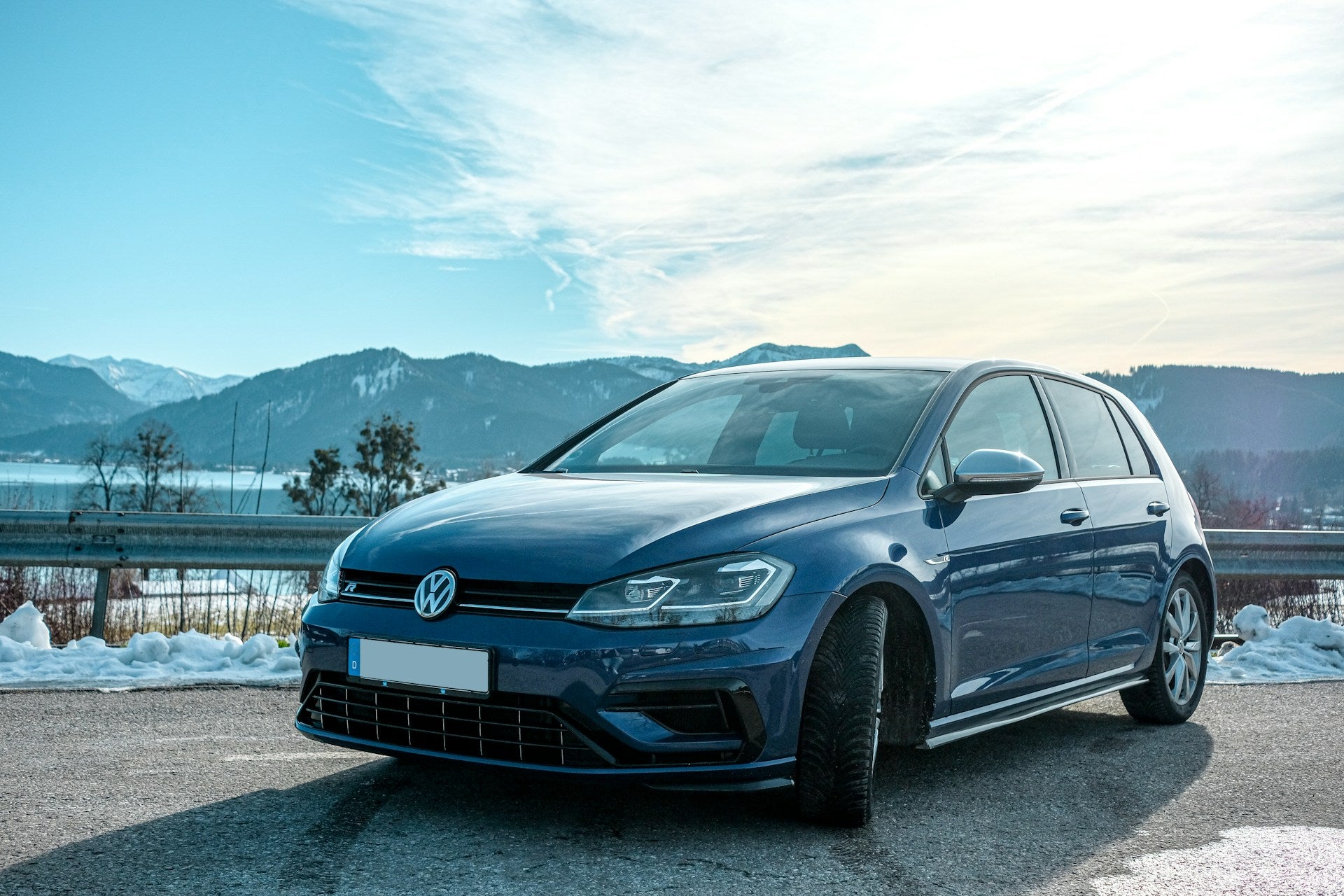
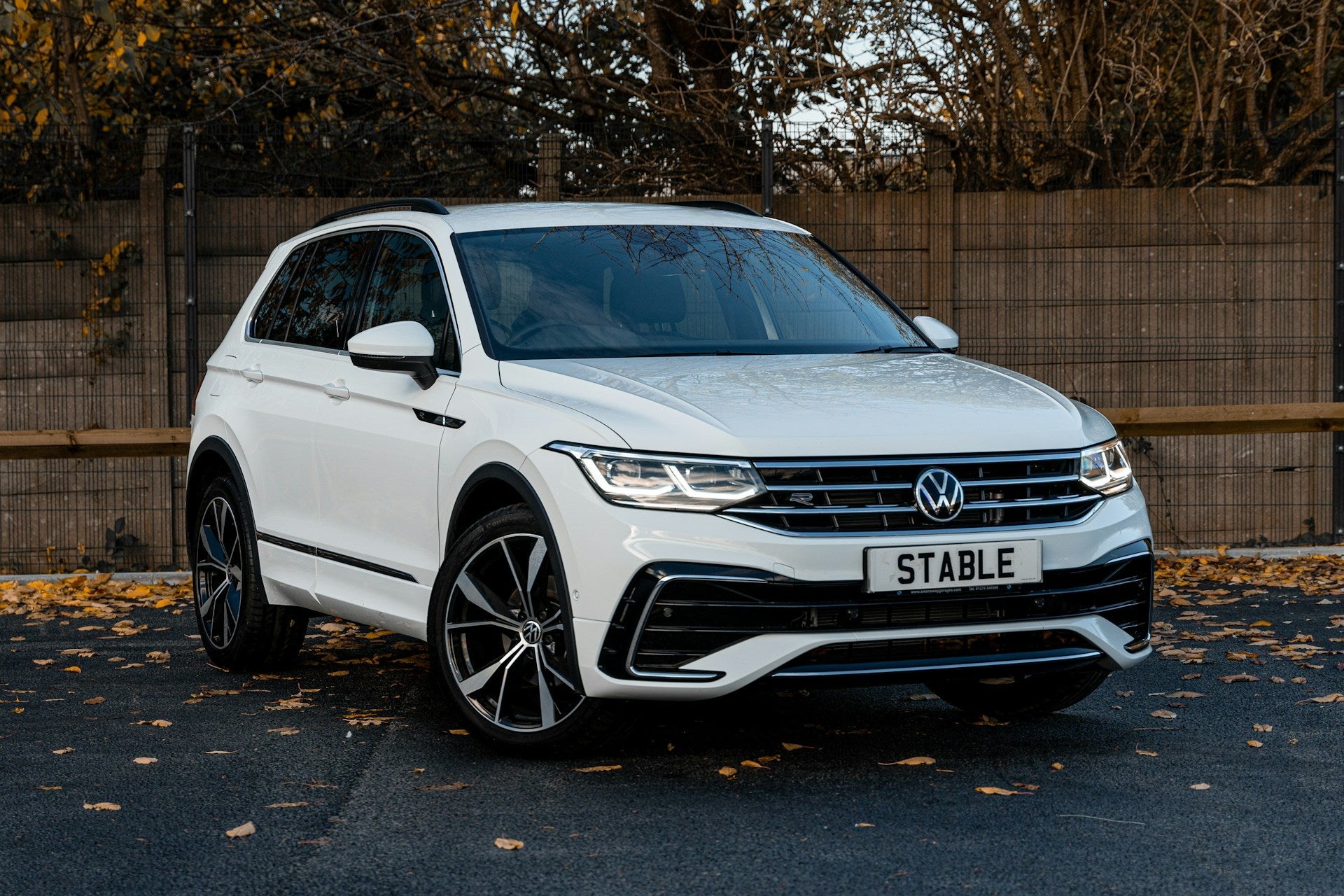
A Look at the Latest Volkswagen New Car Inventory

A new year often brings a time to reset. That does not just apply to your calendar or routines, but sometimes to your car, too. January on Long Island can be tricky on vehicles. Cold mornings, longer nights, and rough road conditions all play a part in how your car holds up. As winter continues, many drivers start to look ahead and ask whether now is the time for a new ride. more Looking through the Volkswagen new car inventory on Long Island gives you a chance to see what is currently available that might suit your lifestyle and the season. From the latest sedans perfect for daily commutes to SUVs that handle winter with ease, there are plenty of smart options to help you feel more prepared for the months ahead. What’s New in the Volkswagen Lineup This Year January is a good time to see which Volkswagen models have been updated or newly released. As the latest inventory arrives, we start to see fresh styling changes and feature upgrades across the lineup. Recent models often come with tech refreshes, like improved touchscreen systems, smart device integration, and updated safety tools Some trims may include revised lighting styles or modernized grilles, giving familiar favorites a new feel Wondering what was added to a model you already know? It is likely you will spot more driving assistance features built in for added ease on the road These are not just cosmetic changes. They show how driver expectations are shifting. Better comfort, quieter cabins, smarter support, these things all count when you spend hours in the car each week, especially during the colder months. Choosing a Sedan or SUV Based on Seasonal Driving Driving through Long Island in late winter calls for a different kind of reliability. Snowfall might be less common by mid-January, but road salt, freezing winds, and unpredictable storms still play a role. That is why the kind of car you choose should match the season and your driving habits. Sedans offer better fuel economy and are great for solo drivers or couples making frequent trips SUVs bring extra ground clearance, which can help after an icy night or when traveling uneven winter roads All-wheel-drive systems found in many Volkswagen vehicles give extra confidence when turning or stopping on slick pavement If you often travel between towns or deal with a longer highway commute, the ride comfort and warmth inside the cabin become even more important. Choosing based on seasonal needs now can make daily travel much easier as winter trails on. Comfort and Tech: Features That Make Cold Weather Driving Easier Cold weather does not just affect the road, it affects every part of the drive. From cracked fingers on freezing steering wheels to waiting for the windows to clear, comfort and convenience features become more than just extras this time of year. Heated seats and steering wheels help take the edge off those first few minutes behind the wheel Remote start makes early morning departures a little smoother when you need extra time to gear up Infotainment options give you better connection when mapping out your trip or syncing your playlists During winter, distractions are easy. Fogged windshields, sleepy starts, or long delays at red lights can take a toll. Extra support from built-in safety features like lane alerts or emergency assist comes in handy and gives added peace of mind during less predictable drives. Finding the Right Fit in the Volkswagen New Car Inventory on Long Island Picking out your next vehicle in January is more than just choosing a model you like the look of. It helps to start by being clear about how you drive during this time of year. Short daily errands? Long weekend trips? Shared driving with family? Each situation makes one type of car better suited than another. If most of your trips stay within town, a compact model like a hatchback offers good comfort with easy parking For mixed driving or heavier loads, midsize SUVs bring more cargo room and flexibility without affecting handling Think about how often your car sits outside overnight. It could influence whether features like remote start or heated mirrors become must-haves Getting familiar with what is currently in stock can keep surprises to a minimum. Do not just compare prices or colors, watch for differences in trim levels that affect comfort, tech, and performance. If you like to have all of your options laid out before making a decision, take the time to list your driving needs as well as the features you wish you had last winter. Being prepared when you visit helps you get more out of the time you spend at the dealership. Why Now Is a Good Time to Consider a New Car With winter already set in, it is easy to ride out the season in your current vehicle and wait for spring. But for many drivers, January is where issues start to show, slow starts, heating problems, unexpected noises. That is why taking a look at what is available now can be a smart move. Winter puts more pressure on aging systems, making it more likely you will face repairs before spring Newer models are ready to handle colder temps with less risk and better fuel efficiency Looking now means better timing. You can make a choice before inventory starts turning over again for warmer weather Planning now keeps you a step ahead. Instead of dealing with problems as they come up, you are setting yourself up for a smoother late-winter drive and a quieter start to spring. That kind of confidence makes day-to-day driving a lot less stressful. A Fresh Start for Winter and Beyond January might seem like a pause between holiday travel and warmer months, but it is actually one of the better times to rethink your car. With winter routines in full swing, now is when you find out what is working and what is not when it comes to comfort, performance, and dependability. Taking a closer look at current Volkswagen models gives you the chance to match your vehicle more closely with your needs today. Whether you are headed to work in freezing weather or trying to get the kids to school during a storm, finding the right car makes each drive easier. Through updated tech, more comfort, and solid handling, starting fresh now sets you up for a better year ahead. Upgrading your vehicle for enhanced winter performance or a more enjoyable daily commute is easier than ever with our broad selection. We offer options for every type of Long Island driver, from compact models perfect for maneuvering through town to spacious SUVs ready for chilly months ahead. Compare features that matter to you, such as heated interiors, advanced driver assist systems, and all-wheel drive, when you explore our updated Volkswagen new car inventory on Long Island. When you feel ready, reach out to Smithtown Volkswagen to schedule your visit or get answers to your questions.

Volkswagen

When to Replace Your Volkswagen Battery on Long Island

Car batteries wear down over time, though most people don’t always notice the signs until it’s too late. Freezing mornings, short trips in heavy traffic, and long waits at stoplights can all speed up the process during a New York winter. On Long Island, we see how big the drop-off can be once the temperatures dip below freezing. It’s not just about getting the car to start, but about how reliable that power source really is once winter wears on. That’s where routine checks play a big role in long-term care. Whether you're driving through Commack or stuck at a red light in Stony Brook, keeping up with your Volkswagen maintenance on Long Island can help you avoid last-minute surprises. more Below, we’ll cover what to watch for and when it might be time to switch out your battery before winter becomes even less forgiving. Common Signs Your Battery Might Be Dying The signs of a weak car battery usually start small and grow over time. Most drivers catch on when their vehicle struggles to wake up in the morning or leaves them stuck after a short errand. A few red flags can help you decide whether your battery is heading downhill fast. Your engine is slow to start, and you may hear a clicking sound instead of a strong crank. Headlights or dome lights seem dimmer, especially when idling. The dashboard lights flicker or turn on randomly. You have to jump-start your car more often, even if it was running fine earlier that day. These warnings can creep up slowly, especially in colder months. If you're noticing one or more of these signs, a closer battery inspection may be in order. How Long Do Volkswagen Batteries Usually Last? Car batteries don’t have an endless shelf life. Most fall within a certain range that depends heavily on the weather and how often you drive. On Long Island, all the stop-and-go traffic, freezing nights, and salt-covered roads put extra stress on older setups. Short trips, especially in winter, can wear down the charge more quickly than long highway drives. If you’re the type of driver who makes quick runs or leaves your car parked outside overnight, your battery might age faster than average. Cold weather puts added pressure on batteries that are already nearing the end of their life, draining energy faster and making starts more difficult. Instead of waiting for winter’s worst, it helps to think ahead as your vehicle pushes past a few solid years of use. We see this wear more often as the season drags deeper into January and February. Receiving steady power each time you hit the key isn’t guaranteed once these aging signs appear. The Role of Winter in Shortening Battery Life Cold is hard on batteries. Once the temperature drops below freezing, power levels fall and the battery needs to work harder to get the engine moving. But it’s not just the air outside that’s causing problems. Car heaters, window defrosters, and seat warmers all add to the electrical load. Starter motors have to crank longer when the engine is cold. Headlights and fog lights stay on more during the shorter days of winter. All of this combines to put a real strain on a battery that may already be losing its edge. It gets worse when you're frequently stuck in traffic or only driving a few miles at a time. Charging doesn’t have enough time to keep up, and before long the battery struggles to deliver the burst it needs on cold mornings. Here on Long Island, local conditions make this cycle worse. With short errands, crowded roadways, and the constant need to clear windshields, batteries are forced to run at top output just to handle daily routines. When a Battery Check Turns into a Battery Replacement It’s one thing to have a battery test, but knowing when to move on from an old one is the bigger question. A proper test can give a clear picture of output, charge retention, and internal condition. But even if it passes the test, other signs might still suggest a replacement isn’t far off. A battery that no longer holds charge between short trips Cracks on the casing or signs of corrosion on the terminals Vehicle electronics glitching or running less efficiently Sometimes a recharge is only a temporary fix, especially in the cold. If you're seeing repeat issues or power cutouts during basic starts, swapping in a new battery is often a better move than just resetting the system over and over. We look at battery health as a regular part of Volkswagen maintenance on Long Island, especially once winter stress adds fuel to the fire. Stay Ahead of Battery Trouble Before It Happens Battery issues rarely give much advance notice. A day or two of slow starts can quickly turn to a dead car in the driveway with no clear warning. That’s why staying ahead of winter trouble can make a big difference from mid-January through early spring. Watch for hesitations or flickers when starting. Listen to how long the engine takes to catch. Keep an eye on accessory performance like the radio or lights. Making checks part of regular service visits helps keep problems from snowballing. When we catch these warning signs early, we’re better able to spot whether the battery can hold up through the season or if it’s safer to change it. Winter is tough enough without adding a breakdown into the mix. Timing helps too. Replacing a battery in the dead of February beats trying to solve the problem outside in freezing wind or while waiting on roadside assistance. Planning ahead keeps things simple and reduces the risk of a cold-weather stall when you have to be somewhere. Why a Healthy Battery Makes Winter Driving Easier Winter driving already brings extra challenges. From icy roads to foggy windows, your car has a lot to deal with as it meets colder and more demanding days. An old or weak battery adds one more risk to that list. Watch for signs like longer cranks, dim lights, or the need for frequent jump-starts. If these show up more often after cold nights or short trips, the battery may not be keeping up anymore. And with Long Island’s winter stretch often lasting into March, it pays to be ready in January. Smithtown Volkswagen’s service center provides battery checks and Volkswagen battery replacements, along with other scheduled maintenance for winter driving. Our certified technicians use diagnostic tools to test your battery’s current performance and can quickly let you know if a replacement is needed to keep your vehicle reliable on cold mornings. Winter can be tough on your Volkswagen, but staying proactive with regular maintenance is key to avoiding unexpected issues. Make sure your vehicle is ready for whatever the season brings by scheduling a checkup with Smithtown Volkswagen. Our certified technicians are here to support Volkswagen maintenance on Long Island. Contact us today to ensure your car stays reliable, no matter how low the temperatures drop.

Volkswagen

How Certified Pre-Owned Volkswagens Are Inspected

When you're searching for a used vehicle, it's easy to feel unsure about what's really under the hood. That’s one reason many people look for a certified pre-owned Volkswagen, vehicles that take extra steps before being sold. These cars go through a careful inspection process, which gives buyers more confidence in what they’re driving off with. Shopping during colder months, especially in January, makes this even more important. Snow, ice, and freezing temps are not the time to gamble on a vehicle’s condition. more Whether you’re commuting across Long Island or parked on a snow-covered curb, knowing your car has been inspected makes a real difference. What the Inspection Covers: An Overview Before a used Volkswagen can be called "certified," it has to pass a detailed inspection from top to bottom. This check happens before the car becomes part of any certified program. It’s not a quick once-over, either. The goal is to verify that the vehicle looks good on the outside and runs like it should inside. This process includes both cosmetic and mechanical checks. We look for signs of wear on seats, scuffs on the paint, or anything that doesn’t match what you’d expect from a well-kept vehicle. Mechanically, we focus on reliability and performance. A consistent inspection process means no guessing. Every vehicle is evaluated by the same standards every time, so you won’t find big differences from one CPO vehicle to the next. That kind of consistency helps bring peace of mind to buyers when the weather gets rough. Under the Hood: Mechanical Checks That Matter Mechanical checks play a big part in the certification process. A clean exterior only goes so far if the engine or transmission isn’t reliable. That’s why we take special care to test the core systems early. We start with the engine’s performance, listening for unusual noises, checking for leaks, and confirming steady operation. The transmission is reviewed for smooth shifting and secure connections. Brake inspections focus on pad life, rotor condition, and stopping response. We also look at things that matter more in winter. Battery strength, for example, tends to dip in colder weather, so we check it closely. All fluid levels are reviewed, since oil, coolant, and brake fluid can behave differently when the temperature drops. Long Island roads can be hard on vehicles during winter, and it doesn’t take much for a small issue to turn into a real problem if left unchecked. Inside and Out: Safety and Appearance Checks The inside of a certified car needs to match its clean performance. We pay close attention to wear and condition in this step. Our goal is to confirm that all features are working and that everything looks and feels well cared for. Dashboard displays and controls must respond as intended. Lighting (both interior and exterior) is confirmed to be bright and working. Mirrors are checked for stability and clarity. For safety, we check the structure and function of systems that can get overlooked. Airbags, seatbelts, and child-safety locks are included in the inspection. Windshield wipers are tested for reach and strength, key during snowstorms. Tire condition matters too, both for safety and for how well the car can grip icy roads. In cold-season months where resale picks up, a car that looks fresh and drives steady holds more value. A clean presentation avoids surprises after the sale. Road Testing and Final Approvals Once mechanical and visual work is done, the next step is a road test. This is not just about seeing if the car moves. It’s about how it handles real-world driving. Tires are checked for how they grip, especially under turns or sudden stops. We listen for any noises that weren’t there during the engine bay check. Acceleration, braking, and steering response are all part of the test. In January or February, testing how well a car starts and runs in the cold can give insight into what owners might face themselves. No car is approved for certification until it passes the road test with confidence. That final drive tells us whether the vehicle is ready for regular use or needs more work before it can qualify. The Paperwork Side: Verified History and Warranty Details What you can’t always see is just as important as what’s under the hood or on the dashboard. That’s why a certified pre-owned Volkswagen gets more than just a physical check. Vehicle history is a key part of the process. We review accident reports, when available, to check for frame damage or major repairs. Title status is confirmed to avoid surprises like salvage records. Service reports and routine maintenance records help confirm how the vehicle was treated over time. Certification usually includes added warranty coverage that goes beyond a typical used car. This support is designed to bring more peace of mind down the road, especially during unpredictable seasons like winter. On Long Island, where snow and salt can wear out components faster, extra protection matters. What a Thorough Inspection Means for You Every part of the certification process is put in place to lower the risk of unexpected problems. From the mechanical checks under the hood to the quiet visual reviews inside the cabin, each step plays a role in making sure you’re not guessing about a vehicle’s condition. When you're buying a certified pre-owned Volkswagen, you’re not just getting something clean or newer. You’re choosing a car that’s been tested, checked, and approved based on what really matters, how safe and reliable it should be for the road ahead. Knowing what that inspection includes is part of making a confident choice, especially in the middle of a cold Long Island winter. Navigating winter roads is easier when you know your vehicle is up for the challenge. Our inspection process means that every certified pre-owned Volkswagen is checked, tested, and backed, giving you peace of mind during the coldest months on Long Island. At Smithtown Volkswagen, we’re committed to helping you feel confident behind the wheel. Reach out to our team today and discover your next certified ride.

EV charging

Getting Your Volkswagen EV Charged in Suffolk County's Winter

Winter in Suffolk County, NY brings its own set of challenges for local drivers, especially those of us with electric vehicles. Cold mornings, shorter days, and icy roads make staying charged and ready feel a little trickier. When it comes to Volkswagen EV charging on Long Island, timing and preparation matter a lot more than they do in the warmer months. Cold weather changes how our EVs behave and how they get their charge. more We’ve all heard that batteries don’t love the cold, but what does that really mean when it’s 25 degrees and you’re late for work? Let’s walk through how cold impacts EV charging, what charging at home or in public looks like in winter, and how to stay ahead of the curve during those chilly Suffolk County, NY commutes. Knowing what to expect can make your winter EV experience much smoother. How Cold Weather Impacts EV Charging When temperatures drop, EV batteries respond by slowing down. Cold makes chemical reactions inside the battery less efficient, which means it takes more time to charge and you get less range from a full battery. That full charge may not take you quite as far once the outside air dips below freezing. Slower charging is common in the winter for a few reasons: The battery has to warm up before it charges efficiently, especially during fast charging Cars left outside in the cold will cool down completely, making the next charge take longer The car may use part of the battery’s energy to heat itself or keep up with power demands Knowing this helps you plan smarter. You might leave an extra 10 or 15 minutes in your schedule for longer charging sessions or hold off on quick stops unless the car’s already warm. Being aware of how the cold influences your EV’s behavior helps reduce surprise delays or drops in range. Home Charging Tips for Winter Readiness Charging at home during the winter isn’t just about convenience. It’s often the most stable and warmest place your EV will have overnight. Keeping your car plugged in while it sits can help maintain the battery’s temperature and be more energy-efficient when it’s time to hit the road. Here are a few tips for better winter charging at home: Consider parking in a garage to reduce exposure to cold wind and freezing conditions If your EV supports it, precondition the cabin and battery using the charger before you start driving Set a charging schedule to finish just before you leave, which helps warm up the battery right on time Even small changes make a difference. A cozy garage or a timed charge gives your car a better starting point in the morning. You’ll notice your range is closer to normal, and the car feels ready instead of sluggish. Public Charging Across Suffolk County, NY in Winter While home charging covers most daily driving, we all find ourselves out and about needing a top-up. Public charging in Suffolk County, NY during winter takes a bit more planning. Snowbanks can make tight spots harder to access, and some chargers may be less reliable in cold weather or covered in slush. When getting around Long Island this time of year, a few habits help keep things simple: Use real-time maps or charging apps to confirm which stations are online and free before heading out Dress for the wait, especially if you're depending on a slower charger away from stores or shelter Try to charge after driving a while, when your battery has had some time to warm up Volkswagen EV charging on Long Island doesn’t stop when the temperature drops, but winter definitely adds more moving parts. Staying flexible with your schedule and aiming for well-maintained stations goes a long way. Keeping an Eye on Charging Efficiency and Safety Cold weather increases the chances of wear and tear, and that includes your charging setup. If you’re using a charger at home, at work, or on the road, winter is not the time to be casual about maintenance or safety. Here are a few useful things to monitor: Look regularly at your cables for cracks, wear, or moisture buildup If the charging process seems slow or off, stop and double check that everything is secure and clean Avoid letting your battery completely drain in winter, since recharging from 0 can take much longer in the cold Charging should feel routine, not risky. Trust your instincts if something doesn’t seem right. A little extra awareness now can prevent bigger problems when it’s snowing and you need to get moving. Getting the Most Out of Your Winter EV Commute One part that does not get enough attention is how you drive your EV in the cold. You’ve got your charging sorted, but what happens after you unplug? Driving styles and heating habits change during the winter, and those can easily eat into your battery life. To stretch every charge, keep this in mind: Warm up the cabin while the vehicle is still plugged in so it draws from the power source, not the battery Use seat warmers and steering wheel heating instead of blasting cabin heat when possible Drive calmly, avoid rapid acceleration, and use Eco mode if your vehicle has one EVs react fast, and in cold air, they can lose range faster too. The more you can ease into stops and starts, the better your trip will go. It’s not just about saving energy, it’s about feeling confident you’ll make it through the day without needing to stop and recharge unexpectedly. Staying Charged and Confident This Winter Smithtown Volkswagen’s service center can test your EV’s battery and charging components, helping ensure your Volkswagen EV is ready for cold-weather charging on Long Island. Our certified team can also inspect your charger and cables for damage or wear before the coldest months arrive. Driving an EV during Suffolk County, NY winters does not have to feel complicated. Once you’re aware of how the cold changes your battery’s behavior and charging needs, you can stay one step ahead and avoid common issues. Most of it comes down to timing, habits, and staying alert. With a few adjustments to your routine, winter driving can be just as dependable and stress-free as the rest of the year. Whether you’re plugging in at home or planning around public chargers across Long Island, your Volkswagen EV can keep up with the season when you know how to work with it. Cold mornings and longer drives can make your winter routine challenging, but we’re here to help. Staying powered up in the colder months starts with understanding your options and having access to reliable home and public charging solutions across the area. For drivers who want to stay ahead, learning more about Volkswagen EV charging on Long Island can help you manage the season with confidence. At Smithtown Volkswagen, we’re committed to keeping your EV running smoothly all year long. Reach out to us today with your questions or to schedule your next visit.

Volkswagen

How to Check the Fit of Roof Racks on Your Volkswagen

If you’ve ever packed up your Volkswagen for a weekend ski trip or a snowy drive out east, you know how helpful roof racks can be. Volkswagen roof racks on Long Island aren’t just for summertime bike rides or beach days. In the winter, they carry snowboards, skis, and extra gear when your trunk runs out of space. But adding gear to the top of your car only works well when the rack is set up right. more A roof rack that’s just slightly off can rattle, wear out your car’s finish, or affect how your vehicle handles, especially on slick or icy roads. Whether you’ve had your rack for a while or just installed it, checking the fit from time to time can prevent problems down the road. Winter weather makes this even more important, since moisture and salt can loosen even secure parts. Know What Type of Roof Rack You’re Using Not all roof racks attach to your car the same way. Before checking for problems, it helps to know what kind you have. Factory-installed racks are built into the roof design and usually include raised or flush side rails Clamp-on racks, also called door jamb racks, grip onto the top of the door frame and are tightened down Rail-mounted racks work with the factory edges or side rails and usually give more flexibility for adding attachments Each Volkswagen model might support different rack styles, depending on its roof shape. Some have wide, flat spots, while others are more rounded or sloped. Knowing your rack style makes it easier to figure out if anything feels loose or misaligned. It also helps to look up how your specific model handles roof attachments, since some setups may press differently on the car surface. Key Fit Checks to Do at Home Once you know what you’re working with, a few easy spot checks can go a long way. Feel for any movement in the bars or mounts. Push them gently to see if there’s wiggle room. They should feel secure and evenly tight across the roof line. Check that the clamps or feet haven’t shifted out of line with the roof frame If using crossbars, make sure they’re parallel and evenly spaced Tighten down any visible screws or locks if they feel loose Cold air during Long Island winters causes parts to expand and shrink. Even a rack that was tight last month might loosen a bit after a few cold nights and warm drives. Small shifts can mess with how gear is balanced on top of your car and may make your rack vibrate while driving. Look for signs like uneven contact with the roof, visible clamp marks, or worn foam pads under the mounts. If your rack was installed using rubber or plastic brackets, check those for cracking or flaking. How Weight and Load Placement Matter Even when your rack fits well, how you load it can affect safety and wear. Most racks have a weight limit that includes the weight of the rack itself plus anything you strap to it. Piling everything in the center or loading just one side makes the car top-heavy and tricks your vehicle’s balance. This can feel worse during high winds or when snow builds up unevenly overnight. To keep weight balanced: Spread gear evenly from left to right Keep heavy gear as close to the car roof as possible Secure all straps to limit shifting while driving Try to avoid stacking too high. Not only does it make parking garages tricky, but high stacks can force the rack to flex more, especially in cold, brittle conditions. Winter-Specific Considerations for Rack Fit Long Island’s winter weather throws a lot at vehicles. Roof racks take the brunt of icy roads, flurries, and constant salt exposure. After a snowstorm or a week of dirty slush, it’s smart to give your rack a closer look. Water and road salt can collect around the mounts or hardware. As it freezes and thaws, it causes expansion that might make parts shift or warp slightly. Over time, this leads to rust under the surface or small cracks that can go unnoticed. Look for: Water pooling around base brackets or between the rails White salt residue around connections or moving parts Ice buildup inside locking clamps That’s why Volkswagen roof racks on Long Island need regular, seasonal attention, especially during and after cold, wet weeks. A quick clean and visual check after a trip could help prevent problems during your next one. When a Visual Inspection Isn’t Enough Sometimes the rack looks fine, but something still feels off. Maybe a piece seems harder to move than it used to, or maybe the rubber padding under the brackets isn’t where it used to be. Changes in temperature from freezing nights to sunny afternoons can slowly loosen fasteners or dry out plastic. This doesn't always cause trouble right away, but over time those small changes add up. Watch for these warning signs: Rust crust forming around metal bolts or screws Plastic covers feeling brittle or cracking Mounts sitting unevenly or leaning to one side If you can’t figure out what’s wrong just by looking, that’s usually a good time to have the rack professionally checked. Even gear that’s tightly locked in place can still damage your car if the rack frame is worn or out of alignment. Keeping Your Rack Safe and Road-Ready If your Volkswagen needs replacement mounting hardware, you can get genuine parts ordered directly from Smithtown Volkswagen’s parts department. Our service center is Volkswagen Certified, so your vehicle and its accessories can be checked and adjusted to meet manufacturer standards for safety and fit. We always encourage keeping up with those quick inspections as part of your cold-weather routine. Long Island winters are rarely mild. With all the ice, rain, gusty winds, and off-and-on storms, a loose rack can be hard to notice until it causes more damage. But with the right setup and regular checks, your Volkswagen roof rack can stay secure for every cold-weather drive ahead. Whether it’s a ski day upstate or just a weekend away with extra luggage, a stable rack can give you one less thing to worry about. Ensure your Volkswagen is ready for every adventure this winter by keeping your roof racks in top condition. With the unique weather challenges on Long Island, regular checks and maintenance can make all the difference. Trust the experts at Smithtown Volkswagen to assist you with any adjustments or replacements needed for your reliable roof racks. Schedule a professional inspection to keep your gear protected by exploring Volkswagen roof racks on Long Island today.

Volkswagen

Guide to Managing Winter Wear on Volkswagen Tires

When winter rolls in on Long Island, road conditions shift fast. Snow, ice, and road salt show up often, and they can do a number on your tires if you're not paying attention. All that cold air and grit doesn’t just make for a rough ride, it wears tires out faster than some drivers expect. We’ve seen how quickly winter roads here can turn from dry to slippery, and one thing becomes clear: the better your tires, the safer you’ll be. more This is especially true if you’re looking at new options. There are plenty of Volkswagen tires for sale on Long Island, but that’s just part of the equation. Knowing how to keep your current set in good shape, especially in the middle of winter, is just as important. If you’re not sure what winter wear really looks like or when it’s time for a new set, we’ll walk you through what matters most in the months ahead. How Cold Weather Impacts Your Tires Cold temperatures affect more than just your windshield, they directly impact the way your tires perform. One of the first things we notice during a drop in temperature is tire pressure dropping right along with it. Air contracts in cold weather, which means your tires lose pressure quickly, even overnight. That makes them feel softer and reduces contact with the road surface, which can affect traction. Rubber also behaves differently in the cold. It stiffens up. When your tire is stiff, it doesn’t grip the road as well, especially if there’s snow, frost, or black ice involved. That makes stopping harder and cornering less stable. Over time, hard rubber tends to wear down faster too, especially if the roads are rough, salted, or full of potholes. Keep an eye out for: Tires looking slightly deflated, even if they're not visibly flat More road noise than usual when driving A decrease in steering response or grip during turns These are a few signs that cold weather is already affecting how well your tires handle day-to-day driving. Signs Your Tires Are Wearing Faster This Winter During winter, it’s easy to think your tires are holding up just fine, but wear happens subtly. A quick visual check can tell you a lot if you know what to look for. Uneven wear along the inside or outside edges, shallow treads in the center, or bald patches are signs that deserve attention. Tire wear doesn’t always happen evenly, especially when you're driving in changing road conditions as we do on Long Island. You might notice: Slight pulling to one side while driving More frequent steering corrections Vibration at higher speeds, not always from alignment, sometimes from tire condition Loss of traction when braking or turning If any of this sounds familiar, take a closer look at your tires. Cold-weather wear may be working faster than you think. And if you’re sliding a little more than usual even at low speeds, don’t wait. Those performance drops are early warnings. Salt, Slush, and Road Debris: Hidden Dangers for Tire Health Winter isn’t just about ice and temperature shifts. What’s left behind on the road can cause long-term damage. Salt builds up on the surface and finds its way into the small grooves of your tire treads. Over time, it can dry out the rubber or lead to small cracks if not washed off regularly. Slush and melting snow are slippery, especially when mixed with street grime, and they eat away at tire life. These wet road conditions also hide debris, sharp bits of glass or metal, that would normally be more visible in dry weather. To keep an eye on tire condition, look for: Cuts or peeling bits on the sidewalls Gravel or sharp grit lodged in the grooves Chunks of tread that seem torn or missing after driving through rough or icy patches Keeping tires clean during winter can be hard, but regular rinsing can at least remove surface grime and salt before it settles in. When Tire Maintenance Isn’t Enough No matter how careful you are, there comes a point when patching things up just doesn't cut it. If the tread is worn below safe depth or you’ve got visible cracks across the sidewall, it's safer to swap them out than to keep pushing through the season. Running on worn tires during one of Long Island’s ice storms doesn’t just make it harder to steer, it opens the door for bigger problems. If you reach the point where new tires are needed, timing matters. Late winter isn’t too early to think about it. We know what it’s like, storm one day, dry pavement the next. That temperature swing adds more stress, especially if your tires are already worn down. This is where having access to the right fit helps. Knowing where to find Volkswagen tires for sale on Long Island gives you a shot at getting replacements that match your vehicle’s driving style and winter needs before things go south. Stay Safe Through the Season: What to Watch Heading into Late Winter As January rolls on, it’s easy to get caught up in spring plans. But Long Island roads don’t always follow the calendar. We see late-season storms catch people off guard every year. Melting snow mixes with sand and salt, and that slush builds up fast. It's still cold enough in the mornings to freeze overnight, which only makes things worse for worn tires. Even if yours seemed fine in December, they may not make it smoothly through February. Sometimes, what looks like enough tread can end up too shallow when roads are soaked. Traction loss doesn’t always announce itself, it just shows up when you're trying to stop and nothing happens the way it should. So we watch for: Tires with shallow tread blocks that no longer push away slush Gentle slides when making slow turns Stretching brake distance, especially in damp conditions These are not signs to ignore. They tell you it's time to take your tires seriously, even as winter winds down. Keep Your Volkswagen Ready for the Road Winter driving takes a real toll, especially in places like Long Island where the weather changes fast and the roads don’t always keep up. Cold air affects pressure, salt and slush speed up wear, and the risks don’t disappear just because it’s February. If you catch the signs early, you’ll avoid surprises down the road. Smithtown Volkswagen offers genuine Volkswagen tires specifically designed for your vehicle, and our certified technicians can install your new set while checking for any other winter-related wear issues. With service specials on tires and installation available throughout the colder months, it’s easy to keep your Volkswagen safe and ready for local driving. Don't wait until your tires are worn beyond repair—prepare for every twist and turn this winter with our top-quality options. At Smithtown Volkswagen, we have a vast selection of Volkswagen tires for sale on Long Island to keep you safe on the roads, no matter what the season throws your way. Our certified technicians are ready to help you choose the perfect set to ensure you have the traction you need. Contact us today and drive with confidence through every winter challenge.

Volkswagen

Why Volkswagen Brake Pads Wear Faster in Suffolk County

Brake pads wear out over time, but if you live around Suffolk County, there's a good chance you're replacing them more often than you'd expect. Some Volkswagen drivers start noticing signs of wear just a couple of seasons after their last service, and winter weather doesn’t help. Between rough roads, road salt, and chilly mornings, there's a lot working against your car's braking system. more Seasonal shifts and specific driving patterns in our area can speed up brake deterioration. Knowing what contributes to this helps you stay ahead of problems, especially if you're already thinking about a Volkswagen brake pad replacement in Suffolk County. Let's look at why conditions here accelerate wear and how to spot trouble before it becomes a real issue. What Makes Suffolk County Tough on Brake Pads Out here on Long Island, our mix of suburban streets and crowded highways makes for a lot of stop-and-go driving. If you're commuting around Smithtown, Patchogue, or Riverhead, chances are you're tapping your brakes more often than people in less congested areas. Many towns here have frequent stop signs, traffic lights, and school zones, which means you're constantly slowing down and speeding back up. Rougher winters leave local roads full of potholes and uneven patches, which can impact braking patterns. When salt and sand are spread across the roads, they don't just help with traction, they stick to your brake components and speed up wear. With Suffolk County's combination of heavy rush hours and short trips, your brakes are working overtime. How Cold Weather Impacts Brake Pad Longevity Once the temperatures drop and winter sets in, your brake system deals with a whole new level of stress. Suffolk County winters may not be the coldest in the country, but they're cold enough to affect how your brakes work and how long they last. Moisture can freeze on brake parts overnight, and when that happens, it can lead to rust or stuck components. Brake pads don't always grip the same way in the cold. The material itself can get harder when it's freezing out, which changes how it wears down. Icy roads and slippery turns mean you're likely pressing the pedal a little harder or more often, and that takes a toll faster. It’s not just the roads that are rougher in winter. The cold air alone changes how your pads function. Even if you’re driving the same route, your car’s braking system is dealing with a whole different set of challenges. Early Signs Your Volkswagen Brake Pads Might Be Wearing Out Most drivers can't see their brake pads directly, so the signs of wear show up in other ways. Ignoring them leads to real safety issues when roads are already slick or unpredictable. You might hear squeaking or squealing when you slow down, especially at low speeds or while backing up. A grinding noise can mean the pad is almost gone, and you're hearing the rotor instead. When you brake, if the pedal pulses or the whole car shakes, that's a red flag. Extra brake dust on your wheels or longer stopping distances are additional things to watch for. These clues are often easy to notice if you pay attention. And the earlier you catch them, the sooner you can prevent damage to other parts of your brakes, like rotors or calipers. Why DIY Brake Repairs Are Risky in Winter Some drivers figure they can save time or money by swapping out pads themselves, but winter conditions make that idea a lot more complicated than it sounds. Working outside or in an unheated garage slows everything down, and parts take longer to come apart when they’re cold. Without the right setup, it’s tough to keep moisture or debris away from brake parts during the installation. Brakes are one system where shortcuts can lead to accidents. One missed step can mean reduced stopping power or uneven wear. Winter is not the season to experiment with complicated repairs. Staying safe is easier when a certified technician inspects your braking system and installs new parts using factory-trained expertise. How Timely Brake Service Helps You Stay Safer Through Winter Catching brake issues soon enough makes all the difference when it comes to managing snowy streets or icy driveways. Waiting too long can increase the risk of slipping or make your car slower to respond when you need it most. Replacing your pads before they reach the metal helps you stop sooner, even when the road surface isn’t dry. Proper braking lets you control your turns and stops more smoothly when driving in neighborhoods, shopping areas, or parking lots. Getting your vehicle checked by someone who understands how quickly brakes wear here is key to keeping your car ready for real Suffolk County roads. At Smithtown Volkswagen, certified technicians use Genuine Volkswagen brake parts, ensuring your repair is backed by quality components that fit your model. Stay Ahead of Brake Wear in Suffolk County Brake pads may seem like small parts, but they're working hard every mile, especially on Long Island during winter. Between local driving habits and the way our weather shifts, it’s not surprising that Volkswagen brake pad replacement in Suffolk County happens more frequently than in other areas. Colder months in Suffolk County can speed up brake wear due to cold roads, salt, and potholes. Using the Volkswagen Service Xpress option, available at Smithtown Volkswagen, means you can get brake inspections and replacement completed without an appointment, helping you return to the road safely and quickly. Schedule regular checkups and you can keep winter drives safer and more predictable. If you want to prevent brake trouble before it starts, check in with an expert who knows local conditions. Paying attention to minor changes in how your brakes feel can prevent bigger problems when winter weather sticks around. Ensure your brakes are ready for the challenges winter brings. If you’re noticing any signs of wear, don't wait until it becomes a safety issue. Schedule your Volkswagen brake pad replacement in Suffolk County at Smithtown Volkswagen today. Our expert technicians will have you back on the road swiftly and safely, prepared for all that the season has in store.

Volkswagen

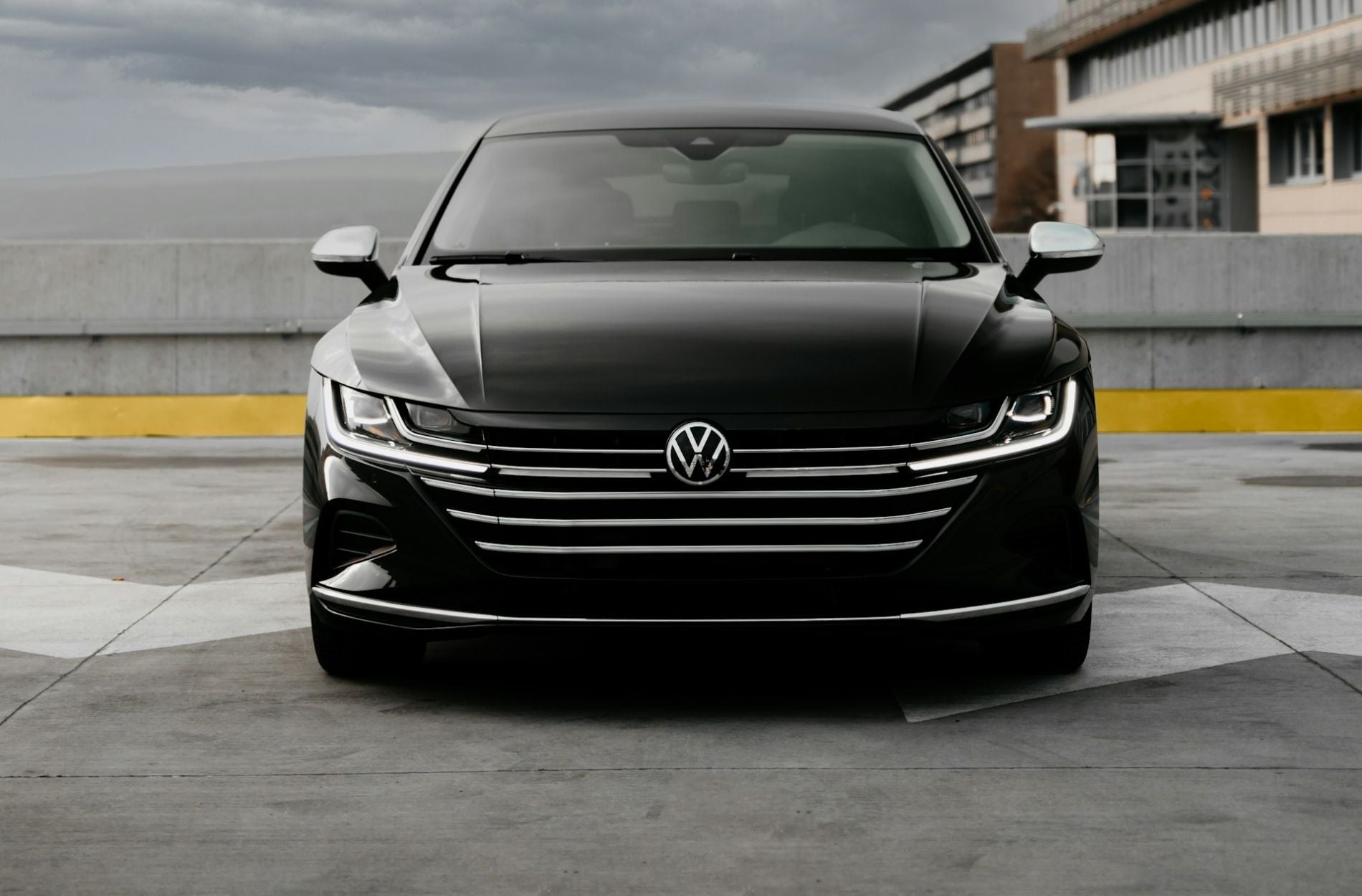
How the Volkswagen Arteon Handles Long Island Winters

The Volkswagen Arteon is known for its refined look and smooth performance, but it is more than just a sleek city car. It is also built to take on tougher driving conditions, which makes it a solid choice for winters on Long Island. Cold-weather driving often brings icy roads, snow-covered side streets, and the daily grind of road salt buildup. If you have lived through a few Januarys here, you know winter driving takes more than just a set of all-season tires. more For anyone thinking ahead to safety, comfort, and peace of mind in cold weather, it is worth taking a look at the Volkswagen Arteon for sale. It blends good looks with smart features that help make driving in frosty conditions feel less stressful. All-Wheel Drive Confidence in Snow and Ice Anyone who drives through a Long Island winter knows how fast road surfaces can change. One block might be clear, while the next has packed snow and ice along the curb. That is when getting traction quickly makes a big difference. Thankfully, the Arteon offers 4MOTION all-wheel drive, which helps you maintain grip even when the road gets slick. Here is how it works: The system tracks which wheels have the most traction. If one begins to slip, it shifts power to the others. It constantly adjusts while driving, not just when you start moving. This lets the Arteon handle quick winter weather changes more smoothly, especially on steep driveways or sloping side roads that do not always get plowed right away. Ground Clearance and Road Comfort in Rough Conditions Winter makes every road feel unpredictable. Snow piles up along the shoulder, slush gets left behind after storms, and potholes form where freezing water breaks up the surface. That is where the Arteon’s ground clearance and suspension come into play. The car sits high enough to clear most moderate snow buildup without scraping, but still stays low enough to feel stable on icy pavement. What really helps in rough weather is the suspension. It absorbs bumps and uneven patches without making the ride feel harsh or clunky. Drivers will notice: Less shaking over pothole-covered streets. Smoother steering response, even on salted roads. Better control over icy patches because the car stays more grounded. That makes a winter commute feel more composed, even when the roads are less than ideal. Cabin Comfort During Long Island’s Cold Months Crawling into a freezing car is never fun, especially in the early mornings or after a long day. The Arteon helps fix that. Heated front seats come in handy on frosty mornings, and the available dual-zone climate control makes it easy to find a temperature that actually feels right, even if you are sharing the car. It also helps that the cabin is quiet. That mix of quiet and warmth makes winter drives a little easier to take, especially when traffic is backed up or school runs stretch longer than expected. Here is what stands out inside: Fast warm-up from the HVAC system. Heated steering wheel (on some models) for even more comfort. Quick defrost features that clear windows without waiting long. The result is a comfortable interior that keeps you focused, not freezing. Visibility and Lighting for Early Nights and Gray Skies Dark mornings and earlier evenings can make it harder to see what is ahead during winter. The Arteon helps lighten the view with LED headlights that give off a wide, clear beam. Some models feature adaptive lighting that bends slightly with your steering, which comes in handy on curves or quiet streets at night. Rear visibility matters too, especially when snow or sleet starts to build up quickly. The Arteon includes helpful features to improve that, like rearview cameras and sensors that alert you to nearby cars or obstacles. Other visibility tools that help during winter: Efficient wiper systems with washer jets to keep the windshield clean. Rear window defrosters that clear quickly in cold and damp weather. Side mirrors that resist icing and help you monitor blind spots. Better visibility means better reaction times, which is always a good thing when winter hits hard. Care Tips for Winter Driving with a Premium Sedan Even with great safety features, winter driving takes a little regular upkeep. Cold weather wears out tires faster, and changing road temperatures can drop tire pressure overnight. It is smart to check the pressure more often and keep tread depth in good shape. The salty grime that sticks to your car after storms does not just look bad. It can wear down the paint and even cause rust if left for too long. Getting a winter wash here and there can help extend the life of the car’s finish. Here is a quick winter checklist for the Arteon: Inspect tire pressure weekly during cold snaps. Wash off salt buildup, especially from the underbody. Check front and rear lights often for snow or fog buildup. Keep an eye on sensors and cameras. Ice can block them easily. Replace wiper blades yearly or if they smear instead of clean. These small steps help your car stay reliable throughout winter, not just on perfect weather days. Designed to Handle the Cold with Confidence The Volkswagen Arteon has what it takes for winter driving on Long Island. From smart all-wheel drive to a smooth suspension and convenient interior features, it is built to handle cold mornings and messy roads without missing a beat. Smithtown Volkswagen offers an evolving selection of new Arteon models with features backed by the Volkswagen Carefree Coverage limited warranty package, which includes scheduled maintenance at no additional charge for the first two years or 20,000 miles. If you have questions about options like 4MOTION all-wheel drive or want to see available Arteon trims and finishes, our knowledgeable staff can answer all your winter-driving questions and walk you through vehicle details in person. Looking for a vehicle that handles Long Island winters with ease? The Volkswagen Arteon stands out for its smooth ride, advanced features, and reliable cold-weather performance. At Volkswagen of Smithtown, our team is ready to guide you through our selection of Volkswagen Arteon for sale so you can find the perfect fit for your winter commute and weekend adventures. Reach out today to start your journey toward greater comfort and control on the road.

Volkswagen

Signs Your Volkswagen Needs Winter Maintenance

Winter weather on Long Island can be rough, especially when your car isn't fully ready for the cold. If you drive a Volkswagen, it’s easy to assume everything is fine until a warning light comes on or your car won’t start one morning. The truth is that winter affects more than just comfort. It can directly impact how your vehicle performs and how safe it feels out on the road. more Slippery roads, freezing temps, and icy conditions put real stress on key systems like your battery, tires, heater, and wipers. So if something starts acting up when the temperature drops, it might not be a sudden problem. It could be your Volkswagen hinting that it's overdue for winter maintenance. Knowing how to spot the signs early can help you avoid getting stuck later on when you're out on a cold Long Island day. Recognizing Battery Issues If there’s one part of your vehicle that really feels the cold, it’s the battery. As temperatures fall, the battery has to work harder to get your car going. Cold air slows down the battery’s chemical reaction, and that means less power getting sent where it needs to go. It doesn’t matter if it's a newer model. This slow-down still happens. Watch for these warning signs: The car struggles to start, especially first thing in the morning Interior lights flicker when you turn on the ignition The infotainment screen is slow to load or goes black briefly You smell a faint burning plastic scent from under the hood If your car turns over slower than usual, that’s often one of the first signs the battery is being dragged down by the cold. On Long Island, winter mornings can be especially harsh, so it’s smart to stay alert to these minor changes. One way to catch issues early is to listen for small delays. For example, maybe your headlights dim slightly when you hit the brakes. These subtle hints are easy to miss, but they can point to a bigger electrical load on the system. That usually traces back to reduced battery capacity due to low temps. Vehicle batteries don’t fail all at once. They weaken slowly over time. Waiting until the battery finally gives out makes things harder. So if your Volkswagen just doesn’t feel as responsive on chilly mornings, it’s probably not your imagination. Identifying Tire And Brake Concerns Winter does more than make the roads slick. It changes how your tires and brakes perform too. On Long Island, when weather shifts fast between wet, snowy, and frozen, your tires and brakes get pushed harder than normal. Tires lose pressure as temperatures drop. Even small dips in pressure can change how your Volkswagen handles. You might notice it in longer stop times or less grip when making a turn. If you’re seeing uneven tire wear or your car doesn’t feel stable in light snow, that’s a sign it’s time to check the tire pressure or tread. Keep an eye out for: A drop in tire pressure showing up more often than usual Snow-packed treads not clearing properly Brakes that feel soft or respond slower than they should A squealing or grinding noise when braking, especially in damp or salty conditions Salt and slush can also build up around brake components. That film can prevent proper contact, which means your brake power may fade without warning. This can be noticeable when it takes slightly more pressure on the pedal to stop. You might not think much of it at first, but it adds up over time. One common situation is driving through a puddle of melted snow and then parking for a few hours. If your brakes feel slightly sticky when you take off again, that’s likely moisture buildup. On repeated cold mornings, that can lead to rust and wear in brake components. Checking tire wear patterns and listening for brake feedback helps your vehicle respond better in slick conditions. Ignoring these signs could make already risky winter driving harder than it has to be. Ensuring Heater And Defroster Efficiency Being cold in your car isn’t just uncomfortable. If your heater or defroster stops working properly, it can become a visibility issue or even mess with staying focused behind the wheel. When your Volkswagen takes longer to warm up or the windshield doesn't clear quickly, it’s a sign something may be off with your HVAC system. Here are a few hints your heater isn’t performing the way it should: Air from the vent is weaker than usual, even on full blast Only one side of the car gets warm while the other stays cold The defroster clears the middle of the windshield but leaves the edges foggy You notice stale or odd-smelling air circulating through the cabin The issue could be something as simple as a clog or more complex like a failing heating core. Either way, letting it go can leave you guessing next time there’s an early frost on the windshield. The heater doesn’t just warm the air. It plays a role in keeping your defroster working well too. So if one part fails, the whole system can start falling short. If you're spending the first ten minutes of your drive waiting for a clear view or wiping inside fog from the glass, it's more than just a nuisance. It affects your focus and safety. Especially on Long Island where ice storms and quick weather shifts are common, a working defroster can make all the difference on dark evenings or school drop-offs. So when the system no longer keeps up like it used to, that’s a sign your car needs care. Monitoring Fluids And Wipers Cold weather affects more than just heat and traction. It also takes a toll on your fluids and wiper blades. Winter driving around Long Island often means dealing with dirty roads, salt spray, and snow turning to slush. If your windshield washer fluid freezes or your wipers can’t keep up, your visibility suffers. Here are signs that it might be time to take a closer look: Coolant level looks low or cloudy in the overflow tank Washer fluid sprays unevenly or not at all Wiper blades bounce, skip, or leave streaks across the glass Blade edges look cracked or frayed Windshield stays streaky right after wiping Antifreeze keeps your engine from freezing and overheating. But it also travels through your heater core. If the mix is wrong, it might affect both engine function and cabin heat. Checking and topping off the correct blend before the next cold snap helps more than just the engine. Wipers are another simple but often overlooked part. Even newer blades can wear faster if they’re frozen to the glass or scraping over ice. That loud squeak or uneven wipe means it’s time for a change. Winter-specific blades typically do better in freezing rain and snow and help improve control during rough weather. Getting Professional Help During the Winter Even if your Volkswagen still drives fine, getting a winter inspection from a trained technician can help catch problems early. Most drivers miss signs of wear on belts, hoses, and electrical parts. Systems like ABS and traction control also work extra during slick conditions. If something feels off while you’re turning or braking, don’t ignore it. Service professionals can test what’s not visible, like charging system output or brake fluid levels. They can also check for correct fluid blends, brake pad wear inside the rotor, or tight seals that keep ice out of sensitive areas. A dependable winter check should include: Battery testing and electrical system review Tire tread and pressure checks for snow safety Brake pad wear, rotor condition, and fluid inspection Topping off or flushing coolant, oil, washer fluid, and more HVAC system and defroster operation check Replacing worn blades for better wiping coverage Finding issues early means fewer surprises later. The next time a snow or ice storm is in the forecast, you’ll be thankful your car is ready. Long Island winters are unpredictable. Having peace of mind helps when you’re navigating errands, work trips, or family outings in cold weather. Stay Ahead This Winter with Smithtown Volkswagen Spotting changes in how your Volkswagen runs helps you stay ahead of the cold. If your ride takes longer to warm up or slips more on turns, the weather may already be taking a toll. Small signs like dimming lights or skipping wipers can turn into disruptions if ignored too long. Winter on Long Island isn’t a quick burst. It drags out for months, with weather going from sunny one day to icy the next. Stay prepared by watching for warning signs and handling them before they grow into real problems. When you listen to what your vehicle’s telling you and act early, winter driving becomes safer and simpler. You’ll thank yourself later when your car runs steady through the frost, slush, and surprise snowfalls. Being ready before trouble hits means fewer headaches later. Stay proactive and make sure your vehicle is ready for the cold by scheduling a seasonal checkup that includes Volkswagen maintenance on Long Island with Smithtown Volkswagen. Our technicians are here to keep your car running smoothly so you can drive confidently all winter long.

Volkswagen

Cold Weather And Your Volkswagen's Transmission

Cold winters on Long Island don’t just affect your comfort. They can also impact your vehicle’s key systems, especially your transmission. When temperatures drop, parts of your Volkswagen might not operate the way you're used to during warmer months. You may notice that your car feels sluggish when you start it or that shifting gears is not as smooth as usual. more Your Volkswagen’s transmission plays a big role in how your vehicle handles in cold weather. Gear shifts, responsiveness, and even engine performance can change when this system isn’t working the way it should. If you've heard strange sounds or felt jerky gear transitions this winter, it could be the cold taking a toll on your transmission. Knowing how this happens—and what to do about it—can help you stay ahead of costly repairs and breakdowns. How Cold Weather Affects Your Volkswagen's Transmission When icy conditions hit Long Island, the transmission fluid in your Volkswagen reacts to the lower temperatures. This fluid is responsible for keeping parts inside the transmission lubricated so they can move smoothly. But when it gets cold, that fluid thickens. Instead of flowing smoothly, it moves sluggishly, which puts more strain on your transmission. If your fluid is too thick to do its job correctly, you might notice the following: Slower or delayed gear shifts when pulling out of your driveway. A harder time changing gears, with occasional slipping between them. Strange sounds, like humming or whining, when you accelerate. These issues may seem small at first, but ignoring them could lead to long-term problems. Cold, thick transmission fluid can’t protect components as well, which leads to more wear. With every cold start, the risk builds up—just like working out with tight muscles before warming up. Your car needs that warm-up time so fluid can reach the right consistency and protect the internal gear system. The more aware you are of these symptoms, the sooner you can intervene before damage sets in. Don’t brush these signs off as normal winter quirks. They could be your Volkswagen’s way of telling you it needs help. Winter Maintenance Tips for Your Volkswagen Transmission Keeping your transmission in good shape through winter doesn’t have to be complicated. A few simple habits can make a big difference in how well your Volkswagen holds up to the cold. Here are a few steps that every Long Island driver should take during the season: Check the transmission fluid regularly. If it’s dark, thick, or smells burnt, it’s time for a change. Old or dirty fluid struggles during the winter and puts stress on your transmission. Warm up your car before driving. Letting your engine and transmission idle for a few minutes gives the fluid time to warm up and circulate properly. This easy habit supports smoother shifts and less wear on internal components. Schedule regular inspections. You don’t have to wait for something to go wrong to get your Volkswagen checked out. At Smithtown Volkswagen, our technicians can spot problems early, helping you avoid larger issues that pop up when you least expect them. Your Volkswagen is built to perform in different climates—but that doesn’t mean it doesn’t need timely care. A minute or two of warming up in the morning or watching fluid condition can help you avoid costly repair bills. Signs Your Transmission Needs Professional Attention During Winter Sometimes, transmission problems show up even when you’re doing everything right. Cold weather can reveal smaller issues that may have been hiding or make existing ones more obvious. Pay attention to how your Volkswagen feels and sounds each time you drive it around Long Island. Some warning signs mean it’s time to bring your vehicle in for a transmission check. Here are some red flags: Unusual sounds when shifting gears, like grinding, clunking, or whining. Hesitation, jerking, or slipping between gears when accelerating. A transmission warning light on your dashboard. Puddles of red or brown fluid under your car, which often means a leak. A burnt smell after driving, possibly indicating overheating fluid. Sometimes the changes are small, like a little roughness shifting into second gear. Other times the issue shows up overnight, especially after a deep freeze. Cold snaps can speed up damage in a weak transmission faster than you’d expect. Catching these issues early prevents breakdowns, especially while driving in freezing weather. The risk of getting stranded on a snowy road isn't worth it. If something feels off, let our technicians look at it as soon as possible. Why Professional Volkswagen Service Is Key for Long Island Drivers Winter driving conditions on Long Island put your vehicle to the test, and having expert service matters more than ever. Your Volkswagen’s transmission is a high-performance system that needs skilled care, especially if it's showing signs of trouble in cold weather. Quick fixes or internet hacks might claim to get your transmission working again, but that can backfire quickly. Trying a shortcut could lead to bigger issues—like fluid contamination or damaged components—down the line. Instead of risking it, trust the Volkswagen-trained technicians at Smithtown Volkswagen who work with these systems every day. Our team doesn't just top off fluid and send you on your way. A full transmission check involves testing shifts, inspecting internal wear, checking for updates in the system, and catching leaks that you can’t see with the naked eye. These inspections are even more important during the winter when low temperatures increase pressure on your engine and gearbox. Timely service from people who understand what winter can do to transmissions ensures your car keeps driving well. It also helps protect the rest of your vehicle, since a struggling transmission can affect fuel economy and even engine performance. How to Keep Winter Driving Comfortable and Reliable Cold months bring more than chilly mornings. They also bring new challenges for your Volkswagen’s transmission. Keeping things running smoothly doesn’t take much—just a few extra checks and smart decisions. Warming up your car, checking your fluid, and watching for changes in how your vehicle shifts are all part of a good routine. But knowing when to call in the experts at Smithtown Volkswagen is just as important. That extra level of care lets your vehicle do what it's built to do, even in the harshest weeks of winter. Your transmission works harder when it’s cold out. Staying one step ahead of possible problems means you don’t get caught off guard. You protect your investment, save yourself from last-minute emergencies, and enjoy more confident driving all season long. If anything feels off during your winter drives around Long Island, don’t wait. A trained technician can spot and solve issues before they escalate. A little attention now can save you from a lot of trouble later. So take action early, keep things simple, and make sure your Volkswagen is ready for whatever the road throws your way. Get ahead of any winter transmission troubles by turning to trusted experts who understand your vehicle’s needs. Secure peace of mind with a comprehensive Volkswagen service on Long Island. At Smithtown Volkswagen, we make sure your car stays reliable and ready through the cold months. Stay prepared and enjoy smooth driving year-round with our dedicated service.

Volkswagen

Winter Issues With Volkswagen Power Steering

When winter hits Long Island, drivers tend to worry about snow-covered roads, frozen windshields, and dead batteries. But there’s one issue that often gets overlooked: power steering problems. While it might not cause immediate breakdowns like a dead battery can, faulty power steering in cold weather can make your Volkswagen harder to handle just when you need it to be most reliable. more Most drivers expect their car to respond the second they move the steering wheel. But when the temperature dips, power steering systems can struggle to work the way they should. If your wheel feels stiff or makes strange noises on a cold morning, you're not imagining things. The issue may be linked to winter conditions affecting your power steering system. For Volkswagen owners on Long Island, dealing with this early can save both stress and damage later in the season. How Winter Weather Affects Volkswagen Power Steering When it gets really cold, the components inside a car don’t work the same way they do in warmer weather. One of the biggest reasons behind power steering issues during the winter is thickened hydraulic fluid. This fluid is usually responsible for helping you turn your wheel smoothly. But just like honey in the fridge, steering fluid becomes thicker when it's chilly, which slows things down and makes parts work harder. Here are a few signs your power steering might be feeling the effects of winter: The steering wheel takes more effort to turn when you first start your car You hear a whining or groaning noise, especially on tight turns There's a slight delay in steering response, like the wheel isn’t reacting right away These signs tend to show up when your car has been sitting overnight or outside for long periods. Once the engine warms up, the steering may improve, but that doesn’t mean the problem is solved. Consistently thick fluids and added pressure during startup can lead to wear on seals and hoses over time. That’s why it helps to understand what exactly happens when your Volkswagen sits through a frosty night in the driveway. If you think of all the different systems that go to work the moment you turn your key, power steering may not always be top of mind. But the way winter impacts fluid flow, seals, and even your steering pump gives it a key role in how your Volkswagen handles season after season. Knowing how freezing temperatures affect the system helps explain why those first few minutes of driving on a cold day might not feel right. Common Winter Power Steering Problems in Volkswagens Volkswagens, like many cars, rely on either hydraulic or electric-assist steering. When temperatures drop, hydraulic fluid gets more sluggish, and rubber parts become stiffer and more likely to crack. Even vehicles with newer electric power steering can experience trouble from frozen or worn connectors, especially if corrosion has already started. Here are some common winter power steering issues: 1. Stiff Steering Wheel You'll notice this the most when backing out of a driveway or parking spot. It might feel like the wheel is resisting your movements, especially before the car warms up. 2. Unusual Noises Whining, squealing, or groaning sounds can point to fluid struggling to move through the lines or the pump working harder than it should. 3. Leaking Steering Fluid Colder weather may weaken seals or cause existing cracks to grow, leading to slow leaks that get worse if not caught early. 4. Delayed Steering Response It might feel like there’s a tiny lag between when you move the wheel and when the car actually turns. This becomes tricky when steering around tight corners or merging into traffic. One Long Island driver noticed their Tiguan's steering wheel felt unusually tight after sitting overnight in the driveway. At first, they thought it was just the cold air. But after a few days, the condition got worse. The fluid had thickened to the point where it was stressing out the entire system. Thankfully, they got it inspected before it turned into a major repair job. Power steering problems often start small but get worse without warning. Cold weather acts like a spotlight, revealing issues that might have been there all along. That’s why staying alert during the colder months helps keep your Volkswagen safer and easier to handle. Preventive Maintenance Tips for Power Steering During Winter Even if your Volkswagen seems to be steering just fine at the moment, cold weather can sneak up on you. Staying ahead of problems is always easier than fixing them later. During the winter, taking a few small steps can make a big difference in your power steering system’s performance and longevity. Here are a few key ways to keep your power steering in good shape during the colder months: - Check Power Steering Fluid Levels Pop the hood every few weeks and take a look at your power steering fluid level. If it’s dropping or looks darker than usual, that could be an early sign of trouble. Clean fluid should be light-colored and not smell burnt. - Inspect for Leaks or Cracked Hoses Check under the car for fluid spots after it’s been parked. Look closely at rubber hoses near the power steering reservoir and pump. Frigid air can make rubber brittle, which increases the risk of cracks and leaks. - Let the Car Warm Up Before Driving On especially cold mornings, give your engine a minute or two after starting. This helps the power steering fluid move more freely, reducing wear on the pump and steering assembly. - Avoid Excessive Steering While Parked Turning the wheel back and forth when the vehicle isn’t moving places more pressure on the system and can strain it more in cold weather. Try to keep steering movements smooth and done while in motion. - Have Your System Inspected Before Harsh Conditions Hit It’s always better to go into colder months with fresh fluid, checked seals, and no lingering steering issues. If your wheel has felt off recently or you spotted a leak, don’t wait for it to get worse once the temperatures hit the teens. Getting on top of these tasks helps prevent silent problems from turning into bigger repairs come January or February. It also keeps your Volkswagen easier to manage during those snowy Long Island mornings when quick response and control really matter. When to Seek Professional Help If your steering still feels tight after warm-up or you’re hearing noises that weren’t there before, it’s smart to get your car looked at. Cold-weather issues with power steering aren’t always visible, and ignoring them can lead to bigger failures that affect driving safety. A trained technician can run a thorough check of the system and spot wear or damage that the average driver might miss. Here are signs you should stop trying to push through and schedule a check-up: There’s a consistent whining or growling sound coming from under the hood, especially when you turn the wheel Fluid spots are showing up where you've parked, even if it’s a small amount You need to use both hands and shoulder strength to get the wheel to move easily Steering feels "off center" or delayed once the car is warm Trying to fix these yourself might sound doable, but steering systems are more complex than they look. They’re pressurized and involve precise parts that need the right tools and experience to service without causing further damage. One example is a driver in Smithtown who ignored a slow fluid leak through most of February. By March, the entire power steering pump had failed, costing far more than if they’d caught it early. Cold temperatures can make existing problems worse fast. Instead of guessing or hoping it’ll resolve as temperatures rise, it’s safer to let a technician narrow down the issue before it turns into something more serious or expensive. Ensuring Smooth Steering Throughout the Winter Dealing with winter driving isn’t just about snow tires and defrosting your windows. If your power steering doesn’t work properly, it becomes tougher to steer around icy corners, maneuver through slushy parking lots, or react quickly when road conditions change. Making sure this part of your Volkswagen stays in top shape during the colder months gives you more confidence behind the wheel. If you’ve already noticed small hints of trouble—stiffness, noises, or fluid stains—these are early signs that your vehicle is asking for attention. And the winter weather on Long Island is known to magnify even the smallest issues. Taking time to maintain or repair your steering system now helps you get through winter safely and with fewer surprises. Smooth, responsive steering isn’t just about comfort, it’s about control. And when road conditions are unpredictable, having your car respond the way it should can make all the difference. With good habits and timely service, you give your Volkswagen the support it needs to perform reliably, even when the temperatures drop to their lowest. To keep your Volkswagen steering smoothly all winter long on Long Island, regular maintenance is key. If you're experiencing any signs of stiffness, unusual noises, or fluid leaks, don't wait until these minor issues turn into major headaches. Let the experts at Smithtown Volkswagen help you with your power steering needs. For reliable Volkswagen maintenance on Long Island, schedule your service appointment with us today and drive with confidence through the colder months.

Volkswagen EV

Winter Protection For Volkswagen Electric Components

Winter weather on Long Island can be tough on vehicles, especially when it comes to electric components. With more people switching to electric models for lower emissions and fewer moving parts, it’s important to think about what seasonal maintenance looks like for these cars. Cold conditions bring unique challenges for electric vehicles, mostly because the way they store and use energy can be affected when temperatures start to drop. more Being proactive can help prevent a lot of stress. Whether it’s keeping the battery warm or making sure your car charges without interruption, a few key adjustments can go a long way. For drivers of Volkswagen electric vehicles on Long Island, understanding how winter impacts your car’s components can help you stay on the road and avoid unexpected problems when it's icy or snowing. How Cold Weather Impacts Electric Vehicle Components Cold air affects electric vehicles differently than gas-powered ones. That’s because electric systems rely heavily on battery performance and clean energy transfer. When temperatures hit freezing, the battery can lose power faster, which leads to reduced range and slower charging. It may not be visible on the outside, but what’s inside matters most when winter rolls in. Here are the parts most affected by winter cold: Battery: This is the core of your vehicle’s electric system. Cold weather makes it harder for the battery cells to transfer energy, which means reduced mileage and sluggish power output. Charging Ports: Snow, salt, and even freezing rain can block or damage the ports you use to charge your car. If moisture gets in, it can cause corrosion or even stop the port from working. Electrical Contacts: These are the connectors that keep your systems communicating with each other. Cold can stiffen the cables and increase wear when the system is working harder than usual. Let’s take an example: imagine trying to head out early in the morning, but the car takes longer than usual to unlock, start, or accept a charge. That’s often your car telling you its electric systems weren’t ready for the temperature drop. And if that becomes a daily issue, it could start wearing out the components sooner than expected. Simple things like regularly checking seals or carefully wiping moisture from ports can already avoid those kinds of problems. This makes it easier for the entire vehicle to perform better in less-than-ideal weather. Protective Measures to Help Your Volkswagen Through the Cold Now that we’ve looked at how cold affects your electric vehicle, let’s talk about what you can do to make things easier. There are some straightforward steps that help limit wear and keep your Volkswagen running like it should, even on freezing days. Use a garage or covered area: Parking your vehicle in a sheltered space helps maintain battery temperature. If a garage isn't available, consider using a thermal car cover to reduce direct exposure. Precondition your battery: Many electric vehicles, including Volkswagens, allow you to preheat the battery while the car is still plugged in. That way, you warm up the components without using extra battery power once you’re driving. Stay on top of charging routines: Don’t wait until the battery is almost empty before charging. Cold batteries charge slower, especially when they're near depleted. Aim to keep the charge between 20% and 80% during extreme cold. Keep the charging port clean and dry: It only takes a little bit of moisture or buildup to interfere with a steady charge. Carry a small, non-metal brush to gently clear snow or dirt if needed. Book regular checks: Just like any other car system, electric components need periodic review. Software updates, cable inspections, and thermal barrier checks are small but meaningful services that help during high-stress winter driving. These actions don’t require overhauls. They’re simply seasonal habits worth picking up. Most of them only take a few minutes but can save a larger problem from showing up when you least expect it. When winter hits Long Island hard, these steps can make sure your Volkswagen electric vehicle stays reliable all season. Benefits of a Professional Winter Inspection Nothing beats a hands-on check from someone who knows what to look for. A professional inspection during the winter months can help uncover small issues with your electric vehicle before they snowball into larger problems. When cold weather is involved, there's an extra layer of stress on the parts that power your Volkswagen. Getting it looked at by a qualified technician adds peace of mind, especially if you rely on the vehicle for a regular commute or errands. Many winter inspections begin with a thorough look at the battery. This isn’t just about checking voltage levels. It’s about making sure the thermal management systems are working as they should and that the battery housing is clean and sealed. From there, technicians usually move on to the connectors, cable insulation, and charging units to check for signs of wear, corrosion, or moisture issues. If there's a software update that supports cold-weather charging or performance, they can handle that too. It’s easy to forget about certain components when the car seems to run fine. But in winter, hidden trouble can show up fast. Slower start times, warning lights, even weaker interior heating can sometimes signal problems with electric systems. A full inspection helps keep all of those systems running smoothly and can often prevent a surprise from happening at the worst possible time like when you’re trying to start your car after a Long Island snowstorm. Winter Driving Advice for Long Island Volkswagen EV Owners Even with a well-maintained vehicle, local weather can throw you a curveball. Knowing how to adjust your day-to-day habits can extend the life of electric components and improve safety. Long Island winters might not always be consistent, but freezing nights, slushy side streets, and icy parking lots are common enough. Here are a few helpful tips for local EV drivers: Avoid short trips whenever possible: Electric vehicles use more power to warm up than they do to maintain heat. If you're only going a mile or two, the vehicle doesn't have time to reach a steady state. Use heated seats and steering wheels instead of full cabin heat: These use less battery and still keep you warm. Charge during the warmest part of the day: If possible, plug in during mid-morning or midday instead of late at night. Warmer temps can help the battery accept and hold a charge better. Watch for ice build-up on sensors: Snow and slush can freeze on backup cameras or driver assist sensors, which can affect how safety systems work. Plan for slower regenerative braking: In cold conditions, regenerative braking sometimes turns off or slows down until the battery heats up. Give yourself extra space between cars just in case. During storms or colder weeks, double-check that your charging station is accessible and the power supply is consistent. A blocked or snowed-in charging point adds another layer of stress no one wants when they’re late in the morning. Getting Your Volkswagen Ready Before the Snow Starts Falling Winter driving demands a little more attention to detail, especially for electric vehicles. The cold isn’t just an annoyance. It changes how your car charges, drives, and responds. By learning how lower temps affect battery life, electrical connections, and performance, you take an active step in keeping your car in good condition. Maintaining steady cold-weather habits, like preconditioning the vehicle, charging consistently, and getting the electrical systems checked out, leads to a smoother winter experience in Long Island. It’s not about doing everything at once. It’s about watching for changes, keeping small things in check, and getting the right help when something seems off. Taking the time now means fewer surprises ahead. And if your Volkswagen is already showing signs of slower performance or cold-weather struggle, that’s a sign it’s time to get it looked at. Protecting your vehicle from the winter chill doesn't have to be arduous, especially when expert support is available. For drivers interested in maintaining peak cold-weather performance, our technicians are here to help with all the necessary seasonal checks for Volkswagen electric vehicles on Long Island. Let Smithtown Volkswagen help keep your EV in top condition so that even the toughest winter days feel like a breeze.

Contact Us

Fill out this form below and we'll contact you shortly
*Required Fields