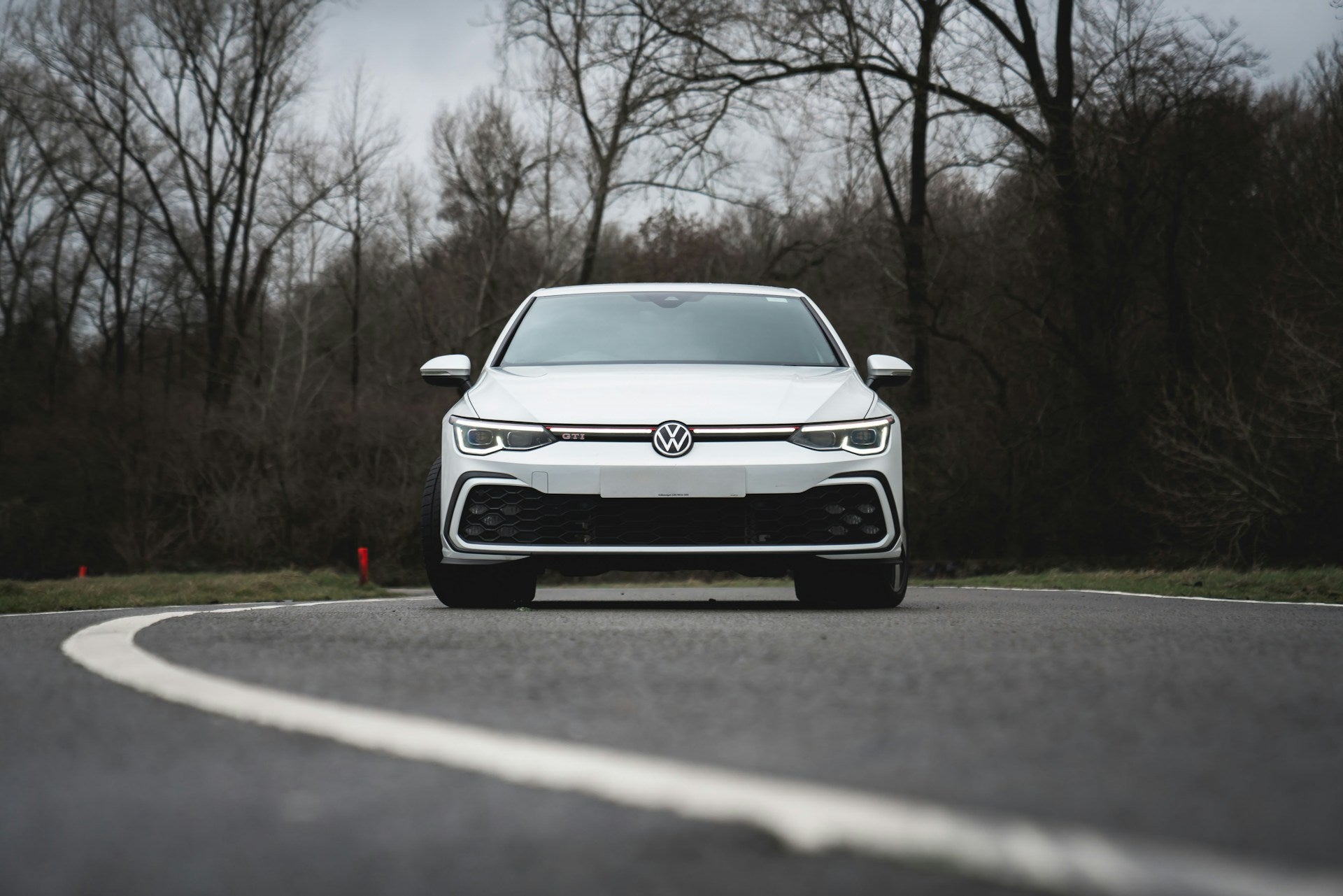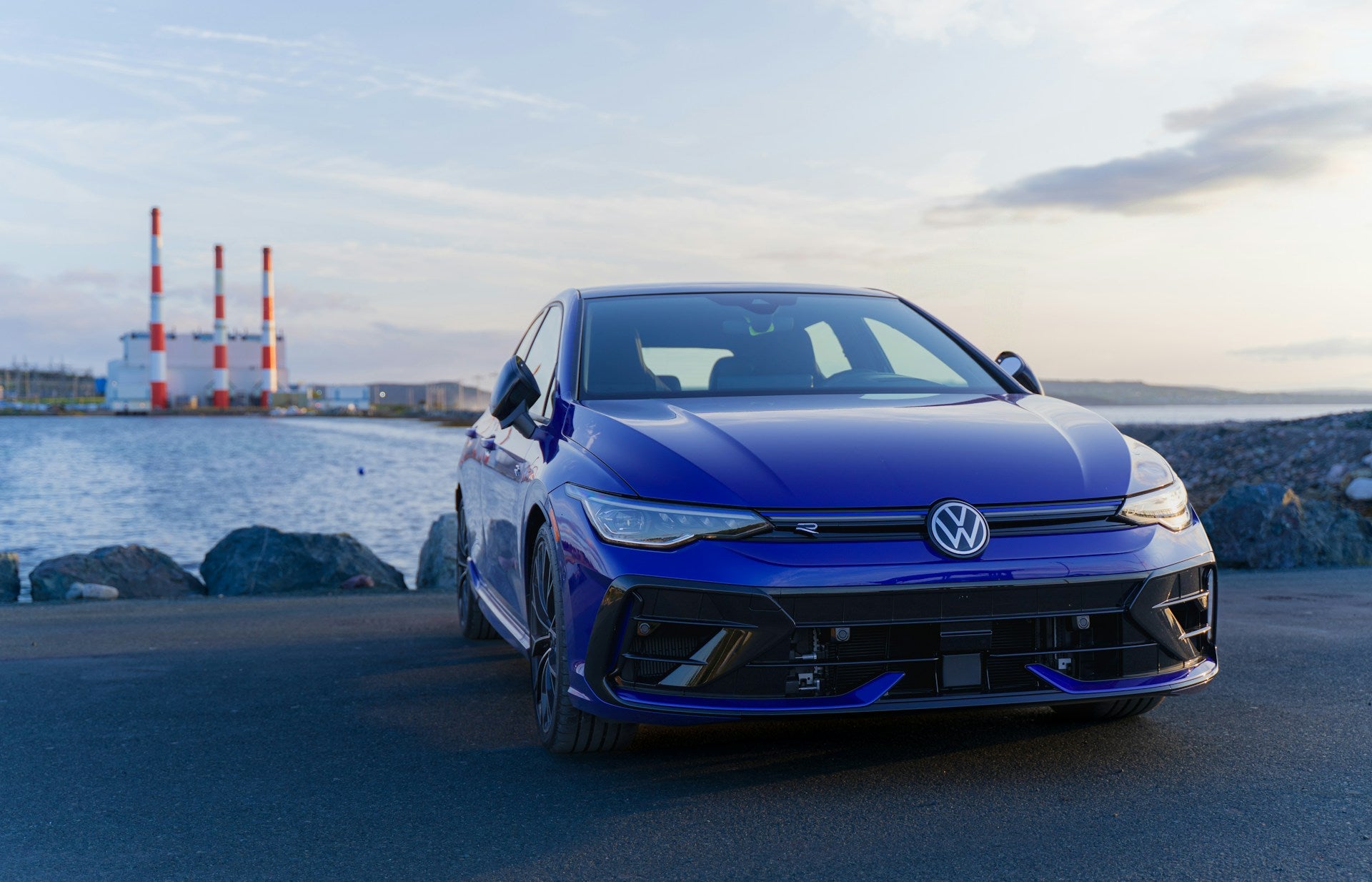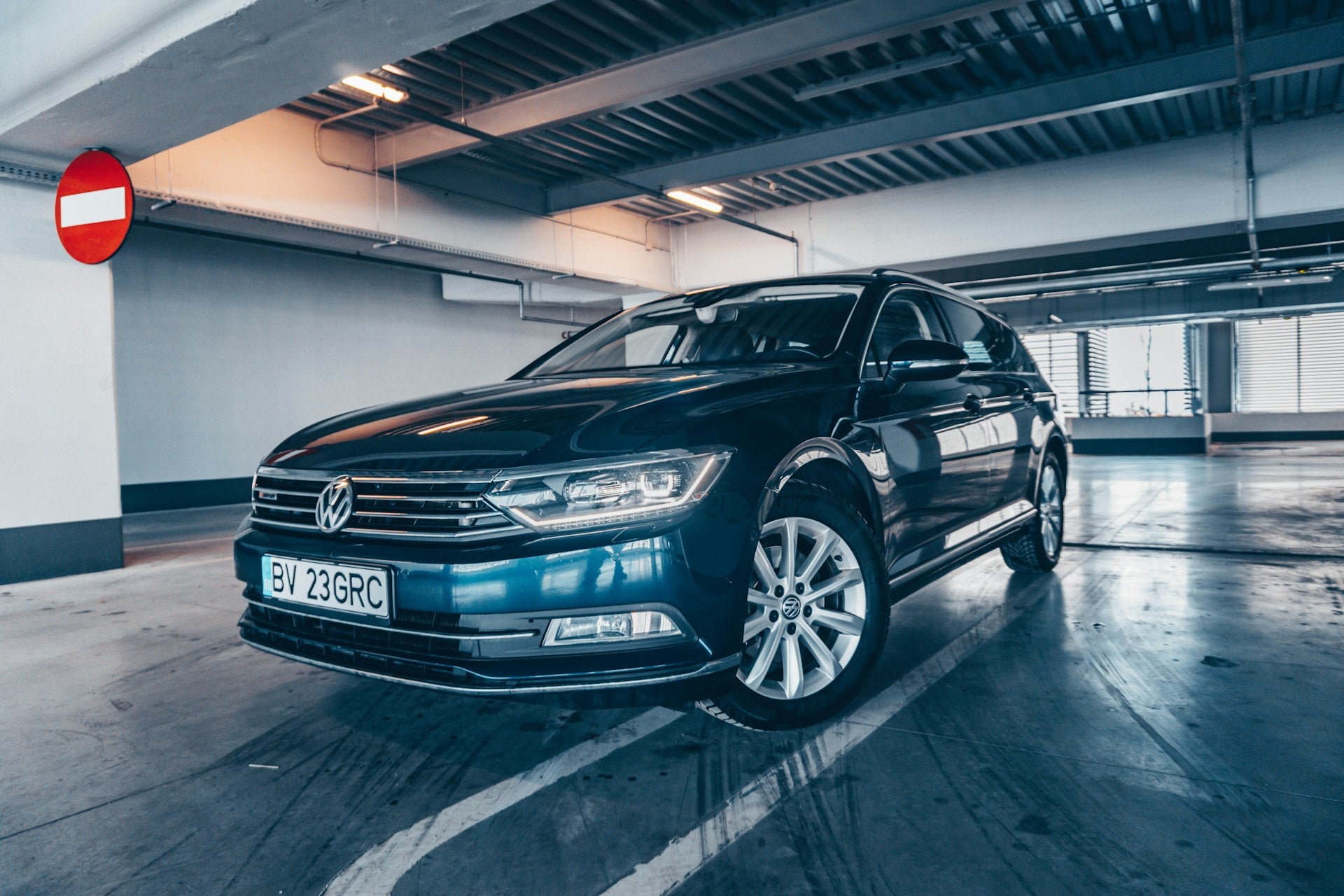

Blog

All St James Volkswagen Dealer Volkswagen Smithtown Volkswagen Service St James Used Cars St James Volkswagen Service
How Comfortable Is the Volkswagen Atlas for Long Trips?

How Comfortable Is the Volkswagen Atlas for Long Trips?

THE SHORT ANSWER The Volkswagen Atlas is well suited to long family trips, and its third row works best for kids and teens on multi-hour drives. Adults can ride back there for shorter stretches but are happier in the first two rows on a long haul. The right second-row seating, a few key comfort features and good upkeep make the biggest difference. Here's the tip that saves the most regret: if your third-row riders are past their early teens, start with an Atlas that has second-row captain's chairs. The walkway between them means nobody climbs over a folded seat at every rest stop. Beyond that, long-trip comfort in the Volkswagen Atlas depends on who sits where, which features you choose and what shape the vehicle is in. Below, the team at Smithtown Volkswagen in St James answers the questions we hear most. IN THIS POST What's the biggest mistake people make when judging Atlas comfort? Who should actually ride in the third row on a long drive? What makes hours on the road in an Atlas easier? What does a comfortable Atlas cost, and when should you shop? Key takeaways What's the biggest mistake people make when judging Atlas comfort? Testing it empty. A quick loop with one adult behind the wheel tells you almost nothing about how the third row feels after three hours on the Long Island Expressway with a full load. Bring the real crew instead. That means the tallest kid who'll ride in back, the car seats you actually use and a bag or two like the ones you'd pack for a weekend away. Install the car seats yourself so you know how the second row behaves with them in place. Then have someone sit in the third row longer than feels necessary. A real stint back there beats a lap around the lot. Ask about knee room, where their feet go and whether they can see out. When you book a test drive, let us know you want extra time for this so we can plan around it. Load the second row the way you would for a trip Watch how easily the back-row rider gets in and out with car seats installed Drive on the highway, not just local roads, to judge noise and ride Who should actually ride in the third row on a long drive? Kids and teens are the sweet spot. The Atlas third row is roomier than what you'll find in a lot of three-row SUVs. Adults can ride back there comfortably on shorter hops, but on a multi-hour trip, people with longer legs belong in the second row or up front. Rotating seats at rest stops helps more than you'd expect. Nobody should be stuck in the way-back for the whole drive if you can avoid it. Bench or captain's chairs? A second-row bench seats one more person and keeps carpools simple. Captain's chairs give up that seat for easier access to the back, and on trips with frequent stops, that adds up fast. Car seats change the math If you're running two car seats in the second row, check how a third-row passenger reaches their seat. Some families put the car seat behind the front passenger and leave the curb side clear for climbing through. Others find captain's chairs simply solve the problem. You can compare both setups in our new Volkswagen inventory and sit in each before deciding. What makes hours on the road in an Atlas easier? Most of it comes down to features worth checking trim by trim, plus a little planning. Climate control that reaches the back. Ask how the rear zones are controlled and whether third-row riders get their own vents. Charging for everyone. Count the USB ports by row. A dead tablet in the third row is a real problem on a long drive. Front-seat comfort. Heated and ventilated seats and power adjustment, where available, matter more at hour four than at minute ten. Driver assistance. Volkswagen's adaptive cruise and lane-keeping features, available on many Atlas models, can take some of the strain out of highway miles. Packing matters too. With the third row up, cargo room behind it is limited, so a roof box or soft carrier keeps bags off laps and out of footwells. Ride quality depends on condition as much as design. Worn tires, low pressure or an alignment that's drifted all add noise and fatigue. Before a big trip, book a service visit so we can check tires, brakes and fluids. What does a comfortable Atlas cost, and when should you shop? Comfort features usually climb with the trim level, so the real question is which ones you'd use on the road. Captain's chairs, upgraded seat materials and extra climate features tend to cost more. Price what your family needs rather than defaulting to the top trim. Used and certified options stretch the budget. Smithtown Volkswagen carries new Volkswagen, used and Volkswagen Certified Pre-Owned vehicles, so you can weigh a newer Atlas against a certified pre-owned Atlas side by side. A well-kept earlier model with the seating you want can be a smarter buy than a newer one without it. Timing Shop before you need it. If a summer road trip is the goal, start looking in spring so you have time to test-drive, compare financing and arrange a trade without rushing. Manufacturer offers change through the year, so check them as you go. Plan for upkeep, too. Maintenance on schedule protects both comfort and resale, and long-term ownership support is part of what we do here. Where 530 NY-25 St James, NY Call (631) 652-9887 KEY TAKEAWAYS Test the Atlas loaded the way you'll actually travel, not empty. Put longer-legged passengers in the first two rows on long drives and choose the second-row seating around who rides in back. Tires, alignment and routine service affect ride comfort as much as the features you pick. FAQ Common questions Can adults ride in the Atlas third row? Yes, for shorter trips most adults find it workable. On long drives, taller adults are usually happier in the second row, with kids and teens taking the back. Does the Atlas Cross Sport have a third row? No. The Cross Sport is the two-row version of the Atlas. If you need seating for more than five, look at the standard Atlas. Can I fold the third row for extra luggage? Yes. The third row folds down to open up more cargo room, and on many models it splits so you can keep one side up for a passenger while using the other side for bags. Is a used Atlas a good choice for family road trips? It can be, as long as the condition is right. Check service records, tire wear and the seating layout, and consider a Volkswagen Certified Pre-Owned model if you want added peace of mind. Can I apply for financing before I pick a specific Atlas? Yes, you can start an application ahead of time so you understand your options. Approval and terms depend on your credit and the lender, so nothing is final until the lender decides. Want to see it in person? Come by for a test drive, or browse what is on the lot right now. Schedule a test drive Check out the Atlas Today Or call (631) 652-9887 · 530 NY-25, St James Or keep browsing New inventory Current offers Financing Value your trade Book service Contact us

Read More
Does the Range of the Vw Id.4 Change Significantly with Driving in Cold Weather?

Does the Range of the Vw Id.4 Change Significantly with Driving in Cold Weather?

THE SHORT ANSWER Yes. Cold weather noticeably reduces the range of a VW ID.4, mostly because a cold battery works less efficiently and heating the cabin draws power from the same pack that drives the wheels. The drop is temporary, and a few habits, like warming the car while it's still plugged in and using heated seats, win back a good share of it. It's a January morning, the driveway is white, and the range on your ID.4 reads lower than it did when you parked last night. You're probably wondering whether that's normal and how much winter will cost you. At Smithtown Volkswagen in St James, it's a question we hear from ID.4 drivers and shoppers as soon as the temperature drops, so here's the straight answer first and then what you can do about it. IN THIS POST 1. Yes, you'll notice it, but it comes back 2. Cold slows the battery's chemistry 3. Heating the cabin is the biggest single draw 4. Short trips in the cold cost the most 5. Charging is slower when the battery is cold 6. Precondition while you're still plugged in 7. Warm yourself, not the whole cabin 8. Plan winter road trips with more cushion Key takeaways 1. Yes, you'll notice it, but it comes back Cold weather does shorten the range of a VW ID.4. On the coldest mornings, the drop is big enough that you'll see it right on the dash. That's true of every electric vehicle on the road, not something unique to Volkswagen. Here's the part that matters most: the loss is temporary. Nothing is wearing out or breaking when you drive an ID.4 through a Long Island winter. As temperatures climb back up in spring, the range you're used to returns. How much you lose depends on things you can influence. Those include how cold it is, how long your trips are, how warm you keep the cabin, and whether the car was plugged in before you left. A commuter who preconditions in the garage and drives steadily will see a much smaller dip than someone running five short errands in a car that sat outside overnight. So the honest answer is yes, range changes significantly in the cold, and it's also manageable. Here's why it happens and which habits recover most of that range. 2. Cold slows the battery's chemistry Think of the battery in your ID.4 the way you think of honey in the pantry. On a warm day it pours easily, and on a cold one it thickens and barely moves. Lithium-ion cells behave much the same way, because the chemical reactions that release energy slow down when the cells are cold. That sluggishness shows up in two ways. First, a cold battery can't deliver its stored energy as efficiently, so some of it is harder to use until the pack warms. Second, the car spends energy keeping the battery in a comfortable temperature range, and that energy comes from the same pack that moves you down the road. What it means on your dash You may see a lower range estimate when you first get in, then a steadier reading once you've been driving a while. You might also notice that regenerative braking is weaker at first, since a cold battery can't accept charge as quickly. That's normal behavior, not a fault, and it eases as the pack warms during the drive. 3. Heating the cabin is the biggest single draw In a gas car, heat is essentially free. The engine throws off far more warmth than it needs, and the heater just borrows some. An electric motor is so efficient that it makes very little waste heat, so your ID.4 has to create cabin warmth from battery power. Warming a cabin full of frigid air takes real energy, especially in the first several minutes of a drive. On a short trip, heating can account for a surprisingly large share of the energy you use. Set the climate to a toasty temperature with the fan on high, and you'll watch the estimate react. Depending on model year and trim, an ID.4 may have a heat pump. A heat pump moves heat rather than generating it from scratch, and it tends to be more efficient in moderate cold. If you're shopping, ask whether a specific vehicle has one. None of this means you should shiver. It means how you heat matters more than whether you heat, and some simple habits can keep you warm while using far less energy. 4. Short trips in the cold cost the most Picture a typical Saturday in January. You drop the kids at practice, grab coffee, stop at the hardware store, and head home. That's four short legs, and the car cools down between each one, which is about the hardest pattern there is on winter range. When you start out in a cold car, the system spends energy warming the cabin and the battery all over again. On a long highway drive, that warm-up cost gets spread across many miles. On a short hop, it's a big chunk of the whole trip, so your efficiency for that drive looks dramatically worse. A better way to run errands Group errands into one loop instead of making separate trips from home. Keep stops brief when you can, so the cabin doesn't fully cool off. Start the day with a car that warmed up while it was still plugged in. If most of your winter driving is quick local runs, you'll see a bigger drop than a long-distance commuter would. The upside is that short trips rarely need much range in the first place, so the drop matters less day to day than the number on the dash suggests. 5. Charging is slower when the battery is cold Winter affects more than range. A cold battery also accepts charge more slowly, and you'll notice it most at DC fast chargers. If you pull into one after a short drive on a frigid day, the session may start well below summer speeds and then ramp up as the pack warms. Charging overnight at home is far less affected, since the car has hours to work with and you're not waiting on it. That's one reason home charging is the winter MVP for most ID.4 owners. A few habits help on fast-charging days: Plan to fast-charge after a longer stretch of driving, when the battery has warmed, rather than right after leaving a cold driveway. Leave extra time in your schedule for charging stops on a winter road trip. Ask our service team which battery-warming features your ID.4 supports, since these can vary with software version. Once you know how your car behaves at a cold charger, planning around it becomes second nature. Most owners find the adjustment is small after the first couple of trips. 6. Precondition while you're still plugged in If you adopt just one winter habit, make it this one. Preconditioning means warming the cabin, and on many EVs the battery too, before you unplug. The heat comes from wall power instead of from the battery you're about to drive on. With the ID.4, you can typically schedule a departure time or start climate control remotely through the Volkswagen app, so the car is already warm when you walk out the door. Because it's still connected to the charger, that big initial heating job doesn't come out of your range. Make it routine Set a departure time for your weekday commute so you don't have to remember it. On weekends, start the climate from the app a bit before you head out. Pair it with a charging schedule that finishes close to when you leave, so the battery is still warm from charging instead of cold from sitting. Preconditioning works best in a garage, but it still helps if you park in the driveway with a home charger. It also makes clearing frost and snow easier, which is a welcome bonus on dark February mornings. 7. Warm yourself, not the whole cabin Heating air is inefficient. Warm air escapes every time you open a door, and it leaks through the glass for the whole drive. Heating your body directly works much better, and if your ID.4 has heated seats and a heated steering wheel, they can keep you comfortable with far less energy than the cabin heater needs. Try this on your next cold commute. Turn on the seat and wheel heat, then set the cabin temperature a few degrees cooler than usual. Most drivers find they're just as comfortable, and the range estimate holds up noticeably better. Small settings that add up Use recirculation once the windows are clear, so the system reheats cabin air instead of fresh cold air. Dress for the weather, since a real coat makes a cooler cabin feel fine. Use the defroster whenever you need it for visibility, but don't leave it blasting once the glass is clear. Tire pressure matters too. Cold air lowers tire pressure, and underinflated tires add rolling resistance that quietly eats range. Check pressures when the tires are cold, and fill them to the number on the door-jamb sticker. Our parts department also carries Volkswagen accessories like all-weather floor mats, which keep snow and slush out of the carpet all season. 8. Plan winter road trips with more cushion Daily commuting rarely calls for a change of plans in winter, but road trips are different. A drive upstate to ski or out to see family over the holidays combines cold temperatures, highway speeds and sometimes snow. All three pull range down at the same time. Give yourself more margin than you would in summer. Choose charging stops a little earlier than strictly necessary, and keep a backup charger in mind in case your first choice is busy or out of service. Pulling into a charger with a comfortable buffer beats watching the estimate tick down on a dark stretch of highway. Driving habits that help Ease off your highway speed a bit, because aerodynamic drag rises quickly as you go faster. Accelerate smoothly, since gentle starts use less energy than quick bursts. Clear snow off the roof and front of the car, because buildup adds both drag and weight. At your destination, avoid leaving the car at a very low charge for days in deep cold. Park with a healthy state of charge, and plug in if you can. That keeps the battery happier and means you won't start the trip home already behind. Where 530 NY-25 St James, NY Call (631) 652-9887 KEY TAKEAWAYS Winter range loss is real but temporary, and driving in the cold isn't harming the battery. Cabin heat and short trips from a cold start cost the most range. Precondition while plugged in, use seat and wheel heat, and keep your tires properly inflated. FAQ Common questions Does driving in cold weather damage the ID.4's battery? No. Driving in the cold reduces range temporarily, and it comes back as temperatures rise. To be kind to the battery, avoid leaving the car parked for long stretches at a very low charge in deep cold, and plug it in when you can. Should I charge my ID.4 to full in winter? For everyday driving, follow the charge limit Volkswagen recommends in your owner's manual and in the car's settings. Before a long winter trip, charging higher makes sense. Schedule it to finish close to when you leave so the battery is still warm. Why does my range estimate drop overnight in the cold? The estimate is based on your recent driving and current conditions, so a cold snap and some short, heater-heavy trips will pull it down. It often reads lower first thing in the morning and settles once the battery warms. Keep a little extra cushion in winter, and the number will climb back as the weather improves. Want to see it in person? Come by for a test drive, or browse what is on the lot right now. Schedule a test drive Browse new inventory Or call (631) 652-9887 · 530 NY-25, St James Or keep browsing Current offers Financing Value your trade Book service Contact us Used cars
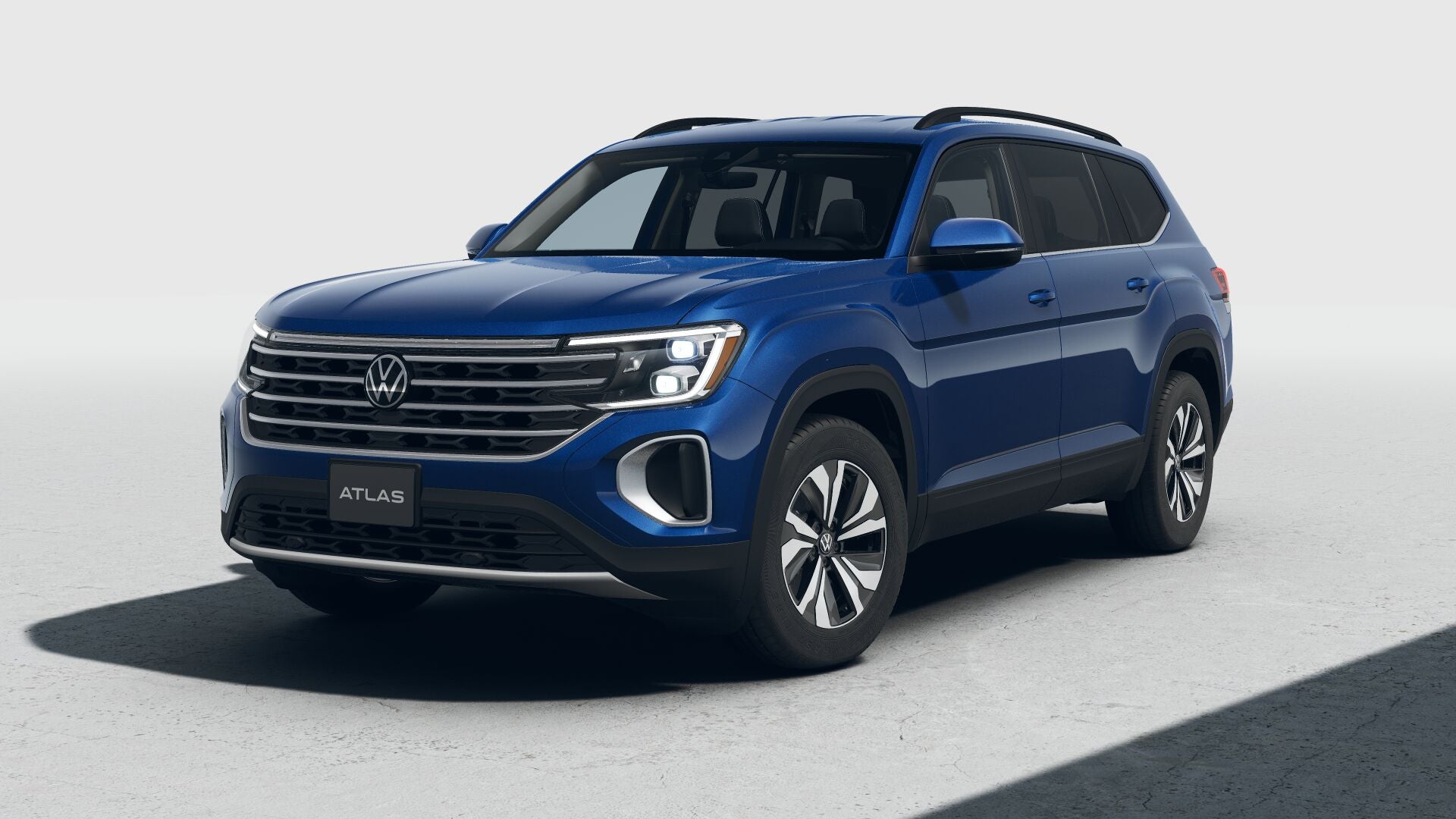
Best Volkswagen for New Drivers

Best Volkswagen for New Drivers

THE SHORT ANSWER For most new drivers, the best Volkswagen is a Jetta or a Taos. Both are compact, easy to see out of and simple to park. They can be equipped with driver-assistance tech that helps while experience is still thin, and it's smart to skip the sporty GTI and GLI until your driver has a few years of clean driving behind them. Short version: start with a compact Volkswagen, and let the new driver test it before you sign anything. Getting a first car right takes a little more homework than picking one for yourself, though. Smithtown Volkswagen in St James works with families from Smithtown, Hauppauge, Kings Park, Central Islip and the surrounding areas. Here are the seven steps we'd walk you through if you came in today, in the order that makes the most sense. IN THIS POST Step 1: Figure out what the car has to do Step 2: Compare the Jetta and the Taos Step 3: Put driver-assistance features near the top Step 4: Choose new, used or certified pre-owned Step 5: Get a handle on insurance and running costs Step 6: Put the new driver behind the wheel Step 7: Set the car up to last Key takeaways Step 1: Figure out what the car has to do Before you look at a single model, sit down with the new driver and talk about how the car will be used. A teen driving to school and a part-time job needs something different from a college student who'll be on the Long Island Expressway every weekend. Go through these questions together: Where will most of the driving happen: local roads, highways or tight parking lots? How many friends or siblings will ride along, and how often? Is there sports gear, a musical instrument or a dog to haul? Who's paying for gas, insurance and upkeep? The answers usually point to something smaller than you'd expect. A compact car is easier to learn in. It's simpler to judge where the corners are, easier to park and less intimidating in heavy traffic. Big three-row SUVs feel safe, but they're harder to maneuver. They can also hide a lot behind them from someone who's still building awareness. Hang on to your answers, because you'll check them against every car you look at in the next steps. Step 2: Compare the Jetta and the Taos For most families, the shortlist comes down to two Volkswagens. They suit different drivers, so it helps to know what sets them apart. The Jetta Volkswagen's compact sedan makes a natural first car. It sits lower, so it feels planted and predictable, and the separate trunk keeps backpacks and shopping bags out of sight. New drivers tend to get comfortable with it quickly because there's nothing tall or top-heavy to adjust to. The Taos This is Volkswagen's smaller SUV. You get a higher seating position, which a lot of beginners like because it helps them see over traffic. A rear hatch makes bulkier stuff easier to load. It's also available with all-wheel drive, worth a look if winter driving on the North Shore makes you nervous. The Tiguan is the next size up if you really need more room. For a first car, though, smaller usually wins. You can browse our new inventory to see both models side by side and narrow down which trims match your list from Step 1. Step 3: Put driver-assistance features near the top A newer Volkswagen really earns its place here. Many models can be equipped with Volkswagen's driver-assistance tech, and for someone short on experience, it works like a second set of eyes. Here's what to look for on the window sticker: Forward collision warning with automatic emergency braking, which Volkswagen calls Front Assist Blind spot monitoring, a big help when merging on the highway Rear traffic alert for backing out of crowded lots Lane-keeping assist for longer drives Adaptive cruise control, part of IQ.DRIVE on equipped models Standard equipment changes from one model year and trim to the next, so don't assume a feature is there. Check the specific car you're considering, and ask us to show you how each system works. One word of caution: these systems help, but they don't drive the car. Make sure your new driver understands that the beeps and nudges are a backup, never a substitute for paying attention. Step 4: Choose new, used or certified pre-owned Once you know which model fits, decide how new it needs to be. There's no wrong answer, only tradeoffs. New: the latest safety tech, a full factory warranty and nobody else's wear and tear. It costs the most up front. Used: the lowest price, which matters if a first car is likely to collect a few dings. Older cars may be missing the assistance features from Step 3, so check carefully. Certified pre-owned: a middle ground. These cars go through an inspection and come with extra warranty coverage beyond what's left from the factory. Plenty of parents end up choosing a certified pre-owned Volkswagen for a first car because it balances cost with peace of mind. A Jetta or Taos that's only a couple of years old often has much of the tech you'd find on a new one. If you're handing off or trading an older family car to make this work, get a realistic value on it early. Knowing that number keeps your budget honest for the next step. Step 5: Get a handle on insurance and running costs People tend to forget this part until the first insurance bill shows up. Adding a new driver to a policy almost always raises the premium, and the car you choose plays a big role in how much. Call your insurance agent with two or three specific models before you buy. Sporty versions like the Golf GTI and Jetta GLI are a blast, but they usually cost more to insure, and they invite a heavier right foot. Save the performance models for later, once your driver has a clean record and real experience. Think about the monthly picture too. Fuel, routine maintenance, tires and insurance add up fast, and a modest compact keeps those costs manageable. If you plan to finance, our team can walk you through your financing options and explain what a payment does and doesn't cover. Approval and terms depend on the lender and your credit, so it's smart to look at a few scenarios before you commit. Who pays for what? Settle it now. Teens who chip in for gas or part of the insurance tend to treat the car with more care. Step 6: Put the new driver behind the wheel You can read about cars all day, but the right one is the car the new driver actually feels comfortable in. So bring them along, and hand them the keys. When you book a test drive, plan a route that matches real life. Include a quiet side street, a busy stretch like Jericho Turnpike, a highway on-ramp and a parking lot. Then check: Can they set the seat and mirrors so they see clearly all around? Are the blind spots manageable when they turn their head? Do the controls make sense without hunting through screens? Do they seem calm merging and parking, or tense? If you can, try the Jetta and the Taos back to back. Watch how they drive, not just what they say. A beginner might swear they love the bigger car while gripping the wheel the entire time. Ask questions while you're here. Our staff can show you how the assistance alerts look and sound, so nothing catches your driver off guard later. Step 7: Set the car up to last A first car takes a beating, so build good habits from day one. Maintenance Follow the maintenance schedule in the owner's manual. Teach your new driver to watch for warning lights, check tire pressure and speak up when something sounds off. Regular oil changes and tire rotations keep the car safe, and they protect what it's worth when it's time to move up. When something's due, you can book service with us and we'll take care of it. Parts and accessories Smithtown Volkswagen offers Volkswagen parts, with an emphasis on maintaining vehicle value. That matters if this car will someday be traded in or handed down to a younger sibling. Our parts department also carries Volkswagen accessories, and all-weather floor mats are a smart first add for Long Island's sandy summers and slushy winters. Ready to get started? Pull out your list from Step 1 and stop by. We'll help you work through the rest in order. Where 530 NY-25 St James, NY Call (631) 652-9887 KEY TAKEAWAYS Start with a compact Volkswagen like the Jetta or Taos, not a big SUV or a performance model. Check the actual car for driver-assistance features, because standard equipment changes by year and trim. Let the new driver take the test drive, and get insurance quotes before you commit. FAQ Common questions Is an electric Volkswagen like the ID.4 a good first car? It can be, especially if you can charge at home. It's quiet and smooth, but it's an SUV that's larger than the Taos, and the quick response off the line takes some getting used to. Have your new driver try one before deciding. Does a new driver need all-wheel drive? Not necessarily. Good winter tires and careful driving make a bigger difference than all-wheel drive for most people. If your driver has a steep driveway or will be out early on snowy mornings, it's worth considering on a Taos. Is a used Jetta a good first car? Often, yes. It's a sensible size and usually less expensive to buy than a new one. Just confirm which driver-assistance features that particular car has and look over its service history before you buy. Should our first car just be the family hand-me-down? It might be, if it's in good shape and easy to drive. Older cars tend to lack modern assistance features, though, and larger vehicles are harder for beginners to handle. Compare it honestly against what you'd get with a newer compact. Want to see it in person? Come by for a test drive, or browse what is on the lot right now. Schedule a test drive Browse new inventory Or call (631) 652-9887 · 530 NY-25, St James Or keep browsing Current offers Financing Value your trade Book service Contact us Used cars

Atlas vs Pilot

Atlas vs Pilot

THE SHORT ANSWER For most families, the Volkswagen Atlas is the better pick: its upright shape gives you a third row adults can actually use, seats that work around car seats and a calm, planted drive. The Pilot competes in the same class, but the Atlas turns its size into more usable space. If you need a three-row SUV that grown-ups can actually ride in, the Volkswagen Atlas is the one we'd point you to over the Honda Pilot. Its upright shape, flexible seating and steady highway manners fit the way Long Island families really drive. Here at Smithtown Volkswagen in St. James, we hear this comparison all the time, so we'll walk you through it the way we'd explain it across the desk. IN THIS POST Atlas vs Pilot: Start With the Basics Atlas vs Pilot: A Third Row Adults Can Use Atlas vs Pilot: Seats That Change With Your Plans Atlas vs Pilot: How They Drive Around Long Island Atlas vs Pilot: Tech and Driver Assistance Atlas Ownership: Service Close to Home Atlas Options: New, Certified or Used Atlas vs Pilot: Our Expert Tip and Your Test Drive Key takeaways Atlas vs Pilot: Start With the Basics Both of these are midsize three-row SUVs aimed at the same family. You've got kids, maybe their friends, maybe a dog, and a calendar that never quits. The Volkswagen Atlas takes on that job with a squared-off, upright body that turns its size into room you can use. Honda's Pilot covers similar ground with a more rounded design. Why does shape matter? A boxier body brings taller side windows, a flatter roofline over the back rows and a cargo area with straighter walls. You notice those things on a warehouse-club run, not in a brochure. That's the Atlas's whole approach, and it shows up again and again in the sections ahead. What you're really comparing Strip away the badges and you're weighing four things: How many real people fit, and how comfortably How easily the seats move when plans change How the SUV drives on the roads you use daily What owning it looks like a few years in We'll take them in that order, starting simple and finishing with the one test we recommend before anyone signs. If you'd like to see what's on the lot while you read, you can browse our new Atlas inventory any time. Atlas vs Pilot: A Third Row Adults Can Use Here's where the Atlas earns its reputation. Its third row is one of the few in this class where a grown adult can sit for a real drive without their knees jammed into the seatback, and the roofline stays tall enough that heads clear the headliner. Kids don't complain back there either, which matters more than you'd think on a summer trip out to Montauk. Honda made the Pilot's third row roomier in its latest redesign. Even so, the Atlas's upright body keeps an edge where families feel it most: headroom, and the sense that nobody's being punished for drawing the short straw. Getting in and out Space only helps if you can reach it. Volkswagen designed the Atlas so the passenger-side second-row seat can tilt and slide forward even with a child seat still installed. A big kid can climb into the third row without you unbuckling the toddler's seat in a crowded lot at Smith Haven Mall. Wide-opening rear doors help too. When you're loading a sleeping kid, or a grandparent who doesn't love contorting, a generous door swing makes the whole routine calmer. Atlas vs Pilot: Seats That Change With Your Plans Seating flexibility is where these two take different approaches, so it's worth understanding both. The Atlas lets you choose between a second-row bench for maximum seating or captain's chairs that open a walkway to the third row. Families with older kids often love the captain's chairs, since nobody's crawling over anyone and the middle of the cabin becomes a pass-through. Honda's trick is a second-row middle seat on some Pilot trims that lifts out and stows under the cargo floor. It's clever, and we won't pretend otherwise. The Atlas answers with the same result through a simpler path: choose captain's chairs and you have that open aisle full time, with no seat to wrestle in and out. When you need cargo instead of seats Fold the third row and the Atlas opens a long, flat load floor with squared-off sides. Boxes, a folded stroller, hockey bags and beach chairs for Sunken Meadow stack the way you'd stack them in a closet. Here's the quick check we run through with shoppers: Fold the third row and see if your stroller lies flat Drop the second row and picture a flat-pack furniture box Work the seat levers yourself, one-handed That last one tells you a lot about daily life. Atlas vs Pilot: How They Drive Around Long Island Take an Atlas down the LIE or the Northern State and you'll feel the German side of its character: steady, planted highway manners and steering that stays calm at speed. It doesn't feel like a big vehicle trying too hard to act small. It feels composed, which is exactly what you want when you're merging with a full car and a long day behind you. Around town, the upright seating position and big windows make sightlines easy on Route 25A, where you're watching for cyclists, deer and drivers backing out of farm stands. Parking in tight village lots in Stony Brook or Port Jefferson gets easier when you can judge the corners of the vehicle. Winter and wet roads Available 4MOTION all-wheel drive sends power where the grip is when a nor'easter leaves slush on the side streets. Honda offers all-wheel drive on the Pilot too, so both give you that safety net on paper. What we'd point you to is how the Atlas behaves once roads turn bad: predictable, settled and easy to read through the wheel. Ride comfort is a real priority in the Atlas. Long Island pavement isn't always kind, and a family SUV should soak up the patches without bouncing whoever's riding in back. Atlas vs Pilot: Tech and Driver Assistance Climb into the current Atlas and the dash feels clean and modern rather than cluttered. A digital instrument display sits right in front of you, and you can set it to show navigation, trip details or just a simple speed readout. Most daily controls live on a central touchscreen, with smartphone integration so your maps and music come along without fuss. Families tend to care less about screen size and more about whether everyone stays charged. Charging ports are spread through the cabin, so the back rows aren't fighting over one outlet on the way to a tournament upstate. Help on the highway Volkswagen's IQ.DRIVE suite bundles driver assistance features such as adaptive cruise control and lane-keeping help, and on many trims it includes Travel Assist for stop-and-go traffic and long highway stretches. Picture the westbound LIE at rush hour: the Atlas can help manage speed and spacing so you arrive less frazzled. Availability varies by trim and model year, so ask us which features a particular Atlas carries. Honda equips the Pilot with its own assistance suite, so you'll find help in both. Where the Atlas stands apart is how naturally its systems settle into the drive. Try them on a stretch you know well and judge the feel for yourself. Atlas Ownership: Service Close to Home Owning a three-row SUV is a long relationship, so where it gets cared for matters as much as how it drives on day one. We're a full Volkswagen dealership in St. James, which means the Atlas you take home has a service department right here that works on Volkswagens day in and day out. That covers Volkswagen maintenance and repair, from routine work like oil changes and tire rotations to complex diagnostics when a warning light pops up and you want a real answer, not a guess. Technicians who see the Atlas regularly know its systems, and that familiarity tends to save you time. Making upkeep easy A few habits keep an Atlas happy for years: Follow the maintenance schedule in your owner's manual Rotate tires on time, especially after a pothole-heavy winter Get new noises or warnings looked at early Living nearby helps, too. Dropping off on the way to the train in Smithtown or Kings Park beats driving across the Island. When it's time, you can book service online and pick a slot that fits your week. Short version: buying an Atlas here means care stays close to home. Atlas Options: New, Certified or Used Once you know the Atlas fits, the next question is which one. A new Atlas gives you the latest interior updates and full factory warranty coverage from day one, and you get to pick the trim, color and seating layout you want. If you'd rather stretch your budget, a used Atlas is worth a close look. Its boxy, roomy shape has been part of the model since it launched, so an earlier one still gives you that grown-up third row. The certified middle ground For a lot of families, a certified pre-owned Atlas hits the sweet spot. Volkswagen's certified program puts vehicles through an inspection and adds extended coverage, giving you some of the peace of mind of new at a used-vehicle budget. Ask us to walk you through what a specific vehicle includes. Trades and payments Most shoppers coming out of a smaller SUV or minivan have something to trade, and we can look at yours and talk through payment options while you're here. Financing always depends on the lender and your credit picture, so we won't promise an approval. What we will do is lay out the choices clearly so you can decide without pressure. Atlas vs Pilot: Our Expert Tip and Your Test Drive Here's the advice that settles this comparison fastest: test with your real life, not a showroom walk-around. Reviews can't tell you how your kids fit, or whether your stroller goes in without a fight. What to bring Your car seats, so you can install them and try the second-row tilt The tallest teenager or adult who'll ride in the third row Whatever you haul most, from a stroller to a golf bag How to drive it Take the Atlas on the roads you actually use. Run it up 25A, hop on the Northern State or the LIE, and squeeze into a tight lot in Stony Brook. Then let someone else drive while you ride in the third row for a few minutes. That seat tells you more about a three-row SUV than anything else. When you're ready, book a test drive and let us know you're comparing it with a Pilot. We'll have an Atlas set up with the seating you're curious about, and we'll give you time to really live with it. Give the Atlas that kind of honest test and you'll know quickly why it fits your family. Where 530 NY-25 St James, NY Call (631) 652-9887 KEY TAKEAWAYS The Atlas's upright body gives you a third row adults can actually ride in. Captain's chairs or a car-seat-friendly bench keep the Atlas flexible without removing seats. Test the Atlas with your own car seats, cargo and commute before you decide. FAQ Common questions Is the Volkswagen Atlas third row really comfortable for adults? Yes. The Atlas's upright body and tall roofline give its third row room that adults can use for a real drive, not just a quick hop across town. The best way to confirm it is to sit back there yourself during a test drive. Can I keep a car seat installed in the Atlas and still reach the third row? You can. The passenger-side second-row seat in the Atlas is designed to tilt and slide forward with a child seat still installed, so older kids can climb into the third row without you removing anything. Does the Atlas come with all-wheel drive for Long Island winters? The Atlas offers available 4MOTION all-wheel drive, which helps on slushy side streets and wet highways. Availability depends on the trim, so ask us which Atlas models on the lot have it. Where can I get an Atlas serviced near Smithtown? Right here in St. James. We're a full Volkswagen dealership with Volkswagen maintenance and repair, handling everything from routine work to complex diagnostics on your Atlas. Want to see it in person? Come by for a test drive, or browse what is on the lot right now. Schedule a test drive Browse new inventory Or call (631) 652-9887 · 530 NY-25, St James Or keep browsing Current offers Financing Value your trade Book service Contact us Used cars
Volkswagen EV

Inside Volkswagen EV Charging on Long Island for Homeowners

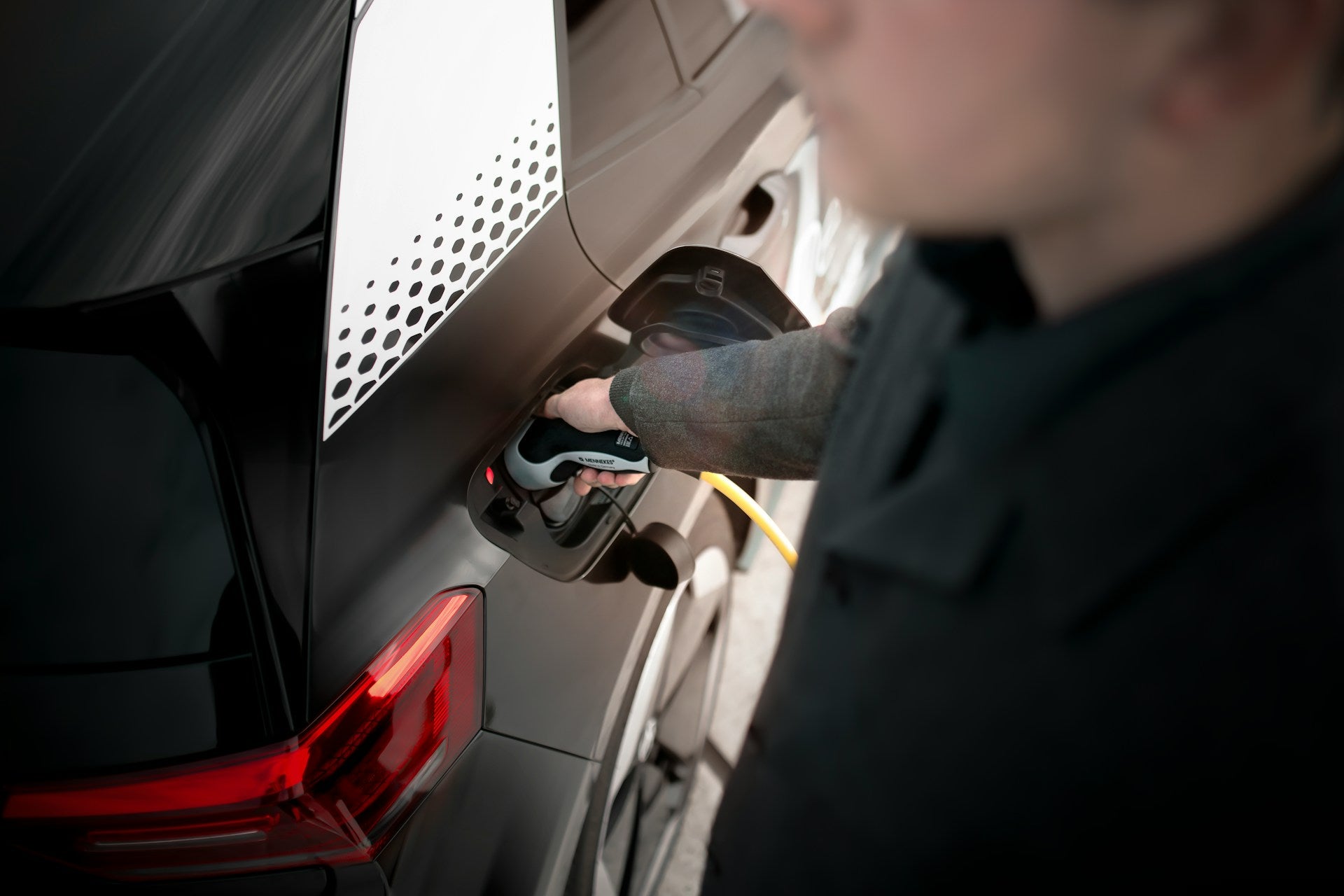
Charge Smarter at Home on Long Island Driving an electric Volkswagen on Long Island works best when your charger is right in your own driveway or garage. Home charging turns every night into a refill, so you wake up ready for the LIE, school runs, or a quick drive to the beach without extra stops. Volkswagen EVs like the ID.4 are built with home charging in mind, from the charging port to the software that helps manage energy use. When you pair that with the right setup at home, owning an EV feels simple and natural. In this guide, we will share what Long Island homeowners should know about choosing, installing, and using home charging so they get the most out of Volkswagen EV charging in Long Island. Understanding Volkswagen EV Charging Basics Most EV charging fits into three easy levels that matter to homeowners. Level 1: This uses a standard household outlet. It is slow and better for light daily driving or as a backup. Level 2: This uses a 240-volt line, like a clothes dryer. It is the main choice for home charging. DC fast charging: These are high-powered public chargers along major roads, best for quick top-ups on longer trips. Volkswagen EVs typically come with a portable charging cord that can plug into a standard outlet for Level 1 charging. For most Long Island drivers, a professionally installed Level 2 home charger is the real goal. Level 2 charging can refill a battery overnight so you start each morning with the range you need for everyday driving. For typical commutes around Suffolk and Nassau, school drop-offs, runs to the train station, and weekend plans, overnight Level 2 charging usually provides more than enough range. Many owners find they plug in when they get home, then simply unplug in the morning, the same way they already treat their phone. Why Home Charging Matters on Long Island Long Island driving is a mix of short hops and longer days behind the wheel. You might have: Regular weekday trips to a local office or the train into the city Year-round school and activity runs Beach days, winery visits, or drives out east on weekends Home charging fits that lifestyle. Instead of hunting for a public charger after a long day, you pull into your driveway, plug in, and head inside. Your EV refills while you relax, eat dinner, or sleep. Charging at home can also keep your costs more predictable compared with relying on public DC fast charging, especially during busy summer and holiday travel when stations can be crowded. While DC fast charging is very helpful for long drives, using it as your main source can mean more time waiting and planning stops. Long Island weather can also be a factor. With hot summers and cold winters, power demand can spike. Having a home setup, plus a regular charging routine, helps you feel confident that your Volkswagen EV will be ready even after a stormy night or a heat wave, as long as your home has power. Choosing the Right Home Charger for Your VW Picking a home charger is mostly about how fast you want to charge and what fits your home’s electrical system. Level 2 home chargers often come in different amperage ratings. Higher amperage can charge faster, as long as your electrical panel supports it and a licensed electrician installs it correctly. Here are a few points to think about when choosing a Level 2 charger: Amperage: Common sizes provide a good balance of speed and electrical load. Mounting: Wall-mounted units save space in a garage or on an outside wall. Smart features: Many chargers offer Wi-Fi, phone apps, and energy tracking. You can pick between a wall-mounted charger that stays in one place, or a portable Level 2 unit that can move if needed. Smart chargers can help you schedule charging for certain hours, see how much energy you are using, and track your charging history. Always look for UL-listed equipment for safety and quality. It also helps to pick a brand that is known to work well with Volkswagen EVs and to talk with a dealer that understands EV charging. That way your charger, home wiring, and Volkswagen system are all working together the way they should. Long Island Electrical Codes, Permits, and Incentives On Long Island, home charging should always be set up by a licensed electrician who knows local codes. They will usually: • Check your main panel to see if there is space and capacity for a new circuit • Recommend a dedicated 240-volt line for your charger • Install any needed breakers, wiring, and outdoor-rated hardware In many towns across Suffolk and Nassau counties, a permit is required for a new 240-volt circuit or panel work. Your electrician can often help with the paperwork. Inspections help make sure everything is safe and up to code, which can also matter for insurance. Since contractors get busy in the hottest and coldest parts of the year, planning your installation ahead of peak seasons can make the process smoother. That way your charger is ready before heavy summer driving or the colder winter months. There can also be programs that help lower the cost of home charging setups. New York State and local utilities may offer incentives for EV owners, charging equipment, or installation. Some utilities have off-peak rate plans where electricity costs less at certain times, usually at night. That lines up nicely with overnight charging for your Volkswagen. When you combine lower off-peak rates with home charging, many drivers see a difference compared with buying gas for similar daily driving. You are replacing fuel stops with a simple plug-in at home and shifting most of your energy use to quieter, less expensive hours. Home charging does not mean you will never use public chargers. Many Long Island EV drivers still use DC fast charging for longer trips to the Hamptons, upstate New York, or into New England. You will also find Level 2 public chargers at places like: Shopping centers and supermarkets Office parks and workplaces Highway stops and popular destinations Volkswagen compatible networks and apps can show charger locations, availability, and charging speeds. Many EVs, including Volkswagen models, also have route planning tools that can suggest charging stops along your path. Using these tools, you can plan meals, breaks, and charging at the same time, instead of making separate stops. How Smithtown Volkswagen Supports Your EV Ownership Owning a Volkswagen EV on Long Island is easier when you have the right support. A dealership that understands EVs can talk through charger options, help you think about your driving patterns, and connect you with trusted local installers who know how to work on homes in this area. For service, EV owners benefit from technicians who are trained to work on electric Volkswagens. Support can include software updates, battery health checks, and help choosing factory-approved charging accessories. Dealership events such as EV information sessions, ride and drive days, or seasonal service checkups can also be helpful time to ask questions and learn from experts in person. When your home charging plan lines up with your daily life, your Volkswagen EV becomes simple to live with. Your car is ready in the morning, your energy use fits your schedule, and you can still enjoy public charging when you head out on longer adventures across and beyond Long Island. Charge Into Your Next Drive With Confidence If you are ready to make daily driving cleaner and more convenient, explore our current offers and learn how Volkswagen EV charging in Long Island can fit your routine. At Smithtown Volkswagen, we will walk you through home charging options, local public charging resources, and the right EV or plug-in hybrid for your needs. Have questions about installation, incentives, or which model is best for your lifestyle? Simply contact us and our team will help you get started.

Volkswagen

Is a Certified Pre-Owned Volkswagen Right for Smithtown and St. James Drivers?

Discover If a Certified Volkswagen Fits Your Long Island Life Choosing your next car is a big decision, especially when you are trying to balance budget, comfort, and peace of mind. Many drivers around Smithtown, St. James, and Nesconset want something that feels new but are not sure if a brand-new model is the right move. That is where a Certified Volkswagen in Smithtown can come in and give you another option. A Certified Pre-Owned Volkswagen is a used vehicle that has gone through extra steps set by Volkswagen. It is not the same as a typical used car on a random lot. It has to meet strict standards for age, mileage, condition, and history before it can be called certified. So, is a Certified Volkswagen the smart choice for your commute, family driving, and four-season Long Island weather? We will walk through what certified really means, how it compares with new and regular used cars, how it fits local driving needs, and when it makes the most sense for you as a driver in this area. What Certified Volkswagen Really Means for Smithtown Drivers When you see the Certified Pre-Owned badge on a Volkswagen, it means that vehicle has met specific guidelines from the brand. It is not just about a quick wash and an oil change. The car has to qualify before it even reaches the inspection lane. Here is what usually goes into the certification process: Age and mileage limits set by Volkswagen Review of the vehicle history report A thorough multi-point inspection completed by trained service staff The inspection checks many parts of the car, such as: Engine and transmission operation Brakes, tires, and suspension components Safety systems and interior features Lights, electronics, and basic comfort equipment Certified Volkswagen models also come with extra benefits that typical used cars do not usually offer, like: A limited warranty backed by Volkswagen 24-hour roadside assistance for covered issues Access to detailed vehicle history information When you shop for a Certified Volkswagen in Smithtown through a Volkswagen store, you also get the advantage of service that follows brand guidelines. The vehicles are checked with the right tools for the brand, and earlier recall work and software updates are addressed as part of the process. This adds another layer of confidence when you are getting ready to drive home. Certified VW vs. Used and New: Which Saves You More Many shoppers want to know where Certified Volkswagen fits when compared with new and regular used cars. The answer usually comes down to how you weigh upfront cost against long-term value. On the price side: Certified models typically cost more than similar non-certified used cars They usually cost less than a comparable new Volkswagen You are also paying for inspection, warranty coverage, and added benefits Looking at long-term value, a Certified Volkswagen can help you feel more secure. The careful inspection and warranty protection can lower the chance of surprise repair bills, especially in the first years of ownership. This can be helpful for drivers who use their car every day for work and family and cannot afford a lot of downtime. Financing is another area where certified models can stand out. Since these vehicles meet brand standards and come with added backing, they may qualify for attractive finance programs. Lower or competitive rates can help keep monthly payments closer to what you might expect on a brand-new model, while the price of the car itself stays below new. There are also possible advantages with insurance and resale. A well-documented service and certification history can help build confidence if you later trade the vehicle in. When you come back to Smithtown Volkswagen for your next car, that clear history may make the process simpler and more straightforward. How Certified Volkswagen Fits Your Long Island Lifestyle Driving on Long Island means dealing with all kinds of conditions. One day you are creeping along the LIE at rush hour, the next you are taking a relaxed ride out toward the North Fork or Montauk. A Certified Volkswagen can suit many of these local routines. For daily driving around Smithtown and St. James, a certified Jetta can be a strong match. It is compact enough for tight parking lots, and its fuel-sipping nature makes sense if you spend a lot of time going back and forth between home, work, and errands. If you need more space for kids, gear, or pets, certified SUVs fit the bill: Taos, for drivers who want a smaller SUV with flexible cargo space Tiguan, for families that like the option of extra seating and all-wheel drive Atlas, for larger households, carpools, or frequent road trips For those who enjoy spirited drives on winding Long Island backroads, a certified Golf GTI can be a fun pick. You get a car that has gone through the brand’s inspection, so you can enjoy the performance with extra peace of mind. Seasonal changes also matter here. As fall rain starts and winter weather approaches, having a vehicle with available all-wheel drive, modern safety features, and inspected brakes and tires can make everyday trips feel more controlled. A Certified Volkswagen in Smithtown has already had key safety components checked, which is reassuring when roads get slippery or visibility drops. When Certified Volkswagen Makes the Most Sense Certified Volkswagen is not the right fit for every single driver, but there are clear times when it can be a smart move. It can be especially helpful for: Shoppers who want near-new condition without paying full new-car pricing First-time buyers who feel nervous about buying a regular used car Drivers downsizing from a larger or older vehicle who still want comfort and safety Households that rely heavily on one main family vehicle If you have strong credit, you may be able to pair a certified vehicle with a competitive finance plan, keeping payments manageable while also enjoying warranty coverage. For buyers who are focused on staying within a monthly budget, certification can strike a balance between cost, protection, and long-term confidence. There are also times when certified might not be the right choice. Some drivers just want the lowest initial cost and are comfortable with fewer protections. If you plan to keep the car only for a short period, or if you like to switch vehicles often and do not mind more risk, a non-certified used vehicle might be more in line with your priorities. The key is being honest about how you drive, how long you plan to keep the car, and how much peace of mind is worth to you over time. Why Shop for a Certified Volkswagen at Smithtown Volkswagen When you decide that a Certified Volkswagen in Smithtown could be right for you, where you buy matters. Working with a local Volkswagen team gives you a source that understands Long Island driving, from tight village streets to highways and beach runs. Smithtown Volkswagen is convenient to drivers in Smithtown, St. James, Lake Grove, and nearby communities, with a dedicated selection of Certified Volkswagen models on site. Our staff works with these vehicles every day, so they know how to match features and body styles to your life, whether you are commuting, carpooling, or taking weekend trips. Our service center is staffed by people who know Volkswagen vehicles and work with genuine parts that are made to fit the brand. We also offer service specials from time to time, which can help you keep up with maintenance once your certified vehicle is in your driveway. Because we see so many local drivers, we are used to the kinds of wear and tear that Long Island roads and weather can cause and can help you plan for that. When you are ready to compare certified, new, and regular used options side by side, spending time with a team that understands all three can make your choice much clearer. A Certified Volkswagen in Smithtown can be a smart middle ground for many drivers, and we are here to help you decide if it is the right path for you. Drive Home Confidence With a Certified Volkswagen Today Explore our latest service and parts offers on every Certified Volkswagen in Smithtown to keep your vehicle running at its best. At Smithtown Volkswagen, we make it simple to get the trusted maintenance, repairs, and upgrades your car deserves. If you have questions about a specific offer or need help scheduling, contact us so we can guide you every step of the way.

Volkswagen

Certified Pre-Owned Deals in Patchogue for First-Time VW Buyers

Start Your VW Journey with Smart Certified Savings Starting your first car purchase can feel like a big step, especially when you want something safe, stylish, and easy to live with. Certified pre-owned Volkswagen models give you that new-car feel without paying new-car pricing, which is a big help for first-time buyers in Patchogue. If you are a recent grad, a starting a new job, or getting ready for more family driving, a certified VW can be a smart way to start. Certified pre-owned (or CPO) means more than just a used car. In the Volkswagen world, CPO vehicles are late-model VWs that meet specific standards, pass detailed checks, and are backed by added coverage. You get a blend of value and peace of mind that many regular used cars do not offer. For drivers in Patchogue and nearby Long Island towns, certified pre-owned deals in Patchogue are a strong option when you want confidence without stretching your budget. Early fall is an especially good time to think about a dependable car, with school routines picking up, commutes getting busier, and cooler weather making reliability even more important. Why Certified Pre-Owned Beats a Typical Used Car A regular used car is usually sold as it sits on the lot. With a Volkswagen Certified Pre-Owned vehicle, there is a clear process behind it. VW CPO models go through checks that help give first-time buyers more trust in what they are getting. Here are key parts of the Volkswagen CPO approach many shoppers appreciate: A detailed inspection of major systems and features A vehicle history review to look for red flags Limits on age and mileage to keep choices newer Reconditioning using parts made for Volkswagen models All of this is designed to give you a car that feels closer to new, with less guesswork about how it was cared for in the past. For someone buying their first car, that kind of structure can take away a lot of stress. Warranty coverage is another big difference compared with many standard used cars. With a Volkswagen CPO model, there is CPO warranty protection that helps cover certain repairs for a set period of time or mileage. Many CPO vehicles also include roadside assistance for a limited time, which can help with things like a flat tire or a dead battery. That kind of support can lower surprise repair costs in the early years, which is especially helpful when you are still learning how car ownership fits into your budget. Many VW CPO vehicles may also be eligible for: Limited warranty coverage that starts after any original coverage ends Special financing offers available only on certified models Possible complimentary or discounted maintenance offers, depending on current programs These extras can make a CPO VW feel more like a smart plan than just a one-time purchase. Finding Certified Pre-Owned Deals in Patchogue This Fall If you live in Patchogue, you do not have to travel far to find certified pre-owned deals in Patchogue that fit different needs and budgets. You can start your search through online inventory tools, where filters help you narrow things down by: Price range that fits your comfort level Mileage limits you prefer Model and body style Must-have features like heated seats or smartphone connectivity For first-time buyers, some of the most popular VW CPO choices often include: Jetta, a compact sedan that works well for daily commuting and tight parking spots Tiguan, a small SUV with extra space for kids, friends, or gear Taos, another compact SUV that blends easy driving with flexible cargo room Golf, a hatchback known for being fun to drive and practical for city streets Sedans like the Jetta usually fit drivers who want good fuel economy and a simple commute from Patchogue to nearby towns. Compact SUVs like the Tiguan and Taos are great for weekend trips to the beach, home projects, or growing families that need more room without stepping up to a large SUV. In early fall there can be seasonal incentives on certified models, such as promotional APR offers or special discounts on select CPO vehicles. Some loyalty or college grad programs may also be available at times, which can give first-time buyers extra value when combined with CPO benefits. Budgeting and Financing Tips for First-Time VW Buyers Before you pick a specific car, it helps to build a clear budget. Instead of only focusing on the monthly payment, think about the full cost of owning a vehicle. A simple plan is to: Decide how much you are comfortable paying each month Estimate insurance for the type of VW you are considering Factor in fuel costs based on your commute Set aside a bit for routine maintenance like oil changes and tire rotations Many dealership sites include payment calculators where you can plug in a price, down payment, and term length to see an estimated payment. This gives you a sense of what fits before you talk about numbers in person. Financing a CPO VW works in a similar way to financing a new car. Lenders look at your credit score, down payment amount, and loan term. Certified status can sometimes help buyers qualify for more attractive rates than some comparable used cars, because the vehicle has passed set standards and comes with VW-backed coverage. Working with a finance team that understands first-time buyers can make a big difference. Staff can walk you through options like: Getting pre-approval so you know your price range Understanding how a trade-in can lower your financed amount Asking about any college grad or first-time buyer programs that may apply to you The goal is to help you feel clear and steady about your payment plan instead of rushed or pressured. What to Expect From a CPO Test Drive and Inspection Once you narrow your choices, the test drive is where everything starts to feel real. For a first-time buyer, it helps to have a simple checklist in mind. During your test drive, pay close attention to: Visibility in all directions and how easy it is to park How the brakes feel when you stop in a smooth, controlled way Acceleration when merging or getting onto major roads Seat comfort for both short trips and longer drives How the infotainment system works with your phone Driver-assistance features, like parking aids or alerts, if equipped Trying more than one CPO Volkswagen back-to-back can help you feel differences in comfort, noise levels, and overall feel on the road. At the dealership, do not be shy about asking questions such as: Can I see the CPO inspection checklist for this vehicle? What is the service history, and were any major repairs done? How much warranty coverage is left, and what does it include? What work did the service department complete to certify this car? For long-term peace of mind, it helps to know the service department and parts center are there to support you after your purchase. Factory-trained technicians understand Volkswagen models and can help keep your CPO VW in good shape with regular maintenance. Planning ahead for tire checks, brake inspections, and upcoming service intervals, especially before colder months, can keep your first car feeling solid and safe. Driving Home Confidently from Smithtown to Patchogue When you choose a certified pre-owned Volkswagen, you are not just picking a car to get you from place to place. You are choosing a vehicle that has been checked, prepared, and backed with added coverage to help you feel confident as a new owner. For first-time buyers in Patchogue, that mix of value, quality, and support can make all the difference. Smithtown Volkswagen is a Long Island dealership focused on new VW models, certified pre-owned vehicles, used cars, financing, and service and parts support. With the right certified pre-owned deals in Patchogue, you can head into the seasons ahead knowing your first VW was chosen with care, backed by clear information, and supported by a team ready to help you for miles to come. Unlock Exceptional Value On Your Next Volkswagen Explore our latest certified pre-owned deals in Patchogue to find a carefully inspected vehicle that fits your budget and your daily drive. At Smithtown Volkswagen, we back every certified model with transparent history and straightforward pricing so you can feel confident in your choice. If you have questions or want help comparing options, simply contact us and our team will guide you through the next steps.

Electric Volkswagen

Electric Volkswagen Long Island Commutes and Weekend Charging Plans

Powering Your Long Island Life with an Electric Volkswagen Driving on Long Island is a big part of daily life. There is the morning crawl on the LIE, school drop-offs, runs to the train station, and those much-needed drives out east to the Hamptons, Montauk, or the North Fork. All of that takes time, energy, and a lot of stops at the gas pump. An electric Volkswagen in Long Island can make that routine feel simpler. With the right range and a smart charging plan, you can cut out gas stops, bring down fueling stress, and enjoy a quieter ride. Once you build a weekday and weekend charging rhythm that fits your schedule, the car mostly takes care of itself. At Smithtown Volkswagen, we focus on helping local drivers understand what life with an EV really looks like here. That means talking through how far you need to go, where you can charge, how home charging works, and how to plan longer drives. In this guide, we will walk through how an electric Volkswagen fits Long Island commutes, how to set up an easy weekday routine, and how to handle weekend adventures with simple, relaxed charging plans. How an Electric Volkswagen Fits Long Island Commutes Most daily drives on Long Island are shorter than people think. Many drivers stay within Suffolk County, or go back and forth to Nassau. Some mix in occasional trips into Queens or Brooklyn. All of those patterns can line up well with the range of an electric Volkswagen. In general, common EV ranges are built to handle: Daily school and work loops inside your town Cross-county trips like Smithtown to Garden City or Hicksville Occasional drives into Queens or Brooklyn with room to spare Stop-and-go traffic, which can be frustrating in a gas car, works differently in an EV. When you slow down on roads like the LIE, Northern State, or Sunrise Highway, the car can use regenerative braking to help feed energy back into the battery. That means city-style driving often feels smoother and can be easier on your range than fast highway runs. For weekday commuting, most drivers find a simple pattern: Charge overnight at home so you start each day with the range you need Use workplace chargers, when available, as an easy bonus Keep a mental list of nearby public chargers for surprise late nights or side trips Once you know how far your normal day is, you can match it to your EV range and see that you often only need a partial charge each night, not a full one. Building a Weekday Charging Routine That Feels Effortless A calm weekday starts with a car that is ready to go. Home charging is usually the heart of that. There are two main options: Level 1 charging: plugs into a standard household outlet, slower, but fine for shorter daily driving Level 2 charging: uses a dedicated 240-volt outlet, faster, better for heavier use or multiple drivers Most Long Island homeowners who drive more miles prefer a Level 2 setup. This is something to plan with a licensed electrician, especially as seasons change and household energy use can go up. Many drivers also like to explore local and utility incentives that may be available for EV charging equipment. A simple Monday through Friday plan might look like this: Plug in when you get home in the afternoon or evening Set a charging window to keep the battery in a healthy middle range, not at 0 or 100 every day If your utility offers off-peak rates at night, schedule most charging during those hours If you live in an apartment or condo, things look a little different. You might: Use shared community chargers during set times Plan one or two longer Level 2 sessions during the week at a public station Align charging with errands near shopping centers, kids’ activities, or LIRR parking areas With a little planning, your weekday charging can feel like charging your phone. You plug in when it is convenient, and you rarely think about it again. Weekend Adventures and Fall Getaways on One Charge Weekend drives are one of the best parts of owning an electric Volkswagen in Long Island. Many favorite spots fit easily within a single charge, depending on your model and driving style. Think about: Montauk and the Hamptons for beach days or cozy off-season walks The North Fork for vineyards, farm stands, and small-town main streets Port Jefferson and other harbor towns for dining and waterfront views Local farms, pumpkin patches, and apple orchards during fall For most of these trips, you can start with a strong charge at home, drive out, enjoy your day, and return without any stops. On longer routes, or when you want extra peace of mind, DC fast charging can turn a quick break into part of the fun. Good places to look for fast chargers include: Shopping centers and outlets Areas with restaurants and coffee shops Spots close to major exits on the LIE or Sunrise Highway Sample fall weekend plans might look like: A winery tour on the North Fork with a mid-day DC fast charge while you have lunch A family day at a farm, where you top off at a nearby Level 2 station for an hour or two A beach or hiking trip where you grab a short fast charge on the way home When you treat charging as a built-in pause, not a chore, the whole day feels more relaxed. Charging Network Essentials for Long Island EV Drivers Public charging on Long Island continues to grow. You will find a mix of options that can support both commutes and weekend trips, such as: Chargers at malls and big box stores Municipal or town locations, often near public parking Workplace chargers at some offices and corporate campuses Higher-speed options along major roads and near key interchanges Volkswagen EVs are built to make charging feel simple. In-car systems can help you: View nearby chargers and get turn-by-turn directions See basic information about charger types Estimate how long you will likely need to charge Most new EV drivers also use one or two charging apps on their phone. These can help you: Start and stop sessions at many public chargers Check ahead for general availability trends Keep a backup station in mind during busy weekends Good charging etiquette keeps things smooth for everyone. Try to move your car when you are done, avoid parking at a charger if you are not charging, and leave the cord and station tidy for the next driver. Make Your Next Long Island Drive Electric and Easy An electric Volkswagen in Long Island can match daily life here surprisingly well. With the right range and a simple charging plan, your commute can feel calmer, your weekend plans can feel more flexible, and gas stops can fade into the background. The quieter ride and instant torque make familiar roads feel fresh, from school runs to LIE traffic to late-night drives home from the train. At Smithtown Volkswagen, we focus on helping drivers understand how an EV fits their real routes, not just ideal ones. That includes talking through your daily commute, your favorite weekend spots, your home or building setup, and your comfort level with public charging. With thoughtful guidance on models, home charging options, incentives, and certified pre-owned choices, we work to make the shift to electric feel clear, local, and easy to live with all year long. Experience Cleaner, Smarter Driving With Your Next EV If you are ready to see how an electric Volkswagen in Long Island can fit your daily life, our team at Smithtown Volkswagen is here to help you compare models, features, and charging options. We will walk you through available incentives and answer any questions about ownership, from home charging to maintenance. To schedule a test drive or get personalized guidance, simply contact us and we will follow up with the details you need.

CPO Volkswagen

CPO VW Test Drive Checklist in Suffolk County: Brakes, DSG, ADAS

Make Every Minute of Your VW Test Drive Count A focused 20-minute test drive is plenty of time to learn how a certified pre-owned Volkswagen really feels in your daily Suffolk County driving. With the right route and a simple checklist, you can learn a lot about the brakes, the DSG transmission, the tech features, and the driver-assistance systems before you decide to buy. Choosing certified pre-owned in Suffolk County means you are already getting extra peace of mind from Volkswagen’s inspection standards and warranty coverage. The smart move is to treat the test drive as your final safety net, where you make sure the car matches your expectations on real Long Island roads. Early fall is a great time to do this, since cooler mornings, damp pavement, and changing light let you feel how the car brakes, grips, and helps you see. On a short, realistic route from the dealership, you can focus on four big areas: brakes and ride comfort, DSG transmission behavior, infotainment and connectivity, and advanced driver-assistance systems, often called ADAS. The key is going in with a plan, not just wandering around the block. Mapping a Smart 20 Minute Suffolk County Test Route The best test route feels like a slice of your normal driving. Around Smithtown, it is easy to mix a little bit of everything so you can get a full picture quickly. Try to include: A short stretch of highway, such as a piece of the Long Island Expressway or Sunrise Highway A main road with a few traffic lights and some stop-and-go traffic Local neighborhood streets near the dealership for low-speed comfort and parking A quiet side street or open area for simple brake tests If possible, plan your visit during a time that matches your usual commute. This lets you feel how your certified pre-owned Volkswagen handles real Suffolk County traffic, with stops, slowdowns, and the quick bursts you need to merge or change lanes. Do not worry about waiting for a perfect sunny day. A little rain, damp roads, or driving at dusk can actually help you test: Wipers and washer spray Defogger performance Headlights and fog lights How well the driver-assistance sensors seem to “see” lane lines and traffic Before you set off, talk with your sales consultant about building a route that adds short “moments” for key tests. That might include an empty side street for a firmer stop, a divided road where you can safely try adaptive cruise control, and a parking lot where you can test low-speed behavior and parking aids. Brakes, Steering, and Ride Comfort on Long Island Roads Once you are rolling, look beyond color and trim and pay close attention to how the car feels. Start with braking. In a safe, low traffic area, try a few gentle stops, then one moderately firm stop, like you would make if a light turned yellow sooner than you expected. Notice: How firm or soft the pedal feels Whether the car stays straight or pulls to one side Any shaking in the steering wheel or brake pedal How smoothly the car comes to a full stop On a straight, smooth stretch, lightly loosen your grip on the wheel for a second or two and see if the car tracks straight. A slight drift can point to alignment issues. When you go over patched asphalt or a manhole cover, listen for clunks or rattles and feel for looseness in the steering. Use Suffolk County’s real road surfaces to judge ride quality. Over expansion joints and worn pavement, the car should: Absorb bumps without feeling too soft or too harsh Avoid bouncing several times after a big bump Keep the cabin mostly quiet, without squeaks or buzzes Turn the radio off for a short part of the drive and listen at 30 to 50 mph. Pay attention to wind noise around the mirrors and road noise from the tires. Also notice your seat comfort. If you are planning longer drives across the Island, a seat that feels good after 20 minutes is a good sign. Evaluating DSG Shifts and Engine Response Under Pressure Many Volkswagens use a DSG automatic transmission, which should give quick shifts with a direct feel. In light traffic, focus on how the car moves from a stop sign or red light. It should pull away smoothly, without a big hesitation or a jerky start. On a safe, open stretch, do a moderate acceleration up to highway speed, then a highway merge. Watch and listen for: How quickly the car downshifts when you press the pedal Whether the shifts feel smooth or choppy If the engine sounds smooth or strained If the car has sport mode or manual mode, try it briefly. Tap the shifter or paddles, if equipped, and see how quickly the transmission responds and how long it holds gears. You want it to listen to your inputs without feeling jumpy. Low-speed driving shows you a lot about DSG behavior. In a parking lot or slow traffic: Let the car “creep” forward with very light pedal input Ease into and out of a parking space Make a tight turn into a spot or around an island The car should ease forward in a predictable way, not lurch or hesitate as it grabs each gear. Infotainment, Connectivity, and ADAS in Real Traffic Before you leave the lot, or while you are in the passenger seat, spend a few minutes with the infotainment system. Pair your phone, open Apple CarPlay or Android Auto if available, and test common actions like: Placing a call through the car Playing your usual music or podcast app Setting a simple navigation destination Adjusting climate settings on the screen You want the screen to respond quickly and the menus to make sense without a long learning curve. On the road, test the steering wheel controls for audio volume and track changes, and note how easy it is to glance at the screen without losing focus. When you back into a space, check the back-up camera for clarity and brightness, especially if you are driving at dusk or in light rain. If the car has parking sensors or a surround-view system, make sure the alerts are clear and not so loud or vague that they become annoying. For driver-assistance features like adaptive cruise control, lane assist, blind spot monitoring, and front assist, use real Suffolk County driving. On a divided road or highway: Set adaptive cruise and notice how smoothly it follows a car ahead See how early blind spot lights or chimes warn you about nearby cars Try lane assist on a well-marked road and feel how gentle the steering help is If you see any symbols or messages you do not recognize, ask your Smithtown Volkswagen consultant to explain what they mean and how to adjust the settings so the systems feel natural instead of distracting. Turn Test Drive Insights Into a Confident VW Purchase Right after your 20-minute route, take a moment in the parking lot and jot down what you liked and what felt off. Focus on the big four areas: brakes and ride comfort, DSG smoothness, infotainment ease of use, and how confident you felt with the driver-assistance systems helping you in real traffic. If anything felt odd, bring it up with the team at Smithtown Volkswagen. They can walk through the certified inspection details, review service history, or help you understand whether what you felt is normal for that model. If you are torn between a few certified pre-owned options in Suffolk County, repeat the same route in each one so the differences in engine, trim, and mileage stand out more clearly against the same roads and traffic. Drive Home Confidence With a Volkswagen You Can Trust Explore our current certified pre-owned in Suffolk County offers and find a vehicle that fits your lifestyle and budget. At Smithtown Volkswagen, we carefully inspect every certified model so you can enjoy a like-new driving experience with added peace of mind. If you have questions about inventory, financing, or trade-ins, simply contact us and our team will walk you through your options.

Volkswagen

Questioning Certified Pre-Owned Deals Near Patchogue for Daily Drivers

How to Stretch Your Daily-Driver Budget This Fall A good daily driver matters when life gets busy. Commutes grow longer, school runs start again, and weekend drives around the Patchogue area become part of the routine. When you spend that much time behind the wheel, you want a car that feels safe, comfortable, and ready for whatever the day brings. Many shoppers around Patchogue hear about certified pre-owned deals and feel a mix of interest and doubt. The prices look better than new, but the term "certified" can be confusing. What is it really, and is it worth it for a car you count on every single day? As a Volkswagen dealership serving Long Island drivers, we see how Volkswagen Certified Pre-Owned vehicles can hit a sweet spot. They balance budget and peace of mind, giving you factory-backed benefits along with practical features that make sense for commuting, errands, and family life. What Certified Pre-Owned Really Means for You A regular used car is usually sold as it sits. It may have a basic inspection, but standards can vary a lot from one place to another. With Volkswagen Certified Pre-Owned, there is a clear factory-backed process before a vehicle earns that label. Key differences you can expect with Volkswagen CPO include: Age and mileage limits set by Volkswagen A detailed inspection by trained technicians Reconditioning to meet Volkswagen standards A vehicle history review These steps are designed to help protect daily drivers from common headaches. Hidden issues that might not show up on a quick test-drive can cause stress later, especially when you depend on the car in cooler, wetter weather. Having a CPO vehicle means it has been checked with your everyday use in mind. It is important to keep expectations clear. CPO does not mean "brand new." The car has been owned before and may show normal signs of use. The difference is that a CPO vehicle has been vetted more closely than typical used inventory, with a focus on safety, key systems, and overall condition. You also get more transparency into the vehicle’s past, so you are not guessing what it went through before you bought it. Are Certified Pre-Owned Deals in Patchogue Truly Worth It? When you look at certified pre-owned deals in Patchogue and nearby Long Island towns, value comes down to how you plan to use the car. For a daily driver, you are not just thinking about the sticker price. You are thinking about how the car will treat your wallet and your time over the long run. Things to weigh as you compare options: Price compared to similar non-certified used models Mileage and age of the vehicle Features that matter to you every day Remaining warranty or CPO coverage Total cost of ownership matters a lot when you are in the car every day. A Volkswagen CPO model can help with: Fuel efficiency that fits your commute Covered repairs during the CPO warranty period Predictable maintenance needs Fewer surprise issues compared to some older used cars For many shoppers like young professionals, growing families, and repeat commuters, CPO hits a nice middle ground. You avoid the higher upfront cost of a brand-new model but still get extra coverage and a closer inspection than a standard used car. That said, a new car can still make sense if you want the latest features or plan to keep it for a very long time, and a non-certified used car might fit if your budget is tight and you are comfortable with more risk. Daily-Driver Must-Haves for Long Island Roads Driving around Patchogue, up to Smithtown, or along Sunrise Highway and the Long Island Expressway brings its own set of needs. Stop-and-go traffic, changing weather, and mixed city and suburban roads all play a part. For most daily drivers in this area, these features matter a lot: Strong safety features and driver aids Good fuel economy for longer trips Comfortable seating for heavy traffic Easy-to-use tech for calls, music, and directions Many Volkswagen CPO models line up nicely with those needs. The Jetta is popular with commuters who want a compact sedan that is easy to park and economical to run. Golf models offer a hatchback layout, which helps with cargo for errands and weekend trips. Tiguan and Atlas appeal to drivers who want more space and a higher seating position. As weather shifts, traction, braking, and clear visibility start to matter even more. Features like responsive brakes, steady handling in the rain, strong defrost systems, and simple climate controls all make your everyday drives smoother. Tech that supports back-to-school routines, like smartphone integration, rearview cameras, and helpful driver-assistance systems, can turn busy mornings into something more manageable. How Smithtown Volkswagen Evaluates and Prices CPO Cars At our dealership, Volkswagen CPO vehicles go through an inspection process that follows Volkswagen standards. Factory-trained technicians look at major systems like the engine, brakes, suspension, and electrical components. If parts need to be replaced to meet those standards, they are addressed before the car is offered as CPO. We know that trust is tied to transparency. When we price a CPO vehicle, we: Look at current market conditions for similar models Review the vehicle’s mileage, age, and equipment Provide access to the vehicle’s history information Consider your trade-in to help shape the overall deal Many Long Island drivers also appreciate having options for added protection. Extended plans, service specials, and easy service scheduling can help keep maintenance on track without turning your calendar upside down. Since our service team works with Volkswagen vehicles every day, regular upkeep and repair visits feel more straightforward. Smart Shopping Steps Before You Test-Drive Before you drive in from Patchogue, it helps to do a little prep work so your visit feels focused and calm rather than rushed. Start with a short checklist: Decide on a comfortable monthly budget Separate your must-have features from nice-to-haves Think about how many miles you drive each year Compare CPO vs new vs regular used in broad terms From there, browsing inventory online is a helpful next step. Filters for mileage, model, model year, and price can narrow a big list down to a few strong choices. Once you have a shortlist, you can head in knowing which models you want to see and drive in person. During the test drive, pay attention to real-world details, not just looks: Visibility in all directions, especially in tight traffic Ride comfort over patched or rougher local roads How the transmission shifts and the brakes feel How simple the tech is to use without distraction Try to picture your normal week: commuting, grocery runs, school pickups, and maybe a weekend trip. If the car feels calm, predictable, and easy to live with in those situations, you are on the right track. Drive Home Confidently From Patchogue to Smithtown When you start questioning certified pre-owned deals in Patchogue, what you are really asking is how to balance money, safety, and everyday comfort. Volkswagen Certified Pre-Owned vehicles offer a clear, factory-backed structure that can give your daily driver a strong foundation. At Smithtown Volkswagen, we focus on pairing that structure with local experience on Long Island roads. With CPO options backed by our sales, finance, and service teams, you can choose a daily driver that fits your routine now and stays ready for what comes next. Drive Home Value With Our Certified Volkswagen Offers Explore our latest Certified pre-owned deals in Patchogue to find a VW that fits your lifestyle and budget. At Smithtown Volkswagen, we carefully inspect every certified vehicle so you can shop with confidence and clarity. If you have questions or want help comparing options, simply contact us and our team will walk you through your next steps.

Volkswagen

Questioning Certified Used Cars Near Patchogue for Daily Commutes

Certified Confidence for Your Patchogue Commute Daily commuting around Patchogue is no small thing. Sunrise Highway, Route 112, Nichols Road, all of it can mean slow traffic, tight merging, and quick lane changes. Add in rain, summer heat, and winter slush, and your car has a lot to handle every single day. When you depend on your car to get to work, the train, or school, you need something you can trust. That is why many drivers start to look at certified used in Patchogue instead of a basic used car. Certified pre-owned, or CPO, is more than a label on the windshield. It is a program backed by the manufacturer, with rules, inspections, and extra coverage. We will walk through what CPO really means, how it compares to new and regular used cars, which Volkswagen models fit daily commutes best, and how to test-drive like a pro so you feel good every time you pull onto Sunrise Highway. What Certified Pre-Owned Really Means for Long Island Drivers When you hear “certified pre-owned,” it should mean the car has been checked carefully and meets certain standards. With a manufacturer-backed program, that usually includes: Age and mileage limits A detailed multi-point inspection A review of the vehicle history Specific standards for parts and repairs For a Patchogue commuter, that matters. You are putting regular miles on your car, often at higher speeds and in heavy traffic. A CPO Volkswagen is checked before it ever reaches the lot, which can help reduce the chance of a surprise issue on your way to work. Volkswagen CPO models typically include program benefits such as: Limited warranty coverage from Volkswagen Roadside assistance for help with flat tires or jump starts A detailed inspection checklist completed by trained technicians Standards for vehicle history and condition These kinds of features are designed to give more peace of mind during early-morning drives in the dark or late-night trips home after a long day. It also helps to know the difference between the main types of used vehicles: Manufacturer-certified CPO: Backed by the automaker, with set rules and coverage. Dealership-certified: Inspected and backed only by the individual dealership, not the manufacturer. Regular used: Usually sold as-is, with no added inspection program from the manufacturer. When you pay for CPO, you are paying for that added layer of checks and support. For many Long Island commuters, that extra confidence can be worth more than picking the cheapest used car on the lot. Weighing Certified used in Patchogue Against New and Used If you are questioning certified used in Patchogue, you might be trying to decide between CPO, brand-new, or regular used. Each option has its place, but they are not the same. With a CPO car, many drivers find that: Monthly payments often land between new and traditional used You still get modern features like Bluetooth, touchscreen audio, and driver-assist tech There is usually some form of warranty help if something covered goes wrong For daily commutes from Patchogue to nearby towns or train stations, long-term costs matter. A CPO Volkswagen is often newer than a basic used car, so: Fuel efficiency can be better with more recent engines and transmissions Maintenance can be more predictable when the car’s history is known The risk of large surprise repairs may be lower due to the inspection and standards That can be especially helpful as fall rain, early sunsets, and winter road grime arrive on Long Island. You want your car to start every cold morning without drama. There is also the question of resale value and reliability. A well-maintained Volkswagen CPO vehicle from a factory-authorized dealer is likely to hold value better than many older, high-mileage used cars. If you are putting 60 to 100 or more miles on your car each week, that steady, predictable performance can take some weight off your mind. Best Volkswagen Certified Picks for Daily Commutes Some Volkswagen models are especially friendly for commuting around Patchogue and the rest of Long Island. Popular options you will often see in certified form include: Jetta: Great fuel economy, easy to park, comfortable ride for solo or couple commutes. Taos: Compact SUV size, higher seating position, helpful for seeing over traffic. Tiguan: Extra cargo room and available third-row seating on some models, good for carpools and family duty. Golf: Hatchback flexibility with a smooth, easygoing drive and smart use of space. The right fit depends on your day-to-day routine: Mostly solo highway miles? A Jetta or Golf can offer strong gas mileage and a relaxed feel. Carpooling or kids’ drop-off along Nichols Road? A Taos or Tiguan gives more passenger space. Tight parking at the train station? A smaller model like the Jetta or Golf can feel less stressful. Seasonal comfort is another key piece. When you are shopping in early fall, it is smart to think ahead: Available all-wheel drive can help with traction in wet or slushy weather. Heated seats and heated mirrors can make frosty mornings easier. Remote start, where equipped, can warm up or cool down the cabin before you get in. These features do more than feel nice. They help keep you focused and comfortable so your commute feels less tiring. How to Inspect and Test-Drive a Certified VW Like a Pro Even with a CPO program, it is still smart to look things over for yourself. When you come to see a certified Volkswagen, start with the basics: Ask for the vehicle history report and read it closely. Review the CPO inspection checklist so you know what was checked. Confirm what is covered under the Volkswagen CPO warranty and for how long. As you walk around the car, look at the tires, lights, and interior wear. This helps you see how the car was treated before it became certified. A good test drive near Smithtown or coming from Patchogue should include: Highway speeds to feel how the car accelerates, shifts, and merges. Local streets to check low-speed comfort, steering feel, and braking. Rougher or patched pavement to listen for rattles and judge cabin noise. During the drive, pay attention to how you feel in the driver’s seat. Can you see well in all directions? Are the controls simple to reach and use? Can you picture sitting there every weekday morning and afternoon? Do not be shy about asking the sales and service teams clear, direct questions, such as: What regular maintenance has already been done on this car? How much factory coverage or CPO coverage is still left? What service schedule do you recommend for a heavy commuter? Are there any upcoming services I should plan for in the next year of driving? Being open and curious helps you match the car to your real commute, not just to a quick spin around the block. Your Next Commute Starts with the Right Certified Volkswagen Choosing certified used in Patchogue comes down to trust, comfort, and how you feel every day behind the wheel. A Volkswagen CPO model can offer a helpful balance, giving you many of the benefits of a newer car, with the support of a manufacturer-backed program and the value of a used vehicle. When you are ready to get serious about your next commute car, you can explore certified pre-owned Volkswagen options, compare different models side by side, and talk with a sales consultant about features that matter for your daily drive, from driver-assist tech to cold-weather comfort. With some careful questions and a thoughtful test drive, you can head into your next season of commuting with a car that feels ready for every mile. Drive Home Value With A Certified Volkswagen Today Explore our selection of certified used in Patchogue vehicles and enjoy quality, peace of mind, and a price that fits your budget. At Smithtown Volkswagen, we carefully inspect every certified vehicle so you can shop with confidence. If you have questions about financing, availability, or trade-in options, simply contact us and we will help you take the next step.

Volkswagen

CPO VW Test Drive & Inspection in Suffolk County: Cold Start to Parking Lot

Get More From Your CPO VW Test Drive in Suffolk County A certified pre-owned Volkswagen can be a smart way to get a newer vehicle with added peace of mind. For Volkswagen shoppers, certified pre-owned means the vehicle has gone through specific checks, meets set age and mileage limits, and usually includes extra warranty coverage compared to a regular used car. That can help protect resale value and make you feel more confident about what you are driving. To make the most of a certified pre-owned in Suffolk County, the way you test drive matters. A quick loop around the block does not always show how a car behaves first thing in the morning, at highway speeds, or in tight parking spots. As weather cools, with more dark commutes and wet roads, a structured test drive can reveal how that CPO VW will handle real life on Long Island. We suggest breaking your test drive and inspection into three clear phases: a cold start check before you leave the lot, a focused highway run, and slow parking-lot maneuvers. Each phase shows you different sides of the same vehicle and can help you notice things you might otherwise miss. Cold Start Checks Before You Leave the Lot Start while the CPO Volkswagen has been sitting for a bit. A true cold start tells you a lot about condition and care. Walk slowly around the car and pay attention to details like: Any fresh spots or puddles under the vehicle Uneven tire wear or mismatched brands and sizes Body panel gaps that do not line up cleanly Scratches, dents, or signs of past repair Take a look at lighting, especially as days get shorter in Suffolk County. Turn on: Headlights and high beams Taillights and brake lights Turn signals and hazard flashers Check that every light works and that there is no moisture or fogging inside the lenses. Condensation can point to a cracked housing or failing seal. Next, get in and start the engine after it has cooled. When you turn the key or push the start button, notice how the car responds. You want: Quick, clean startup without long cranking No loud rattles, squeals, or chattering belts A stable idle without shaking or hunting Watch the dashboard as all the warning lights come on, then confirm they go off after a moment. Pay close attention to: Check engine light ABS or brake warning Tire pressure light Airbag and traction control indicators Any light that stays on or flashes deserves a calm, clear explanation before you go further. Before you roll out, test comfort and tech that matter during cooler Long Island mornings: Front and rear defrosters Cabin heater and fan speeds Heated seats and heated mirrors if equipped Apple CarPlay or Android Auto connection Bluetooth pairing and audio quality Backup camera clarity and response time If something feels slow, glitchy, or confusing, ask the sales professional to walk you through how it should work. Highway Run: Power, Stability, and Safety Tech Once you are happy with the cold start, it is time for a highway run. This is where the powertrain, brakes, and safety systems really show their character. Use an on-ramp for a steady but firm acceleration. Pay attention to: How quickly the VW gets up to speed Any hesitation, shuddering, or flat spots Smoothness of gear changes in an automatic Engine noise, especially under load At cruising speed on a road like the Long Island Expressway or Sunrise Highway, set the cruise control. The car should hold speed without hunting for gears, surging, or dropping in and out of power. While you are cruising, check ride and alignment: Does the steering wheel sit straight when you are going straight? Does the car drift left or right with your hands lightly on the wheel? Do you feel vibrations in the wheel, seat, or floor? Shaking at speed can point to issues with tires, wheels, or suspension that you will want addressed before you move ahead with a certified pre-owned in Suffolk County. Find a safe stretch to try a few firm, controlled brake applications. You should feel: A solid pedal, not spongy or too hard Strong stopping without a pull to one side No grinding, squealing, or pulsing sensations Many CPO Volkswagens include driver-assist features that shine in highway traffic. With the salesperson’s guidance, carefully test systems like: Adaptive cruise control for smooth following distance changes Lane keep assist and lane departure alerts Blind spot monitoring in your mirrors Front assist or forward collision warning Ask the sales consultant to explain what each system should do, what icons to look for, and what sounds you might hear. That way you can tell if everything is working as designed. Parking-Lot Maneuvers That Reveal Hidden Issues Highway manners are only half the story. A big part of daily life in Suffolk County happens in school pick-up lines, shopping centers, and tight side streets. In a large, open parking lot, turn the steering wheel all the way left and right while creeping forward. Listen and feel for: Clunks or pops from the front end Grinding or moaning from the steering Jerky movement instead of smooth turning These can be early signs of CV joint, steering, or suspension concerns. Drive slowly over small bumps, drains, or speed humps. Notice: Any sharp bangs that feel harsher than they should Squeaks or rattles from the dashboard or doors Creaks when the body twists slightly Next, test visibility and parking aids. Many shoppers find this just as important as horsepower. Try: Backing into a space using the camera, watching for clear picture and accurate guidelines Parallel parking to check side mirror coverage and blind spots Confirming that parking sensors beep at the right time, not too late or not at all If the vehicle has rear cross-traffic alert, see how it responds to cars passing behind you while backing out. Think about daily tasks too. Open and close the hatch, fold the rear seats, and check how easy it is to load common items like: Groceries or sports bags Car seats and booster seats Strollers or folding chairs Pay attention to turning radius, steering weight at low speed, and how easy it is to slip into a tight Suffolk County parking spot. This is the feel you will live with every day, so take your time. Why Volkswagen Certification and Dealer Support Matter Certification adds value beyond what you see on the test drive. A Volkswagen Certified Pre-Owned vehicle has gone through a detailed inspection process that covers many systems, along with a review of the vehicle’s history and limits on age and mileage. This helps filter out cars that do not meet Volkswagen’s standards. On top of that inspection, CPO Volkswagens include added protections like warranty coverage and roadside assistance, with options for extended protection. Heading into colder months on Long Island, having that extra support can bring real peace of mind if you ever face a dead battery, flat tire, or other issue away from home. Service history also plays a big role. A certified pre-owned in Suffolk County with documented maintenance gives you a clearer picture of how it has been cared for so far. At Smithtown Volkswagen, our service department is staffed with factory-trained technicians who work with genuine VW parts, which helps keep your vehicle aligned with Volkswagen guidelines and can support better long-term reliability. When you look at overall ownership, a well-documented CPO VW can help make costs more predictable. Factory-backed coverage and clear records can reduce surprises and may support stronger future resale value if you decide to trade in later. Financing is another area where certification can help. CPO Volkswagens often qualify for special financing programs that are not always available on regular used vehicles. When you compare options, it helps to look beyond the sticker price and think about: Monthly payment ranges Insurance estimates for the specific model and trim Length and coverage of included and optional warranties Taking time to do a thoughtful cold start, a proper highway run, and slow parking-lot tests, then matching what you learn with the benefits of Volkswagen certification and dealer support, can make choosing your next CPO VW in Suffolk County feel clear and confident. Drive Home Confidence With Certified Value Today Explore our latest certified pre-owned in Suffolk County offers and find a Volkswagen that fits your life and your budget. At Smithtown Volkswagen, we carefully inspect each vehicle so you can feel confident the moment you get behind the wheel. If you have questions about availability, financing, or trade-in options, simply contact us and we will help you take the next step.

Volkswagen

Evaluating Certified Used Cars Near Patchogue for Empty-Nest Lifestyles

Rediscover the Road in a Certified Pre-Owned Volkswagen Becoming an empty nester around Patchogue can change how you look at your car. You may not need three rows of seats or a giant cargo area for sports gear anymore. Now your vehicle can be about comfort, style, and the kind of driving you actually enjoy. A certified pre-owned car near Patchogue can be a smart way to get that upgrade without starting from scratch. Volkswagen Certified Pre-Owned models sit in a sweet spot between new and used. They offer modern safety and tech features with extra checks and coverage that standard used cars do not usually have. At our Long Island dealership, we see many drivers use this stage of life to downsize, plan more road trips, and enjoy the open road again. In the sections below, we will walk through why certified pre-owned can fit an empty-nest lifestyle, how to match a vehicle to your new routine, and what to look for before you buy. Why Empty Nesters Love Certified Pre-Owned Volkswagens When the kids are out of the house, your budget and your time often open up. That is where certified pre-owned in Patchogue and nearby areas can really shine. You can get into a newer model with updated safety tech and comfort features while keeping things practical. Here are a few reasons many empty nesters lean toward Volkswagen Certified Pre-Owned: Newer-model features like driver-assistance tech, improved fuel efficiency, and modern infotainment Multi-point inspections to help catch issues before you ever see the car on the lot Limited model-year and mileage requirements for added confidence in long-term use Warranty coverage and roadside assistance for peace of mind on weekend trips This kind of setup can be very appealing if you are planning more drives to the beach, visits with adult children, or longer rides up the Island. Instead of stretching for a brand-new model, certified pre-owned often means: Lower monthly payments than a comparable new car Slower depreciation than driving off in a new vehicle Extra room in your budget for travel, hobbies, and home projects Insurance and registration can sometimes be easier to manage with a certified pre-owned car too. That helps when you move from a big family vehicle into something that fits this new phase, like a compact SUV or a smaller, fun-to-drive car. Matching Your Next Car to an Empty-Nest Lifestyle Once you are not hauling a carload of kids, right-sizing your vehicle becomes a big priority. Many drivers around Patchogue and across Suffolk County go from three-row SUVs or minivans to something more nimble but still flexible. Popular choices often include: Compact SUVs like the Volkswagen Tiguan or Taos, which offer extra cargo space without feeling oversized Smaller hatchbacks or compact cars like the Golf, which are easy to park in village centers and train lots Sedans that focus on ride comfort and simple, intuitive tech Comfort matters more when your drives are for pleasure instead of errands. Things to look for include: Supportive seats for longer drives to the North Fork or out toward the Hamptons A quiet cabin so conversations and music feel relaxed Easy-to-use driver-assistance features that reduce stress in traffic Smartphone integration for maps, streaming, and hands-free calls on the go On Long Island, weather and local driving habits also play a big part. Many drivers like having available 4MOTION all-wheel drive for year-round confidence, especially in rain or winter conditions. Compact SUVs can also make it easier to handle tight parking in village areas while still fitting luggage, golf clubs, or supplies for small home projects. Before you start shopping, it helps to write a simple checklist: How many seats do you really need most days? What are your typical trip lengths, from local errands to weekend trips? Which tech features matter most, like heated seats, navigation, or driver-assistance systems? What do you need to carry often, such as sports gear, beach chairs, or bags for grandkids? This short list keeps you focused so you do not drift back toward a bigger vehicle than you actually need. How to Evaluate a Certified Pre-Owned Car Before You Buy Certified does not mean you should skip doing your own homework. It just gives you a stronger starting point. When you visit a dealership, ask to review the vehicle history report and the details of the certification process. Key things to look for on the history report: Accident or damage history Service and maintenance records Ownership history and where the vehicle was driven Mileage patterns that match normal use, not heavy abuse After that, walk around the vehicle, and look closely at wear and tear. Pay attention to: Tire tread depth and even wear Brake feel during the test drive, both in city traffic and at higher speeds Interior condition, including seats, buttons, and touchscreens Any signs of previous water intrusion, which can matter in coastal areas For the test drive, give yourself enough time and try a mix of roads. A simple plan can help: Start in a parking lot to get used to visibility and parking ease Move to local streets to feel low-speed comfort, steering, and braking Finish with some highway time to check acceleration, lane changes, and wind noise Test the infotainment system and driver-assistance features to see how natural they feel Do not be shy about asking the dealership to go over the certified pre-owned warranty. Ask what is covered, how long coverage lasts, and whether optional coverage makes sense for you if you drive longer distances or take frequent road trips. Shopping Certified Pre-Owned Near Patchogue This Fall Late summer and early fall can be a good time to explore certified pre-owned in Patchogue and nearby areas. As model years change, more vehicles are traded in, which often means a wider range of certified options to compare. This can be helpful when you want to drive several models back-to-back. To make the most of your visit to Smithtown Volkswagen, you can: Look through available inventory ahead of time and note a few top choices Narrow by body style, such as a compact SUV or hatchback, based on your checklist Plan back-to-back test drives so you can compare comfort and driving feel while it is fresh in your mind You can also time your shopping around your fall schedule. Once back-to-school traffic patterns settle, many empty nesters start planning foliage drives upstate, coastal weekends, or more regular trips to see friends and family. Having your certified pre-owned Volkswagen ready before cooler weather sets in can make those plans easier to enjoy. If you are downsizing from a larger family vehicle, it helps to gather your trade-in details ahead of time, including service records and any loan information. When you talk with the finance team, share your budget and how you expect to use the car now that college tuition and daily carpools are behind you. That makes it easier to find a certified pre-owned Volkswagen that fits both your lifestyle and your payment comfort zone. Start Your Empty-Nest Adventures at Smithtown Volkswagen Moving into an empty-nest lifestyle changes what you need from a vehicle. A certified pre-owned Volkswagen can bring together value, comfort, and updated safety features in a way that fits this new stage. Instead of driving something sized for busy school mornings, you can choose a car or SUV built around long drives, flexible weekends, and the kind of trips you actually want to take. For drivers near Patchogue and across Suffolk County, certified pre-owned models offer a smart path forward. With thoughtful shopping, a clear checklist, and a careful test drive, you can find a vehicle that fits this next chapter perfectly, from coastal routes to quiet back roads. Drive Home Value With a Certified Volkswagen Today Explore our inventory of certified used in Patchogue to find a vehicle that fits your needs, budget, and driving habits. At Smithtown Volkswagen, we carefully inspect every certified model so you can feel confident from your first test drive. If you have questions about financing, availability, or trade-in options, simply contact us and we will help you take the next step.

Contact Us

Fill out this form below and we'll contact you shortly
*Required Fields